

Photo: Wonderlane / Flickr (CC BY 2.0)
Homer, Alaska
Region: Alaska (Kenai Peninsula, Kachemak Bay) | Cruise Season: Late April – early October | Dock: Pioneer Dock (Deep Water Dock) on Homer Spit

Photo: Wonderlane / Flickr (CC BY 2.0)
Region: Alaska (Kenai Peninsula, Kachemak Bay) | Cruise Season: Late April – early October | Dock: Pioneer Dock (Deep Water Dock) on Homer Spit
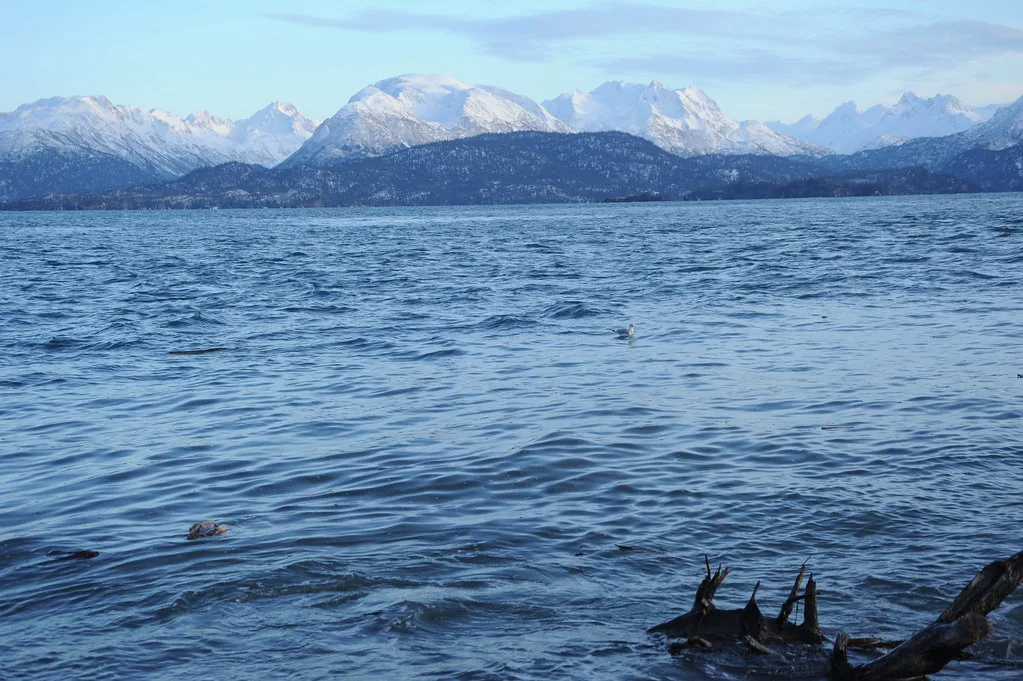
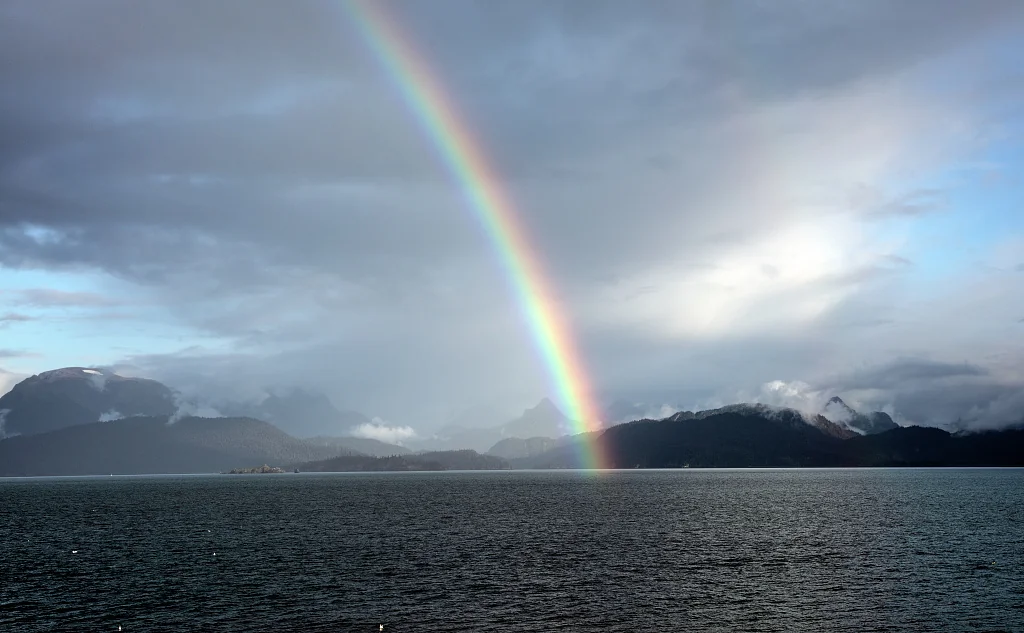
We came into Kachemak Bay on a morning so still that the water looked like poured mercury, and the mountains on the far shore — the Kenai range, still holding snow well into July — were doubled perfectly in the reflection. Homer revealed itself slowly: first the long, improbable finger of the Spit reaching out into the bay, then the town climbing the bluff above it, then the little harbor full of fishing boats and water taxis and floatplanes tethered to their moorings. I have visited a fair number of Alaska ports by now, and Homer is the one where I whispered to myself: I could live here. Not because it is polished or convenient, but because it is honest in a way that most places have forgotten how to be.
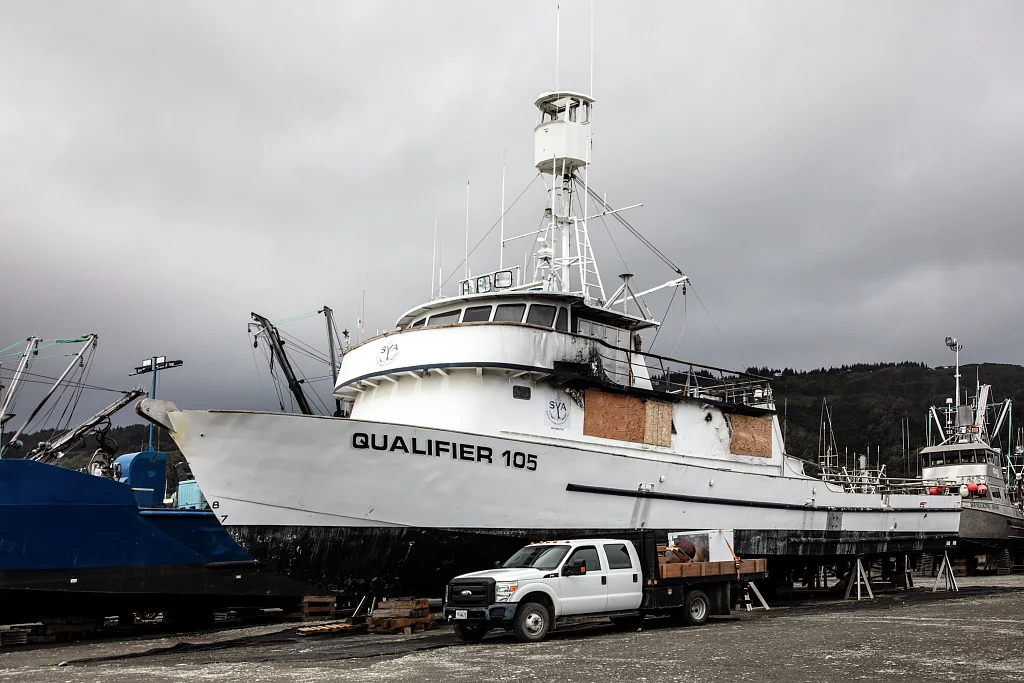
The Homer Spit is where you start, and it is worth understanding what you are standing on. This is a 4.5-mile natural gravel bar extending into Kachemak Bay — a geological oddity that functions as Homer's front porch. Charter fishing boats line the harbor, their captains hawking halibut trips to anyone who will listen. Homer calls itself the Halibut Fishing Capital of the World, and based on the size of the fish I saw coming off the boats, they have earned the title. The Salty Dawg Saloon sits at the end of the Spit in a weathered lighthouse building, its walls papered with dollar bills from decades of visitors. It is a tourist stop, yes, but also a genuine gathering place — I watched a fisherman in Xtratufs drink a beer next to a couple from Ohio still wearing their cruise lanyards. Nobody seemed to mind the mix.
Downtown Homer is a different world from the Spit — quieter, more reflective, draped across the bluff with views that make you stop mid-sentence. This is an arts town in the truest sense. Homer has more artists per capita than almost any community in Alaska, and you can feel it in the galleries that line Pioneer Avenue. These are not gift shops repackaged as galleries. I spent an hour in one where a ceramicist was glazing bowls in the back room while her partner framed watercolors of Kachemak Bay at the front desk. The work was serious, deeply rooted in the landscape, and priced for people who actually wanted to hang it on their walls rather than stash it in a suitcase. Several galleries showed work by Dena'ina and Alutiiq artists alongside contemporary painters and sculptors — the cultural threads woven together rather than separated into categories.
The Pratt Museum is small but thoughtful, the kind of place that cares more about telling stories well than about flashy exhibits. Displays on homesteading history, commercial fishing, and the 1989 Exxon Valdez oil spill (Homer was directly affected) are presented with a local perspective you will not find anywhere else. The natural history section includes marine specimens from Kachemak Bay, and a live tidepool touch tank that children and adults find equally fascinating. Admission is modest, and the museum deserves more than the quick walk-through most visitors give it.
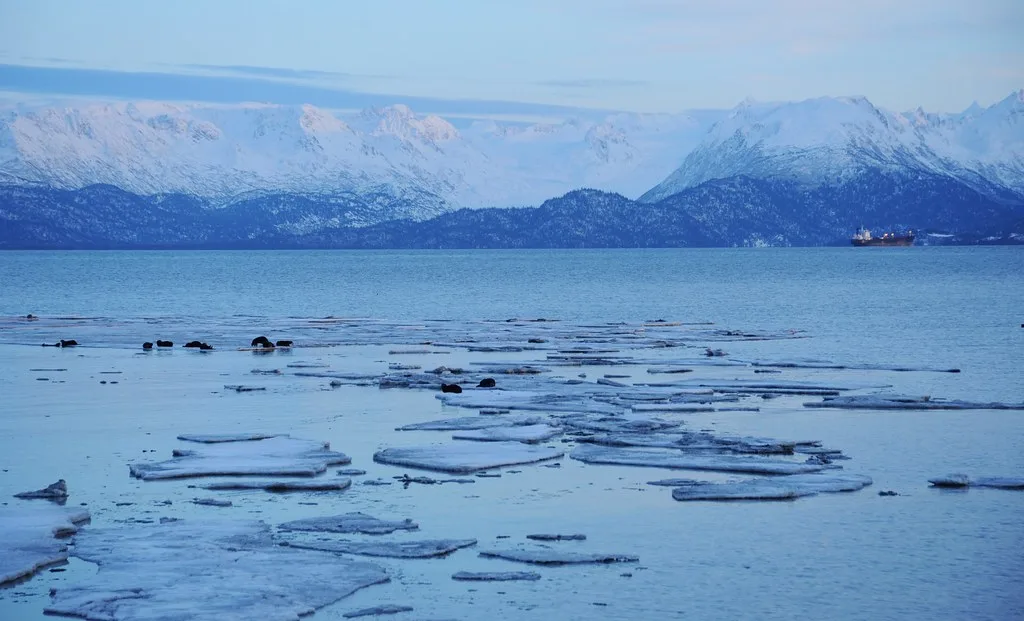
I took a water taxi from the Spit across to Kachemak Bay State Park — about thirty minutes across the bay — and hiked the Grewingk Glacier Lake Trail. The trail winds through spruce forest and wildflower meadows before opening onto a glacial lake with chunks of ice floating in water the color of a robin's egg. I sat on the shore eating a sandwich and watching a bald eagle circle overhead and thought about how this park, 400,000 acres of wilderness accessible only by boat or plane, is one of Alaska's best-kept secrets. The Center for Alaskan Coastal Studies runs guided nature walks across the bay as well — excellent for families or anyone who wants interpretation along with the scenery.
The Alaska Islands and Ocean Visitor Center, run by the U.S. Fish and Wildlife Service, is free and genuinely excellent. The exhibits on seabird colonies, marine mammals, and the Alaska Maritime National Wildlife Refuge are designed with both depth and accessibility. I learned more about puffin ecology in forty-five minutes here than I had in years of casual reading. It is the kind of public institution that makes you grateful for the people who fund and staff these places.
If your schedule and budget allow, the floatplane bear viewing trips to Katmai National Park or Lake Clark National Park are the kind of experience that rearranges your understanding of the natural world. You fly an hour or so over the Alaska Peninsula, land on a beach or lakeside strip, and walk with a guide to within safe distance of coastal brown bears fishing for salmon. I have seen bears elsewhere in Alaska, but nothing compares to watching a dozen of them working a river at once — mothers with cubs, solitary males the size of small cars, all of them focused on the salmon and largely indifferent to your presence. The trips are expensive ($650–900 per person), weather-dependent, and worth every penny if the skies cooperate.
Saturday mornings in summer bring the Homer Farmers Market, which draws locals and visitors alike from across the Kenai Peninsula. Local produce (the growing season here is short but intense), artisan bread, smoked salmon, handmade soap, pottery, and live music. The market has the feel of a community gathering rather than a commercial event. I bought a jar of fireweed jelly from a woman who had harvested the blossoms herself and could tell me exactly which hillside they came from.
The pros: stunning natural setting on Kachemak Bay, the iconic Homer Spit, galleries showing museum-quality local art, excellent free visitor center, gateway to Katmai bear viewing, the best farmers market in Alaska, authentic community feel, fewer cruise tourists than major ports, and a creative bohemian spirit that permeates everything.
The cons: Homer is primarily served by small expedition ships, so access is limited on mainstream cruise itineraries. The Spit is 4.5 miles from downtown, requiring transportation. Bear viewing floatplane trips are expensive and weather-dependent. Dining options, while good, are limited compared to larger ports. Some attractions close early or have irregular schedules.
Practical tips: If you are arriving by small ship, check whether your ship anchors in the bay or docks at the Spit — this affects your starting point. Arrange a shuttle or taxi to get from the Spit to downtown ($15–25). Book bear viewing flights well in advance and accept that weather cancellations happen. Visit the Alaska Islands and Ocean Visitor Center early — it is free and sets the context for everything else you will see. Bring layers; Kachemak Bay weather shifts quickly. If you are here on a Saturday, do not miss the farmers market. And leave time to simply wander the galleries — Homer's art is the real thing.
Homer sits at the end of the Sterling Highway, the last town on the road system heading south on the Kenai Peninsula, and there is something poetic about that. It is a place people have to mean to get to. Nobody passes through Homer on the way to somewhere else. The artists, fishermen, and eccentrics who settled here came because the bay called to them and the mountains held them and the light — that extraordinary Alaska light — made them want to capture something true. Walking through this town, something shifted in me — I felt the accumulated weight of all those choices, all those people who reached the end of the road and decided it was exactly where they belonged. Homer taught me that some endings are really beginnings, and that the places hardest to reach are often the ones most worth finding.
Homer is a lower-volume cruise port by Alaska standards — not a daily hub like Whittier, Seward, Juneau, or Skagway, but more than a specialty expedition stop. The primary cruise berth is the Pioneer Dock (also called the Deep Water Dock) on the outer end of the 4.5-mile Homer Spit, operated by the City of Homer as a face berth separately from the Homer Small Boat Harbor. Holland America's Alaska season schedules regularly include Homer, Cunard's Queen Elizabeth has featured Homer on Seattle round-trips, and Crystal Symphony is advertised returning to Alaska with Homer as a port of call in 2026. Smaller expedition lines (Lindblad/National Geographic, UnCruise Adventures, Windstar) and luxury lines (Regent Seven Seas) also call. Live cruise schedules are maintained by Cruise Line Agencies of Alaska and industry aggregators.
Most mainstream ships tie up directly at the Pioneer Dock — no routine tendering. Some smaller vessels use the Small Boat Harbor instead. From either landing you are immediately on the Spit, with charter fishing boats, water-taxi operators, floatplane offices, restaurants, and the Salty Dawg Saloon within a walkable stretch. Downtown Homer — galleries on Pioneer Avenue, the Pratt Museum, and the USFWS Alaska Islands and Ocean Visitor Center — is about 4.5 miles back up the Spit road, typically a 10–15 minute drive by shuttle, taxi ($15–$25), or rental car.
Port calls in Homer generally run 6–10 hours, enough time for a major excursion (a fly-out bear viewing trip or a Kachemak Bay State Park water-taxi hike) plus time to explore either the Spit or downtown. The relaxed pace means you will not spend time waiting in lines or navigating crowds. Facilities at the Spit include restrooms, a harbormaster office, and small food vendors; the outer Spit is also in the Alaska DGGS-mapped tsunami evacuation zone, and signs direct you inland toward Kachemak Drive and East End Road if a warning sounds.
Homer's layout is divided between the Homer Spit and downtown on the bluff above. Understanding this split is the key to planning your port day. The Spit is a self-contained area walkable on foot; downtown requires transportation from the Spit.
Accessibility Note: The Spit is mostly flat with gravel and paved surfaces. Downtown Homer has paved sidewalks along Pioneer Avenue. Some trails in Kachemak Bay State Park are not wheelchair accessible. Contact the visitor center or your ship's excursion desk for specific accessibility information.
Homer excursions range from once-a-season bear encounters to quiet cultural exploration. The town's smaller scale and remote location mean fewer mass-market options but more meaningful, intimate experiences. Book ahead — especially for bear viewing flights, which sell out weeks in advance.
The signature Homer experience ($650–900 per person, 6–8 hours including flight time). Floatplanes depart from the Spit and fly across Cook Inlet to Katmai National Park or Lake Clark National Park, where coastal brown bears fish for salmon in extraordinary concentrations. Guides walk you to viewing areas within safe distance. This is a wildlife encounter that stays with you — weather-dependent, expensive, and profoundly memorable. Book well in advance; cancellations due to weather are common, so build flexibility into your plans.
Water taxi from the Spit ($75–100 round trip, full day recommended) to 400,000 acres of roadless wilderness across the bay. Hiking trails range from easy coastal walks to strenuous glacier approaches. The Grewingk Glacier Lake Trail is the most popular — moderate difficulty, about 6 miles round trip to a glacial lake with floating ice. Arrange pickup time with your water taxi operator. Pack lunch, water, and layers.
Guided nature tours by the Center for Alaskan Coastal Studies ($85–$125 per person, 4–6 hours) cross Kachemak Bay by boat to Peterson Bay, where naturalists lead tidepool explorations, forest walks, and marine ecology programs. Excellent for families and anyone interested in the coastal ecosystem. Includes boat transfer and guided interpretation. An excellent nature education experience for all ages.
Homer earned its title as the Halibut Fishing Capital of the World. Charter boats ($250–350 per person, 6–10 hours) depart from the Spit and head into Kachemak Bay or Cook Inlet. Fish processing and shipping services available at the harbor. Catch limits and regulations are strictly enforced. Even if you are not an angler, watching the charter fleet return with massive halibut is worth the walk to the harbor.
Self-guided and free. Homer's galleries along Pioneer Avenue and side streets showcase painting, ceramics, glass, jewelry, and sculpture by local and regional artists. The quality is remarkable for a town of 5,600 people — multiple galleries show museum-quality work. The Bunnell Street Arts Center hosts rotating exhibitions in a historic building. First Friday art walks (monthly, summer) feature openings at most galleries.
Summer Saturdays, free admission. One of Alaska's best farmers markets, featuring local produce, artisan foods, handmade crafts, and live music. The market runs from late May through September at the Ocean Drive parking lot. Arrive early for the best selection. Worth planning your port day around if timing aligns.
Bear viewing flights sell out quickly — book 2–4 weeks ahead minimum. Water taxis can usually be arranged a day or two in advance but booking ahead guarantees your preferred timing. Ship-arranged excursions offer convenience and guaranteed return, though options may be limited at this smaller port. For independent exploration, the combination of the free visitor center, a gallery walk, and the Spit itself makes an excellent self-guided day at no cost.
Everything you need to know before stepping ashore.
Homer sits on the south side of the Kenai Peninsula, exposed to Kachemak Bay weather patterns. Summer temperatures range 50–65°F (10–18°C), though sunny days can reach the low 70s. Fog, wind, and rain are common, especially on the Spit. Weather can change rapidly — a clear morning can turn overcast by afternoon.
Pro Tip: Visit the free Alaska Islands and Ocean Visitor Center before doing anything else — the exhibits provide context for the bay ecosystem and make every other Homer experience richer. And if you are here on a Saturday in summer, get to the farmers market early. The fireweed jelly sells out fast.
Last reviewed: February 2026
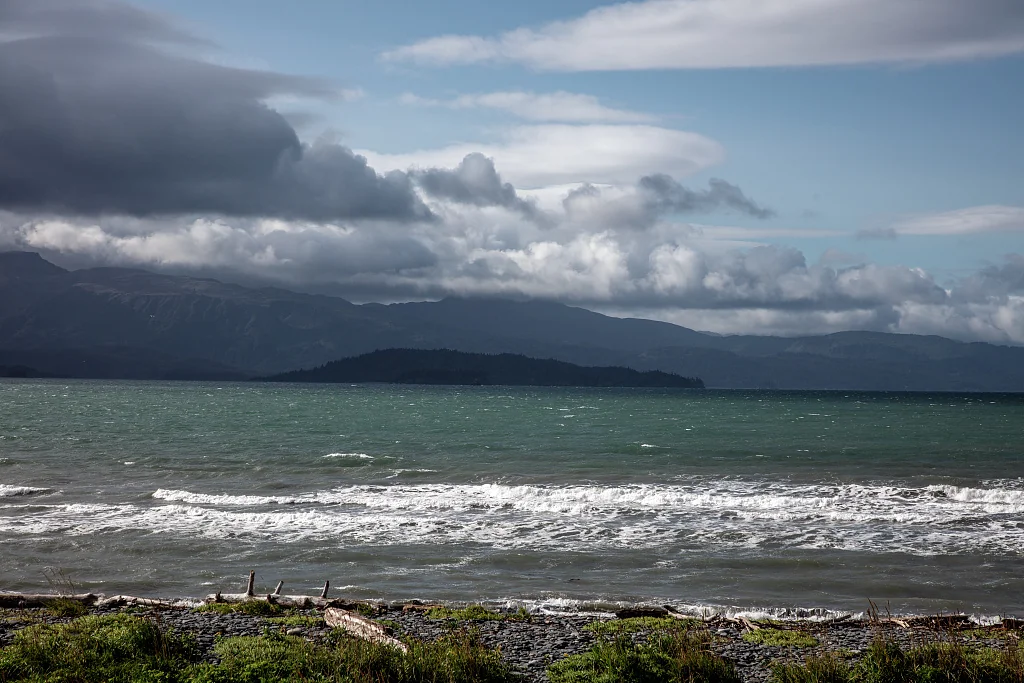
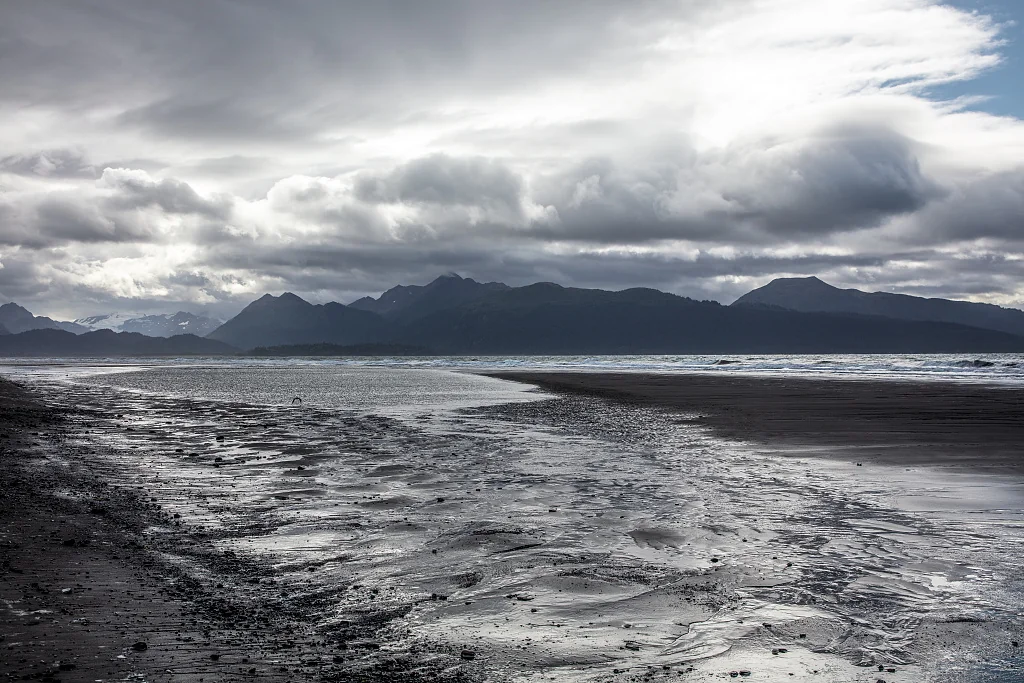
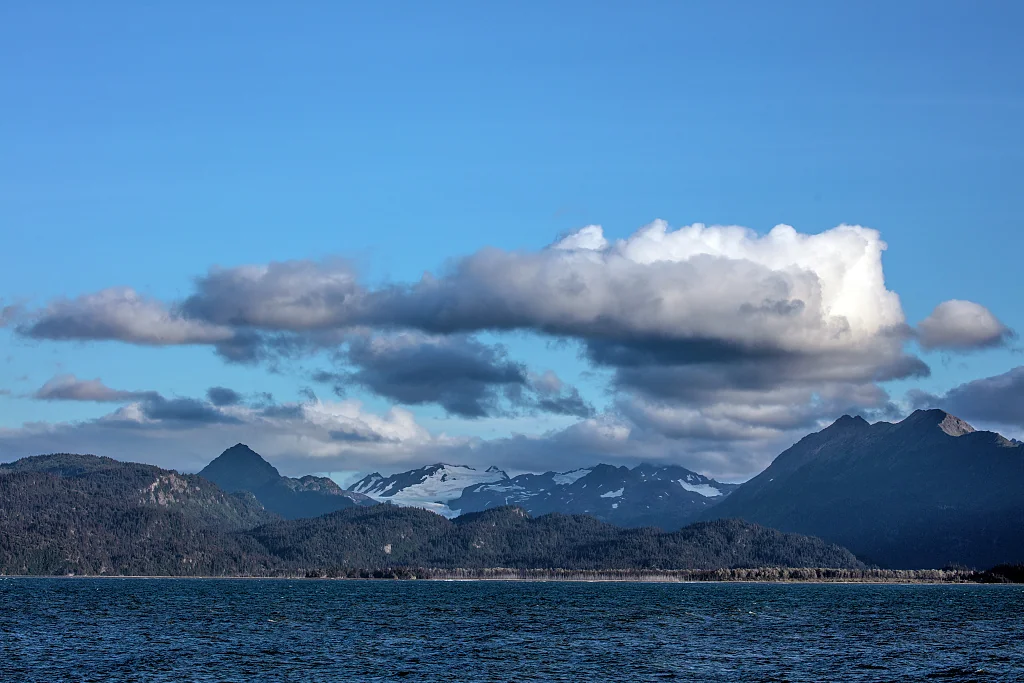
Gallery rebuilt 2026-04-12. Three photos by Wonderlane on Flickr (CC BY 2.0, licenses WebFetch-verified); five photos by Carol M. Highsmith from the Library of Congress Carol M. Highsmith Archive, dedicated to the public domain by the photographer per her 1991 agreement with LoC. Four prior Wikimedia Commons files (prior99/NPS captions) were removed because the files did not match their claimed subjects. Each image has been visually verified per admin/CAREFUL.md Image Verification Protocol.
June through August offers the most reliable weather, with highs typically in the mid-50s to low 60s°F (13–17°C), long daylight (about 19 hours at the June solstice), and peak bear-viewing and halibut-charter activity. May and September are quieter shoulder months with more variable conditions and fewer cruise calls.
Pack a waterproof-and-windproof outer shell, warm mid-layers (fleece or wool), hat, gloves, and non-slip shoes. The Homer Spit is much windier than downtown — you will feel 10–15°F colder there when Cook Inlet funnels breezes down the bay. Binoculars and a telephoto lens are essential for bears, eagles, and seabird spotting at the USFWS visitor center.
Alaska is not in a hurricane zone. The real concern is Gulf of Alaska autumn and winter extratropical storms that can bring gale-force winds to Kachemak Bay between October and March. Summer cruise days rarely encounter severe weather, though fog and wind can cancel bear-viewing flights in any month.
No. Homer is relatively dry by Southeast Alaska standards — about 25 inches of precipitation a year — sheltered from the heaviest Gulf storms by the Chugach Mountains. Most summer rain arrives as brief showers or drizzle, and the free Alaska Islands and Ocean Visitor Center, Pratt Museum, and Pioneer Avenue galleries are all excellent wet-weather backups.
Homer's main cruise berth is the Pioneer Dock (also called the Deep Water Dock) on the outer Homer Spit, used by large vessels, the Alaska Marine Highway ferry, and many cruise ships. Small expedition lines sometimes tender to the Homer Small Boat Harbor. The outer Spit is about 4.5 miles from downtown Homer, served by shuttles, taxis ($15–$25), and rental cars.
The Homer Spit is a natural gravel bar about 4.5 miles long extending from downtown Homer into Kachemak Bay, 100–500 yards wide. It hosts the small boat harbor, Pioneer Dock, charter fishing fleet, water-taxi operators, seasonal shops and restaurants, the Salty Dawg Saloon, and Land's End Resort at the tip. The Spit subsided about six feet in the 1964 Great Alaskan Earthquake and has been rebuilt and reinforced by the U.S. Army Corps of Engineers since.
Not easily inside Homer itself, but Homer is one of Alaska's best fly-out bases for coastal brown bear viewing. Operators based on the Homer Spit run floatplane day trips across Cook Inlet to Katmai National Park and Lake Clark National Park, including Hallo Bay, Chinitna Bay, and Brooks Falls. Season is roughly June through September; expect ~5-hour trips and prices from about $585 per person upward.
The Alaska Islands and Ocean Visitor Center is the U.S. Fish and Wildlife Service headquarters and interpretive center for the Alaska Maritime National Wildlife Refuge, which protects thousands of islands and tens of millions of seabirds from the Aleutians to the Chukchi Sea. It is in Homer at 95 Sterling Highway, typically open Tuesday–Saturday, and admission is free. The 1.2-mile Beluga Slough Trail links it to Bishop's Beach.
There is no road access. The park and adjoining State Wilderness Park — about 400,000 acres of mountains, glaciers, forest, and coast — are reached by water taxi or small plane from the Homer Spit. Signature destinations include the Grewingk Glacier Lake Trail, China Poot Bay, Halibut Cove Lagoon, and Grace Ridge. Water taxis are about $75–$100 round trip per person; pack lunch, layers, and rain gear.
Yes, but only by boat or seaplane — there are no roads. Halibut Cove is a small artists' community on Ismailof Island reached via the Kachemak Bay Ferry (M/V Danny J), water taxi, or floatplane from Homer. The boardwalk community hosts galleries and The Saltry Restaurant, typically bundled with round-trip ferry service.
Homer halibut charter season runs roughly mid-May through late September. Representative pricing: 3/4-day trips (4–6 hours) around $275 per person, long-range day trips (8–10 hours) around $500 per person. Homer sits in IPHC Regulatory Area 3A; guided anglers face a 2-fish daily bag limit with size restrictions set annually by NOAA/IPHC, plus specific no-retention days during parts of the core season. Always check the current year's rules before booking.
Homer sits in seismically active Cook Inlet. The 1964 M9.2 earthquake subsided the Spit by six feet. Alaska DGGS tsunami maps place the outer Spit in the evacuation zone — if a siren sounds, head inland up Spit Road. Tides exceed 20 feet, Cook Inlet volcanoes (Redoubt, Augustine) produce ashfall events, and storms continue to erode the Spit.
Start with the free Alaska Islands and Ocean Visitor Center for excellent exhibits on marine ecology. Walk the Homer Spit, watch charters return with halibut, and step inside the Salty Dawg Saloon. If you can reach downtown, browse the Pioneer Avenue galleries and visit the Pratt Museum. With a full day, add either a water taxi to Kachemak Bay State Park or a fly-out bear viewing trip from the Spit.