


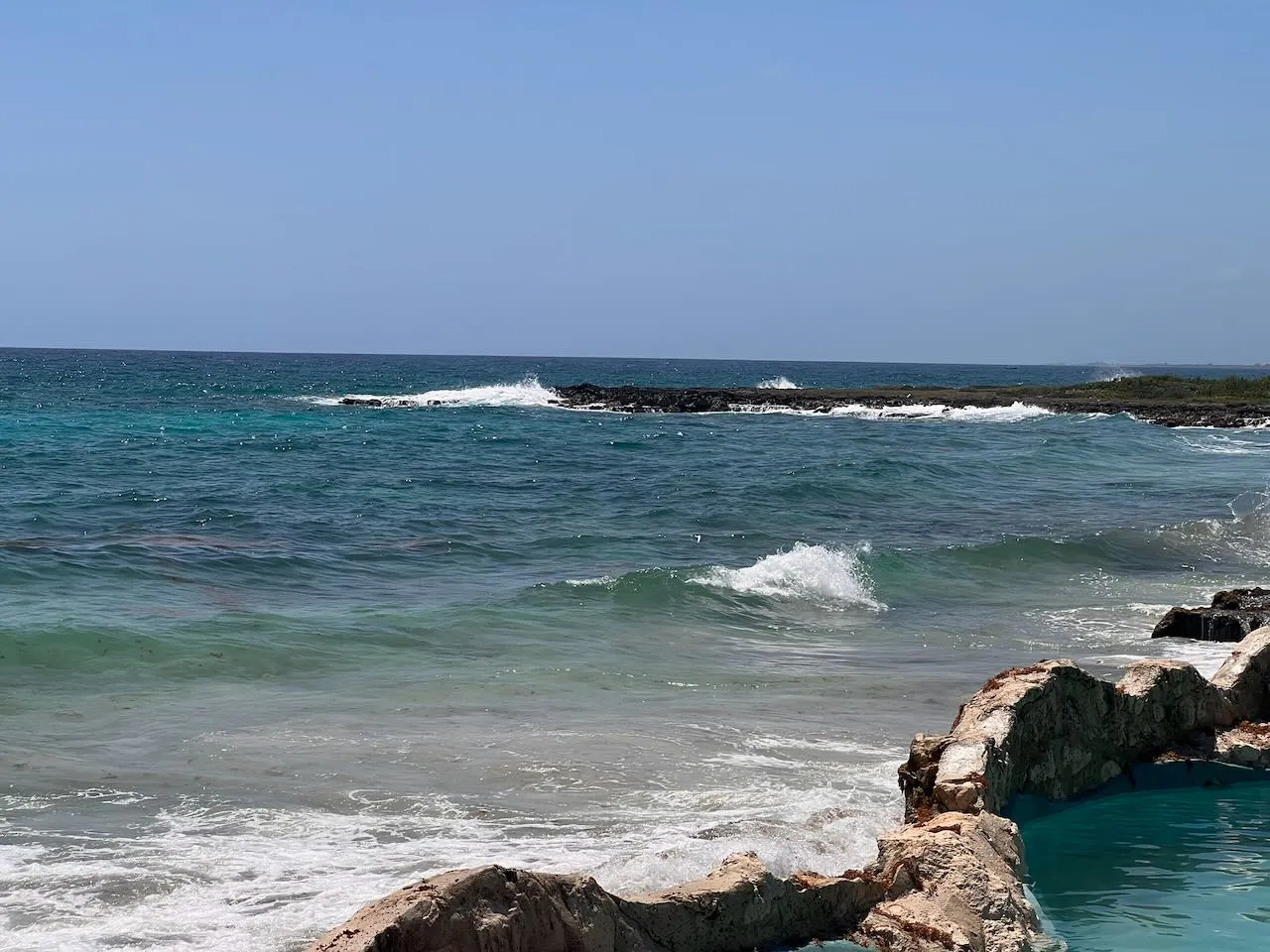
Photo: Wikimedia Commons (CC BY-SA 4.0)
My Logbook: Where Oaxaca Meets the Pacific
My ship anchored in Bahía de Santa Cruz and I stepped onto the tender wondering what Huatulco would reveal. This is Mexico's youngest major resort destination—a government-planned development from the 1980s designed to protect the environment while welcoming tourism. The result feels improbably successful: nine pristine bays protected as a national park, towns that work rather than sprawl, and access to authentic Oaxacan culture just inland from the coast. I found myself impressed by how different this felt from the mega-resort ports up the coast.
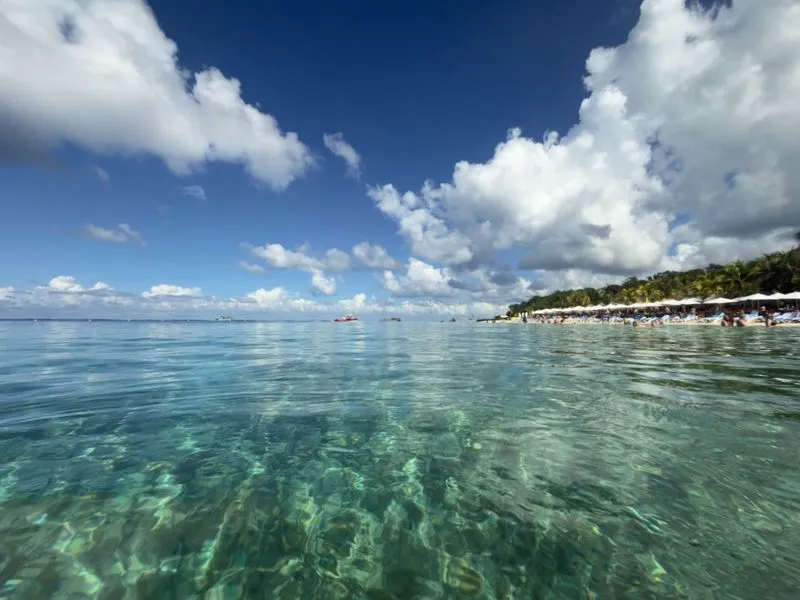
Unlike Cancún or Los Cabos, Huatulco never surrendered its soul to mega-resorts. The government capped building heights, restricted development to preserve the bays, and maintained strict environmental protections. I can snorkel waters where sea turtles feed among coral gardens, then drive twenty minutes inland to coffee plantations where farmers still harvest beans by hand. This is intentional paradise—human design attempting harmony with nature rather than conquest of it. Though I'm still learning its rhythms, the balance feels rare and worth preserving.
The tender deposited me at the Santa Cruz marina, modest compared to purpose-built cruise facilities elsewhere, which somehow fits Huatulco's low-key personality. Fishing boats share space with tour vessels, and the bay curves around protected waters where pelicans dive for breakfast. I noticed immediately how the pace felt different here—less aggressive sales pitches, more genuine warmth from locals who seem genuinely pleased to share their corner of Oaxaca with visitors.

I hired a local guide to take me beyond the bays to a family-run coffee finca in the Sierra Madre foothills. The forty-minute drive climbed through jungle that seemed to swallow the coastal heat, depositing me at a small farm clinging to steep hillsides where coffee has grown for generations. The grandmother demonstrated how she roasts beans in a clay pot over wood fire, exactly as her grandmother taught her. She poured me a cup—smoky, bright, impossibly fresh. No ceremony, no performance, just coffee the way it tastes before commerce dilutes it. I bought a kilo and it barely lasted the cruise home.

Back at the coast, I explored La Entrega, a small cove in Santa Cruz bay reachable by water taxi. The protected waters host Huatulco's most accessible snorkeling—visibility often exceeds fifty feet, and tropical fish congregate around rocky outcrops near shore. Within minutes of wading in, I spotted a sea turtle grazing on seagrass, unhurried by my presence. I floated motionless, watching the turtle methodically graze before gliding toward deeper water. The reef sits in shallow water comfortable for beginners yet interesting enough to occupy experienced snorkelers for hours. However, the real discovery was how uncrowded everything felt—even with a ship in port, I had stretches of reef essentially to myself.

While tourists congregate at beaches, La Crucecita functions as Huatulco's practical heart—the place where locals live, shop, and gather. The town radiates from a central plaza anchored by the Church of Our Lady of Guadalupe, its interior ceiling painted with an enormous mural of the Virgin that covers the entire surface. I craned my neck staring upward at the artwork, then stepped outside to the plaza where families gathered on benches beneath shade trees. Children played around the central fountain while their parents chatted on wrought-iron benches. This felt like Mexico experienced rather than performed—a real community continuing its daily life while visitors passed through.
Restaurants surrounding the plaza serve authentic Oaxacan cuisine at prices reflecting local rather than tourist economics. I ordered tlayudas—massive crispy tortillas topped with beans, cheese, meat, and vegetables, Oaxaca's answer to pizza. The mole negro arrived dark and complex, made with chocolate and thirty other ingredients, served over chicken with rice and fresh tortillas. My full meal cost ten dollars, and the flavors outperformed resort buffets by orders of magnitude. I've since learned that Oaxaca claims Mexico's richest culinary tradition, and Huatulco provides accessible proof. Although my time was limited, the municipal market beckoned with stalls selling fresh tamales, chapulines, and handwoven textiles—each vendor eager to explain their craft. Despite being a planned tourism destination, Huatulco somehow preserved the authentic soul that makes Mexico endlessly fascinating to explore.
Looking back, Huatulco taught me that sometimes the best destinations are the ones that haven't finished becoming famous yet. This is Mexico before the crowds discover it—authentic, unhurried, and genuinely welcoming. The grandmother's coffee, the turtle's unhurried grace, the tlayuda's complex flavors—each moment felt like a gift offered without expectation of anything in return. My heart swelled with gratitude for places that still exist like this, unchanged by the tourism machine.
Weather & Best Time to Visit
The Cruise Port
Huatulco lacks a cruise pier, which means ships anchor in Bahía de Santa Cruz and tender passengers to shore. The tender ride takes about ten minutes, depositing you at the Santa Cruz marina where the terminal building offers basic amenities—bathrooms, craft vendors, tour operators. The setup is modest compared to purpose-built facilities elsewhere, but staff provide wheelchair assistance upon request and the marina area has relatively smooth pathways for mobility devices.
First tenders typically depart an hour after arrival while the ship settles at anchor and launches boats. Final tenders run thirty minutes before all-aboard time. Build these buffers into your schedule rather than assuming instant shore access. The marina area invites brief exploration—fishing boats share space with tour vessels, and the bay curves around protected waters where pelicans dive for breakfast. When multiple ships anchor simultaneously, tender lines can build significantly—plan accordingly.
Getting Around
- Taxis ($6-12): Cluster at the marina exit with drivers offering set rates. Expect $6 to La Crucecita (3km inland), $10-12 to Tangolunda resort zone (5km east), $8 to La Entrega snorkeling area. These are per-vehicle rates, not per person—sharing reduces costs. Negotiate in pesos for better rates.
- Water Taxis ($5-8): Depart from the marina to La Entrega and other bay locations. Quick way to reach snorkeling spots without land transport. Schedules are informal—boats leave when they have enough passengers.
- Colectivo Buses (8 pesos): Run between Santa Cruz, La Crucecita, and surrounding areas. Practical if you understand the system—buses depart when full rather than on fixed schedules. Ask locals which bus goes where; they'll point you correctly.
- Bay-Hopping Boat Tours ($40-60): Function as transportation and sightseeing combined. Visit multiple bays with swimming and snorkeling stops, covering more coastline than land transport allows. Book at the marina from various operators.
- Walking: Santa Cruz marina area is compact and walkable. La Crucecita is 3km inland—walkable but hot. The marina has accessible pathways; La Crucecita's plaza area is relatively flat with some uneven surfaces.
- Accessibility: The marina offers basic accessibility with smooth main pathways. Taxis can accommodate folding wheelchairs. Beach areas have sand access challenges—confirm conditions with tour operators before booking excursions.
Huatulco Area Map
Interactive map showing tender pier, bays, La Crucecita, and attractions. Click markers for details.
Top Excursions & Things to Do
Booking guidance: Ship excursions guarantee return to vessel but cost 30-50% more. For snorkeling at La Entrega and La Crucecita exploration, independent transport works perfectly—taxis are plentiful and affordable. For coffee plantation tours and bay-hopping, ship excursions provide convenience; independent booking offers flexibility and better prices. A ship excursion provides guaranteed return for coffee plantation and waterfall trips in the mountains. Book ahead for coffee tours during peak season.
Coffee Plantation Tour ($50-90)
ESSENTIAL for coffee lovers. The forty-minute drive into the Sierra Madre visits family fincas where organic beans grow on steep hillsides. You'll see the entire process from cherry to cup—hand-picking, processing, traditional clay-pot roasting—and taste coffee impossibly fresh. Ship excursions run $80-90; independent tours through local operators cost $50-70. Purchase beans directly from farmers at excellent prices ($8-15/kg). Tours often include lunch with traditional Oaxacan dishes.
Snorkeling at La Entrega ($15-30)
Huatulco's most accessible snorkeling—water taxi from marina ($5-8) delivers you to a protected cove with 50+ feet visibility. Sea turtles, parrotfish, angelfish, and rays feed around shallow rocky areas. Rent mask and fins from beach vendors ($8-10) or bring your own. The beach has palapa restaurants serving fresh seafood and cold drinks. Water temperature averages 78-82°F year-round. Excellent for beginners and satisfying for experienced snorkelers.
Bay-Hopping Boat Tour ($40-60)
Visit multiple bays in a single excursion—Cacaluta, Maguey, San Agustín, and others require boat access and reward the effort with near-deserted beaches and dramatic scenery. Tours typically spend an hour at each location for swimming and snorkeling. Book at the marina from various operators; prices are negotiable, especially for groups. Half-day tours cover 3-4 bays; full-day options reach more remote locations.
La Crucecita Town Experience (free to $20)
Authentic Oaxacan culture just 3km inland ($6 taxi). The central plaza hosts families, vendors, and the Church of Our Lady of Guadalupe with its remarkable ceiling mural. Surrounding restaurants serve tlayudas ($5-8), mole negro ($8-12), and other regional specialties at local prices. The municipal market sells produce, crafts, and prepared breakfast for $3. Thursday evenings bring live music to the plaza.
Tangolunda Resort Day Pass ($60-90)
For travelers prioritizing pools and beaches over exploration. All-inclusive properties in the resort zone offer day passes with buffet, drinks, beach chairs, and pool access. The sand quality here exceeds other bays—fine, pale, regularly groomed. Taxi from marina costs $10-12. Good option when you want relaxation without logistics, though you'll miss the authentic Huatulco experience.
Waterfall and Jungle Tours ($45-70)
Rivers inland lead to cascades tucked in jungle ravines. Tours combine 30-minute drives with short hikes to swimming holes beneath waterfalls—refreshingly cool after coastal heat. Some itineraries include multiple falls; others focus on single sites with extended swimming time. Book through ship ($70-90) or local operators at the marina ($45-60). Bring water shoes and bug spray.
Depth Soundings
Practical details and honest assessments for planning your Huatulco day.
- Tender timing reality: First tenders depart roughly an hour after arrival. Final tenders run 30 minutes before all-aboard. When multiple ships anchor, lines build significantly—don't cut your return too close. Missing the last tender creates expensive complications involving water taxis and potentially abandoned luggage.
- Sun intensity: Huatulco sits at 15° north latitude—intense sun even on cloudy days. Bring reef-safe sunscreen, reapply frequently, wear a rash guard for snorkeling. Seek shade during midday hours. Dehydration and sunburn ruin more port days than any other preventable problems.
- Currency advantage: Pesos deliver noticeably better value than dollars, especially at local restaurants and markets. ATMs in La Crucecita dispense pesos at standard rates. That beer costs 30 pesos or $3—the peso price rarely changes while dollar pricing inflates.
- Language consideration: Spanish dominates outside tourist zones. Basic phrases—hello, please, thank you, how much—earn goodwill and sometimes better prices. Vendors and tour operators speak functional English; La Crucecita locals appreciate any Spanish effort.
- Water and hydration: Coastal heat and humidity demand constant hydration. Bottled water costs pennies at local shops, dollars at tourist vendors. Fill a reusable bottle before leaving the ship. Don't drink tap water; ice at established restaurants is generally safe.
- Beach essentials: Bring your own snorkel gear if you have it—rentals exist but eat into limited port hours. Ship towels work for shore. Beach vendors rent chairs and umbrellas for reasonable rates ($5-10). Water shoes help with rocky entries at snorkeling spots.
Photo Gallery


Frequently Asked Questions
Do cruise ships dock or tender in Huatulco?
Ships anchor in Bahía de Santa Cruz and tender passengers to the marina—about a 10-minute ride each way. First tenders depart roughly an hour after arrival; last tenders return 30 minutes before all-aboard. Factor these transfers into your planning.
What are the nine bays of Huatulco?
The nine bays (Bahías de Huatulco) are: Santa Cruz (where tenders arrive), Chahué, Tangolunda (resort zone), Conejos, Maguey, Cacaluta, San Agustín, Órgano, and Chachacual. All are protected as a national park. Each offers distinct character—from developed beaches to remote coves accessible only by boat.
Which bay has the best snorkeling?
La Entrega in Santa Cruz bay offers the most accessible snorkeling—15-minute water taxi from the tender dock to a protected cove with excellent visibility and sea turtles. For more remote spots, bay-hopping boat tours visit Maguey, San Agustín, and other locations with healthy reefs.
Can I visit a coffee plantation from Huatulco?
Yes—Oaxacan coffee plantations in the Sierra Madre offer half-day tours ($50-90). You'll see traditional processing, taste exceptional organic beans, and experience authentic village life. Book through ship excursions or local operators at the marina. Tours typically include lunch.
Should I visit La Crucecita or stay at the beaches?
La Crucecita provides authentic Oaxacan food, local markets, and cultural atmosphere missing from beach zones—just a $6 taxi ride. Consider spending an hour exploring the plaza and having lunch, then heading to beaches afterward. You can experience both in a single port day.
When is the best time to visit Huatulco?
The seasonal panel above lists Peak Season as "Dec, Jan, Feb, Mar, Apr" and aligns Beach, Snorkeling, Hiking, and City Walking activities with those same months. Transitional Season is "May, Jun, Nov" and Low Season is "Jul, Aug, Sep, Oct," with Low Crowds noted for "Jul, Aug, Sep." The avoidance note flags "Sep, Oct" for "hurricane risk." Use the live weather widget in the seasonal panel for current short-term conditions.
Is Huatulco safe for cruise passengers?
Huatulco is considered safe. It's a planned resort community with strong environmental protections. Exercise normal precautions and stick to tourist areas and established beaches.
What should I pack for Huatulco?
Reef-safe sunscreen, snorkel gear if you have it, water shoes for rocky beaches, light clothing, and small bills in pesos for taxi fares and market purchases.
When is hurricane and storm season in Huatulco?
The Weather Hazards panel above labels Huatulco a "Hurricane Zone" with "Season: May 15 – Nov 30 (Eastern Pacific)" and "Peak risk: Sep, Oct." Huatulco sits on Mexico's Pacific coast per the page header, so the relevant cyclone basin is the Eastern Pacific (whose season starts two weeks earlier than the Atlantic basin). The hazard-note on that panel reads: "Ships may reroute during active storms; travel insurance recommended." The avoidance note in the Best Time block also flags "Sep, Oct" for "hurricane risk." For current tropical-system status, use the live weather widget in the seasonal panel above.
Will rain ruin my Huatulco port day?
The seasonal panel does not give Huatulco-specific rainfall data — the Rain entry reads "Seasonal variation — check forecast." The Best Time block does list "Dec, Jan, Feb, Mar, Apr" as Peak Season and aligns the listed outdoor activities with those months, while "Sep, Oct" is the only window flagged in the avoidance note (for "hurricane risk"). The live weather widget in the seasonal panel is the source for short-term forecasts on a specific sailing date.
Last reviewed: February 2026