

Photo: Wikimedia Commons (CC BY-SA)
My Logbook: Where Ancient Greeks Still Tend the Fields
I stepped off the tender into Hvar Town harbour on a June morning so bright the whole world seemed to vibrate with light, and the first thing I noticed was the scent — lavender, warm stone, salt water, and something sweet drifting from a bakery on the waterfront. My feet found the ancient marble of St. Stephen's Square almost immediately, and I stood there in the centre of what is Croatia's largest piazza, feeling the cool smoothness of stone beneath my sandals while the sound of a church bell echoed off sixteenth-century facades. The square was alive but unhurried. Waiters set out chairs at waterfront cafes. A cat stretched across a warm step. I watched an old man sit on a bench near the cathedral with a newspaper he never opened, content to let the morning happen around him.
I climbed to Fortica fortress that morning because I wanted the view before the cruise ship crowds arrived. The walk took me twenty minutes up stone steps lined with rosemary and sage that released their fragrance when my legs brushed past. My calves burned by the halfway point, but I pressed on, stopping once to drink water and look back at the harbour where our ship sat at anchor, small and elegant against the impossibly blue Adriatic. At the top, the fortress walls opened onto a panorama that made me gasp — actually gasp, audibly, like someone had knocked the breath out of me. The entire Pakleni Islands archipelago floated in sapphire water below, green jewels scattered across silk. Hvar Town cascaded down the hillside in a tumble of terracotta roofs and white stone. I could see fishing boats heading out, a ferry cutting a white line toward the mainland, and the lavender-covered hills rolling inland toward the spine of the island. I sat on a warm stone wall and just watched. Sometimes you climb a hill for the view and the view gives you back something you didn't know you needed — perspective, maybe, or the quiet reminder that the world is more beautiful than we usually have time to notice.
The cost was only about €8 for the fortress entry, a remarkably good value for what I received. However, the real experience of Hvar wasn't the postcard views or the fortress walls — it was Stari Grad Plain, and I almost skipped it. My initial plan called for beaches and a seafood lunch, but a fellow passenger on the tender had mentioned the UNESCO site with such quiet intensity that I changed course entirely. I hired a local driver for about €40 round trip and rode thirty minutes into the island's interior, past vineyards and olive groves and stone walls that seemed to go on forever.
Stari Grad Plain stopped me cold. I stepped out of the car onto a dirt path between stone walls that had been built by Greek colonists in 384 BC — not reconstructions, not replicas, but the original walls, still standing, still dividing the same fields they had divided when Plato was teaching in Athens. Twenty-four centuries. I ran my hand along the rough limestone and felt the warmth stored from the morning sun, and something shifted in my chest. The same crops — grapes, olives — that those Greeks had planted were still growing here. I watched an elderly farmer tending vines in soil that had been worked by ancestors who spoke ancient Hellenic dialects. The taste of dust hung in the warm air. Despite all the changes the world had weathered since those stones were placed — empires rising and falling, wars and plagues and revolutions — this plain had remained. The land remembers everything, even when we forget.
The Moment That Stays With Me: I stood at the edge of a 2,400-year-old field as golden hour light poured across the stone walls, and for the first time in years I felt time collapse entirely. My eyes filled with tears — not from sadness but from the overwhelming grace of continuity. These walls were here before Rome fell. Before Christianity reached these shores. Before the Venetians built the palaces I had walked past that morning. And here was an old Croatian farmer, quiet and unhurried, harvesting grapes from vines rooted in the same soil the Greeks had blessed. I whispered a prayer of gratitude for being allowed to witness something so ancient and so alive. The wind carried the scent of sage and warm earth, and I finally understood what the word heritage actually means — not museums and plaques, but living hands on living soil, generation after generation, faithful to the same ground.Back in Hvar Town that evening, we ate grilled brancin at a harbourside restaurant — the fish so fresh I could still taste the sea in every bite, served with olive oil pressed from trees on the island and bread that was warm and slightly salty. The price was about €25 per person, reasonable for waterfront dining in Croatia. The waiter brought us lavender honey for the bread without being asked, and the floral sweetness against the salt of the butter was unlike anything I had tasted before. Although Hvar draws a glamorous crowd — we saw yachts in the harbour that cost more than my house — the island doesn't demand that you be wealthy to appreciate it. Its beauty belongs to everyone who shows up with open eyes and comfortable shoes.
Looking back, I realize Hvar taught me something I keep learning and keep forgetting: the most valuable things are the ones that endure. Not the trendy restaurants or the Instagram views, but the stone walls that outlast empires, the olive trees that feed strangers across millennia, the quiet farmer who does today what his ancestors did two thousand years ago. We cruise passengers arrive for a few hours and sail away, yet the plain remains. I learned that the truest form of wealth isn't accumulation — it's continuity, patience, faithfulness to a piece of ground. Hvar gave me awe and beauty and the best fish of my life, but what I carry with me still is the weight of a hand on ancient stone and the understanding that some gifts are measured in centuries, not hours.
Weather & Best Time to Visit
The Cruise Port
Hvar operates primarily as a tender port for larger cruise ships. Vessels anchor offshore in Hvar Town harbour, and passengers ride small tender boats to the town pier — a process that typically adds 15-20 minutes each way. Smaller expedition ships and luxury vessels sometimes dock directly at the Hvar Town pier or at Stari Grad port on the island's north coast.
From the Hvar Town pier, St. Stephen's Square is a five-minute walk directly ahead. The pier area has accessible pathways, though cobblestone streets in the old town present challenges for wheelchair users and those with mobility needs. Currency is the Euro (EUR) — Croatia adopted the euro in January 2023. ATMs are available near the main square. Croatian is the local language, but English is widely spoken in tourist areas and Italian is understood by many locals. Budget approximately €15-25 for a casual lunch, €25-50 for a waterfront dinner, and €8-15 for fortress or attraction entry fees.
Getting Around
- Walking (free — low to moderate walking effort): Hvar Town is entirely walkable for those comfortable on uneven terrain. The main square sits five minutes from the tender pier, and most attractions cluster within a fifteen-minute radius. Cobblestone streets and stone steps are common, so sturdy, comfortable shoes are essential. The climb to Fortica fortress involves twenty minutes of uphill stone stairs — strenuous for some, but benches along the path offer rest stops. Wheelchair users will find the waterfront promenade accessible, though narrow old-town streets present significant barriers.
- Taxis (€15-40 depending on destination): Available at the harbour and main square. Fixed prices to major destinations — Hvar Town to Stari Grad costs approximately €20-25, and to the lavender fields about €30-40. Always agree on the fare before departure. Drivers often wait at attractions for a return trip.
- Water Taxi to Pakleni Islands (€10-15 return): Small boats depart regularly from the harbour near the main square, taking about 15 minutes to reach the closest island. Palmizana is the most popular destination with restaurants and beaches. Service runs frequently in peak season but book ahead in July and August to guarantee a spot on your preferred departure.
- Bike Rental (€15-20/day): An excellent option for exploring Stari Grad Plain and the island's interior. Terrain near the coast is mostly flat, though the interior has hills. Several rental shops operate near the harbour. Electric bikes available at some locations for about €30-40/day — a worthwhile upgrade for the island's hillier routes.
- Scooter/Car Rental (€35-60/day): Available but generally unnecessary for a cruise port day. Roads are narrow in towns with limited parking. For those wanting to reach distant beaches or lavender fields independently, a scooter offers freedom without parking headaches.
Hvar, Croatia Area Map
Interactive map showing cruise tender landing, Hvar Town main square, Fortica fortress, Stari Grad Plain, and Pakleni Islands ferry dock. Click any marker for details and directions.
Top Excursions & Things to Do
Booking guidance: Ship excursions offer a guaranteed return to the vessel but cost more. Independent bookings are cheaper and more flexible, but carry risk if transportation delays occur. For distant attractions like Stari Grad Plain, consider a ship excursion or book ahead with a reputable local operator. Water taxis to the Pakleni Islands can be booked independently with confidence, as the crossing is short and frequent.
Hvar Town Main Square (Trg Svetog Stjepana)
Croatia's largest piazza and a living monument to Renaissance architecture. St. Stephen's Cathedral anchors the eastern end with its sixteenth-century bell tower rising above marble pavement polished by centuries of footsteps. The Arsenal building at the harbour end houses Europe's first public theater, which opened in 1612 — before either London or Paris had comparable public venues. The square itself is free to explore; cathedral entry costs approximately €4. Allow 1-2 hours for wandering, or longer if you settle into one of the waterfront cafes. This is where Hvar's soul lives, and it rewards slow appreciation.
Fortica (Spanish Fortress) — €8 entry
A sixteenth-century hilltop fortress perched above Hvar Town offering panoramic 360-degree views of the Adriatic, Pakleni Islands, and the Croatian mainland. The twenty-minute uphill walk on stone steps is moderate to strenuous, but the reward is extraordinary. A small museum inside explains the fortress history. Visit early morning (opens 8 AM) to avoid crowds and catch the best light. The view from the battlements is genuinely one of the finest in all of Croatia. This is a high-energy option best suited to those comfortable with stairs and inclines.
Stari Grad Plain (UNESCO World Heritage Site) — guided tour €30-40
The oldest continuously farmed agricultural landscape in Europe, established by Greek colonists from the island of Pharos in 384 BC. The original stone walls and field divisions remain intact after 2,400 years, with grapes, olives, and lavender still cultivated in the ancient plots. Best explored by bike rental (€15-20) or guided tour. Located thirty minutes from Hvar Town by car or taxi (€40 round trip). A ship excursion combining Stari Grad Plain with the old town of Stari Grad typically runs €60-80. This is the kind of site that changes how you think about time — profoundly moving and utterly unique.
Pakleni Islands — water taxi €10-15 return
An archipelago of twenty-one pine-covered islands off Hvar's southwest coast, offering secluded beaches, crystal-clear swimming coves, and waterfront restaurants. Palmizana on St. Clement island is the most popular destination, with a botanical garden, art galleries, and several restaurants. Stipanska cove is known for naturist bathing. The fifteen-minute crossing makes this an easy half-day independent excursion — no need to book ahead through the ship unless you prefer a guided experience. Budget €15-30 for lunch at a Pakleni restaurant.
Tvrdalj Castle (Petar Hektorovic House) — €5 entry
A sixteenth-century fortified summer residence of Croatian Renaissance poet Petar Hektorovic, located in Stari Grad old town. Features a seawater fishpond with inscribed Latin verses, a Renaissance garden, and literary museum. An intimate forty-five-minute visit that offers a personal window into Renaissance island life. Combine with Stari Grad Plain exploration for a full half-day of history.
Lavender Fields — taxi tour €50-60 half day
Hvar produces exceptionally high quality lavender. Fields bloom June through July across the island's interior — purple waves stretching across hillsides to the horizon. Even outside blooming season, the scent lingers and local vendors sell lavender oil (€8-15), soap, honey, and sachets year-round. Best reached by taxi or guided tour from Hvar Town. Some ship excursions include lavender fields as part of an island highlights package for €70-90. This is Hvar's signature sensory experience.
Food & Dining
- Grilled Adriatic Seafood (€15-30): Brancin (sea bass) and orada (sea bream) grilled whole with olive oil and lemon, octopus salad, black risotto with cuttlefish ink, and buzara — a Dalmatian shellfish stew in white wine and garlic. Harbourside restaurants specialize in the day's catch.
- Gregada (€12-20): Hvar's signature fish stew — white fish layered with potatoes, onions, capers, white wine, and local olive oil, baked slowly until tender. Simple, aromatic, and deeply satisfying.
- Hvar Cakes — Paprenjaci (€2-4): Spiced cookies made with black pepper, honey, saffron, coriander, and white wine. A sweet-savoury combination unique to the island, sold in bakeries throughout town.
- Local Wines (€4-8/glass): Plavac Mali (robust red) and Bogdanusa (crisp white) are indigenous Croatian varieties with centuries of island heritage. Hvar's winemaking dates to the ancient Greeks.
- Lavender Honey (€8-12/jar): Produced from the island's famed lavender fields. Floral, aromatic, unlike any other honey. Take a jar home — it makes a perfect gift and a lasting reminder of Hvar.
- Fresh Produce: Vegetables, fruits, figs, and olive oil from Stari Grad Plain's ancient farms. The tomatoes and figs in particular taste of pure Mediterranean sunshine.
Important Notices
- Tender Port Timing: Allow extra time for tender boats in each direction. During peak season with multiple ships anchored, tender queues can stretch to 30 minutes. Plan your shore time accordingly and return to the tender landing well before all-aboard.
- Sun Intensity: Hvar receives 2,724 hours of sunshine annually — more than anywhere else in Croatia. Sunscreen, hats, and hydration are essential even on hazy days. The stone streets reflect and amplify heat.
- Accessible Routes: The waterfront promenade is wheelchair accessible, but the old town's narrow cobblestone streets and stepped passages present significant challenges for those with mobility issues. Fortica fortress is not accessible to wheelchair users.
Depth Soundings: Final Thoughts
Lavender season from June through July is spectacular but draws the largest crowds. May and September offer ideal weather with significantly fewer visitors, better prices, and a more relaxed atmosphere. However, even in peak summer, Hvar rewards early risers — climb to Fortica before 9 AM for nearly private panoramic views.
Croatia adopted the euro in January 2023, making currency straightforward for European visitors. ATMs are available near the main square, though bringing cash is wise for smaller vendors and water taxi operators who may not accept cards. Tipping is appreciated but not expected — rounding up the bill by a euro or two is the local custom.
The tender process adds time to your shore day, so plan accordingly. On busy port days with multiple ships at anchor, tender queues can mean thirty-minute waits in each direction. Factor this into your schedule, especially if planning distant excursions to Stari Grad Plain or the lavender fields. Small ship cruises along the Dalmatian coast are increasingly popular, and Hvar is frequently cited as the highlight port of these itineraries.
St. Stephen's Cathedral bell tower is climbable via tight spiral stairs — the view from the top rivals Fortica from a different perspective and costs only €3. Water throughout Hvar Town is technically drinkable but heavily chlorinated; most visitors prefer bottled water at about €2 from shops near the square.
Photo Gallery
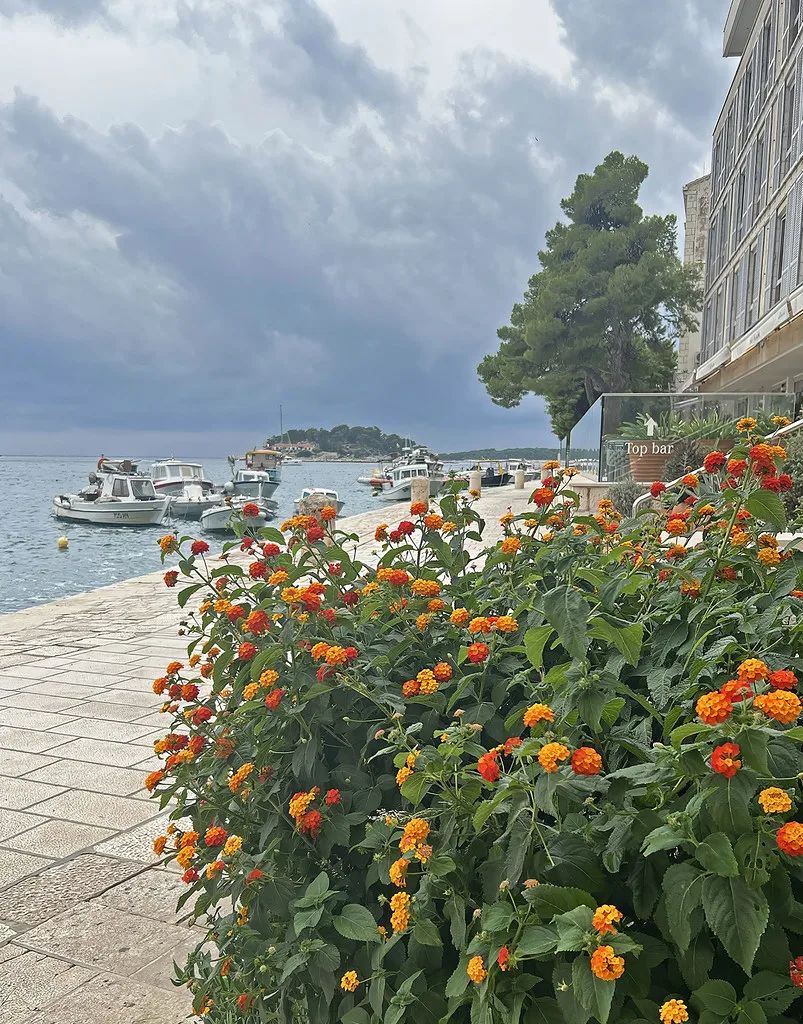
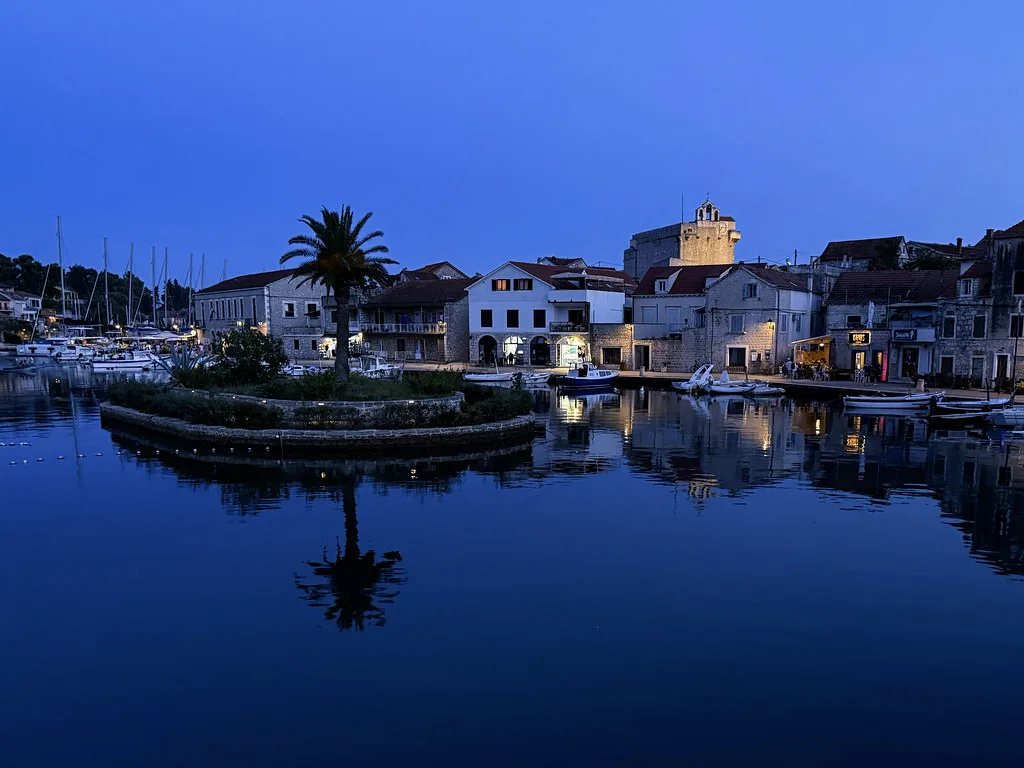
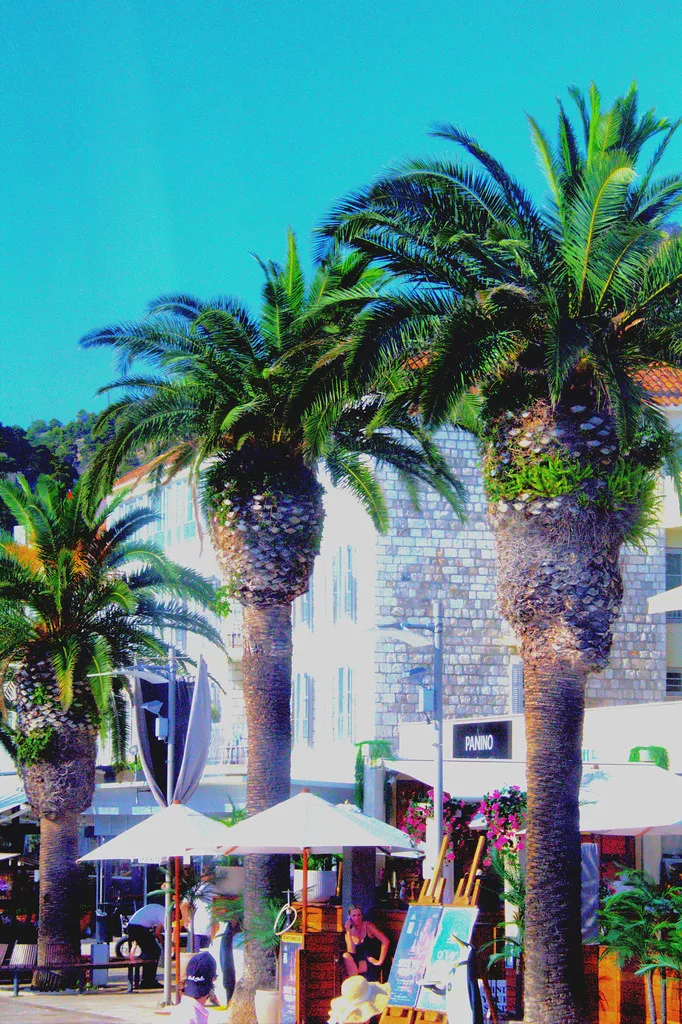
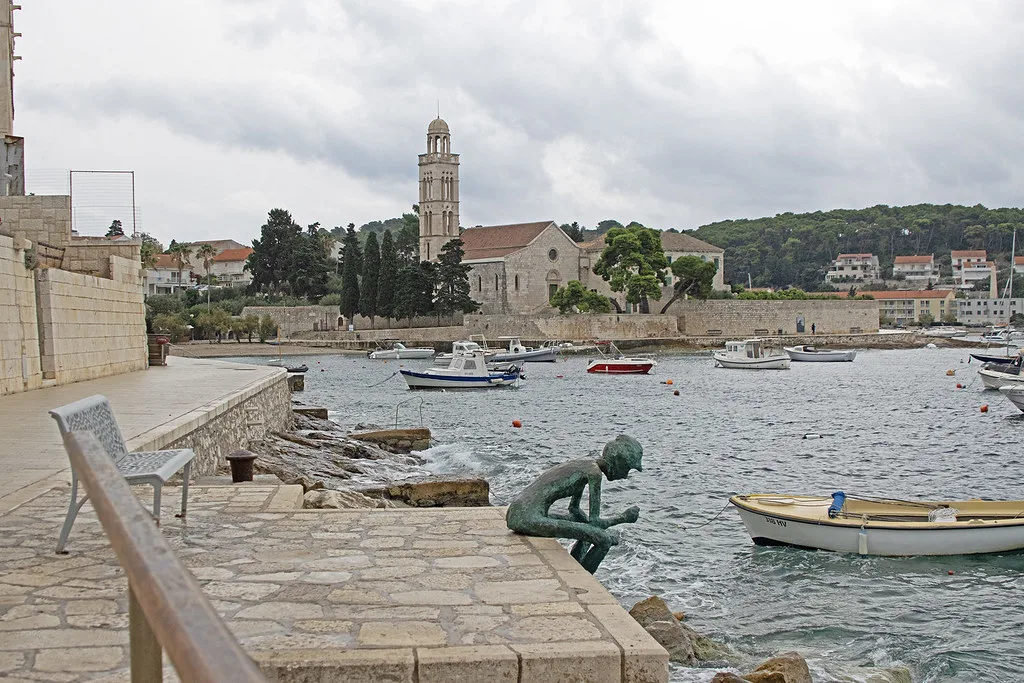
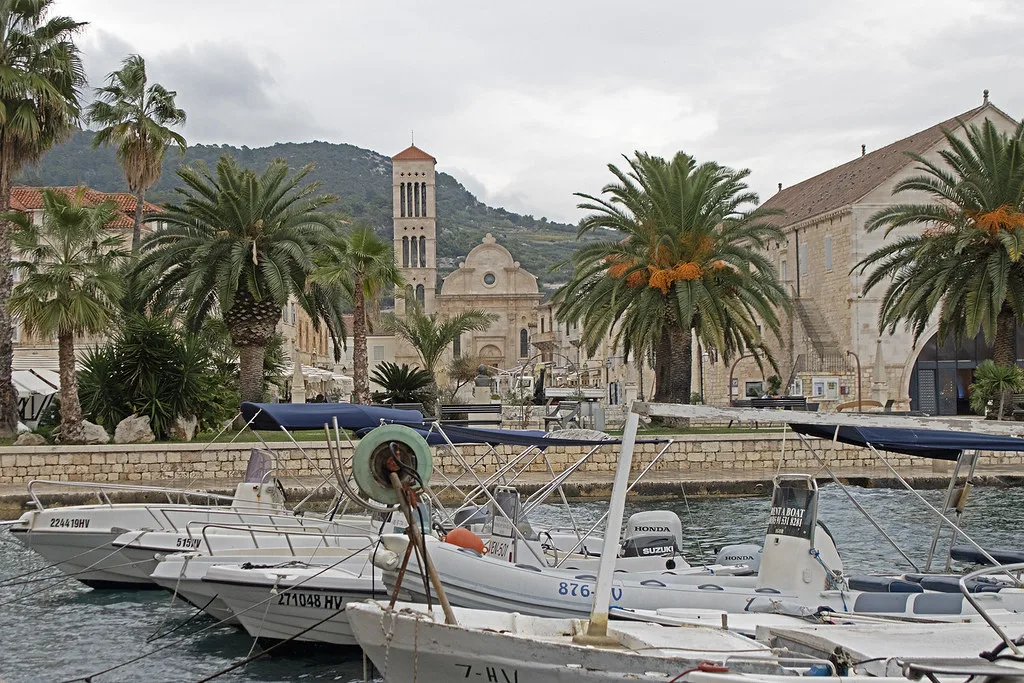
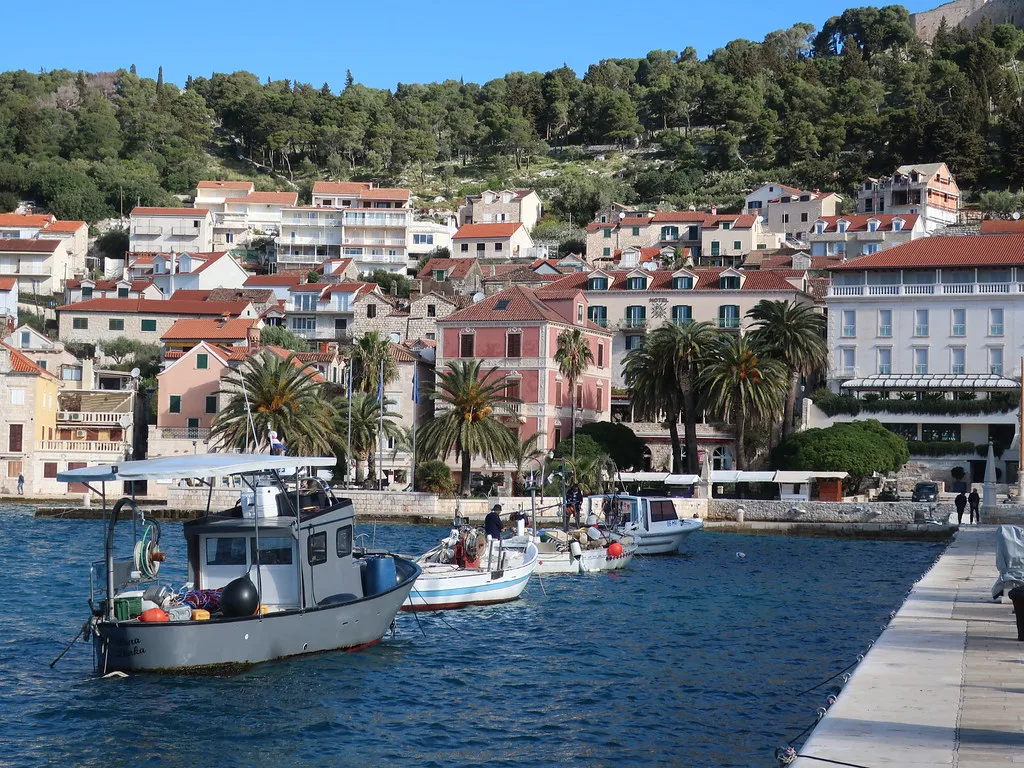
Image Credits
- Hero and gallery photographs: Various contributors via Wikimedia Commons, used under Creative Commons license
- Stari Grad Plain: Wikimedia Commons contributors (CC BY-SA)
- Pakleni Islands: Wikimedia Commons contributors (CC BY-SA)
Frequently Asked Questions
Q: Where do cruise ships dock in Hvar?
A: Larger cruise ships anchor offshore at Hvar Town and passengers ride tender boats to the harbour pier — a process that adds about 15-20 minutes each way. Smaller expedition vessels may dock directly. The tender landing puts you a five-minute walk from the main square and all central attractions.
Q: When can I see lavender fields?
A: Lavender blooms June through July, with peak colour typically mid-June to early July. The island produces exceptionally high quality lavender, and the purple hillsides create an unforgettable scene. Even outside blooming season, vendors sell lavender products year-round — oils, soaps, honey, and sachets make wonderful souvenirs.
Q: Is Hvar expensive?
A: Moderate to high by Croatian standards. Budget €15-25 for a casual lunch, €25-50 for a waterfront dinner. Main square cafes charge premium prices for the location; restaurants one street back offer comparable food at lower cost. Fortress entry is approximately €8, and water taxis to the Pakleni Islands run €10-15 return. The euro makes pricing transparent for European visitors.
Q: Can I visit Stari Grad Plain in a few hours?
A: Yes. A bike rental (€15-20) allows you to explore the UNESCO site in 2-3 hours. Guided tours are available for €30-40 per person. The 2,400-year-old Greek field system is genuinely unique in the world and worth the effort to reach, whether by bike, taxi (€40 round trip), or ship excursion (€60-80).
Q: What currency does Croatia use?
A: Euro (EUR) since January 2023. Croatia joined the eurozone, simplifying transactions for visitors. ATMs are available near Hvar Town's main square. Credit cards are accepted at most restaurants and shops, but carry cash for water taxi operators, small vendors, and tipping.
Q: Is Hvar accessible for those with mobility challenges?
A: The waterfront promenade and main square are relatively flat and accessible. However, the old town's cobblestone streets, narrow passages, and stepped alleys present barriers for wheelchair users and those with significant mobility limitations. Fortica fortress requires climbing stone steps and is not wheelchair accessible. The tender boarding process may also present challenges — notify your ship's accessibility coordinator in advance.
Q: What's the best time of year to visit?
A: The seasonal panel above lists Peak Season as "May, Jun, Jul, Aug, Sep," Transitional Season as "Apr, Oct," and Low Season as "Nov, Dec, Jan, Feb, Mar." The avoidance note flags "Jan, Feb." The page's lavender FAQ above notes lavender blooms "June through July," and the page describes Hvar as "Croatia's sunniest island with 2,724 hours of annual sunshine." Use the live weather widget in the seasonal panel for current short-term conditions.
Q: Will rain ruin my port day?
A: The page describes Hvar as "Croatia's sunniest island with 2,724 hours of annual sunshine," so cloudless days are common in the May-Sep Peak Season window. The Weather Hazards panel notes "possible storms" across the Nov-Mar Winter Weather window. The seasonal panel does not give Hvar-specific rainfall data — the Rain entry reads "Seasonal variation — check forecast" — so use the live weather widget for short-term forecasts on a specific sailing date.
Q: When is Hvar's storm season?
A: The Weather Hazards panel above labels Hvar a "Winter Weather" zone with "Season: Nov – Mar" and "Peak risk: Jan, Feb." The hazard-note on that panel reads: "Shorter days, possible storms; dress warmly in layers." The avoidance note in the Best Time block also flags "Jan, Feb." Specific storm history is not detailed on this page; use the live weather widget in the seasonal panel above for current conditions on any sailing date.
Q: What should I pack for Hvar's weather?
A: The Packing Tips section in the seasonal panel above lists: "Sunscreen and sunglasses — essential year-round"; "Light layers for variable temperatures"; "Comfortable walking shoes for exploring"; and "Rain jacket or compact umbrella." The Winter Weather hazard-note adds "dress warmly in layers" for Nov-Mar sailings. The logbook describes "cobblestone streets in the old town" and a "twenty-minute" walk up "stone steps" to Fortica — both consistent with the "Comfortable walking shoes" guidance. Specific Hvar temperature ranges are not detailed on this page.
Last reviewed: February 2026

Tender Port
Ships anchor offshore and passengers take small boats (tenders) to reach the pier. Those with mobility challenges or wheelchair users should plan for tender boarding assistance.