


Ibiza: Where Ancient Walls Meet Turquoise Waters
My Visit to Ibiza
I stepped off the tender onto Ibiza Town's weathered stone pier on a morning in late September, and the first thing that struck me was the light. It was not merely bright — it was luminous, a warm golden radiance that seemed to rise from the whitewashed buildings themselves, as though the old town had been storing centuries of Mediterranean sun and was now releasing it all at once. The air smelled of salt and rosemary, carried on a breeze so gentle I could feel it on the back of my neck like a whispered greeting. My wife stood beside me, shading her eyes with one hand, and I watched her expression shift from anticipation to something quieter — a stillness that told me she felt it too. After days at sea, we had arrived at a place that demanded we slow down and pay attention.

We walked through the marina toward Dalt Vila, the fortified upper town that earned UNESCO World Heritage status in 1999 under the designation "Ibiza, Biodiversity and Culture." The cobblestones beneath my feet were smooth and worn, polished by centuries of footsteps — Phoenician traders, Roman soldiers, Moorish scholars, Catalan settlers. I ran my hand along the massive Renaissance walls as we climbed, and the stone was warm under my palm, almost alive. However grand these fortifications looked from the harbor, they were even more imposing up close, rising in tiers above us like the spine of some great sleeping creature. My calves burned on the steep ramps, but I did not mind. Every turn in the narrow streets revealed another view that stopped me in my tracks: terracotta rooftops tumbling toward the harbor, the hazy outline of Formentera floating on the horizon, bougainvillea spilling over iron balconies in shades of magenta and crimson.
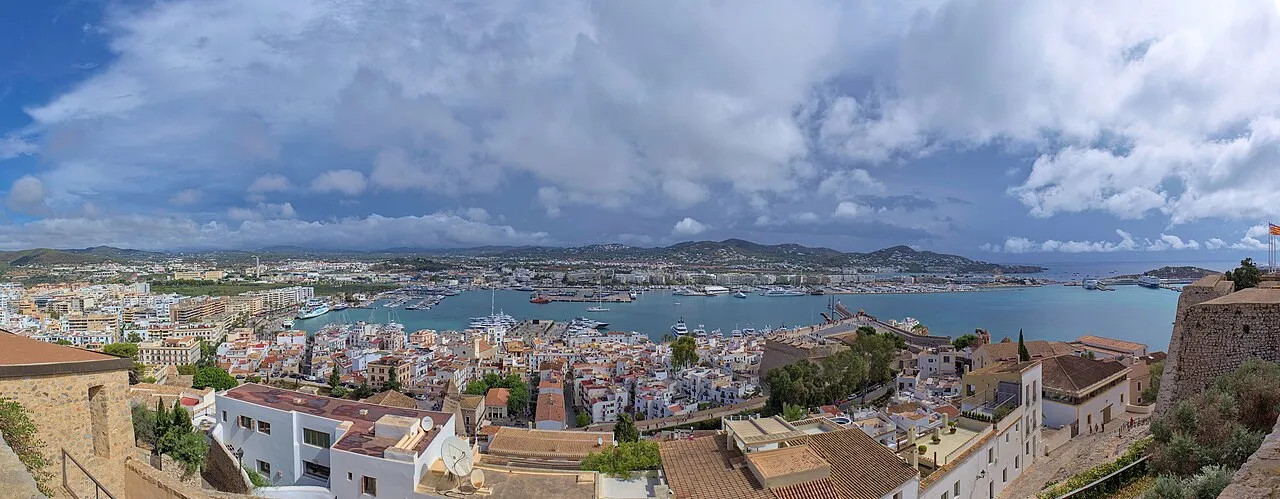
At the summit we reached the Cathedral of Our Lady of the Snows, its Gothic bell tower standing against a sky so blue it looked painted. I sat on the rampart wall beside my wife and we looked out in silence. Below us, the harbor sparkled. A cruise ship sat at anchor, tiny tenders shuttling passengers to shore like white beetles on glass. The wind carried the faint sound of a church bell somewhere deeper in the old town, and seagulls called overhead. I felt my breath catch. It was not the view alone — although the view was extraordinary — but the sudden awareness that people had been sitting on these same stones, looking at this same harbor, for more than two thousand six hundred years. The Phoenicians founded their settlement of Ibossim here around 654 BCE. I was one small visitor in an unbroken chain of wonder.
But it was the Puig des Molins necropolis, just a ten-minute walk outside the old town walls, that changed something in me. This hillside cemetery contains thousands of Phoenician and Carthaginian tombs — the best-preserved ancient burial ground in the entire Mediterranean. I descended into one of the underground chambers and felt the cool air close around me, damp and mineral-scented, utterly still. The carved niches in the rock walls had held funeral offerings for more than two millennia. Standing in that quiet darkness, I thought about the people who had loved someone enough to carry them here, to prepare their bodies with oil and wrap them in linen, to leave small clay figures beside them so they would not be alone. Something shifted inside me. I had come to Ibiza expecting beautiful beaches and old buildings. I had not expected to be moved to the edge of tears by an ancient cemetery. Yet there I was, blinking in the dim light, my hand against cold stone, thinking about love and loss and the stubborn human need to honor both.
After the weight of the necropolis, we needed the sea. We took the thirty-minute ferry to Formentera — cost was about €25 per person round-trip — and stepped onto an island that felt like a different world entirely. Where Ibiza buzzed with history and energy, Formentera offered stillness. We rented bicycles for €12 each and rode to Ses Illetes beach, where the water was so transparent I could see the sandy bottom clearly at ten feet depth, as though looking through glass. The taste of salt on my lips, the sound of gentle waves lapping at the shore, the warmth of fine sand between my toes — all of it conspired to dissolve every worry I had carried aboard the ship. My wife waded in up to her waist and turned to me with a smile that I will remember for the rest of my life. "This is what they mean by paradise," she said. Despite my usual skepticism about that word, I could not argue.
We returned to Ibiza in the late afternoon and took a taxi to Cala Conta — about €35 from the port — to watch the sunset. The beach faced west toward Es Vedra, that dramatic uninhabited rocky island rising four hundred meters from the sea, shrouded in myths of magnetic fields and ancient sirens. I sat on the warm rocks with my wife as the sun descended behind the silhouette of Es Vedra, and the sky turned from gold to copper to deep violet. The air cooled on my shoulders. A family nearby was eating a picnic of local cheese and sobrasada on crusty bread, and the aroma of cured meat drifted over to us. The children were laughing. I heard my wife whisper a quiet prayer of gratitude — for the day, for the beauty, for the gift of being present in this moment. I closed my eyes and added my own.

On our second morning, I walked alone through the old town before the crowds arrived. The streets smelled of fresh bread from a bakery near the market, and I stopped to buy an ensaimada — the spiral pastry dusted with powdered sugar that is a Balearic tradition. It was warm in my hands, soft and buttery, and I ate it standing on a quiet plaza where a cat slept in a patch of sunlight. I visited the Museu d'Art Contemporani, housed in a restored eighteenth-century building within the Dalt Vila walls, where the modern paintings hung in rooms with views through stone arches to the sea far below. The contrast was startling and beautiful — contemporary art framed by medieval architecture, the new and the ancient existing side by side without conflict. I thought about how Ibiza has always been a place of layers, each generation adding its own mark without erasing what came before.
For lunch we found a small family restaurant near the fish market and ordered bullit de peix, the traditional Ibizan fish stew. The broth was rich and saffron-golden, fragrant with garlic and fresh herbs, and the fish was so tender it fell apart at the touch of my fork. The cost was €18 per person, including bread. We sat outside under a canvas awning while the owner's daughter brought us slices of flaó — a cheesecake made with fresh mint and aniseed that tasted like nothing I had ever eaten anywhere else. The flavor was delicate, sweet and herbal, and it lingered long after the meal was finished. I asked the owner where the recipe came from. She smiled and said, "My grandmother. And her grandmother before that." Some things on this island, I was learning, had roots deeper than the fortifications.
Looking back, I realize what Ibiza taught me. It was not the grand vistas or the famous sunsets, although those were magnificent. What I learned was something quieter: that the places which endure are the places where people have invested their deepest care. The Phoenicians did not simply build a port — they buried their dead with tenderness. The medieval builders did not merely construct walls — they carved beauty into stone that would outlast them by centuries. The grandmother did not just cook a cheesecake — she passed down a recipe that carried love across generations. I discovered that the finest travel moments are the ones that remind us we belong to something larger than ourselves. We sailed from Ibiza on a Wednesday evening, and as the fortress of Dalt Vila shrank behind us — golden walls dissolving into the purple dusk — I felt my heart swell with gratitude for what we had been given: two days in a place that holds twenty-six centuries of human devotion in its white stone and turquoise water.
Featured Images


The Cruise Port
What you need to know before you dock.
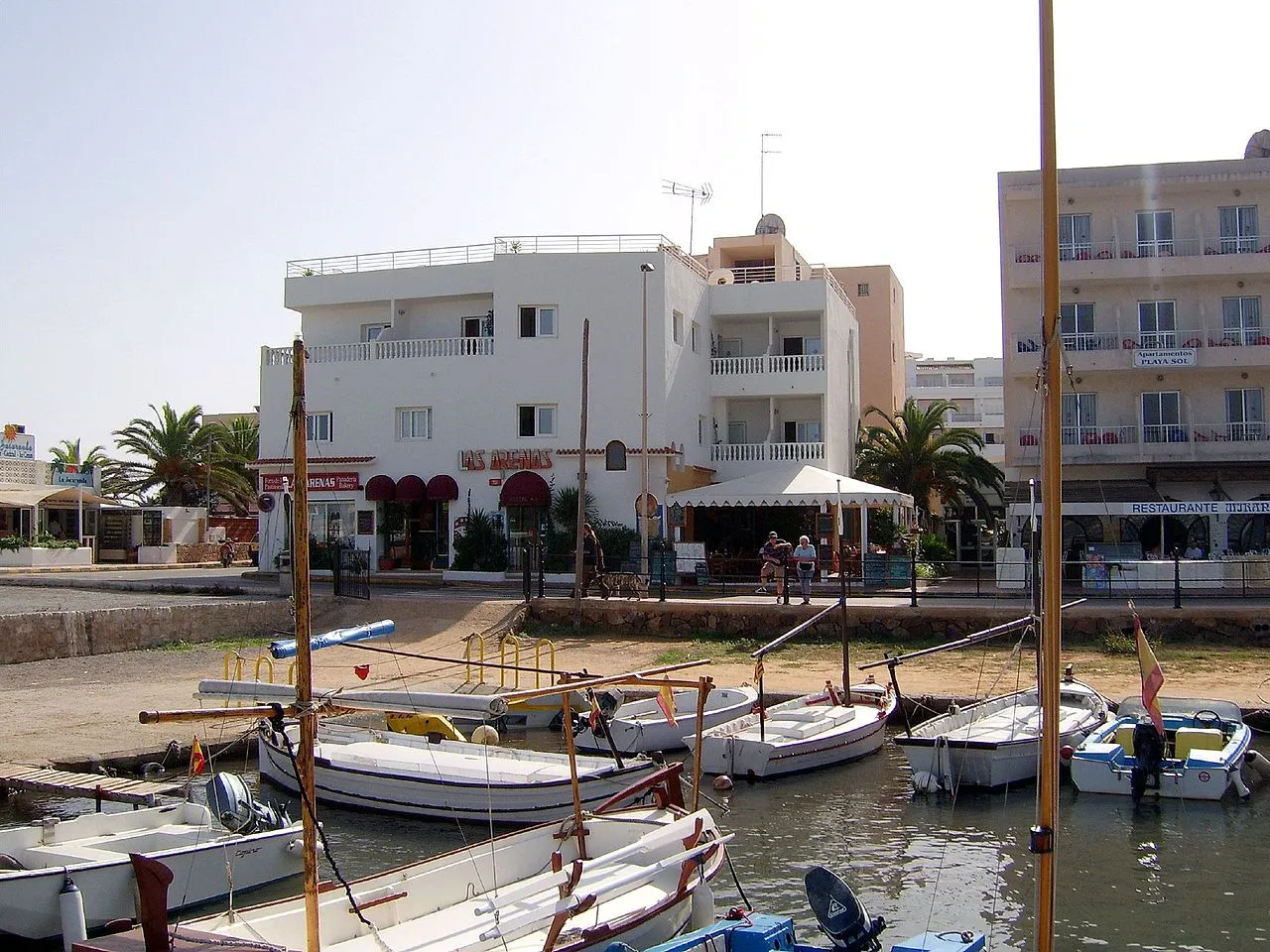
- Terminal: Ibiza Town (Eivissa) — most large cruise ships anchor in the harbor and tender passengers to the marina in the heart of town. Smaller ships may dock directly at Botafoc pier. The tender dock area has basic facilities and is wheelchair accessible with level boarding ramps for guests with mobility needs.
- Distance to Old Town: 5-minute walk uphill from the tender dock to Dalt Vila's main gate. The marina area itself offers shops, restaurants, and taxi stands immediately upon arrival.
- Tender: Yes — large ships typically anchor and tender. Tender ride is scenic (5-10 minutes) with views of the Dalt Vila fortifications. Tender frequency is high during port hours.
- Currency: Euro (€); credit cards widely accepted; ATMs available near the marina and throughout town.
- Language: Spanish and Catalan (English widely spoken in tourist areas).
- Driving: Right side; roads are generally good but narrow in rural areas. Car rental available but taxis and buses are practical for most port-day plans.
- Best Season: May through October for warm weather and calm seas. Peak summer (July-August) brings the largest crowds.
- Time Zone: Central European Time (CET), one hour ahead of London.
Getting Around
Transportation tips for cruise visitors.
- Walking: Ibiza Town is compact and the main attractions within the old town are all accessible on foot from the tender dock. Dalt Vila is a 5-minute uphill walk. The Puig des Molins necropolis is about 10 minutes on foot, just outside the old town walls. The marina promenade is flat and smooth, suitable for wheelchair users and visitors with limited mobility. Be aware that the streets inside Dalt Vila are steep cobblestone — comfortable walking shoes are essential.
- Taxis: Metered taxis are available at the marina and throughout Ibiza Town. Fares to popular destinations: Cala Conta €30-40, Las Dalias market €15, Santa Eularia €20-25, San Antonio €25-30. Agree on the fare before longer journeys. Taxis can be shared to save cost.
- Bus: Ibiza has a reliable public bus network connecting the main towns and beaches. Fares are €2-4 depending on distance. Routes run frequently during summer months. The central bus station is a 10-minute walk from the tender dock. Buses are accessible for passengers with mobility needs, with low-floor vehicles on most routes.
- Ferry to Formentera: Fast ferries depart from Ibiza port (same harbor as the tender dock) every 30-60 minutes. The crossing takes about 30 minutes and costs €20-30 round-trip per person. No advance booking required on most days, but summer weekends can sell out — purchasing tickets upon arrival is usually sufficient.
- Scooter and Bicycle Rental: Available near the port. Scooters cost about €30-40 per day, bicycles €10-15. A practical way to explore beyond walking distance without the cost of taxis.
- Organized Tours: Available through the ship or independent operators at the port. Half-day island tours typically cost €40-70 per person and cover Dalt Vila, a beach stop, and Es Vedra viewpoint.
Ibiza Port Map
Interactive map showing cruise terminal and Ibiza attractions. Click any marker for details.
Excursions & Activities
How to spend your time ashore. For popular activities like the Formentera ferry and Dalt Vila guided walks, book ahead during peak season to secure your spot. Many visitors choose to explore independent of the ship excursion options for flexibility and cost savings, though a ship excursion offers guaranteed return to the vessel before departure.
Dalt Vila UNESCO Walking Tour
The fortified upper town is Ibiza's crown jewel — Renaissance walls enclosing a maze of cobblestone streets, the Gothic cathedral at the summit, and panoramic views from the ramparts. Self-guided walks are free and deeply rewarding. Licensed guided tours cost about €15-25 per person and run 90 minutes, offering historical context that enriches every turn. The climb is moderate — steep in places but manageable for most visitors. Allow 2-3 hours to explore thoroughly. Morning is best for cooler temperatures and softer light for photography.
Puig des Molins Necropolis & Museum
Just outside the old town walls, this UNESCO-listed Phoenician and Carthaginian burial ground contains over 3,000 tombs dating back to the 7th century BCE. The on-site museum displays funeral artifacts, pottery, and carved figures recovered from the chambers. Entry costs about €3. An extraordinary experience for history enthusiasts. Allow 1-2 hours. The museum level is accessible for visitors with mobility limitations, though the outdoor tomb areas involve uneven terrain.
Formentera Day Trip
Take the 30-minute ferry to Ibiza's quieter sister island (€20-30 round-trip). Rent a bicycle (€10-15) or scooter (€30-40) and explore Ses Illetes beach — regularly voted one of Europe's best — plus the La Mola lighthouse and Cap de Barbaria. The water clarity at Ses Illetes is extraordinary: turquoise, shallow, and crystal-clear. Allow a full day. Last ferries typically depart around 19:00 in summer, but confirm times when purchasing tickets. This is among the most popular independent excursion choices from Ibiza.
Es Vedra Sunset Experience
The dramatic 400-meter limestone rock island off Ibiza's southwest coast is best viewed from Cala d'Hort or Cala Conta at sunset. Taxi fare is €30-40 from the port. The sight of the sun dropping behind Es Vedra's silhouette is genuinely unforgettable. Bring a light jacket — the breeze picks up as evening falls. Some operators offer sunset boat trips that circle Es Vedra (€40-60 per person). Allow 3-4 hours including travel time.
Las Dalias Hippy Market
Saturdays only (and some summer evenings). This legendary artisan market in San Carlos sells handmade jewelry, leather goods, clothing, and Balearic crafts. Taxi fare about €15 from the port. A colorful, relaxed experience with local food stalls serving fresh fruit juices and traditional Ibizan pastries. Allow 2-3 hours. Free entry.
Beach Day at Cala Conta or Cala Bassa
Ibiza's west coast beaches offer turquoise water, rocky coves, and pine-shaded shores. Cala Conta (€30-40 by taxi) has stunning views of Es Vedra. Cala Bassa (€25-35 by taxi) is more sheltered and family-friendly with sun lounger rental (€10-15 per bed). Both beaches have food service. Water taxi options exist in summer from the port. Allow a half to full day.
Depth Soundings Ashore
Lessons learned the hard way.
- Tender Timing: Large ships anchor and tender passengers ashore. Tenders run frequently but queues build mid-morning. Go ashore early to maximize your day — the first tenders are often the quietest, and Dalt Vila is at its most peaceful before 09:00.
- Dalt Vila Footwear: The cobblestone ramps inside the fortified old town are steep, uneven, and polished smooth by centuries of use. Wear sturdy, non-slip walking shoes. Sandals and heels are a recipe for sore feet and slippery descents.
- Formentera Ferry Return: If you take the ferry to Formentera, confirm the last departure time when you buy your ticket. Missing the last ferry means an expensive private boat or a night on Formentera — and your ship will not wait. Budget your time conservatively and aim to be at the Formentera ferry terminal at least 45 minutes before you need to be back on the ship.
- Sun Protection: The Balearic sun is intense, especially June through September. Bring high-SPF sunscreen, a hat, and plenty of water. Shade is scarce at many beaches and along the Dalt Vila ramparts.
- Cash for Small Purchases: While cards are accepted at most restaurants and shops, market stalls, small cafes, and some taxis prefer cash. Withdraw euros from the ATMs near the marina upon arrival.
- Local Food Worth Trying: Bullit de peix (saffron fish stew, €15-20), flaó (mint and aniseed cheesecake), and ensaimada (spiral pastry). These traditional Ibizan dishes taste nothing like their mainland Spanish counterparts and are worth seeking out at family-run restaurants away from the marina tourist strip.
Photo Gallery
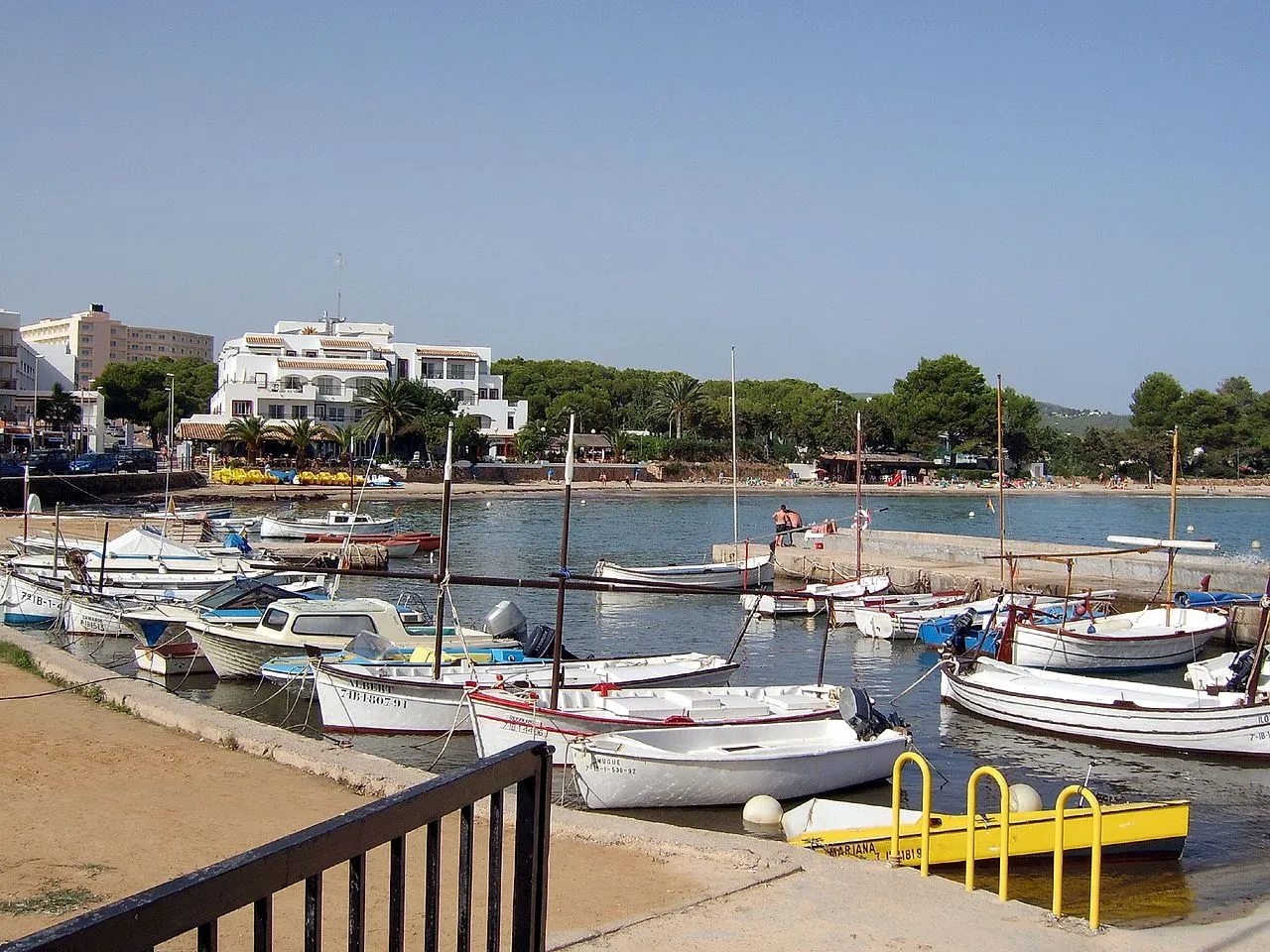
Image Credits
- Hero image: Wikimedia Commons (CC BY-SA)
- Harbor, Dalt Vila, coastline, necropolis, Es Vedra, farmhouse, market: Wikimedia Commons (CC BY-SA)
Frequently Asked Questions
Q: Where do cruise ships dock in Ibiza?
A: Most large ships anchor in the harbor and tender passengers to the marina in Ibiza Town. The tender ride takes 5-10 minutes and offers scenic views of Dalt Vila. Some smaller ships dock directly at Botafoc pier. The tender dock area is accessible for wheelchair users with level boarding ramps.
Q: Is Ibiza worth visiting beyond the beaches?
A: Absolutely. The UNESCO-listed Dalt Vila fortified old town has over 2,600 years of history, the Puig des Molins necropolis is the best-preserved Phoenician burial ground in the Mediterranean, and the island's artisan markets, traditional cuisine, and natural landscapes offer rich experiences far beyond the coastline.
Q: Can I visit Formentera on a port day?
A: Yes — the ferry from Ibiza port to Formentera takes about 30 minutes and costs €20-30 round-trip. Ferries run frequently. However, plan your time carefully: you need to be back at the tender dock well before all-aboard. Confirm the last ferry departure time when you buy your ticket, and give yourself a generous buffer.
Q: Is Ibiza accessible for visitors with limited mobility?
A: The marina promenade and lower town are flat and accessible. However, Dalt Vila involves steep cobblestone climbs that are challenging for wheelchair users or those with walking difficulty. The Puig des Molins museum level is accessible, though the outdoor tomb areas are uneven. Taxis and buses can reach most beach destinations without extended walking.
Q: What is the best time of year to visit Ibiza?
A: Peak cruise season (May-September) offers the best weather and calmest seas. Spring and early autumn have fewer crowds and pleasant temperatures. Check the weather section above for specific month recommendations based on your planned activities.
Q: What should I pack for Ibiza?
A: Essentials include sunscreen, comfortable walking shoes for cobblestones, a hat, swimwear, and layers for cool evenings. A light rain jacket is wise in spring and autumn. Bring cash for markets and small vendors.
Author's Note: Until I have sailed this port myself, these notes are soundings in another's wake — helpful for planning, and marked for revision once I've logged my own steps ashore.
Key Facts
- Country
- Spain
- Region
- Mediterranean
- Currency
- Euro (€); credit cards widely accepted; ATMs available near the marina and throughout town
- Language
- Spanish and Catalan (English widely spoken in tourist areas)