
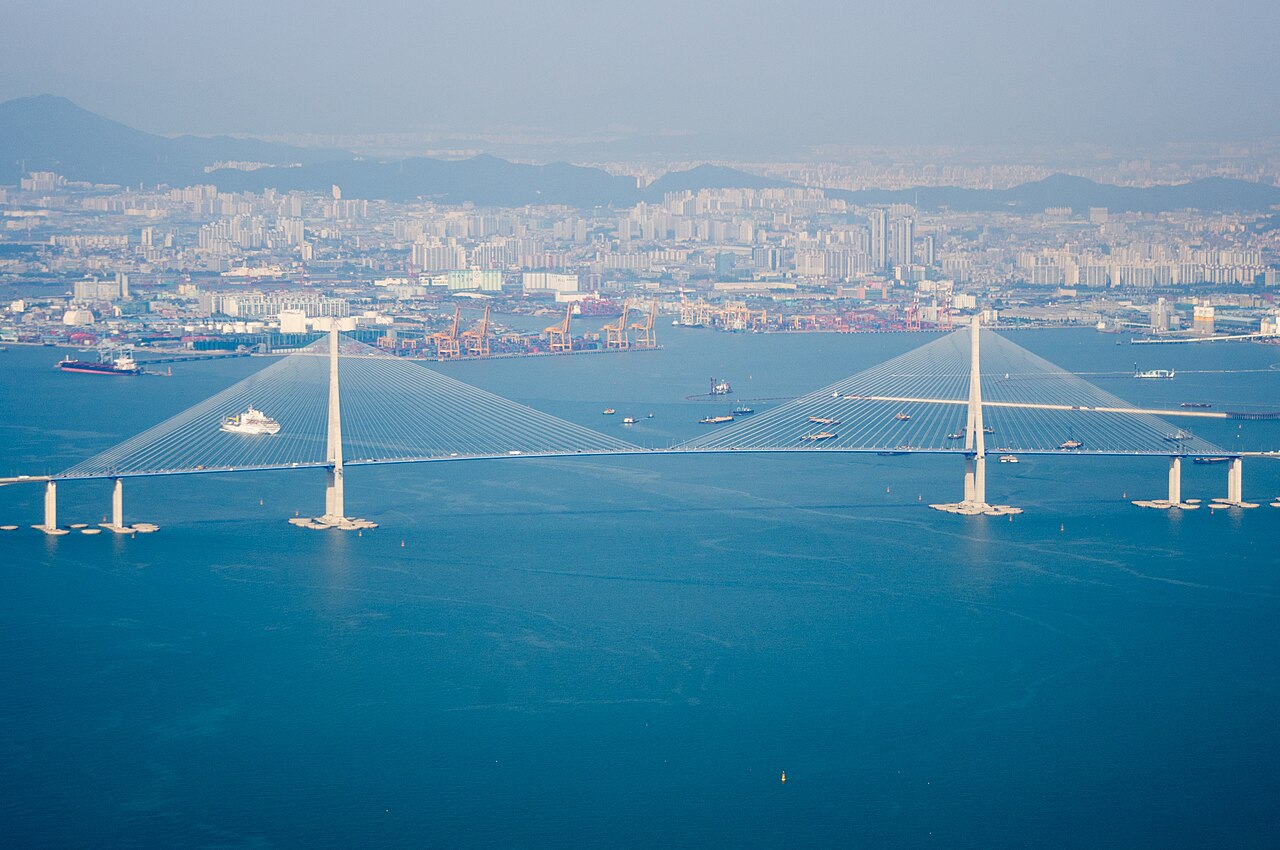
Photo: Wikimedia Commons
Quick Answer: Incheon is South Korea's gateway port, offering a blend of traditional markets, modern architecture, and easy access to Seoul's cultural treasures.
Last reviewed: February 2026
My Logbook: Through the Mist at Korea's Gateway
I stepped off the gangway into a cold, salt-tinged breeze that carried the low moan of foghorns across the harbor. The morning mist hung so thick over Incheon Port that I could barely make out the container cranes fifty yards ahead, their red arms stretching into a white sky like the fingers of sleeping giants. My shoes were already damp from the condensation on the dock. This was not the glamorous arrival I had imagined when I first circled Incheon on my itinerary map, yet something about that gray, honest welcome felt right. I was standing at the threshold of a country I had dreamed of visiting for years, and the journey into its heart would begin here, at a working port that makes no apologies for what it is.
My taxi wound uphill through narrow streets toward Chinatown, and the moment I passed beneath the first ornate red gate, the aroma of sizzling garlic and fermented black bean paste hit me like a warm wall. Incheon's Chinatown is Korea's only official Chinatown, established in the 1880s when Chinese merchants settled near the docks, and I found myself entranced by its layered character. The buildings wore faded reds and golds, their eaves curling skyward in the Chinese style, yet the sounds were pure Korean: the rhythmic clatter of noodle-pulling, the cheerful shouts of ajumma vendors, K-pop drifting from a corner shop. I ducked into a small restaurant and ordered jajangmyeon, the beloved black bean noodle dish born in this very neighborhood over a century ago. The noodles arrived glossy and dark, the sauce savory and slightly sweet, and I ate slowly, watching an old man across the room stir his bowl with the quiet contentment of someone repeating a lifelong ritual. The cost was just 7,000 won, roughly $5.
From Chinatown I walked to Jayu Park, climbing stone steps still slick from the morning mist. The park sits on a hill overlooking the harbor, and at its summit stands the bronze statue of General MacArthur, eighteen feet tall, gazing out over the waters where his forces came ashore in September 1950. I stood beside that statue for a long while, looking down at the same tidal flats that nearly doomed the landing. The tidal range here is among the world's most extreme, up to thirty feet, and I tried to imagine the chaos of amphibious craft navigating those shifting mud banks under fire. Below me, the modern port hummed with ordinary commerce: container ships, fishing boats, a ferry sounding its horn as it departed for China. However, the weight of what happened here in 1950 pressed on me. Thousands of young soldiers stormed these shores, and many never left.
I took a taxi to Wolmido Island, connected to the mainland by a short causeway. The atmosphere shifted completely: bright lights, a spinning Ferris wheel, the sound of children shrieking on carnival rides, and the pungent, briny scent of raw seafood spilling from waterfront restaurants. I sat down at a long table in a hoetjip, a raw fish restaurant, where tanks of octopus and crab lined the entrance. I pointed at what looked promising, and minutes later a platter of sliced raw fish arrived alongside a dizzying array of banchan side dishes. The fish was so fresh it still glistened, firm and clean on my tongue, with a delicate sweetness that no landlocked restaurant could replicate. The price was about 25,000 won, around $19, for a generous spread. Yet despite the festive surroundings, my mind kept drifting back to the memorial on the hill.
In the afternoon, I headed to Songdo Central Park, the green heart of Songdo International Business District, a planned city built from scratch on reclaimed land. The contrast with old Incheon was staggering. Where Chinatown showed peeling paint and century-old brickwork, Songdo gleamed with glass towers and immaculate walkways. I rented a kayak on the park's seawater canal for 15,000 won, about $11, and paddled beneath pedestrian bridges while families strolled overhead. The silence of the water, broken only by the dip of my paddle, gave me space to process the day. Although Songdo felt almost too perfect, too designed, I could not help admiring the ambition of a nation that builds its future with the same determination it used to rebuild after war.
That evening, I sought out a Korean BBQ restaurant near the Open Port area, drawn by the warm glow of charcoal grills visible through steamed windows. I sat cross-legged on a floor cushion, and the server brought platters of marinated bulgogi and samgyeopsal pork belly, which I grilled myself on the tabletop grate. The sizzle and smoke, the sweet char of the meat, the sharp bite of pickled radish and fresh garlic wrapped in crisp lettuce leaves — every sense was engaged, every bite a small celebration. The meal came to about 18,000 won per person, roughly $14, with banchan refilled freely. A group of young Koreans at the next table noticed me struggling with the grill tongs and cheerfully took over, flipping my meat with expert precision and insisting I try their soju. Their warmth reminded me that Korean hospitality needs no common language.
On my second morning, I climbed to a small Buddhist temple tucked into the hills above the city. The path was steep and still, with only birdsong and the distant hum of traffic below. Inside the courtyard, incense smoke curled upward from brass holders, and an elderly woman knelt before the main hall, her lips moving in silent devotion. I removed my shoes and sat quietly on the wooden platform, watching the morning light filter through painted eaves. The temple grounds offered wheelchair-accessible paths along the lower courtyard, and I noticed handrails installed with care along the steeper sections, a thoughtful gesture for visitors with mobility challenges. The stillness felt earned somehow, a counterpoint to the honking taxis and neon signs I had left behind just twenty minutes ago. I stayed for nearly an hour, grateful for the pause.
Looking back at my time in Incheon, I realized I had arrived expecting a mere transit point and discovered instead a city that holds Korea's entire story in miniature. The ancient port that opened to the world by force in the 1880s, the harbor that witnessed a turning point in modern war, the Chinatown that blends two cultures so thoroughly you cannot tell where one ends and the other begins, and the gleaming city of tomorrow rising on reclaimed land — Incheon contains multitudes, even if most travelers rush through on their way to Seoul. I learned that the places we treat as doorways sometimes hold more meaning than the rooms they open into. The real gift of this port was not what waited beyond it, but what I found by choosing to stay.
Featured Images
The Cruise Port
Cruise ships dock at Incheon Port's international passenger terminal, which handles both cruise vessels and regular ferry service to Chinese ports like Weihai and Qingdao. The terminal building is functional and recently renovated, with a currency exchange counter, a small duty-free area, and a tourist information booth staffed by English-speaking attendants. Budget about 5,000 won ($4) for a bottle of water and snacks from the terminal convenience shop. Taxis queue outside the main exit, and fare to Chinatown or the nearest subway station runs approximately 8,000-12,000 won ($6-9). Some cruise lines arrange shuttle buses directly to Seoul for about $25-40 per person round trip.
The port area itself sits in an industrial zone and is not particularly scenic for walking. Wheelchair users and those with mobility needs will find the terminal building accessible, with ramps and elevators throughout. However, the surrounding streets can be uneven, and sidewalks are narrow in places. The port handles significant cargo traffic, so expect truck noise and activity during working hours.
Getting Around
The Seoul Metropolitan Subway extends to Incheon and remains the best way to travel between the port city and the capital. Line 1 runs from Incheon through Seoul Station and beyond. Trains are clean, efficient, and cheap at about 1,350 won ($1) for most journeys. Announcements and signs appear in English, and the system is straightforward even for first-time visitors. From the cruise terminal, you will need a taxi or shuttle to reach the nearest subway station, Incheon Station, which takes about 10-15 minutes and costs approximately 8,000 won ($6). Once on the subway network, Seoul is about 60 minutes away.
Get a T-money card (rechargeable transit card) from any convenience store for 4,000 won ($3) including a small deposit. The card works on subways, city buses, and even some taxis, saving both money and the hassle of buying individual tickets. Reload it at any subway station kiosk or convenience store.
Taxis are plentiful and relatively affordable by international standards. Regular taxis are silver or white; deluxe black taxis cost more but drivers are more likely to speak English. Uber does not operate in Korea, but Kakao T is the local ride-hailing app and works well if you have mobile data. A fare from Incheon to Seoul runs about 60,000-80,000 won ($45-60), making the subway far more economical for that journey.
Walking is pleasant in specific neighborhoods like Chinatown, the Open Port area, and Wolmido Island, but Incheon is spread out and the port areas are not pedestrian-friendly. Plan your transportation between sites rather than assuming you can walk everywhere. City buses run frequent routes and accept T-money cards, though route signs can be confusing without Korean language ability.
Incheon Area Map
Interactive map showing cruise terminal and Incheon attractions. Click any marker for details.
Top Excursions & Attractions
Booking guidance: Ship excursion packages to Seoul offer guaranteed return to the vessel but cost more (typically $120-180 per person). Independent bookings via subway are far cheaper ($5-10 round trip) but carry risk of missing all-aboard if transportation delays occur. For Seoul day trips, consider a ship excursion if timing makes you nervous; for Incheon-area attractions like Chinatown or Wolmido, going independent is easy and safe. Book ahead for DMZ tours, which require advance passport registration.
Seoul Full-Day Excursion
The capital is roughly one hour away by subway and offers enough for weeks of exploration. Gyeongbokgung Palace with its changing of the guard ceremony costs 3,000 won ($2) entry. Bukchon Hanok Village is free to walk. Myeongdong shopping district and Insadong's art galleries are vibrant and accessible. A ship excursion to Seoul runs $120-180 per person with guaranteed return; an independent subway trip costs under $5 each way. If this is your only chance to see Korea's capital, take it, but consider going independent if you are comfortable with navigation.
Chinatown and Jajangmyeon Lunch
A condensed cultural experience just 10 minutes from port by taxi (about 8,000 won / $6). Walk through ornate gates into streets lined with century-old buildings painted in reds and golds. Stop for jajangmyeon at any busy local spot for 7,000-9,000 won ($5-7). Pair it with tangsuyuk (sweet and sour pork) for 15,000 won ($11). The Jajangmyeon Museum nearby (entry fee 1,000 won / $0.75) tells the story of how this Chinese-Korean fusion dish became a national institution.
Jayu Park and Harbor Views
Free admission. Take the steep walk or a quick taxi up the hill for panoramic views of the harbor and Yellow Sea. The MacArthur statue and the Incheon Landing Operation memorial plaques make this a meaningful stop. Come in late afternoon when golden hour light bathes the harbor.
Wolmido Island
Connected by causeway, about 15 minutes from port. Features an amusement park with a Ferris wheel (rides from 3,000 won / $2), a boardwalk lined with seafood restaurants (meals from 15,000-30,000 won / $11-23), and a coastal walking path. Low-walking option for those who want accessible seaside strolls without strenuous hills.
Songdo International Business District
About 30 minutes from port. Futuristic planned city on reclaimed land with Central Park (free entry), seawater canal kayaking (15,000 won / $11), and the Tri-Bowl cultural center. The contrast with historic Incheon could not be sharper. Accessible via subway or taxi (approximately 20,000 won / $15).
DMZ Tour (Full Day)
The Demilitarized Zone between North and South Korea is about 1.5 hours north. Pre-booked tours only, requiring passport information submitted at least 72 hours in advance. Ship excursion cost runs $180-250 per person with guaranteed return. Independent tours from Seoul cost $50-80 but require managing your own transportation back to port. Book ahead as tours fill quickly.
History & Heritage
Incheon's history stretches back millennia, but its modern significance began in 1883 when the port was forcibly opened to foreign trade by treaty. Japanese, Chinese, and Western merchants established enclaves, and the layered architecture of the Open Port district still bears witness to that era. The city's defining moment came on September 15, 1950, when UN forces under General MacArthur launched the amphibious Incheon Landing, one of the most daring operations in military history. Despite extreme tidal conditions that many considered impossible, the landing succeeded and turned the tide of the Korean War.
Cultural Experiences
Incheon Art Platform occupies renovated warehouses in the old port district, offering free gallery access and rotating exhibitions. The Incheon Open Port Museum (admission 500 won / $0.40) chronicles the city's transformation from fishing village to international hub. For a deeper connection to Korean spiritual life, hillside Buddhist temples around the city welcome respectful visitors for quiet contemplation.
Shopping
Sinpo International Area near Chinatown offers a lively covered arcade with local snacks, Korean cosmetics, souvenirs, and clothing. Prices are lower than Seoul. The Chinatown shops carry Chinese teas, ceramics, and specialty ingredients. For modern retail, Songdo's shopping centers feature international and Korean brands in sleek, air-conditioned comfort.
Food & Dining
Jajangmyeon (7,000-9,000 won / $5-7) is the signature dish, but Incheon's port location means outstanding seafood. Wolmido's waterfront restaurants serve raw fish platters from 25,000 won ($19), grilled mackerel, and adventurous options like sea squirt. Korean BBQ restaurants in the Open Port area offer tabletop grilling experiences from 15,000-20,000 won ($11-15) per person with unlimited banchan side dishes. Korean fried chicken, double-fried and served with pickled radish and beer, runs about 18,000 won ($14) for a generous portion at local joints. Coffee culture is serious throughout Korea, and independent cafes serve excellent espresso in stylish spaces from 5,000 won ($4).
Important Notices
Tidal Range: Incheon's tidal range can exceed 30 feet, among the world's most extreme. Tender operations may be affected during low tide. Check with your ship's shore excursion desk for current conditions.
Visa: Many nationalities receive visa-free entry to South Korea for short stays. US, Canadian, UK, EU, Australian, and New Zealand passport holders generally do not need a visa for cruise port visits. Verify current requirements before travel.
Etiquette: Bow slightly when greeting, remove shoes in homes and some restaurants, use two hands when giving or receiving items from elders. Tipping is not customary and can cause confusion.
Depth Soundings: The Real Story
These notes are soundings in another's wake, drawn from research, local sources, and the accounts of fellow travelers. When my anchor finally drops here, I will return to these pages with firsthand updates.
Incheon earns more than its reputation as merely Seoul's gateway. The city rewards those who give it time: Chinatown's century-old fusion, the solemn power of the Landing Operation memorial, Songdo's gleaming ambition, and Wolmido's cheerful waterfront each reveal a different facet of a city that holds Korea's entire arc of modern history. Most cruisers sprint to Seoul and back, and if that is your only option, Seoul absolutely merits the journey. But if you have visited the capital before, or if you are willing to budget half a day in Incheon itself, you will discover a place with its own quiet significance.
The value here lies in the contrasts: ancient and futuristic, solemn and joyful, Korean and Chinese and thoroughly its own. Incheon does not perform for visitors, and that honesty is part of its appeal. Come with open eyes, a willingness to explore beyond the obvious, and enough cash for a bowl of jajangmyeon and a platter of fresh fish, and you will find something that the bigger, shinier ports cannot easily provide: a sense of arriving somewhere real.
Practical Information
Country: South Korea
Language: Korean (limited English outside Seoul and tourist areas)
Currency: Korean Won (KRW); approximately 1,300 won per USD
Time Zone: KST (UTC+9)
Emergency: 119 (fire/ambulance), 112 (police)
WiFi: Free WiFi available at many cafes, subway stations, and the cruise terminal
Water: Tap water is safe in Seoul and Incheon, though many locals prefer bottled
Camera notes: Bring a good zoom lens for harbor panoramas and temple details; no photography inside some Buddhist worship halls
Photo Gallery
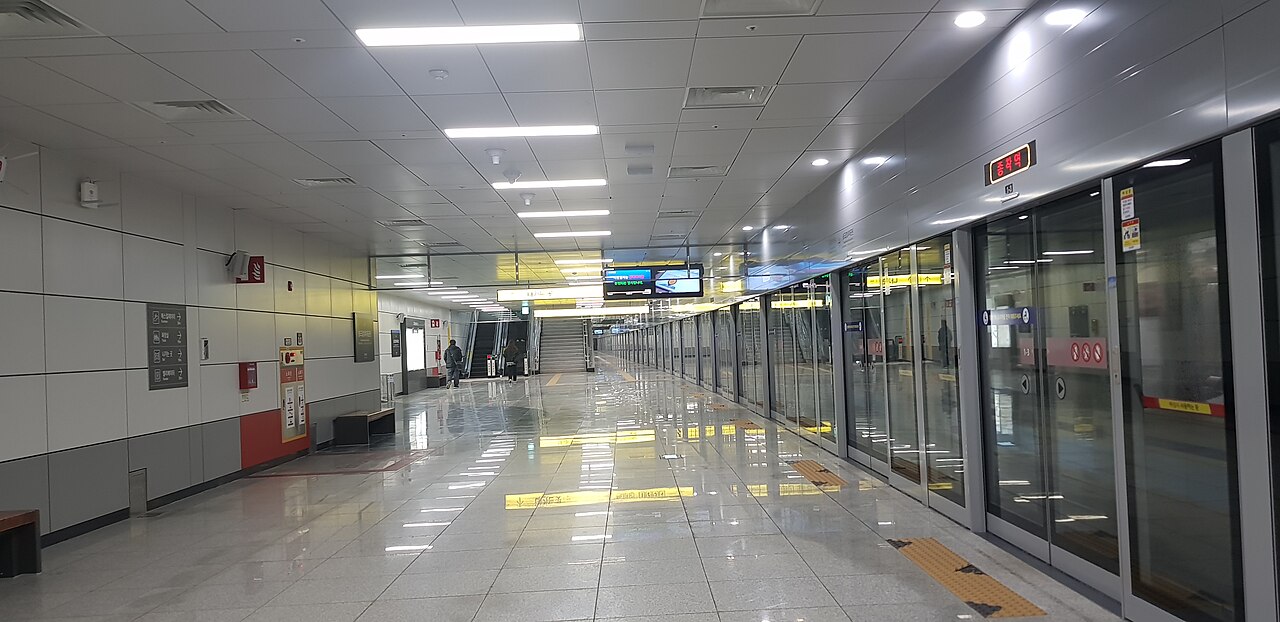
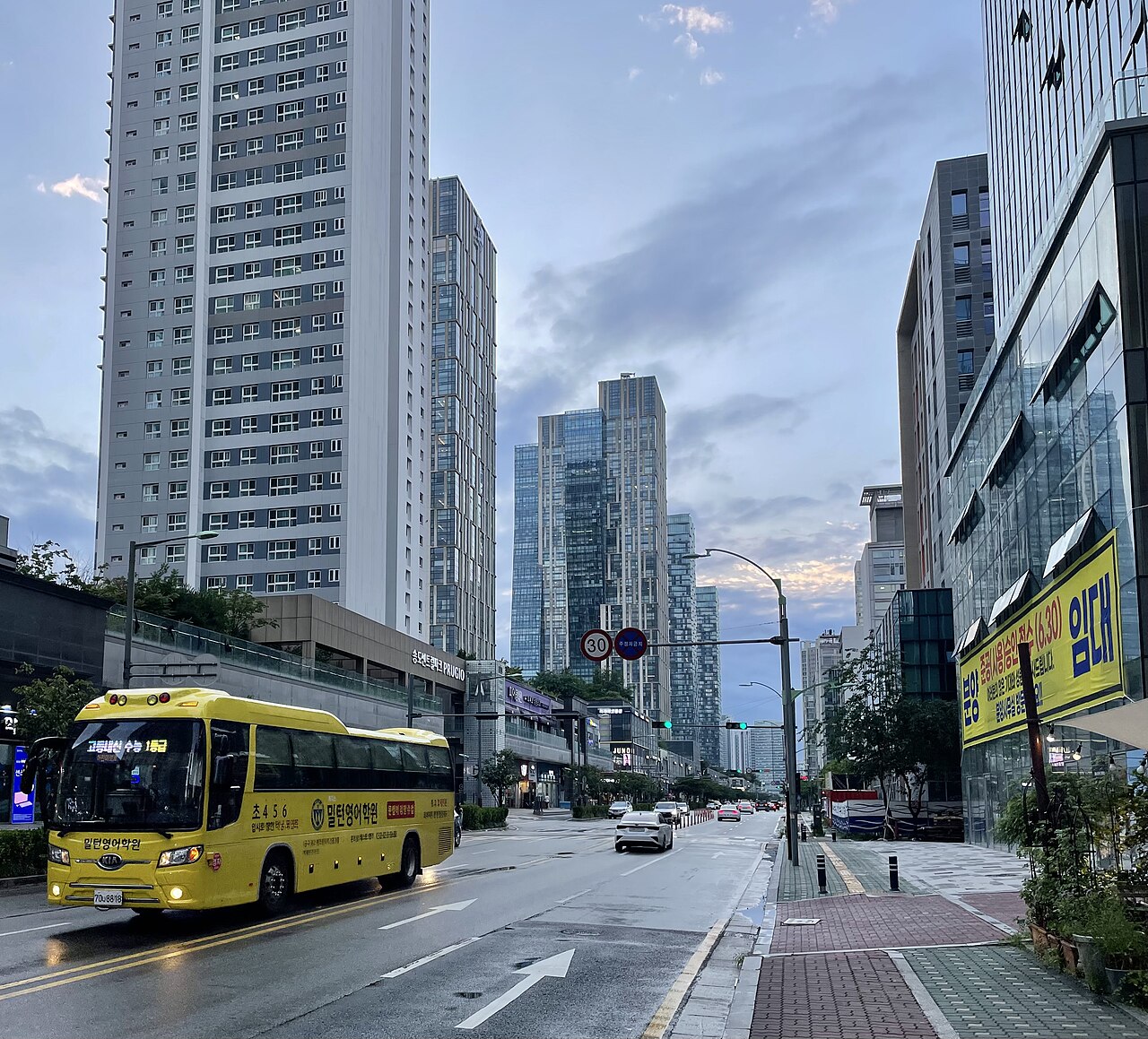
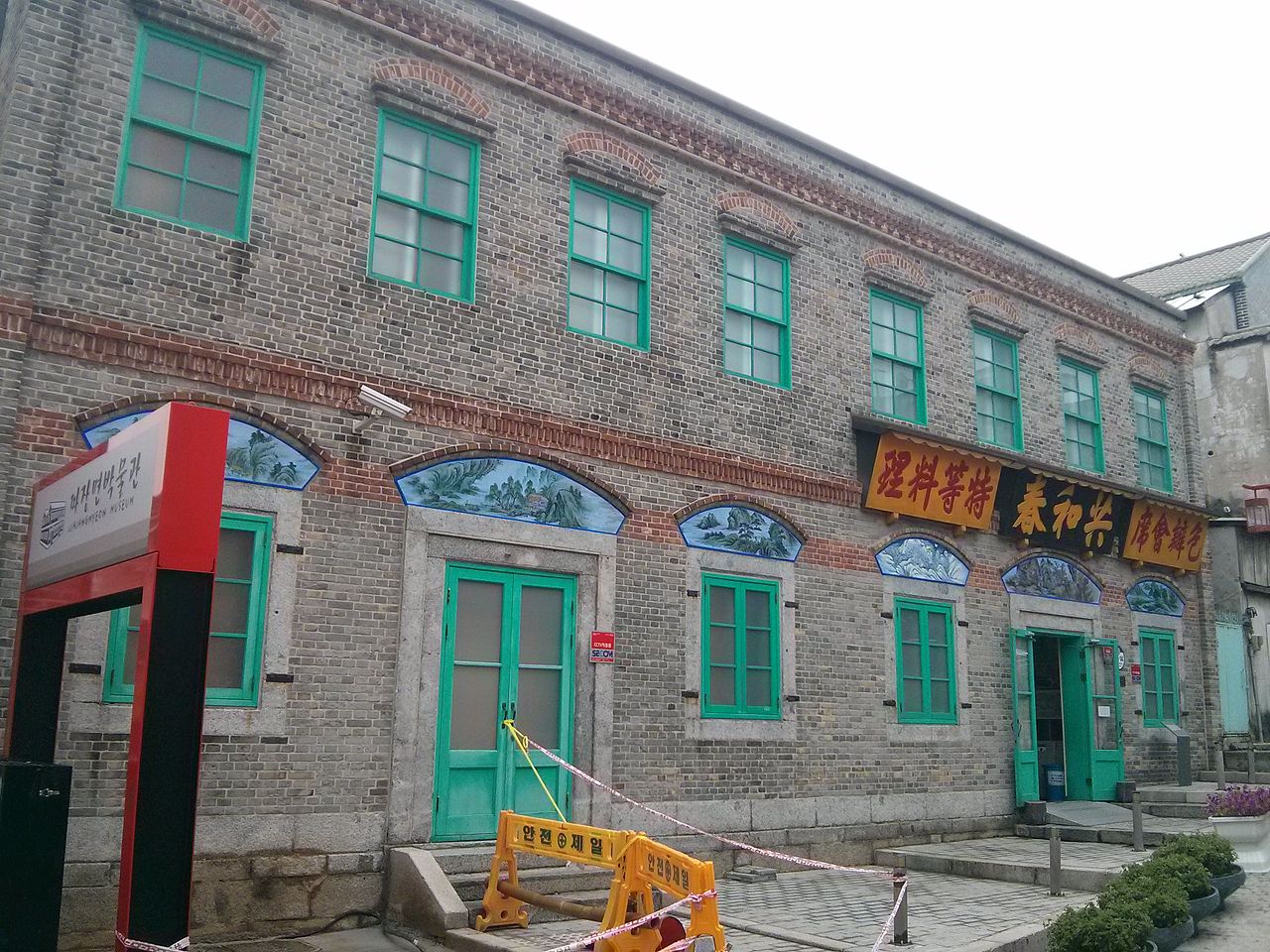
Image Credits
Hero and harbor views: Wikimedia Commons contributors, licensed under Creative Commons.
Chinatown and cultural sites: Wikimedia Commons (CC BY-SA).
Songdo and modern Incheon: Wikimedia Commons (CC BY-SA).
Weather & Best Time to Visit
Frequently Asked Questions
Q: What's the best time of year to visit Incheon on a cruise?
Typical range 19-85°F extreme seasonal range; rain: Monsoon Jul-Aug; very dry winter. Peak cruise months: Apr, May, Sep, Oct. Avoid months: Jul, Aug, Jan, Feb.
Q: Is there a severe weather or storm season that affects Incheon?
Incheon is not marked as a warm-water hurricane zone in our seasonal guide. Local concern: seasonal weather swings.
Q: What should I pack for Incheon's weather?
For Incheon, pack for 19-85°F extreme seasonal range. Heavy winter coat, hat, gloves for Nov-Mar; Rain gear for summer monsoon; Light breathable clothing for summer; Comfortable walking shoes
Q: Will rain ruin my Incheon port day?
Brief rain is common enough around Incheon that a flexible plan beats canceling. Incheon is Seoul's port — budget 1+ hour transfer time; Extreme tidal range (up to 30 ft) affects port operations
Q: How do I get from Incheon Port to Seoul?
Seoul is approximately 60 minutes from Incheon by subway Line 1. From the cruise terminal, take a taxi or shuttle to Incheon Station (about 8,000 won / $6), then board the subway toward Seoul Station. The fare is roughly 1,350 won ($1). Airport limousine buses also run frequently. Taxis to Seoul cost 60,000-80,000 won ($45-60).
Q: What is the significance of Incheon in Korean War history?
Incheon was the site of the pivotal Incheon Landing in September 1950, an amphibious assault led by General Douglas MacArthur that turned the tide of the Korean War. Despite extremely challenging tides, UN forces successfully landed here and recaptured Seoul. Jayu Park features the MacArthur statue and memorial plaques overlooking the harbor.
Q: What can I see in Incheon's Chinatown?
Korea's only official Chinatown features ornate architecture, red gates, jajangmyeon restaurants (from 7,000 won / $5), the Jajangmyeon Museum, and a blend of Chinese and Korean cultural influences dating to the 1880s.
Q: Is Songdo worth visiting during a port stop?
Songdo offers a striking contrast to historic Incheon with its futuristic skyline, Central Park seawater canal, and smart-city infrastructure. Worth 2-3 hours if interested in urban planning and modern Korean ambition. Entry to the park is free; kayak rental costs 15,000 won ($11).
Q: Do I need a visa for South Korea from a cruise ship?
Most Western passport holders receive visa-free entry for short stays including cruise port visits. Verify your nationality's current requirements before travel. Keep your ship ID and know your return time.
Q: Is English widely spoken in Incheon?
English is less common in Incheon than in central Seoul. Subway signs and major attractions have English, but many shopkeepers and taxi drivers speak limited English. Have your destination written in Korean or use a translation app. Younger Koreans generally speak more English.