


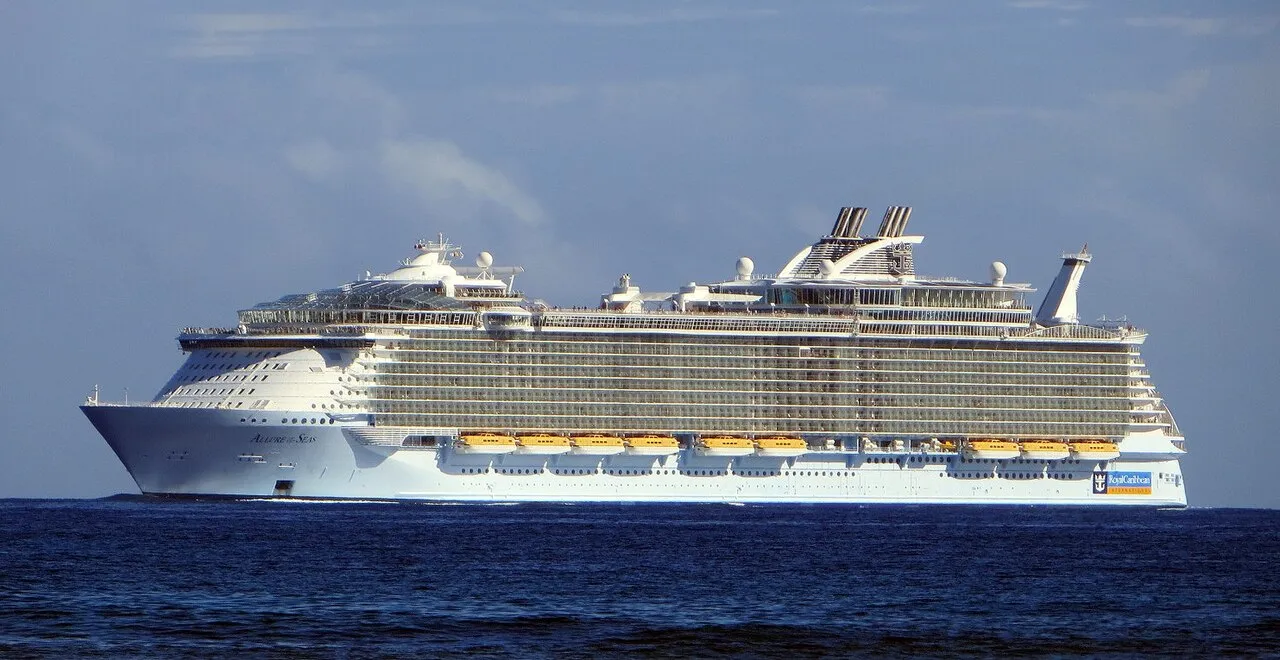
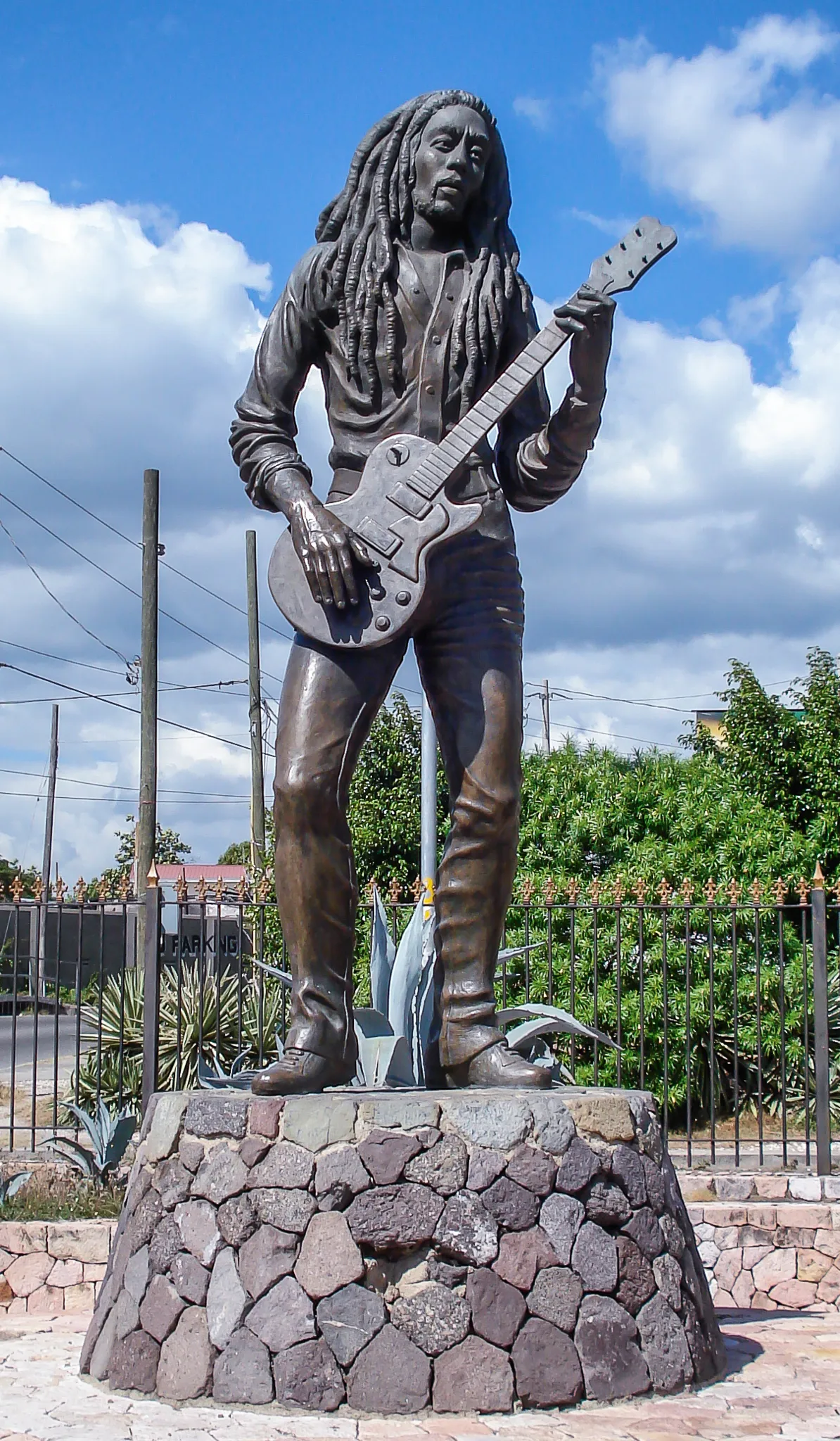
Photo: Wikimedia Commons (CC BY-SA)
Captain's Logbook: Jamaica
Sailing into Falmouth's historic Georgian port as dawn broke over the Blue Mountains, the scent of woodsmoke drifted across the water — someone on shore was already firing up a jerk pit. I stood on my balcony watching the soft pink light illuminate the colonial buildings, coffee growing cold in my hand because I couldn't look away. The architecture dates to 1769 when Thomas Reid founded this remarkable town, but I wasn't here for the buildings. I was here for the waterfalls, the jerk, and the reggae that pulses through everything on this island. Jamaica doesn't just welcome you; it embraces you with open arms and "one love" on every lip.
My perfect Jamaica day starts early, straight off the ship and into a private driver's van. For groups of 4-6, a private driver for the whole day runs about $150-180 total (split among everyone), and the freedom is worth every penny. First stop: Dunn's River Falls. I've seen the photos a hundred times, but nothing prepares you for the reality — 600 feet of cascading terraces you literally climb, hand-in-hand with fellow adventurers forming a human chain. Water shoes are essential (rent them there for $17), and yes, you will get soaked. That's the point. The taste of cool mountain water on my lips, the spray misting my face, the roar drowning out everything but laughter — it's sensory overload in the best possible way.
My secret for avoiding the crush: go first thing at 8:30 AM or wait until 3 PM when the tour buses have departed. The climb itself takes about 90 minutes, with guides helping you navigate the slippery limestone rocks. Natural pools punctuate the ascent, offering chances to catch your breath and soak in the mineral-rich water. I paused in one pool and watched a grandmother from Ohio help her teenage grandson find his footing — three generations of her family making this climb together. The joy on their faces reminded me why I travel.
Blue Hole is my favorite, honestly. Way less crowded than Dunn's River, more adventurous (cliff jumping from 5 to 25 feet, depending on your courage), and there's a Tarzan swing that launches you into the deepest pool. The local guides are characters — encouraging you, giving you ridiculous nicknames ("Superman!" "Crazy Lady from Texas!"), making the whole thing feel like an adventure with friends rather than a tourist activity. The water here is impossibly blue, the color of sapphires dissolved in sunlight. Wheelchair users can access the viewing platforms and lower swimming areas via a gentle path; the cliff jumping is more demanding but the beauty is available to everyone.
Then Scotchies. Oh, Scotchies. There are locations in both Montego Bay and Ocho Rios, and either one will ruin you for any other jerk chicken you ever eat. The aroma hit me fifty feet from the entrance — pimento wood smoke curling up from open pits, the fragrance of allspice and scotch bonnet peppers mixing with the sweetness of slow-rendering fat. The meat is slow-smoked for hours, the spice level serious but balanced, and the festival (fried dumplings, about $3 per serving) provide the perfect sweet counterpoint. My plate cost $15 total with a Red Stripe beer, and I ate until I couldn't move. The taste of that first bite — smoky, spicy, tender — still visits me in dreams.
If you have time after food coma recovery, river tubing on the White River (about $65 per person) is pure relaxation — floating down gentle rapids with a drink in hand while palm trees shade the banks. Or hit Doctor's Cave Beach in Montego Bay (admission $6), the most famous stretch of sand in Jamaica with clear, calm water for that post-adventure soak. For moderate-energy travelers, the beach offers a gentler alternative to waterfall climbing.
What I Learned: Jamaica taught me that adventure and fear often wear the same face. Standing on that cliff at Blue Hole, I could have let fear win. I could have climbed down and told myself it didn't matter. But Jamaica has a way of calling out the courage you didn't know you had. The island's people live with an infectious joy that's not performance — it's genuine. They've survived hurricanes, economic hardship, and the weight of a brutal colonial past, yet they greet visitors with warmth that feels like family. I left Jamaica with a renewed appreciation for places that refuse to be conquered by their circumstances, and a promise to myself to say yes more often when adventure calls.
Weather & Best Time to Visit
The Cruise Port
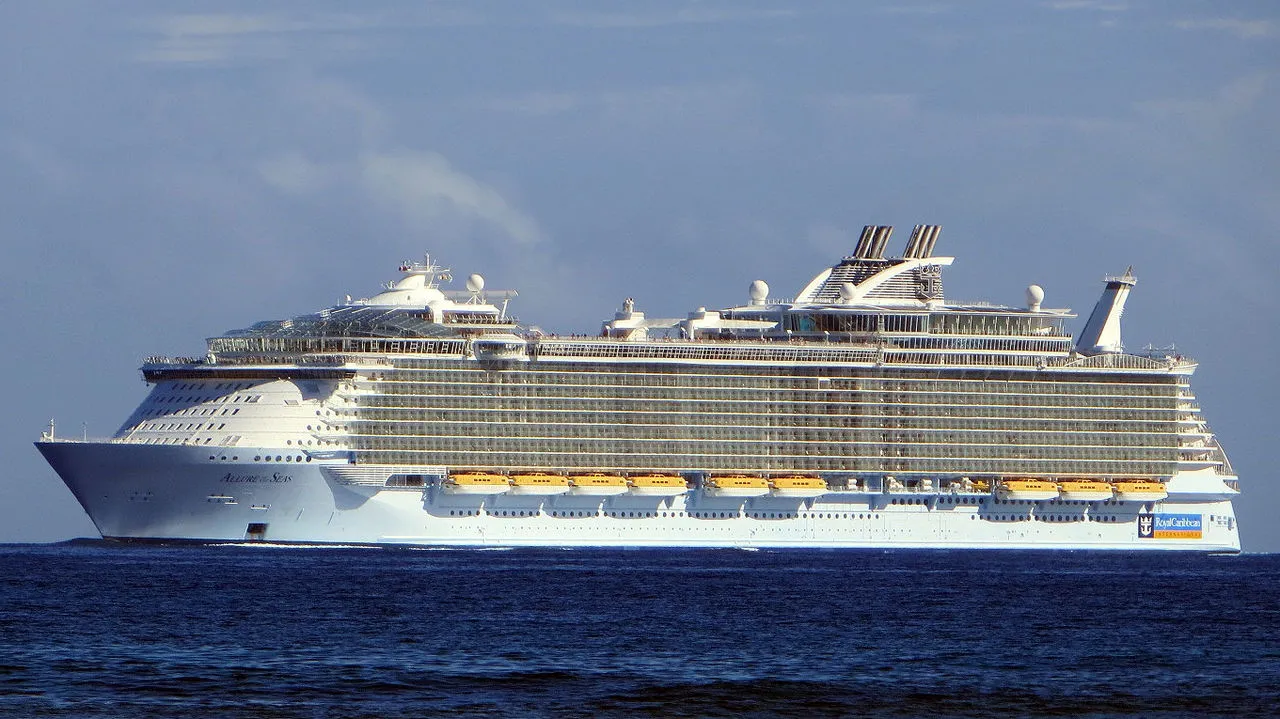
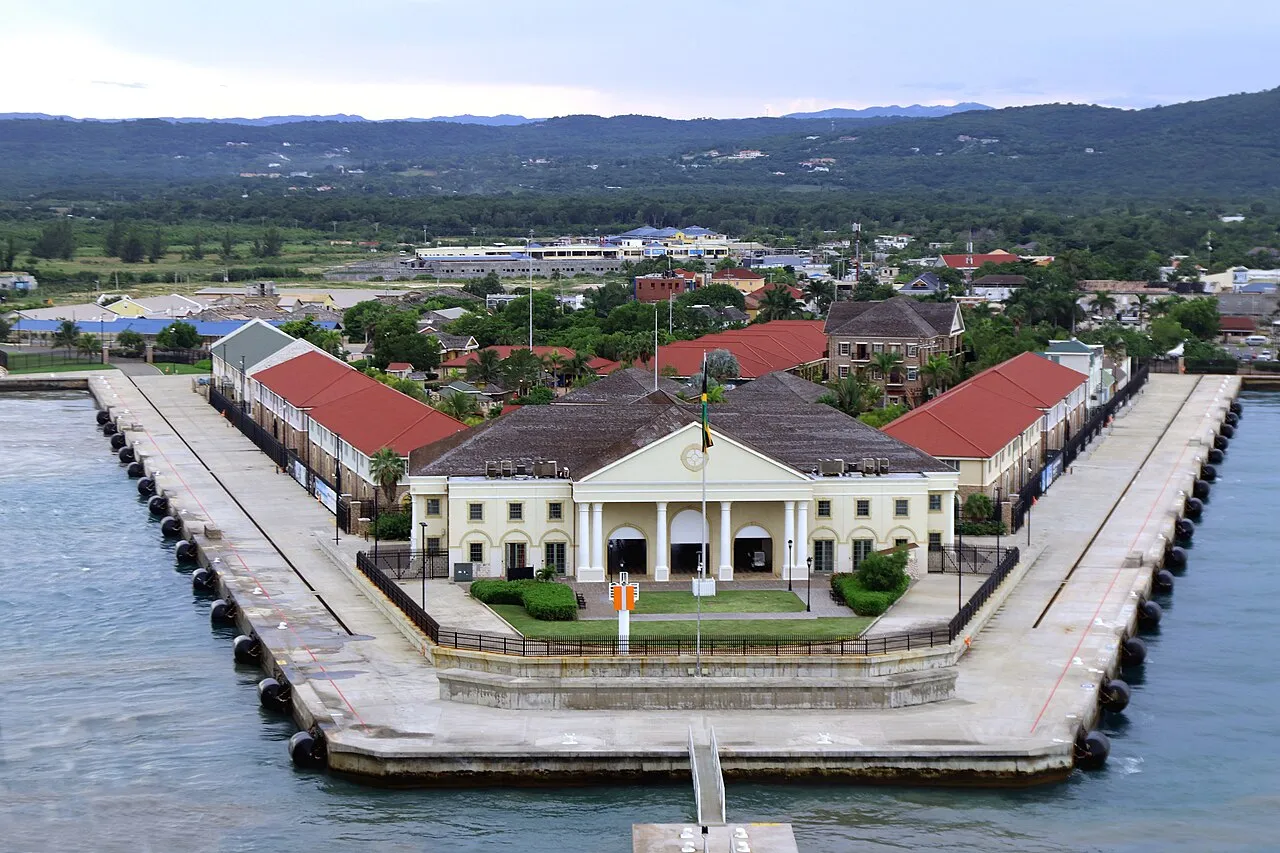
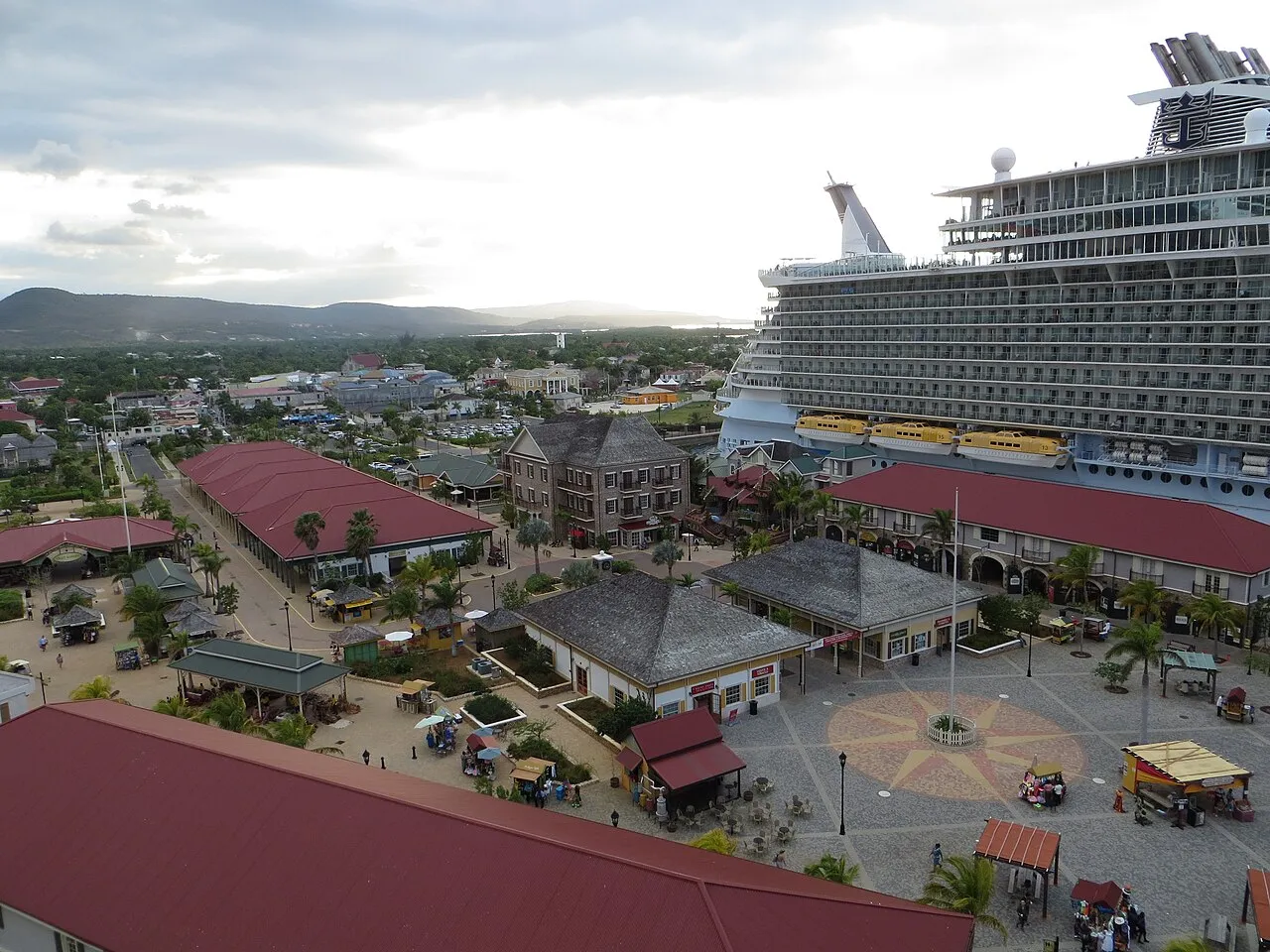
Jamaica welcomes cruise ships at three distinct locations along the north coast. Falmouth serves Royal Caribbean's mega-ships at a purpose-built deep-water facility that opened in 2011 — the only port in Jamaica that can accommodate Oasis-class vessels. The modern terminal includes shopping pavilions, tourist information, and easy access to the historic Georgian town center. Ocho Rios handles the highest volume of cruise traffic, with the town center within walking distance of the pier and Dunn's River Falls just five minutes away. Montego Bay offers access to Doctor's Cave Beach, duty-free shopping, and serves as Jamaica's primary resort area.
All three ports offer direct docking (no tendering required). Currency is Jamaican dollars, but U.S. dollars are universally accepted — though you'll get better prices using local currency. The terminal areas are wheelchair accessible with ramps and smooth surfaces. Licensed taxi drivers display red plates and JUTA (Jamaica Union of Travellers Association) credentials.
Getting Around Jamaica
Falmouth has a modern cruise pier with a small shopping area walkable from the ship, but the real Jamaica requires wheels. Private drivers offer the best value and flexibility — negotiate a full-day rate ($150-180 for 4-6 people) rather than paying per stop. Licensed taxi drivers have red plates and JUTA stickers identifying them as trained to serve cruise passengers.
Key distances from Falmouth: Dunn's River Falls (45-90 minutes depending on highway construction), Blue Hole (50 minutes, near Ocho Rios), Scotchies Ocho Rios (40 minutes), Montego Bay (25 minutes), Martha Brae River Rafting (5 minutes).
Establish complete fares before departing, confirming whether prices cover your full party or apply per person. Ask about waiting time if the driver will remain at your destination. Public buses exist but are unreliable for cruise schedules. Car rentals start around $50/day but road conditions and driving customs can be challenging for visitors. For accessibility needs, arrange accessible vehicle transportation in advance through the cruise terminal.
- From Falmouth to Dunn's River Falls: 45-90 minutes (taxi or private driver, $30-40 per vehicle)
- From Falmouth to Blue Hole: 50 minutes (combine with Dunn's River, $25-30 additional)
- From Falmouth to Scotchies (Ocho Rios): 40 minutes ($25-30)
- From Ocho Rios to Dunn's River Falls: 5 minutes ($10-15)
Jamaica Area Map
Interactive map showing Falmouth cruise port, Ocho Rios, Montego Bay, Dunn's River Falls, and Blue Hole. Click any marker for details.
Shore Excursions & Independent Options
Jamaica offers exceptional excursion options whether you prefer a ship excursion with guaranteed return or going independent for flexibility. The island's signature experiences — Dunn's River Falls, Blue Hole, and authentic jerk cuisine — are accessible from all three cruise ports.
Ship Excursion vs Independent
Ship excursions to Dunn's River Falls typically cost $90-120 per person and guarantee you'll make it back to the ship. Going independent with a private driver costs $150-180 total for 4-6 people plus entrance fees ($20/person for Dunn's River), potentially saving hundreds for groups while gaining flexibility to add stops like Scotchies or Blue Hole. Book ahead for popular ship excursions during peak season.
Jamaica's Three Cruise Ports
Jamaica welcomes cruise ships at three distinct locations along the north coast, each offering different advantages for visitors:
Ocho Rios ("Ochi")
This bustling port handles the highest volume of cruise traffic throughout the year. The town center sits within comfortable walking distance of the pier, making it easy to explore shops, restaurants, and local markets on your own. Most visitors use Ocho Rios as their gateway to Jamaica's signature waterfall attractions, which lie just minutes away in the surrounding hills.
Falmouth
Royal Caribbean invested heavily in developing Falmouth's deep-water berth specifically to accommodate the massive Oasis-class and other mega-ships that cannot dock elsewhere on the island. The modern cruise terminal opened on February 17, 2011, complete with shopping pavilions and tourist amenities. Beyond the cruise facility, the authentic Georgian-era town center — founded in 1769 by Thomas Reid and preserving Jamaica's largest collection of Georgian-style buildings — offers a fascinating contrast to the contemporary port infrastructure.
Montego Bay
Known locally as "MoBay," this western port serves double duty as Jamaica's primary airport city and a major resort destination. The cruise terminal provides convenient access to the famous Doctor's Cave Beach, duty-free shopping districts, and the concentrated energy of Jamaica's tourism heartland. Many visitors choose to explore the resort strip or venture inland to plantation tours and adventure parks.
Dunn's River Falls: Jamaica's Signature Experience
Among Jamaica's natural wonders, Dunn's River Falls stands as the undisputed crown jewel. This 180-foot cascade tumbles down naturally terraced limestone formations directly toward the Caribbean Sea, creating one of the few climbable waterfalls anywhere in the world. The falls flow continuously from mountain springs, creating a white veil against the lush tropical vegetation that frames both sides.
The journey begins at sea level, where visitors remove shoes and wade into the cool mountain water flowing over smooth rocks. Professional guides organize climbers into human chains, linking hands to form stable lines that ascend together through the rushing current. The terraced structure creates natural stepping zones where you can pause to catch your breath, snap photos, and feel the power of water surging around your legs. Natural pools punctuate the climb, offering opportunities for swimming and basking in the mineral-rich water before continuing upward.
Plan to dedicate between one hour and ninety minutes for the complete climb, including multiple rest stops where guides share local knowledge and help position groups for memorable photos. The experience demands proper footwear — water shoes provide essential grip on the slippery limestone surfaces. The park rents suitable shoes for approximately seventeen dollars, though experienced waterfall climbers often bring their own proven pairs.
For those seeking additional thrills beyond the falls themselves, the park offers seven ziplines and four suspension bridges that provide aerial perspectives of the cascading water and surrounding rainforest canopy. These adventure elements transform Dunn's River from a single waterfall climb into a full-day adventure park experience. After conquering the falls, visitors can relax on the nearby beach, where the freshwater meets the Caribbean where mountain stream meets ocean waves.
Protecting your electronics matters here, as spray and splashes are constant companions throughout the ascent. Waterproof phone cases or dry bags keep your devices functional while capturing the adventure. Many visitors pack small dry pouches inside their pockets for cash and cards.
Distance from ports varies significantly. Ocho Rios cruise passengers enjoy the advantage of proximity — just five minutes of travel separates the pier from the falls entrance. From Falmouth, the newly constructed highway reduces the journey to approximately ninety minutes, making the trip feasible even on shorter port days. The park opens early to accommodate cruise schedules, with morning arrivals typically experiencing smaller crowds and shorter wait times.
Beyond the Falls: More Jamaica Adventures
Martha Brae River Rafting
Just five minutes from Falmouth's cruise port, the Martha Brae River offers one of Jamaica's most serene experiences — a journey that feels like floating through a botanical garden. Your raft captain, standing at the stern of a hand-crafted thirty-foot bamboo raft, poles you silently downstream through three miles of tropical paradise. The gentle current does all the work while you recline on cushioned seats, trailing fingers in cool water, watching egrets fish along the banks and listening to nothing but birdsong and rustling palm fronds.
The journey takes roughly an hour, moving at nature's pace through sections of dense jungle canopy that filter sunlight into golden streams, then emerging into open meadows where the sky spreads blue and infinite overhead. Many raft captains double as natural historians, pointing out tropical flowers, naming the birds that dart across the water, and sharing stories of the river's history. Some even serenade passengers with traditional Jamaican folk songs. This is Jamaica at its most peaceful — the antidote to every hectic waterfall climb and crowded beach.
Luminous Lagoon: Jamaica's Glowing Wonder
Wait until dark falls over Falmouth, and one of nature's most mesmerizing displays comes alive in the shallow bay waters. Millions upon millions of microscopic dinoflagellates — bioluminescent organisms invisible by day — transform the lagoon into liquid starlight. When your boat cuts through the water, greenish-blue trails glow in its wake like underwater lightning. Dip your hand in, and watch ghostly light drip from your fingers. Jump in for a swim, and your every movement creates luminous outlines that reveal fish darting beneath the surface in trails of eerie radiance.
The phenomenon occurs naturally in only a few places worldwide, and the Luminous Lagoon near Falmouth provides one of the most reliable displays. Tour operators lead evening boat trips that include swimming opportunities in the glowing water — an experience that feels like diving into a galaxy. The dinoflagellates are harmless to humans; their bioluminescence is simply a defense mechanism that lights up when disturbed. Cameras struggle to capture the effect, making this one of those rare modern experiences that must be witnessed rather than photographed.
Good Hope Estate: Sugar Plantation to Adventure Park
Step back into the mid-1700s at Good Hope Estate, a magnificently restored sugar plantation that sprawls across 2,000 acres of Jamaica's interior highlands. The great house and surrounding buildings tell the complete story of Jamaica's sugar era — the wealth it generated, the architectural grandeur it financed, and the brutal labor system that sustained it. Period furnishings and detailed historical exhibits bring that complex past into sharp focus.
But Good Hope has evolved beyond static museum. The same land that once grew sugar cane now hosts river tubing adventures down the Martha Brae, zipline courses through the property's extensive forest canopy, and ATV rides along mountain trails that reveal stunning vistas of the Cockpit Country. The restored buildings include a restaurant serving authentic Jamaican cuisine using traditional recipes and modern accommodations for those who want to extend their stay beyond a day visit. History, natural beauty, and adventure combine here in proportions that satisfy diverse interests.
Green Grotto Caves: Underground Jamaica
Descend into a hidden world that played surprising roles throughout Jamaica's turbulent history. These extensive limestone caverns, carved by water over millions of years, provided refuge for Spanish soldiers hiding from English invaders during the seventeenth-century battles for Caribbean dominance. Later, they sheltered smugglers, runaway slaves seeking freedom, and during World War II, rum stored for military use.
Modern pathways with proper lighting now guide visitors through cathedral-sized chambers where stalactites hang like stone chandeliers and stalagmites rise from the cave floor in fantastic formations. The tour culminates at Grotto Lake, an underground body of water so clear it mirrors the ceiling perfectly, creating disorienting reflections. The constant 77-degree temperature inside provides blessed relief from Jamaica's tropical heat, while the geological formations and historical narratives combine to create one of the island's most distinctive attractions.
Horseback Ocean Riding
Few experiences match the surreal joy of riding horses directly into the Caribbean Sea, yet Jamaica offers exactly this unusual adventure. Guided rides begin on sandy beaches before continuing into the surf, where horses wade chest-deep through gentle waves. The combination of horseback riding and ocean swimming creates a distinctly Jamaican memory that surprises even experienced equestrians.
Mystic Mountain
This adventure park perched above Ocho Rios delivers adrenaline through multiple attractions centered on the famous bobsled ride. Inspired by Jamaica's Olympic bobsled team, the gravity-driven sleds race down through rainforest canopy on a controlled track where riders control their own speed. Zipline courses add aerial perspectives of the surrounding mountains and coastline.
Blue Hole
Sometimes called the Secret Falls or Island Gully Falls, this jungle waterfall complex attracts adventurous spirits seeking a more intimate encounter with Jamaica's natural beauty. Unlike the organized crowds at Dunn's River, Blue Hole maintains a wilder atmosphere where visitors cliff-jump into sapphire pools, swing from rope swings, and explore mineral-rich swimming holes away from mass tourism. Local guides lead the way through increasingly daring jumps ranging from modest five-foot drops to heart-pounding twenty-five-foot leaps.
Exploring Falmouth's Georgian Town Center
Walk past the modern cruise terminal into Falmouth's historic center, and you step back into 1769 — the year Thomas Reid founded this Georgian jewel, naming it after Falmouth in Cornwall, England. Within decades, Falmouth became one of the Western Hemisphere's busiest ports, its streets named for British royalty and naval heroes: King Street, Queen Street, Rodney Street honoring Admiral Lord George Rodney, Wellington Street echoing England's Iron Duke. Today, Falmouth preserves Jamaica's largest collection of Georgian-style buildings, a concentration of architectural heritage unmatched anywhere else on the island.
Here's a fact that stops visitors in their tracks: Falmouth installed the first piped water supply in the entire Western Hemisphere in 1799 — before New York City. While European cities still relied on wells and water carriers, Falmouth's Georgian mansions enjoyed running water flowing through a sophisticated municipal system. That pioneering spirit infused everything about this port town during its golden age.
But Falmouth's history carries profound weight beyond architectural elegance. This town became a crucible of the abolition movement, its buildings serving as safe houses during slave revolts, its people fueling the moral fire that would eventually break the chains of slavery throughout the British Empire. The William Knibb Memorial Baptist Church stands as living testimony to that struggle — built by the missionary leader who devoted his life to abolition, preaching freedom and human dignity when such words carried the risk of death.
Jamaica designated Falmouth a National Monument in 1996, protecting one of the Caribbean's finest concentrations of Georgian colonial architecture. The symmetrical facades, covered verandas, decorative fretwork, and proportioned windows tell stories of wealth built on sugar, commerce conducted across oceans, and eventually, liberation fought for in these very streets.
Falmouth Walking Tour Highlights
Walking tours of historic Falmouth reveal layers of history compressed into compact blocks. St. Peter's Anglican Church, consecrated in 1795, rises with Georgian solemnity near the town square, its bell tower marking time across two centuries. The Falmouth Court House, built in 1813, stands as one of the town's architectural anchors — a monument to British colonial law and order, its stones holding memories of trials, sentences, and the administration of justice during Jamaica's plantation era. The nearby historic Falmouth Jail serves as another reminder of that complex past.
Edward Barrett's town house — the founder's own residence — survives as architectural testimony to the wealth sugar generated. Nearby, John Tharp's former residence represents another chapter of that same story, the plantation owner's urban retreat from his vast agricultural holdings. These buildings don't hide their origins; they stand as frank historical evidence of the system that created them and the people who suffered under it.
The Albert George Shopping and Historical Centre transforms historic preservation into modern utility, its restored buildings now housing shops and galleries while maintaining their Georgian character. The Albert George Market buzzes with energy as vendors sell Jamaican souvenirs, local treats, handcrafts, and the spirited negotiations that make Caribbean markets such vibrant experiences. Here, history becomes living culture rather than static monument.
Organized walking tours led by knowledgeable local guides illuminate Falmouth's layered past, connecting architectural details to human stories of prosperity, oppression, resistance, and ultimately transformation. These walks typically last between one and two hours, covering the compact historic district at a contemplative pace that allows the town's significance to settle in your understanding.
Depth Soundings Ashore
Practical tips before you step off the ship.
Jamaica rewards smart travelers who exercise common-sense precautions. Stay within organized tour groups or designated port areas when exploring independently. The cruise terminal zones in Falmouth, Ocho Rios, and Montego Bay maintain professional security. Book excursions through reputable operators, hire licensed transportation (red plates, JUTA credentials), and keep your adventures focused on well-established attractions.
Near the ports, enthusiastic vendors will offer souvenirs, tours, or services. A polite but firm "no thank you" works effectively — avoid extended negotiations unless you intend to purchase. U.S. dollars are accepted everywhere, but Jamaican dollars often yield better prices. ATMs dispense local currency in all port areas. Carry small bills for smoother transactions.
Jamaica's climate is tropical year-round, but November through March delivers the best conditions — lower humidity, less rain, and comfortable temperatures built for waterfall climbing. Summer months (June-October) coincide with hurricane season. Essential items: water shoes for the falls (absolutely required — rocks are slippery), waterproof phone case, towel, change of clothes, sunscreen, and cash. The legendary Jamaican hospitality means drivers will have strong opinions about the best jerk spots — they're usually right.
Photo Gallery
Frequently Asked Questions
Q: Should I do Dunn's River Falls or Blue Hole?
A: Both if you can! They're near each other (both by Ocho Rios) and can be combined with a private driver. Dunn's River is iconic and family-friendly with a 90-minute guided climb; Blue Hole is more adventurous with cliff jumping from 5-25 feet. If forced to choose: Blue Hole for thrill-seekers, Dunn's River for the classic experience.
Q: Where's the best jerk chicken?
A: Scotchies. Full stop. Locations in Montego Bay and Ocho Rios. The jerk is authentic (pimento wood smoke, serious spice), and the festival dumplings ($3) are perfect. Plates run $12-18. Get there before 2 PM as they can run out of popular items.
Q: Is Jamaica safe for cruise visitors?
A: Stick with licensed drivers (red plates, JUTA stickers), stay in tourist areas, and you'll be fine. Falmouth's cruise area is modern and secure. The Jamaicans working in tourism are incredibly welcoming and take their role as ambassadors seriously.
Q: What should I bring to the waterfalls?
A: Water shoes (essential — rent for $17 if needed), waterproof phone case, towel, change of clothes. Lockers available at Dunn's River ($5) for valuables. Wear your swimsuit under clothes.
Q: Is the Luminous Lagoon worth a night tour?
A: Absolutely. Swimming in bioluminescent water is surreal and unforgettable. Tours run after dark (7-9 PM), so check if your ship will still be in port. Best on moonless nights when the glow is brightest. Tours cost about $25-35 per person.
Q: What Jamaican food should I try beyond jerk chicken?
A: Ackee and saltfish (the national dish — tastes like savory scrambled eggs), beef patties (flaky pastry pockets, $2-3 each), and festival (sweet fried dumplings that accompany jerk). Wash it down with fresh coconut water or homemade ginger beer.
Q: Is Jamaica accessible for wheelchair users?
A: The cruise terminals are wheelchair accessible with ramps and smooth surfaces. Dunn's River Falls has viewing areas but the climb itself is not accessible. Blue Hole has accessible viewing platforms for the lower areas. Beaches like Doctor's Cave have accessible pathways. Arrange accessible vehicle transportation in advance.
Q: How much should I budget for a day in Jamaica?
A: Private driver for the day: $150-180 total (split among group). Dunn's River Falls entrance: $20/person. Blue Hole entrance: $15-20/person. Lunch at Scotchies: $15-20/person. Doctor's Cave Beach: $6 admission. Total for an active day: approximately $80-100 per person for groups of 4-6.
Q: When is the best time to visit Jamaica on a cruise?
A: Cruise season runs December through April. Highs run 82-86°F across those months. Rain falls 4-5 days per month in this window vs. 5-10 days per month June through November. Avoid Sep-Oct (peak hurricane risk). Peak Dec-Apr, transitional May/Jun/Nov, low Jul-Oct.
Q: Is there a hurricane or storm season that affects Jamaica?
A: Yes. Atlantic hurricane season runs June 1 through November 30, with peak risk in September and October. The hazards record notes: "South coast less hurricane-prone than north Caribbean."
Q: Will rain ruin my Jamaica port day?
A: Not typically in dry season. Monthly rain days: 4 days December-March, 5 days April/July, 7-10 days June-November (highest in October). The rain summary is "Two wet peaks: May-Jun and Sep-Nov." Catches record also notes: "Two distinct rainy peaks."
Last reviewed: February 2026