


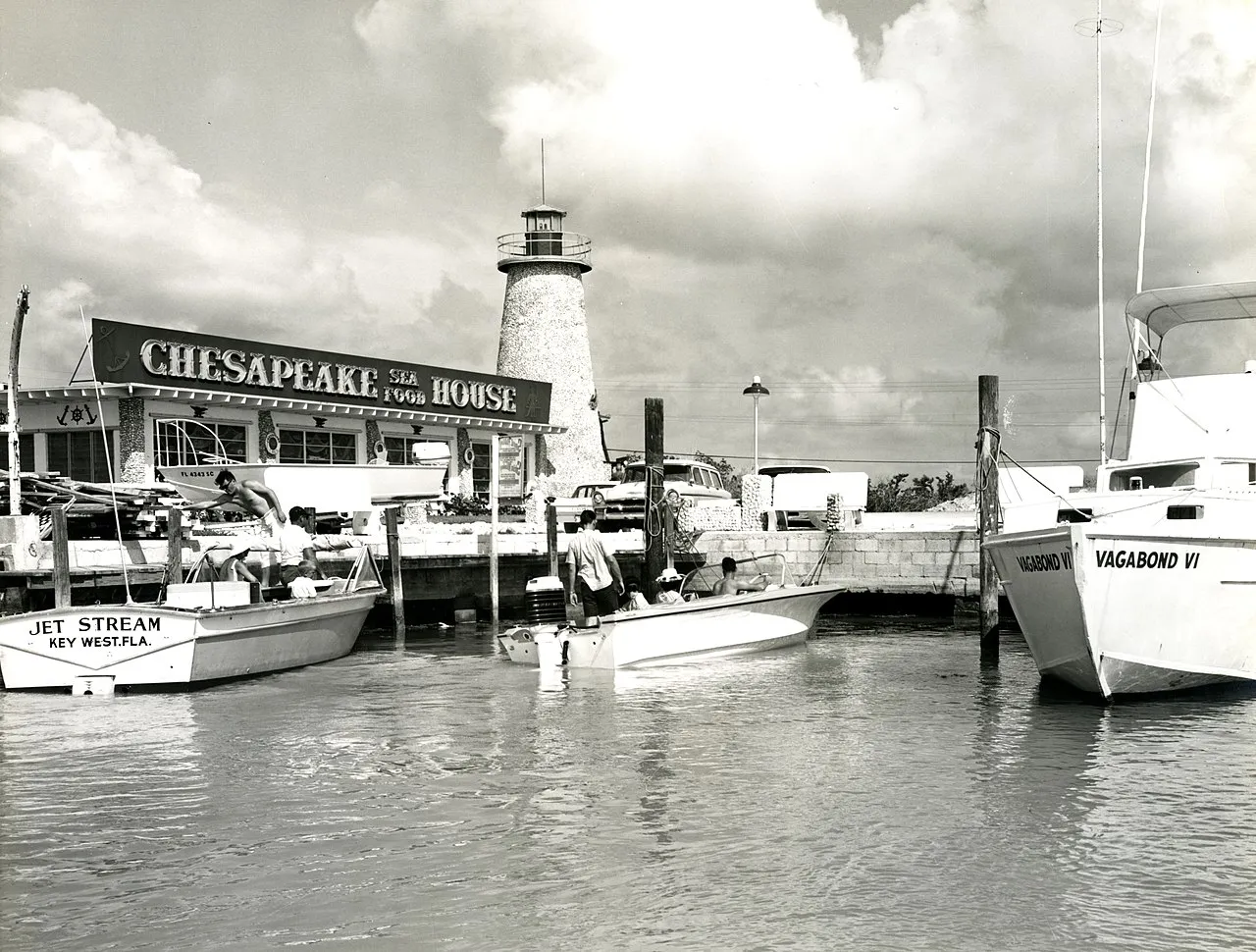
Photo: Wikimedia Commons (CC BY-SA)
Captain's Logbook: Key West
I walked off the ship straight into Key West's signature chaos — pastel-painted Victorian homes, roosters strutting fearlessly down the sidewalk, and the aroma of fresh Cuban coffee drifting from every corner. My first thought every time I arrive here: this place has no equivalent in America. Founded in 1822, Key West became the wealthiest city per capita in the nation thanks to the "wrecking" industry — salvaging ships that ran aground on the treacherous reefs surrounding the island. Fortunes were made from misfortune, and that scrappy, opportunistic spirit never left.
I rented bikes ($15/day from a vendor near the pier — the best decision I made) and pedaled to the Hemingway House first. Ernest lived here from 1931 to 1939, writing "To Have and Have Not" in the studio above the carriage house. The polydactyl cats are direct descendants of his original six-toed feline, Snow White — currently around 60 of them, lounging on Papa's furniture like they pay rent. The writing studio upstairs still has his typewriter, and standing in that space where so many famous words were written, I felt the weight of literary history. The admission is $18 for adults, $7 for children — worth every penny for literature lovers. Wheelchair users can access the ground floor and gardens; the upstairs studio requires stair climbing.
Then I biked down Duval Street — all 1.25 miles of it, running from the Gulf of Mexico to the Atlantic Ocean. I stopped at Sloppy Joe's, Hemingway's favorite spot, for their famous original sloppy sandwich ($14) and a cold beer ($6). The live music was excellent, and the walls covered in Hemingway photos and memorabilia transported me back to the 1930s. The taste of that tangy, saucy beef on a kaiser roll while watching tourists pose for photos outside — it's a Key West ritual I never skip.
Then I hit Kermit's for key lime pie on a stick dipped in dark chocolate ($6) — tart, cold, utterly delicious. That perfect balance of sweet graham crust, tangy lime filling, and bitter-sweet chocolate coating is the flavor that defines Key West for me. The scent of key lime and chocolate still lingers in my memory, mixing with the salt air and frangipani blossoms that perfume every Key West street.
The Southernmost Point buoy photo at 3 p.m. was predictably packed (the line usually takes 5-15 minutes), but my turn came quickly — worth it for the silly picture marking the continental USA's southernmost spot, just 90 miles from Cuba. Standing there, I really did feel like I'd reached the edge of America. The view toward the horizon makes you wonder what Havana looks like just beyond that line where sea meets sky.
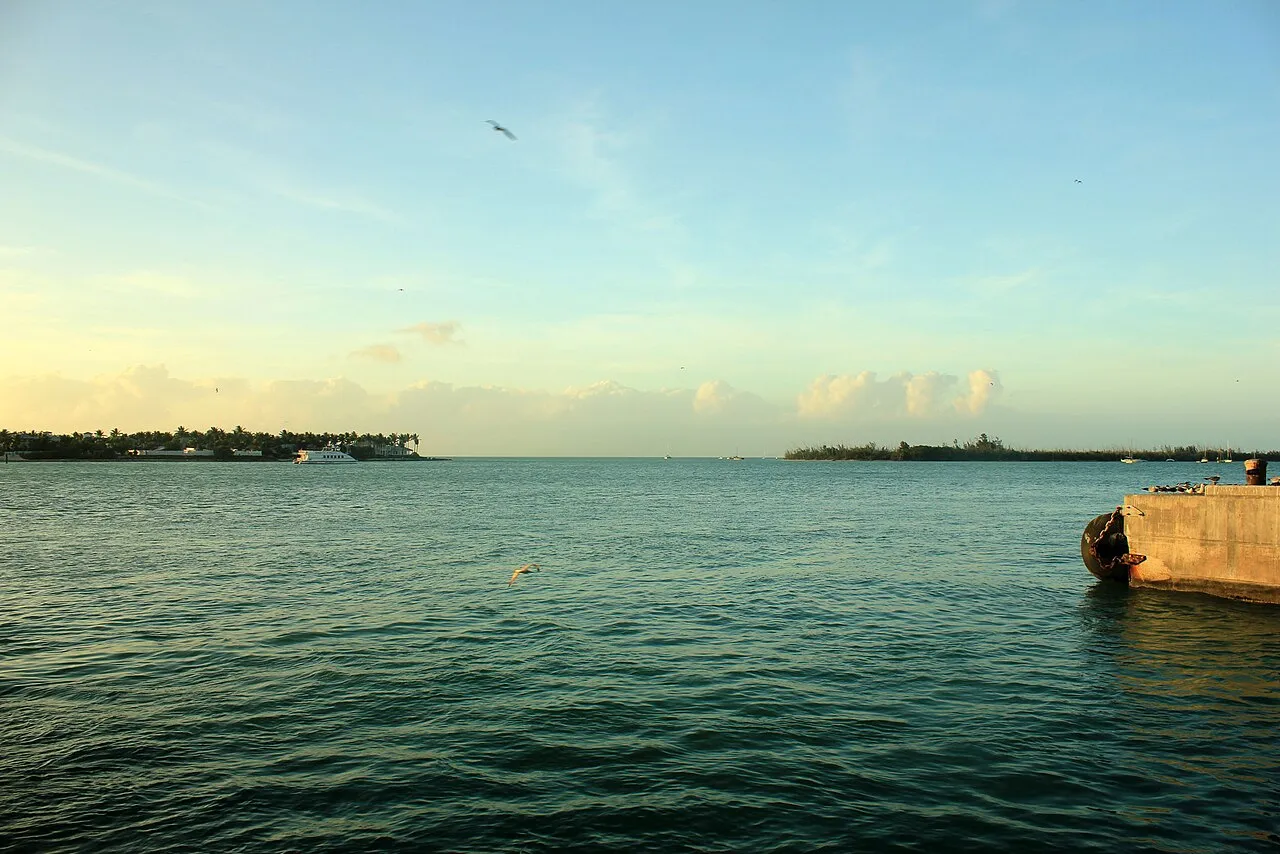
I ended my day at Mallory Square for the sunset celebration — a tradition that's been happening every single evening for decades. Fire jugglers, sword swallowers, trained cat acts, and street musicians create a carnival atmosphere as the sun drops toward the Gulf of Mexico. The whole crowd cheers when the sun disappears, and if you're lucky, you'll catch the famous "green flash" — a rare optical phenomenon where the last sliver of sun turns emerald green for a split second. I've seen it twice in five visits, and both times felt like witnessing magic.
For food beyond pie, I grabbed a Cuban mixto sandwich at Sandy's Café ($12) — pressed roast pork, ham, Swiss cheese, pickles, and mustard on Cuban bread — eaten on a stoop while a rooster judged me with prehistoric disdain. Those roosters, descendants of birds brought over by Cuban immigrants, have free rein over the entire island and are protected by law. They're simultaneously charming and annoying, crowing at all hours.
What I Learned: Key West taught me that the best travel experiences aren't always about checking off famous attractions — they're about those unplanned moments when you're sitting on a seawall with pie, listening to live music, and feeling the warmth of a place that doesn't try to be anything other than itself. This tiny island at the end of the American road has survived pirates, wreckers, artists, outlaws, and hurricanes by refusing to conform. There's a lesson in that: authenticity has staying power. I left Key West with renewed appreciation for places that celebrate their quirks rather than smoothing them over for tourists, and a promise to always make time for sunset, wherever I am.
Weather & Best Time to Visit
The Cruise Port
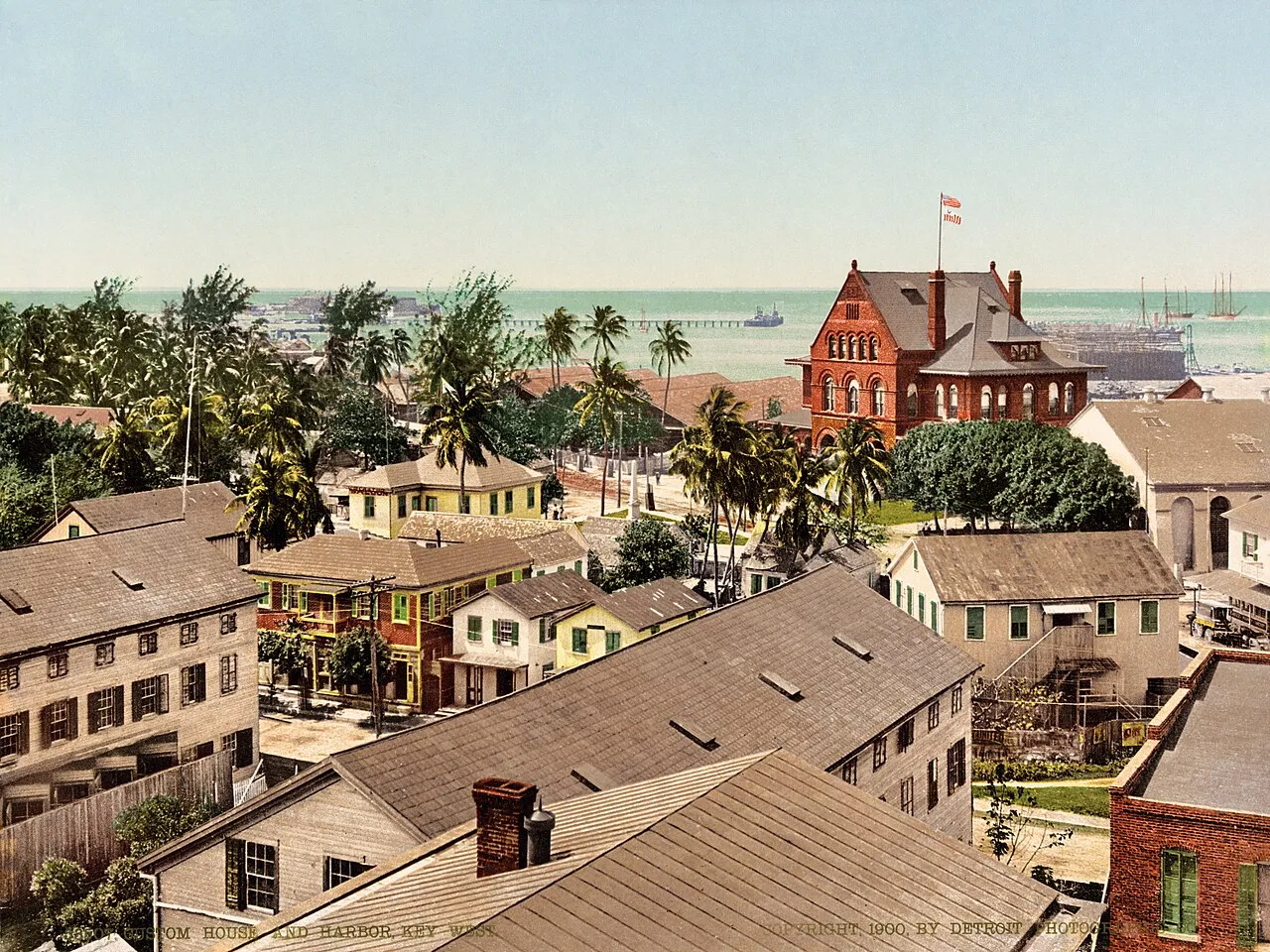
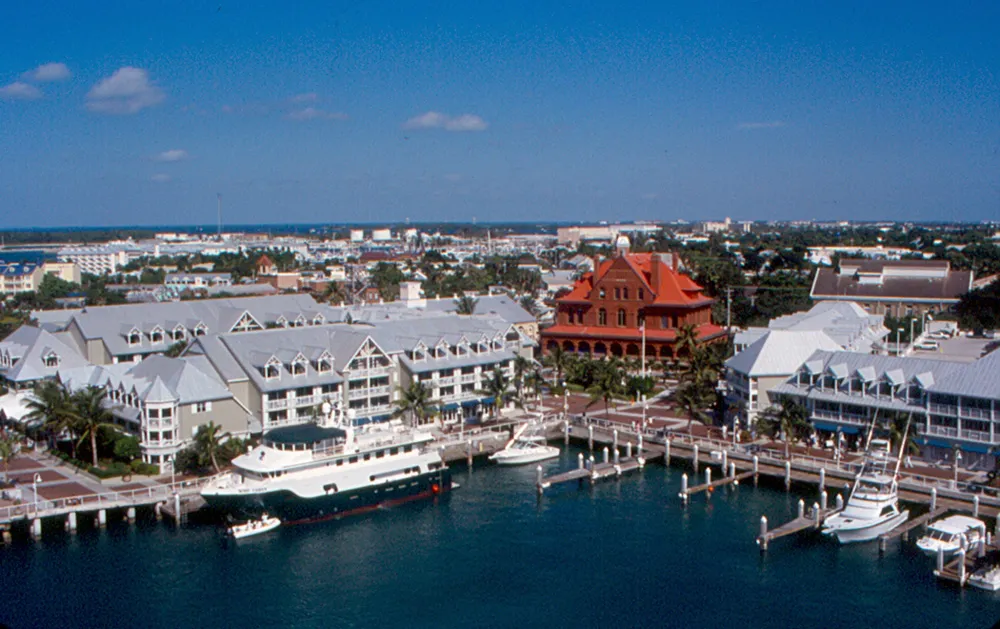
Key West welcomes cruise ships at two locations. Mallory Square Pier puts you dead center in Old Town — literally steps from shops, restaurants, and the famous sunset spot. You'll walk straight off your ship into the heart of Key West's historic district. Outer Mole Pier sits about a mile away and may require a quick tender ride or complimentary shuttle to reach the action. Some larger vessels anchor offshore and tender everyone directly to Mallory Square.
Either way, Key West is absurdly walkable. From any arrival point, the heart of Old Town is within easy striking distance on foot. The terrain is flat throughout, making it accessible for wheelchairs and mobility devices. No currency exchange needed — this is the USA. The port area has restrooms, tourist information, and taxi/tour vendors immediately available upon disembarking.
Getting Around Key West
Old Town is wonderfully compact — most visitors cover it entirely on foot without breaking a sweat (well, maybe a little sweat in the tropical heat). The entire island is only 4 miles long and 2 miles wide, with everything clustered within walking distance. But you've got options for covering more ground:
- Walking: The default choice. Everything worth seeing clusters within a 20-minute stroll. Free and flat.
- Bike rentals: Wildly popular at $15-25/day. Rent near the port and cruise around like a local. Key West is flat and bike-friendly.
- Conch Tour Train: Narrated 90-minute open-air tour ($35/adult, $18/child) that loops through historic neighborhoods. Perfect if your feet need a break.
- Old Town Trolley: Hop-on, hop-off service ($42/adult) with 12 stops. Ride the full loop or jump off at attractions.
- Electric car rentals: $80-120/day for exploring beyond downtown to Fort Zachary Taylor or less-touristed neighborhoods.
- Pedicabs: $5-15 per ride depending on distance. Fun for short hops when you're hot and tired.
For accessibility, Key West's flat terrain and paved sidewalks accommodate wheelchairs and mobility scooters remarkably well. The trolley tours are wheelchair accessible, and many attractions have accessible entrances. Scooter rentals are available near the cruise pier.
Key West Port Map
Interactive map showing the cruise pier, Duval Street, Mallory Square, and attractions. Click any marker for details.
Excursions & Activities
Top Attractions Worth Your Time
Mallory Square hosts the legendary sunset celebration every evening — street performers, fire breathers, and that collective gasp when the sun drops into the Gulf.
Duval Street runs 1.25 miles from the Gulf of Mexico to the Atlantic Ocean — the main artery for shopping, eating, and people-watching. You'll find everything from tacky tourist traps to genuinely cool galleries and historic establishments where Hemingway actually spent time.
Ernest Hemingway Home and Museum remains the crown jewel. The author lived here from 1931 to 1939, writing "To Have and Have Not" and parts of "For Whom the Bell Tolls" in the studio above the carriage house. The Spanish Colonial house shelters descendants of his original six-toed cat, Snow White — around 50 polydactyl cats, sprawled on furniture like they own the place (because they do). The upstairs writing studio still holds his typewriter and the tropical gardens are stunning.
Harry S. Truman Little White House offers a quieter historical experience — the presidential retreat where Truman spent 175 days of his presidency, handling Cold War business in tropical style. The house is preserved exactly as it was during his visits, complete with the original presidential furniture and period decor.
Fort Zachary Taylor State Park combines a Civil War-era fortress with the best beach on the island. The water is clearer here than anywhere else in Key West, and the fort itself is fascinating if you like military history.
Key West Butterfly and Nature Conservatory creates a peaceful escape from Duval Street chaos — hundreds of butterflies fluttering around a climate-controlled garden with flamingos and exotic birds.
Southernmost Point buoy marks the continental USA's southernmost spot (technically), just 90 miles from Cuba. Expect a line for photos, but it moves quickly. Grab your shot and move on — but take a moment to appreciate you're standing closer to Havana than to Miami.
Key West Aquarium and Shipwreck Museum both make excellent rainy-day diversions, though honestly, rain in Key West usually lasts about 15 minutes.
Water Activities
You're surrounded by warm, clear water — might as well use it:
- Snorkeling and diving: The coral reefs offshore are stunning. Book a half-day trip to see tropical fish, sea turtles, and living coral.
- Glass-bottom boat tours: Same reefs, no getting wet. Great for non-swimmers or families with small kids.
- Jet ski rentals: Zip around the harbor if you're feeling adventurous (and don't mind the noise).
- Parasailing: Get towed behind a boat and dangle above the turquoise water. Terrifying or exhilarating, depending on your disposition.
- Kayaking through mangroves: Peaceful paddling through narrow channels where herons watch you from twisted roots.
- Fishing charters: Key West calls itself the sportfishing capital of the world. Charter boats chase marlin, sailfish, and tarpon just offshore.
Shore Excursion Options
Dry Tortugas National Park sits 70 miles west — a Civil War fortress (Fort Jefferson) on a remote island accessible only by seaplane or high-speed ferry. Incredible snorkeling, pristine beaches, and almost no crowds. This is an all-day commitment but absolutely worth it if you have the time. Book ahead through independent operators or through your ship excursion desk, as this popular trip fills quickly during cruise season.
Dolphin encounters: Several outfits offer swimming or interaction programs with Atlantic bottlenose dolphins in controlled lagoons. You can book these independently or through the ship excursion program for guaranteed return to the vessel.
Sunset sailing cruises: Watch the sun go down from a catamaran with a drink in hand — arguably better than the Mallory Square crowds.
Depth Soundings Ashore
Practical tips before you step off the ship.
- Transportation: Seriously, you don't need it. Old Town is insanely walkable. Save your money for key lime pie.
- Currency: US dollars everywhere. Cards accepted nearly universally, but carry some cash for street performers and pedicabs.
- Dress code: Aggressively casual. Flip-flops and board shorts work anywhere, even the nicer restaurants.
- Heat: The tropical sun is no joke. Hydrate constantly, wear sunscreen, and duck into air-conditioned shops when you start melting.
- Sunset at Mallory Square: Non-negotiable. This nightly celebration has been a Key West tradition for decades. Show up 30 minutes early to claim a good spot along the seawall.
- Hemingway history: If you're a literary fan, the Hemingway House is worth every penny. He lived there 1931–1939 and wrote some of his best work in that upstairs studio.
- Wrecking heritage: Key West was once America's wealthiest city per capita thanks to salvaging shipwrecks. That scrappy, independent spirit still defines the place.
- Booking ahead: Popular excursions (Dry Tortugas, dolphin encounters, snorkeling) fill up during cruise season. Reserve early if you have your heart set on something specific.
Roosters start crowing at 5 a.m. and Duval Street comes alive under the tropical sun — embrace the beautiful Key West chaos.
Photo Gallery
Frequently Asked Questions
Q: What's the best time of year to visit Key West?
A: Peak cruise season (December through April) offers the most reliable weather and best conditions for sightseeing. The island enjoys warm temperatures year-round, but winter months provide lower humidity and fewer afternoon thunderstorms.
Q: Does Key West have a hurricane or storm season?
A: Yes, hurricane season runs from June through November. Cruise lines closely monitor weather conditions and will adjust itineraries if needed for passenger safety. Travel insurance is recommended for cruises during peak storm season months.
Q: What should I pack for Key West's weather?
A: Essentials include sunscreen (the tropical sun is intense), comfortable walking shoes, sunglasses, and a hat. The dress code is aggressively casual — flip-flops and shorts work everywhere, even nicer restaurants.
Q: Will rain ruin my port day?
A: The glance Rain entry reads "Dry winter; wet summer thunderstorms." For short-term forecasts on a specific sailing date, the live weather widget in the seasonal panel above is the primary source.
Q: Can you walk everywhere from the cruise port?
A: Yes — Key West is wonderfully walkable. From either cruise pier, all major attractions are within a 5-30 minute walk. The terrain is completely flat, making it accessible for wheelchairs and mobility devices.
Last reviewed: February 2026
On 3-4 ship days, Duval Street becomes a slow-moving wall of people and the famous bars hit capacity by noon. Skip the main drag and walk one block east to Whitehead or one block west to Simonton for the same restaurants and shops with half the crowds. Mallory Square's sunset celebration is overrated when you're competing with 8,000 other cruise passengers for a view — the Waterfront Brewery or Sunset Pier at Ocean Key House offer the same sunset with a drink in hand and a chair to sit in.