


The Moment I Understood Klaipeda
I stepped off the gangway into a cool Baltic morning and felt the wind hit my face like a greeting from an old friend I had never met. The harbor smelled of diesel and brine and something sweeter underneath — pine resin carried from the forests across the lagoon. My wife stood beside me, scarf pulled up, and I watched her eyes move from the low-slung terminal building to the red rooftops of the Old Town beyond. She said nothing. She smiled. That was enough.
We walked toward Theater Square, my shoes catching on the cobblestones that had been laid when this city was still called Memel. Klaipeda does not announce itself the way Mediterranean ports do. There is no technicolor postcard skyline, no amphitheater commanding the waterfront. However, the quiet here carries weight. I noticed the half-timbered warehouses first — German bones beneath Lithuanian skin — and then the sound of a street musician playing accordion somewhere down a side alley. The melody drifted between the buildings like a memory that belongs to everyone and no one. I paused and listened, and my wife slipped her arm through mine.
Theater Square opened before us with the Ann of Klaipeda statue at its center, the bronze woman gazing across the fountain toward the Drama Theater. I had read about her — the muse of poet Simon Dach, the subject of a 17th-century love poem that survived centuries of war and occupation. But standing there, seeing the way the morning light fell on her face, I understood something the books could not teach me. This was a city that had been German, then Soviet, then Lithuanian. It had been bombed, occupied, renamed, rebuilt. Yet the statue remained, and the poem remained, and the fountain still danced. Sometimes what endures tells you more than what is lost.
We found a bakery near the square where a woman with flour-dusted hands sold us warm rye bread and coffee for €3. I tasted the bread — dense, slightly sweet, with a crust that crackled between my teeth. My wife declared it the best bread she had eaten in any port. I did not argue, though I thought the bread in Tallinn had been remarkable too. Still, there was something about eating it here, in this quiet square, with the wind carrying the scent of coffee and cobblestones still damp from overnight rain, that made it feel earned rather than consumed.
The ferry to the Curonian Spit left from the Old Castle Port, a five-minute walk from the Old Town. We paid €2 each and crossed to Smiltyne in ten minutes, the lagoon flat and grey beneath us, seabirds wheeling overhead. I watched the city recede and felt a shift — the urban gave way to something wild and unhurried. The spit appeared as a line of dark green above the water, pine forests standing sentinel along its edge.
We caught a bus to Juodkrante — €1.50 each, thirty minutes through forest — and walked the Hill of Witches. Despite my expectations of a simple sculpture trail, what I found was a forest haunted by art. Eighty wooden carvings rose from the pine needles: witches, devils, fishermen, dragons, figures from Lithuanian mythology that I could not name but somehow recognized. They were weathered and moss-covered, intentionally rough, carved by artists who understood that folklore is not meant to be polished. My wife spotted a ten-foot devil grinning from behind a tree and laughed so loudly that a group of German tourists turned to look. I took her photograph beside it, and in the picture she is still laughing.
Although the Hill of Witches would have been enough for one day, we pressed on. The bus carried us to Nida, the southernmost village on the Lithuanian side of the spit, where Thomas Mann once spent his summers writing. The village was painted in Curonian blue and brown, fishing boats pulled up on the sand, cat sculptures perched on fences. We ate smoked fish from a stall by the harbor — €5 for a plate of Baltic herring that tasted of salt and woodsmoke and the sea itself. I could hear the waves from where we sat, though the beach was hidden behind the dunes.
Then came Parnidis Dune. We climbed the wooden boardwalk to the summit — sixty meters above the Curonian Lagoon, the highest shifting sand dune in Europe. The wind was fierce up there, grabbing at our jackets, pushing us sideways. Yet the view stopped me entirely. Behind me, the Baltic Sea rolled silver-grey to the horizon. Before me, the lagoon spread calm as glass, Lithuania on one shore, Russia on the other. A sundial sculpture stood on the summit, casting its shadow across the sand. I felt the cold on my skin and the warmth of my wife's hand in mine, and for the first time in years, I understood what the word "vast" actually means. Not big. Not wide. Vast — a word that includes silence and wind and the feeling that you are standing at the edge of something that does not care whether you are there or not.
My breath caught. I looked at my wife and saw that her eyes had filled with tears — not from sadness, but from the sheer overwhelming beauty of this place that we had never planned to visit, this dune that shifts every year, grain by grain, reshaping itself the way we reshape our lives without noticing. She whispered, "Thank God we came here," and I could not speak. I just held her hand tighter and watched the shadow of the sundial move across the sand, and I knew that this moment would stay with me longer than any cathedral or palace or famous painting ever could. Sometimes the places that change you are the ones you almost skipped.We descended in silence and caught the last bus back to Smiltyne, then the ferry to Klaipeda. The city lights reflected on the lagoon as we crossed, and I could still smell pine on my jacket. Back in the Old Town, we found a restaurant where cepelinai — potato dumplings shaped like zeppelins, stuffed with meat, drowned in sour cream — cost €8 and filled us completely. The waiter spoke Lithuanian, Russian, and English, switching between languages the way this city switches between identities. I left a generous tip because the food was honest and the service was warm and because sometimes gratitude needs to be expressed in euros.
Walking back to the ship, I stopped at an amber shop. The owner, a quiet woman named Birute, showed me pieces with insects trapped inside — forty million years old, she said, older than the Baltic itself. I bought a pendant for €25, not because my wife needed more jewelry, but because I wanted something solid to hold that proved we had been here. The amber was warm in my palm, smooth as river stone, golden as late afternoon light. I gave it to my wife on the gangway, and she held it up to the harbor lights, and the insect inside cast a tiny shadow on her hand.
Looking back, I realized that Klaipeda taught me something I had been slow to learn: the quietest places often speak the loudest. We almost skipped this port. We had debated whether to stay onboard, save our energy for Stockholm. But the Curonian Spit rewarded our courage with awe, and the Old Town rewarded our curiosity with warmth, and the dune rewarded our climb with a view that rearranged something inside us. What matters is not the fame of the destination but the willingness to be changed by it. Klaipeda will never be the most famous port on a Baltic itinerary. It may, however, be the one you remember longest.
Featured Images
The Cruise Port
What you need to know before you dock.
- Terminal: Klaipeda Cruise Terminal near Old Town — modern facility with tourist information and shuttle service
- Distance to City Center: Old Town 10-15 min walk; ferry to Curonian Spit 5 min walk from downtown
- Tender: No — ships dock at the pier
- Currency: Euro (EUR); ATMs widely available; cards accepted in most establishments
- Language: Lithuanian (English spoken in tourist areas; Russian and German understood by older generations)
- Wheelchair accessible: The cruise terminal is wheelchair accessible with ramps and accessible restrooms. Old Town cobblestones may present mobility challenges for those with walking difficulty.
- Best Season: May-September (warmest, longest daylight); June midsummer festivals; September fewer crowds, autumn colors
Getting Around
Klaipeda is a compact and walkable city, making it easy to explore independently on a port day. Most cruise passengers find that they can reach the Old Town and key attractions on foot without difficulty. Here is how to navigate the city and its surroundings.
- Walking: Old Town is compact and entirely walkable. Cruise terminal to Theater Square 10-15 min on foot. Sidewalks are generally excellent with good signage in English. Low-walking effort for city exploration. The route is mostly flat with occasional cobblestones.
- Ferry: Old Castle Port to Smiltyne (10 min, every 30 min, cost is €2 per person). Essential for Curonian Spit access. Pedestrian and car ferries available. Cash or card accepted at the ferry terminal.
- Bus: Local buses are cheap and reliable at a fare of €1 per ride. Routes to Smiltyne, Palanga (beach resort 30km north). Curonian Spit buses depart from Smiltyne ferry terminal. Purchase tickets from the driver or use a contactless card.
- Taxi/Rideshare: Taxis available but walking usually faster in Old Town. Bolt app works well in Klaipeda. Expect a fare of €5-10 for most city trips. Moderate walking if combining taxi with Old Town strolling.
- Bike Rental: Popular option for Curonian Spit exploration. Rental shops near ferry terminal at approximately €10 per day. Flat, scenic bike paths run throughout the peninsula. High-energy option but very rewarding.
- Car Rental: Available but unnecessary unless visiting multiple towns on Spit. Parking limited in Old Town. Roads are excellent quality. Curonian Spit entry fee is €5 per person.
Klaipeda Area Map
Interactive map showing cruise terminal, Old Town, Curonian Spit ferry, Smiltyne beaches, and UNESCO World Heritage dune landscapes. Click any marker for details and directions.
Excursions & Activities
How I would spend my time. Whether you book ahead through a ship excursion or go independent, plan your day around the ferry schedule. For the Curonian Spit, a guaranteed return to the ship requires watching the clock carefully.
Curonian Spit (Kursiu Nerija) UNESCO World Heritage Site
A 98km sand peninsula with towering dunes, pine forests, and fishing villages. Take the ferry from Old Castle Port to Smiltyne (10 min, every 30 min, fare €2). Bus to Nida costs €4 one-way (1 hour) or Juodkrante (30 min, €1.50). Parnidis Dune offers panoramic views from sixty meters elevation. Otherworldly landscapes — think Saharan dunes at 55 degrees north. Full-day minimum to do it justice. Entry fee is €5 per person. Strenuous walking on the dunes; moderate on forest trails. Whether you choose a ship excursion or go independent, this is the top priority. Book ahead for organized tours in peak season as they sell out quickly.
Hill of Witches (Raganu Kalnas)
Outdoor sculpture trail in Juodkrante with 80+ massive wooden carvings of Lithuanian folk tales, pagan gods, witches, and devils. The 2km forest path through coastal pines is a moderate walking effort, accessible to most fitness levels. Free entry. Bus from Smiltyne ferry costs €1.50 (30 min). Allow 1-2 hours for the trail. Bring a camera — these sculptures are unforgettable and deeply atmospheric.
Old Town & Theater Square
German half-timbered architecture, cobblestone streets, Theater Square with Ann of Klaipeda statue and Simon Dach Fountain. Amber shops, cafes, and 18th-century warehouses. Walkable from port (10-15 min). Free. Allow 1-2 hours browsing. City sculpture trail has 100+ sculptures scattered throughout — download map from tourist office. Low-walking effort, suitable for all mobility levels with mostly flat terrain.
Lithuanian Sea Museum & Aquarium
Located in 19th-century fortress on Smiltyne peninsula. Baltic marine life, seal and sea lion shows, aquarium, maritime history exhibits. Ferry to Smiltyne then 15 min walk. Entry price is €10-15. Family-friendly. Allow 2-3 hours. Combines well with beach visit. Show schedule varies — book ahead to confirm timing. The facility is accessible for wheelchair users on the main level.
Smiltyne Beaches
Wide sandy Baltic beaches across the lagoon from Klaipeda. Clean, quiet, backed by pine forests. Ferry to Smiltyne (10 min), walk north along the coast. Free. Swimming June-August (water cool at 15-20 degrees C but tolerable). Beach promenade, cafes, cycling paths. Perfect half-day combining beach, Sea Museum, and nature trails. Bring windbreaker — Baltic wind is persistent.
Blacksmith's Museum & Clock Museum
Two distinctive museums in Old Town. Blacksmith's Museum shows ironworking with live anvil demonstrations. Clock Museum displays 400+ timepieces from pocket watches to tower clocks. Both small, charming, with entry fees of €3-5 each. Combined visit 1-2 hours. Reflects Klaipeda's artisan heritage and German craftsmanship history. Low-walking effort, fully accessible.
Local Food & Drink
- Cepelinai: Lithuanian national dish — potato dumplings shaped like zeppelins, stuffed with meat, served with sour cream and bacon bits. Heavy, hearty, delicious. Typical cost €6-8 per plate.
- Smoked Fish: Baltic herring, eel, salmon — smoked by artisans on Curonian Spit. Sold in stalls and restaurants. Authentic local flavor at €5-8.
- Saltibarsciai: Cold beet soup (pink!) with kefir, cucumbers, eggs, dill. Summer staple. Refreshing, tangy, surprisingly good at €3-4.
- Lithuanian Dark Rye Bread: Dense, slightly sweet, served with butter and honey or garlic. Every meal starts with it. Try it fresh from bakeries for €1-2 a loaf.
- Kibinai: Pastries stuffed with mutton or pork — originally Karaim heritage. Savory, portable, a satisfying snack. Find near Theater Square for €2-3.
- Sakotis: "Tree cake" — spit cake with branch-like ridges, baked over open fire. A sweet, crispy celebration dessert. Unique to the Baltic region.
- Svyturys Beer: Local brewery established 1784 — Lithuania's oldest. Pale lager widely available. Toast with "i sveikata!" (to health!). A pint costs about €3.
Depth Soundings Ashore
- Start with the Curonian Spit if you have limited time — it is the main attraction and worth prioritizing over the Old Town. Take the first ferry (7am in summer) for fewer crowds and more time on the peninsula.
- Download the Klaipeda sculpture map from the tourist office — the city has 100+ outdoor sculptures scattered through its streets. Makes for a wonderful low-energy scavenger hunt between other activities.
- Weather changes quickly on the Spit — bring layers and a windbreaker even in summer. Baltic wind is constant and cooling. I was grateful for my jacket on the dune summit.
- Amber is everywhere in shops, but quality varies widely. Look for authentic Baltic amber with natural inclusions. Budget around €15-40 for a quality pendant or bracelet.
- Lithuanian is a Baltic language unrelated to Germanic or Slavic families. "Labas" (hello), "Aciu" (thank you), "Prasom" (please) — locals appreciate the effort but English is widely spoken in tourist areas.
- ATMs are plentiful throughout the city, and cards are widely accepted. Euros are standard currency. No need for large cash amounts unless visiting small vendors on the Spit.
- Hill of Witches sculptures are weathered and moss-covered intentionally — they are meant to feel ancient and folkloric. Do not expect polished museum pieces. The atmosphere is the art.
- Smiltyne beaches are beautiful but the water is Baltic-cold (15-20 degrees C even in summer). Locals swim happily; decide your own tolerance. Pine forest walks are excellent regardless of swimming plans.
Practical Information
- Emergency Number: 112 (European standard)
- WiFi: Free WiFi in most cafes and the cruise terminal
- Tipping: Not mandatory in Lithuania; 5-10% appreciated for good service
- Power: European standard (Type C/F, 230V)
Photo Gallery
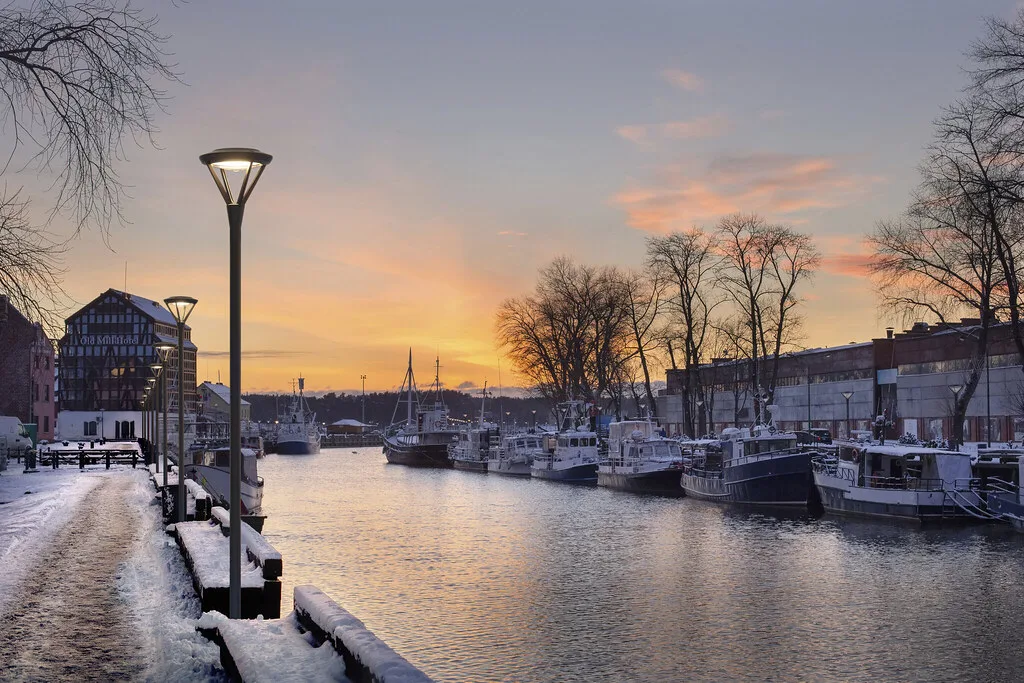
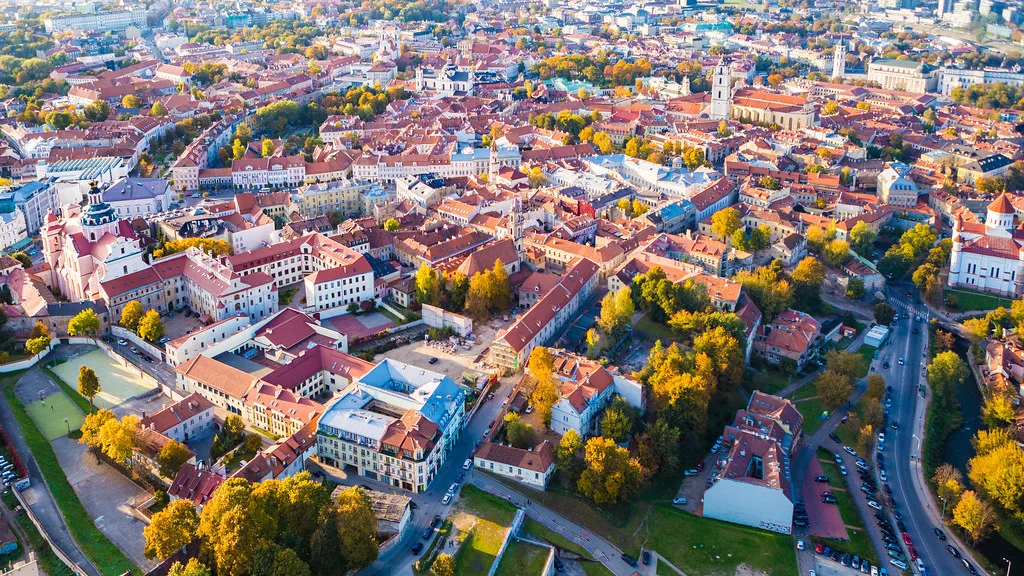
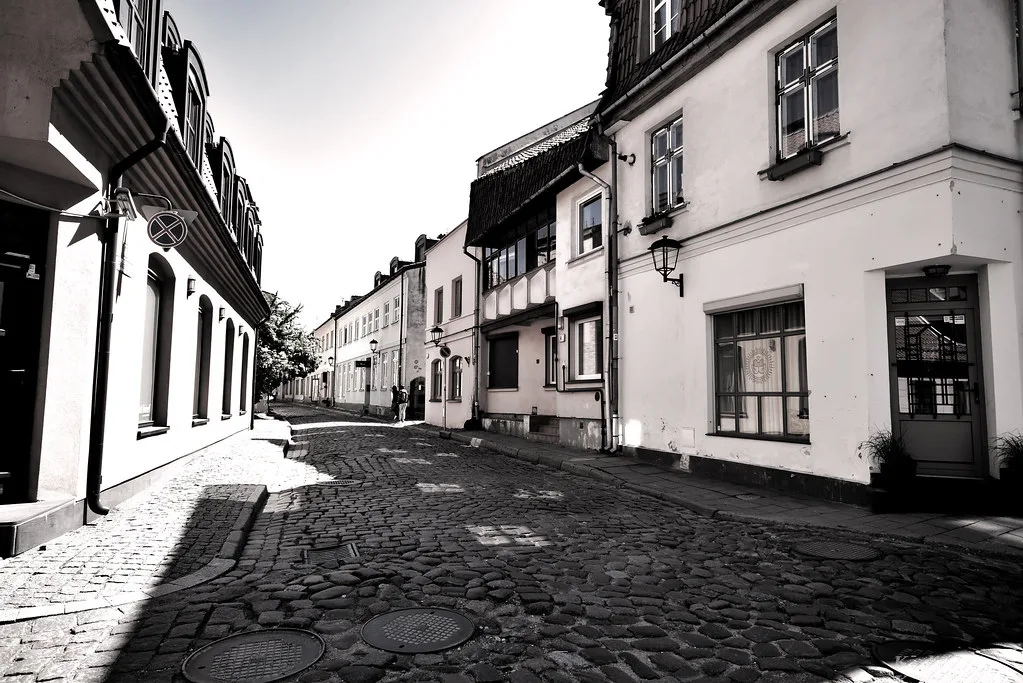
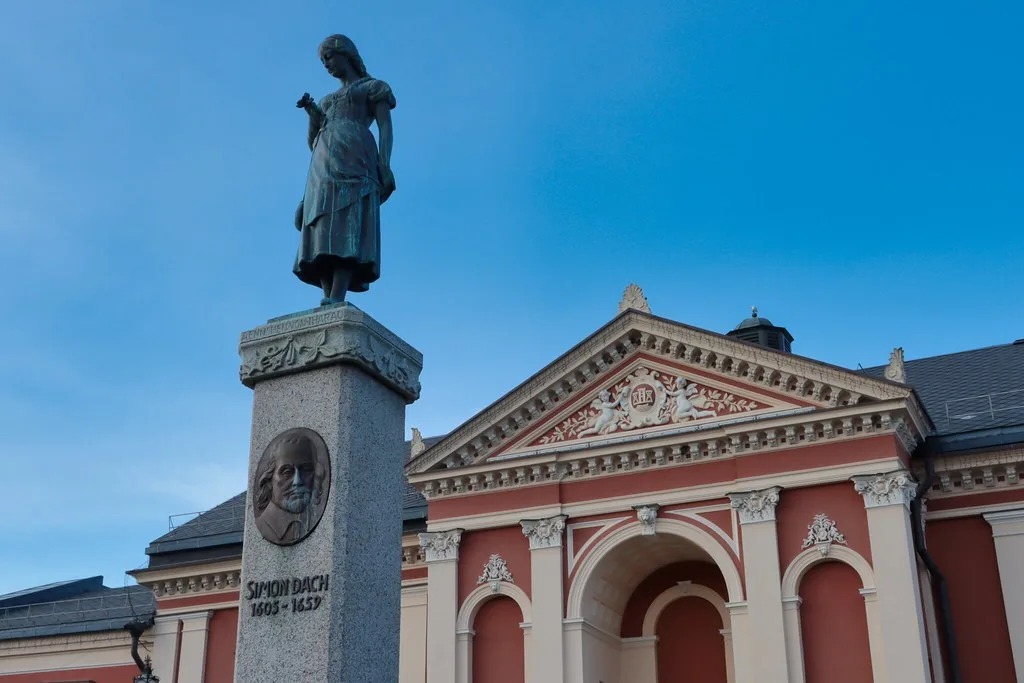
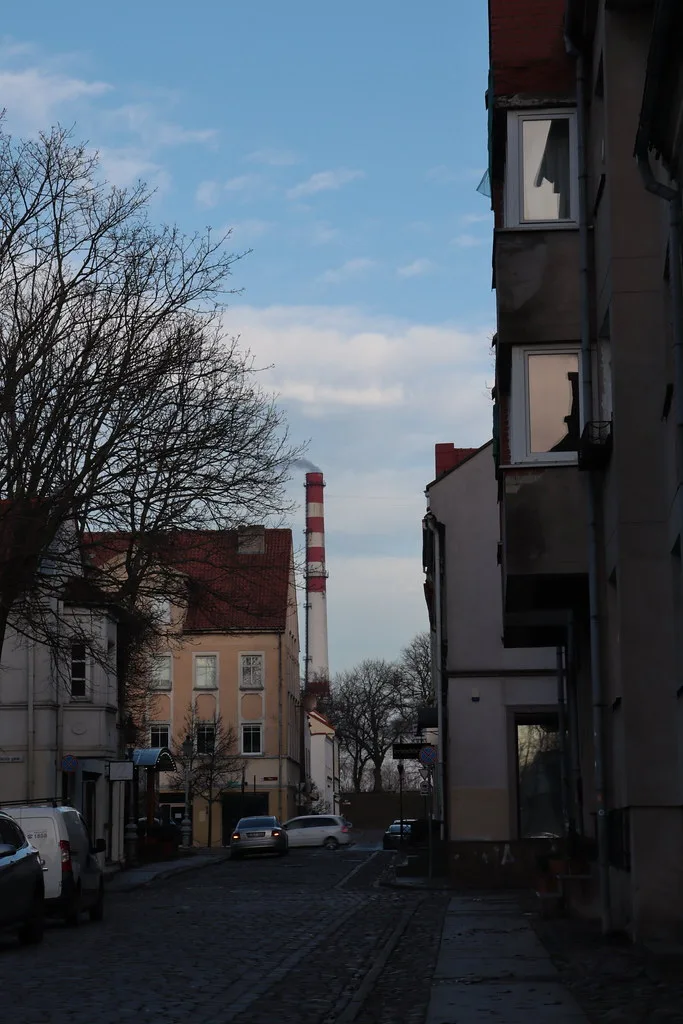
Image Credits
- Hero image: Wikimedia Commons
- Old Town: Unsplash
- Curonian Spit: Wikimedia Commons
- Beach: Pixabay
- Hill of Witches: Wikimedia Commons
- Food: Wikimedia Commons
Weather & Best Time to Visit
Frequently Asked Questions
Q: What's the best time of year to visit Klaipeda on a cruise?
Typical range 22-71°F — Lithuanian Baltic; rain: Year-round; slightly drier spring. Peak cruise months: Jun, Jul, Aug. Avoid months: Dec, Jan, Feb.
Q: Is there a severe weather or storm season that affects Klaipeda?
Klaipeda is not marked as a warm-water hurricane zone in our seasonal guide. Local concern: Cold Baltic winters.
Q: What should I pack for Klaipeda's weather?
For Klaipeda, pack for 22-71°F — Lithuanian Baltic. Warm layers; Waterproof jacket; Beach gear for Curonian Spit; Cash for ferry and local shops
Q: Will rain ruin my Klaipeda port day?
Brief rain is common enough around Klaipeda that a flexible plan beats canceling. Curonian Spit (UNESCO) is spectacular sand dune peninsula; Old town is compact and charming
Q: Where do cruise ships dock in Klaipeda?
Klaipeda Cruise Terminal near Old Town. Downtown is 10-15 minutes walking distance. Tourist information and taxis available at terminal. The terminal is accessible for wheelchair users and those with mobility needs.
Q: How do I visit the Curonian Spit?
Take passenger ferry from Old Castle Port to Smiltyne (10 min, €2, every 30 min). Then catch bus to Nida (1 hour, €4) or Juodkrante (30 min, €1.50). Ferry and bus tickets separate. Allow full day for the best experience.
Q: Is the Curonian Spit worth visiting?
Absolutely. UNESCO World Heritage Site with Europe's tallest shifting dunes, unique landscapes, and the Hill of Witches sculpture trail. It is the main reason to visit Klaipeda and unlike anything else on a Baltic itinerary.
Q: What should I do in Old Town?
Walk Theater Square, see Ann of Klaipeda statue and Simon Dach Fountain, browse amber shops, visit Blacksmith's Museum or Clock Museum. Old Town is small but charming with German half-timbered architecture and over a hundred street sculptures.
Q: Can I swim at the beaches?
Yes at Smiltyne beaches across the lagoon (ferry 10 min). Water is Baltic-cold even in summer (15-20 degrees). Beaches are clean and beautiful with excellent facilities. Pine forest walks are an excellent alternative to swimming.
Q: Do I need Lithuanian currency?
Lithuania uses Euro (EUR). ATMs widely available, cards accepted in most places. No currency exchange needed for EU visitors. Budget €30-50 for a comfortable independent port day.
Q: Is Klaipeda safe for independent exploration?
Very safe. Lithuania is among the safest countries in the EU for tourists. Normal precautions apply. The Old Town and Curonian Spit are well-patrolled and tourist-friendly. Going independent here is straightforward and rewarding.