

Photo: Library of Congress Prints & Photographs Division (public domain, c. 1900) · also at Wikimedia Commons
Kodiak, Alaska
Region: Alaska | Season: May – September | Dock: Pier II at St. Paul Harbor | Pop: ~6,100

Photo: Library of Congress Prints & Photographs Division (public domain, c. 1900) · also at Wikimedia Commons
Region: Alaska | Season: May – September | Dock: Pier II at St. Paul Harbor | Pop: ~6,100
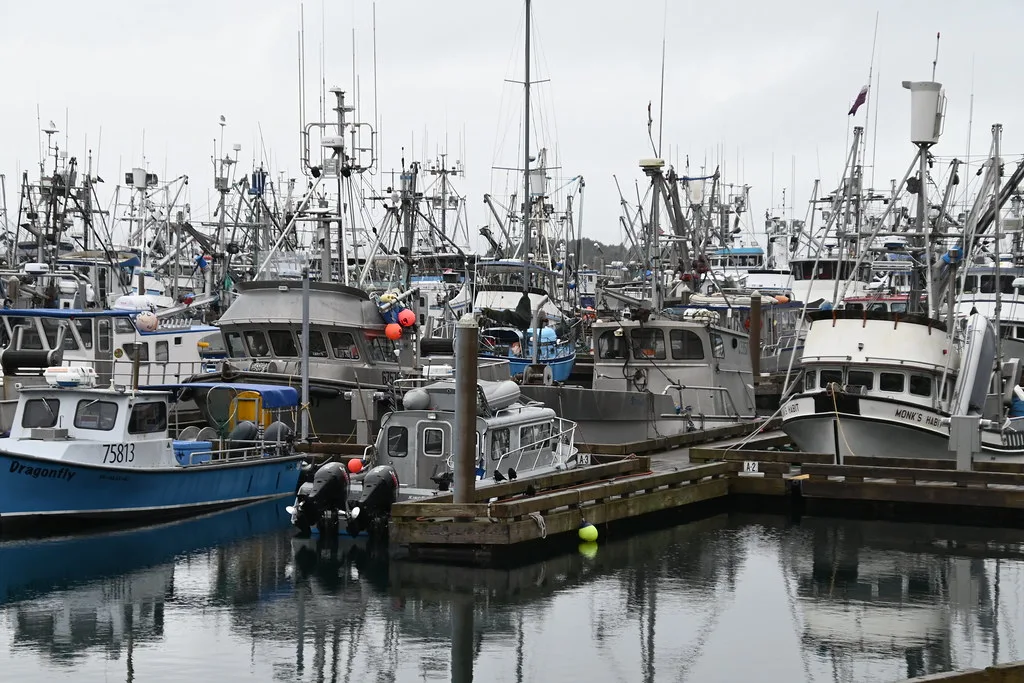
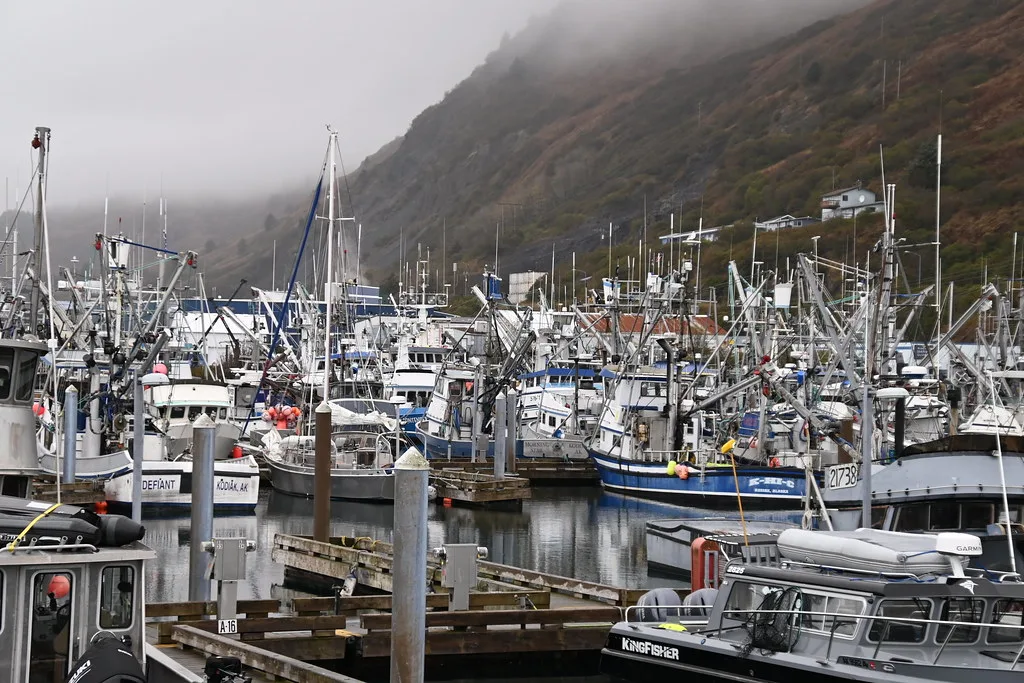
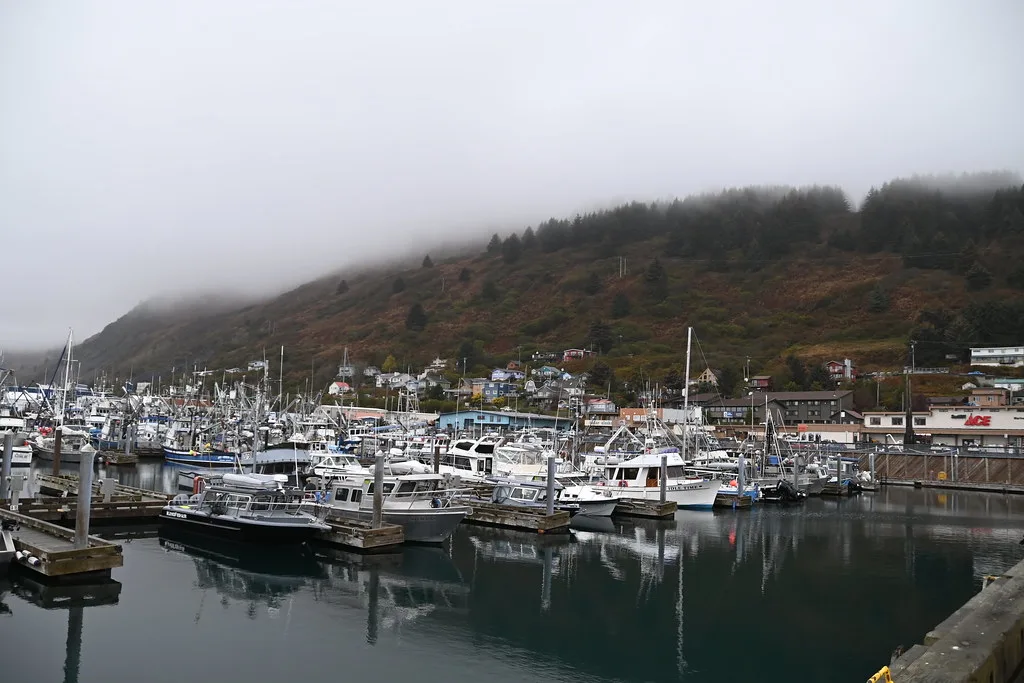
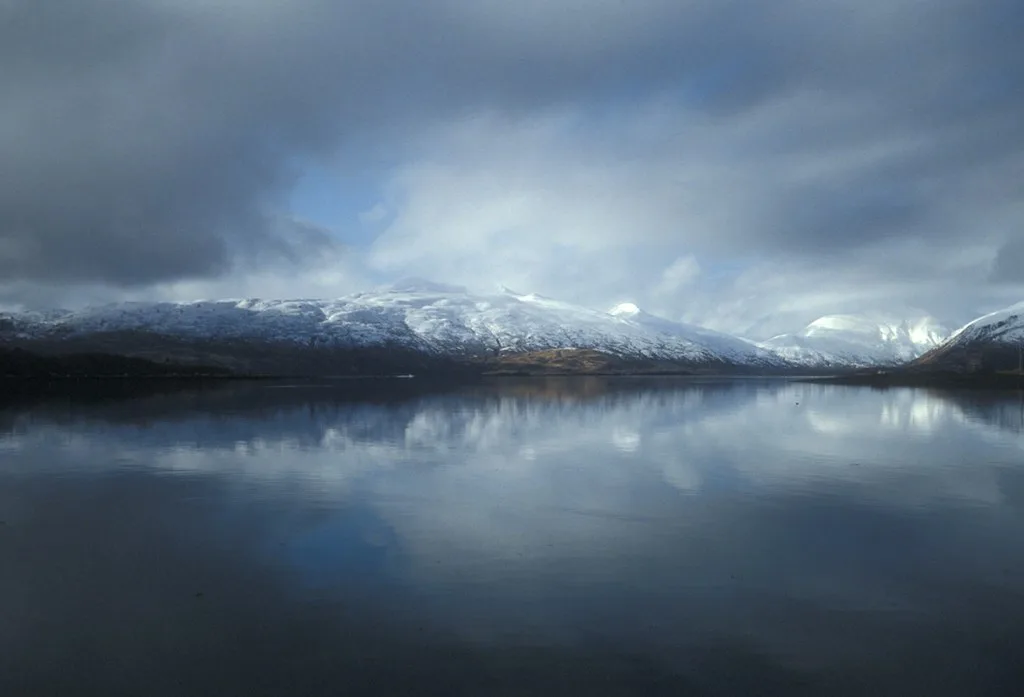
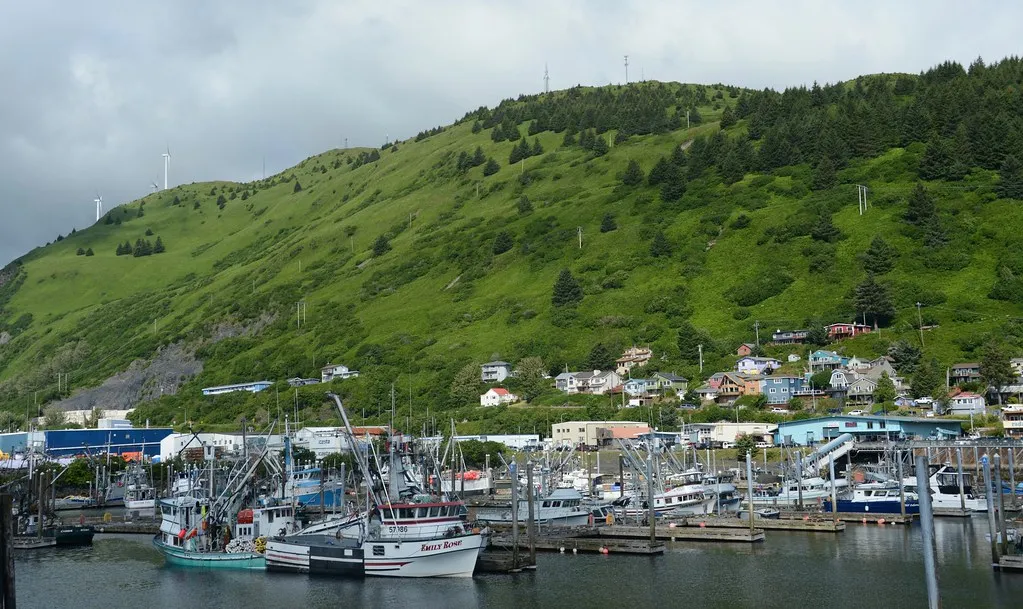
We came into Kodiak through a low ceiling of cloud, the island rising from the North Pacific like something that had been there since the beginning of time and had no intention of explaining itself. The hills were astonishingly green — not the muted greens of the Inside Passage but a deep, almost Irish emerald, which is how the island earned its nickname. The ship anchored in St. Paul Harbor beside commercial fishing boats stacked with crab pots the size of small cars. This was not a port that had dressed up for tourists. This was a working harbor, and we were the visitors here.
I walked first to the Baranov Museum, housed in what may be the oldest building in Alaska — a Russian-era warehouse built of logs and planks by Alexander Baranov's fur traders in the early 1800s. Inside, the exhibits trace the long, complicated story of Kodiak: the Alutiiq people who lived here for more than 7,500 years, the Russian fur traders who arrived in 1784 and changed everything, the American period, the devastating 1964 earthquake and tsunami. The museum is small enough to absorb in an hour but dense enough to leave you thinking for days. I stood in front of a display of sea otter pelts — the soft gold that drove the entire Russian colonial enterprise in Alaska — and tried to fathom the cost of that commerce in human and animal terms. The docent, a retired teacher, spoke about the Alutiiq people with the kind of careful reverence that told me she had spent years listening to their elders.
The Alutiiq Museum and Archaeological Repository, a few blocks further, deepened that story considerably. The Sugpiaq people — the name they use for themselves — have one of the longest continuous cultural histories in North America. The museum holds thousands of artifacts recovered from archaeological sites around the island: stone lamps, woven grass baskets of breathtaking delicacy, bone harpoon points, ceremonial masks. What struck me most was that this museum is Alutiiq-run, telling their own story in their own voice. A staff member explained their ongoing language revitalization program — fewer than fifty fluent Sugpiaq speakers remain — and the quiet determination in her voice was something I will not soon forget.
After lunch — fresh halibut tacos at a harborside spot where commercial fishermen outnumbered tourists by a healthy margin — I took a taxi out to Fort Abercrombie State Historical Park. The concrete bunkers and gun emplacements sit among old-growth Sitka spruce, built during World War II when the Japanese had invaded the Aleutian Islands just a few hundred miles to the west and Kodiak was suddenly on the front line. The bunkers are open to explore, their thick walls still intact, and the views from the bluffs over the ocean are magnificent. The tide pools below the cliffs held sea stars, anemones, and hermit crabs going about their ancient business. I sat on a bunker wall, watched the waves, and thought about the young soldiers stationed here eighty years ago, watching those same waves for enemy ships.
The Holy Resurrection Russian Orthodox Cathedral stands near the harbor — a blue-domed church that is the oldest Russian Orthodox parish in all of Alaska, established in 1794 when this island was the capital of Russian America. The current building dates from the 1940s (fire took the earlier structures), but the parish itself is unbroken across more than two centuries. I stepped inside during a quiet moment and found icons gleaming in candlelight, the faint smell of incense, and a stillness that felt older than the walls. Whether or not you are a person of faith, there is something moving about a place of worship that has endured this long at the edge of the world.
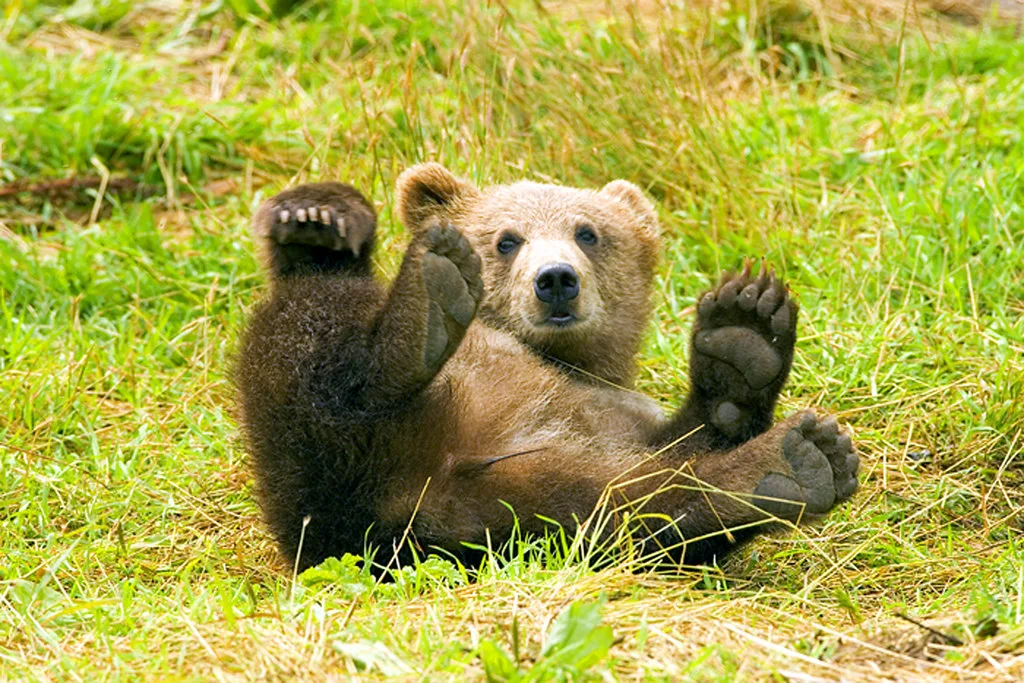
I did not make it into the Kodiak National Wildlife Refuge on this visit — the bear-viewing flights were booked solid, and they require a floatplane into the backcountry. The refuge covers roughly two-thirds of Kodiak Island, which itself is the second-largest island in the United States, after Hawaii's Big Island. Within that refuge live an estimated 3,500 Kodiak brown bears, the largest terrestrial predators on earth. Males can exceed 1,500 pounds. I have seen grizzlies elsewhere in Alaska, but people who have watched Kodiaks up close tell me there is no comparison — these bears are simply in a different category of animal. Next time, I will book the flight months in advance.
The pros: authentic working-port atmosphere, extraordinary indigenous heritage at the Alutiiq Museum, fascinating Russian colonial history, WWII history at Fort Abercrombie, bears you cannot see this close anywhere else for those who book ahead, lush green scenery that earned the island its "Emerald Isle" name, and virtually no tourist crowds. Kodiak feels like Alaska before anyone thought to sell it.
The cons: bear-viewing excursions are expensive and weather-dependent (floatplanes cannot fly in poor visibility), excursion options are limited compared to larger ports, the town itself is small with modest shopping, and Kodiak's weather is famously unpredictable — rain and fog can appear without warning. Large cruise ships rarely call here, so access is mostly via expedition or small-ship itineraries.
Practical tips: If bear viewing is your priority, book the floatplane excursion months in advance — these sell out quickly and cancellations due to weather are common, so flexibility helps. Dress in waterproof layers; Kodiak gets over 60 inches of rain per year. Walk the harbor and downtown first, then taxi to Fort Abercrombie. Allow time for both the Baranov Museum and the Alutiiq Museum — they tell different parts of the same profound story. Try the fresh seafood at any harborside restaurant; in a town that lands millions of pounds of fish annually, the catch could not be fresher.
Something changed in me at Kodiak — in the way I think about Alaska. Most cruise ports along the Inside Passage have, to varying degrees, learned to perform Alaska for visitors — the gold rush reenactments, the planned bear encounters, the jewelry stores with anchors on their signs. Kodiak has not learned that performance, and I hope it never does. The bears are out there because the salmon are out there. The fishermen are at the harbor because the ocean is their livelihood. The Alutiiq people are preserving their language because it is theirs and it matters. Nothing here is staged. I learned in Kodiak that the most powerful thing a place can offer a traveler is not spectacle but honesty — the plain, green, rain-washed truth of a place being itself.
Kodiak is not a typical cruise port. The island sits in the Gulf of Alaska, well off the standard Inside Passage route, and receives far fewer cruise ships than Juneau, Ketchikan, or Skagway. Most visitors arrive aboard small ships, expedition vessels, or mid-sized ships running Gulf of Alaska repositioning itineraries. Large mainstream cruise ships are uncommon here, which is a significant part of Kodiak's appeal — when you step ashore, the town has not been reshaped to receive you.
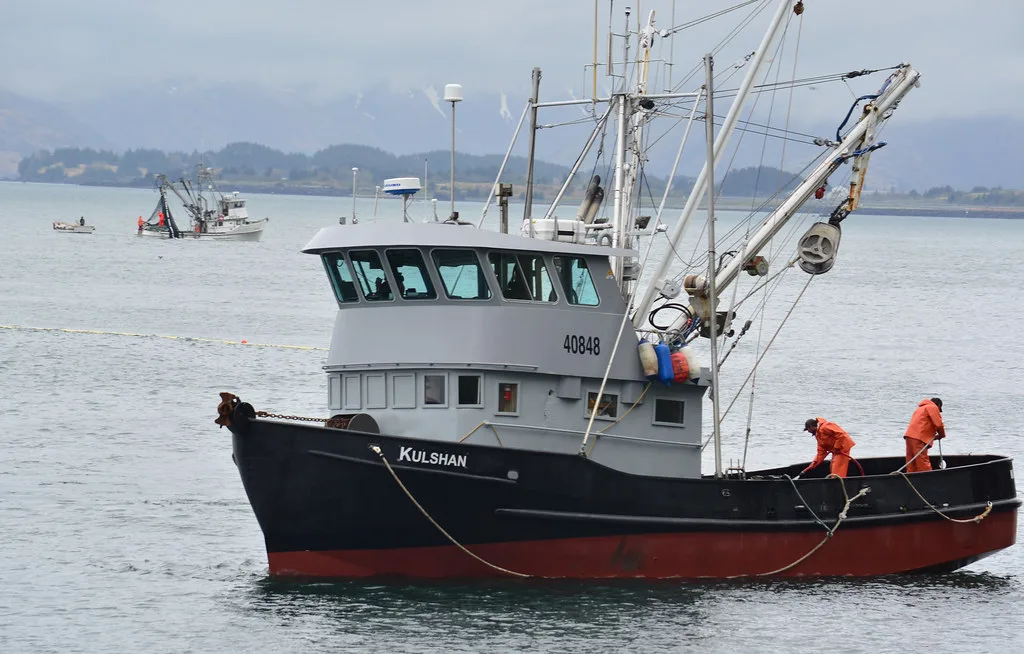
Ships dock at Pier II in St. Paul Harbor, directly in town. The harbor is the working heart of one of the top five commercial fishing ports in the United States by value — Kodiak lands enormous quantities of pollock, salmon, halibut, and king crab. You will share the waterfront with fishing vessels, processing plants, and the people who work them. Downtown is immediately accessible on foot.
Ships typically stay 6-10 hours in Kodiak, which is enough time to walk downtown, visit both museums and the cathedral, and either taxi to Fort Abercrombie or take a bear-viewing excursion (though not both in a single day). The town has about 6,100 residents and a genuinely friendly, unhurried atmosphere. Wheelchair access is good on paved downtown streets; some trails and historical sites may present challenges for mobility devices.
Downtown Kodiak is compact and walkable from the cruise pier. The main attractions cluster within a mile of the harbor, and the terrain is mostly flat through the town center, with hills rising beyond.
Accessibility Note: Downtown sidewalks are paved and wheelchair accessible. The Baranov Museum and Alutiiq Museum are accessible. Fort Abercrombie trails are gravel and uneven in places. Some harbor areas have rough surfaces. Contact the visitor center for specific accessibility information.
Kodiak excursions center on wildlife, indigenous heritage, and the island's layered history. Options are fewer than at larger ports but tend toward the genuine and unhurried. The signature experience — bear viewing by floatplane — requires advance booking and good weather.
The premier Kodiak experience ($500-750 per person, 4-6 hours) takes you by floatplane deep into Kodiak National Wildlife Refuge to observe the world's largest brown bears fishing for salmon along remote streams. Guides maintain safe distances while bears go about their business. Best from July through September during salmon runs. Weather-dependent — fog and rain can cancel flights. Book months in advance through your cruise line or local operators.
Guided tours ($60-100, 2-3 hours) visit Fort Abercrombie State Historical Park's WWII coastal defense installations — concrete bunkers, gun emplacements, and command centers built when the Japanese threatened Alaska's coast. The park also features old-growth Sitka spruce, excellent tide pools, and coastal bluff views. Tours typically include the Baranov Museum and other historical stops.
Cultural tours ($40-75, 1.5-2 hours) visit the Alutiiq Museum and Archaeological Repository, where Sugpiaq staff share 7,500 years of indigenous history through artifacts, demonstrations, and oral tradition. Some tours include traditional craft demonstrations. This is one of the few places in Alaska where you can learn about indigenous culture directly from the people themselves, in their own museum.
Island driving tours ($75-125, 3-4 hours) explore Kodiak's roughly 100 miles of road, visiting viewpoints, beaches, and wildlife areas. Stops may include Fossil Beach (ancient shell fossils), Pasagshak Bay, the island's cattle ranches (Kodiak has a surprising ranching tradition), and scenic pullouts overlooking the Gulf of Alaska. Bald eagles, Sitka deer, and foxes are commonly spotted.
Half-day fishing charters ($200-350 per person, 4-6 hours) put you on the water in one of Alaska's most productive fisheries. Target species include halibut, salmon (seasonal), and rockfish. Kodiak's commercial fishing heritage means local captains know these waters intimately. Some charters will process and ship your catch home.
Guided kayak excursions ($80-150 per person, 2-4 hours) explore the protected waters around St. Paul Harbor and nearby coastline. Sea otters, harbor seals, puffins, and bald eagles are commonly seen. No experience necessary — outfitters provide equipment and instruction. The calm harbor waters are suitable for beginners.
Bear-viewing floatplane tours are Kodiak's most sought-after excursion and sell out far in advance — book ahead through your cruise line or contact local operators like Kodiak Brown Bear Center directly. All floatplane tours are weather-dependent; have a backup plan. For independent exploration, a rental car opens up the island's road system, including Fort Abercrombie and Fossil Beach. The two museums and cathedral make an excellent self-guided walking day if other excursions are unavailable.
Everything you need to know before stepping ashore.
Kodiak weather is maritime subarctic — cool, damp, and changeable. The island receives over 60 inches of rain annually and fog is common. Summer temperatures range 45-60°F (7-16°C). Locals say if you do not like the weather, wait fifteen minutes. Pack accordingly.
Pro Tip: Even if the bear-viewing flight is canceled due to weather, Kodiak's two museums and the cathedral make for a deeply rewarding port day on foot. Budget your time to do all three — they tell the story of this island from three very different angles.
Last reviewed: February 2026
Gallery rebuilt 2026-04-12 with verified public-domain images — all from the Library of Congress Prints & Photographs Division. Pre-1928 historical photographs of Kodiak spanning 1894 (Holy Resurrection Cathedral) through 1916 (sheltered inlet), including the 1899 Harriman Alaska Expedition birds-eye view and the historically significant 1912 photograph of the town after the catastrophic Novarupta/Mount Katmai eruption. Six prior Flickr "joetography" / "jkbrooks85" / "Beverly & Pack" / "USFWS" / "Duncan Kirk" files were removed — their source URLs had become 404 and the license could no longer be verified, triggering the admin/CAREFUL.md Image Verification Protocol.
Mid-July through early September offers the most reliable weather — highs in the upper 50s to low 60s°F and peak salmon runs that concentrate brown bears along stream mouths. May and June are quieter and cheaper but bears are harder to find before the salmon arrive, and fog can ground bear-viewing floatplanes. Kodiak receives roughly 74 inches of precipitation a year so rain is a year-round reality.
Pack a waterproof-and-windproof outer shell (umbrellas are useless in Gulf of Alaska wind), fleece mid-layer, warm base layer, waterproof boots with grip, gloves, and a hat. Kodiak is maritime subarctic and temperatures feel colder than they read because of wind and damp. Binoculars and a zoom lens for bear photography are essential if you are doing a wildlife excursion.
Alaska sits outside the warm-water storm belt — no typhoons or similar events. The real concern is Gulf of Alaska mid-latitude low-pressure systems, which intensify from late August through winter and can bring heavy rain, strong winds, and big seas. Summer cruise days rarely encounter severe weather, but floatplane bear-viewing tours are frequently cancelled by low cloud ceilings — build flexibility into your day.
No. Kodiak sits in a maritime climate where ~74 in/yr of precipitation is normal; locals say there is no bad weather, only bad gear. The Baranov Museum, the Alutiiq Museum, the Holy Resurrection Cathedral, and Kodiak-area seafood restaurants are all excellent indoor options, and Fort Abercrombie State Historical Park is rewarding even in drizzle. Bring a proper waterproof shell.
Yes. Most cruise ships dock at Pier II near downtown, and the Baranov Museum (0.3 mi), the Holy Resurrection Russian Orthodox Cathedral (0.4 mi), and the Alutiiq Museum (0.6 mi) are all easy walks. The harbor is immediately adjacent. Fort Abercrombie State Historical Park is ~4 miles north and requires a taxi, shuttle, or ship excursion.
The Kodiak brown bear (Ursus arctos middendorffi) is a subspecies of brown bear found only on the Kodiak Archipelago. It is the largest subspecies of brown bear in the world; large males can exceed 1,500 pounds. The most reliable viewing is by floatplane trip to stream-mouth pools inside Kodiak National Wildlife Refuge during the July–September salmon runs. Shore excursions run about $650–$900 per person.
On June 6-8, 1912 the Novarupta/Mount Katmai eruption on the Alaska Peninsula — the largest volcanic eruption of the 20th century — blanketed Kodiak in roughly 18 inches of ash even though the vent was about 100 miles to the west. Residents evacuated to the USRC Manning in the harbor for several days while ash blotted out the sun. The Russian Orthodox church and town buildings survived; historic photographs at the Baranov Museum show the aftermath.
Beyond the famous brown bears, Kodiak is rich in wildlife: bald eagles are extremely common along the waterfront and at Fort Abercrombie, Sitka black-tailed deer browse the coastal forests, red foxes are often seen around town, harbor seals and Steller sea lions frequent the harbor, and humpback whales, orcas, and Dall's porpoises are seen from wildlife boat tours in the surrounding passages.
Kodiak was the original capital of Russian America. The Russian-American Company founded a permanent settlement on Kodiak Island in 1792 under Alexander Baranov, replacing an earlier Three Saints Bay site. Holy Resurrection Russian Orthodox Cathedral (founded 1794) is the oldest continuously serving Orthodox Christian congregation in North America. The Alutiiq (Sugpiaq) people, of course, had already lived here for at least 7,500 years before the Russians arrived.
Kodiak is a working commercial fishing port so seafood is legendary here. Options include Henry's Great Alaskan Restaurant for halibut and crab, Mill Bay Coffee and Pastries for bakery/brunch, Old Powerhouse Restaurant for Japanese-Alaskan seafood with harbor views, and The Rendezvous for a local cafe meal. Salmon, halibut, Dungeness crab, and spot prawns are all landed at the harbor.
Bear-viewing floatplane tours into Kodiak National Wildlife Refuge run about $650–$900 per person for roughly 4–6 hours. Wildlife boat tours in the harbor area are about $120–$180. Fort Abercrombie and historical walking tours are $35–$75. Fishing charters (halibut or salmon) are about $275–$375 per person for a half day. Ship excursions typically cost 10–20% more than booking direct but include guaranteed return to ship.
Kodiak is primarily visited by smaller ships and expedition vessels: Silversea Silver Shadow, Seabourn Pursuit, Oceania Regatta, Regent Seven Seas Mariner, and occasional calls from Crystal, Windstar, and UnCruise expedition vessels. The large Royal/Carnival/Norwegian Alaska fleet does not generally call at Kodiak, which keeps the port quiet even on cruise days.
The downtown Kodiak waterfront near Pier II is highly accessible — flat paved sidewalks, accessible visitor center, and accessible vehicles. The Baranov Museum and Alutiiq Museum ground floors are accessible. Fort Abercrombie has gravel paths and some steep sections that may limit wheelchair access. Bear-viewing floatplane tours require boarding a small aircraft from a floating dock — confirm accessibility with operators before booking.