

Photo: Wikimedia Commons (CC BY-SA 4.0)
My Logbook: Where Fire Met Vision
I stepped off the ship in Arrecife expecting another pleasant Canary Island port. What I found instead was a world reborn from catastrophe. Lanzarote looks like Mars decided to vacation in the Atlantic, and I could not stop staring. Black volcanic rock stretches to every horizon I turned toward, punctuated by cinder cones painted in rust, sienna, and ochre. The landscape defies photography — my camera kept insisting the colors were wrong, oversaturated, impossible. They were not. They were exactly that vivid.
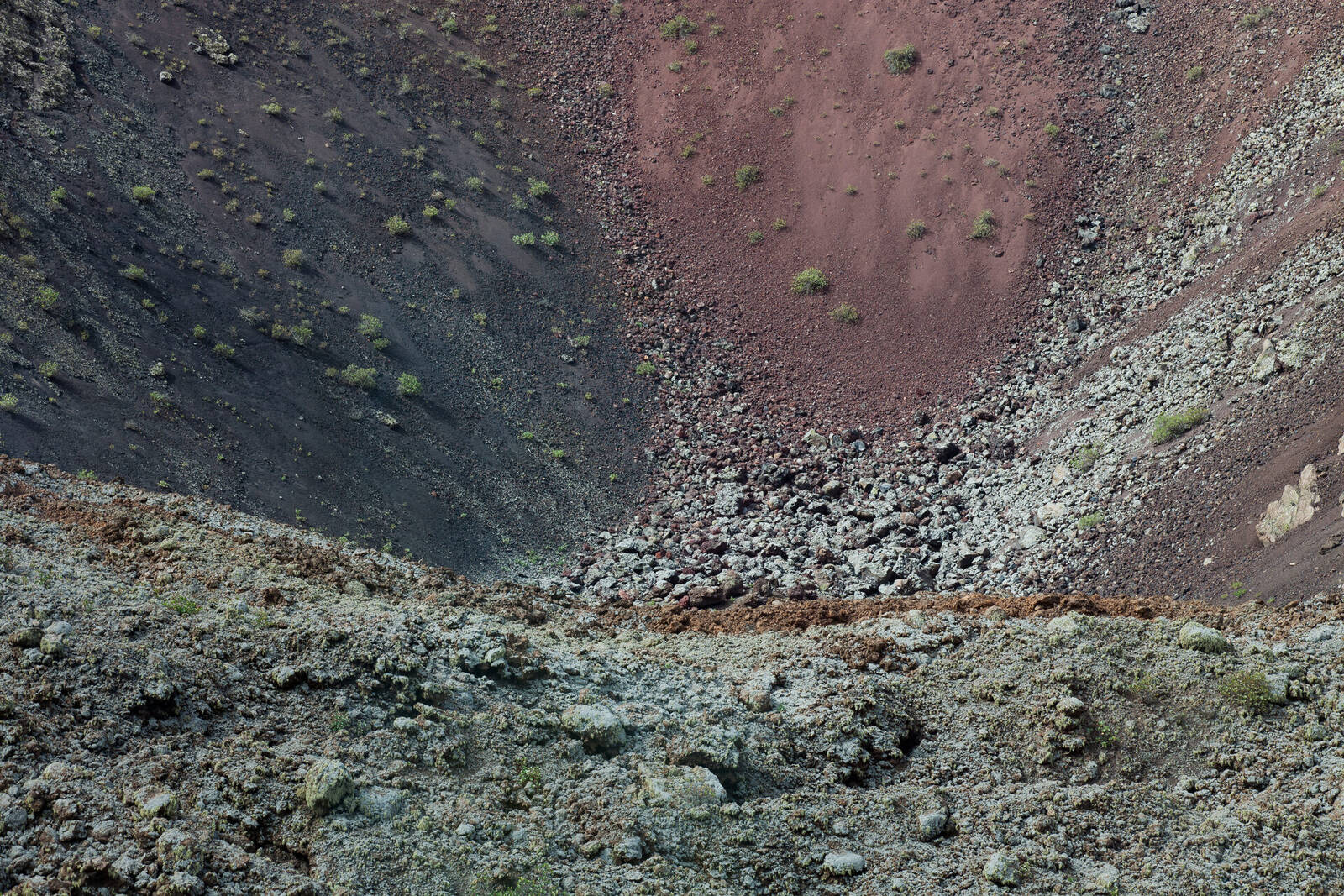
Between 1730 and 1736, something terrifying happened here. Over 100 volcanoes erupted simultaneously for six continuous years, burying a quarter of the island under lava and ash. Entire villages disappeared. Farmland vanished under rivers of molten rock. Most places would have given up, yet Lanzarote built an identity on top of catastrophe. I found myself moved by the stubbornness of it — humans refusing to abandon a landscape that tried to erase them.
My first stop was Timanfaya National Park, and it rewired how I think about geology. The ground beneath my feet was still cooking. When our guide poured water into a volcanic pipe, a geyser of steam exploded upward with a roar that made me jump backward. Temperature readings twelve feet down reach 600°C — hot enough to vaporize almost anything. They demonstrated by throwing dry brush into a shallow hole; it burst into flames instantly. I stood there thinking: this island is not dead. It is sleeping. And it could wake up any century now. The ticket price of €12 felt absurd for witnessing something so primal.
Credit for Lanzarote's strange beauty belongs to César Manrique, an artist-architect I had never heard of before this trip. He convinced the entire island to ban billboards, standardize building design (white walls with green or brown shutters only), and integrate art with nature instead of dominating it. His philosophy shaped everything I saw. Driving across Lanzarote felt like touring an open-air gallery where nature is both canvas and sculptor. I visited the Fundación César Manrique (€10 entry fee), his former home built into five volcanic bubbles, and finally understood what sustainable tourism could look like if someone with vision took charge.

I rented a car for €35 (highly recommended over ship excursions for flexibility), and my single greatest decision was driving through the La Geria wine region. Picture this: farmers planting vines in volcanic ash pits, each pit hand-dug and protected by semicircular stone walls called zocos. Every wall was built to shield one vine from Atlantic winds. The result is Malvasía wine that tastes of minerals and persistence. I stopped at Bodega El Grifo (tastings €8-15), the oldest winery on the island, and drank history. You taste the island's determination in every sip.
Jameos del Agua (€10 cost) was Manrique's masterpiece — a lava tube cave transformed into a cultural center with an underground lagoon housing blind albino crabs found nowhere else on Earth. I descended into the cave and found a tropical garden, a pool that seemed to float in darkness, and a concert hall where the acoustics use the volcanic rock itself. The contrast between destruction and cultivation amazed me throughout the day. Though I had walking difficulty on some of the uneven lava paths, the main attractions were wheelchair accessible with paved routes. Visitors with mobility concerns should note that Cueva de los Verdes requires moderate walking on uneven surfaces.
Before heading back to the ship, I stopped at El Golfo to see the Green Lagoon (Charco Verde) — a half-crater volcanic cone with a bright emerald lagoon meeting black sand beach and Atlantic surf. The colors should not exist together, yet there they were. I had fresh grilled fish at a local restaurant (€18 for the catch of the day with papas arrugadas) while watching waves crash against rocks the color of coal. The fare back to Arrecife by taxi was €40, though I recommend renting a car if you can — the freedom to stop wherever the landscape demanded attention was worth every euro.
Lanzarote challenged my assumptions about what a cruise port day could be. I expected pleasant beaches and relaxation. Instead, I found a meditation on resilience, on art integrated with destruction, on humans refusing to abandon a landscape that tried to erase them. I left thinking about fire — the fire that created this place, the fire still burning beneath my feet, and the creative fire of one artist who convinced an entire island to protect its otherworldly beauty. We were in port for nine hours, and I used every single minute. My only regret was not booking ahead for the guaranteed return time on the ship excursion option — independent travelers should allow extra buffer for getting back to the tender port.
Looking back, Lanzarote has taught me that beauty can emerge from destruction, that resilience can become art, and that one person's vision can transform an entire island. Sometimes the places that tried hardest to reject human presence become the ones that inspire us most deeply.
Weather & Best Time to Visit
The Cruise Port
Ships dock at Muelle de Cruceros in Arrecife, a modern terminal with basic facilities including restrooms, a small cafe, tourist information, and taxi stand. The terminal offers free WiFi and has accessible ramps for wheelchair users and those with mobility challenges. Downtown Arrecife is approximately 15-20 minutes on foot, though the walk is not particularly scenic — most visitors head directly to taxis, buses, or rental car pickup points for island exploration.
The tender operation is not required here — ships dock directly at the pier, making this an efficient port for passengers with mobility concerns or those traveling with wheelchairs. Currency is Euro (€), and ATMs are available both at the terminal and throughout Arrecife. Credit cards are widely accepted at major attractions, though smaller cafes and local bodegas may prefer cash. The cruise terminal cost nothing to pass through, but be prepared for the €12-15 entry fees at major attractions.
Getting Around
- Car Rental (€30-50/day): HIGHLY RECOMMENDED. Lanzarote is compact (37 miles long), roads are excellent, parking is easy everywhere except central Arrecife, and rental gives you complete freedom. I paid €35 for a full day including insurance. Major rental companies (Cicar, Autoreisen, Hertz) have offices near the terminal. GPS is helpful but roads are well-signed. This is genuinely the best way to experience the island independently.
- Ship Excursions (€50-120): Convenient if you prefer guided commentary and guaranteed return time to the ship. Typical ship excursion packages combine Timanfaya, vineyard tours, and Jameos del Agua. The price is higher than independent touring but eliminates navigation stress. Book ahead for popular tours.
- Independent Tours (€40-80): Local tour operators at the terminal offer similar itineraries at lower cost than ship excursions but without the guaranteed return guarantee. Useful middle ground.
- Taxis: Available at port. Metered fare to Timanfaya approximately €50 one-way. Negotiate day rate (€150-200) if using taxi for multiple stops — more economical than individual fares but still pricier than rental car.
- Public Buses: Intercity bus network exists but is infrequent and impractical for cruise visitors with limited time. Not recommended for port day.
- Walking: Arrecife downtown walkable from port (15-20 min) but island attractions absolutely require transport. The port area itself is wheelchair accessible with paved paths to taxi stands and bus stops.
Lanzarote Area Map
Interactive map showing cruise terminal, Timanfaya National Park, Jameos del Agua, La Geria wine region, and other attractions. Click markers for details.
Beaches
Lanzarote's beaches are unlike typical cruise destinations — volcanic black and golden sands, dramatic coastal cliffs, and powerful Atlantic surf define the coastline. While not a traditional beach destination for cruise passengers (most prioritize the volcanic attractions), these shores offer unique experiences for those with time to explore.
- Playa de Famara: Dramatic 6km golden sand beach backed by 400m cliffs. Popular with surfers; strong currents make swimming challenging. Located on northwest coast, 30 minutes from port.
- Playa de Papagayo: Series of sheltered coves with golden sand and calm turquoise water. Best swimming beaches on island. Located in Ajaches Natural Park, 40 minutes from port. Small entry fee (€3/vehicle).
- Charco de los Clicos (El Golfo): Not a swimming beach, but the striking black sand meeting the emerald green lagoon is worth a photo stop. See Excursions section for details.
- Playa Blanca: Town beach with golden sand, calm water, restaurants, and shops. Good for families. Located in southern resort area, 35 minutes from port.
For most cruise visitors, beaches are secondary to Timanfaya, Jameos del Agua, and the wine region. However, if you have a full day and transportation, Papagayo beaches offer excellent swimming in a stunning setting.
Top Excursions & Things to Do
Booking guidance: For Timanfaya, both ship excursions and independent options work well. Ship excursions offer guaranteed return to the vessel but cost more. Independent touring via rental car provides flexibility at lower cost but requires time management. Book ahead for popular attractions during peak season.
Timanfaya National Park (Montañas del Fuego)
UNMISSABLE. The lunar volcanic landscape defies description — 25+ volcanoes, rivers of frozen lava, Mars-like terrain in rust and black. Entry fee €12 includes mandatory bus tour through the Fire Mountains (you cannot drive or walk independently through the protected zone). Geothermal demonstrations at the visitor center show ground temperatures reaching 600°C. El Diablo restaurant (book ahead for lunch) cooks food using volcanic heat. Located 30 minutes from port. Allow half-day minimum. This is Lanzarote's absolute highlight and worth every euro of the fare to get there.
Jameos del Agua
César Manrique's masterpiece of art-nature integration. A volcanic lava tube transformed into cultural center featuring underground lagoon with blind albino crabs (found nowhere else on Earth), tropical garden, stunning pool, and concert hall with remarkable acoustics. Entry price €10. Located 20 minutes from port. Allow 1-2 hours. Evening concerts sometimes available — check schedule and book ahead. The site is largely accessible for wheelchairs on main paths though some areas have steps.
Cueva de los Verdes
Six-kilometer volcanic lava tube formed 4,000 years ago. Guided tours through otherworldly caves culminate in a clever optical illusion finale (no spoilers). Entry cost €10. Located near Jameos del Agua — combine both on northern coast visit. Tour takes 1 hour. Moderate walking difficulty on uneven surfaces; not wheelchair accessible. Ship excursions often include this with Jameos.
La Geria Wine Region
Unique volcanic viticulture creates surreal landscape of thousands of stone crescents. Vines planted in volcanic ash pits, protected by semicircular walls. Malvasía tasting experiences at bodegas: Bodega El Grifo (oldest, €8-15 tastings), Bodega Stratvs (modern, €10-20), Bodega La Geria (scenic, €5-12). Located between Arrecife and Timanfaya — stop en route to volcanoes. Free to drive through; tasting fees as noted. Independent touring recommended for flexibility to visit multiple bodegas.
Fundación César Manrique
Artist's former home built into five volcanic bubbles. Art gallery, gardens, and insight into the philosophy that shaped modern Lanzarote. Entry fee €10. Located near Tahíche, 15 minutes from port. Allow 1-2 hours. Essential for understanding why Lanzarote looks so distinctively beautiful. Partially wheelchair accessible with assistance.
El Golfo & Charco Verde (Green Lagoon)
Half-crater volcanic cone with bright emerald lagoon meeting black sand beach and Atlantic surf. Striking color contrast — free to visit. El Golfo fishing village has excellent seafood restaurants (€15-25 for fresh fish). 30 minutes from port. Allow 1 hour for lagoon plus lunch. Wheelchair accessible viewing area available.
Food & Dining
Lanzarote's cuisine reflects its Canarian heritage and volcanic terroir. The island's signature dishes celebrate fresh seafood and local ingredients adapted to this unique landscape. Expect generous portions and reasonable prices at local restaurants compared to other cruise destinations.
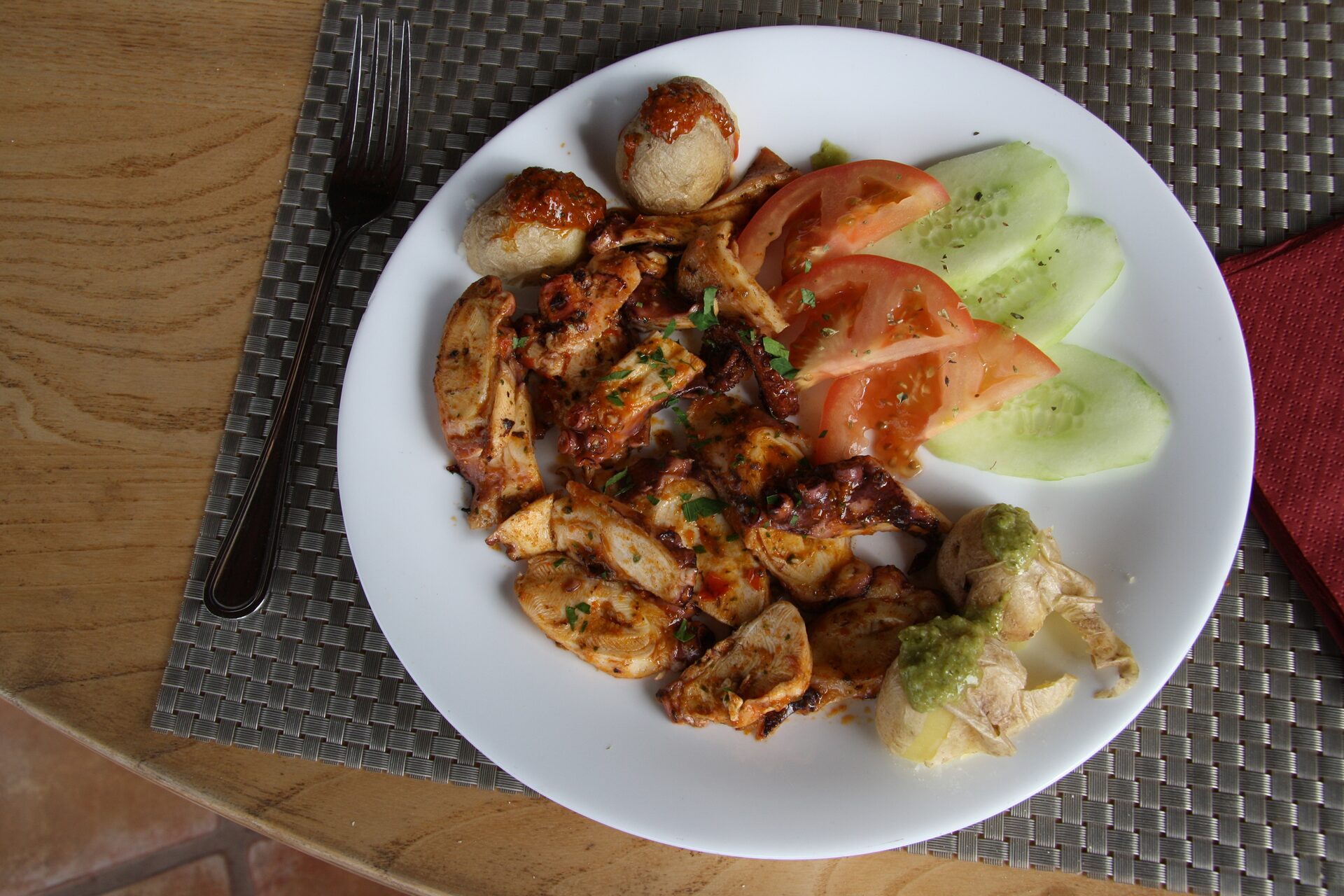
- Papas Arrugadas con Mojo (€4-8): Canarian staple — small potatoes boiled in heavily salted seawater until wrinkled, served with mojo sauce. Red mojo (picon) is slightly spicy; green mojo (cilantro) is herby. Accompanies almost every meal.
- Fresh Fish (€12-25): Vieja (parrotfish), cherne (wreckfish), sama (sea bream), and lapas (limpets) — simply grilled or fried with mojo and papas arrugadas. El Golfo restaurants specialize in catch-of-the-day preparations.
- Sancocho (€10-15): Traditional salted fish stew with sweet potato, regular potato, and gofio (toasted grain flour). Hearty, flavorful comfort food found in local restaurants.
- Queso Asado (€6-10): Grilled local goat cheese served with mojo sauce or palm honey (miel de palma). Unique Canarian appetizer — the island produces excellent artisanal cheeses.
- Malvasía Wine (€3-8 glass, €15-30 bottle): Volcanic wine from La Geria region with distinctive mineral taste. Both sweet and dry versions available. Taste the island's terroir in every sip.
- Gofio (varies): Toasted grain flour — ancient Guanche staple used in desserts, escaldón (savory fish dish), and added to stews for thickening. A taste of pre-colonial Canarian heritage.
Important Notices
- Timanfaya Access: You cannot enter Timanfaya National Park independently on foot or by car. Entry requires either joining an organized tour or driving to the visitor center and taking the mandatory park bus (€12). The protected volcanic zone has strict access controls.
- Wind Warning: Lanzarote experiences constant trade winds year-round. Bring windproof layers, secure hats, and protect cameras from blowing dust. Wind can be strong enough to make some coastal viewpoints uncomfortable.
- Sun Protection: Despite pleasant temperatures (18-25°C typical), UV exposure is high. Sunscreen, hats, and water are essential even on overcast days.
- Cash Recommended: While major attractions accept credit cards, smaller bodegas, local cafes, and some restaurants in El Golfo prefer cash (Euro). ATMs available at terminal and in Arrecife.
Depth Soundings: Final Thoughts
Lanzarote surprised me in ways I did not expect. I came for pleasant Canary Islands weather and left thinking about fire, resilience, and the strange beauty that emerges when humans refuse to abandon a landscape that tried to destroy them. The island operates on a different aesthetic frequency than anywhere else I have visited — César Manrique's influence means even the roadsides feel curated, intentional, respectful of the volcanic drama surrounding everything.
The honest assessment: you need transport to appreciate Lanzarote. Walking from the port offers little beyond industrial waterfront. However, once mobile, the island delivers experiences unlike any other European port. Timanfaya genuinely feels like visiting another planet. La Geria vineyards demonstrate human ingenuity at its most stubborn. And Manrique's art installations prove that tourism development does not have to mean visual pollution.
I would return in a heartbeat, though next time I would book ahead for lunch at El Diablo and plan an overnight to catch a concert at Jameos del Agua. Nine hours was enough to fall in love but not enough to truly know this island born of fire.
Practical Information at a Glance
- Country: Spain (Canary Islands, autonomous community)
- Language: Spanish (English widely spoken in tourist areas)
- Currency: Euro (€) — credit cards widely accepted
- Time Zone: WET/WEST (same as UK, 1 hour behind mainland Spain)
- Electricity: 230V, Type C/F plugs (European standard)
- Emergency: 112 (EU standard)
- Tipping: Not obligatory; 5-10% for good service in restaurants
- Dress Code: Casual; layers recommended for wind; modest dress for churches
- Water: Tap water safe but tastes of desalination; bottled preferred
- WiFi: Available at cruise terminal, cafes, and major attractions
Photo Gallery

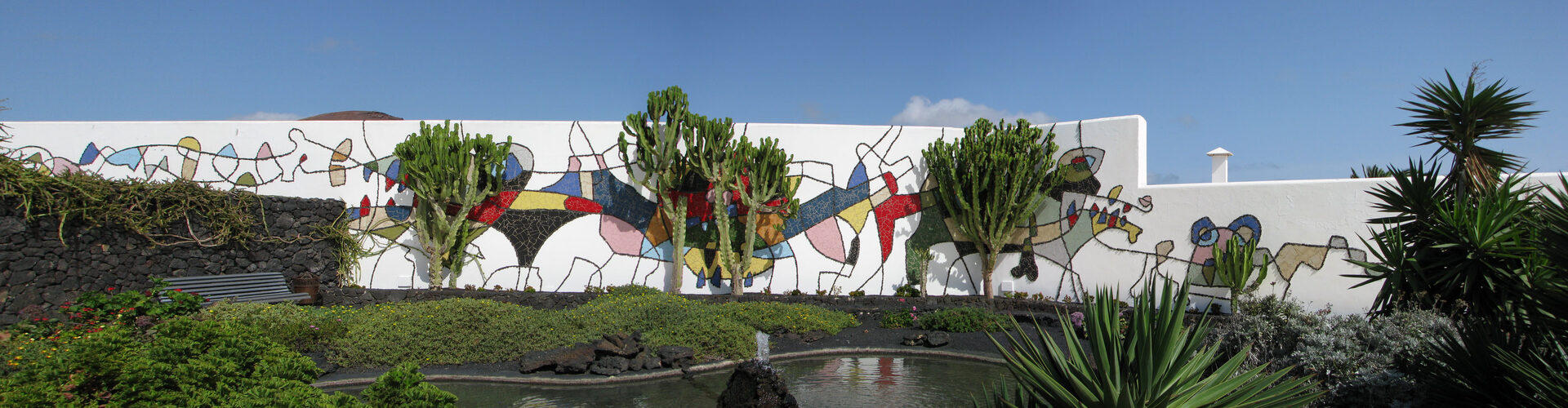
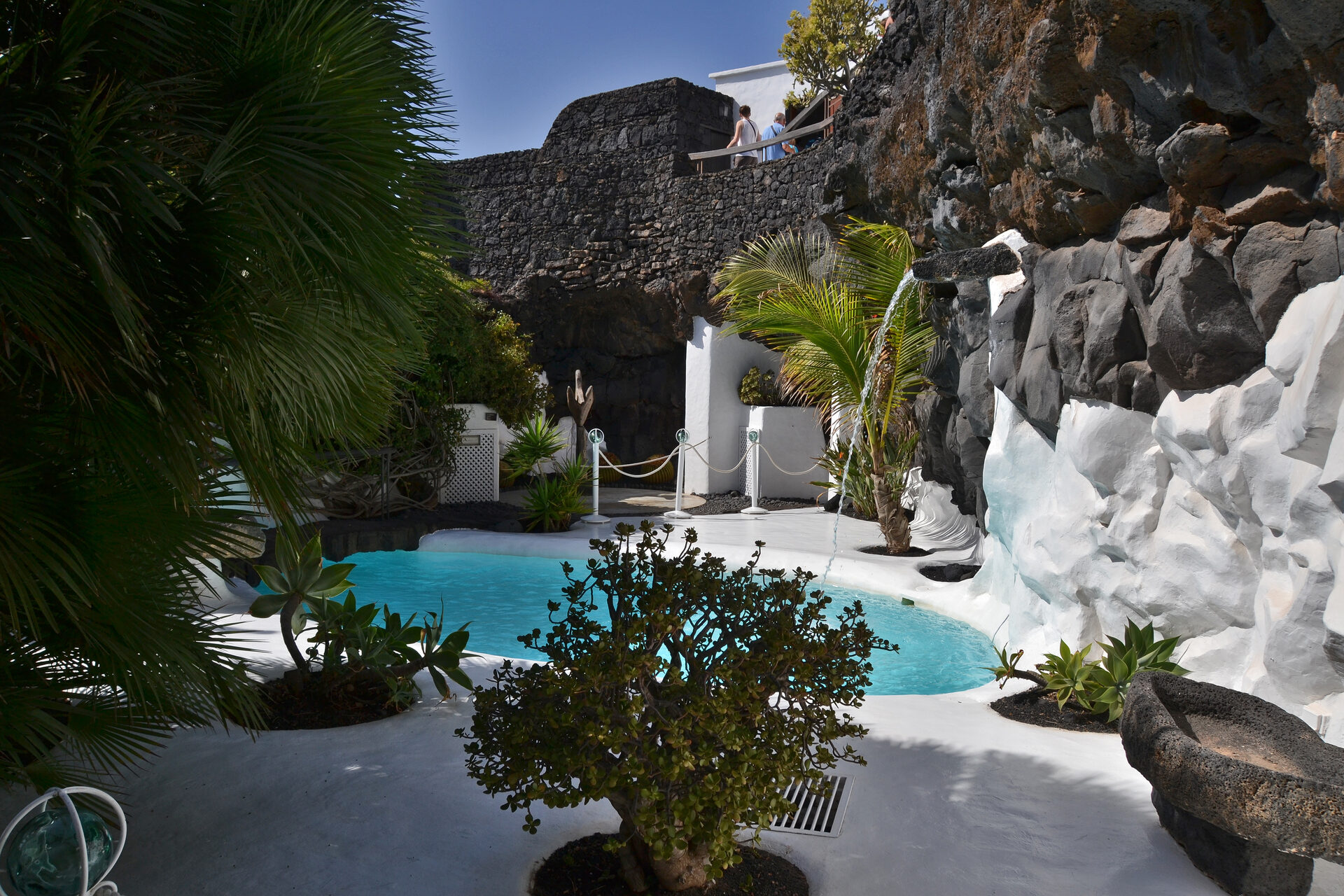
Image Credits
- Hero image: Timanfaya National Park — Wikimedia Commons (CC BY-SA 4.0)
- Timanfaya Fire Mountains: Wikimedia Commons (CC BY-SA 4.0)
- Jameos del Agua: Wikimedia Commons (CC BY-SA 4.0)
- Arrecife port: Wikimedia Commons (CC BY-SA 4.0)
- Geothermal demonstration: Wikimedia Commons (CC BY-SA 4.0)
- La Geria panorama: Wikimedia Commons (CC BY-SA 4.0)
- El Golfo Green Lagoon: Wikimedia Commons (CC BY-SA 4.0)
- Fundación César Manrique: Wikimedia Commons (CC BY-SA 4.0)
- Cueva de los Verdes: Wikimedia Commons (CC BY-SA 4.0)
Frequently Asked Questions
Q: Where do cruise ships dock in Lanzarote?
A: Ships dock at Muelle de Cruceros in Arrecife. The terminal is approximately 15-20 minutes walk from downtown Arrecife. Taxis (€5-8 to center) and tour operators meet arriving ships. The port is wheelchair accessible with paved routes to transport options. No tender required — direct pier docking.
Q: Is Timanfaya National Park worth the visit and cost?
A: Absolutely essential and worth every euro. Timanfaya is Lanzarote's defining experience — surreal volcanic landscape with geothermal demonstrations, Mars-like terrain, and the famous Fire Mountains. Entry fee €12 includes mandatory bus tour. Book ahead for El Diablo restaurant lunch if desired. Cannot be missed on a Lanzarote port day.
Q: Should I rent a car or take a ship excursion?
A: Rent a car (€30-50/day) if comfortable driving — gives maximum flexibility, costs less for couples and groups, lets you set your own pace across all attractions. Take a ship excursion if you prefer guaranteed return time and guided commentary without navigation stress. Independent tours offer a middle ground. The island is easy to navigate with excellent roads.
Q: Is Lanzarote accessible for visitors with mobility challenges?
A: Main attractions offer reasonable wheelchair accessibility. The cruise terminal has accessible paths. Timanfaya's bus tour accommodates wheelchairs with advance notice. Jameos del Agua has accessible main areas. Cueva de los Verdes is not accessible due to walking difficulty on uneven cave surfaces. Always confirm specific accessibility needs when booking ahead.
Q: What is the best way to experience La Geria wine region?
A: Drive through independently — the freedom to stop at multiple bodegas makes rental car ideal. Bodega El Grifo (oldest winery, tastings €8-15) and Bodega Stratvs (modern facility, €10-20) are highlights. Located between Arrecife and Timanfaya, making it a natural stop en route to the volcanoes. Ship excursions typically include one winery stop.
Q: Who was César Manrique and why does he matter?
A: Artist-architect (1919-1992) who shaped modern Lanzarote's aesthetic philosophy. He convinced the island to ban billboards, standardize building design (white walls, green/brown shutters), and integrate art with volcanic nature. His influence defines why Lanzarote looks uniquely beautiful. Visit the Fundación César Manrique (€10 entry) to understand his vision and legacy.
Last reviewed: February 2026