


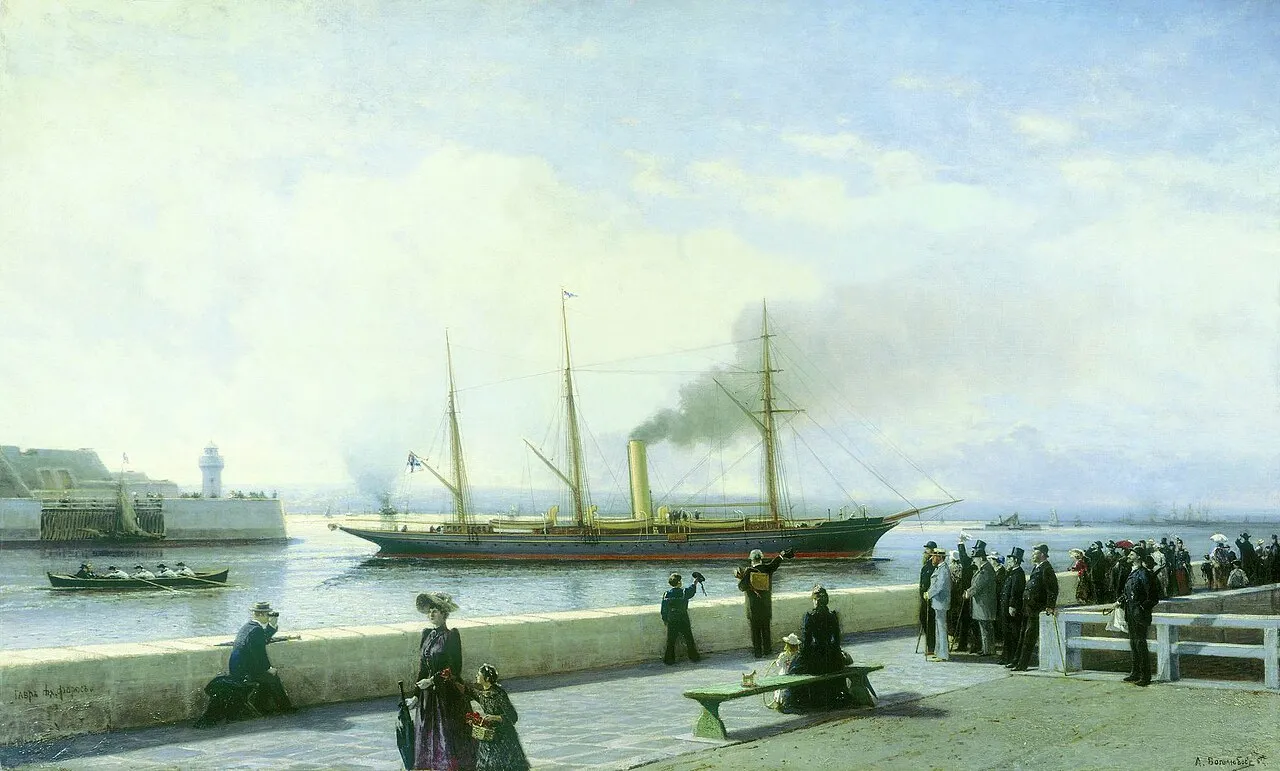
Photo: Wikimedia Commons
My Logbook: Concrete, Cliffs, and the Weight of Normandy
I saw Le Havre before I understood it. Our ship eased into the port just after dawn, and through the grey morning mist I watched the skyline take shape — a flat, orderly grid of concrete buildings crowned by the narrow spire of the Church of Saint Joseph, rising like a pale finger pointing toward heaven. I had read about Auguste Perret's radical post-war rebuilding, but reading about concrete and standing before it are different things entirely. I gathered my daypack, tucked a rain jacket under the flap, and walked down the gangway into a city that had been nearly erased and then rebuilt from nothing, block by patient block.
The taxi to the city centre took barely five minutes, and my driver — a quiet Norman named Philippe — pointed out the Church of Saint Joseph as we passed. "Go inside," he said simply, and I did. The exterior is austere, a rectangular concrete tower with none of the ornament you expect from a French church. But the interior stopped me cold. Twelve thousand pieces of coloured glass fill the tower walls, and the morning light was pouring through them in columns of amber, violet, blue, and gold. I stood in the centre of the nave and looked up, and the light fell on my face like warm rain. The church was built as a memorial to the five thousand civilians who died when Allied bombing flattened the old city in September 1944. Standing there, bathed in that coloured light, I felt the silence pressing against me — not emptiness but fullness, the weight of grief transmuted into something luminous and sacred. I whispered a quiet prayer for those who perished and for Perret, who had the courage to build beauty from devastation.
From Le Havre I hired a car with a small group to drive west to the Normandy landing beaches. The road wound through green hedgerow country, past orchards heavy with early apples and stone farmhouses with blue shutters. We reached Omaha Beach just before noon. I had expected something dramatic — crashing waves, towering cliffs — but Omaha is a wide, quiet crescent of sand backed by gentle bluffs. Children were building sandcastles. A golden retriever chased a tennis ball through the shallow surf. The ordinariness of it was what hit me hardest. On the sixth of June, 1944, this peaceful beach had been an inferno of steel and blood, and thousands of young men — boys, really, many of them barely nineteen — had waded through that same surf under withering machine-gun fire from the bluffs above. I walked along the waterline and felt my shoes sink into the wet sand, and I thought about the weight each soldier carried, the weight of fear and duty and love for the people back home who would never truly understand what happened here.
We drove up to the American Cemetery at Colleville-sur-Mer. Nine thousand three hundred and eighty-seven white marble crosses and Stars of David stretch across a green lawn overlooking the sea, each one perfectly aligned, row after row after row. I walked among them slowly, reading names and dates and home states — Iowa, Texas, Massachusetts, Georgia — and I felt my eyes fill with tears. I stopped at a grave near the western edge. The stone read simply "Here rests in honored glory a comrade in arms known but to God." I stood there for a long time. Something shifted inside me at that grave — a recognition that freedom is not abstract, that it was purchased by specific people who did not come home, and that the price they paid demands something of me in return. Not grandeur. Just honesty, and gratitude, and the willingness to remember.
The drive back to Le Havre took us through the countryside, and we stopped at a roadside ciderie where a farmer sold us bottles of dry Norman cider for €4 each and slices of Camembert on crusty bread. The cider was tart and cold and tasted of green apples and autumn, and I sat on a wooden bench under an arbour and listened to the bees working the clover. However uncomfortable the morning had been emotionally, this quiet pastoral interlude brought me back to the present. Normandy holds both things — the horror of war and the sweetness of ordinary life — and it does not apologise for either.
On my second day in port, I chose a different direction. A bus carried me north along the coast to the Étretat cliffs, those dramatic chalk arches that Monet painted and that still look exactly as they did in his canvases. I climbed the path to the top of the Falaise d'Aval and gazed down at the natural stone arch curving into the grey-green Channel water far below. The wind smelled of salt and wet grass. Seagulls wheeled in the updrafts, calling to each other in voices that sounded like rusty hinges. I sat on the cliff edge — carefully, the drop is severe — and watched the waves slam against the chalk base far below, sending plumes of white spray upward. Despite the wind chill and the grey sky, I stayed for nearly an hour, sketching the scene in my notebook, trying to capture what Monet had seen here over a century ago.
On the return trip I stopped at Giverny, Monet's home and garden, about ninety minutes from Le Havre. The water-lily pond was exactly as I had seen it in paintings — the Japanese bridge, the weeping willows trailing their fingers in the water, the lily pads floating in green clusters. But what surprised me was the sound. Frogs croaked from the reeds, dragonflies hummed past my ears, and the water made a soft continuous murmur like a whispered conversation. I realized that Monet had not merely painted what he saw — he had painted what he heard and felt and smelled, and standing in his garden I could finally understand the tenderness in those brushstrokes. The entry fee was €11, well worth the cost of stepping inside a painting.
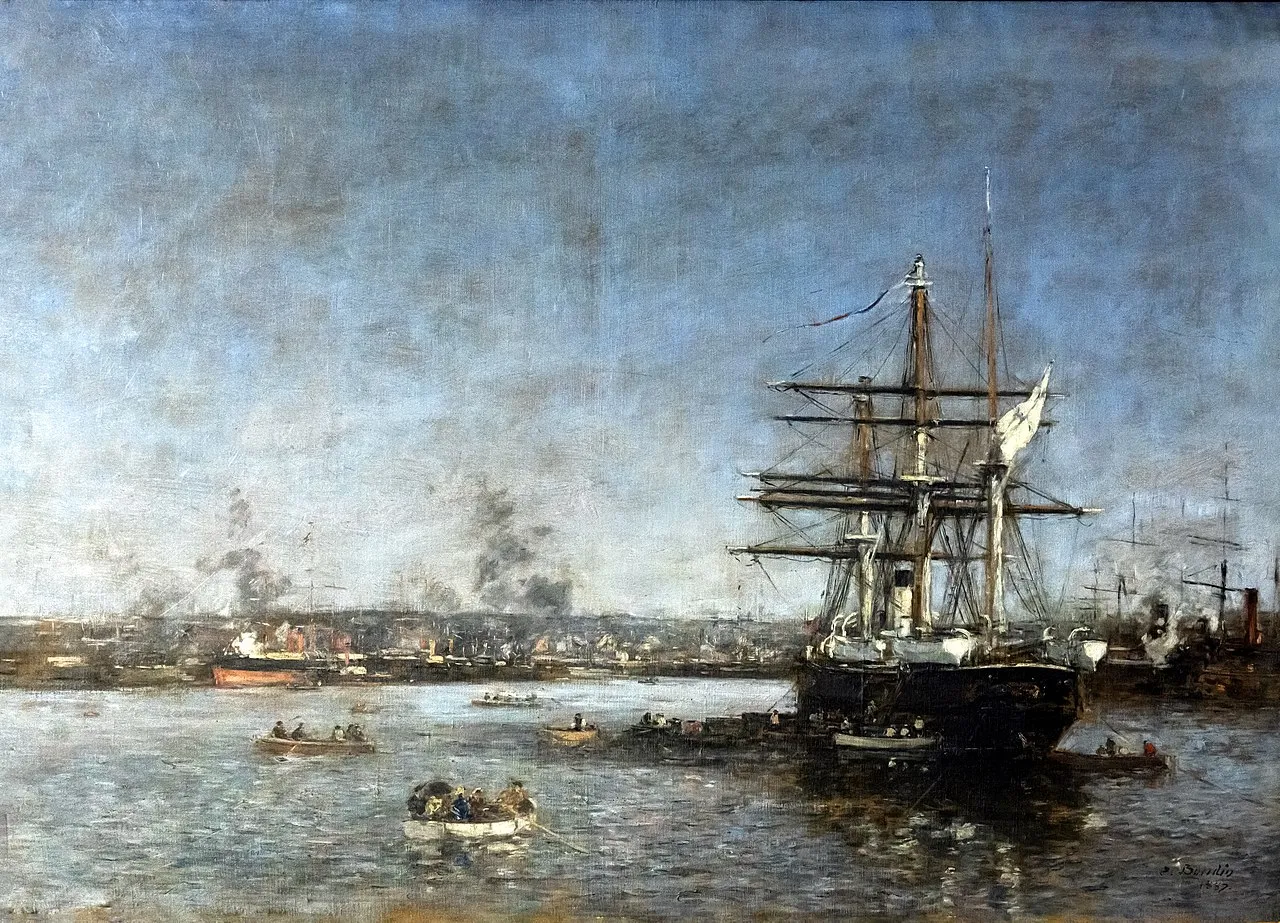
Back in Le Havre that evening, I walked along the beach promenade as the sun dropped toward the English Channel. The MuMa — Musée d'Art Moderne André Malraux — sat at the harbour's edge, its glass walls catching the last light. I went inside and found an entire room of Impressionist paintings: Monet, Boudin, Renoir, Sisley. The museum was nearly empty at that hour, and I had the room to myself. I stood before Monet's painting of Le Havre harbour at sunrise — the very painting that gave Impressionism its name — and looked from the canvas to the harbour visible through the window and back again. The same water. The same light. A hundred and fifty years had passed, and the beauty had not diminished by a single degree.
What Le Havre taught me is that destruction is not the end of a story. This city was leveled — flattened — and it chose to rise again not by imitating what had been lost but by building something new and honest from the rubble. Perret's concrete is not beautiful in the way medieval stone is beautiful, but it is truthful, and standing inside the Church of Saint Joseph I understood that truth and beauty are not opposites. Sometimes beauty is the truth you build after everything else has been taken away. I carry that lesson with me still, long after the ship pulled out of Le Havre harbour and the spire of Saint Joseph faded into the Norman mist.
Weather & Best Time to Visit
The Cruise Port
Ships dock at Le Havre's Terminal Croisière on the Pointe de Floride, a modern facility at the western edge of the commercial harbour. The terminal has a covered waiting area, basic café, restrooms, and a small tourist information desk with free city maps. Taxis queue outside and cost approximately €10 to the city centre or the SNCF train station (five minutes). Some cruise lines provide complimentary shuttle buses to the Place de l'Hôtel de Ville in the city centre, though availability varies by ship and itinerary. The terminal has wheelchair accessible ramps at ground level, and the path from ship to taxi rank is flat and paved. If you plan to catch a train to Paris, allow at least thirty minutes to clear the terminal, taxi to the station, and find your platform. Le Havre is a tender-free port — ships dock directly alongside, which makes embarkation and disembarkation straightforward even in moderate weather.
Getting Around
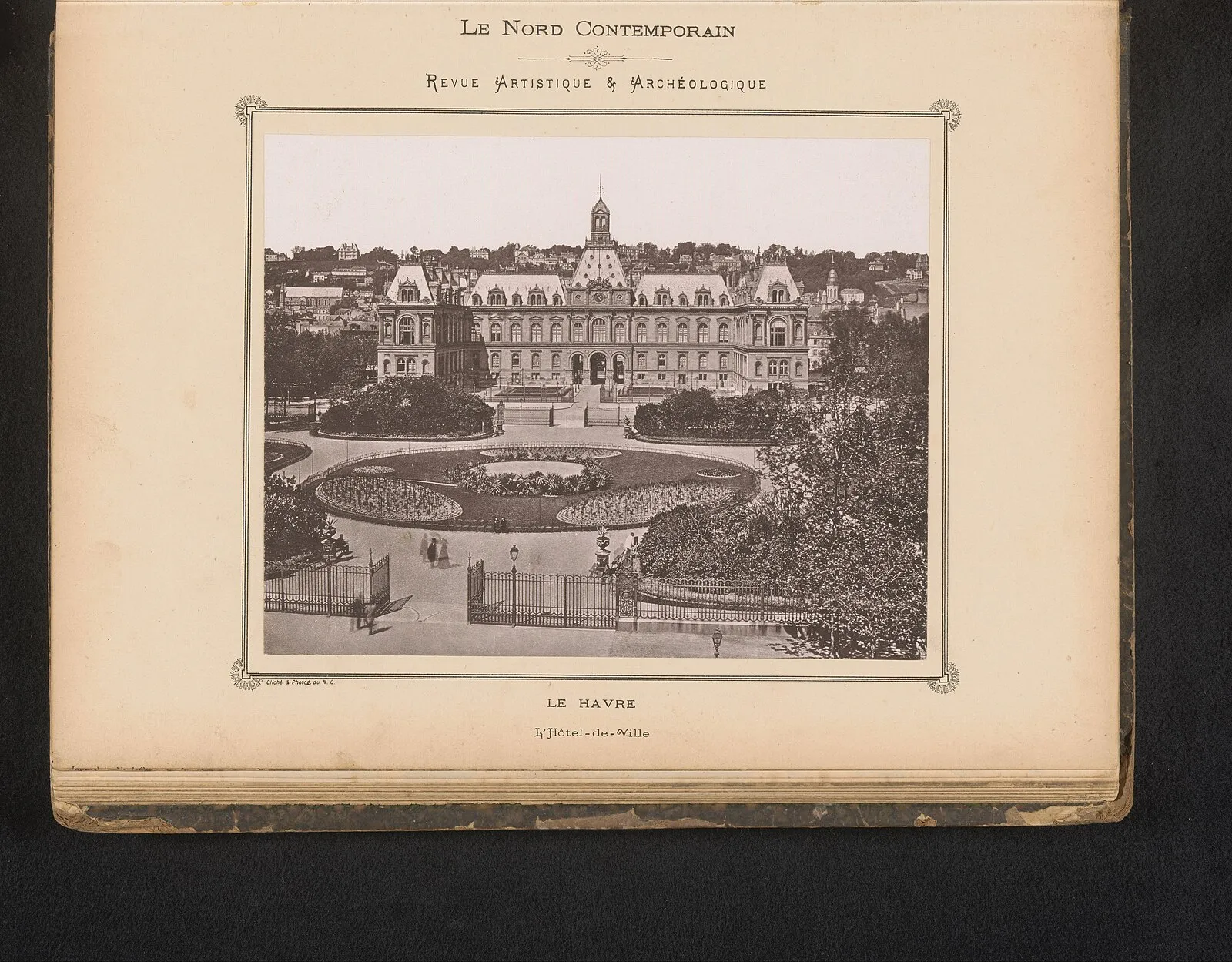
Le Havre's city centre is compact and walkable. The Perret-rebuilt downtown grid stretches roughly one kilometre from the train station to the seafront, and most of the UNESCO architecture — including the Church of Saint Joseph, the Hôtel de Ville, and the model apartment — lies within comfortable walking distance. Sidewalks are wide and generally flat, making the centre accessible for wheelchair users and those with limited mobility. The beachfront promenade runs two kilometres along the coast and is fully paved.
For destinations beyond walking distance, taxis are readily available at the cruise terminal and in front of the train station. A taxi to Étretat costs roughly €60–80 one way. The LiA tramway system connects the city centre to surrounding neighbourhoods — a single fare costs €1.80 — though it is of limited use for cruise-day excursions. For the D-Day beaches, Giverny, and Honfleur, you will need either a guided tour, a rental car, or a pre-arranged private driver (expect €200–300 for a full-day driver). Parking in Le Havre centre costs about €2 per hour. Train tickets to Paris start at €25 when booked in advance on the SNCF website, though last-minute fares can reach €50 or more. The train station has step-free access to platforms, and French TGV and Intercités trains have dedicated wheelchair spaces.
Le Havre Port Map
Interactive map showing cruise terminal and Le Havre attractions. Click any marker for details.
Excursions & Activities
D-Day Landing Sites & American Cemetery
The Normandy landing beaches lie roughly ninety minutes west of Le Havre. A full-day ship excursion typically visits Omaha Beach, the American Cemetery at Colleville-sur-Mer, and Pointe du Hoc, costing $120–180 per person. Independently, you can hire a private driver for €250–300 for the day, or join a small-group minivan tour from Le Havre for €90–120. Book ahead — D-Day tours sell out quickly during peak season. This is a high-energy day with significant walking on sandy and uneven terrain. The American Cemetery grounds are wheelchair accessible along paved paths, though the beach itself is not.
Étretat Cliffs
The chalk cliffs at Étretat are about forty minutes north of Le Havre by taxi (€60–80 one way). The clifftop walk to the Falaise d'Aval offers dramatic views of the natural stone arch. This is a moderate-to-high-energy excursion — the path is steep and unpaved in sections, and not suitable for wheelchairs. A ship excursion to Étretat costs $70–100 and includes transport. Independently, you can also take the Bus Verts line 24 from Le Havre bus station for about €5 each way, though service is limited. Wear sturdy shoes and bring a windbreaker even in summer.
Monet's Garden at Giverny
Giverny is approximately ninety minutes from Le Havre by road. Monet's house and gardens — with the famous water-lily pond and Japanese bridge — are open April through October. Entry costs €11 for adults. Ship excursions to Giverny run $100–150 and guarantee your return to the vessel. Independently, you can drive or hire a car, but book ahead because the gardens draw heavy crowds and timed entry helps manage flow. This is a low-energy visit with gentle paths through the gardens, largely accessible for those with mobility limitations.
Le Havre City Walk: UNESCO Architecture
Le Havre's post-war reconstruction by Auguste Perret earned UNESCO World Heritage status in 2005. A self-guided walk through the city centre takes roughly two hours and includes the Church of Saint Joseph (free entry), the model Perret apartment (€5), the Hôtel de Ville, and the wide Avenue Foch. This is a low-energy walk on flat, paved streets — fully accessible for wheelchair users. No booking required. The tourist office near the cruise terminal provides free walking-tour maps.
Honfleur
The picturesque harbour town of Honfleur lies thirty minutes across the Pont de Normandie bridge. Its Vieux Bassin (old harbour) is lined with tall, narrow slate-fronted houses that Impressionist painters loved. A ship excursion to Honfleur costs $60–90. Independently, taxis charge roughly €50–70 each way. Walking the harbour and old town is low-energy and largely accessible, though some cobblestone streets may challenge wheelchair users. Allow two to three hours for a comfortable visit.
Depth Soundings
France uses the Euro (EUR). ATMs are available at the train station and throughout the city centre. Credit cards are widely accepted in shops, restaurants, and museums. Taxi drivers accept cards but appreciate cash for small fares. Tipping in France is not obligatory — a service charge is included in restaurant bills by law — but rounding up by a Euro or two is a kind gesture.
English is spoken in tourist-facing businesses, hotels, and museums, though less reliably in smaller shops and local restaurants. Learning a few words of French — "bonjour," "merci," "s'il vous plaît" — earns warmer service. Le Havre's rebuilt city centre is remarkably accessible for a European port: wide sidewalks, ramps at most public buildings, and a flat terrain that makes wheelchair navigation easier than in many historic French cities. The beach promenade is fully paved and level. For the D-Day beaches and Étretat cliffs, however, expect uneven terrain and limited wheelchair access beyond the main visitor centres. Summer weather in Normandy is mild — highs of 18–21 °C — but rain can arrive without warning, so always carry a waterproof layer. The cost of a simple café lunch in Le Havre runs about €12–18, while a crêpe from a street vendor costs €3–5.
Photo Gallery
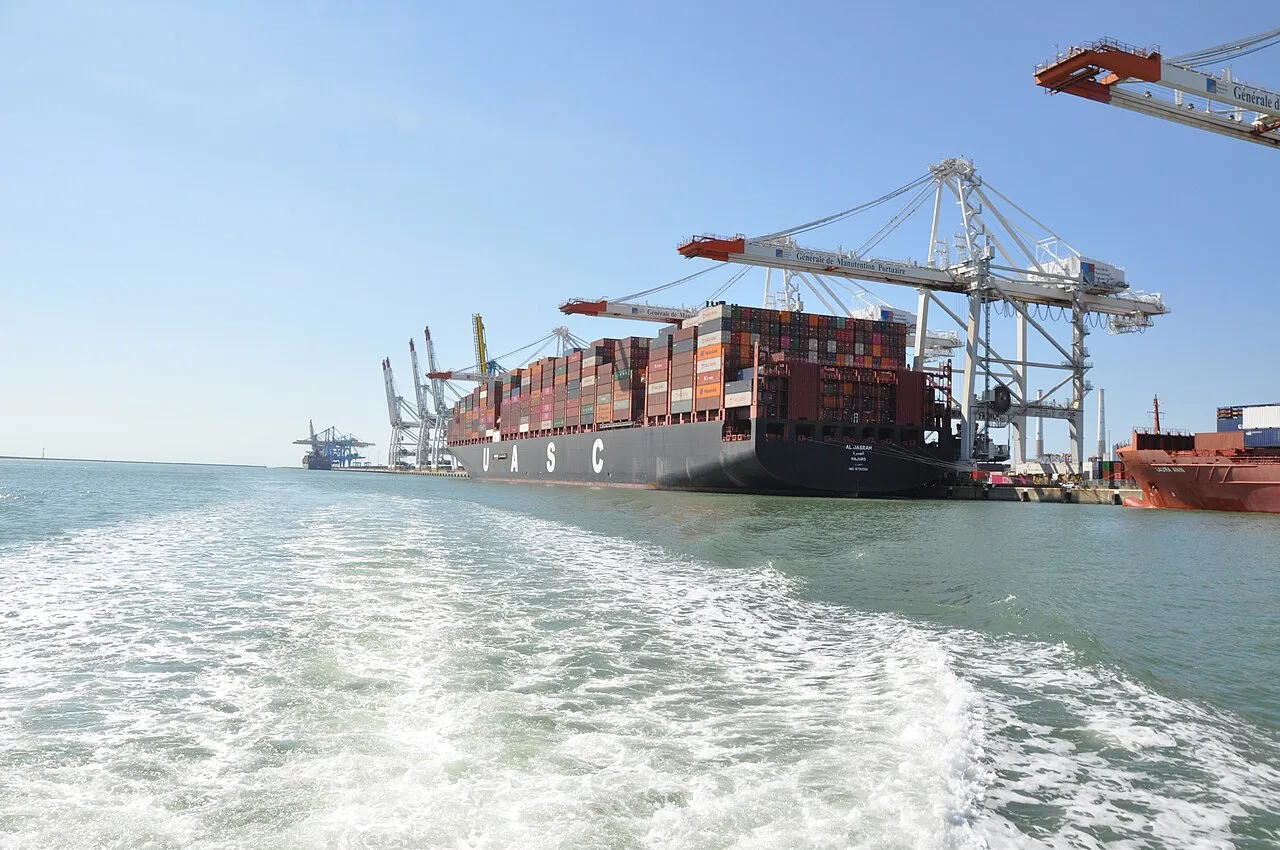
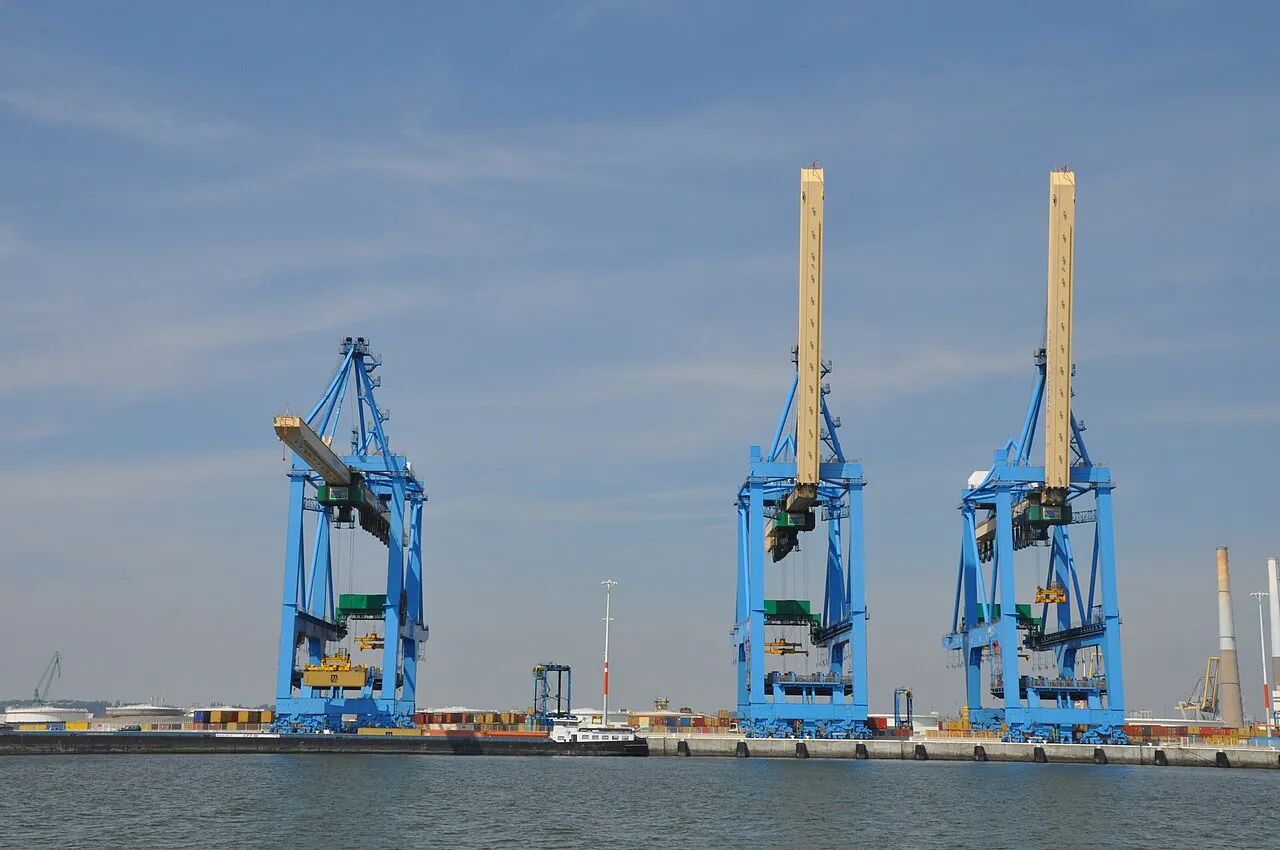

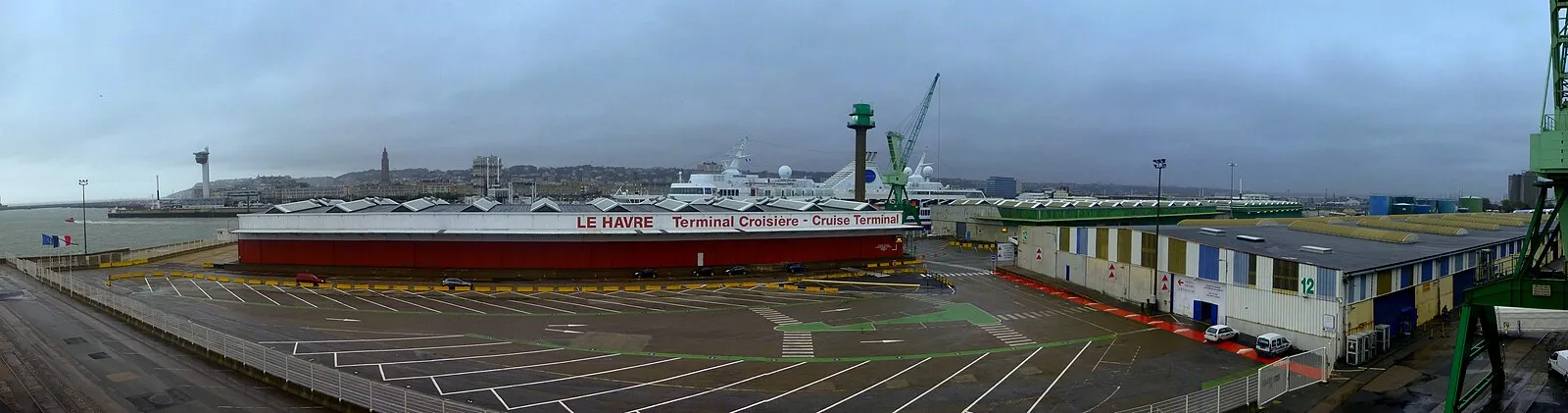
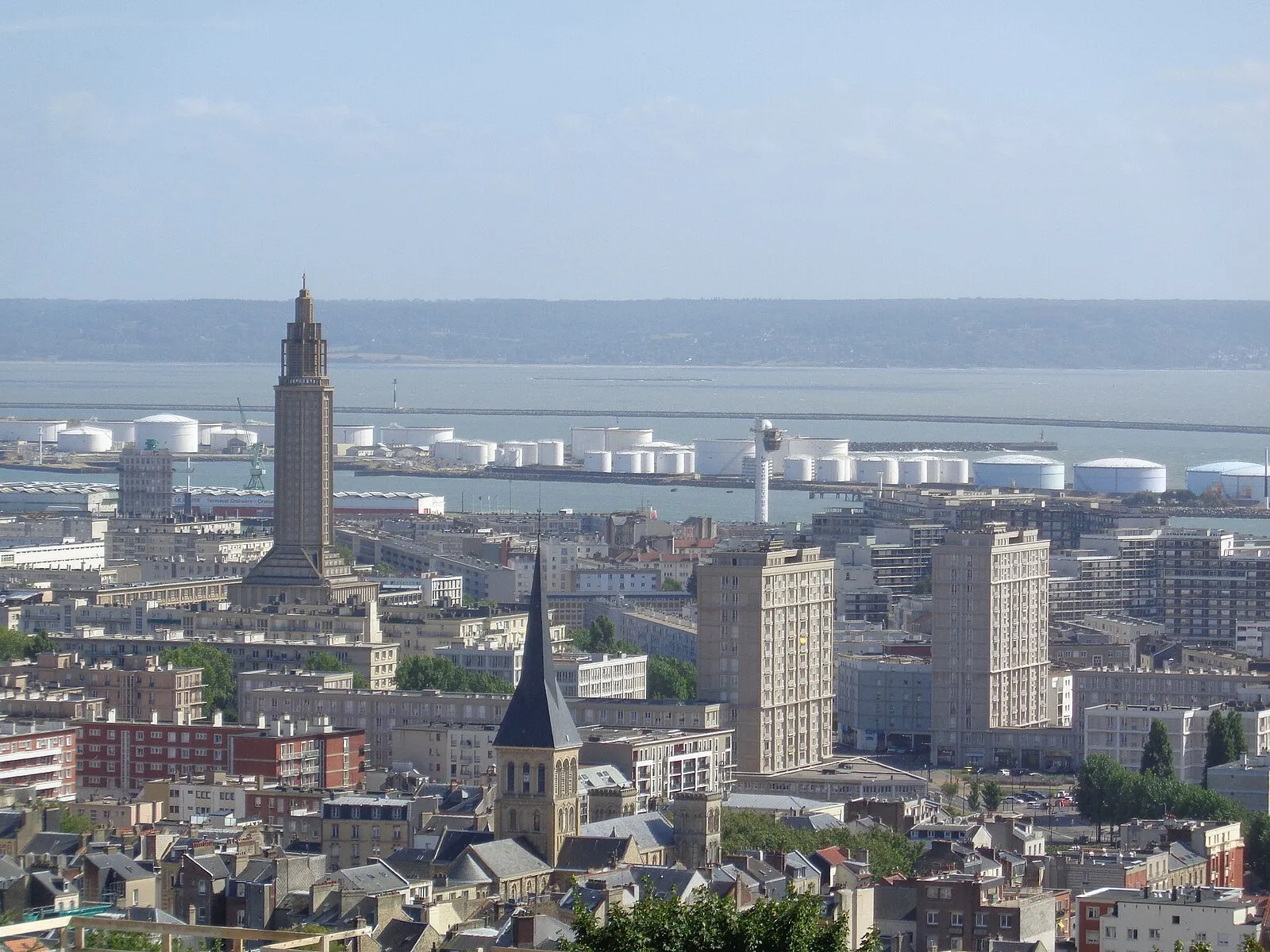
Image Credits
All photographs on this page are used under Creative Commons or free-use licenses. Images sourced from Wikimedia Commons, Unsplash, Pixabay, Pexels, and Flickr.
Frequently Asked Questions
Can I do a Paris day trip from Le Havre?
Yes. Direct trains run hourly from Le Havre station to Paris St-Lazare, taking about two hours each way. This gives you seven to eight hours on the ground in Paris. Book tickets in advance on the SNCF website for fares from €25.
How do I get from the cruise terminal to the train station?
A taxi from the cruise terminal to Le Havre SNCF station takes about five minutes and costs roughly €10. Some ships provide shuttle buses to the city centre, which is a short walk from the station.
Is Le Havre itself worth exploring instead of Paris?
Absolutely. Le Havre is a UNESCO World Heritage site for its post-war concrete architecture by Auguste Perret. The Church of Saint Joseph, MuMa art museum, and beach promenade reward a quieter day without the stress of a four-hour round-trip train journey.
How far are the D-Day landing sites from Le Havre?
The Normandy landing sites are approximately ninety minutes by bus or car. Full-day guided tours visit Omaha, the American Cemetery, and Pointe du Hoc. Book ahead during summer months as tours fill quickly.
Can I visit Monet's garden at Giverny from Le Havre?
Yes. Giverny is about ninety minutes from Le Havre by car. The gardens are open April through October and draw large crowds. Entry costs €11 per adult. Timed tickets and advance booking are recommended.
When is the best time to visit Le Havre?
Cruise season runs May-Sep with the mildest Normandy weather (15-21°C summer highs). Le Havre is a year-round port for repositioning cruises but most leisure calls cluster in summer. Spring (Apr-May) and autumn (Sep-Oct) offer thinner crowds and milder weather; winter calls are infrequent and cold. The live weather widget in the seasonal panel above is the primary source for short-term conditions on a specific sailing date.
When is Le Havre's storm season?
Le Havre sits at ~49°N on the English Channel coast — outside the tropical-cyclone tracks. The relevant heavy-weather pattern is North Atlantic winter storms (Oct-Mar) which bring strong winds, rain, and rough Channel conditions to the Seine estuary. Cruise season largely avoids this window. Summer thunderstorms are brief; the bigger concern is the year-round Channel-coast wind that can affect tender operations on the rare occasions a ship anchors off rather than berthing alongside. The live weather widget in the seasonal panel above is the primary source for current conditions on a specific sailing date.
What should I pack for Le Havre's weather?
Summers are mild, averaging 15-21°C with maritime Normandy breezes. Rain is possible year-round — Le Havre sees 110-130 rainy days annually. Pack layers, a waterproof jacket, and a compact umbrella even in July and August. Comfortable walking shoes for the Perret-era concrete blocks of the UNESCO old town and the steep MuMa-museum waterfront approach. A light fleece for the Channel wind on the beach promenade.
Will rain ruin my Le Havre port day?
Normandy rain is part of the experience — the locals carry compact umbrellas year-round. The MuMa Museum, the Church of Saint Joseph (its tower lantern is a dramatic indoor space), the Volcan cultural centre, and the city's covered shopping arcades are all substantially indoor. Paris and Giverny day trips travel by enclosed train or coach — the weather there matters more than at Le Havre. D-Day sites are exposed; heavy rain can dampen the experience but rarely cancels tours. The live weather widget in the seasonal panel above is the primary source for short-term forecasts on a specific sailing date.
Le Havre — Port Guide
Last reviewed: February 2026