


Photo: Wikimedia Commons
My Logbook: Where the Mersey Meets the Music
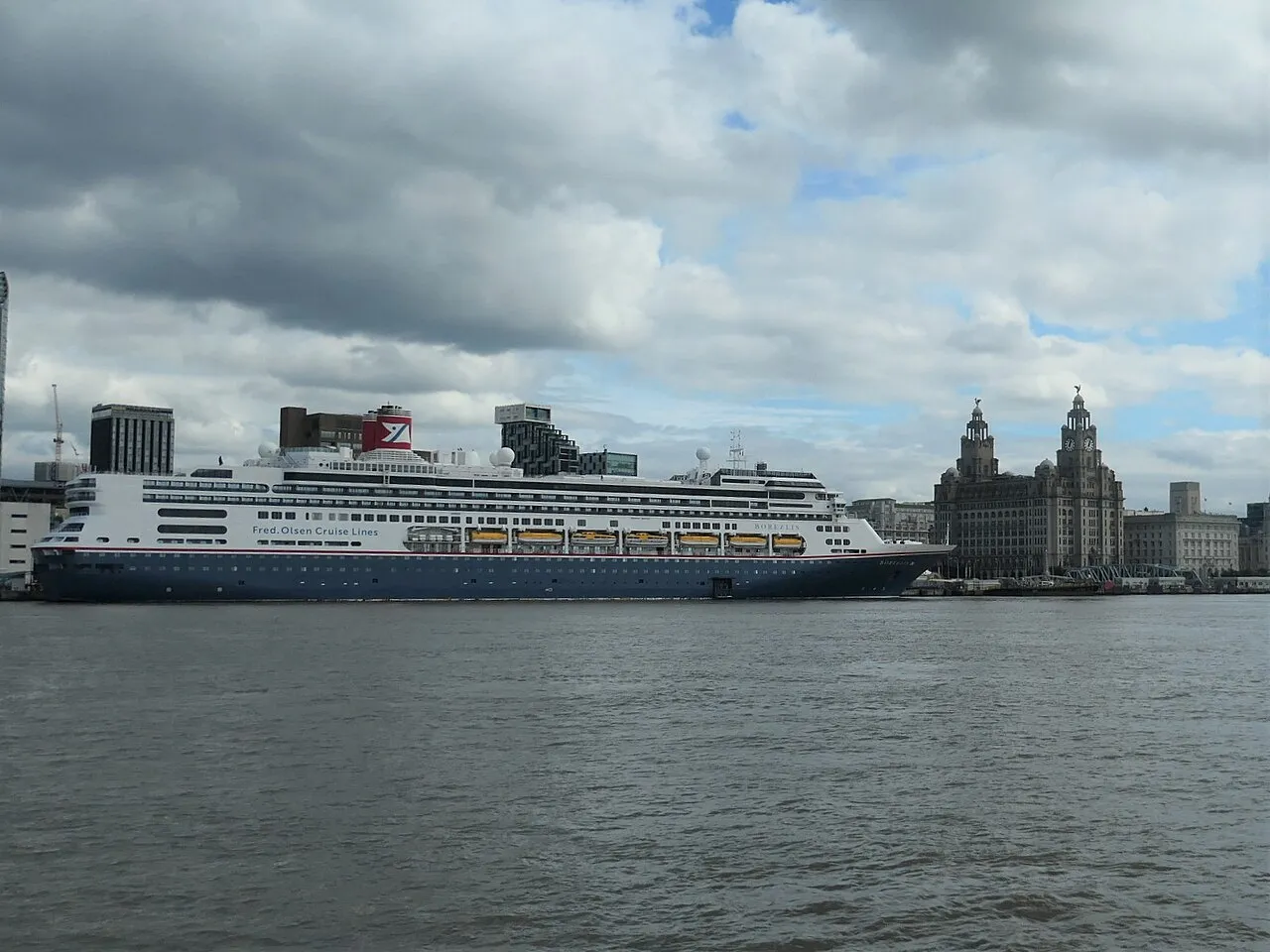
I heard Liverpool before I saw it. Standing on the upper deck as our ship nudged toward the Pier Head landing stage, I caught the low moan of a ferry horn echoing across the Mersey, and then the wind carried something else — the faint thrum of a bass guitar drifting from somewhere along the waterfront. I leaned against the rail and watched the Three Graces materialize through the morning haze: the Royal Liver Building with its two copper Liver Birds perched on the clock towers, the Cunard Building where emigrant tickets were once sold by the thousand, and the Port of Liverpool Building anchoring the trio like a stone sentinel. I gathered my jacket and daypack, pulled the zip tight against the Mersey wind, and walked down the gangway into a city that has been singing to the world since 1207.
Royal Albert Dock sat right there, barely two minutes from the ship, and I walked into its red-brick colonnades feeling the weight of what this place had carried. Jesse Hartley designed these warehouses in 1846 using nothing but cast iron, brick, and stone — no structural wood at all, a feat of fireproof engineering that made it the first structure of its kind in Britain. Forty percent of the world's trade once passed through Liverpool's docks. Today those same warehouses hold the Beatles Story, Tate Liverpool, and the Merseyside Maritime Museum, and the cobblestones still ring under your feet like they remember every crate and chain that ever crossed them. I bought a coffee from a cart near the dock basin for about three pounds and sat on a bollard watching the water lap at the quay walls while a street musician played "Norwegian Wood" on an acoustic guitar. The cost of entry to the dock itself is nothing — free — and that generosity sets the tone for the whole city.
I paid eighteen pounds at the door of the Beatles Story and stepped into the most thorough Beatles museum on Earth. The exhibits walk you through Hamburg, the Cavern, Beatlemania, and the solo years with genuine artifacts — John Lennon's round spectacles behind glass, George Harrison's first guitar, handwritten lyrics on hotel stationery. I stood in the reconstructed Cavern Club room, where the low ceiling and cramped space made it easy to imagine four lads in leather jackets playing to two hundred people in a cellar that smelled of sweat and ambition. The audio guide was included in the price and narrated by John's sister Julia, whose voice cracked once when she spoke about the day he was taken from them. I felt my own eyes fill with tears in that dim room, standing among strangers who were all feeling the same quiet grief for a man none of us had met but all of us somehow knew.
From there I walked ten minutes uphill to the Cavern Quarter on Mathew Street. The reconstructed Cavern Club charges about five pounds for daytime entry, and the stone steps down into the basement felt like descending into a kind of secular chapel. A band was playing Beatles covers — "In My Life" — and the sound bounced off the brick arches exactly as it would have in 1961. I ordered a soft drink for two pounds fifty and sat on a wooden bench against the wall, watching tourists from a dozen countries singing along to words they all knew by heart. However rough the edges of this district can be — and some of it is honestly tired and over-commercialized — the Cavern itself still holds something genuine, something that resists the souvenir shops crowding in on every side.
I walked south along the waterfront to the Merseyside Maritime Museum, which is free to enter — a genuine gift from the city. The galleries on the transatlantic slave trade were unflinching and necessary. Liverpool built much of its Georgian-era wealth on the triangle trade, and the International Slavery Museum on the upper floors does not let visitors forget it. I read first-person accounts of the Middle Passage and stood before iron shackles displayed under glass, and I felt the cold weight of history pressing against my chest. But the maritime galleries downstairs told other stories too — of the Titanic's Liverpool registration, of the Battle of the Atlantic fought from a bunker beneath the city, of generations of Irish and Welsh families who boarded emigrant ships here with everything they owned packed into a single trunk. The museum holds all of these stories at once, without flinching from any of them.
Next door, Tate Liverpool occupies a converted Albert Dock warehouse and costs nothing to enter for the permanent collection. I wandered through rooms of modern and contemporary art — a Hockney painting of a swimming pool, a Barbara Hepworth bronze that invited me to run my fingers along its curves, though I kept my hands to myself. The building smelled of old timber and fresh paint, and the light through the warehouse windows fell in long rectangles across the gallery floors. Despite the world-class art on the walls, only a handful of visitors were there on a Tuesday morning, which meant I could stand in front of each piece as long as I wanted without feeling rushed.
I stepped back outside and looked up at the Liver Building, those twin Liver Birds silhouetted against a grey sky that threatened rain but never quite delivered. A Scouser walking his dog saw me staring and stopped. "That's Bella and Bertie," he said, pointing at the birds. "Bella looks out to sea for the sailors coming home. Bertie looks over the city to make sure the pubs are still open." He laughed at his own joke, and I laughed with him, and for a moment we were just two people sharing a daft story about copper birds on a windy waterfront. That is Liverpool — it talks to you, whether you ask it to or not.
I took the Magical Mystery Tour bus in the afternoon, which cost about twenty pounds and ran for two hours. We drove past Penny Lane — the barber shop is still there, though the shelter in the middle of the roundabout has been rebuilt — and stopped at Strawberry Field, where the red gates have been replaced but the Salvation Army garden behind them remains peaceful and green. The bus took us past the childhood homes of John, Paul, George, and Ringo, and our guide told stories about each one with the easy authority of someone who had grown up walking these same streets. I pressed my forehead against the cold window glass and watched the terraced houses slide past, each one ordinary, each one extraordinary.
Weather & Best Time to Visit
The Cruise Port
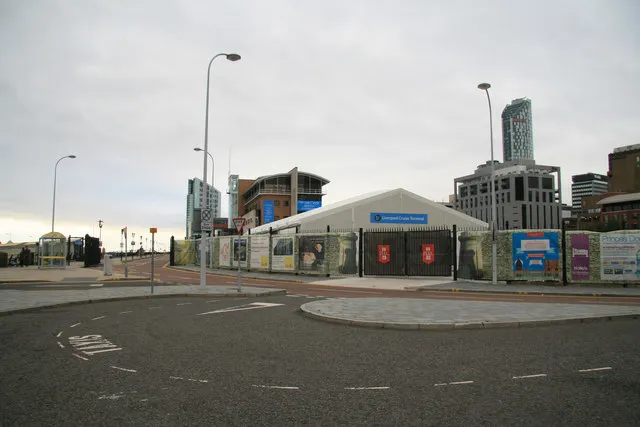
Ships dock at the Liverpool Cruise Terminal at Pier Head, directly alongside the iconic Three Graces on the city's UNESCO-listed waterfront. The terminal building is modern and well-maintained, with a small waiting area, restrooms, and tourist information desk. There is no shopping or dining inside the terminal itself, but Royal Albert Dock begins literally two minutes' walk from the gangway — you step off the ship and into Liverpool's cultural heart. Taxis queue outside the terminal for longer journeys; a ride to Anfield football ground costs about twelve pounds. The port area is flat and wheelchair accessible, with smooth pavements connecting the terminal to Albert Dock and the waterfront promenade. Security requires passengers to show their cruise card when re-boarding. This is one of the most walkable cruise ports in northern Europe — nearly everything worth seeing sits within a twenty-minute walk of the ship.
Getting Around
Liverpool is a compact and walkable city, especially for cruise visitors whose ship docks at Pier Head. Royal Albert Dock, the Cavern Quarter, both cathedrals, and the main shopping district are all within a twenty-minute walk of the terminal. Pavements are generally well-maintained and flat along the waterfront, making the area accessible for wheelchair users and those with limited mobility. The stretch from Pier Head to Albert Dock is fully step-free and paved.
For journeys beyond the city centre, Merseyrail trains run frequent services from Liverpool Lime Street and James Street stations, both about a ten-minute walk from the port. A single fare within the city zone costs about two pounds seventy. The iconic Mersey Ferry operates from the Pier Head terminal right beside the cruise dock — a return ticket costs about four pounds fifty and offers spectacular views of the waterfront from the river. City buses run regular routes, though they can be confusing for first-time visitors. A Hop On Hop Off sightseeing bus costs about fifteen pounds and covers the main tourist areas including both cathedrals and the waterfront.
Taxis are readily available outside the cruise terminal and at ranks throughout the city centre. A taxi from Pier Head to Liverpool John Lennon Airport costs roughly twenty-five pounds. Uber operates in Liverpool and often offers lower fares than traditional taxis. For the Magical Mystery Tour, the bus departs from Albert Dock and costs about twenty pounds — book ahead online, as cruise ship days sell out quickly. Most visitors find they can cover everything on foot, making Liverpool one of the easiest and most affordable cruise ports in Britain.
Liverpool Port Map
Interactive map showing cruise terminal and Liverpool attractions. Click any marker for details.
Excursions & Activities
The Beatles Story at Royal Albert Dock
The world's largest permanent Beatles exhibition walks you through the band's story from Hamburg to Abbey Road with genuine artifacts, reconstructed sets, and audio narration by Julia Lennon. Entry costs about eighteen pounds for adults and thirteen pounds for children. Allow ninety minutes to two hours. The museum is fully wheelchair accessible with lift access between floors. You can visit independently — it is a two-minute walk from the ship. A ship excursion typically combines the Beatles Story with other city highlights for about fifty to seventy pounds.
Magical Mystery Tour
This dedicated Beatles bus tour departs from Albert Dock and drives past Penny Lane, Strawberry Field, and the childhood homes of all four Beatles over two hours. Tickets cost about twenty pounds. Book ahead online, as tours sell out on cruise ship days. The bus is not wheelchair accessible. This is a moderate-energy activity — mostly seated on the bus with short photo stops. You can book independently through the Cavern Club website or through your ship excursion desk for a premium.
Merseyside Maritime Museum & International Slavery Museum
Both museums occupy the same Albert Dock building and are completely free to enter. The maritime galleries cover Liverpool's role in the transatlantic slave trade, the Titanic (registered in Liverpool), and the Battle of the Atlantic. Allow two hours for both museums. Fully wheelchair accessible with lifts. Visit independently — no booking required.
Tate Liverpool
The northern outpost of the Tate gallery network occupies a converted Albert Dock warehouse. The permanent collection is free; special exhibitions may charge about ten to fifteen pounds. Allow one to two hours. Low-energy visit, fully accessible. No need to book ahead for the permanent collection.
Liverpool Cathedral & Tower Experience
The largest cathedral in Britain is free to enter. The tower experience costs about eight pounds fifty and offers panoramic views across the city, the Mersey, and on clear days, the Welsh hills. Allow forty-five minutes for the cathedral and thirty minutes for the tower. The cathedral nave is wheelchair accessible; the tower requires climbing 108 steps and is not accessible for those with limited mobility. A twenty-minute walk from the port, or a short taxi ride for about five pounds.
Anfield Stadium Tour
Liverpool FC's home ground offers stadium tours for about twenty-two pounds that include the players' tunnel, dressing rooms, and the famous "This Is Anfield" sign. Book ahead online — match days are excluded. Located about four kilometres from the port; a taxi costs roughly twelve pounds each way. Moderate energy, partially wheelchair accessible. This is a ship excursion favourite, typically bundled with city highlights for about sixty to eighty pounds.
Depth Soundings
Liverpool operates on British Pounds Sterling (GBP). Contactless card payment is accepted at virtually every shop, restaurant, museum, and transport service in the city — many places no longer accept cash at all. ATMs are plentiful near Albert Dock and along Church Street. There is no need to exchange currency in advance if you carry a contactless bank card.
Tipping culture in Liverpool is moderate. Restaurants typically add a discretionary service charge of ten to twelve percent; if not included, ten percent is generous. Taxi drivers appreciate rounding up to the nearest pound. Museum and gallery staff do not expect tips. The city is generally safe for walking during daylight hours, though the areas immediately around Lime Street Station can feel less welcoming after dark.
The Mersey wind is no joke — even in summer, the waterfront breeze can cut through a light shirt. A waterproof layer is worth carrying every single day, regardless of what the morning sky looks like. Liverpool's maritime climate means rain is possible in any month, though showers tend to be brief. Summer temperatures are mild, rarely exceeding nineteen degrees Celsius, while winter days hover around three to seven degrees. Plan indoor museum visits for rainy spells and save the waterfront walks for dry windows.
Photo Gallery
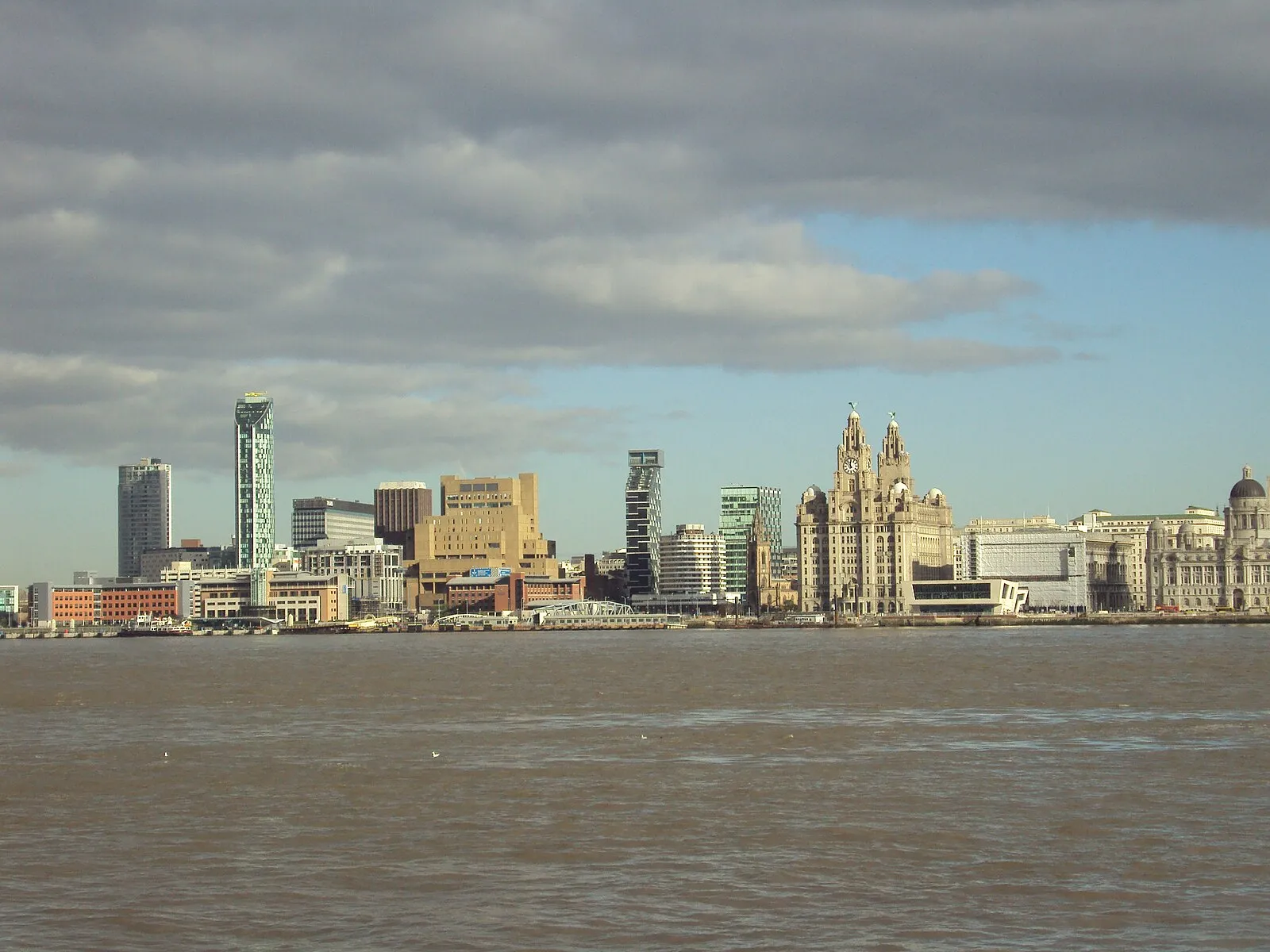
Image Credits
All photographs on this page are used under Creative Commons or free-use licenses. Images sourced from Wikimedia Commons, Unsplash, Pexels, Pixabay, and Flickr. Hero image and supplementary photographs courtesy of contributors.
Frequently Asked Questions
Where do cruise ships dock in Liverpool?
Ships dock at the Liverpool Cruise Terminal at Pier Head, directly beside the Three Graces and Royal Albert Dock. The city centre is a two-minute walk from the gangway — no shuttle or taxi required.
Can I walk from the cruise terminal to the Beatles Story?
Yes. The Beatles Story at Royal Albert Dock is a short two-minute stroll from the cruise terminal along flat, paved waterfront. No taxi or shuttle is needed, and the route is wheelchair accessible.
How long should I allow for Beatles sites?
Allow four to five hours for a thorough Beatles experience: two hours for the Magical Mystery Tour bus, ninety minutes for the Beatles Story museum, and an hour exploring the Cavern Quarter on Mathew Street.
Is Liverpool accessible for wheelchair users?
Much of the waterfront and Albert Dock area is flat and fully accessible. The Merseyside Maritime Museum, Tate Liverpool, and Beatles Story all have lift access. Liverpool Cathedral's nave is accessible, though the tower requires stairs.
What currency does Liverpool use?
British Pounds Sterling (GBP). Contactless card payment is accepted almost everywhere in Liverpool. ATMs are widely available near Albert Dock and throughout the city centre.
When is the best time to visit Liverpool?
Cruise season runs May-Sep with the longest daylight and mildest weather. June-August offers the warmest conditions (17-19°C highs per the page's own weather summary), while September brings thinner crowds at the Beatles sites. Winter cruise calls are rare; Liverpool winter is damp and cool. The live weather widget in the seasonal panel above is the primary source for short-term conditions on a specific sailing date.
When is Liverpool's storm season?
Liverpool sits at ~53°N on England's northwest coast — outside the tropical-cyclone tracks. The relevant heavy-weather pattern is Atlantic winter storms (Oct-Mar) which bring strong winds, rain, and rough Irish Sea conditions to the Mersey. Late-season Atlantic hurricanes occasionally recurve toward the British Isles (see the UK Met Office for named storm history). The Liverpool Cruise Terminal's Pier Head berth is sheltered but extreme weather can still affect berthing. The live weather widget in the seasonal panel above is the primary source for current conditions on a specific sailing date.
What should I pack for Liverpool's weather?
Liverpool has a maritime climate — cool and damp year-round. Summer highs reach 17-19°C with mild breezes. A waterproof jacket is essential regardless of season (Liverpool sees rain on roughly half of all days). Comfortable walking shoes for the waterfront cobblestones and the steep Cathedral approach. Light layers for the temperature swings, and a windproof shell for the Mersey breeze.
Will rain ruin my Liverpool port day?
Liverpool is built for rain — the Beatles Story, Merseyside Maritime Museum, Tate Liverpool, Liverpool Cathedral, Walker Art Gallery, World Museum, and the covered Cavern Club are all substantially indoor. Royal Albert Dock's brick warehouses give partial cover walking between attractions. The Three Graces' façades are even more striking in moody Mersey weather. The Magical Mystery Tour bus is fully enclosed. Only the open Pier Head and the Mathew Street outdoor sections lose appeal in heavy rain. The live weather widget in the seasonal panel above is the primary source for short-term forecasts on a specific sailing date.
Liverpool, England — Port Guide
Last reviewed: February 2026