


Photo: Wikimedia Commons
My Logbook: Where Two Bays Embrace the Sailfish Capital
My ship slipped between two peninsulas and Manzanillo revealed itself—not one bay but two, Santiago and Manzanillo, their golden beaches curving in crescents against the Pacific. This isn't the Mexico that fills cruise brochures with manicured resort perfection. This is the Mexico where fishing captains still outnumber resort concierges, where the cargo port shares the harbor with cruise ships, where authenticity wasn't traded for tourist dollars. I felt the difference immediately as I stepped off the tender into humid air thick with the scent of salt and diesel from the working waterfront.
Bo Derek made this place famous when "10" filmed at Las Hadas resort in 1979, the white Moorish architecture becoming instantly recognizable to anyone who saw that film. However, Manzanillo earned its reputation long before Hollywood arrived—sportfishing boats have been chasing sailfish and marlin in these waters since the 1950s, back when only serious anglers knew the name. The town wears its "Sailfish Capital of the World" title without pretension, the way a veteran wears old boots that have proven themselves over decades of hard use.
I hired a taxi to Las Hadas because I needed to see the place for myself. The white domes and arched walkways rising against green hillsides looked exactly like the postcards, a Moorish palace transplanted to Mexico's Pacific coast by a Bolivian tin magnate who imagined something unlike anything else in North America. Walking the paths between white buildings, I understood why filmmakers fell in love with this fantasy resort. The protected cove stays calm when open water churns, and the architecture photographs beautifully from every angle. Though I'm not typically a resort person, even I had to admit the setting was spectacular.
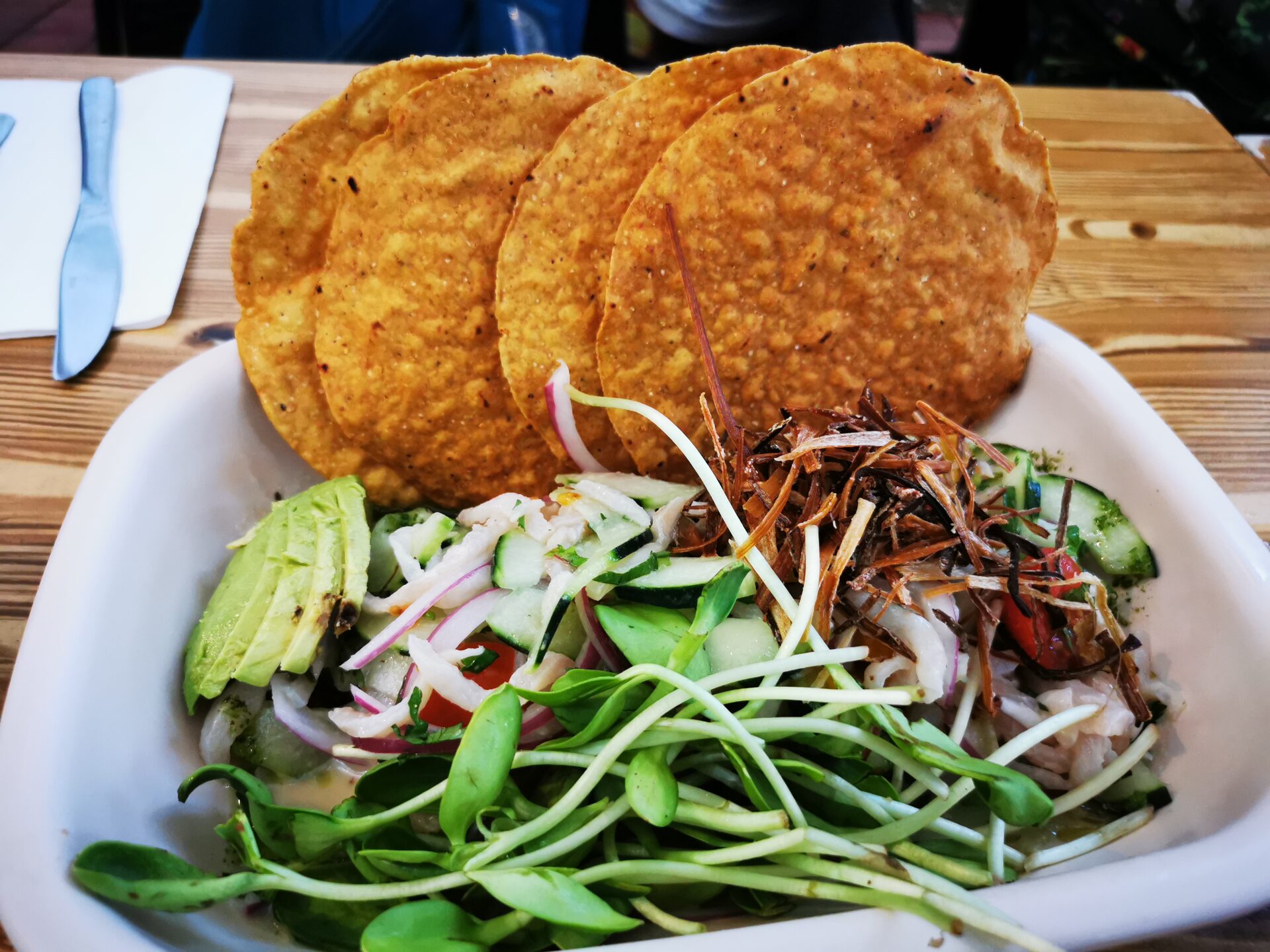
After the resort visit, I asked my driver to take me somewhere locals actually eat. He grinned and drove me to downtown Manzanillo, crossing the peninsula to the commercial side of town where life proceeds without tourist choreography. The zócalo anchored by palms and benches hosted older men discussing matters of importance or no importance at all. Restaurants served pescado fresco prepared the way coastal Colima has been cooking fish for generations—grilled whole, fried crispy, or simmered in spicy broths with fresh tortillas on the side. My meal cost a fraction of what the resort charged, and the flavors were incomparably better.
The twin-bay geography creates interesting choices for port days. Santiago Bay draws tourists with its hotel zone, calm swimming beaches, and Las Hadas magic. Manzanillo Bay keeps the working city functioning—cargo operations, fish markets, the zócalo where real life happens. Despite my limited time, I managed to experience both worlds in a single day. The contrast taught me something about this port: Manzanillo doesn't pretend to be something it isn't. It offers authentic Mexico alongside Hollywood fantasy, and lets you choose your own adventure.
I left Manzanillo thinking about the fishermen who still outnumber the tourists, about the cargo ships sharing harbor space with my cruise vessel, about the grandmother cooking fish the same way her grandmother taught her. Although this port lacks the polish of Puerto Vallarta or the party scene of Cabo, it offers something increasingly rare—a glimpse of Mexico continuing its daily rhythm regardless of who's watching. For me, that felt more valuable than another margarita at a swim-up bar. Yet I know others seek exactly that polished experience, and Manzanillo provides that too at Las Hadas. The port accommodates both impulses without judgment.
What I'll carry forward is the memory of that sunset, the sailfish flags, the pelicans diving in perfect arcs through golden light. I'll remember the taste of fish tacos from a restaurant where I was the only tourist, served by a grandmother who smiled when I asked for seconds. I'll remember the genuine warmth of my taxi driver sharing his hometown's secrets, pointing out where the best ceviche hides, where locals take their families on Sundays. Manzanillo reminded me why I cruise in the first place: not for the ship, but for the ports that reveal themselves honestly to those willing to look beyond the obvious attractions and engage with the places they visit.
Weather & Best Time to Visit
The Cruise Port
Ships dock at the commercial port facility south of downtown, where cruise vessels share space with container ships and cargo operations. The terminal itself offers basic amenities—a few shops selling handicrafts and souvenirs, restrooms, and tour operators with booths promising various adventures. Unlike purpose-built cruise terminals in larger destinations, this facility makes no pretense about what it is: a working port that accommodates cruise ships as secondary business. Staff can assist with wheelchair requests, though the industrial nature of the port means accessibility varies.
The location puts you about three miles from the main tourist areas along Santiago Bay and the beaches. Walking isn't practical—the port road serves industrial traffic rather than pedestrians, and the heat makes distance hiking uncomfortable. Taxis queue at the terminal exit with drivers offering set rates to popular destinations. Settle on price before departing, as meters aren't standard practice here. First shuttles to beach areas begin immediately after clearance; allow extra time if you're waiting for organized transportation.
Getting Around
- Taxis ($12-22): Cluster at the terminal exit with drivers offering set rates. Expect $12-15 to Santiago Bay beaches, $15-18 to Las Hadas, $18-22 to downtown Manzanillo's zócalo. These are per-car rates—groups of four split costs efficiently. Confirm fares beforehand to prevent misunderstandings. Return taxis may require phone calls; drivers often leave cards.
- Public Buses (8 pesos): Run frequently between neighborhoods. Buses marked "Santiago" head toward the bay and beach area north of the port; "Centro" routes serve downtown. The catch is deciphering routes without local knowledge—buses depart when full rather than on fixed schedules. Ask locals which bus goes where; they'll point you correctly.
- Rental Cars ($45-70/day): Make sense for ambitious explorers wanting Colima city or mountain villages inland. Budget, Hertz, and local agencies operate here. Roads maintain decent condition, though signage assumes familiarity. Book in advance during peak cruise season.
- Walking: Not practical from the port due to industrial roads and distance. Once in beach or downtown areas, walking works for exploring immediate surroundings. Sidewalks vary in condition; uneven surfaces are common.
- Accessibility: The working port has limited accessibility infrastructure. Taxis can accommodate folding wheelchairs. Beach areas have sand access challenges. Las Hadas resort offers better accessibility than public beaches—confirm specific needs when booking day passes.
Manzanillo Area Map
Interactive map showing cruise terminal, twin bays, Las Hadas, and attractions. Click markers for details.
Top Excursions & Things to Do
Booking guidance: Ship excursions guarantee return to vessel but cost 30-50% more. For Las Hadas and beach visits, independent transport works perfectly—taxis are plentiful. For sportfishing, ship excursions provide timing certainty; booking directly with marina operators saves money but requires time management. A ship excursion provides guaranteed return for inland Colima trips. Book ahead for sportfishing charters during peak season.
Las Hadas Resort Day Pass ($60-90)
The iconic white Moorish resort made famous by "10" offers day passes granting access to pools overlooking the bay, beach chairs on the resort's protected cove, restaurants serving lunch, and bars mixing premium drinks. You're buying a day in the fantasy, wandering paths between white buildings, swimming in water that stays calm thanks to the sheltered location. Twelve minutes from the terminal by taxi ($15-18). Some passengers book this as their entire port day; others visit for lunch and photos, then continue exploring. Either approach works.
Sportfishing Charter ($400-600)
ESSENTIAL for fishing enthusiasts. Manzanillo's "Sailfish Capital of the World" title isn't marketing hyperbole—these waters produce consistent catches of sailfish, marlin, dorado, and yellowfin tuna year-round, with peak sailfish season November through March. Half-day charters run four to five hours, departing early morning. Full-day trips allow time to chase bigger marlin in deeper water. Most operators practice catch-and-release for billfish. Book through your cruise line for scheduling certainty, or arrange directly with marina operators for savings. Prices include tackle, bait, beverages, and fishing licenses; tip the crew separately.
Playa La Audiencia Beach Day ($10-20)
The most protected swimming on this coast—a small cove where gentle waves lap golden sand. Families favor this beach because children can play in shallow water safely. Palm trees provide natural shade, though beach clubs rent chairs and umbrellas ($10-15). The setting feels intimate—you're tucked between headlands with views across the bay rather than exposed to open ocean. Adjacent to Las Hadas with similar water conditions but without the day pass cost. Taxi from terminal runs $12-15.
Downtown Manzanillo Experience (free to $15)
Cross the peninsula to discover where locals actually live. The zócalo anchors the commercial heart with palm trees and benches where older men gather in afternoon shade. The waterfront malecón offers views across Manzanillo Bay toward the mountains. Restaurants serve pescado fresco—grilled whole, fried crispy, or simmered in spicy broths—at prices considerably lower than resort areas, portions considerably larger. Taxi from terminal costs $18-22; return by bus saves money if you're adventurous.
Colima City and Comala ($75-120)
The state capital sits an hour inland with colonial architecture, a cathedral, and the Museo Regional de Historia displaying pre-Columbian artifacts. Comala, a designated Pueblo Mágico, clusters white buildings around a tree-shaded plaza specializing in ponche—warm fruit punch with sugarcane alcohol. Ship excursions run $100-120; rental car allows self-exploration for approximately $75 total with gas. La Campana archaeological site adds historical dimension for culture-focused port days.
Adventure Tours: ATV and Zipline ($60-90)
Operators run ATV tours into the foothills, following dirt tracks through jungle with coastal views from higher elevations. Zipline canopy tours string cables through forest canopy. Ship excursions run $80-100; local operators at the terminal charge $60-80. Tours include transportation, equipment, guides, and sometimes lunch. Not accessible for mobility-limited travelers.
Depth Soundings
Practical details and honest assessments for planning your Manzanillo day.
- Twin-bay geography: Santiago Bay and Manzanillo Bay appear close on maps but require twenty minutes driving around the peninsula that separates them. Factor this when planning your itinerary—trying to see both areas cuts into time at each destination. Choose one focus or plan efficiently.
- Currency reality: Pesos deliver noticeably better value than dollars. A fish taco priced at 40 pesos costs less than the $4 equivalent at current exchange rates. ATMs in Santiago Bay hotel zone dispense pesos; carry cash for taxis, beach vendors, and local restaurants.
- Weather intensity: Manzanillo bakes under tropical sun year-round—even December and January bring temperatures into the high 80s Fahrenheit. Sunscreen isn't optional; reapply frequently. Mornings offer slightly cooler exploration; afternoons encourage seeking shade or water.
- Language expectations: Spanish dominates daily conversation, even in tourist areas. English proficiency exists among hotel staff and tour operators, but assuming everyone speaks English sets unrealistic expectations. Basic Spanish phrases smooth interactions and demonstrate respect.
- Accessibility limitations: This working port city has limited accessibility infrastructure compared to purpose-built cruise destinations. Beaches have sand access challenges; sidewalks vary in condition. Las Hadas resort offers better accessibility than public areas. Confirm specific needs before booking excursions.
- Safety perspective: Standard precautions apply: watch belongings on beaches, use registered taxis, stay in populated areas. The city depends on tourism and shipping revenue, protecting both accordingly. Tourist areas maintain visible security.
Photo Gallery
Frequently Asked Questions
How far is Las Hadas resort from the cruise terminal?
Las Hadas sits about twelve minutes from the cruise terminal by taxi, depending on traffic. Expect to pay $15-18 for the ride. The resort offers day passes for $60-90 per person, granting access to pools, beach, restaurants, and bars. Book through cruise excursions or arrange directly with the resort.
What's the best beach for cruise passengers with limited time?
Playa La Audiencia delivers the most convenient combination of proximity and quality—about fifteen minutes from the terminal, protected swimming in a scenic cove, and beach facilities including chair rentals and food service. If you want the Las Hadas experience without the day pass cost, this beach sits adjacent with similar water conditions.
Is sportfishing realistic during a port call?
Absolutely. Half-day charters run four to five hours, which fits comfortably within most port schedules. Boats depart early morning from the marina and return by early afternoon. Book through your cruise line for timing certainty, or arrange with local operators. Sailfish season peaks November through March.
Should I use pesos or US dollars in Manzanillo?
Pesos provide better value for transactions, particularly with local vendors, taxis, and smaller restaurants. ATMs in the Santiago Bay hotel zone dispense pesos. Major hotels and tour operators accept dollars but often apply unfavorable exchange rates—you'll lose 10-15% paying in dollars.
How does Manzanillo compare to Puerto Vallarta or Cabo?
Manzanillo operates on a smaller, quieter scale with fewer cruise ships and less developed tourist infrastructure. You won't find Puerto Vallarta's art galleries and restaurant scene, or Cabo's party atmosphere. What you will find is authentic Mexican coastal life, excellent sportfishing, and uncrowded beaches.
Last reviewed: February 2026
Q: What's the best time of year to visit Manzanillo?
A: Cruise season runs November through April — the dry season with year-round tropical temperatures (67-90°F). September is the month to avoid.
Q: Does Manzanillo have extreme weather to worry about?
A: Humidity is low in the dry season and high in the wet season (June through October). Coastal breezes stay light. The wet-season rain can be very heavy.
Q: What should I pack for Manzanillo's weather?
A: Light beach clothing. Sunscreen. Rain gear for summer. Comfortable walking shoes. Fishing gear if doing a sport fishing excursion.
Q: Will rain ruin my port day in Manzanillo?
A: Dry November through May; very wet June through October. Cruise season concentrates in the drier November–April window.
Q: Does Manzanillo have a hurricane or storm season?
A: Yes — East Pacific hurricane season runs May 15 through November 30, with peak risk in August, September, and October. September is the month to avoid.