


Last reviewed: February 2026
Captain's Logbook: Where France Meets the Caribbean Soul
I have visited Martinique twice — in 2020 and again in 2024 — and each time, sailing into Fort-de-France with the Le Carbet mountains rising behind the city felt like France had dropped a piece of itself into the Caribbean. This is a French overseas territory — you're truly in France here, using euros and speaking French (or Antillean Creole). The aroma of fresh croissants drifted from a waterfront bakery as I walked down the gangway, mingling with the salt breeze and tropical flowers. That scent — butter and brine and frangipani — is Martinique's signature, and it welcomed me like an old friend.
My first visit started with a taxi straight to Les Salines on the island's southern tip, and I'll never forget the moment that beach came into view. Forty-five minutes of winding road through sugarcane fields gave way to a crescent of impossibly white sand, lined with coconut palms leaning toward turquoise water so calm it looked painted. I set up under a palm tree, bought a fresh coconut from a vendor walking the beach ($5), and spent the morning floating in water that felt like warm silk against my skin. A French family nearby was playing pétanque on the sand, their children's laughter mixing with reggae from a nearby bar. I've seen many Caribbean beaches, but Les Salines remains the most beautiful I've encountered.
Lunch at Chez Carole near the beach defined what I now think of as "French-Caribbean fusion." The lobster grillé was fresh-caught that morning, grilled simply with garlic butter, the taste sweet and briny with just a hint of char from the flames. The accras — salt cod fritters — came crispy and golden, each bite a perfect balance of salt and spice. I washed it down with a ti'punch made with rhum agricole, the island's signature spirit distilled directly from pressed sugarcane juice rather than molasses. The flavor was grassy and complex, nothing like the industrial rum I'd known before. At €35 for the full spread, it was worth every euro and then some.
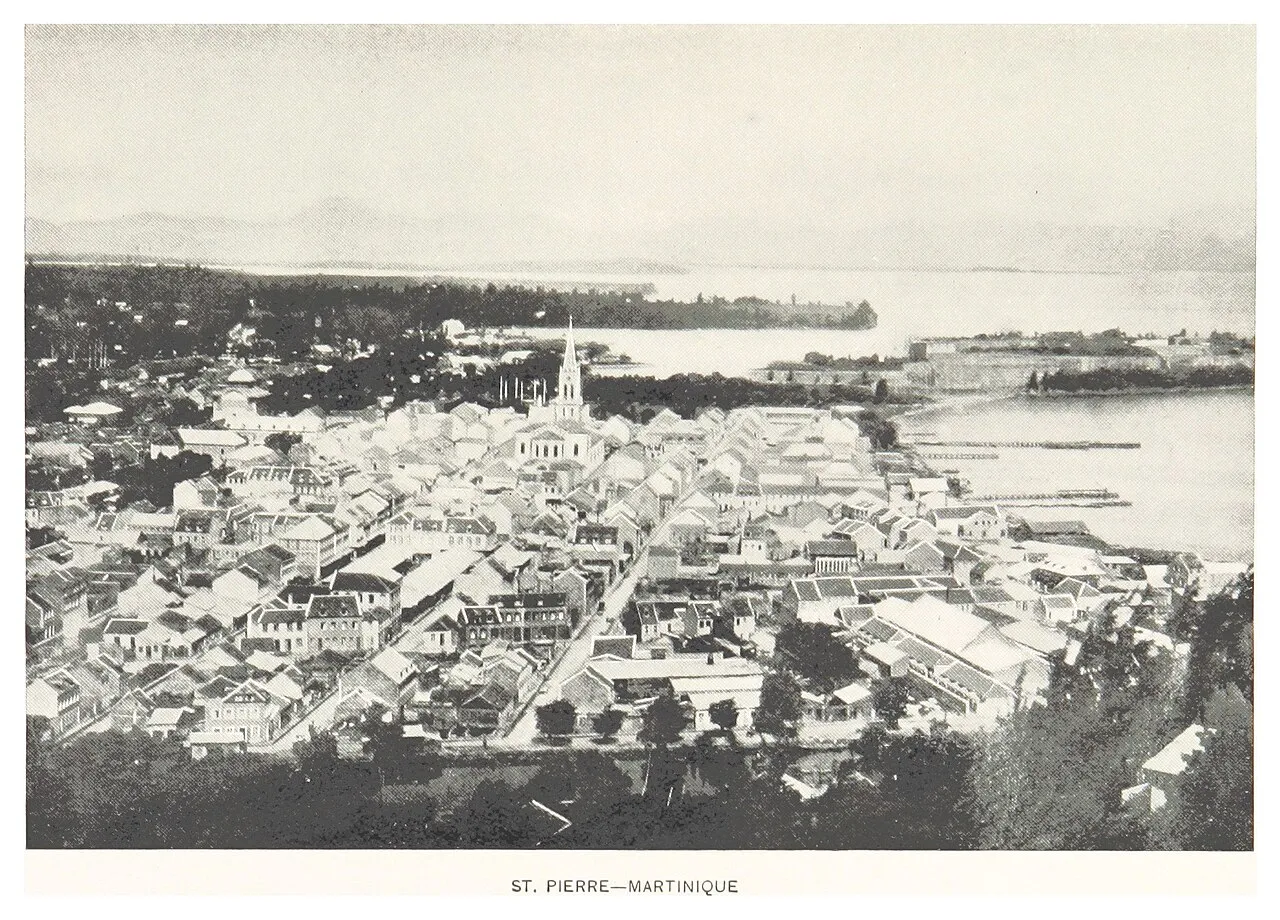
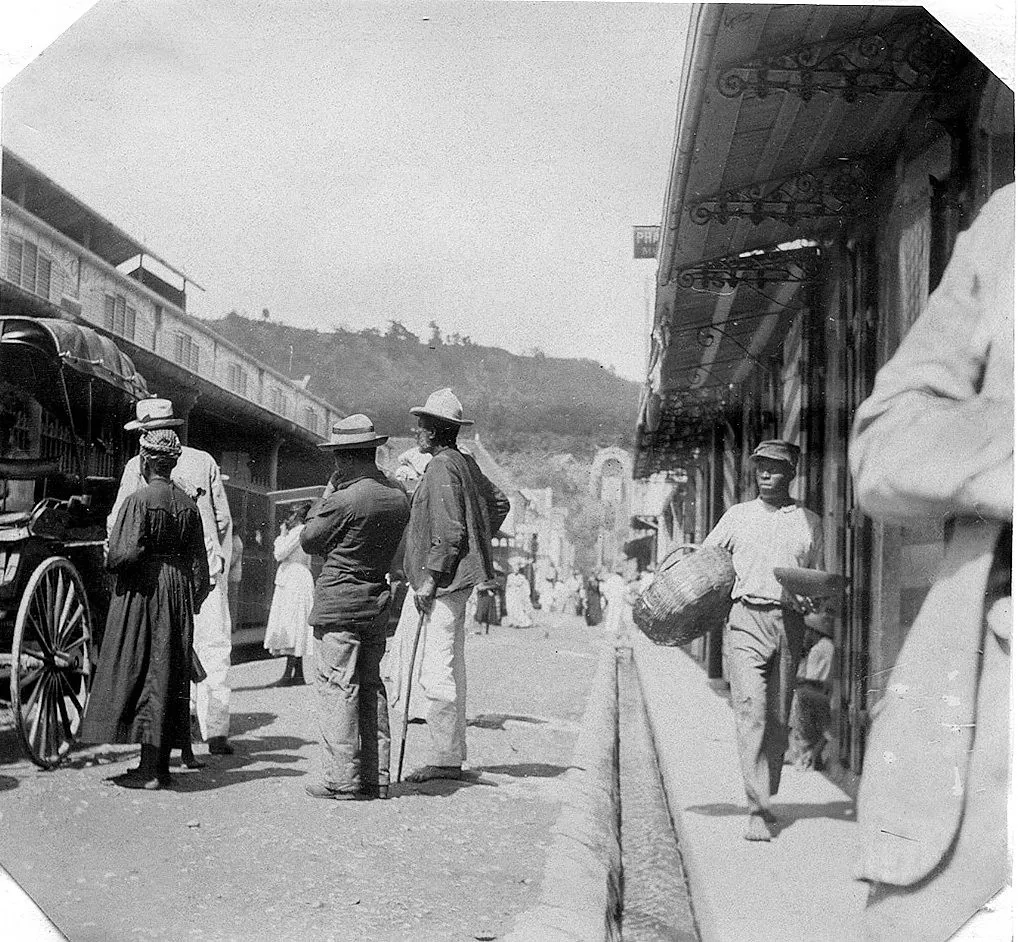
On my second visit, I made the pilgrimage north to Saint-Pierre — the "Pompeii of the Caribbean." Once called the "Paris of the Caribbean," it was the island's glittering cultural and commercial capital, with theaters, newspapers, and a population of 30,000 who considered Fort-Royal (now Fort-de-France) their provincial backup. Everything changed on May 8, 1902, when Mount Pelée erupted. In less than two minutes, a pyroclastic flow of superheated gas and volcanic debris swept through the city, killing virtually everyone. Only two people in the entire city survived — one a prisoner in a deep underground cell.
The Depaz distillery sits in the shadow of Mount Pelée, on land where the Depaz family plantation once thrived before the eruption claimed the family patriarch and most of the workers. The rebuilt distillery now produces some of Martinique's finest rhum agricole, and the tour through the aging cellars — where the musty scent of oak barrels fills your lungs — connects directly to that tragic history. The tasting at the end ($10) includes their aged rums, and the complexity of flavors told the story of centuries of French distilling tradition adapted to Caribbean terroir.
Fort-de-France itself rewards exploration on foot. The Schoelcher Library, a stunning iron-and-glass structure originally built for the 1889 Paris Exposition and shipped piece by piece to Martinique, houses collections dedicated to Victor Schoelcher, who led the fight to abolish slavery in French territories. La Savane park provides a green respite from the tropical heat, with vendors selling local treats and musicians playing zouk. I wandered through the covered market, sampling boudin créole (blood sausage with island spices) and buying vanilla pods that cost a fraction of what they'd run back home.
Looking back on my visits to Martinique, I realize this island taught me something about identity. France, although thousands of miles away, is present in every croissant, every euro, every tricolor flag waving over government buildings. Caribbean soul, however, runs just as deep — in the rhythms of zouk and biguine, in the spice of the cuisine, in the warmth of Creole conversation. Martinique doesn't choose between these identities; it holds them both, creating something unique that belongs only to these volcanic shores. The pain au chocolat really does rival Paris, yet the accras and ti'punch are purely Caribbean. In a world that often demands either/or, Martinique insists on both/and.
Weather & Best Time to Visit
The Cruise Port
Ships dock at Pointe Simon pier in Fort-de-France, Martinique's vibrant capital (population approximately 80,000). The terminal sits just a five-minute walk from the city center — step off the gangway and you're immediately in the heart of French Caribbean life. The terminal area offers basic amenities including tourist information, currency exchange (you'll need euros), and restrooms. Wheelchair users will find the terminal accessible, with ramps and elevators where needed. The waterfront promenade connects to La Savane park and the downtown shopping district. Taxi stands are just outside the terminal, and the main covered market is within walking distance. This is France — credit cards work everywhere, signage is in French, and the infrastructure is excellent.
Getting Around
- Taxis: Licensed taxis wait at Pointe Simon pier. Fares are metered and government-regulated. Les Salines beach costs €60-80 one-way (45 minutes). Saint-Pierre is €40-50 one-way (30 minutes). Sharing a taxi with other cruise passengers dramatically reduces costs — the terminal coordinator can help arrange groups.
- Ship Excursions: Ship-organized tours ($80-200) offer convenience and English-speaking guides. Popular combinations include Saint-Pierre history plus Depaz distillery, or Les Salines beach plus rum tasting. Book in advance for peak season.
- Rental Cars: Available at the port for those comfortable driving in France. Driving is on the right (European style). Roads are well-maintained, although mountainous and winding. A French or international driver's license is required. Half-day rentals start around €40.
- Walking: Fort-de-France is compact and walkable. La Savane park, the Schoelcher Library, the covered market, and the waterfront are all within 15 minutes of the pier. Comfortable shoes recommended for cobblestone areas.
- Buses: Local buses (Texaco) serve island destinations but run on Caribbean time. Better for adventurous travelers than those on tight cruise schedules. Fares are €2-4 depending on distance.
For most cruise visitors, a combination of walking downtown and shared taxis to beaches or Saint-Pierre offers the best value. Book ship excursions for the distillery tours to ensure transportation logistics work with port timing.
Martinique Area Map
Interactive map showing cruise terminal and Martinique attractions. Click any marker for details.
Excursions & Things to Do
Booking tip: Reserve distillery tours through the ship for reliable transportation. Share taxis to beaches with other cruise passengers. Book ahead for Saint-Pierre guided tours during peak season.
Les Salines Beach
Martinique's most beautiful beach — a crescent of white sand lined with swaying coconut palms on the island's southern tip. Calm, shallow turquoise water well suited for swimming and floating. Low energy. Beach vendors sell fresh coconuts ($5), local snacks, and chair rentals ($10). 45-minute taxi from port (€60-80 one-way, share with others to split costs). Independent travelers can easily arrange taxis at the pier. Wheelchair access limited to packed sand near parking area. The taste of fresh coconut water straight from the shell is unforgettable.
Saint-Pierre Ruins
The "Pompeii of the Caribbean" — once the island's glittering cultural capital until Mount Pelée's 1902 eruption killed 28,000 people in ninety seconds. Now France's 101st "City of Art and History." Explore the theater ruins, old prison cell where one survivor sheltered, and the volcano museum with its haunting artifacts. Moderate energy. Museum entry €5. 30-minute taxi from port (€40-50). Wheelchair accessible in most areas. Combine with Depaz distillery for a full day excursion.
Depaz Distillery
Rhum agricole distillery in the shadow of Mount Pelée, rebuilt after the 1902 eruption destroyed the original plantation. Tour the production facilities and aging cellars, then taste their range of aged rums from white to XO. The musty scent of oak barrels and the complex flavors of aged agricole are remarkable. Entry €10 including tasting. Low to moderate energy. 35-minute taxi from port. Often combined with Saint-Pierre tours. Book ahead through your cruise ship's shore excursion desk for English-speaking guides.
Anse Dufour
Small beach village famous for sea turtle sightings in crystal-clear Caribbean waters. Calm, clear water excellent for snorkeling (turtles regularly spotted feeding on seagrass). Less crowded than Les Salines with a more authentic local feel. Low energy. 20-minute taxi from port. Snorkel gear rental available on beach ($10). Fresh fish lunch at beachside restaurants ($15-25). Great option for those wanting wildlife encounters over beach lounging.
Fort-de-France Walking Tour
Explore the French Caribbean capital on foot. Key stops include the Schoelcher Library (stunning iron-and-glass 1889 structure shipped from Paris), La Savane park, the covered market (boudin créole, spices, vanilla), and Saint-Louis Cathedral. Low energy. Free self-guided or €20-40 for guided tours that you can reserve through local operators. Great for those wanting to experience everyday Martinican life and local culture. Combine with a café stop for croissants and pain au chocolat.
Depth Soundings Ashore
Practical tips before you step off the ship.
Currency is Euro: Martinique is literally France — part of the European Union, using the euro. Credit cards work everywhere. ATMs dispense euros. US dollars are generally not accepted. Plan accordingly.
Language: French is the official language, Antillean Creole widely spoken among locals. Most tourism workers speak some English, but learning a few French phrases (bonjour, merci, s'il vous plaît) will be appreciated and sometimes necessary.
Rhum Agricole: Unlike industrial rum made from molasses, Martinique's AOC-protected rhum agricole is distilled directly from fresh sugarcane juice. The flavor is grassy and complex — try a ti'punch (rum, lime, cane syrup) to experience the difference.
French Standards: Expect French infrastructure — excellent roads, reliable services, and European pricing (which means higher than most Caribbean islands). The quality matches the cost.
Saint-Pierre Safety: Mount Pelée is constantly monitored by volcanologists. Saint-Pierre is completely safe to visit — the volcano has not erupted since 1932, and early warning systems are in place.
Martinique Photo Gallery
Frequently Asked Questions
Q: What's the best time of year to visit Martinique?
A: The seasonal panel above flags "Sep, Oct" in the avoidance note for "hurricane risk." Specific temperature ranges are not detailed in the glance values on this page — the Temperature entry reads "Varies by season — check forecast." Use the live weather widget in the seasonal panel for current conditions.
Q: Does Martinique have a hurricane or storm season?
A: The avoidance note in the Best Time block flags "Sep, Oct" for "hurricane risk." Specific Atlantic-basin dates and storm history are not detailed on this page; for current tropical-system status, use the live weather widget in the seasonal panel above.
Q: What should I pack for Martinique's weather?
A: The Packing Tips section in the seasonal panel above lists "Sunscreen and sunglasses — essential year-round"; "Light layers for variable temperatures"; "Comfortable walking shoes for exploring"; "Rain jacket or compact umbrella." Specific Martinique temperature ranges are not detailed on this page — the glance Temperature entry reads "Varies by season — check forecast."
Q: Will rain ruin my port day?
A: The seasonal panel does not give Martinique-specific rainfall data — the Rain entry reads "Seasonal variation — check forecast." The avoidance note flags "Sep, Oct" for "hurricane risk." For short-term forecasts on a specific sailing date, the live weather widget in the seasonal panel above is the primary source.
Q: Is it safe to drink the water in Martinique?
A: Yes. As a French overseas territory, Martinique has European-standard infrastructure. Tap water is safe to drink throughout the island, and food safety standards are the same as mainland France.