


Photo: Wikimedia Commons
My Logbook: The Pearl of the Pacific
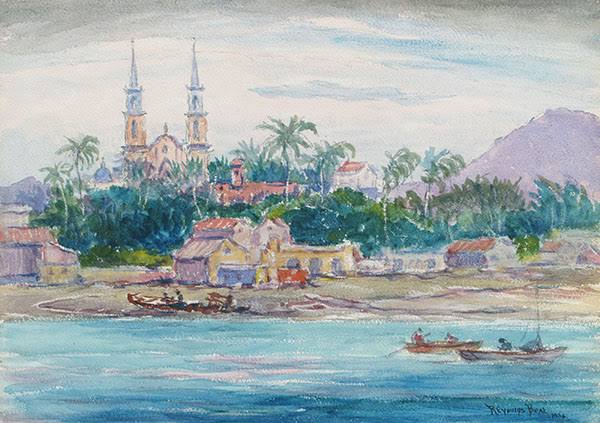
Mazatlan surprised me. I expected another generic Mexican beach resort, interchangeable with a dozen others on the Pacific coast. Instead, I found a port city with five centuries of stories etched into its cobblestones, a 13-mile malecon stretching along the oceanfront, and a historic center where buildings date back 500 years. The name itself comes from Nahuatl—"Place of the Deer"—though locals have long called it the "Pearl of the Pacific." After walking its streets and watching the sunset paint the colonial facades gold, I understood why that name has endured.
The Spanish claimed this coast in the 1530s, but it was German immigrants in the 1800s who developed the port into a commercial powerhouse. After Mexico's independence in 1821, Mazatlan briefly served as the capital of Sinaloa. That European influence lingers in the architecture—the opera houses, the plazas, the wrought-iron balconies—a layer of history most beach resorts simply don't possess. However, I found myself most captivated by how the city wears its history casually, continuing daily life among buildings that elsewhere would be roped off as museums.
The city's dual personality works entirely in your favor. Want all-inclusive resort vibes, beach clubs, and cerveza by the pool? The Golden Zone delivers exactly that experience. Want colonial architecture, serious Mexican cuisine, and cliff divers launching from 50-foot rocks? Centro Historico awaits with all of it. Most cruise passengers never leave the Golden Zone, which means the historic center rewards those who make the effort with uncrowded plazas and authentic encounters. I followed a distinctive blue cobblestone path from the port directly into Old Town—a welcoming one-mile walk that felt intentionally symbolic.
I found the cliff divers at El Mirador by following the sound of cheering tourists and crashing waves. Unlike Acapulco's famous performances, this felt intimate—just a handful of spectators watching young men launch themselves from 50-foot rocks into churning Pacific waters below. They waited for the waves to surge, timing their dives to avoid the rocks. When they climbed back up, dripping and grinning, they passed around a tip jar. These weren't professional performers—just incredibly brave locals earning money the hard way. I tipped generously; they earned every peso.
Though the Golden Zone offers familiar resort comforts, I spent most of my day in Centro Historico exploring the restored streets radiating from Plaza Machado. Cafes ring the square, the Teatro Angela Peralta sits grandly on one side, and surrounding streets are lined with galleries, restaurants, and converted colonial buildings painted in bright yellows, oranges, and blues. The Basilica of the Immaculate Conception dominates the skyline with its twin yellow towers, the interior vaulted ceilings and religious art dating from 1899. Despite centuries of earthquakes and hurricanes, these buildings endure.
I hiked to El Faro, the lighthouse atop Cerro del Creston, one of the highest natural lighthouses in the world at 157 meters above sea level. The 30-minute climb rewarded me with panoramic views of the city, the port where my ship waited, and the Pacific stretching to the horizon. Although the heat made me question the decision halfway up, the summit view eliminated any regrets. From there I could trace the entire malecon—13 miles of waterfront promenade, one of the longest continuous boardwalks in the world, connecting beaches and monuments and sculptures along the coast.
The malecon itself became my favorite walk. Families on bikes, joggers at dawn, couples at sunset, street vendors selling elotes and fresh coconut—this is where Mazatlan lives its daily life. Yet the boardwalk never felt crowded or overwhelming. I rented a pulmonia—one of those iconic open-air taxis unique to Mazatlan, part golf cart, part motorcycle, all character—and zipped along the waterfront with wind in my face and street sounds filling my ears. There's even a bronze statue of a pulmonia on the malecon, a tribute to these beloved vehicles that have carried locals and tourists for generations.
What I'll carry from Mazatlan is the memory of walking into that theater, the surprise of discovering genuine history in a port I'd underestimated, the tip jar passed by grinning cliff divers. This port rewards those who venture beyond the obvious. The Golden Zone will always be there for those who want it—but the Pearl of the Pacific reveals itself to those who take that blue cobblestone path into the heart of a city five centuries in the making.
Weather & Best Time to Visit
The Cruise Port
Ships dock at the commercial port facility near downtown, with a distinctive blue cobblestone path leading directly to Centro Historico—about one mile of pleasant walking through the port area. The terminal offers basic amenities: shops, restrooms, and tour operators. A free tram sometimes runs between the ship and the port exit, though walking is straightforward for most passengers. The path is wheelchair-accessible with smooth surfaces throughout.
The port location gives you genuine choices: walk the blue cobblestone path into Centro Historico, or catch taxis and pulmonias (open-air taxis unique to Mazatlan) to the Golden Zone beaches. Taxis queue at the port exit with drivers offering set rates. Settle on price before departing. The Golden Zone sits about 15-20 minutes north by taxi; the Centro Historico is immediately walkable from the terminal.
Getting Around
- Walking: Centro Historico is walkable from the port via a marked blue cobblestone path (about 1 mile). The malecon stretches 13 miles along the coast—excellent for walking sections. Paths are generally smooth and accessible, though some colonial streets have uneven surfaces.
- Pulmonias ($8-20): Mazatlan's iconic open-air taxis—part golf cart, part motorcycle—are a local institution. Negotiate fares before boarding: $8-10 to Centro Historico, $15-20 to Golden Zone. Wind and street sounds make them memorable transportation. There's even a statue honoring them on the malecon.
- Regular Taxis ($10-25): Standard enclosed taxis cluster at the port. Expect $10-15 to Centro Historico, $18-25 to Golden Zone beaches. Air-conditioned comfort for those preferring enclosed vehicles.
- Local Buses (10 pesos): Run frequently along major routes. "Centro" buses serve the historic district; "Zona Dorada" buses reach the Golden Zone. Ask drivers or locals for confirmation—routes assume local knowledge.
- Accessibility: The blue cobblestone path from port to Centro Historico is smooth and accessible for wheelchairs and mobility devices. Pulmonias cannot accommodate wheelchairs due to their open design; standard taxis can manage folding chairs with advance notice. Beach access varies significantly—Golden Zone beaches have some boardwalk access to the sand; confirm specific accessibility needs with tour operators before booking excursions.
Mazatlan Area Map
Interactive map showing cruise terminal, Centro Historico, Golden Zone, El Faro, and attractions. Click markers for details.
Top Excursions & Things to Do
Booking guidance: Ship excursions guarantee return to vessel but cost 40-60% more. For Centro Historico and cliff divers, independent exploration works perfectly—just walk the blue cobblestone path. For Golden Zone beach days and Stone Island, independent transport is easy and saves money. A ship excursion provides guaranteed return to vessel for Stone Island or longer trips; otherwise, El Faro and Centro Historico need no booking—just walk. Book ahead for brewery tours during peak season.
Centro Historico Walking Tour (free to $40)
ESSENTIAL for history lovers. Walk the blue cobblestone path from port into 500-year-old streets radiating from Plaza Machado. Explore the Teatro Angela Peralta (1874 opera house, often open for peek inside), Basilica of the Immaculate Conception, galleries, and restaurants. Self-guided is free; guided walking tours through ship run $35-45; local guides at the plaza offer similar tours for $20-30. The municipal market (Mercado Pino Suarez) sells fresh produce, seafood, and prepared foods at local prices—authentic rather than tourist-focused.
El Faro Lighthouse Hike ($10-45)
Climb to one of the world's highest natural lighthouses—157 meters above sea level atop Cerro del Creston. The 30-minute hike on paved paths rewards with panoramic views of city, port, and Pacific. Go early morning to avoid heat. Self-guided is free (taxi to base runs $8-10); ship excursions with guide run $40-50. Bring water, wear good shoes. Not accessible for wheelchairs due to climb.
Cliff Divers at El Mirador (free)
Watch local divers launch from 50-foot rocks into churning Pacific waters below. More intimate than Acapulco's famous divers—often just a handful of spectators. Performers time their dives to wave surges, avoiding rocks. No formal schedule; they perform when enough spectators gather. Located about a 10-minute walk from Centro Historico. Tips expected and deserved ($5-10 each diver)—these aren't professionals, just incredibly brave locals.
Golden Zone Beach Day ($15-60)
Mazatlan's tourist district features wide sandy beaches, high-rise hotels, beach bars, and all-inclusives. Playa Gaviotas is the main stretch—reasonable waves for bodyboarding, plenty of vendors, beach clubs with day passes ($30-60). Joe's Oyster Bar offers pools, loungers, and all-you-can-drink packages. Not authentic Mexico, but fun Mexico. Taxi from port runs $18-25. For relaxed alternative, take a panga boat ($8-10) to Stone Island (Isla de la Piedra)—less developed, local seafood shacks, horseback riding on the sand.
Pacifico Brewery Tour ($25-40)
Tour the brewery producing Mazatlan's famous export beer. Learn the brewing process, see production facilities, sample fresh Pacifico straight from the source. Ship excursions run $35-45; arrange independently through the brewery for $25-30. Includes tastings and usually a souvenir glass. Book in advance during peak season.
Malecon Walk/Bike (free to $15)
Stroll or bike the 13-mile waterfront promenade—one of the world's longest continuous boardwalks. Sculptures, monuments, public art, ocean views, street vendors selling elotes and fresh coconut. Rent bikes near the port or Golden Zone ($10-15/day). Excellent for morning jogs, sunset walks, or pulmonia rides covering more ground. Connects beaches, cliffs, and historic areas along the coast.
Depth Soundings
Practical details and honest assessments for planning your Mazatlan day.
- Two distinct zones: Centro Historico (walkable from port) and Golden Zone (15-20 minute taxi ride north) offer completely different experiences. Don't try to deeply explore both in one port day—choose one focus or accept surface-level visits to each. I recommend Centro Historico for its uniqueness.
- El Faro timing: The lighthouse hike takes 30+ minutes uphill in tropical heat. Go early morning or late afternoon; midday sun makes this miserable. Bring more water than you think you need. The views justify the effort, but only if you're physically prepared.
- Currency advantage: Pesos deliver better value than dollars throughout Mazatlan. ATMs near Plaza Machado dispense pesos at standard rates. Market vendors and small restaurants often prefer or require pesos. That fish taco costs 35 pesos or "$3"—the peso price rarely changes.
- Cliff diver tips: These performers earn their living through tips. Budget $5-10 per diver—they've earned it. The performance isn't scheduled; they dive when enough spectators gather. Don't leave without contributing.
- Accessibility considerations: The blue cobblestone path is smooth and accessible. Centro Historico has some uneven colonial streets. Pulmonias can't accommodate wheelchairs. Beach access varies—confirm specific needs with tour operators before booking.
- Safety in context: Tourist areas—Centro Historico, Golden Zone, malecon—maintain visible security and generally welcome visitors safely. Use standard precautions. Mazatlan has invested significantly in maintaining safe tourism zones.
Photo Gallery

Frequently Asked Questions
How do I get from the cruise port to the Golden Zone?
Taxis and pulmonias (open-air taxis unique to Mazatlan) wait at the port exit. The Golden Zone is about 15-20 minutes north; expect to pay $18-25 by taxi or $15-20 by pulmonia. Negotiate the fare before getting in. Pulmonias are part of local culture—there's even a statue honoring them on the malecon.
Can I walk to the historic center from the cruise port?
Yes—a distinctive blue cobblestone path leads directly from the port to Centro Historico, about one mile of pleasant walking. The path is smooth and accessible. This is the easiest way to reach the historic district and costs nothing.
Is Mazatlan safe for tourists?
The tourist areas—Centro Historico, Golden Zone, malecon—are generally safe with visible security. Use standard precautions: watch belongings, use registered taxis, stay in populated areas. Mazatlan has worked hard to maintain safe tourism zones.
Is the lighthouse hike difficult?
Moderate—about 30 minutes uphill on paved paths to reach El Faro at 157 meters elevation. Wear good shoes, bring water, and start early to avoid midday heat. The panoramic views from the summit are worth the effort. Not accessible for wheelchairs.
What's the best food to try in Mazatlan?
Seafood dominates—aguachile, ceviche, whole fried fish prepared coastal Sinaloa style. Mazatlan is also known for carnitas (slow-cooked pork) and smoked marlin tacos. Skip tourist chains; eat at restaurants around Plaza Machado or the municipal market where locals shop. Expect to pay $8-15 for excellent meals.
Last reviewed: February 2026
Q: What's the best time of year to visit Mazatlán?
A: Cruise season runs November through April — the dry season with lower humidity (58-91°F tropical Pacific coast). September is the month to avoid. Carnival in Mazatlán is one of Mexico's largest.
Q: Does Mazatlán have extreme weather to worry about?
A: Humidity is low in the dry season but very high in the wet season (June through October). Winds are light to moderate. The wet-season rain can be intense.
Q: What should I pack for Mazatlán's weather?
A: Light beach clothing. Sunscreen and hat. Rain gear for summer. Comfortable walking shoes. Light layers for winter mornings.
Q: Will rain ruin my port day in Mazatlán?
A: Dry November through May; very wet June through October. Cruise season concentrates in the drier November–April window.
Q: Does Mazatlán have a hurricane or storm season?
A: Yes — East Pacific hurricane season runs May 15 through November 30, with peak risk in August, September, and October. September is the month to avoid.