
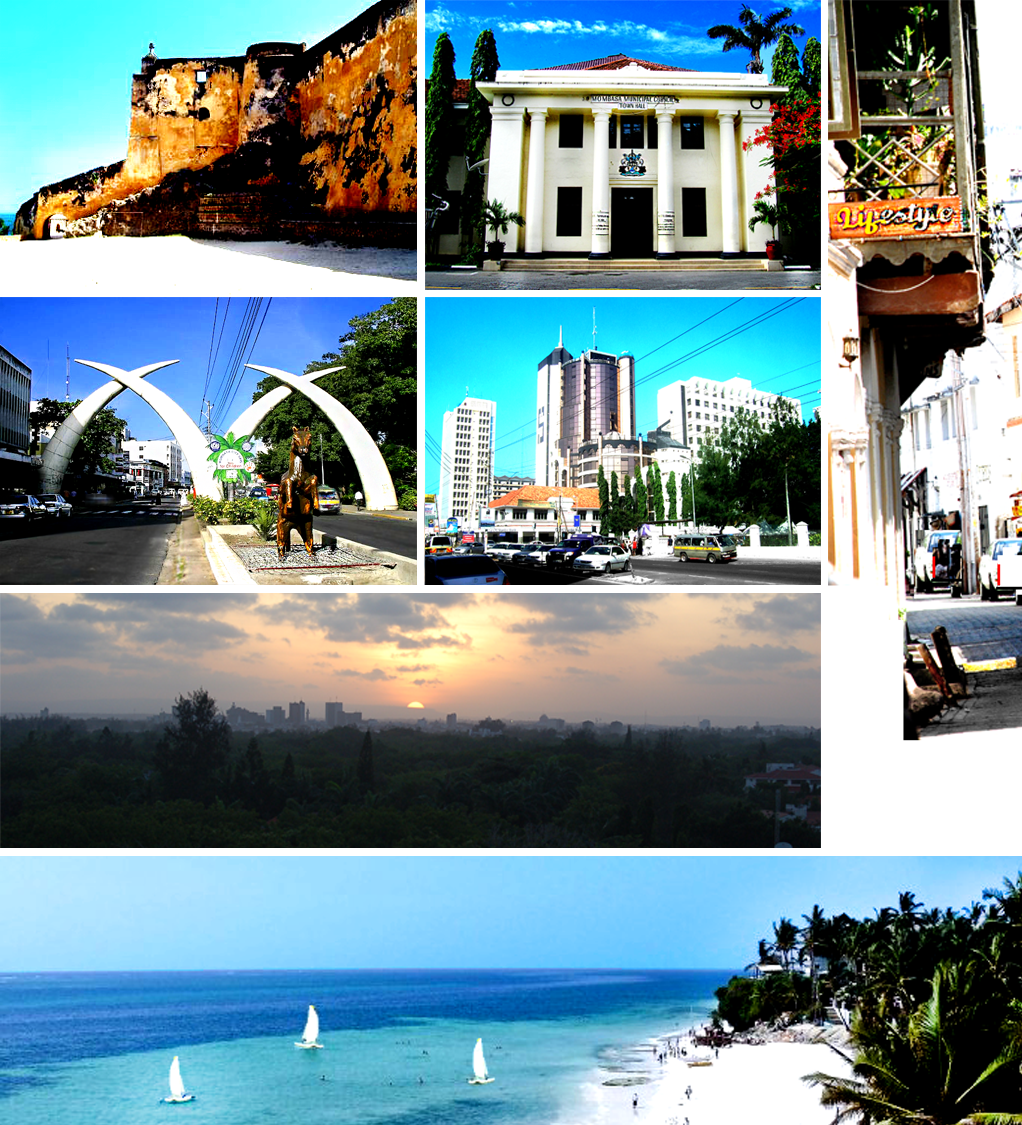
Photo: Wikimedia Commons (CC BY-SA)
Captain's Logbook
Port Call: Mombasa, Kenya
The warm breath of the Indian Ocean reached us long before I could see the port. There's something about the East African coast that awakens the senses—a blend of salt air, spice, and the promise of wild places just beyond the shore. As our ship glided past Fort Jesus into Kilindini Harbour, I felt that familiar quickening of the pulse that comes when approaching a port that straddles worlds.
Mombasa is Kenya's gateway to the sea, a place where centuries of Swahili culture meet the call of distant savannahs. The city sprawls across Mombasa Island and the surrounding mainland, connected by causeways and ferries, a living testament to the traders, explorers, and settlers who have shaped this coast for millennia. I've come to see it as a threshold—between land and sea, between the urban and the wild, between the heritage of old trading routes and the vibrant energy of modern Kenya.
The Moment That Stays With Me:
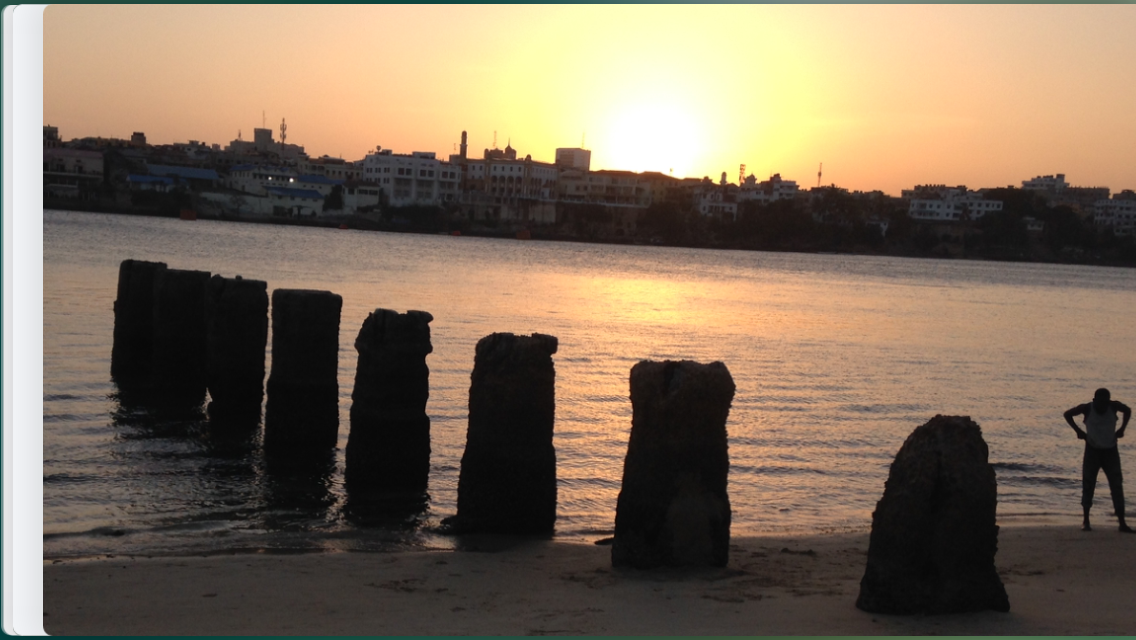
Walking through the narrow corridors of Fort Jesus at sunset, I stood on the Portuguese ramparts overlooking the Old Harbour. Below, traditional dhow boats swayed gently at anchor, their lateen sails furled—the same design that has carried merchants across these waters for centuries. The evening call to prayer drifted from a nearby mosque, mingling with the cries of seabirds wheeling overhead. In that moment, I understood that Mombasa isn't just a port city—it's a crossroads of civilizations, where Africa, Arabia, India, and Europe have woven their stories into the coastal wind. The stones beneath my feet had witnessed empires rise and fall, yet the dhows still sailed, and the tide still turned. Some truths, it seems, run deeper than history.
The Old Town remains the soul of Mombasa. I wandered through its maze of narrow streets, past buildings that lean slightly with age, their balconies carved with intricate woodwork. The famous Mombasa doors—massive teak entrances adorned with Arabic inscriptions and brass studs—stand as guardians of family histories spanning generations. Each door tells a story of wealth, faith, and craftsmanship. The air here smells of cardamom and cloves, wafting from spice shops that have occupied the same corners for decades.
I stopped at a tiny café wedged between two coral-stone buildings and ordered Swahili coffee — thick, sweet, spiced with cardamom. The owner, a man named Hassan with prayer beads looped around his wrist, told me his family had served coffee from this corner for four generations. "My great-grandfather sold it to the dhow captains," he said. The cup cost 50 shillings. The conversation was free. That is the rhythm of Old Town: commerce and hospitality, woven so tightly you cannot separate them.
But Mombasa also beckons with the wild. Just a few hours inland lies Tsavo, one of Africa's largest national parks, where red elephants dust-bathe against a backdrop of baobabs. I've watched passengers return from safari excursions with that particular glaze of wonder that comes from encountering lions in their kingdom, not a zoo. It's a long day trip, to be sure, but some experiences justify the early wake-up call and the hours on dusty roads.
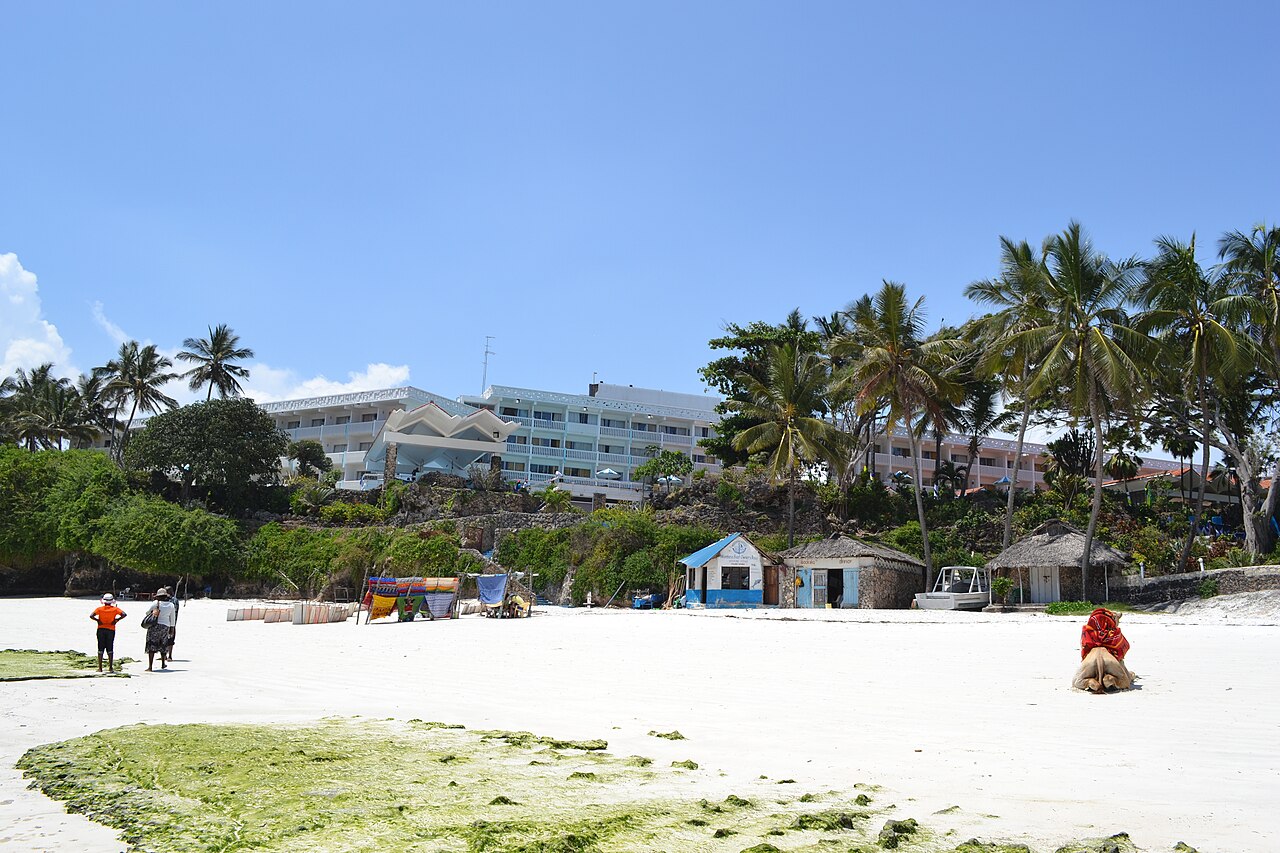
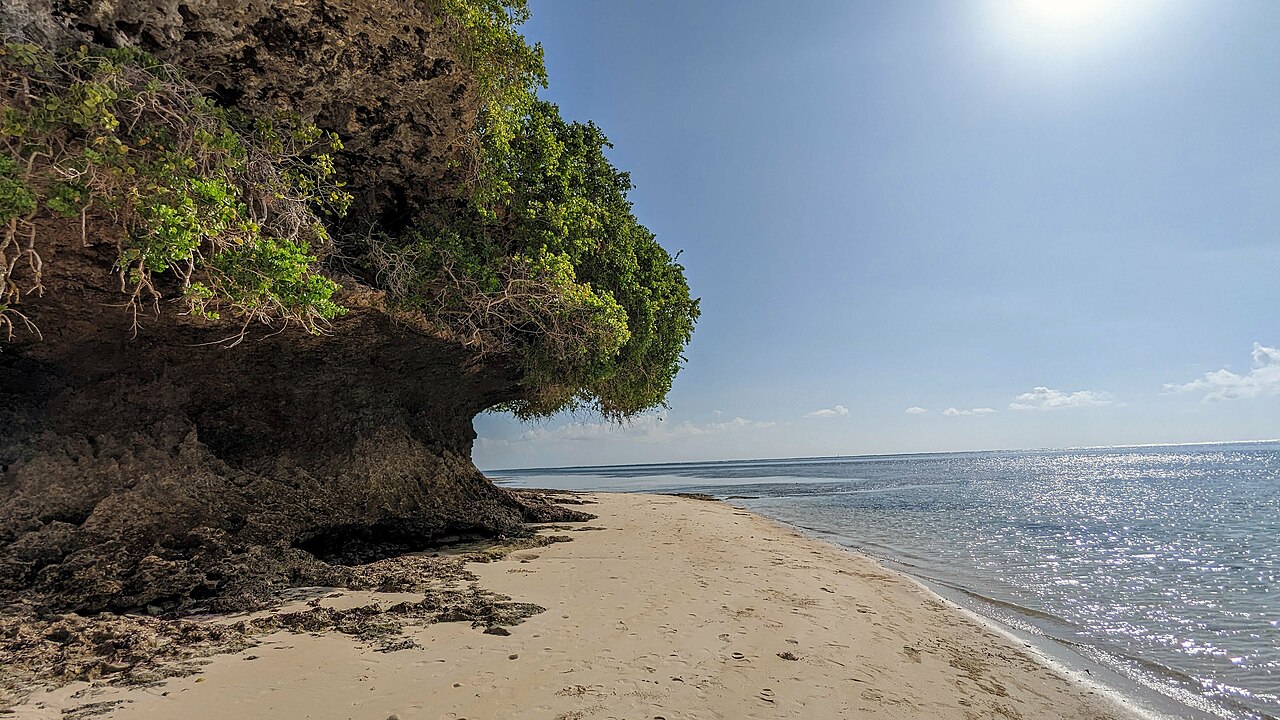
The beaches south of Mombasa—particularly Diani—stretch like ribbons of powdered sugar beneath coconut palms. The water is that impossible turquoise you don't quite believe until you're standing in it. I've found these shores offer a different kind of restoration: the simple rhythm of waves, the shade of a makuti palm-frond shelter, the taste of fresh coconut water still cool from the shell. Beach cabana rentals run about $10-15 USD for the day, and fresh grilled fish with ugali costs $8-12 at the local beach restaurants.
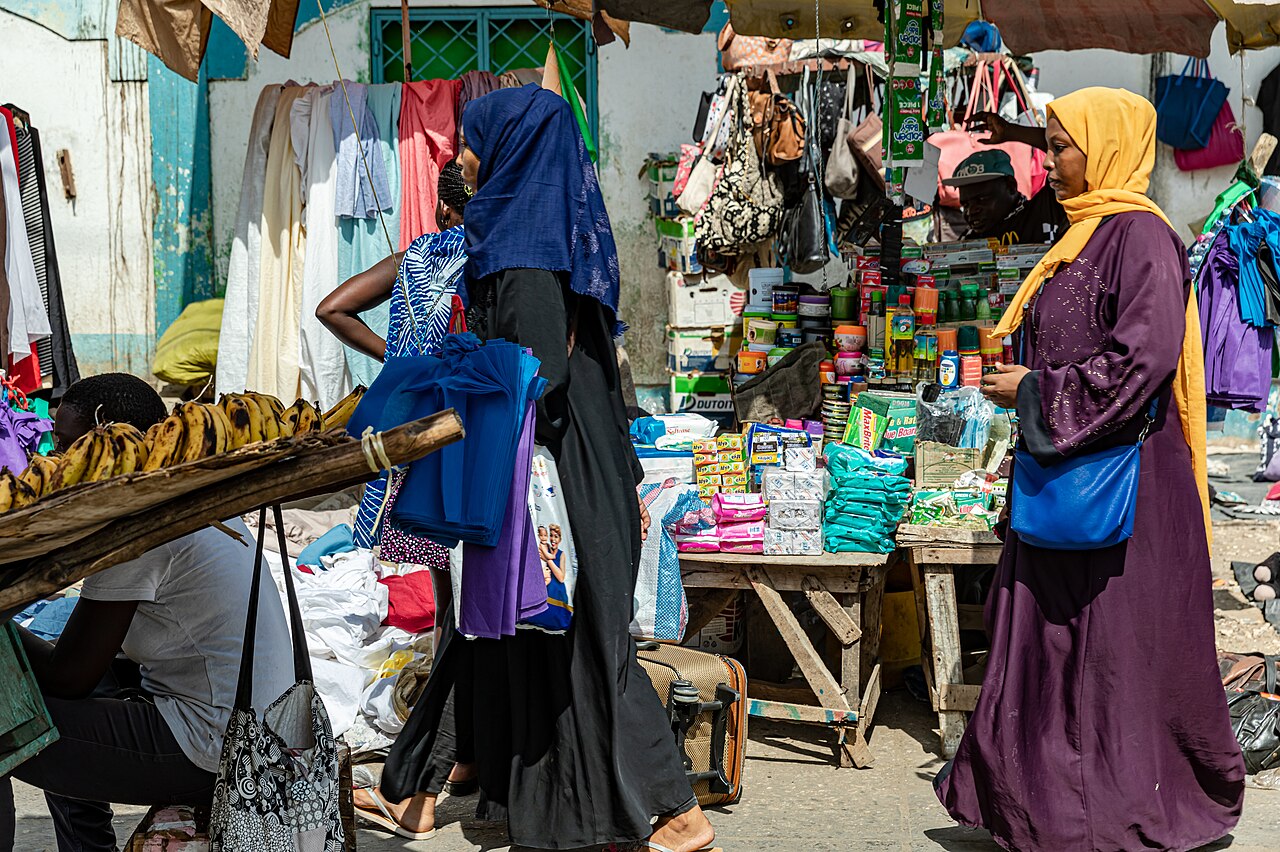
The practical traveler should budget for taxis (around $20-30 USD to Old Town and back), entrance fees at Fort Jesus ($12 USD for adults), and tips for guides. A full-day safari to Tsavo runs $200-300 per person including lunch and park fees. Book ahead through licensed operators — the Tsavo Trust and reputable companies coordinate with ship departure times. The city market offers carved soapstone souvenirs ($5-15) and kitenge fabric (from $3 per yard) for those seeking authentic East African crafts.
Looking back, Mombasa taught me that some ports cannot be rushed. This is a city that rewards the patient explorer — those willing to pause at a spice merchant's stall, to trace their fingers along the worn brass of a centuries-old door, to sit with a cup of Swahili coffee and watch the dhows set sail. My eyes filled with unexpected tears as I watched the sunset from Fort Jesus, realizing I was standing where Portuguese navigators, Omani sultans, and British colonizers had all stood before. My heart swelled with gratitude for this crossroads of humanity, where the trade winds have carried dreams and dhows for a thousand years. The port of Mombasa reminds us that every journey is a continuation of journeys that came before.
Weather & Best Time to Visit
The Cruise Port
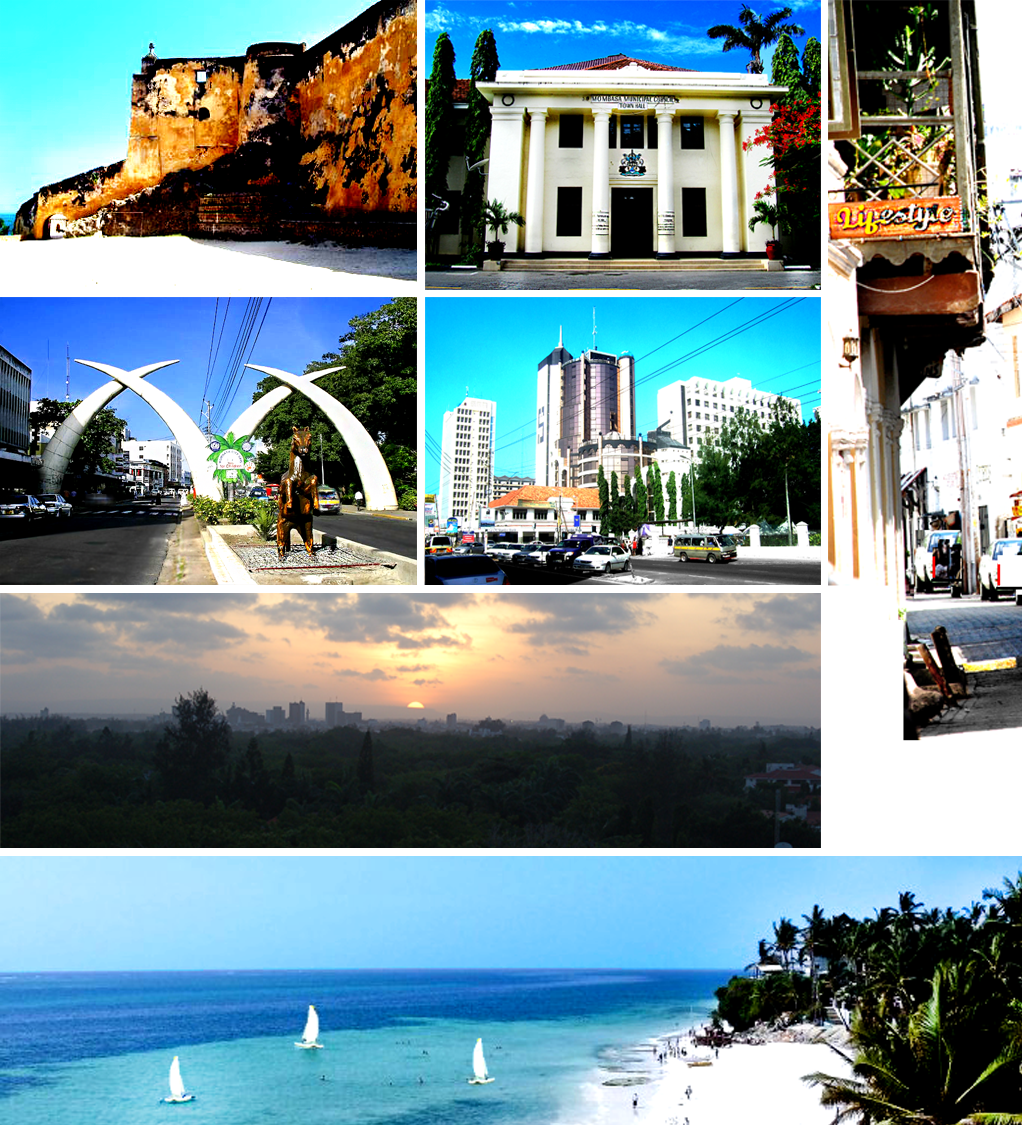
Arrival
Docking Location: Kilindini Harbour, Mombasa Port, on the western side of Mombasa Island.
Distance to City: Old Town and Fort Jesus are about 15-20 minutes by taxi from the port terminal.
Tender or Dock: Ships dock at the port. No tendering required.
Port Facilities
Basic terminal facilities with ATMs and a few shops. Most cruise visitors arrange transportation through ship excursions or hire taxis at the port gate.
Wi-Fi is available at cafes and restaurants in the city center but less reliable than in Western ports.
First-Timer Tips
- Carry small bills in Kenyan Shillings or US dollars for markets and taxis
- Dress modestly when visiting Old Town (shoulders and knees covered)
- Confirm return times with drivers—traffic can be unpredictable
- Book safari excursions through reputable operators familiar with ship schedules
- Stay hydrated and use sunscreen—the equatorial sun is intense
Language & Currency
Languages: English and Swahili are both official languages. English is widely spoken in tourist areas.
Currency: Kenyan Shilling (KES). US dollars widely accepted. ATMs available in the city.
Useful Swahili: Jambo (Hello), Asante (Thank you), Karibu (Welcome), Hakuna matata (No problem)
Getting Around
Licensed Taxis
Available at the port gate. Agree on fares before departure (typical rate to Old Town: 1,000-1,500 KES or $8-12 USD). Ask the driver to wait if you want a round-trip arrangement. Ensure they understand your ship departure time.
Tuk-Tuks (Three-Wheelers)
A fun and economical way to navigate the city for shorter distances. Fares are negotiable but typically lower than taxis. Great for Old Town exploration. Less suitable for longer trips to Diani or Tsavo.
Shore Excursions
Recommended for safari trips to Tsavo and coastal excursions to Diani. The ship guarantees your return and handles logistics. Private tours can be arranged through reputable operators, but ensure they have experience with cruise schedules.
Walking
Old Town is best explored on foot once you arrive. The narrow streets weren't designed for vehicles anyway. Fort Jesus and nearby attractions are walkable from each other. Stay aware of your surroundings and keep valuables secure.
Important: Always carry your ship's port agent contact information. Traffic between the port and city can be heavy, especially during rush hours. Plan extra time for returns to the ship. Wheelchair users and those with limited mobility should note that Old Town streets are uneven cobblestone; the port terminal itself is accessible.
Port Map
Interactive map showing Mombasa Port, Old Town, Fort Jesus, and key attractions. Click markers for details.
Excursions
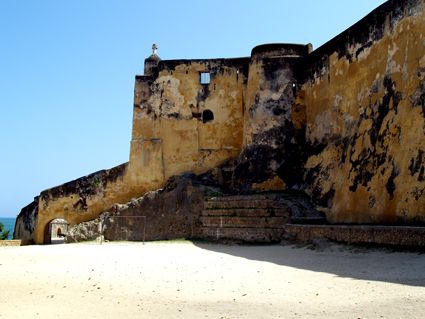
1. Fort Jesus - UNESCO World Heritage Site
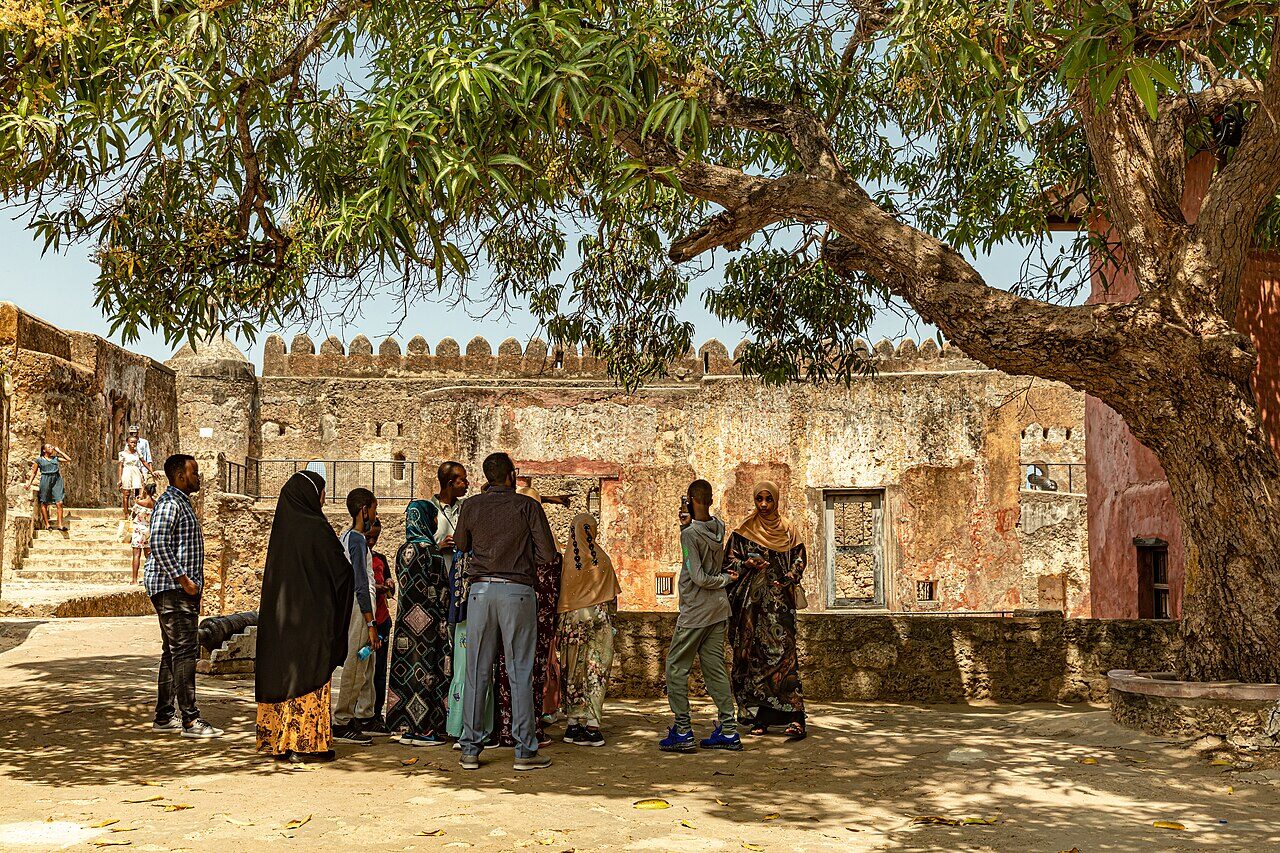
This Portuguese fortress, built in 1593, is a well-preserved example of 16th-century Portuguese military architecture. I walked the thick coral-stone walls, explored the museum displays of Swahili and Portuguese artifacts, and stood in the very chambers where sieges were endured and empires contested. The Omani House within the fort complex offers a glimpse into later Arab rule. The view from the ramparts over the Old Harbour is worth the visit alone. Allow 1.5-2 hours to properly explore this piece of living history.
2. Old Town Walking Tour
The labyrinthine streets of Mombasa's Old Town are best explored on foot with a knowledgeable guide. I wandered past centuries-old buildings with ornate balconies, peeked into spice markets fragrant with cinnamon and cardamom, and learned to identify the intricate symbolism carved into the famous Mombasa doors. Each massive teak entrance tells a story—the number of brass studs, the patterns, the inscriptions. This is Swahili culture distilled: a beautiful fusion of African, Arab, and Indian influences that has evolved over centuries of Indian Ocean trade.
3. Tsavo East National Park Safari
If you have time for a full-day excursion and the wild calls to you, Tsavo East is accessible from Mombasa. The drive takes 2-3 hours each way, but the reward is experiencing one of Kenya's legendary safari destinations. The famous red elephants (they dust-bathe in the area's ochre soil), lions, giraffes, zebras, and countless bird species roam this vast wilderness. I watched a herd of elephants gather at a waterhole as the sun climbed higher, their trunks swaying in ancient rhythm. Book only with operators who guarantee timely return to the ship—this is not a day to freelance your schedule.
4. Diani Coastline
About an hour south of Mombasa, Diani stretches for kilometers along the coast, its white sand fringed with coconut palms and casuarina trees. The water glows in shades of turquoise and emerald, warm and inviting. I've spent hours here simply walking the shoreline, watching dhows sail past on the horizon, and listening to the rustle of palm fronds overhead. Resorts and clubs line portions of the coast, offering loungers, fresh seafood, and water sports. Some visitors snorkel the coral reefs just offshore. It's an easy half-day escape from the bustle of the city.
5. Haller Park Nature Sanctuary
This unexpected oasis on the edge of Mombasa transforms an old quarry into a thriving nature sanctuary. I hand-fed giraffes, watched hippos lounge in their pool, and walked forest trails alive with butterflies and birdlife. The park also hosts tortoises, buffaloes, and a variety of antelope species. It's particularly wonderful for families or those who want a taste of Kenya's wildlife without the long drive to Tsavo. The crocodile feeding demonstrations are both fascinating and slightly terrifying. Allow 2-3 hours for a leisurely visit.
6. Mombasa Tusks and City Center
The iconic aluminum tusks that arch over Moi Avenue have become Mombasa's unofficial symbol. Built in 1952 to commemorate Queen Elizabeth's visit, they frame the bustling heart of the modern city. Nearby, the spice stalls offer sensory overload in the best way—pyramids of colorful spices, vendors calling out their wares, the mingled scents of curry leaves, cinnamon, and dried fish. I bargained for small packets of cardamom and Swahili spice blends to carry home. The energy here is infectious, a reminder that Mombasa has been a trading hub for centuries and shows no signs of slowing.
Booking guidance: Compare your ship excursion options with independent operators before deciding. A ship excursion guarantees a guaranteed return to the ship but costs more; independent tours offer flexibility and lower prices. For the Tsavo safari, book ahead through the ship or a vetted operator — the distance makes punctual return critical. Reserve popular tours in advance through your cruise line's excursion desk or directly with licensed local guides.
Local Food & Drink
Mombasa's cuisine reflects its position at the crossroads of Africa, Arabia, and India. The flavors here are bold, layered with spices that tell the story of ancient trade routes.
Local Dishes
- Swahili Biryani: Fragrant rice dish with spiced meat (goat, chicken, or beef), influenced by Indian cuisine but distinctly coastal in character. Flavored with cardamom, cloves, and cinnamon.
- Coconut Fish Curry: Fresh catch of the day simmered in rich coconut milk with tomatoes, chilies, and coastal spices. Often served with ugali (maize meal) or chapati.
- Mishkaki: Marinated meat skewers grilled over charcoal, popular street food. The marinade typically includes ginger, garlic, and lime.
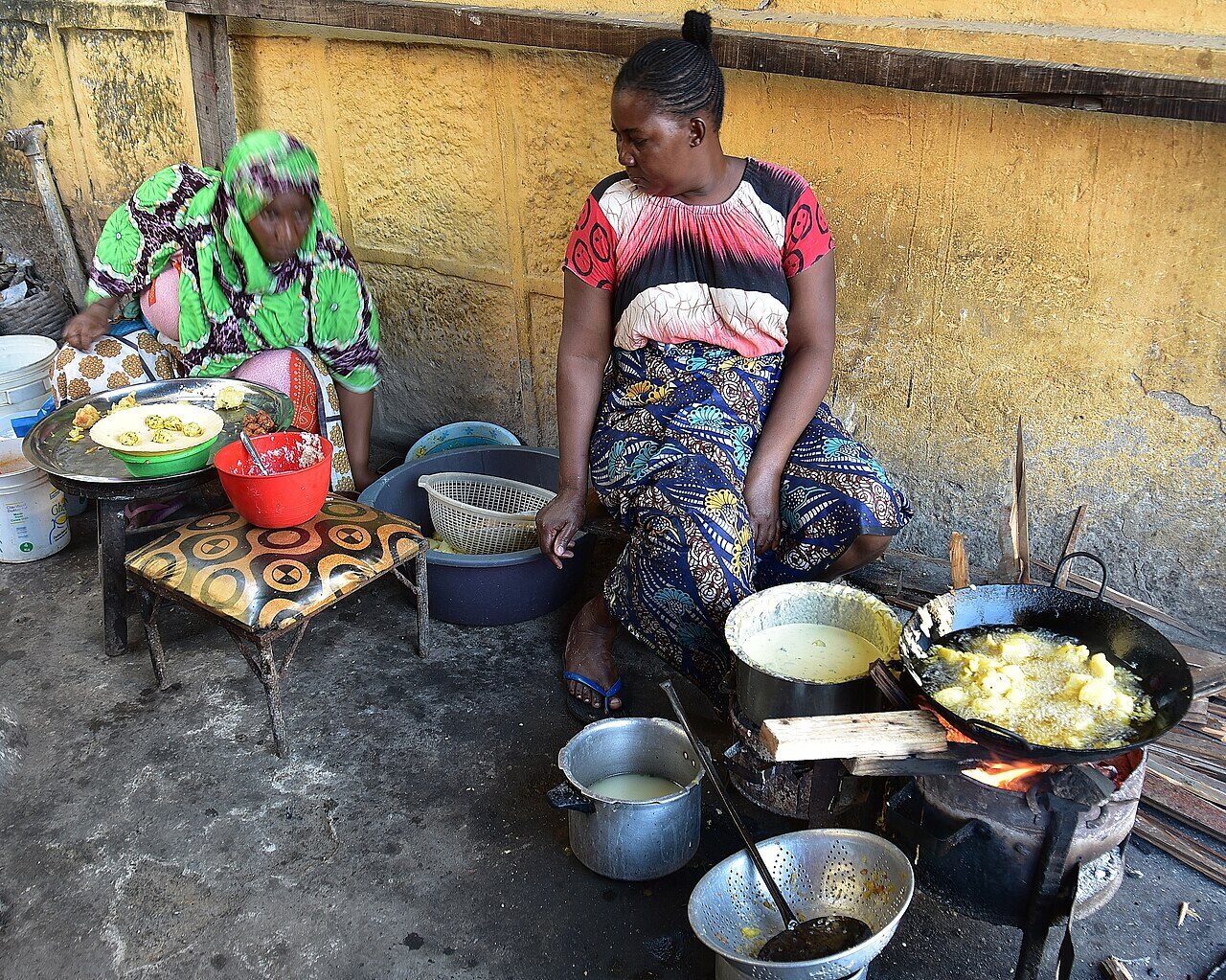
- Urojo (Soup): A tangy Zanzibari soup popular in Mombasa, made with coconut milk, cassava, and various spices. Served with bhajia (potato fritters).
- Mkate wa Kumimina: Soft coconut bread, often enjoyed with chai (spiced tea) or as breakfast.
Drinks
- Dawa: A honey-lime-vodka cocktail, the name means "medicine" in Swahili.
- Fresh Coconut Water: Served straight from the shell, impossibly refreshing in the coastal heat.
- Spiced Chai: Swahili tea brewed with milk, ginger, cardamom, and cinnamon.
- Tusker Beer: Kenya's flagship lager, crisp and cold.
Where to Eat
Tamarind Restaurant: Elegant waterfront dining specializing in seafood. The dhow dinner cruises are memorable but may not fit cruise schedules.
Old Town Cafes: Small family-run establishments in Old Town serve authentic Swahili food at local prices. Ask your guide for recommendations.
Beach Clubs at Diani: Offer fresh seafood grills, coconut curries, and international options with your toes in the sand.
Depth Soundings
Historical and maritime context for the curious traveler.
The Portuguese Fortress
Fort Jesus was built by the Portuguese in 1593 to guard their East African trade routes. Over the following centuries, it changed hands nine times between the Portuguese and Omani Arabs, each siege adding layers to its complex history. Today it stands as a UNESCO World Heritage Site, its coral-stone walls testament to four centuries of Indian Ocean power struggles.
Crossroads of Trade
For over a thousand years, Mombasa has been a crucial node in Indian Ocean trade networks. Arab, Persian, Indian, and Chinese merchants all anchored in this harbor, exchanging ivory, gold, and enslaved people for cloth, beads, and porcelain. The Swahili culture that emerged—blending African, Arab, and Asian influences—is unique in the world.
The Swahili Coast Identity
The Swahili people developed their own language, architecture, and maritime traditions through centuries of cultural fusion. Swahili, with its Bantu foundation and Arabic vocabulary, became the lingua franca of East African trade. The intricately carved doors of Old Town Mombasa symbolize this heritage—each pattern tells of faith, family, and the wealth that flowed through these streets.
Photo Gallery
Visual impressions from Mombasa and the Swahili Coast.
Where do cruise ships dock in Mombasa?
Frequently Asked Questions
Where do cruise ships dock in Mombasa?
Ships dock at Kilindini Harbour, Mombasa Port, on the western side of Mombasa Island. The port is about 15-20 minutes by taxi from Old Town and the city center.
What is the best way to get around Mombasa?
Organized shore excursions are recommended for safari trips to Tsavo. For city exploration, hire a licensed taxi or tuk-tuk (three-wheeler) from the port. Agree on fares before departure. Many attractions in Old Town are walkable once you arrive.
Can I do a safari from Mombasa in one day?
Yes, Tsavo East National Park is accessible for day safari excursions from Mombasa (about 2-3 hours drive). However, it makes for a long day. Book through your cruise line or reputable tour operators who understand ship schedules.
What currency is used in Mombasa?
The Kenyan Shilling (KES) is the local currency. US dollars are widely accepted at tourist establishments, though you'll get better value with shillings. ATMs are available in the city, and credit cards are accepted at larger venues.
Is Mombasa safe for cruise visitors?
Mombasa is generally safe for tourists who take standard precautions. Stay in well-populated tourist areas, avoid displaying expensive jewelry or electronics, and don't walk alone after dark. Use reputable transportation and tour operators. Most cruise visitors have positive, trouble-free experiences.
What should I wear in Mombasa?
Light, breathable clothing in natural fabrics works best in the tropical heat. However, Mombasa has a conservative Muslim culture—cover shoulders and knees when visiting Old Town and religious sites. Beachwear is fine at the beaches but not in the city. Bring comfortable walking shoes, sunscreen, and a hat.
When is the best time to visit Mombasa?
The glance Temperature reads "75–90°F (24–32°C) year-round" and Rain reads "Long rains Mar–May; short rains Oct–Dec." Humidity reads "High, 70–85% average" and Wind reads "Monsoon winds; calm transition periods."
When is Mombasa's storm season?
The hazard-note on this page reads: "Long rains (Apr–May) can cause flooding and disrupt outdoor activities. Short rains (Oct–Dec) are less intense but still impactful. Mombasa is outside hurricane zones but affected by Indian Ocean monsoon patterns." The glance Rain entry reads "Long rains Mar–May; short rains Oct–Dec."
Will rain ruin my Mombasa port day?
The glance Rain entry reads "Long rains Mar–May; short rains Oct–Dec." The hazard-note adds: "Long rains (Apr–May) can cause flooding and disrupt outdoor activities. Short rains (Oct–Dec) are less intense but still impactful." For short-term forecasts, the live weather widget in the seasonal panel above is the primary source.
Mombasa, Kenya
Quick Answer: Mombasa is Kenya's historic Swahili port with Fort Jesus UNESCO site. Experience Old Town spice markets, day safaris to Tsavo, Diani Beach, and centuries of East African coastal culture.
Gateway to Safari and Swahili Coast
Pro Tips
- Time Management: Mombasa offers everything from quick city tours to full-day safaris. Know your ship's all-aboard time and plan accordingly. Traffic can add unexpected delays.
- Safari Realities: A day trip to Tsavo is possible but exhausting (4-6 hours driving plus game viewing). Consider whether your time and energy are better spent exploring the coast or city.
- Dress Code: Mombasa is predominantly Muslim with a conservative dress culture. Cover shoulders and knees when visiting Old Town. Beachwear is appropriate only at the beach.
- Bargaining: Expected and enjoyed in markets and with street vendors. Start at 50-60% of the asking price and negotiate with good humor. Fixed prices apply in formal shops and restaurants.
- Photography: Always ask permission before photographing people. Some may request a small tip. Military installations and government buildings should not be photographed.
- Health Precautions: Drink bottled water. Use insect repellent (malaria is present, though rare in the city itself). Consult your doctor about antimalarial medication if doing safari excursions.
- Souvenirs: Carved wooden items, Maasai beadwork, kangas (colorful fabric wraps), spices, and coffee make excellent gifts. Shop in reputable stores to ensure quality and fair pricing.
- Connectivity: Buy a local SIM card if you need reliable internet. Wi-Fi is available but can be slow. Download maps offline before arrival.
Last reviewed: February 2026
These soundings chart another's wake — the author has not personally visited Mombasa but has drawn on firsthand accounts, official sources, and verified traveler reports to compile this guide.