


My Visit to Mumbai
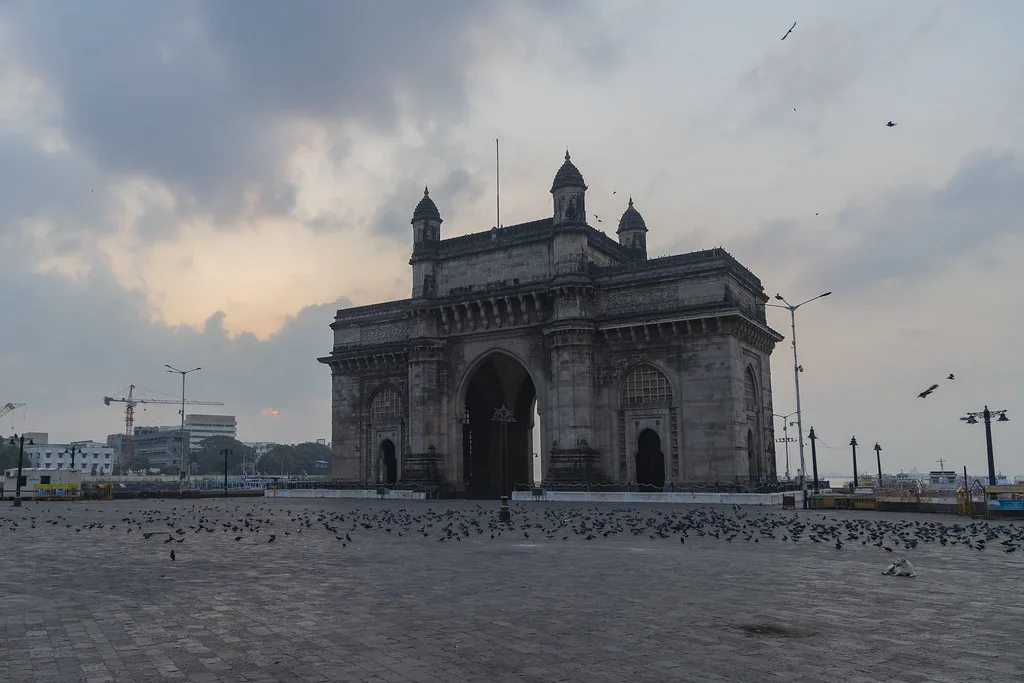
I stepped off the gangway into Mumbai on a bright January morning, and the first thing that reached me was the scent — warm cardamom and roasting cumin drifting from a chai stall near the port gate, tangled with diesel smoke and the faint salt breath of the Arabian Sea. The air was already thick with heat despite the early hour. My wife stood beside me on the quay, and we both stared upward at the great honey-colored basalt arch of the Gateway of India rising at the end of the waterfront road, framed by a sky so intensely blue it felt almost artificial. After four days at sea from Dubai, the silence of open water was replaced in an instant by the sound of a city that never pauses — horns, voices, the distant clatter of a commuter train, a vendor calling out prices for fresh coconut water. I reached for my wife's hand. Something told me this place was going to change us.
We walked from the port toward the Gateway of India, and within five minutes we were standing beneath its arch, watching small ferries bob in the harbor and pigeons wheel in the warm updrafts. The Taj Mahal Palace Hotel rose to our left — its Indo-Saracenic dome and red-tiled facade glowing in the morning light, as elegant as a cathedral but alive with the bustle of doormen in white turbans and guests arriving for breakfast. I had read about this hotel for years, about its role during the 2008 attacks and the extraordinary courage of its staff who stayed to protect guests. Standing before it, I felt the weight of that history — the beauty and the sorrow woven together, inseparable. My breath caught for a moment, and I whispered a quiet prayer of gratitude for the people who rebuilt, who chose to keep the doors open, who refused to let terror have the final word.
Our plan was to catch the eight o'clock ferry to Elephanta Caves, and we made it with minutes to spare. The boat was crowded — families with children, a group of university students laughing together, an elderly couple sharing samosas wrapped in newspaper. Seagulls trailed the stern. The city skyline receded behind us, skyscrapers and temples and construction cranes all jumbled together in that way that is uniquely Mumbai. The crossing took about an hour, and I spent much of it leaning on the rail, watching the water change color from murky green near the docks to a clearer, deeper shade as we moved into the open harbor. A boy selling chai poured me a cup from a battered aluminum kettle — sweet, milky, spiced with ginger and cardamom. It cost ten rupees. It was the best chai I have ever tasted, though perhaps that was the salt air and the anticipation talking.
Elephanta Island is small and green, and you climb a long stone staircase flanked by vendors selling trinkets and monkeys watching from the banyan trees. But when you finally enter the main cave temple, everything changes. The sound drops away. The cool stone darkness wraps around you. And then you see it — the Trimurti, the three-faced sculpture of Shiva carved from a single wall of basalt in the seventh century, standing twenty feet tall. The central face is serene, almost meditative. The left face is fierce. The right face is tender, feminine, gentle. I stood there for a long time, unable to speak, while sunlight filtered through the cave entrance and fell in pale shafts across the ancient stone floor. Incense smoke drifted upward from a small offering. I heard my wife draw a slow breath beside me. Something shifted inside me in that dim silence — a recognition that human beings had created this thing of profound beauty fourteen hundred years ago, with nothing but chisels and faith and patience. I thought about my own impatience, my restlessness, my tendency to rush through experiences without truly absorbing them. The Trimurti seemed to rebuke all of that, gently, without words.
Back on the mainland by noon, we took an Uber to Crawford Market — the great Victorian market building designed by the same firm that built the Palace of Westminster. The cost was about $3 for a twenty-minute ride through traffic that defied every rule I had ever learned about driving. Yet our driver navigated it with calm precision, weaving between auto-rickshaws and buses and ox-carts as though conducting an orchestra only he could hear. Crawford Market itself was overwhelming in the best way. The ground floor was a riot of spices — turmeric in brilliant yellow mounds, chili powder in deep red pyramids, bags of cardamom and cinnamon and star anise filling the air with fragrance so thick I could taste it. I bought a small bag of Kashmiri saffron for my mother, and the vendor wrapped it in brown paper with a care and precision that felt ceremonial.
We had lunch at Leopold Cafe, a Mumbai institution since 1871 — butter chicken with garlic naan, cold Kingfisher lemonade, and a plate of bhel puri that was crunchy and tangy and sweet all at once. The cost was about $8 each, which felt almost absurdly generous for food this good. However, the real meal came later, from a street cart near Chowpatty Beach — vada pav, the spicy potato fritter sandwiched in a soft bun with green chutney and garlic powder. I watched the vendor assemble it with the swift, practiced hands of someone who has made ten thousand of these, and when I bit into it the flavors were so vivid and so layered — the crisp exterior giving way to soft, spiced potato, the heat of the chili balanced by the cool tang of chutney — that I closed my eyes and stood still on the pavement for a moment, lost in the simple perfection of street food eaten standing up in a city of twenty million people.
In the late afternoon we walked Marine Drive, the great curved promenade that Mumbaikars call the Queen's Necklace because of the way its streetlights look at night — a sweep of golden lights curving along the Arabian Sea like a strand of jewels. The sun was lowering, turning the water to bronze and copper, and families were out in force — children running along the seawall, couples sitting close together on the concrete tetrapods, elderly men in white kurtas watching the waves. I noticed a young woman in a wheelchair being pushed by her father along the accessible waterfront path, both of them laughing at something, and the warmth of that image stayed with me. Despite everything I had read about Mumbai's challenges — the poverty, the overcrowding, the inequality — what I saw that evening was a city that belonged to its people, all of them, and they belonged to it.
We walked to Chhatrapati Shivaji Terminus as the last light faded — the great Victorian Gothic railway station that is itself a UNESCO World Heritage Site, its stone facade lit golden against the darkening sky, gargoyles and peacocks and lions carved into every cornice. Thousands of commuters streamed through its arched entrance on their way home, and the sound of footsteps on stone echoed like a heartbeat. I stood on the pavement and watched them pass, each one carrying a story I would never know, heading to homes I would never see, and I felt something I can only describe as awe — not at the building, magnificent though it was, but at the sheer scale of ordinary human life flowing through it every single day.
Looking back, I realized what Mumbai taught me. It is not a city that asks to be admired from a distance. It demands that you step into it, taste it, smell it, let it jostle you, let it overwhelm you. I learned that the finest travel experiences are not always the comfortable ones. Sometimes the gift is in the disorientation — in being stripped of your assumptions and left standing on a busy pavement with a vada pav in your hand, humbled and grateful and profoundly alive. My wife said it best as we walked back toward the ship that evening, the Gateway of India lit amber against the darkness. "I did not expect to love it this much," she said. Neither had I. And I think that is precisely the point — Mumbai does not wait for your expectations. It simply arrives, fully itself, and dares you to be changed.
Weather & Best Time to Visit
Featured Images
The Cruise Port
What you need to know before you dock.
- Terminal: Mumbai Port Trust operates the cruise terminal at Ballard Pier (also known as the International Cruise Terminal). Facilities include a customs and immigration hall, currency exchange, and a tourist information desk. The terminal area is wheelchair accessible with ramp access from the pier to the building, though surfaces can be uneven in places.
- Distance to City Center: The Gateway of India and Colaba district are a 5-10 minute taxi ride or a 15-minute walk from Ballard Pier. Most of south Mumbai's highlights are within easy reach of the port.
- Tender: No — ships dock directly at the pier. Passengers clear immigration on board or at the terminal building.
- Currency: Indian Rupee (INR). ATMs available near the port gate and throughout south Mumbai. Credit cards accepted at hotels, larger restaurants, and shops, but carry cash for street food, markets, and taxis.
- Language: Hindi and Marathi are primary languages; English is widely spoken in tourist areas, hotels, and by Uber/Ola drivers.
- Best Season: October through March offers cooler, drier weather. Avoid June through September (monsoon season with heavy rains). The fare for a standard cruise-season port call typically falls between November and February.
- Time Zone: India Standard Time (IST), UTC+5:30.
Getting Around
Transportation tips for cruise visitors.
- Walking: South Mumbai — Colaba, the Gateway of India, the Taj Mahal Palace Hotel, and the Afghan Church — is compact and walkable from the cruise terminal. Pavements can be uneven and crowded, so wear comfortable shoes. The waterfront promenade is relatively flat and accessible for those with mobility needs, although some side streets have steps and curbs.
- Uber and Ola: By far the best option for cruise visitors. Both ride-hailing apps work throughout Mumbai. Rides are cheap — $2 to $5 for most trips within south Mumbai — air-conditioned, and eliminate the stress of haggling with traditional taxi drivers. Download the app and set up payment before you arrive. Fare from port to Crawford Market is about $2 to $3.
- Local Trains: Mumbai's suburban railway is the lifeblood of the city, carrying over seven million people daily. The Churchgate and CST stations are close to the cruise port. However, trains are extremely crowded during rush hours (8-10am and 5-8pm) and not recommended for first-time visitors unfamiliar with the system. Off-peak rides are manageable and cost just a few rupees.
- Mumbai Metro: The newer metro lines serve areas farther from the port, such as Andheri and Bandra. Clean, efficient, and air-conditioned. Useful if you plan to venture into the suburbs, but most cruise-day attractions are in the walkable south.
- Auto-Rickshaws: Not available in the southernmost tip of Mumbai (Colaba to Fort). Available north of Bandra. Cheap and fun, but unfamiliar territory for most cruise visitors.
- Ferries: The ferry to Elephanta Caves departs from the Gateway of India, about a 10-minute taxi ride from the port. Cost is approximately $3 to $5 round-trip. First ferry at 9am, last return at 5:30pm. The journey takes about one hour each way.
Mumbai Area Map
Interactive map showing the cruise terminal at Ballard Pier, Gateway of India, Colaba, Crawford Market, Marine Drive, Chhatrapati Shivaji Terminus, and Elephanta Caves ferry point. Click any marker for details and directions.
Excursions & Activities
How to spend your time ashore. For popular destinations like Elephanta Caves, book ahead during peak season to avoid long queues at the ferry. Many visitors choose to explore independent of the ship excursion options for flexibility and cost savings, though a ship excursion offers guaranteed return to the vessel before departure.
Elephanta Caves (UNESCO World Heritage Site)
Ferry from Gateway of India — about one hour each way, plus two to three hours on the island. The seventh-century rock-cut cave temples dedicated to Shiva contain the magnificent Trimurti sculpture, one of India's finest ancient carvings. Wear comfortable shoes for the climb up stone steps from the jetty. Cost is approximately $3 to $5 for the ferry round-trip, plus a small entry fee. Allow a full half-day. Book ahead for guided tours during peak season — they add context that transforms the visit. This is a moderate-energy excursion involving a steep staircase of roughly 120 steps.
Gateway of India & Taj Mahal Palace Hotel
The 1924 basalt arch is Mumbai's most iconic landmark and sits just minutes from the cruise terminal. Walk through, then step into the Taj Mahal Palace Hotel next door for tea or simply to admire the 1903 Indo-Saracenic architecture. The lobby is open to visitors. Free to see the Gateway; afternoon tea at the Taj costs approximately $15 to $25 per person. Allow one to two hours. Wheelchair accessible at ground level.
Crawford Market & Spice Shopping
Victorian-era market building designed by the firm that built the Palace of Westminster. Ground floor is a sensory wonderland of spices, dried fruits, and imported goods. Upper levels offer textiles and housewares. Haggling is expected and part of the experience. Uber from port costs about $2 to $3. Allow one to two hours. Combine with a stop at nearby Chhatrapati Shivaji Terminus (the UNESCO-listed railway station) just a five-minute walk away.
Marine Drive & Chowpatty Beach
Walk the three-kilometer curved promenade known as the Queen's Necklace. Best at sunset when the streetlights create a sweep of golden light along the Arabian Sea. At the northern end, Chowpatty Beach offers some of Mumbai's best street food — bhel puri, pav bhaji, and kulfi from beachside vendors. Free to walk. Street food costs $1 to $2. An accessible path runs the length of the promenade.
Dhobi Ghat & Mahalaxmi Area
The world's largest open-air laundry, where thousands of washermen clean clothes by hand in long concrete troughs. Best viewed from the Mahalaxmi railway bridge. Respectful photography is permitted from the bridge, but do not enter the working area without a guide. Combine with a visit to the Mahalaxmi Temple nearby. Uber from port about $4. Allow one to two hours.
Colaba Walking Tour
An independent walking tour of the Colaba district covers the Afghan Church (stunning stained glass), Sassoon Docks (working fishing harbour, best early morning), the Colaba Causeway street market (books, clothing, souvenirs), and Leopold Cafe (a Mumbai institution since 1871). All within walking distance of the port. Free to explore; lunch at Leopold costs about $8 to $12 per person. Allow three to four hours at a leisurely pace.
Depth Soundings Ashore
Lessons learned the hard way.
- Water Safety: Do not drink tap water. Use only sealed bottled water, even for brushing teeth. This is non-negotiable and the single most important health precaution for cruise visitors in Mumbai.
- Street Food Strategy: Stick to busy stalls with high turnover where food is cooked fresh in front of you. Avoid pre-cut fruit and salads. The vada pav and bhel puri from popular carts near Chowpatty Beach and the Gateway area are generally safe and absolutely worth trying.
- Elephanta Timing: Take the earliest ferry (9am) to Elephanta Caves. By midday the island is crowded with tour groups and the caves lose some of their contemplative atmosphere. Return by noon and you still have a full afternoon for the city. Carry cash — vendors on the island do not accept cards.
- Uber Over Taxis: Use Uber or Ola exclusively. App-based rides are metered, air-conditioned, and eliminate the haggling that can frustrate visitors unfamiliar with local fare structures. Traditional black-and-yellow taxis are an option but require vigilance about meter usage.
- Dress Modestly at Temples: Cover shoulders and knees when visiting religious sites. Carry a scarf or shawl. Remove shoes before entering any temple. Modest dress shows respect and ensures you are welcomed warmly.
- Traffic Planning: Mumbai traffic is legendarily dense. Budget extra time for any trip by car, especially between 8-10am and 5-8pm. A ten-minute ride on the map can take thirty minutes in rush hour. Plan your excursions to minimize time in vehicles.
- Monsoon Awareness: If visiting during the shoulder months (September or October), rain can be sudden and heavy. Carry a compact umbrella and waterproof phone case. The city is beautiful in the rain, but streets flood quickly.
Photo Collection
Frequently Asked Questions
Q: How far is the Gateway of India from the cruise terminal?
A: The Gateway of India is about a 5-10 minute taxi ride or a 15-minute walk from Ballard Pier, where most cruise ships dock. You can see the arch from the ship on approach.
Q: Is it safe to take a taxi or auto-rickshaw in Mumbai?
A: Use app-based services like Uber or Ola exclusively — they are safe, cheap, air-conditioned, and eliminate haggling. Traditional taxis are fine but require some familiarity with local fare structures.
Q: Can I visit Elephanta Caves and still have time for the city?
A: Yes, but plan carefully. The ferry to Elephanta takes one hour each way, plus two to three hours on the island. Take the 9am ferry and return by noon, giving you a full afternoon to explore Colaba, Crawford Market, and Marine Drive.
Q: What should you wear at temples and religious sites?
A: Cover shoulders and knees at religious sites. Bring a scarf or shawl. Remove shoes before entering temples. Modest dress shows respect and ensures you are welcome everywhere.
Q: Is street food safe for cruise passengers?
A: Stick to busy stalls with high turnover where food is cooked fresh in front of you. Avoid pre-cut fruits and raw items. Vada pav and bhel puri from popular vendors near the Gateway are generally safe and absolutely delicious.
Q: Is Mumbai accessible for visitors with mobility challenges?
A: The cruise terminal has wheelchair ramp access. Marine Drive promenade is flat and accessible. The Taj Mahal Palace Hotel and Gateway of India area are manageable at ground level. However, Elephanta Caves require climbing about 120 steep steps and are not suitable for wheelchair users. Uber vehicles can accommodate folding wheelchairs with advance request.
Q: What is the best time of year to visit Mumbai?
A: The "Best Season" line on this page reads: "October through March offers cooler, drier weather. Avoid June through September (monsoon season with heavy rains). The fare for a standard cruise-season port call typically falls between November and February." The seasonal panel above aligns: Peak Season "Oct, Nov, Dec, Jan, Feb, Mar," Low Season "May, Jun, Jul, Aug," with avoidance flagged for "Jul, Aug, Sep" for "(monsoon/typhoon season)."
Q: What is Mumbai's monsoon and storm season?
A: The Weather Hazards panel above labels Mumbai a "Monsoon/Typhoon Season" zone with "Season: Jun – Nov" and "Peak risk: Aug, Sep, Oct." The hazard-note reads: "Ships may reroute during typhoons; check weather forecasts." The "Best Season" line on the page also notes "June through September (monsoon season with heavy rains)." For current tropical-system status on a specific sailing date, the live weather widget in the seasonal panel above is the primary source.
Q: Will rain ruin my Mumbai port day?
A: The "Best Season" line on the page identifies "June through September (monsoon season with heavy rains)" as the rainy stretch. The seasonal panel's Rain entry reads "Seasonal variation — check forecast," and the avoidance note flags "Jul, Aug, Sep" for "(monsoon/typhoon season)." The live weather widget in the seasonal panel is the source for short-term forecasts on a specific sailing date.
Mumbai Cruise Port Guide
Image Credits
- Hero image: Wikimedia Commons (CC BY-SA)
- Harbor, waterfront, Gateway, Marine Drive images: Wikimedia Commons (CC BY-SA)
Author's Note: Until I have sailed this port myself, these notes are soundings in another's wake — helpful for planning, and marked for revision once I've logged my own steps ashore.
Key Facts
- Country
- India
- Region
- Pacific
- Currency
- Indian Rupee (INR). ATMs available near the port gate and throughout south Mumbai. Credit cards accepted at hotels, larger restaurants, and shops, but carry cash for street food, markets, and taxis
- Language
- Hindi and Marathi are primary languages; English is widely spoken in tourist areas, hotels, and by Uber/Ola drivers