
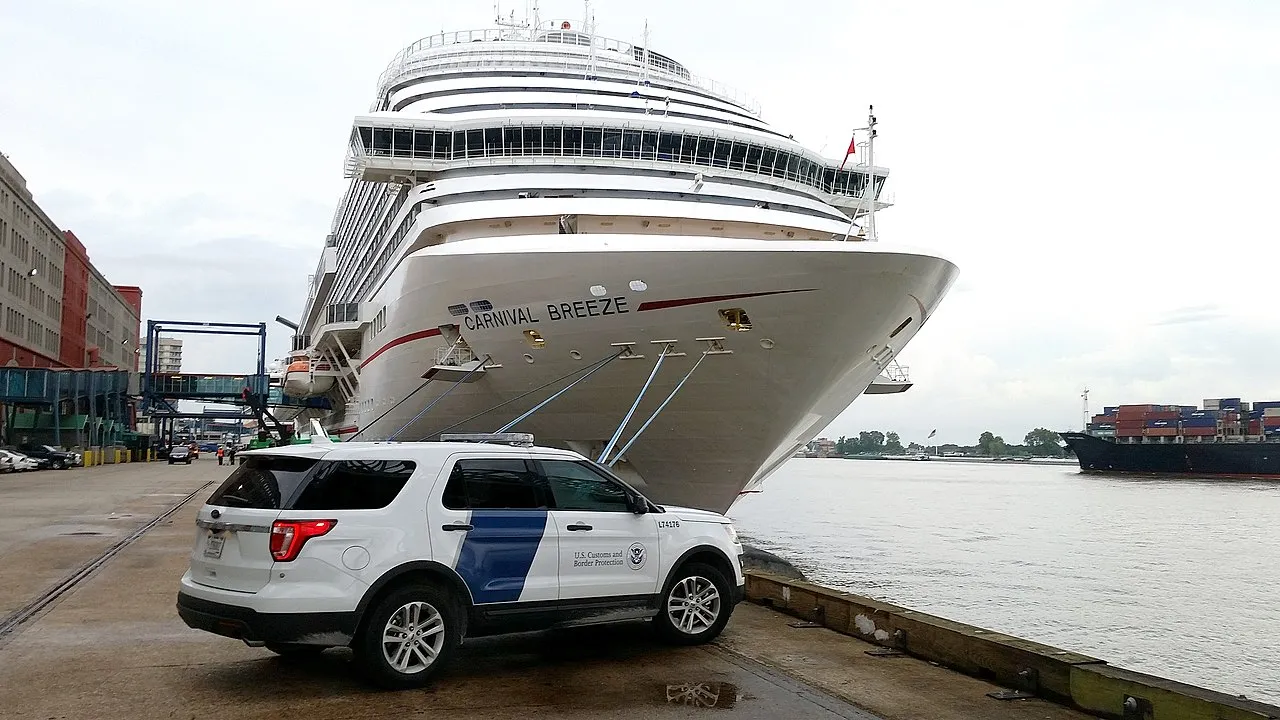
Photo: Wikimedia Commons
My Logbook: Where Every Cruise Starts with a Party
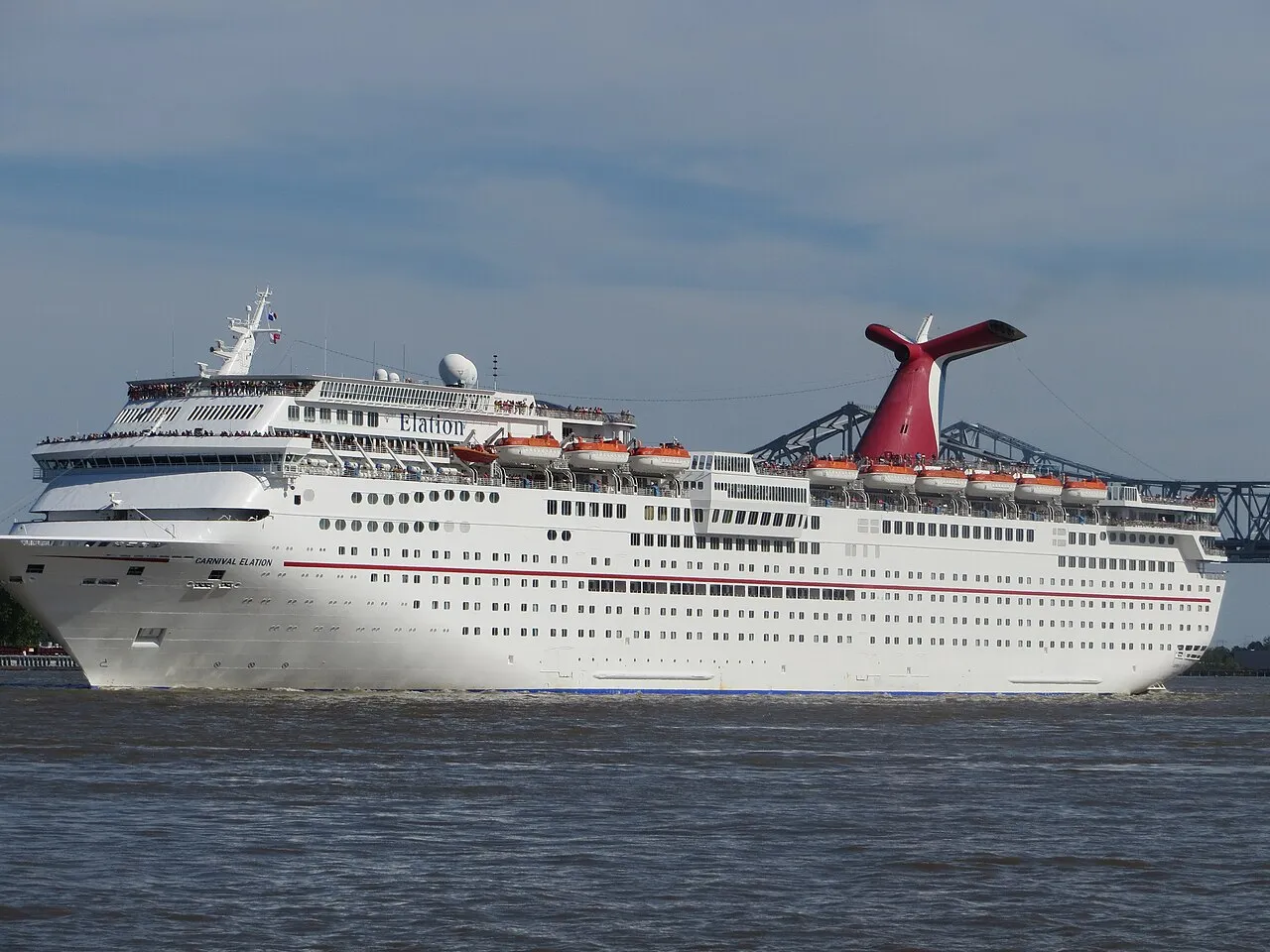
The Mississippi River has been calling me for years, and New Orleans represents everything I love about American travel — a city where French colonial grace meets African rhythms, where Creole cuisine tells centuries of cultural fusion, and where jazz floats from doorways into streets that have witnessed the birth of America's greatest musical gift to the world. Few ports demand pre-cruise days quite like the Big Easy, though I have not yet stood on those legendary levees myself or walked those celebrated streets in person with powdered sugar on my fingertips. The research alone intoxicates: powdered sugar-dusted beignets at Café Du Monde, second-line parades winding through Tremé, and the mournful brass of a funeral procession transforming into jubilant celebration. I have spent countless hours imagining my first morning in the French Quarter, the humidity wrapping around me as I step out into streets that have hosted jazz funerals, Mardi Gras parades, and centuries of extraordinary cultural fusion.
The cruise terminals line the mighty Mississippi, placing visitors within easy reach of the French Quarter's wrought-iron balconies and hidden courtyards. This is where the steamboat "New Orleans" first churned these waters in 1811, where paddle wheels and steam calliopes announced the river age that would carry jazz from Storyville's smoky rooms to Chicago, St. Louis, and beyond. Mark Twain knew these waters; that riverboat tradition lives on in every departure from this storied port. My imagination has traced these waters a thousand times through books and documentaries, yet nothing substitutes for actually being there and feeling the river's presence firsthand.
Carnival, Norwegian, and Royal Caribbean operate Western Caribbean sailings from NOLA, with departures convenient to the St. Charles streetcar line and magnificent Garden District mansions. However, the allure extends far beyond embarkation logistics — this city has consistently topped my personal wishlist of American destinations to experience before boarding any ship. When I finally make my way to NOLA, I intend to arrive at least three days early to properly absorb what generations of travelers have described as utterly intoxicating.
The French Quarter alone could occupy days of wandering. Royal Street's antique shops and art galleries invite leisurely exploration, yet every alley reveals unexpected courtyards and hidden bars. Jackson Square anchors the neighborhood with the magnificent spires of St. Louis Cathedral, where street performers and artists have gathered for generations. Louis Armstrong Park and the adjacent Tremé neighborhood — America's oldest African American community — represent the very birthplace of jazz, where Congo Square gatherings planted seeds that blossomed into the world's most influential musical form. I cannot wait to stand in that sacred space where enslaved Africans were permitted to gather on Sundays, preserving the rhythms and traditions that would eventually give birth to jazz, blues, and so much of American popular music.
Beyond the Quarter, the Garden District beckons with tree-shaded streets and magnificent antebellum mansions. The St. Charles streetcar — the oldest continuously operating line in the world — rattles past magnificent architectural treasures that survived both the Civil War and countless hurricanes. Magazine Street stretches for six wonderful miles of independent boutiques, galleries, and restaurants that locals actually frequent — the kind of neighborhood wandering I love most when exploring new cities. And directly across from the Julia Street cruise area stands the National WWII Museum, an extraordinary institution that demands a full afternoon or more. I have flagged the museum as essential for my own visit — the immersive exhibits and personal stories from the Greatest Generation consistently leave visitors deeply moved.
Seasoned cruisers consistently advise arriving two or three days early for New Orleans — not just for logistics, though the advice holds practical wisdom, but because rushing through this city means missing its soul. The music, the food, the layered centuries of culture require time to absorb. From the mystical above-ground tombs of St. Louis Cemetery to the intimate jazz clubs of Frenchmen Street, from swamp tours into the bayou to cooking classes where local chefs share roux-making secrets, New Orleans rewards those who linger. My future visit will embrace that philosophy entirely — I refuse to rush through this extraordinary American destination the way too many travelers do, checking boxes rather than absorbing the culture that makes New Orleans genuinely unlike anywhere else.
Looking back at all my research, I realize New Orleans is teaching me something about resilience and joy. This city has faced hurricanes, floods, plagues, and heartbreak, yet it keeps dancing. The lesson isn't about ignoring pain—it's about choosing celebration anyway, finding the second line parade even in the midst of mourning. That's the wisdom I hope to carry home.
Weather & Best Time to Visit
The Cruise Port
New Orleans operates two modern cruise facilities along the Mississippi River waterfront. The Erato Street Cruise Terminal and Julia Street Cruise Terminal both offer convenient access to downtown attractions, sitting approximately one mile from the French Quarter.
The Julia Street location places visitors directly across from the National WWII Museum — a perfect arrival or departure day activity. Both facilities offer covered parking, though reservations are strongly recommended during festival season and peak travel periods. Typical cruise parking runs $20-25 per day for the duration of your voyage.
The port's central location provides excellent connectivity to all major attractions. Unlike many cruise destinations that require transportation logistics, New Orleans invites exploration on foot or via the iconic streetcar system the moment you step off the ship.
Getting Around
- Riverfront Streetcar: The 2-mile line runs along the river from French Market to Convention Center, dropping passengers steps from both cruise facilities. Just $1.25 fare or $3 Jazzy Pass for unlimited daily rides.
- St. Charles Streetcar: The iconic green cars (oldest continuously operating line in the world) rattle past Garden District mansions. Same $1.25 fare. Exact change or Jazzy Pass required.
- Walking the Quarter: The compact French Quarter is best explored on foot — most attractions sit within a 10-15 minute stroll of each other. Comfortable shoes essential for uneven sidewalks and cobblestones.
- Uber/Lyft: Abundant throughout the city. French Quarter to the cruise area runs $10-15 depending on traffic and demand.
- From MSY Airport: Flat taxi rate to downtown is $36 for 1-2 passengers. Uber/Lyft runs $25-35. Journey takes 30-40 minutes via I-10.
- Rental Cars: Generally unnecessary for exploring the French Quarter, Garden District, and downtown areas. Only consider if planning independent plantation tours or swamp excursions.
The Jazzy Pass offers excellent value for streetcar enthusiasts — $3 for unlimited daily rides or $9 for three days. Purchase from drivers with exact change, or use the RTA GoMobile app for digital passes. I recommend downloading the app before your arrival in the city.
New Orleans Area Map
Interactive map showing cruise facilities, French Quarter, Garden District, and major New Orleans attractions. Click any marker for details.
Pre-Cruise Activities and Things to Do
Booking guidance: Reserve Steamboat Natchez cruises and popular restaurant tables in advance, especially during festival season. The WWII Museum merits at least half a day — book ahead for the immersive Beyond All Boundaries film. Most French Quarter attractions are walkable and don't require organized tours.
French Quarter Exploration
The beating heart of New Orleans rewards wanderers. Walk Royal Street's antique shops and art galleries, discover hidden courtyards through weathered carriageways, and pause at Jackson Square where street performers and artists gather beneath St. Louis Cathedral's spires. Bourbon Street delivers classic tourist energy day and night. The French Market stretches along the riverfront with local crafts, food stalls, and live entertainment. Allow at least a full day, though two reveals far more. Independent exploration is ideal — this neighborhood was built for discovering at your own pace.
Steamboat Natchez River Cruise
One of only two authentic steamboats still plying the Mississippi, the Natchez evokes the golden age of riverboat travel. The steam calliope's brass ring (salvaged from an 1889 steamer) echoes across the Quarter as it has since 1975. Evening jazz cruises feature live bands honoring the tradition of music floating upriver from New Orleans to the world. Book ahead at steamboatnatchez.com — the sunset departures with dinner sell out, especially during peak season.
National WWII Museum
Directly across from the Julia Street cruise area, this extraordinary museum demands at least half a day. The collection spans America's war effort with immersive exhibits, personal stories, and the remarkable Beyond All Boundaries 4D experience narrated by Tom Hanks. Reserve timed entry at nationalww2museum.org during busy periods. Plan to arrive early — the museum can easily consume an entire day for those deeply interested.
Garden District Walking Tour
Take the St. Charles streetcar to explore tree-shaded streets lined with magnificent Greek Revival and Italianate mansions. The architecture survived conflicts and countless hurricanes over the centuries. Guided tours provide expert commentary on styles and stories, though independent wandering with a good map works equally well. Lafayette Cemetery No. 1 anchors the district with its above-ground tombs and moss-draped oak trees. Allow 2-3 hours for proper exploration.
Swamp and Bayou Tours
Flat-bottom boats venture into Louisiana's wetlands for alligator sightings, Spanish moss-draped cypress trees, and Cajun guides sharing ecological insights. Several operators depart from the New Orleans area. Ship excursions handle transportation logistics, though independent options exist for those with rental cars. Book ahead during peak season — popular tours fill quickly.
Jazz and Music Tours
Trace the birthplace of America's greatest musical contribution through walking tours covering Congo Square, the Tremé neighborhood, and Storyville's legendary district. Louis Armstrong learned his craft in these streets. Evening options focus on Frenchmen Street's intimate clubs where locals gather for authentic performances. Skip Bourbon Street's tourist-focused venues and head to the Marigny neighborhood for genuine jazz experiences.
Food & Dining
New Orleans cuisine represents centuries of cultural fusion — French, African, Spanish, Caribbean, and American influences creating flavors found nowhere else:
- Café Du Monde ($): No visit complete without powdered sugar-dusted beignets and chicory-laced café au lait. Open 24 hours (closed Christmas Day). The original French Market location is iconic; expect a wait during peak hours but it moves quickly.
- Commander's Palace ($$): Garden District landmark serving elevated Creole cuisine since 1893. The jazz brunch is legendary. Reservations essential — book weeks ahead for weekends.
- Dooky Chase ($-$$): Legendary Tremé institution where Leah Chase served civil rights leaders and presidents alike. The gumbo and fried chicken are transcendent. Limited hours — check before visiting.
- Central Grocery ($): Birthplace of the muffuletta sandwich. The original Decatur Street location piles Italian meats, cheeses, and olive salad on massive rounds of bread. Cash only, limited seating.
- Cochon ($-$$): Warehouse District spot showcasing Cajun cuisine with Southern hospitality. The cochon de lait (suckling pig) is the signature. Reservations recommended.
- Frenchmen Street venues (varies): Skip Bourbon Street for dinner and head to the Marigny. Combine live jazz with neighborhood restaurants for an authentic local evening.
Essential dishes to try: gumbo (file or okra-based), jambalaya, crawfish étouffée, po'boy sandwiches (roast beef debris or fried shrimp), chargrilled oysters, and bread pudding with whiskey sauce. Many establishments don't take reservations — arrive early for popular spots.
Local Notices and Current Conditions
- Festival Calendar: Mardi Gras, Jazz Fest, French Quarter Fest, and numerous smaller events dramatically impact hotel rates and restaurant availability. Check event schedules and book accommodations months in advance during festival season.
- Summer Heat: June through August brings oppressive heat and humidity (90°F+ with high humidity). Dress light, hydrate constantly, seek air-conditioned breaks. Spring and fall offer far more comfortable weather.
- Urban Awareness: Practice normal city precautions, particularly during late-night hours. Stick to well-lit, populated areas. The French Quarter maintains regular police presence in primary tourist zones.
- Cash on Hand: Street performers, small vendors, and some establishments prefer or require cash. Tip musicians generously when the music moves you — many venues charge no cover.
- Cruise Area Parking: Reserve garage parking in advance through cruise line or port authority, especially during peak periods and festival season.
Depth Soundings
Practical tips before you step off the ship.
New Orleans practically demands arriving days before your cruise departs. Seasoned cruisers consistently recommend two to three days minimum — not just for flight delay insurance, though that's wise, but because rushing through this city means missing its soul entirely. The music, the food, the layered centuries of culture require time to properly absorb and experience.
The cruise area sits approximately one mile from the French Quarter, walkable for those traveling light. The Riverfront Streetcar provides convenient access for $1.25, and Uber/Lyft rides run $10-15. Neither area requires a car — streetcars, walking, and rideshare handle virtually all visitor needs. Only rent a vehicle if planning independent swamp tours or plantation visits.
Footwear matters more than fashion here. Uneven sidewalks, centuries-old cobblestones, and all-day exploration demand comfortable, broken-in walking shoes. Leave the sandals and heels at the hotel. Summer visitors should also pack light, breathable clothing and prepare for the humidity — afternoon breaks in air-conditioned museums provide welcome respite.
Hotel Monteleone's revolving Carousel Bar, The Roosevelt's legendary Sazerac Bar, and Pat O'Brien's home of the Hurricane represent just the beginning of New Orleans cocktail culture. The city that gave birth to jazz also contributed mightily to American drinking culture — the Sazerac, the Ramos Gin Fizz, and countless other classics originated in these establishments.
Practical Information
- Currency: US Dollar (USD)
- Language: English (French Creole roots, some Spanish)
- Time Zone: Central Time (CT)
- Weather: Subtropical — hot, humid summers; mild winters. Best visiting months: March-May, October-November.
- Port Type: Major homeport for Western Caribbean itineraries
- Cruise Area: Erato Street and Julia Street cruise locations along the Mississippi River
- Nearest Airport: Louis Armstrong New Orleans (MSY), 30-40 minutes from downtown
- Accessibility: Cruise facilities are accessible. French Quarter presents challenges with uneven sidewalks and limited wheelchair access to some establishments. Streetcars have limited accessibility; paratransit available.
Photo Gallery
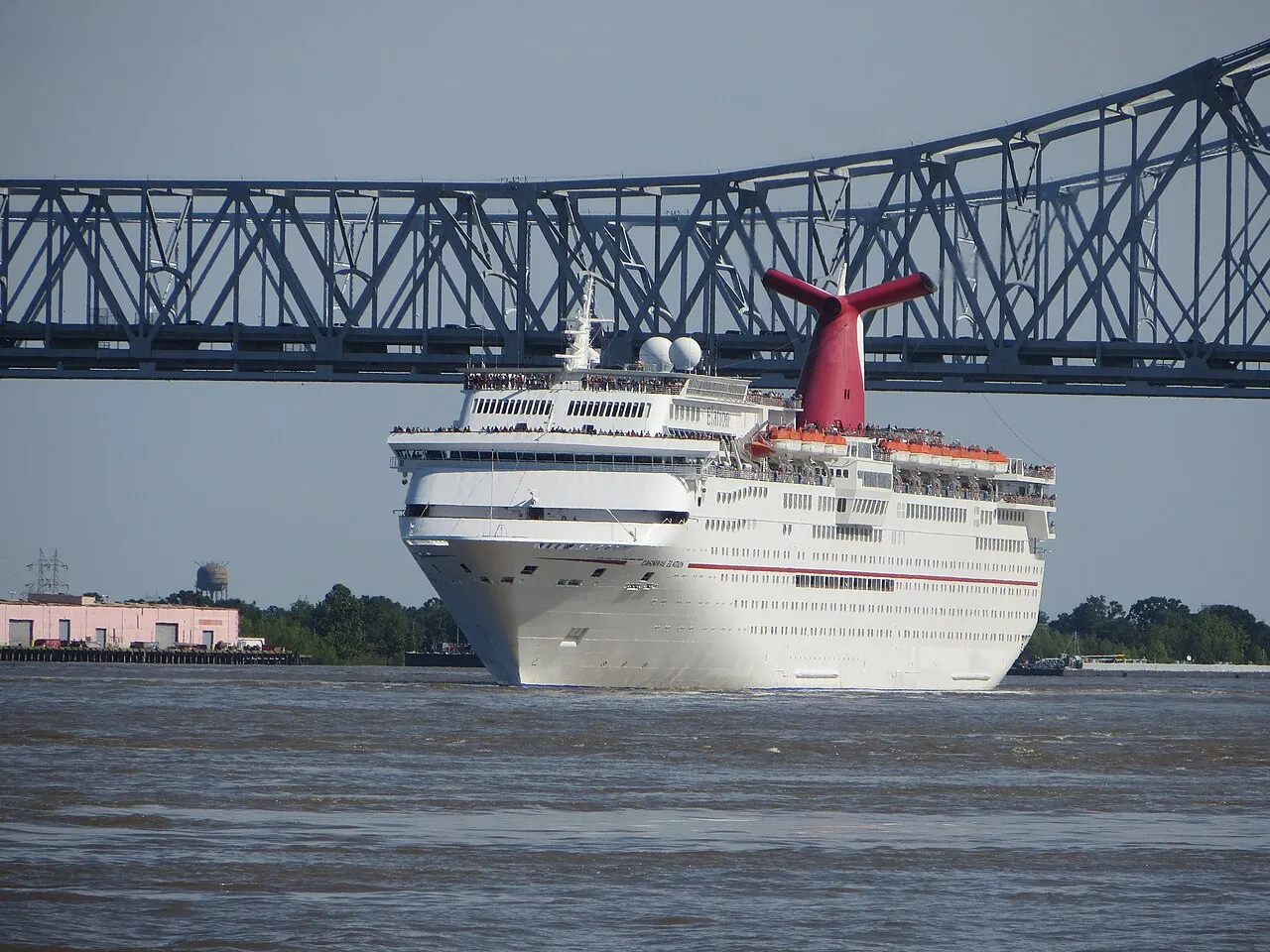
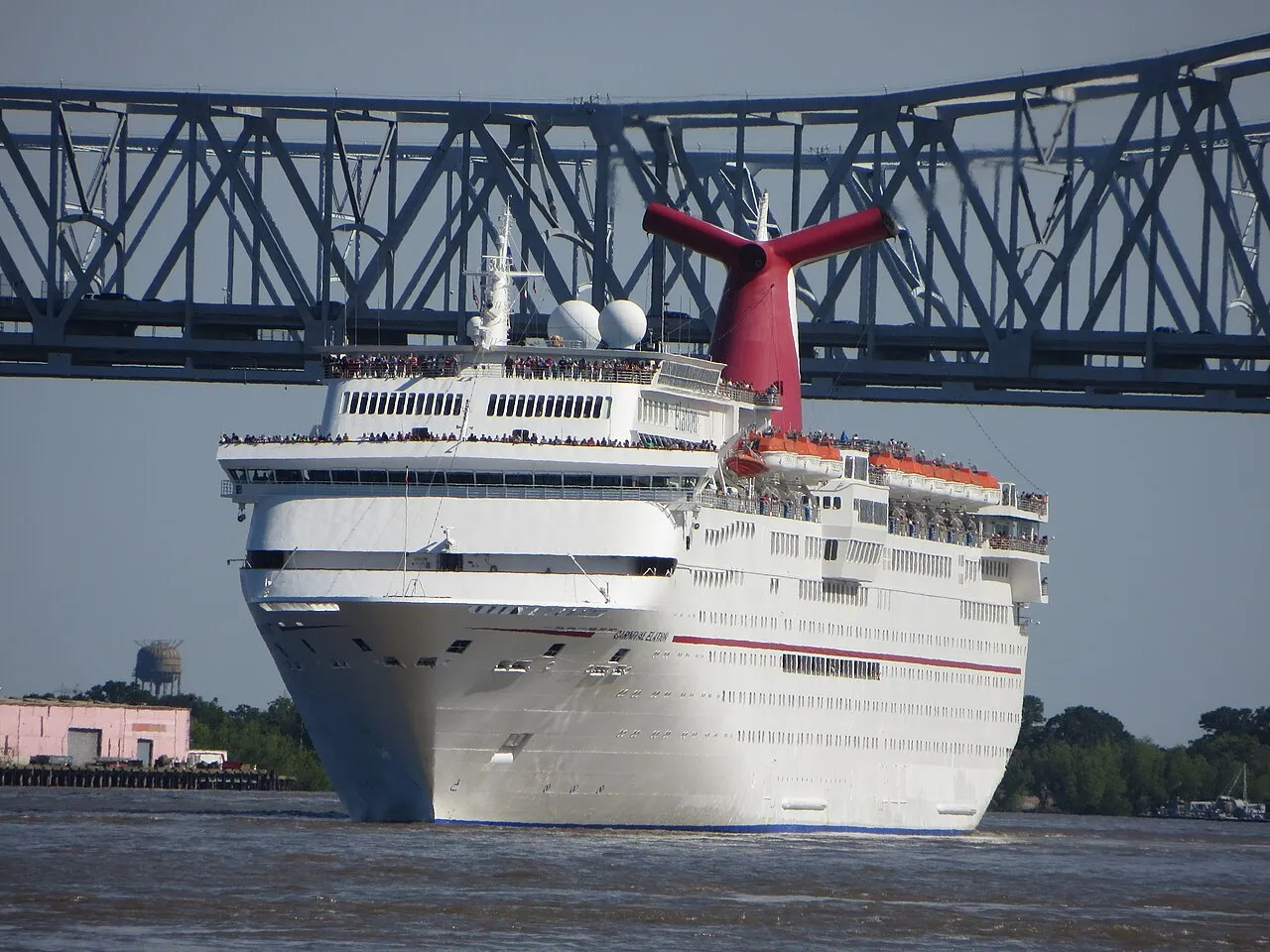
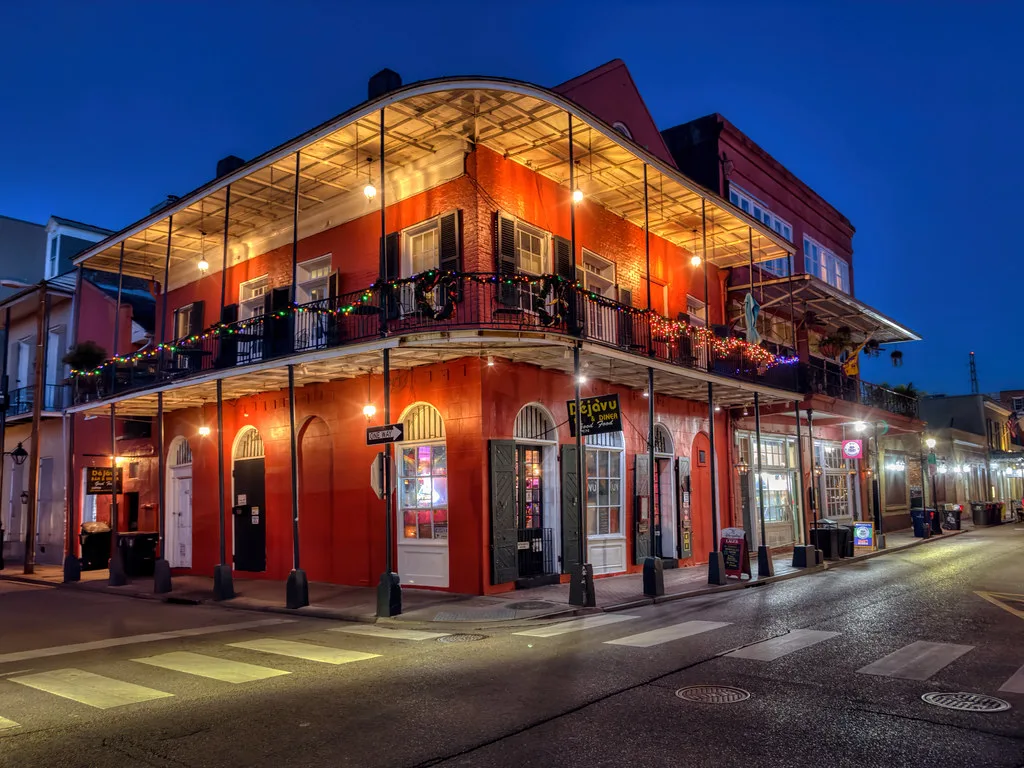
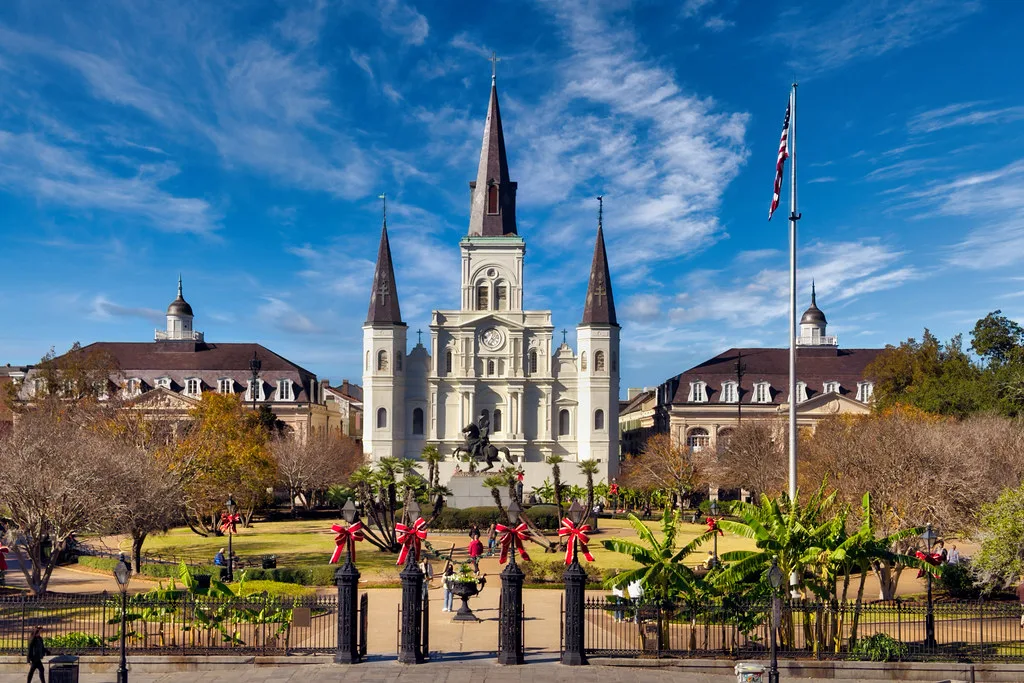
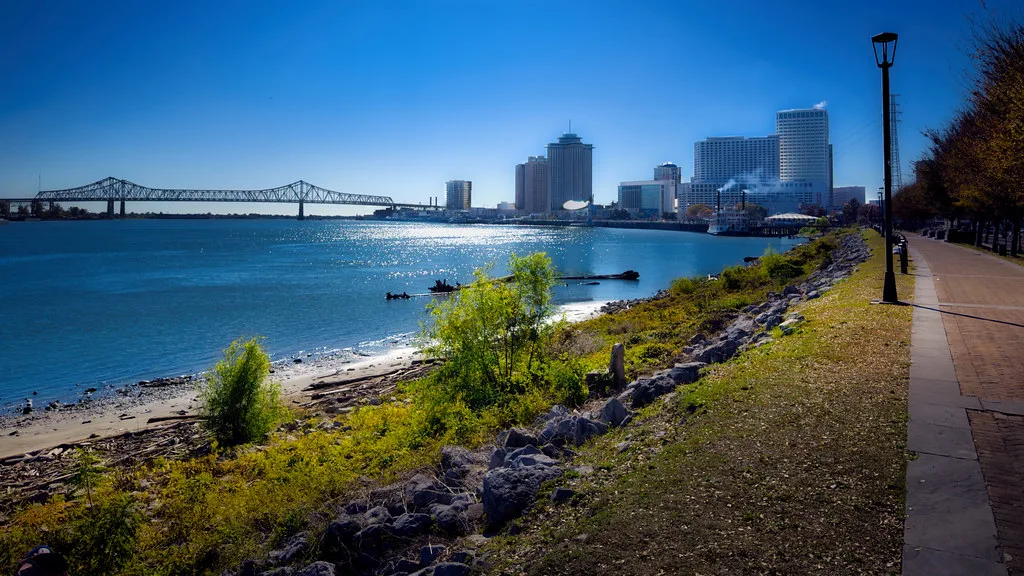
Image Credits
- french-quarter.webp: French Quarter balconies, Wikimedia Commons
- jackson-square.webp: Jackson Square, Wikimedia Commons
- steamboat-natchez.webp: Steamboat Natchez, Wikimedia Commons
- mississippi-river.webp: Mississippi River waterfront, Wikimedia Commons
- garden-district.webp: Garden District mansion, Wikimedia Commons
All images from Wikimedia Commons, used under Creative Commons licenses.
Frequently Asked Questions
Q: How many days should I spend in New Orleans before my cruise?
A: Minimum two to three days recommended. The city's unique blend of culture, cuisine, and music deserves unhurried exploration — rushing through would miss the essence of what makes New Orleans unforgettable. Even experienced travelers consistently wish they'd allocated more time here.
Q: Can I walk from the cruise area to the French Quarter?
A: Yes, approximately one mile separates the cruise facilities from the Quarter. Manageable on foot if you're not hauling heavy luggage. The Riverfront Streetcar also connects the area for just $1.25. Most passengers find the walk pleasant in good weather.
Q: Where should I go for authentic jazz in New Orleans?
A: Frenchmen Street in the Marigny neighborhood is where locals go for authentic jazz. Skip the tourist-focused Bourbon Street clubs and head to Frenchmen — intimate venues, talented musicians, and genuine neighborhood vibe. No cover charge at most venues; tip the musicians generously.
Q: What's the ideal time to visit New Orleans?
A: Spring (March-May) and fall (October-November) deliver comfortable temperatures. Summer brings oppressive heat and humidity that can make outdoor exploration uncomfortable. Festival season (Mardi Gras, Jazz Fest) means higher prices and crowds but unmatched energy and atmosphere.
Q: Do I need a car in New Orleans?
A: Not for exploring the French Quarter, Garden District, or downtown areas. Streetcars, walking, and rideshare services handle most visitor needs beautifully. Only rent a car if planning independent plantation tours or swamp excursions.
Last reviewed: February 2026