


Weather & Best Time to Visit
Featured Images
The Cruise Port
What you need to know before you dock.
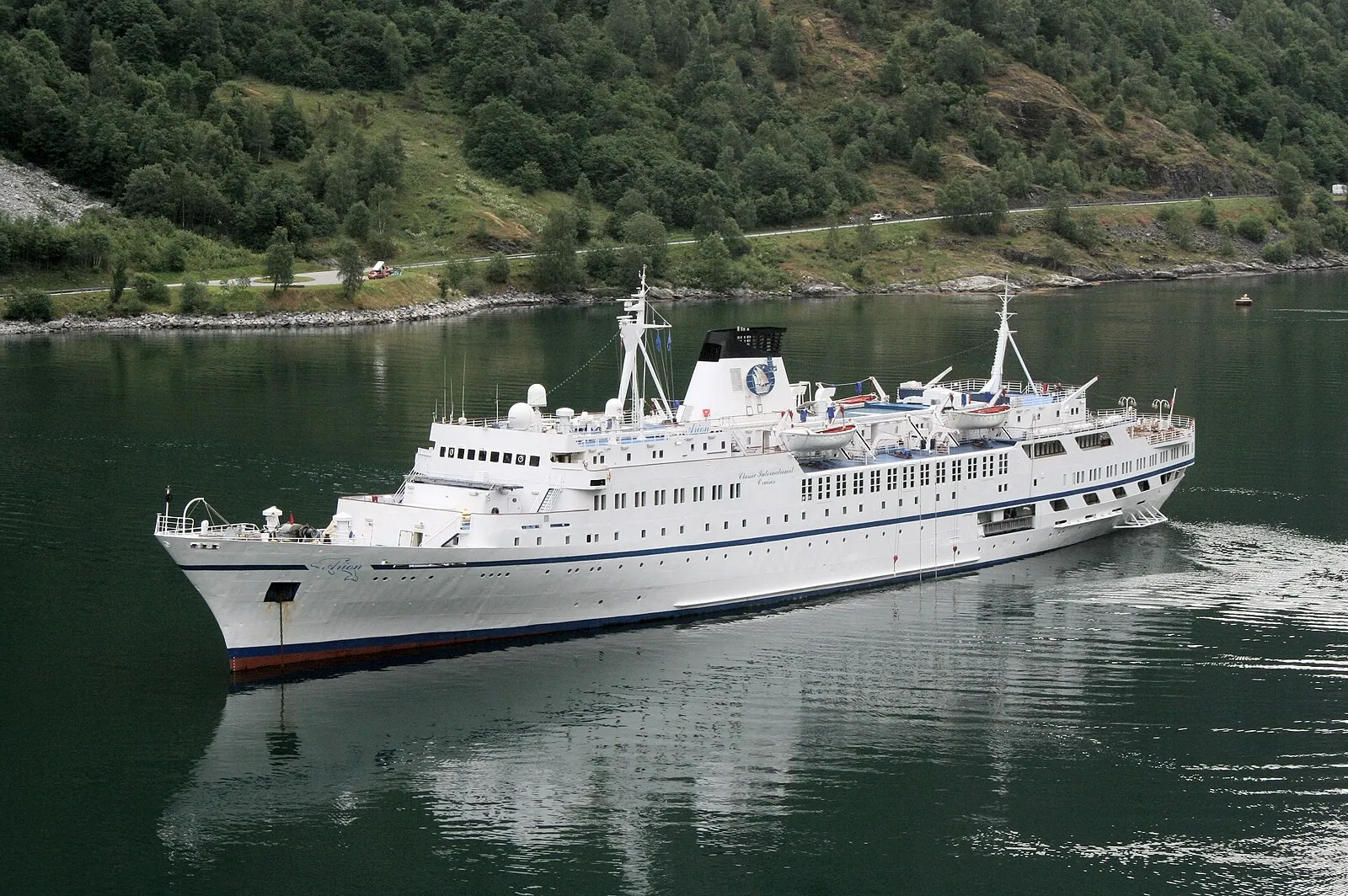
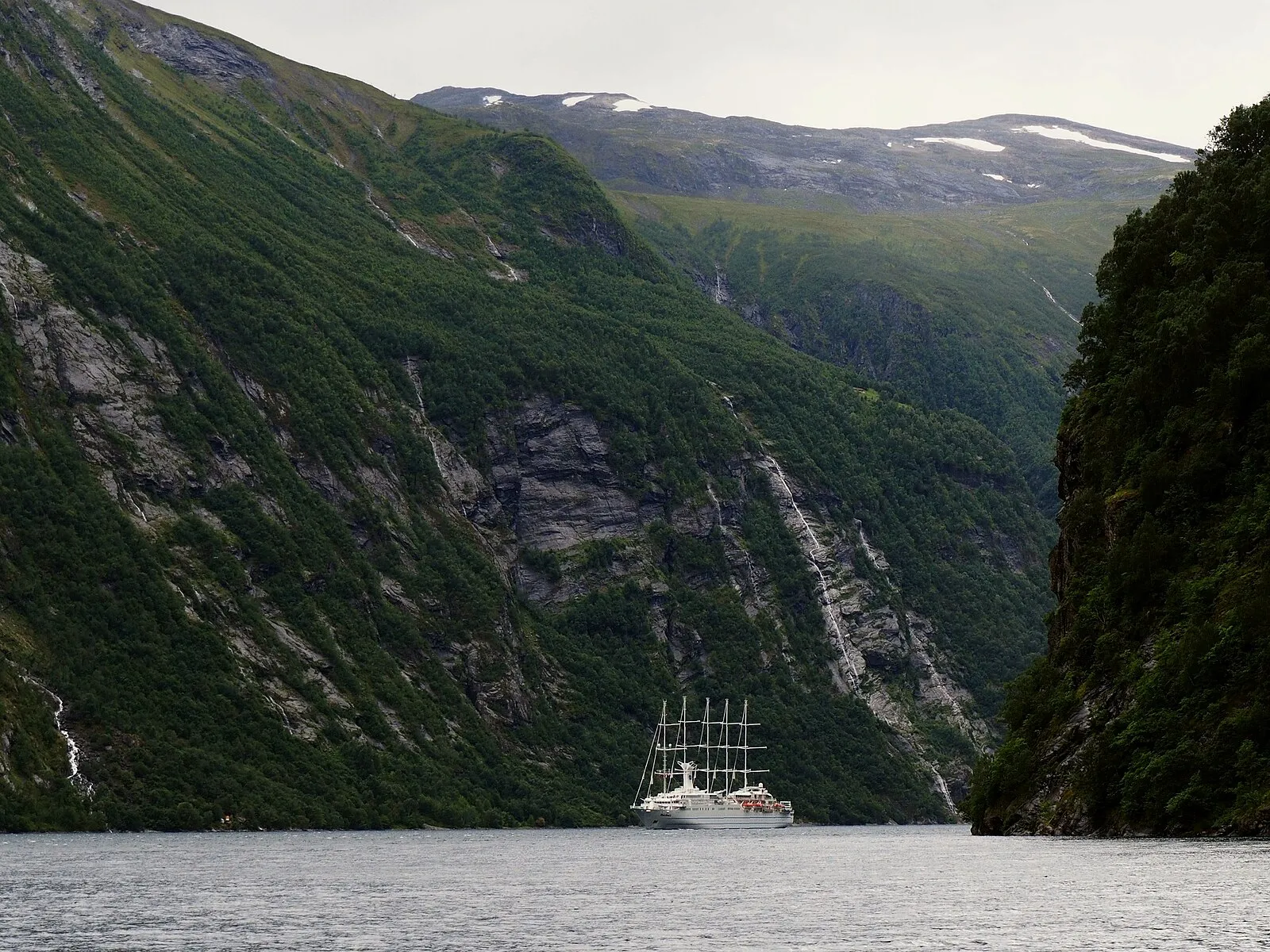
- Terminals: Norwegian fjord itineraries call at multiple ports. Geiranger is a tender port — ships anchor in the fjord and passengers ride small boats to the village pier. Flam and Alesund have deep-water piers where ships dock directly alongside. Olden is typically a tender port as well. All pier areas are accessible for wheelchair users with level boarding areas and ramps where needed.
- Currency: Norwegian Krone (NOK); credit and debit cards accepted virtually everywhere, including small vendors and rural shops. Norway is nearly cashless — ATMs available but rarely needed.
- Language: Norwegian (English is widely spoken throughout the country, especially in tourist areas)
- Cost Level: Norway is expensive by European standards. Budget €15-20 for a basic lunch, €5-7 for coffee, €8-12 for a beer. Hot dogs from street vendors (about €5) are the budget-friendly option.
- Best Season: May through September is cruise season. June and July offer near-24-hour daylight. Waterfalls are most powerful in May and early June from spring snowmelt.
- Time Zone: Central European Time (CET / UTC+1), same as Paris and Berlin
Getting Around
Transportation tips for cruise visitors.
- Geiranger (Tender Port): The tender ride itself is scenic — a short boat journey beneath towering cliffs with waterfalls on either side. Once ashore, the village is compact and walkable. For the Flydalsjuvet viewpoint (5 km) or Dalsnibba summit (24 km, 1,500 m elevation), book a ship excursion or arrange a taxi in advance. Taxis are limited in Geiranger and fill quickly on cruise ship days. RIB boat tours depart from the village pier.
- Flam (Pier Port): Ships dock directly at the pier. The Flam Railway station is a two-minute walk from the gangway — one of the easiest port-to-attraction transitions in cruising. The train can be booked independently at vy.no, often at a lower fare than the ship excursion price. The village is tiny and entirely walkable. A small museum and several gift shops cluster near the station.
- Olden (Tender Port): Tender to the village, then bus or excursion vehicle to Briksdal Glacier (about 25 km, 30 minutes by road). Electric troll cars are available for the final stretch to the glacier face, making this attraction accessible for visitors with limited mobility or those who prefer not to hike the full 2.8 km trail.
- Alesund (Pier Port): Ships dock at the pier in the heart of town. Everything is walkable — the Art Nouveau centre, Aksla viewpoint (418 steps from the town park), the aquarium, and waterfront restaurants are all within a fifteen-minute walk from the ship. City buses and hop-on hop-off buses available for about €20 per day.
Norwegian Fjords Area Map
Interactive map showing cruise terminal and Norwegian Fjords attractions. Click any marker for details.
Excursions & Activities
How to spend your time ashore. For popular excursions like the Flam Railway and glacier hikes, book ahead during peak season to secure your spot. Many visitors choose to explore independent of the ship excursion options for flexibility and cost savings, though a ship excursion offers guaranteed return to the vessel before departure.
Geirangerfjord Viewpoints: Flydalsjuvet & Dalsnibba
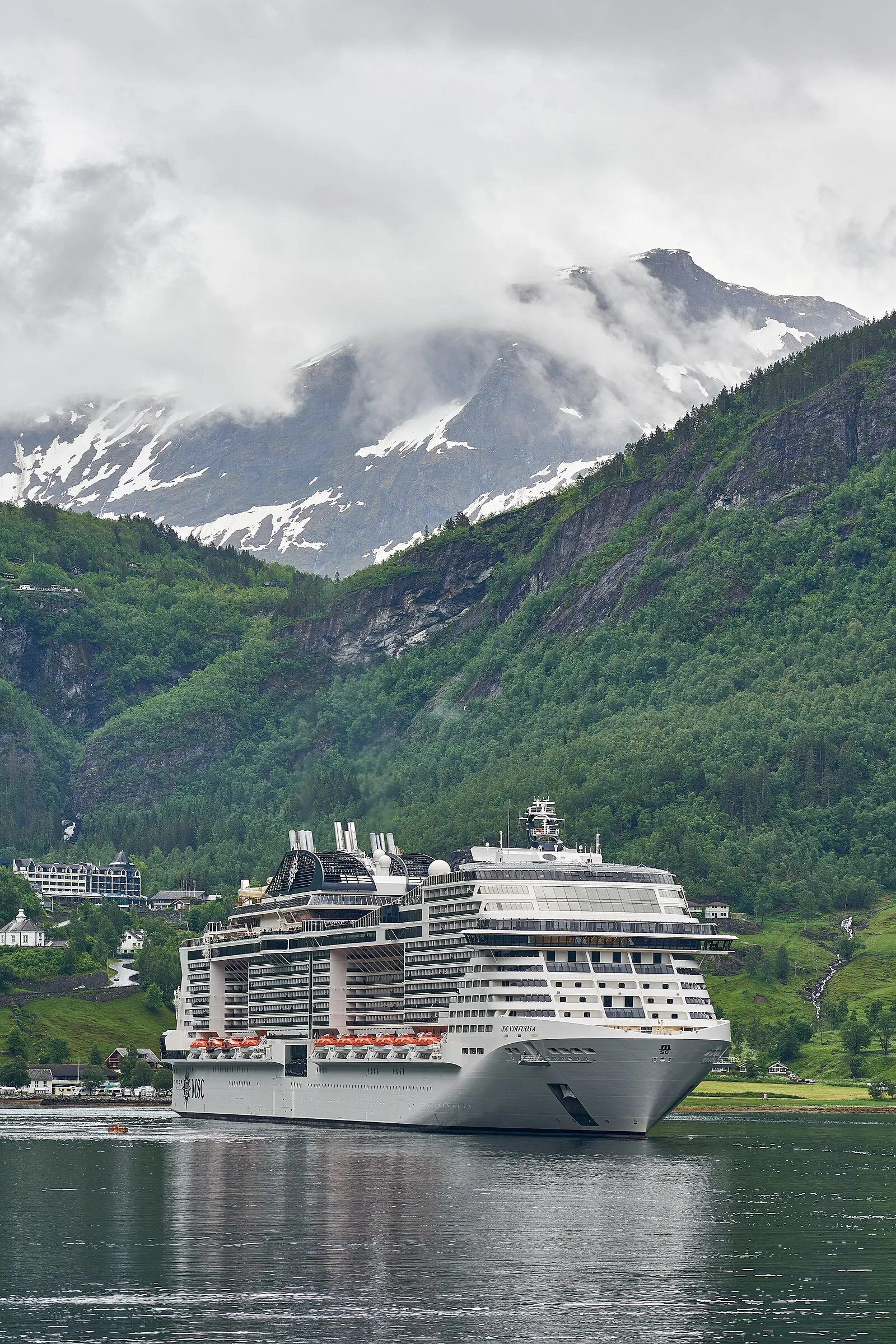
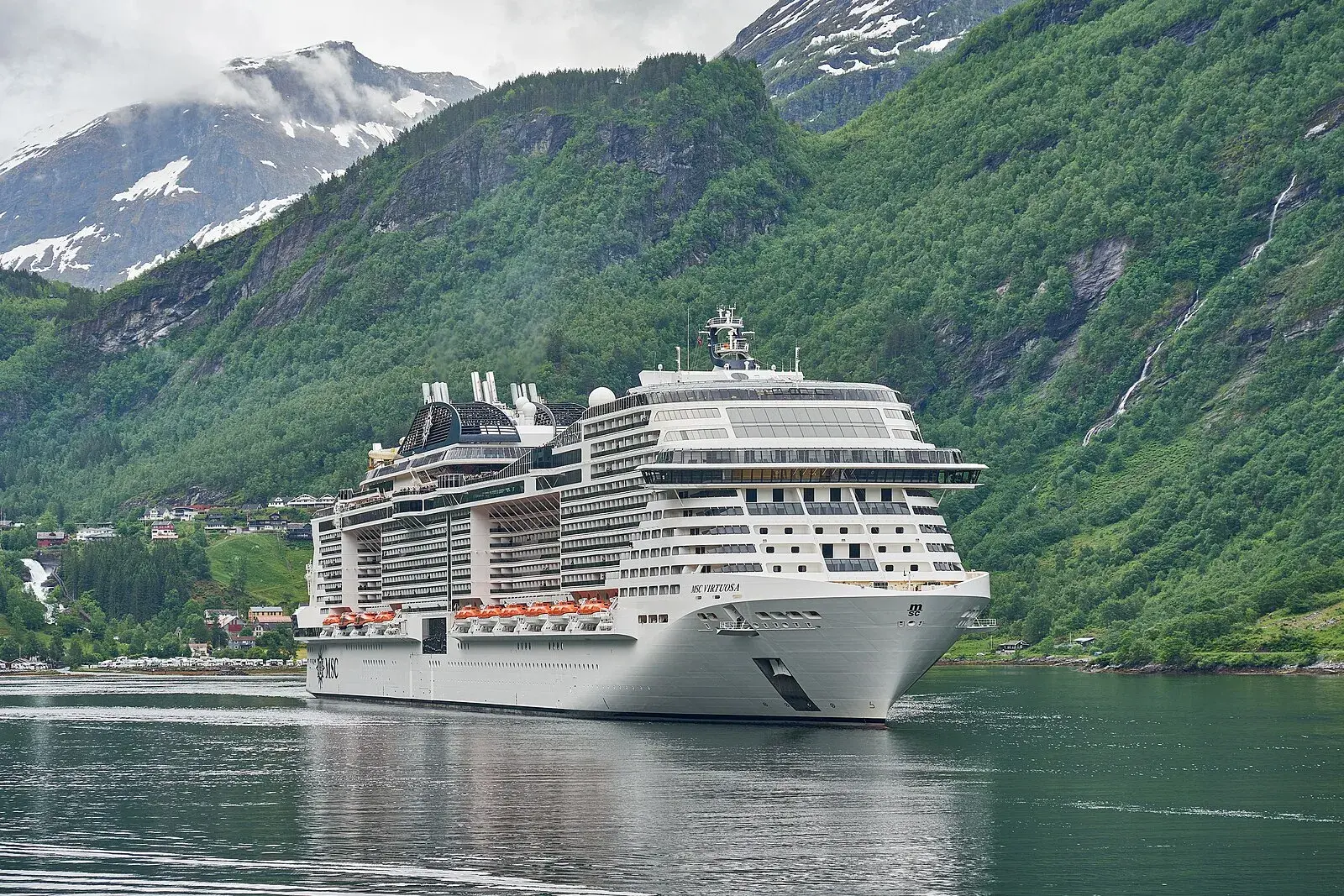
Two dramatic viewpoints above Geiranger village. Flydalsjuvet (5 km from the pier, about 300 m elevation) offers the classic postcard view of the fjord and cruise ship below. Dalsnibba (24 km, 1,500 m elevation) is accessible May through October and provides a panoramic view with snow-capped peaks in every direction. Ship excursion cost is typically €70-90 per person. Independent taxis charge around €50-60 for a return trip to Flydalsjuvet — book ahead as availability is limited on cruise ship days. The Dalsnibba road includes a €10 toll per vehicle.
RIB Boat Safari in Geirangerfjord
High-speed rigid inflatable boats take passengers directly beneath the Seven Sisters, The Suitor, and Bridal Veil waterfalls — close enough to feel the spray on your face. Approximately €80-100 per person for a one-hour tour. Waterproof gear provided. An exhilarating way to experience the fjord from water level. Book ahead through local operators or as a ship excursion.
Flam Railway (Flamsbana)
Consistently rated one of the world's most beautiful train rides. The twenty-kilometre route climbs 863 metres through twenty tunnels with views of waterfalls, valleys, and mountain farms. At the Kjosfossen stop, passengers disembark beside a thundering waterfall where a huldra dancer appears in the mist — a moment of Norse mythology come alive. Round-trip fare is approximately €55 when booked independently at vy.no, compared to €80 or more as a ship excursion. The train is public transport and can be booked independently with better prices and flexibility. Allow 2-3 hours for the return journey. The station is a two-minute walk from the Flam cruise pier.
Briksdal Glacier Hike (from Olden)
The glacier arm of Jostedalsbreen — mainland Europe's largest glacier — descends into a valley accessible from Olden. A thirty-minute bus ride reaches the trailhead car park, then a moderate 2.8 km hike each way along a river valley leads to the glacier face. Electric troll cars are available for visitors with mobility limitations or those who prefer not to walk the full distance. Ship excursion cost is about €45-60. Independent buses run for around €25 return. The glacier has retreated significantly due to climate change — interpretive signs along the trail show its former extent. Allow 4-5 hours total.
Alesund Art Nouveau Walk & Aksla Viewpoint
Alesund was rebuilt entirely in Art Nouveau style after the devastating fire of 1904, creating one of Europe's most distinctive townscapes. Walk the harbour, admire the ornamental facades, then climb the 418 steps from the town park to Aksla viewpoint for a panoramic view of the islands and harbour. Free to explore. The Jugendstil Centre (Art Nouveau museum) costs about €10 entry and is worth an hour. Lunch at a waterfront restaurant runs about €20-30 per person for fresh Norwegian salmon or seafood.
Stave Churches & Viking Heritage
The fjord region holds layers of history stretching back over a thousand years. The tiny Undredal stave church, built in 1147, is the smallest still-in-use church in Scandinavia and sits in a village accessible by boat from Flam. Borgund stave church (about 45 km from Flam) dates to approximately 1180 and is among the best-preserved examples of medieval wooden architecture in the world. Viking houses, Neolithic burial mounds, and runic inscriptions are scattered throughout the valleys. Entry fees range from €5-10.
Depth Soundings Ashore
Lessons learned the hard way.
- Wake up early: Fjord scenic sailings at 5-6 a.m. are the most spectacular part of a Norwegian itinerary — set an alarm, dress warmly, and get on deck. The views from outside are incomparably better than through a stateroom window. This is worth losing sleep over.
- Dress in layers: Weather changes rapidly in the fjords. A waterproof jacket is essential even in summer. Temperatures can drop dramatically between sea level and viewpoints at altitude. Bring a hat and gloves for Dalsnibba even in July.
- Norway is expensive: Budget €15-20 for a basic lunch, €5-7 for coffee, €8-12 for a beer. Hot dogs from street kiosks (about €5) are the value option. Pack snacks from the ship if you want to save money ashore.
- Cash rarely needed: Norway is one of the most cashless societies on earth — cards accepted everywhere, including small vendors, rural shops, and even public toilets. ATMs are available but you may never need one.
- Book the Flam Railway independently: Available at vy.no at approximately €55 return, often significantly cheaper than the ship excursion fare of €80 or more. The station is a two-minute walk from the pier, so there is no transport advantage to the ship tour.
- Geiranger viewpoints: Flydalsjuvet is closer (5 km, moderate elevation) and accessible most of the season. Dalsnibba (24 km, 1,500 m) is higher with snow year-round and a €10 road toll, but the panorama is extraordinary. Both are accessible for visitors who can manage a vehicle transfer — the viewpoints themselves require minimal walking.
- Tender timing: At tender ports like Geiranger and Olden, be among the first tenders off to maximize your time ashore. Return tenders can queue up in late afternoon when multiple excursion groups return simultaneously.
Photo Collection
Frequently Asked Questions
Q: Which Norwegian fjord port is best?
A: Geiranger for sheer scenic impact (UNESCO World Heritage fjord with thundering waterfalls), Flam for the railway (one of the world's most beautiful train rides), Olden for glacier access (Briksdal Glacier arm), and Alesund for Art Nouveau architecture. All fjord ports score perfect 5.0 for natural beauty.
Q: Is the Flam Railway worth it?
A: Yes — consistently rated one of the world's most beautiful train rides. The twenty-kilometre journey climbs 863 metres through twenty tunnels with spectacular views, including the Kjosfossen waterfall stop with the huldra dancer performance. Book independently at vy.no for approximately €55 return, often cheaper than the ship excursion price of €80 or more.
Q: Can I hike to Briksdal Glacier in Olden?
A: Yes — the hike is 2.8 km each way with moderate difficulty along a river valley. Electric troll cars are available for visitors with wheelchair access needs or those who prefer not to hike the full distance. The glacier has retreated significantly due to climate change but remains spectacular.
Q: What is the best time to visit Norwegian fjords?
A: May through September is cruise season. Waterfalls are most powerful in spring and early summer from snowmelt. June and July offer nearly twenty-four-hour daylight. September has autumn colours but fewer cruise ships. All fjord ports offer perfect scenery regardless of the specific month within season.
Q: What should I pack for Norwegian fjords?
A: Essentials include a waterproof jacket, layers for variable temperatures (it can be warm at sea level and cold at altitude on the same day), comfortable walking shoes with grip for wet paths, sunscreen, and a camera. A hat and gloves are wise for Dalsnibba and glacier excursions even in summer.
Q: Is there wheelchair accessibility in the fjord ports?
A: Accessibility varies by port. Flam and Alesund have pier-side docking with level access to town. Geiranger and Olden require tender boats which may present challenges for wheelchair users. At Briksdal Glacier, electric troll cars provide an accessible alternative to the hiking trail. Many ship excursions can accommodate mobility needs with advance notice.
Q: Will rain ruin my port day?
A: Brief showers are common in the fjords but rarely last long enough to significantly impact your day. Rain can actually enhance the scenery by creating additional waterfalls on the cliff faces. A good waterproof jacket is essential. Have a backup plan for indoor attractions in Alesund (Jugendstil Centre, aquarium) if weather is severe.
Norwegian Fjords: Where Glaciers Carved the Edge of the World
Last reviewed: February 2026
My Visit to the Norwegian Fjords
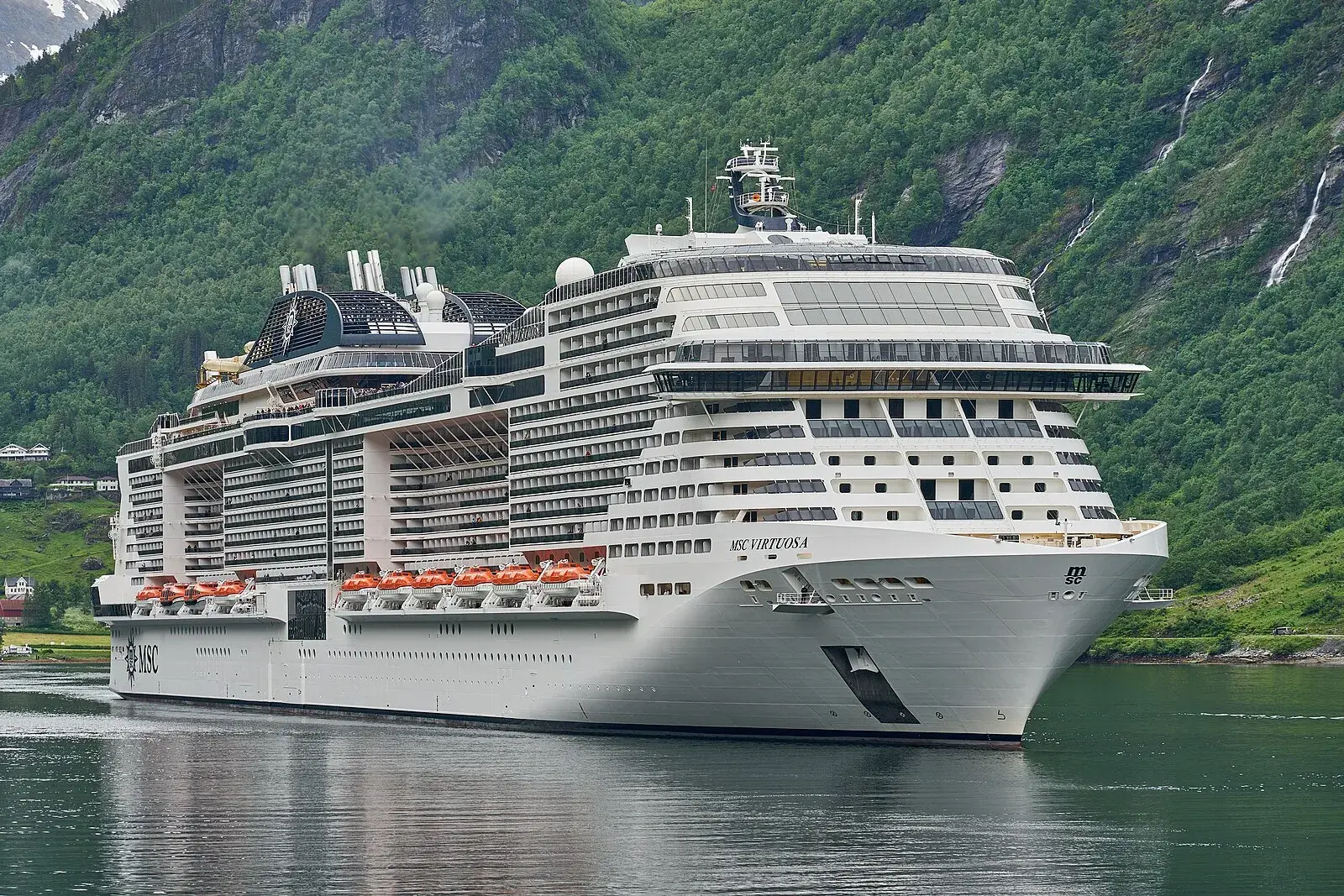
I woke at four-thirty in the morning to the sound of my cabin steward gently rapping on the door, and for a moment I could not remember why I had asked him to do so. Then I felt the ship slow beneath me — a subtle shift in the vibration of the hull — and I remembered. We were about to enter Geirangerfjord. I pulled on my jacket, grabbed my camera, and stepped out onto the open deck into air so cold and so clean it felt like drinking water straight from a mountain stream. The sky above me was a pale silver-blue, not yet touched by the sun, and the fjord opened ahead of us like a corridor carved by the hand of something far older and far more patient than any human architect.
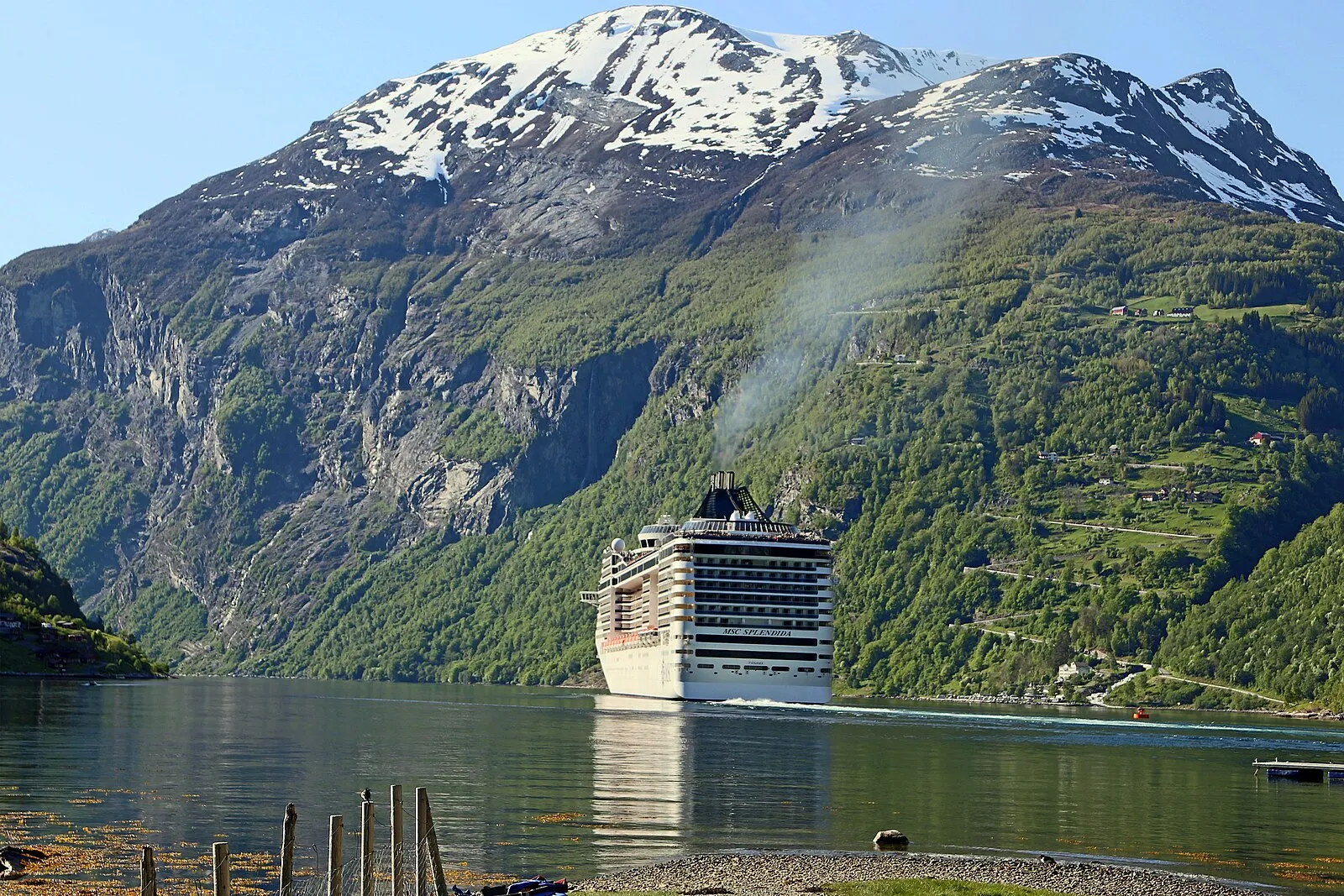
My wife joined me a few minutes later, wordless, and we stood side by side at the rail as the ship glided deeper into the fjord. Cliffs rose on both sides — sheer walls of grey and green, a thousand metres high, streaked with waterfalls that poured from ledges so far above us they seemed to fall from the clouds themselves. I counted seven distinct cascades on the port side alone before I lost track. The sound of them reached us across the still water: a low, continuous roar that I felt in my chest as much as I heard with my ears. Mist from the nearest fall drifted across the bow and settled on my face, cold and fine, and I tasted minerals on my lips — ancient snowmelt filtered through granite. The silence among the passengers on deck was absolute. No one spoke. Someone near me whispered, "this cannot be real," and I understood precisely what they meant, because the scale of it overwhelmed every frame of reference I possessed.
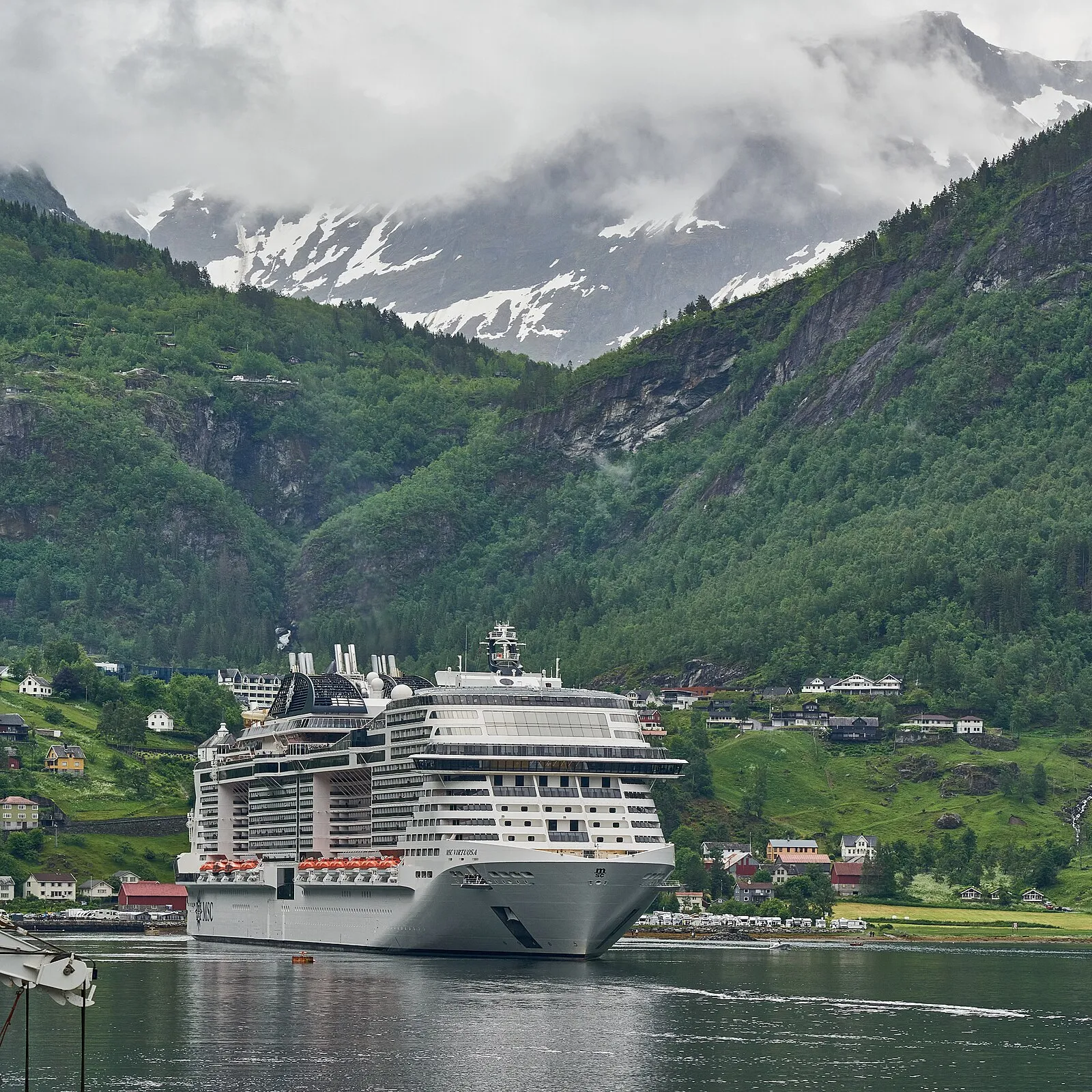
UNESCO declared Geirangerfjord and Naeroyfjord a World Heritage Site on July 14, 2005, the only Norwegian site recognised solely on natural criteria, and when I saw those cliffs for myself I understood why committees and credentials and formal designations exist — because some places deserve to be protected from the carelessness of the world. We tendered ashore mid-morning and I walked through the tiny village of Geiranger, past wooden houses painted ochre and red, past a small church with a cemetery overlooking the water. The air smelled of wet grass and pine resin. A farmer was loading hay onto a cart, and he raised his hand in a quiet greeting. I waved back, and for a few steps I felt as though I had wandered into a century that was not my own.
Our excursion that day took us up the switchback road to Flydalsjuvet viewpoint, roughly five kilometres above the village. The cost was about €70 per person for the ship tour, though I later learned that independent taxis charge around €50 for the same trip if you book ahead. At the top, I stepped out of the bus and walked to the edge, and the view knocked the breath from my chest. The fjord lay below me like a ribbon of dark sapphire threaded between walls of living rock, our ship a white speck at its centre, and beyond it mountains stretched to the horizon in every direction — ridge after ridge fading from green to blue to grey. I stood there for a long time. My wife took photographs. I did not. I wanted to remember it with my eyes, not through a screen, because I knew that no image would ever capture the depth of what I was seeing.
The following day we docked in Flam, and I walked straight from the pier to the Flam Railway station — a distance of barely two hundred metres. The fare was about €55 return, cheaper than the ship excursion at €80. This engineering marvel opened on August 1, 1940, after twenty years of construction through solid mountain, and every metre of its twenty-kilometre route felt earned. The train climbed 863 metres through twenty tunnels, past waterfalls that crashed so close to the carriage windows I could have reached out and touched them. At Kjosfossen the train stopped, and we stepped onto a platform beside a waterfall so powerful that the spray soaked my jacket within seconds. A dancer appeared on the rocks above — the huldra, a figure from Norse mythology — and moved through the mist like something between dream and memory. I watched her until the whistle blew and we climbed back aboard, and I carried the image of her with me for the rest of the day, though I could not have said exactly why it moved me so.
In Olden, we took a bus to Briksdal Glacier — a thirty-minute drive followed by a 2.8-kilometre hike each way to the glacier face. The cost was about €45 for the ship excursion, though independent buses run for around €25. The path wound through birch forest along a river swollen with glacial meltwater, milky blue-green and bitterly cold when I dipped my hand in. At the end of the trail, the glacier arm descended from the mountain like a frozen tongue, cracked and blue and ancient. However beautiful it was, I noticed the signs marking where the ice had reached in previous decades — each one further forward than the glacier's current position, a quiet record of retreat that sobered me. Electric troll cars were available for visitors with mobility needs or those who preferred not to hike, which I thought was a thoughtful accommodation for a place that deserves to be seen by everyone, regardless of physical ability.
Yet it was our final fjord port, Alesund, that surprised me most. I had expected raw nature and instead found art. The entire town centre had burned in a devastating fire in 1904, and it was rebuilt in the Art Nouveau style — turrets, spires, ornamental facades in soft pastels and carved stone. I climbed the 418 steps to Aksla viewpoint and looked down over a townscape that resembled a fairy-tale illustration, with the harbour and islands spread beyond it. The climb cost nothing, and the reward was everything. We ate lunch at a waterfront restaurant — grilled salmon with dill and new potatoes, about €25 each — and I watched fishing boats come and go while seagulls wheeled overhead, their cries sharp against the quiet lap of water on the pier.
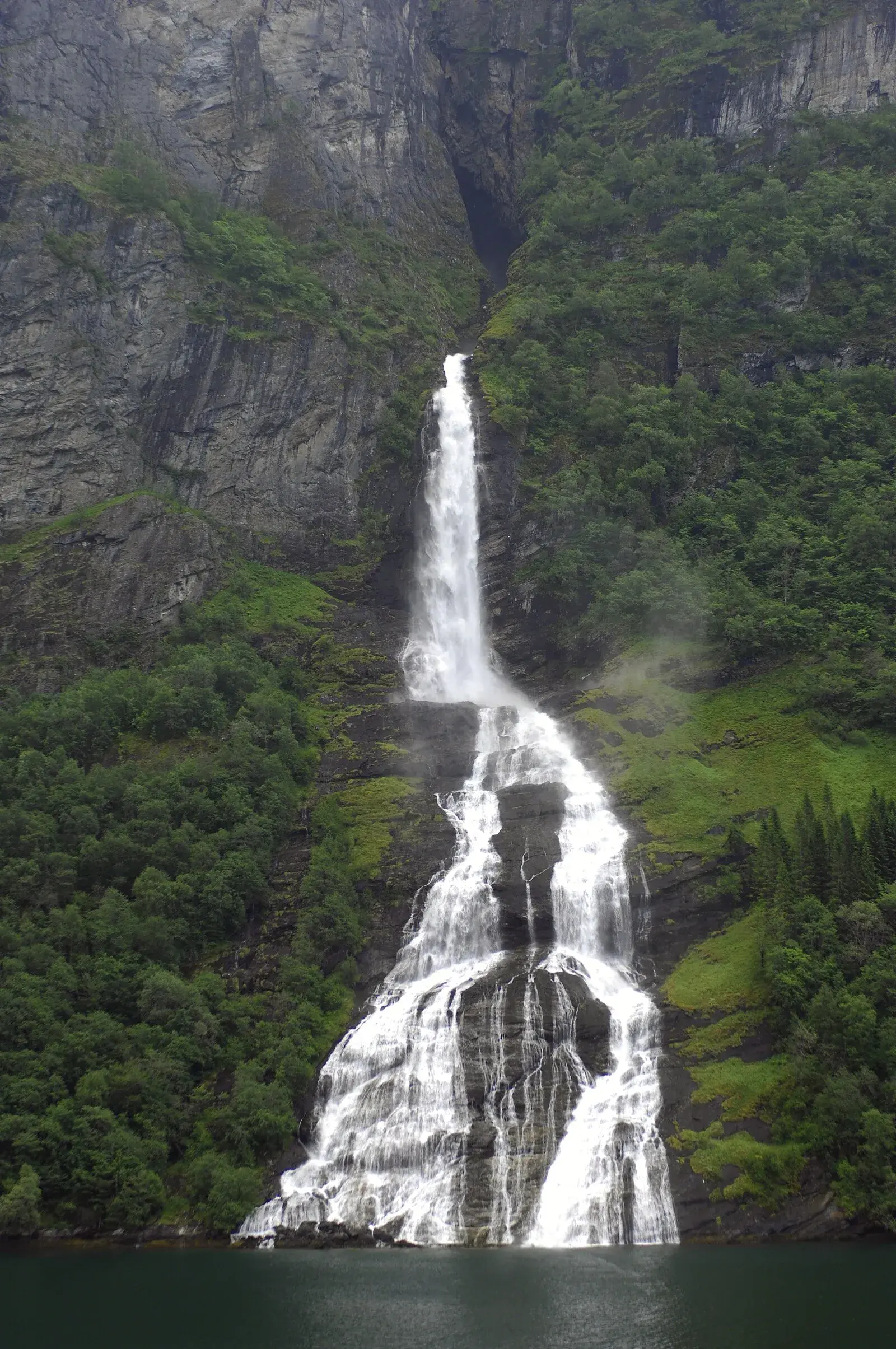
On our last evening, as the ship sailed out through Storfjorden and the mountains began to flatten toward the open sea, my wife and I stood on the aft deck and watched the fjords disappear behind us. The light was golden and low, the water still as glass, and the air smelled of salt and pine and something older that I could not name. She reached for my hand and held it, and neither of us spoke for a long time. I felt my heart swell with something I can only describe as gratitude — not merely for the beauty we had witnessed, but for the gift of witnessing it together, for the health to climb those paths and the grace to stand in silence before things far greater than ourselves.
Looking back, I realize what the Norwegian fjords taught me. They are not a destination you consume; they are a place that changes you. The waterfalls do not perform for an audience — they have been falling for millennia, long before any ship sailed beneath them, and they will continue long after we are gone. The glaciers retreat slowly, recording time in ice. The stave churches at Undredal and Borgund have stood for nearly a thousand years, built by hands that understood endurance. I learned that the finest moments in travel are not the ones you plan but the ones that find you — a whispered word on a cold deck at dawn, the taste of glacial meltwater on your fingertips, the sound of waterfalls echoing through a valley where no one needs to speak because the earth is already saying everything that matters. We sailed home carrying something we did not have before: a deeper quiet, a wider sense of wonder, and a prayer of thanks for the world as it was made.
Image Credits
- Hero image: WikiMedia Commons (CC BY-SA)
- All fjord, waterfall, railway, glacier, and town images: WikiMedia Commons (CC BY-SA)
Author's Note: Until I have sailed this port myself, these notes are soundings in another's wake — helpful for planning, and marked for revision once I've logged my own steps ashore.
Key Facts
- Region
- Norwegian Fjords
- Currency
- Norwegian Krone (NOK); credit and debit cards accepted virtually everywhere, including small vendors and rural shops. Norway is nearly cashless — ATMs available but rarely needed
- Language
- Norwegian (English is widely spoken throughout the country, especially in tourist areas)