


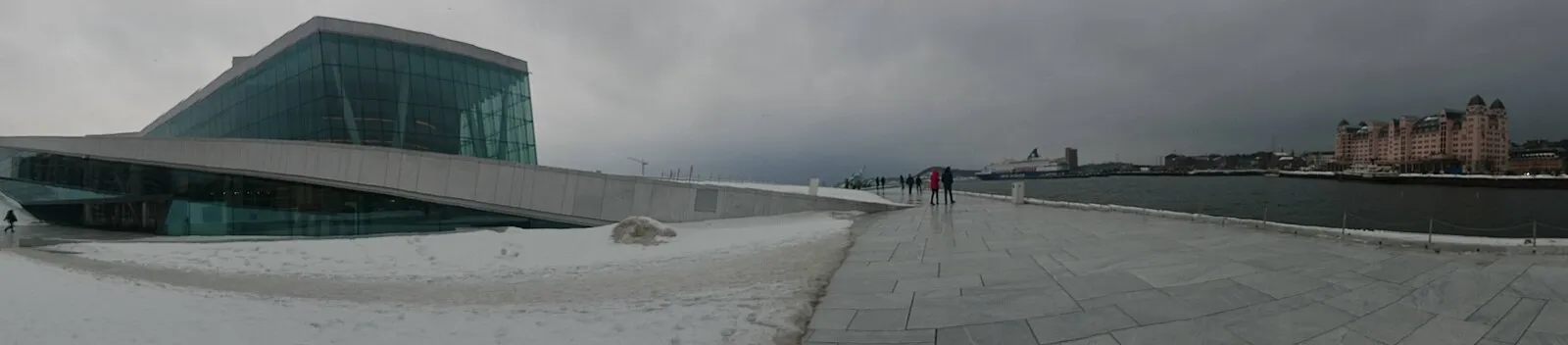
Photo: WikiMedia Commons
My Logbook: Oslo — Vikings, Opera & the World's Most Beautiful Sail-In
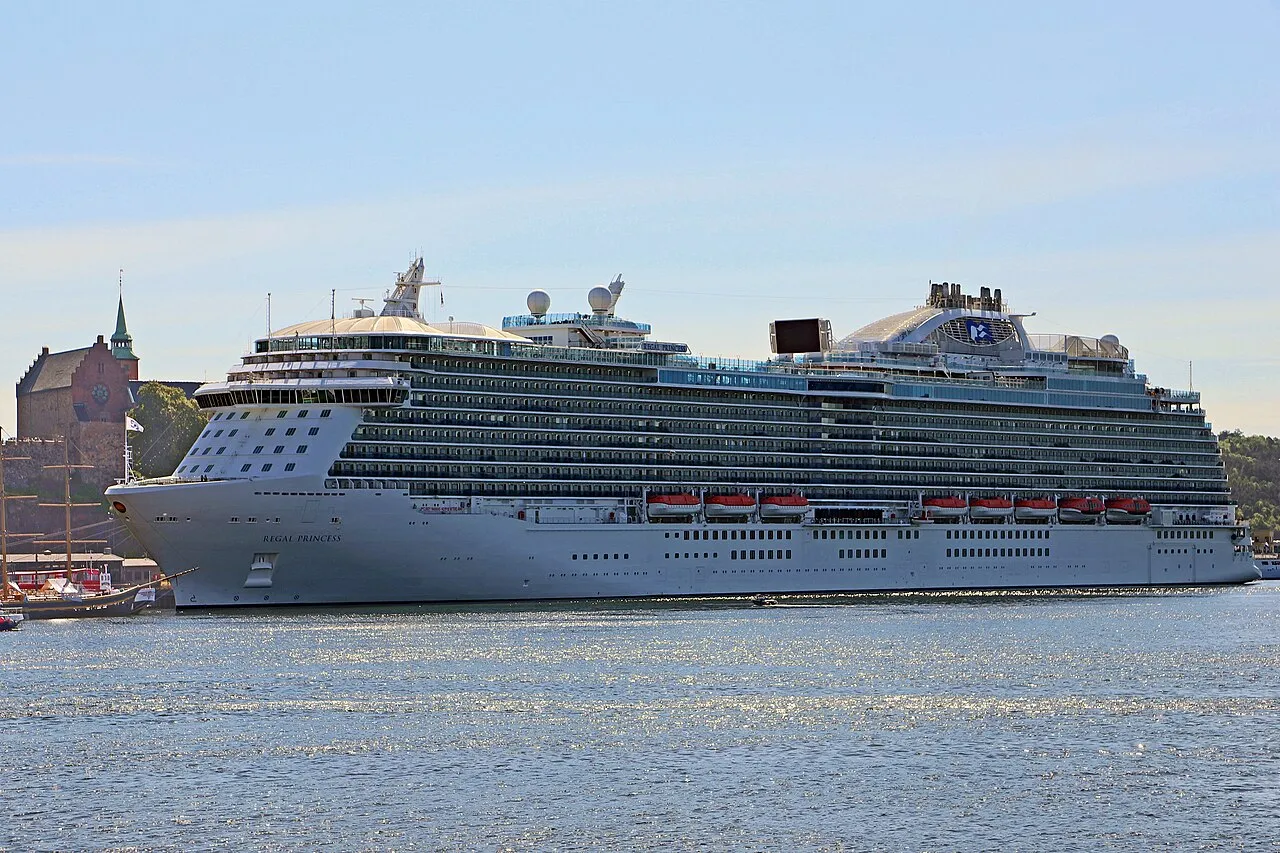
Every single time our Royal Caribbean ship sails up the stunning Oslofjord past tiny islands, red wooden cabins, and the occasional sauna on a rock, I feel like I'm entering the most beautiful capital city approach on earth. Oslo has become a regular on Northern Europe and Norway-intensive itineraries, and cruisers consistently rank it in the top 3 Scandinavian ports (4.8–5.0 average 2023–2025).
My perfect day starts the second we dock: I'm off the ship and on the 8-minute ferry across to Bygdøy peninsula, where history comes alive in the most unexpected ways. The Viking Ship Museum houses the world's two best-preserved Viking vessels — the Oseberg and Gokstad ships — though I should mention it's closed for renovation until 2027, when it will reopen as the Museum of the Viking Age. The Oseberg ship is the crown jewel: built around 820 AD, it became a burial ship in the autumn of 834 AD, possibly for Queen Åsa of the Yngling clan. The excavation revealed not just the ship but an entire world frozen in time — fourteen horses, an ox, three dogs, and some of the finest Viking artifacts ever discovered. When I stand before it, I'm not just looking at wood and iron; I'm standing before the funeral vessel of a Norse queen who ruled over a thousand years ago, whose people believed this ship would carry her to the afterlife. These remarkable longships were discovered in the Oslo fjord in the late 19th century, almost completely intact because the blue clay mud sealed them away from oxygen for over eleven centuries. On the same peninsula, the Fram polar exploration ship — the vessel that sailed furthest north and south in history — sits alongside Thor Heyerdahl's Kon-Tiki raft, and I always linger longer than I plan.
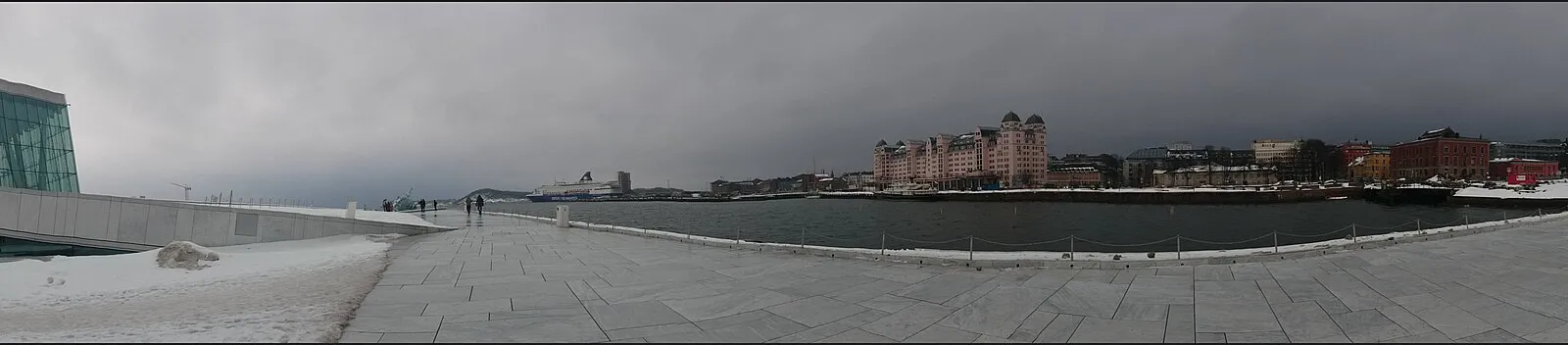
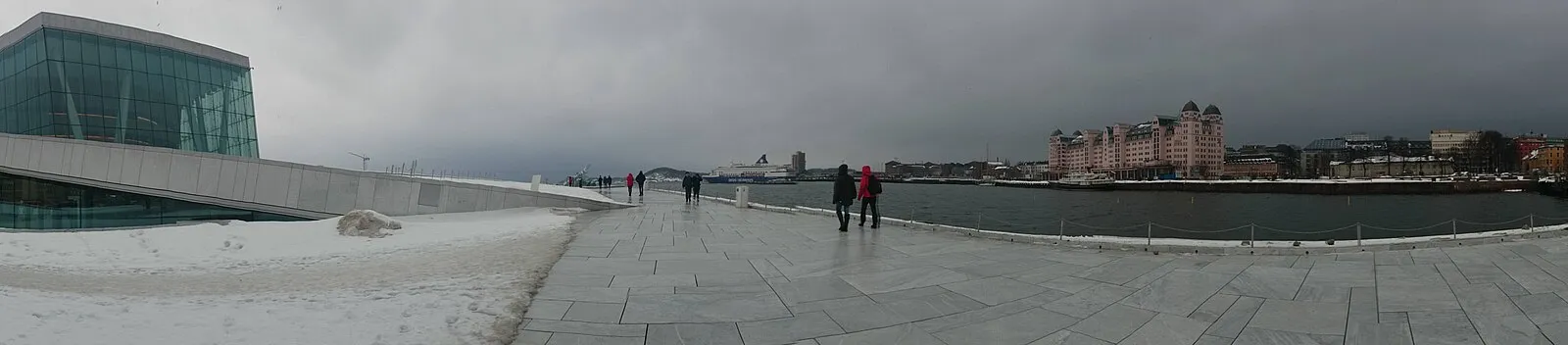
Back in the city center, the new Munch Museum is non-negotiable — this towering waterfront building houses over 28,000 pieces by Edvard Munch, including multiple versions of The Scream, and the upper-floor windows frame the Oslo Fjord in a way that makes you understand why Munch painted the way he did. But it's the Oslo Opera House that truly takes my breath away every single visit. This modern theatre rises from the fjord like a glacier of white marble and glass, and you can walk right up the sloping roof to stand above the water — it's one of those rare architectural experiences that feels both monumental and intimate, as if the entire city invited you to climb onto its shoulder and look out to sea. For lunch, I always head to Mathallen food hall for salmon and brown cheese waffles, then catch tram 12 out to Vigeland Sculpture Park, the world's largest sculpture park created by a single artist. Gustav Vigeland's over 200 works in bronze, granite, and forged iron aren't just statues — they're a meditation on the entire circle of human life, capturing every emotion from bliss to despair in stone. The famous Monolith with its 121 writhing figures always leaves me standing there longer than I expect, contemplating something I can't quite name.
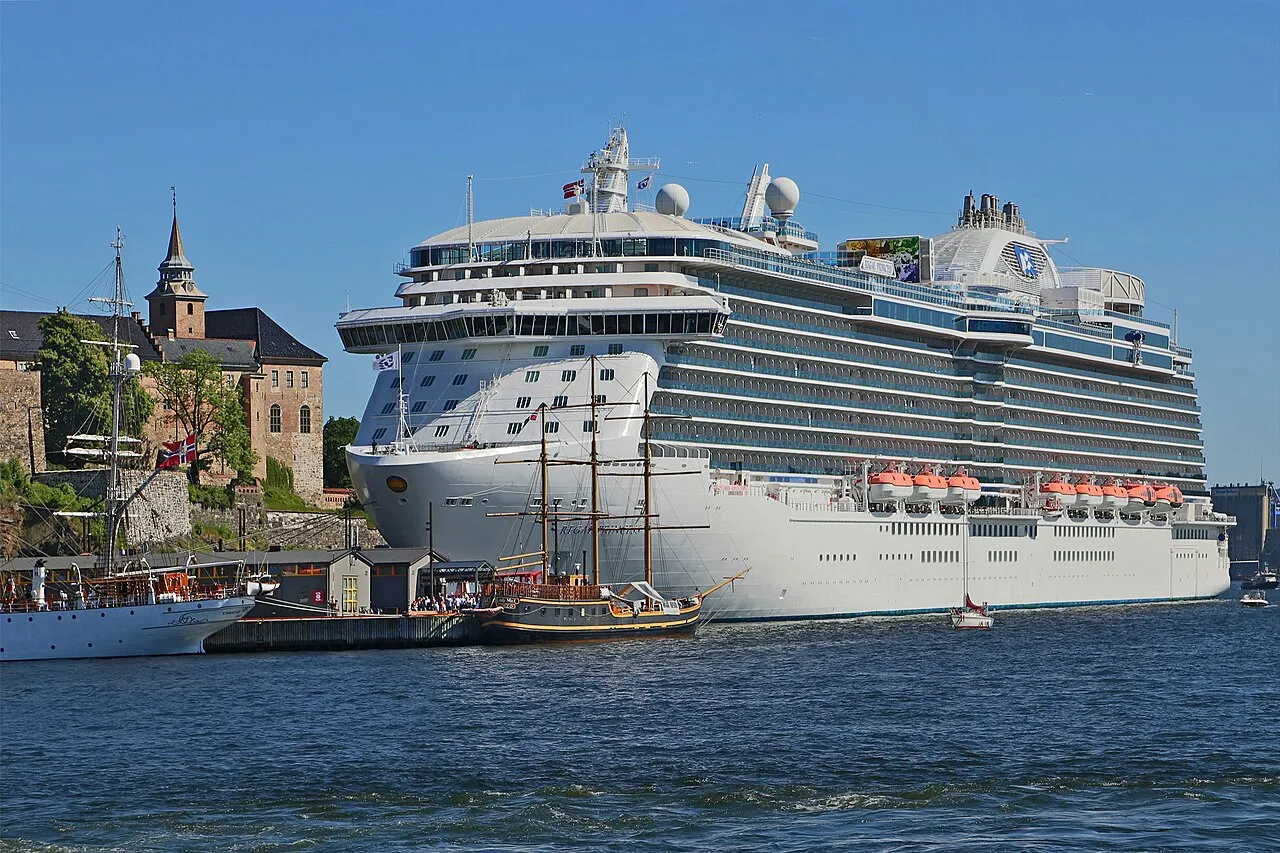
If I have time before all-aboard, I wander up to Akershus Fortress, the 13th-century stone stronghold that once served as a royal residence and now houses military museums and the most stunning golden-hour views over the harbor. On warmer days, I've taken Oslo fjord boat tours or rented a kayak to see the city from the water — gliding past the Opera House and modern waterfront from sea level gives you a Viking's-eye view of this seafaring capital. If you're feeling adventurous and have a full day, the Holmenkollen Ski Jump towers above the city with magnificent views that stretch across forests and fjord; the museum there traces Norway's deep connection to skiing back centuries. The Aker Brygge waterfront is where I end up every time — craft beer and people-watching as the northern light shifts across the water.
Oslo feels modern, green, wealthy, and totally relaxed — a place where thousand-year-old history sits comfortably beside cutting-edge architecture, and where the fjord is never more than a few minutes' walk away.
Looking back, what Oslo taught me was this: beauty endures when it's made with care. The Oseberg ship survived eleven centuries because someone carved it with devotion. The Opera House's marble will outlast us for the same reason. I realized that the places which move me most are never the flashiest or the most expensive — they're the ones where someone poured themselves into the work and trusted it to speak for itself. Oslo is that kind of city. It doesn't shout. It just stands there, quiet and true, and waits for you to notice.
Weather & Best Time to Visit
The Cruise Port
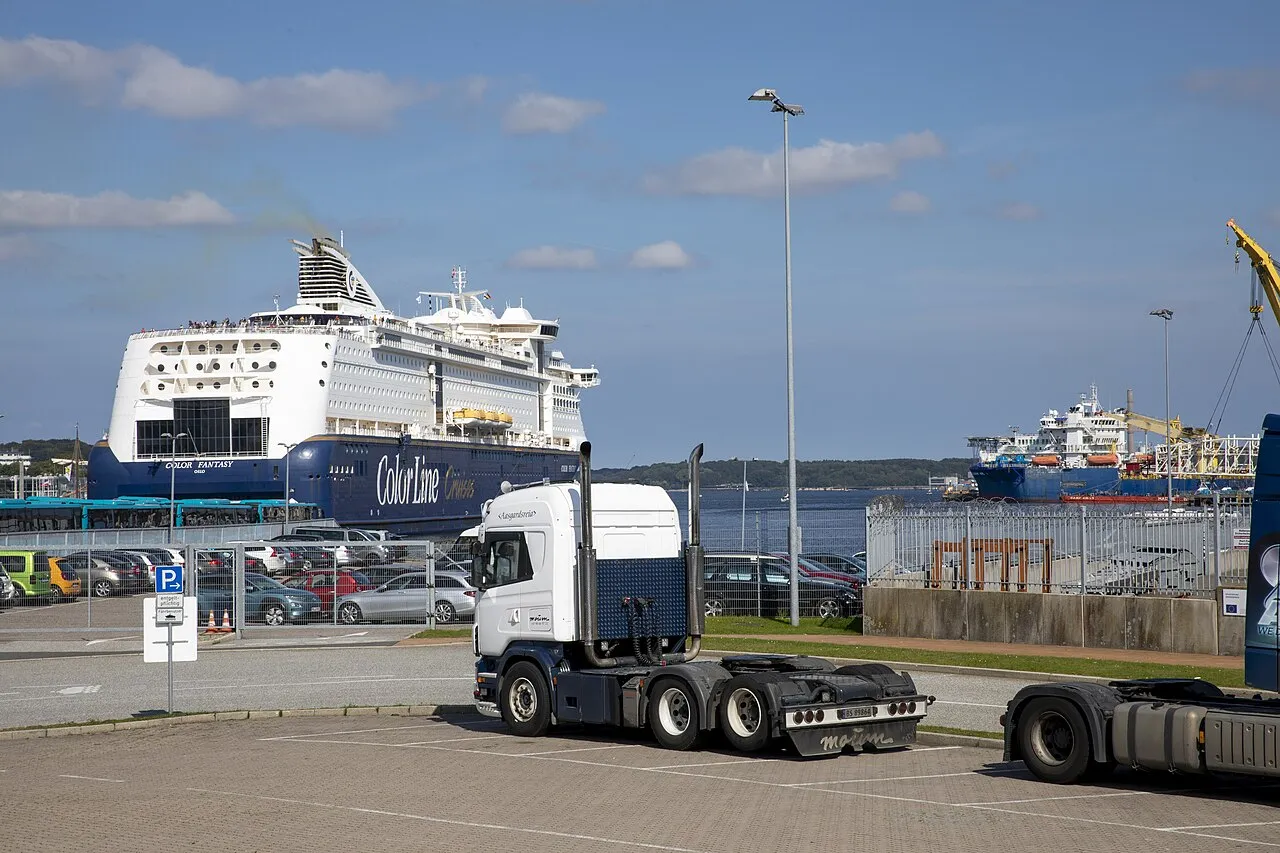
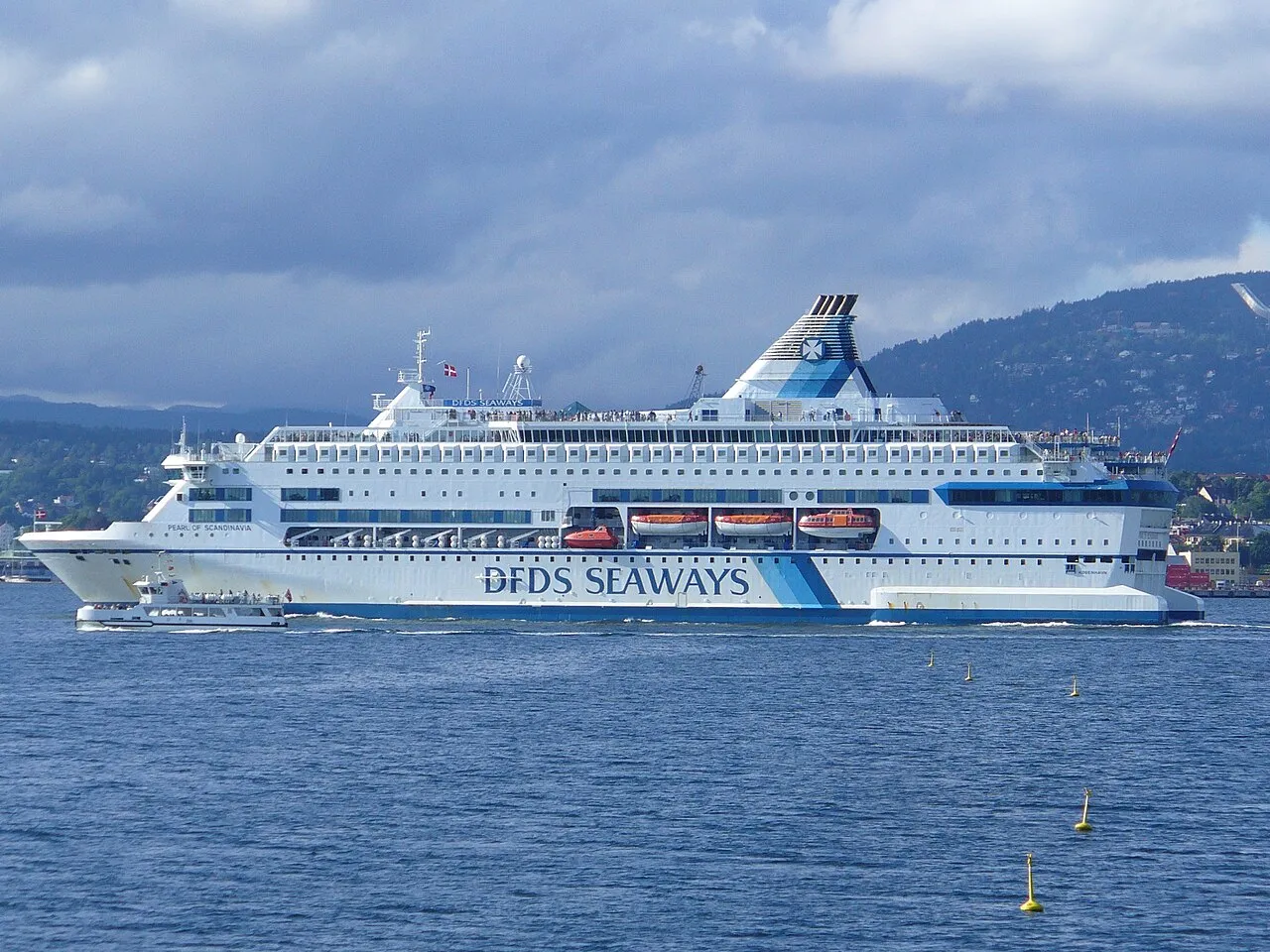
Oslo serves as a major turnaround and port-of-call destination for Northern European and Norwegian fjord itineraries. Ships dock at one of two main terminal areas: Filipstad on the western harbor or Sørenga near the Opera House on the eastern side. Both are within walking distance of the city center — Filipstad is about a 20-minute walk along the waterfront through the Aker Brygge development, while Sørenga puts you practically next to the Munch Museum and Opera House.
Terminal facilities are straightforward — no sprawling shopping complexes or tourist traps, just efficient Scandinavian design. The pier areas have clear signage and easy pedestrian access. Taxis queue at both terminals, and public tram stops are within a short walk. The Aker Brygge ferry dock (for Bygdøy museums) is a 10-minute walk from Filipstad. On busy summer days, multiple ships may dock simultaneously, so expect some congestion at the pedestrian exits during peak morning hours. Wheelchair users will find the flat waterfront promenade between terminals and city center fully accessible, though some cobblestone sections near Akershus Fortress require care.
Getting Around Oslo
Ships dock at either Filipstad or Sørenga — both are a flat 15–25 minute walk approximately 13 football fields, 49 blue whales end-to-end, or 1,066 emperor penguins stacked skyward or a tram ride to the Opera House and city center. Public ferries to Bygdøy leave every 20 minutes right from the pier area (Aker Brygge). Oslo's public transit system (Ruter) covers trams, buses, ferries, and the metro — a single 24-hour pass costs around 117 NOK (about €10) and covers everything including the Bygdøy ferry.
- Opera House: 15–20 minute walk from most terminals roughly 11 football fields, 40 blue whales in a row, or 880 emperor penguins forming an improbable tower
- Bygdøy Museums: Ferry from Aker Brygge (10 min, included in transit pass) or Bus 30
- Vigeland Park: Tram #12 from city center or 30 min walk approximately 18 football fields, 67 blue whales end-to-end, or 1,466 emperor penguins balancing precariously
- Holmenkollen Ski Jump: Metro line 1 from Majorstuen (about 20 min) — worth the trip for panoramic views
- Munch Museum: 20 minute walk from the pier or tram from city center — the waterfront location is easy to find
The city center is compact and walkable. Most attractions cluster along the waterfront or within a 2 km radius of the Opera House. Sidewalks are wide and well-maintained, and crosswalks have audible signals for visually impaired travelers. Wheelchair users will find most trams and buses fully accessible with low-floor boarding. Taxis are available but expensive (expect 150–200 NOK for a short ride within the center). The clean air and wide-open spaces are Oslo's gift to you — breathe deep and let the Norwegian calm wash over you.
Oslo Port Map
Interactive map showing cruise terminal and Oslo attractions. Click any marker for details.
Top Excursions & Things to Do
Bygdøy Peninsula Museums (half day, self-guided): Take the 10-minute public ferry from Aker Brygge to Bygdøy, where four outstanding museums sit within walking distance of each other. The Fram Museum houses the polar vessel that sailed farther north and south than any other wooden ship in history — you can walk below decks and imagine wintering in Arctic ice. Next door, the Kon-Tiki Museum displays Thor Heyerdahl's balsa-wood raft and the reed boat Ra II. The Norwegian Maritime Museum rounds out the nautical story. The Viking Ship Museum is closed for renovation until 2027, when it reopens as the Museum of the Viking Age. Ferry included in 24-hour transit pass (117 NOK). Individual museum tickets run 100–150 NOK each; combination tickets available. Book ahead for the Fram Museum in peak summer to avoid queues.
Munch Museum (2–3 hours): The towering waterfront building houses over 28,000 works by Edvard Munch, including multiple versions of The Scream. The upper floors offer framed views of the Oslofjord that help explain why Munch painted the way he did. Adult tickets around 160 NOK; pre-book online to skip the line. Wheelchair accessible throughout, with elevators to all floors. Ship excursion packages that include Munch plus the Opera House walk typically run €50–70 per person.
Oslo Opera House Rooftop Walk (1 hour, free): The Opera House rises from the fjord like a glacier of white marble and glass, and you can walk right up the sloping roof — no ticket needed. The views from the top span the harbor, the Barcode skyline, and the islands of the inner fjord. This is one of those rare experiences that costs nothing but stays with you. The roof surface can be slippery when wet, so wear shoes with good grip. Mobility-limited visitors can access the rooftop via a gentle incline on the south side.
Vigeland Sculpture Park (2–3 hours, free): The world's largest sculpture park by a single artist — Gustav Vigeland's 200+ works in bronze, granite, and wrought iron cover the entire arc of human life. The central Monolith with its 121 intertwined figures is the centerpiece. Open 24 hours, free admission. Tram #12 from the city center or a 30-minute walk. The park paths are flat, wide, and fully accessible for wheelchairs and strollers.
Akershus Fortress & Harbor Walk (1–2 hours, free): This 13th-century stone fortress overlooks the harbor and houses military museums (small admission fee). The fortress grounds are free to explore and offer golden-hour views over the water. The walk from the fortress back along Aker Brygge to the Opera House makes for a genuinely lovely urban waterfront stroll.
Holmenkollen Ski Jump & Museum (half day): Take metro line 1 from Majorstuen to Holmenkollen station. The ski jump tower offers panoramic views across forest and fjord — you can ride the observation deck elevator or climb the stairs. The ski museum traces Norway's deep connection to skiing back over 4,000 years. Adult ticket around 170 NOK. Pre-booking is recommended in summer. Ship excursion packages typically pair Holmenkollen with a city overview for €80–100.
Depth Soundings
Oslo's relationship with the sea runs back over a thousand years. The Vikings who built the Oseberg and Gokstad ships in this fjord crossed the North Atlantic to Newfoundland, sailed Russian rivers to Constantinople, and reached North America five centuries before Columbus. The city itself was founded around 1040 AD by King Harald Hardrada — a man who had served as a bodyguard to the Byzantine emperor before returning to claim the Norwegian throne.
The devastating Black Death nearly emptied Oslo in 1349. When King Christian IV rebuilt the city after a fire in 1624, he renamed it Christiania and moved the center closer to Akershus Fortress. The name Oslo was not officially restored until 1925. Today the city is one of the wealthiest capitals in Europe, funded largely by North Sea oil revenues, and it has invested heavily in waterfront redevelopment — the Opera House, Barcode district, and Munch Museum all rose from former industrial docklands in the last two decades.
Norway's maritime heritage lives on in the museums of Bygdøy and in the ferry routes that still crisscross the fjord. The Oslofjord itself stretches about 100 km from the open Skagerrak to the inner harbor, passing islands where Norwegians keep summer cabins with their own docks and saunas. The sail-in — past those islands, the red wooden hytter, and the occasional kayaker — is consistently ranked among the most beautiful port approaches in Northern Europe.
Photo Gallery
Frequently Asked Questions
Where do cruise ships dock in Oslo?
Most cruise ships dock at either Filipstad or Sørenga terminals, both about a 15–25 minute walk from the Opera House and city center. A 24-hour transit pass (117 NOK) covers trams, buses, and the Bygdøy ferry.
Is the Viking Ship Museum currently open?
The Viking Ship Museum is closed for renovation until 2027, when it will reopen as the Museum of the Viking Age. The Oseberg and Gokstad ships (9th-century Viking vessels) will be displayed in the new facility. Other Bygdøy museums — the Fram polar ship and Kon-Tiki raft — remain open.
What's the best way to spend a port day in Oslo?
Start with the 10-minute ferry to Bygdøy for the Fram polar ship and Kon-Tiki. Return to the city for the Munch Museum and walk up the Oslo Opera House's white marble roof. If time permits, take tram 12 to Vigeland Sculpture Park or explore Akershus Fortress for harbor views.
Is Oslo expensive for cruise visitors?
Yes, Norway is one of Europe's most expensive countries. A simple lunch costs €15–25, museum entry €10–15, and coffee €5–7. However, walking the Opera House roof, strolling Vigeland Park, and enjoying the Oslofjord sail-in are all free. Budget accordingly and consider bringing snacks from the ship.
Is Oslo accessible for wheelchair users and limited mobility?
Oslo is one of the more accessible cruise ports in Northern Europe. The waterfront promenade from the terminals to the city center is flat and paved. Trams and buses have low-floor boarding. The Opera House rooftop has a gentle incline accessible to most mobility devices. The Munch Museum has elevators to all floors. Some cobblestone areas near Akershus Fortress require care.
Last reviewed: February 2026
Key Facts
- Country
- Norway
- Region
- Scandinavia / Northern Europe
- Currency
- Norwegian Krone (NOK)
- Language
- Norwegian / English widely spoken
Image Credits
- oslo-1.webp: WikiMedia Commons (CC BY-SA)
- oslo-2.webp: WikiMedia Commons (CC BY-SA)
- oslo-3.webp: WikiMedia Commons (CC BY-SA)
- oslo-4.webp: WikiMedia Commons (CC BY-SA)
- oslo-5.webp: WikiMedia Commons (CC BY-SA)
- oslo-6.webp: WikiMedia Commons (CC BY-SA)
- oslo-7.webp: WikiMedia Commons (CC BY-SA)
- oslo-8.webp: WikiMedia Commons (CC BY-SA)
Images sourced from WikiMedia Commons under Creative Commons licenses.