

Photo: brewbooks / Flickr (CC BY-SA 2.0)
Petersburg, Alaska
Region: Alaska | Season: May – September | Dock: Small-ship dock at South Harbor

Photo: brewbooks / Flickr (CC BY-SA 2.0)
Region: Alaska | Season: May – September | Dock: Small-ship dock at South Harbor
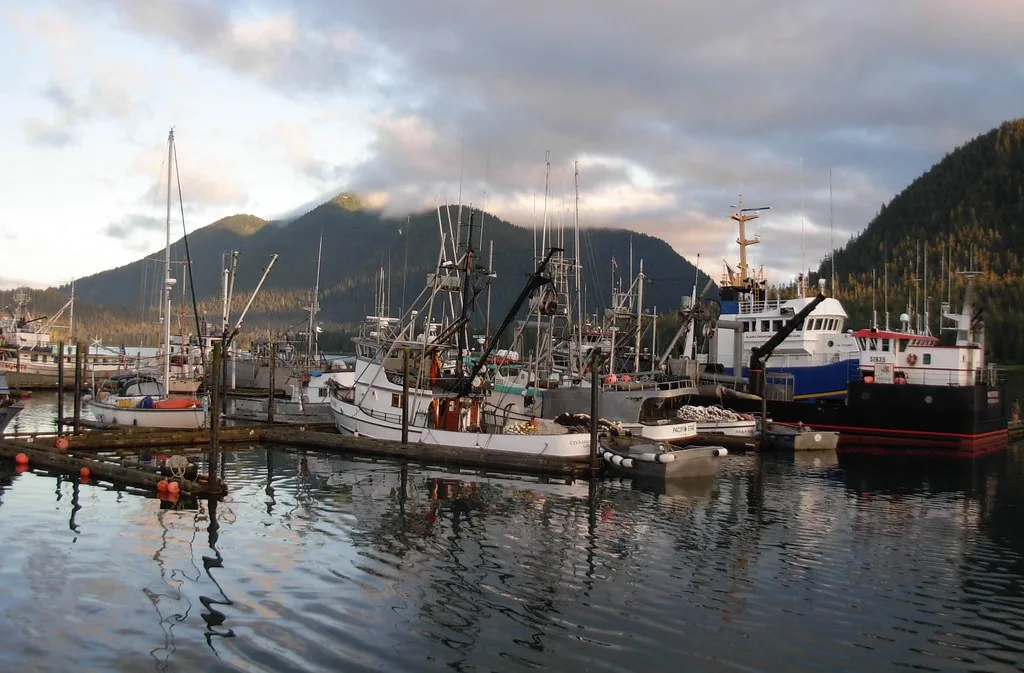
We came into Petersburg through the Wrangell Narrows on a morning so still that the channel markers stood doubled in the water — each red and green light mirrored perfectly on the surface below. Our ship was small enough to thread the passage, which is the whole point: the Narrows are too shallow and too tight for the big cruise ships, and Petersburg has never tried to change that. The town appeared gradually through morning mist — a working waterfront, fishing boats rafted three deep at the harbor, and the faint smell of processed shrimp carried on air that was cool and salt-washed and entirely honest.
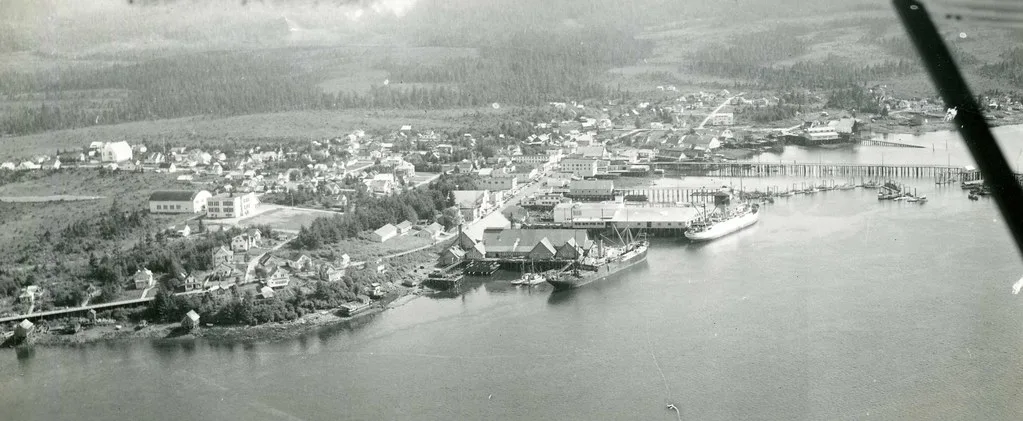
Petersburg was settled in 1897 by Peter Buschmann, a Norwegian fisherman who recognized what the Tlingit people had known for centuries: these waters are extraordinarily rich. He built a cannery, wrote home to Norway, and the fishermen came. More than a century later, their descendants are still here, still fishing. The harbor is one of Alaska's most productive — halibut, salmon, shrimp, crab — and walking along the docks you can feel it. This is not a town that exists for tourists. It exists for fish, and the people who catch them, and you are welcome to visit but no one is going to rearrange their day on your account.
I walked up Sing Lee Alley first — a boardwalk that runs along pilings over the water, lined with old fishing infrastructure that's been preserved rather than prettified. The buildings lean slightly, the planks creak underfoot, and you can look down through gaps at the tide moving beneath you. It felt like walking through a working memory of the town rather than a museum version of it. A gallery at the end of the alley sold prints by local artists alongside handmade Norwegian wool items, and the woman behind the counter told me about her grandfather's halibut schooner without any prompting at all. She just wanted to talk about Petersburg.
The rosemaling is what catches your eye throughout town — that Norwegian decorative painting, all scrolling flowers and bright colors, adorning buildings and signs and even utility boxes. It is not done for tourists. It has been here since the Norwegians arrived, maintained by residents who learned the craft from their grandmothers, and it gives Petersburg a visual identity you will not find in any other Alaska port. Walking through town felt like being inside a folk painting that someone had decided to inhabit.
The Sons of Norway Hall sits near the harbor — a white clapboard building that serves as both a cultural center and a kind of civic heart. The hall documents the intertwined heritage of the Tlingit people and the Norwegian settlers, and a volunteer there explained to me how the two cultures learned from each other: fishing techniques, food preservation, survival in a place where the rain can last for weeks. The Clausen Memorial Museum, a few blocks away, fills in the rest of the story — old fishing gear, photographs of cannery workers, artifacts from a town that has always earned its living from the sea. Admission was modest and the docent seemed genuinely pleased that someone had wandered in.
The bird life here stopped me in my tracks. Bald eagles perched on nearly every tall piling along the harbor, so common the locals barely glance up. Arctic terns dove at the water near the ferry terminal, and a birder I met on the road out of town pointed out a rufous hummingbird working the fireweed along the roadside. He told me about the trumpeter swans that winter nearby and the sheer density of migratory species that pass through the Stikine River delta just south of town. Petersburg is not famous for birding the way Haines is famous for eagles, but it probably should be.
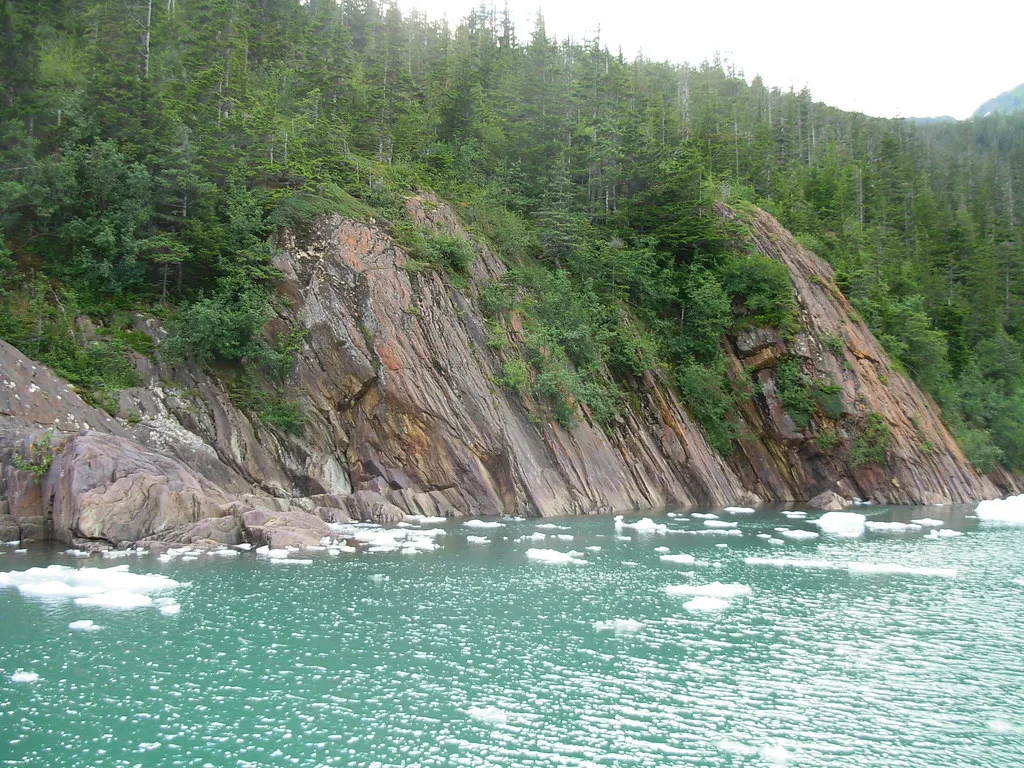
We took a boat tour to LeConte Glacier in the afternoon — the nearest tidewater glacier to a town in all of North America. The trip up LeConte Bay took us past harbor seals hauled out on floating ice, their dark eyes watching our small boat with calm curiosity. The glacier itself was massive and blue-white, calving chunks of ice into the bay with sounds like distant thunder. Our captain cut the engine and we drifted among the bergs — a quiet moment broken only by the cracking and groaning of ancient ice. I have seen glaciers from the deck of large ships, but this was different — intimate, close enough to feel the cold breath of the ice on my face.
The pros: authenticity that cannot be manufactured, extraordinary bird life, LeConte Glacier access by small boat, Norwegian heritage that permeates every corner, a walkable and intimate town, and the near-total absence of cruise-ship tourism infrastructure. Petersburg is the Alaska that existed before Alaska became a brand.
The cons: very limited excursion options compared to larger ports, few restaurants and shops, no mega-ship access means most cruisers will never see it, and services can be sparse. If you want polished tourist experiences with reliable scheduling and abundant choices, this is not the port for you.
Practical tips: If your small-ship itinerary includes Petersburg, book the LeConte Glacier boat tour — it is the signature experience and worth every dollar. Wear layers and rain gear; Mitkof Island weather is wet and changeable. Bring binoculars for the birds. Walk Sing Lee Alley and the harbor slowly. Visit the Clausen Memorial Museum. Try the shrimp — Petersburg shrimp is legendary among Alaskans, and you can sometimes buy it fresh off the boats. And pay attention to the rosemaling. Every painted scroll and flower is a small act of cultural memory, and together they make Petersburg the most visually distinctive town on the Inside Passage.
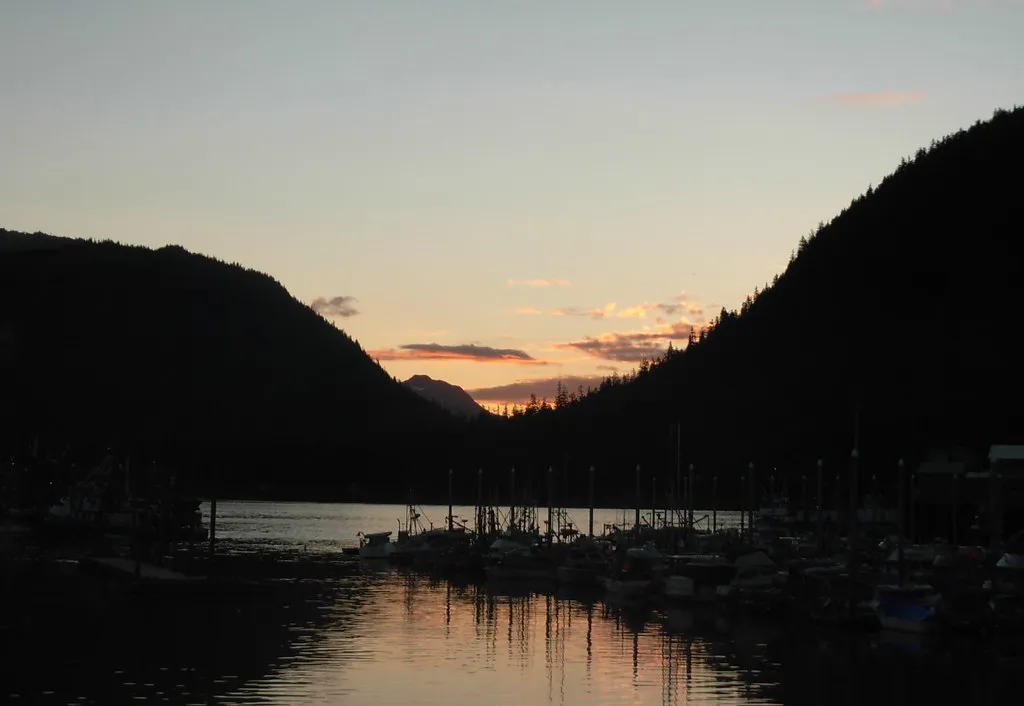
I left Petersburg the way I arrived — through the Wrangell Narrows, the channel markers ticking past our hull in the late evening light. The town grew small behind us, its harbor lights reflecting on still water, and I felt the particular gratitude that comes from having been admitted to a place that does not advertise itself. I learned that the most meaningful ports are not the ones that try to impress you. They are the ones that simply go about their lives and let you watch, if you are quiet enough, and lucky enough, to find them.
Petersburg is one of the few Alaska cruise ports that large ships simply cannot reach. The Wrangell Narrows — the 22-mile channel connecting Frederick Sound to Petersburg's harbor — is too shallow and narrow for mega-cruise vessels. Draft restrictions and tight turns limit access to ships under roughly 500 feet in length and with modest draft. This is not a limitation the town laments; it is, in many ways, the reason Petersburg has remained authentic.
Small expedition ships from lines like UnCruise Adventures and Lindblad Expeditions are the most frequent visitors. Some smaller Holland America vessels occasionally call here as well. Ships typically dock at the South Harbor float or anchor in Frederick Sound and tender passengers ashore. The dock puts you within easy walking distance of everything in town — Sing Lee Alley, the Sons of Norway Hall, the Clausen Memorial Museum, and the working waterfront are all within a few minutes on foot.
Because so few ships visit, there is no dedicated cruise terminal infrastructure — no tourist corridor, no jewelry store gauntlet, no excursion-booking kiosk at the pier. You step off the boat and you are simply in Petersburg, a working fishing village that happens to tolerate visitors. Ships typically stay 4-8 hours, which is enough to walk the town, visit the museum, and either take a LeConte Glacier boat tour or explore the harbor and nearby trails at a leisurely pace.
Petersburg is one of the most compact and walkable ports in Alaska. The entire downtown is less than half a mile end to end, the terrain is flat, and there is no need for any form of transportation to see the main attractions.
Accessibility Note: Downtown sidewalks and the harbor area are generally flat and accessible. Sing Lee Alley's boardwalk may present challenges for some mobility devices due to uneven planking. Contact the Petersburg Visitor Center for specific accessibility details on trails and attractions.
Petersburg's excursion options are limited compared to larger ports, but what exists is genuine and exceptional. The town's small-ship visitor base means tours are intimate — you will not be sharing a bus with 50 other cruise passengers.
The signature Petersburg experience ($200-300, 4-6 hours) takes you by boat to LeConte Glacier — the southernmost tidewater glacier in North America and the nearest tidewater glacier to any town on the continent. The journey up LeConte Bay passes harbor seals resting on icebergs, and the glacier itself calves chunks of blue-white ice into the fjord. Small boats can approach closely for an intimate glacier experience impossible from a large cruise ship. This is the one excursion to prioritize if your schedule allows.
Guided walking tours ($25-40, 1.5-2 hours) cover the town's Norwegian heritage, the working waterfront, Sing Lee Alley boardwalk, and the rosemaling art that adorns buildings throughout Petersburg. Local guides share family histories that stretch back to the original 1897 settlement. The Sons of Norway Hall and Clausen Memorial Museum are typically included. These tours are small and conversational — more like walking with a knowledgeable neighbor than following a tour guide.
Guided birding tours ($75-150, 2-4 hours) take advantage of Petersburg's exceptional bird life. The area around Mitkof Island and the Stikine River delta hosts bald eagles, arctic terns, rufous hummingbirds, trumpeter swans (seasonally), great blue herons, and a wide variety of migratory species. The Stikine River delta — North America's largest intact river delta on the Pacific coast — is a birding destination in its own right. Bring binoculars and a long lens.
Charter fishing ($250-400 per person, 4-8 hours) in one of Alaska's most productive fishing grounds. Petersburg's fleet targets halibut, salmon, and lingcod depending on season. Local captains know these waters intimately — many are third-generation fishermen. Catch processing and shipping can often be arranged.
Guided kayak tours ($100-175, 2-4 hours) explore the calm waters around Petersburg Harbor and nearby shoreline. Paddle past fishing boats, watch eagles overhead, and get a water-level view of the working waterfront. Some operators offer longer trips into Frederick Sound where whale sightings are possible.
Petersburg has very few tour operators compared to larger ports, and capacity is limited. If your small-ship cruise includes a Petersburg call, book ahead — either through your ship excursion desk or by contacting local operators directly. The LeConte Glacier tour fills quickly and is the one experience you should prioritize. For independent exploration, the town itself is the excursion — walk the harbor, visit the museum, talk to the fishermen, and enjoy a port that has not been reshaped for your arrival.
Everything you need to know before stepping ashore.
Petersburg is one of the wettest towns in Southeast Alaska — rainfall averages over 100 inches per year. Summer temperatures are cool, typically 50-60°F (10-16°C), and rain is likely regardless of season. Come prepared for wet weather and you will not be disappointed.
Pro Tip: Ask at the harbor about buying fresh shrimp directly from the boats — Petersburg spot shrimp is considered some of the best in Alaska, and buying it dockside is an experience in itself. Also look for the rosemaling throughout town; the painted details reward slow walking and close attention.
Last reviewed: February 2026
Images sourced from Flickr under Creative Commons licenses (CC BY 2.0, CC BY-SA 2.0).
Petersburg is known as "Little Norway" — a working fishing village settled by Norwegian fishermen in 1897. It is one of Alaska's most productive fishing ports, famous for its authentic Norwegian heritage, rosemaling (decorative painting) on buildings throughout town, the Sons of Norway Hall, the Clausen Memorial Museum, and access to LeConte Glacier — the nearest tidewater glacier to a town in North America.
The Wrangell Narrows — the 22-mile channel leading to Petersburg — is too shallow and narrow for mega-cruise ships. Draft restrictions and tight navigation limit access to smaller vessels. Only small expedition-style ships from lines like UnCruise Adventures, Lindblad Expeditions, and select smaller Holland America vessels can make the transit. This keeps Petersburg authentically uncrowded.
Yes — LeConte Glacier is accessible by boat from Petersburg, typically a 4-6 hour round trip. It is the southernmost tidewater glacier in North America and the nearest tidewater glacier to any town on the continent. Tours offer close-up views of calving ice and harbor seals resting on icebergs. Book well in advance as capacity is limited.
Absolutely — if your itinerary includes it. Petersburg offers one of the most authentic Alaska experiences available to any visitor. With about 3,000 residents, virtually no mega-ship tourism, genuine Norwegian heritage, exceptional birding, and LeConte Glacier access, it provides something larger ports cannot: an unfiltered look at real small-town Alaska life.
Walk the harbor and Sing Lee Alley boardwalk. Visit the Clausen Memorial Museum and the Sons of Norway Hall. Look for the rosemaling on buildings throughout town. Watch the fishing boats come and go. Try to buy fresh shrimp at the harbor. If you have 5+ hours, prioritize the LeConte Glacier boat tour — it is the signature experience and unlike anything available at larger ports.
Peak cruise season (June through August) offers the most reliable weather and best conditions for glacier tours, birding, and fishing. Check the weather section above for specific month recommendations based on your planned activities.
Petersburg is one of the wettest towns in Southeast Alaska, with over 100 inches of rain annually. Rain is likely on any given day, even in summer. Dress in waterproof layers and embrace the mist — it is part of the experience. Cruise lines monitor conditions and will adjust itineraries if needed for passenger safety.
Waterproof jacket and pants are essential (not optional). Warm layers, waterproof walking shoes, and binoculars for birding. Check the packing tips section in our weather section for destination-specific recommendations.
Not in Petersburg — rain is the default condition, and life here continues regardless. The fishermen work in it, the eagles fly in it, and the rosemaling looks beautiful wet. Bring proper rain gear and you will be fine. The Clausen Memorial Museum and Sons of Norway Hall offer indoor alternatives if you need a break from the weather.
Southeast Alaska does not experience hurricanes. Winter storms can be severe, but cruise season (May-September) avoids the worst weather. Strong winds and heavy rain can occur any time of year. Cruise lines closely monitor weather conditions and will adjust itineraries if needed for passenger safety. Travel insurance is recommended.