
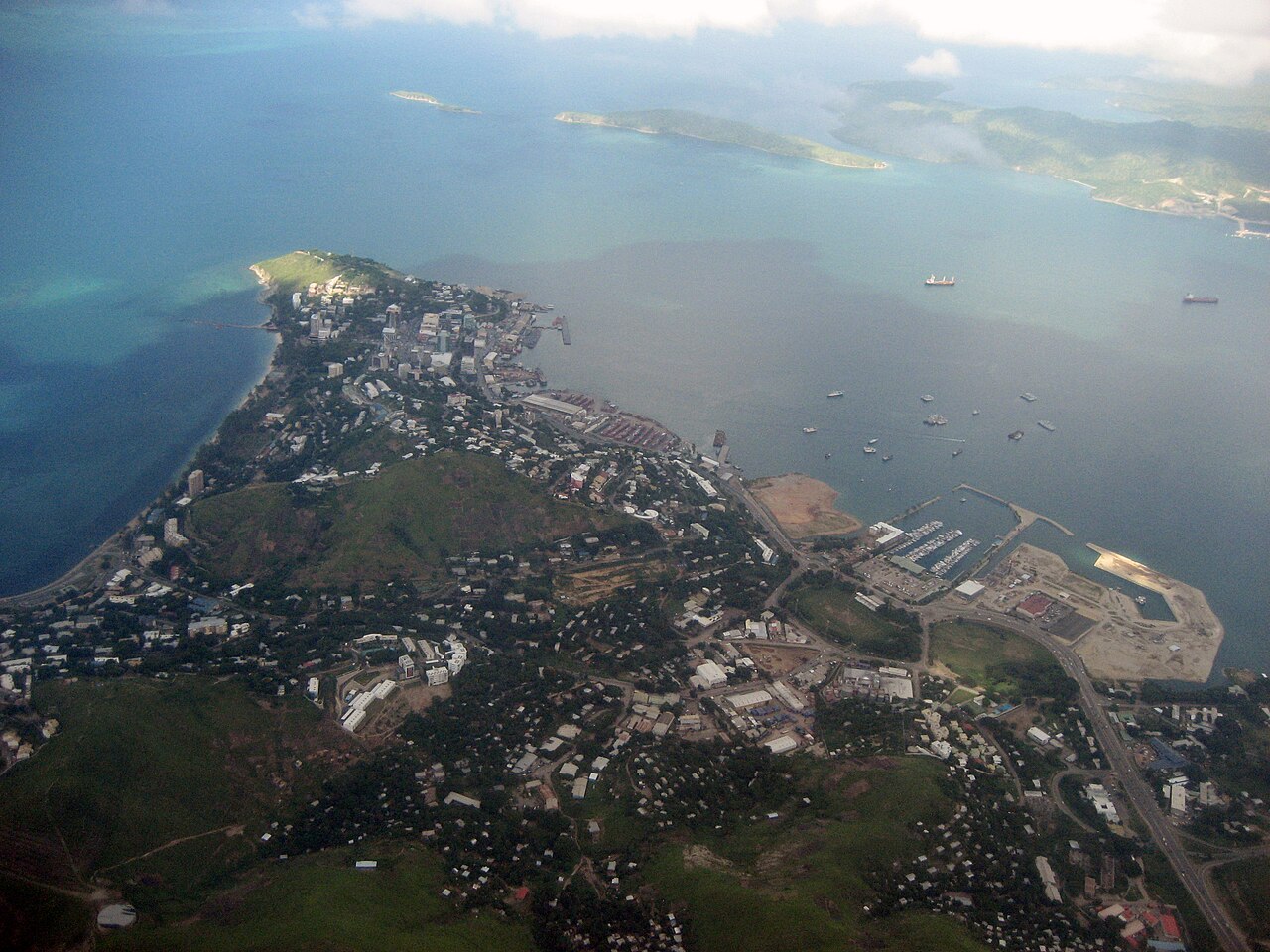
Photo: Wikimedia Commons (CC BY-SA)
Gateway to Tribal Cultures and WWII History
Captain's Logbook
Captain's Logbook
Port Moresby, Papua New Guinea
Port Moresby, Coral Sea Coast
I stepped off the ship into a wall of tropical heat and humidity that felt like entering another world entirely. Port Moresby sits on Papua New Guinea's southeastern coast, a city where the Coral Sea meets mountains draped in green, where modernity and ancient tribal traditions exist side by side in ways I had never encountered before.
This is the capital of perhaps the world's most culturally diverse nation—a place where more than 800 languages are spoken across a population of just nine million people. Walking through Port Moresby, I felt the weight of that diversity, the complexity of bringing together so many distinct tribal groups, each with their own customs, stories, and ways of understanding the world.
Papua New Guinea occupies the eastern half of the world's second-largest island, and Port Moresby has served as its gateway since the late nineteenth century. But long before European contact, these lands belonged to indigenous peoples whose cultures stretch back tens of thousands of years, making them among the oldest continuous cultures on earth.
The Moment That Stays With Me:
Standing in the National Museum before a towering spirit house from the Sepik River region, I found myself overwhelmed by the carved faces staring back at me—ancestors watching, protecting, remembering. An elderly Papua New Guinean man stood beside me, and without my asking, he began to explain the stories those carvings held. His people, he said, believe that knowledge and wisdom don't die with the body but live on in memory, in story, in wood carved by loving hands. His voice was barely a whisper, and for the first time in years I felt my eyes fill with tears I couldn't explain. Something shifted inside me as the museum's air hung heavy and still around us. I whispered a quiet prayer of gratitude for this stranger's generosity. I realized I was standing in a place where the ancestors are not history—they are present, alive, speaking through wood and through the people who carry their stories forward.
The Cruise Port
Ships dock at the Port Moresby Port facility, typically at Motukea Island or the main port area. The terminal has basic facilities, and organized tours meet passengers directly at the ship. I cannot emphasize enough: this is a destination where booking an organized excursion makes sense, both for safety and for truly understanding what you're seeing.
Port Moresby has a reputation that precedes it, and honesty requires acknowledging that safety concerns are real here. Crime rates are higher than many other cruise destinations. But tens of thousands of cruise passengers visit safely each year by staying in groups, using reputable tour operators, and avoiding wandering independently in unfamiliar areas.
The currency is the Papua New Guinean Kina, though Australian dollars are sometimes accepted. Credit cards work sporadically. I found it best to arrange currency through the ship or bring Australian dollars to exchange.
Getting Around Port Moresby
Independent navigation in Port Moresby is not recommended for cruise passengers with limited time and unfamiliarity with the city. The public transportation system exists but is inconsistent and not designed for tourists. Taxis are available but should only be arranged through reputable companies or your ship's concierge desk; expect to pay around 50-80 Kina ($15-25 USD) for a city trip.
The overwhelming majority of cruise passengers use organized shore excursions, and I strongly recommend following that pattern. Your cruise line and licensed local operators provide air-conditioned transport, English-speaking guides, and security that allow you to experience Port Moresby's highlights safely and meaningfully. Ship excursion packages typically run $89-$179 per person depending on duration and stops. For those with limited mobility or wheelchair users, confirm accessibility with your tour operator in advance — sidewalks and facilities vary widely in condition, and some attractions involve uneven terrain that requires moderate physical ability.
If your ship docks at Motukea Island, the ride to central Port Moresby takes 20-30 minutes by organized shuttle. From the main port facility downtown, attractions like the National Museum are a short 10-15 minute drive. Traffic can be heavy during morning and evening rush hours, so build buffer time into your schedule. This is not about living in fear — it's about being smart, budgeting your time, and respecting local realities.
Port Moresby Area Map
Interactive map showing cruise terminal and Port Moresby attractions. Click any marker for details.
Excursions & Shore Tours
Booking guidance: Port Moresby is a destination where a ship excursion through your cruise line makes strong sense — transport, guides, and guaranteed return to the vessel are all handled. For independent exploration, book ahead with a reputable local operator and confirm pickup arrangements. Either approach gives you the security that matters here.
National Museum and Art Gallery
This remarkable museum houses one of the finest collections of Melanesian art and artifacts in the Pacific. I spent hours among the spirit houses, ritual masks, bilum bags (intricately woven string bags that are both functional and symbolic), and ceremonial objects from PNG's incredibly diverse tribal groups. Each region—the Highlands, the Sepik River, the coastal areas—has its own distinct artistic traditions. The museum staff are knowledgeable and passionate, eager to explain the cultural significance of what you're viewing. It's not just a museum; it's a window into hundreds of distinct cultures.
Parliament House
The Parliament House is an architectural marvel that blends modern design with traditional PNG motifs. The building sits prominently on a hill, its roof inspired by traditional spirit houses, with vibrant colors and patterns representing the nation's many tribes. Even from the outside, the symbolism is powerful—a modern democracy built on ancient foundations. While interior tours are not always available, the exterior and grounds alone are worth seeing, especially with a guide who can explain the cultural elements incorporated into the design.
Bomana War Cemetery
This beautifully maintained Commonwealth War Graves Commission cemetery honors over 3,700 servicemen who died during the Pacific campaign of World War II, many of them during the brutal Kokoda Trail campaign. Walking among the white headstones, I felt the weight of what happened here—young men from Australia, New Zealand, Papua New Guinea, Britain, and other Allied nations who fought and died in these jungles to stop the Japanese advance toward Australia. The cemetery is immaculate, peaceful, and profoundly moving. It sits as a reminder that this remote nation played a crucial role in world history.
Port Moresby Nature Park
If you want to see Papua New Guinea's extraordinary wildlife without trekking into the jungle, this nature park is your best opportunity. I watched birds of paradise perform their elaborate courtship dances—these impossibly colorful creatures that seem almost mythical in their beauty. The park also houses tree kangaroos, cassowaries, crocodiles, and countless bird species. It's well-maintained, educational, and gives you a glimpse of the biodiversity that makes PNG one of the world's ecological treasure houses. Children and adults alike will find wonder here.
Ela Beach and Craft Markets
Ela Beach stretches along the city's waterfront, offering a slice of local life. While not a pristine tropical beach, it's where Port Moresby residents come to relax, play, and gather. On weekends, craft markets spring up with vendors selling bilum bags, wooden carvings, shell jewelry, and traditional crafts. I bought a hand-woven bilum bag from a woman who explained that in her village, young girls learn to weave these bags as a rite of passage, and the patterns tell stories. Bargaining is expected but should be done respectfully—these are artisans, not factories.
Varirata National Park
If your ship offers this excursion, consider it seriously. About 45 minutes from the city, Varirata sits in the mountains with stunning views over Port Moresby and the surrounding ranges. The park offers walking trails through primary rainforest where you might see birds of paradise, wallabies, and countless other species. The air is cooler here, a relief from the coastal heat, and the forest is magnificent—ancient, layered, alive with sound. This is the PNG that exists beyond the city, and it's breathtaking.
Local Food & Drink
Papua New Guinean cuisine centers on staples like sago, sweet potato (kaukau), taro, and coconut, with protein from fish, pork, and chicken. In Port Moresby's hotels and restaurants, you'll find a mix of traditional PNG dishes, Australian influences, and international fare.
If you get the opportunity, try mumu—a traditional feast where food is cooked in an earth oven with hot stones. The flavors are earthy, smoky, and distinctly different from anything you've tasted. Fresh tropical fruits are abundant: pawpaw (papaya), pineapple, mango, and passionfruit that taste like sunshine concentrated into juice.
Betel nut chewing is extremely common in PNG—you'll see the tell-tale red stains on sidewalks and people with reddened mouths. It's a mild stimulant and deeply culturally significant, though it's not something tourists typically participate in. The practice is so widespread that it's simply part of the visual landscape of Port Moresby.
Coffee lovers should know that PNG produces some of the world's finest coffee, particularly from the Highland regions. If you see PNG coffee for sale, it's worth buying. The flavor is complex, bright, and exceptional.
Pro Tips
- Book excursions early: Popular tours sell out quickly because most passengers recognize the value of organized activities in Port Moresby. Don't wait until the last minute.
- Dress modestly and respectfully: PNG is culturally conservative. Covering shoulders and knees shows respect, especially when visiting villages or cultural sites.
- Bring cash: Credit card acceptance is limited outside major hotels. Australian dollars are easier to exchange than US dollars in many places.
- Photography etiquette: Always ask permission before photographing people. Some Papua New Guineans, particularly in traditional dress, may expect a small payment. Others simply prefer not to be photographed. Respect both.
- Engage with your guide: PNG guides are often incredibly knowledgeable about their country's history, culture, and current challenges. Ask questions. Listen to their stories. You'll gain insights no guidebook can provide.
- The Kokoda context: While you can't hike the Kokoda Trail on a cruise day (it's a multi-day trek), understanding its significance deepens your appreciation of the war cemetery and museums. The campaign was Australia's most significant battle in WWII, fought in brutal jungle conditions.
- Stay hydrated: The heat and humidity are intense. Bring water and drink more than you think you need.
- Keep valuables on the ship: Bring only what you need for the day. Leave jewelry, expensive cameras (unless necessary), and excess cash in your cabin safe.
Depth Soundings
Historical and maritime context for the curious traveler.
The Kokoda Trail
In 1942, Australian soldiers fought a desperate rear-guard action along the Kokoda Trail, a grueling 96-kilometer path through jungle mountains. Outnumbered Japanese forces pushed toward Port Moresby; if they had taken the city, Australia itself would have been under threat. Young Australian militiamen—many barely out of school—fought and died in mud, disease, and brutal combat. The trail remains a pilgrimage site, and the bond between Australia and PNG was forged in that desperate struggle.
Eight Hundred Languages
Papua New Guinea hosts more than 800 distinct languages, representing roughly 12% of the world's total. Each language corresponds to a distinct cultural group with its own traditions, art forms, and worldview. This extraordinary diversity developed because communities were isolated by mountains, rivers, and dense jungle. Tok Pisin, a creole language, emerged as a common tongue to allow communication between groups.
Ancient Cultures in Modern Times
Some Papua New Guinean highland communities had no contact with the outside world until the 1930s, when Australian gold prospectors stumbled upon their villages. Even today, traditional practices—initiation ceremonies, sing-sings (traditional gatherings), and spiritual beliefs involving ancestors—remain integral to daily life. Port Moresby sits at the intersection of this ancient world and modern nationhood.
Gallery
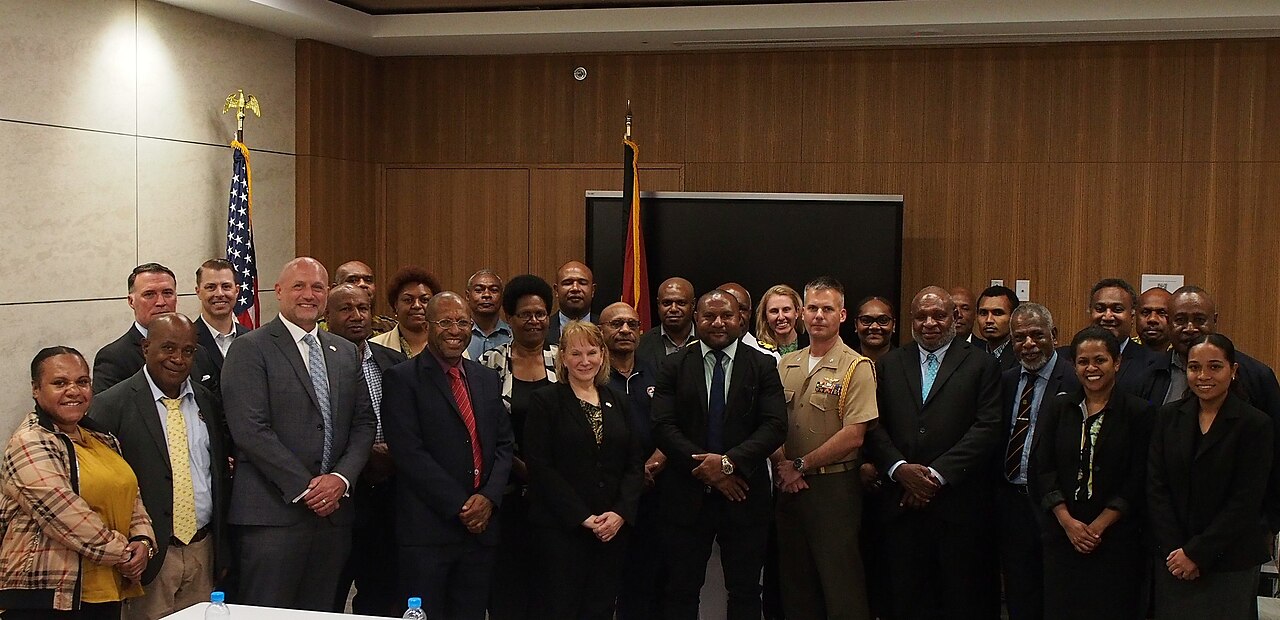
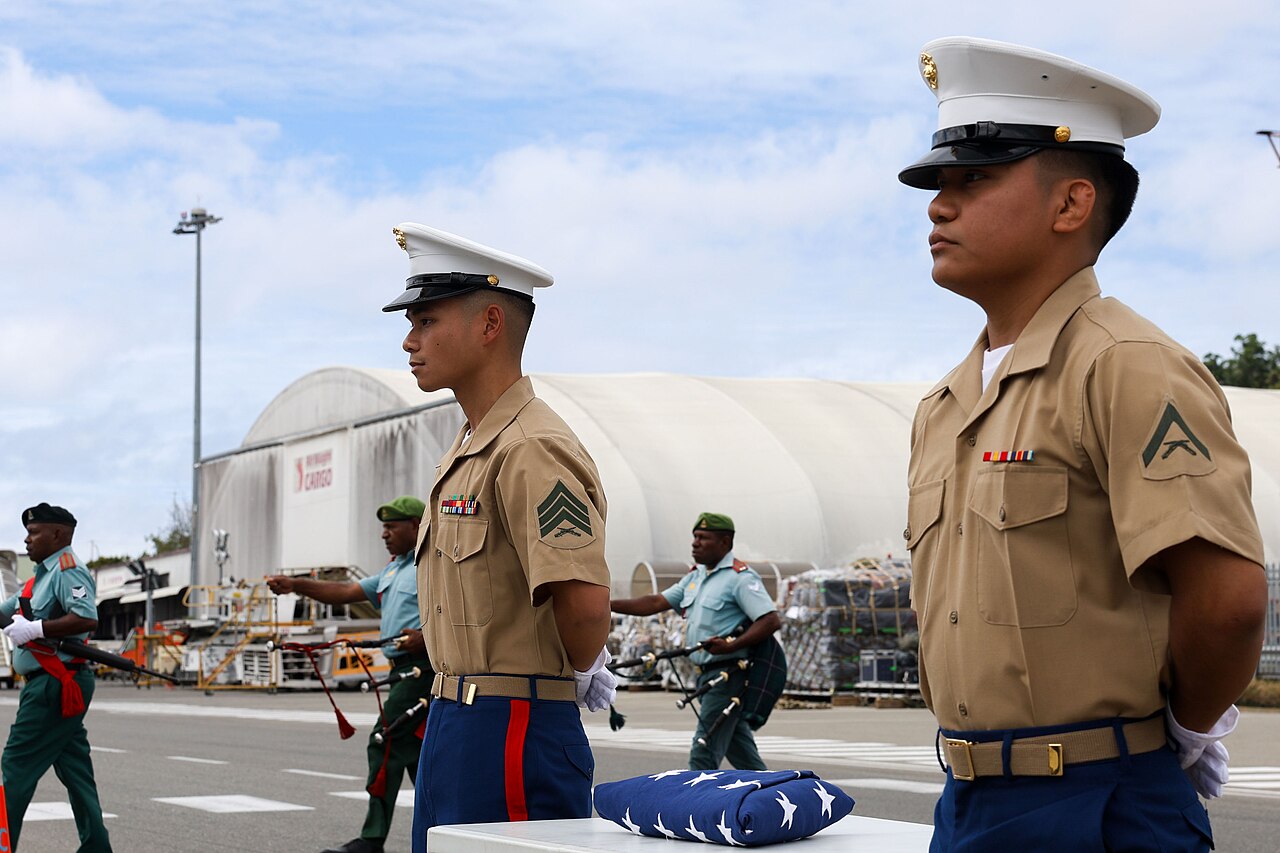
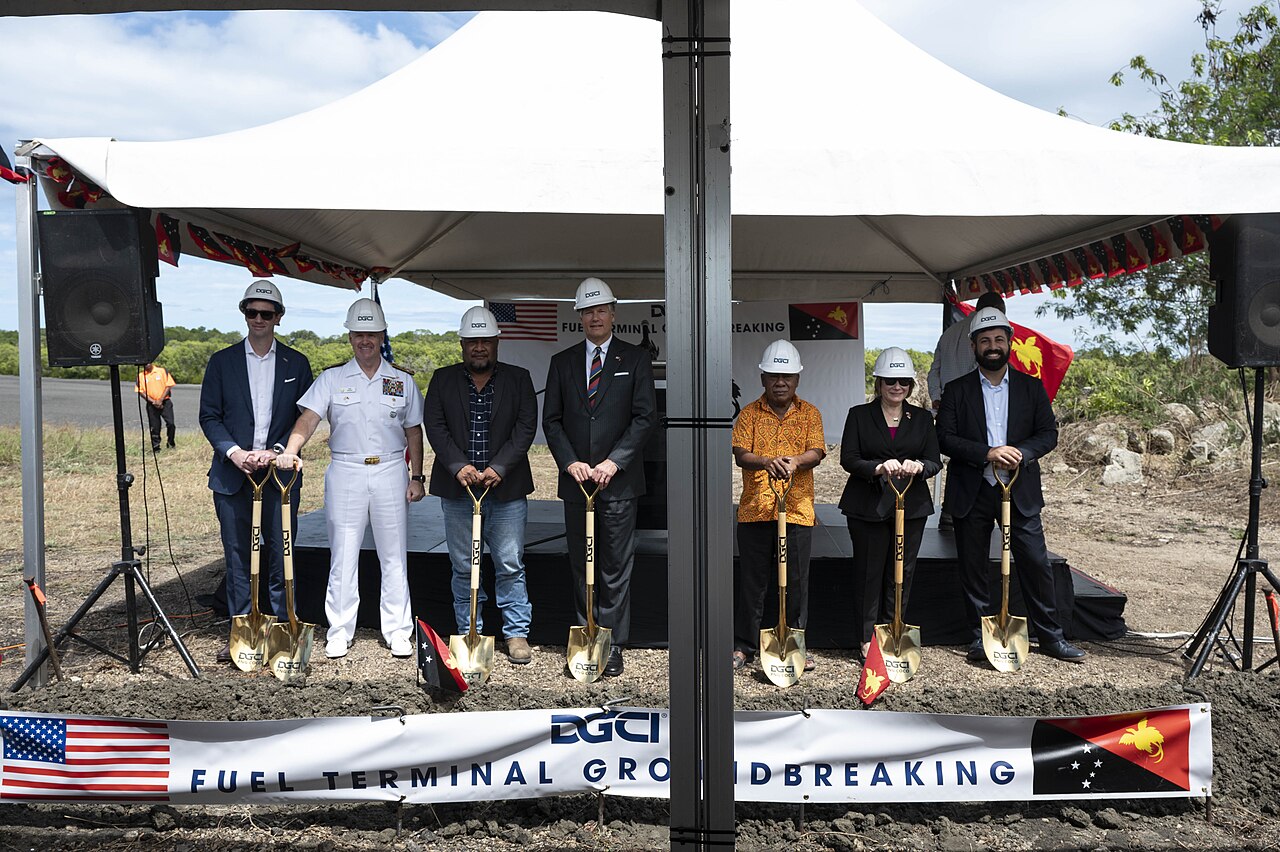
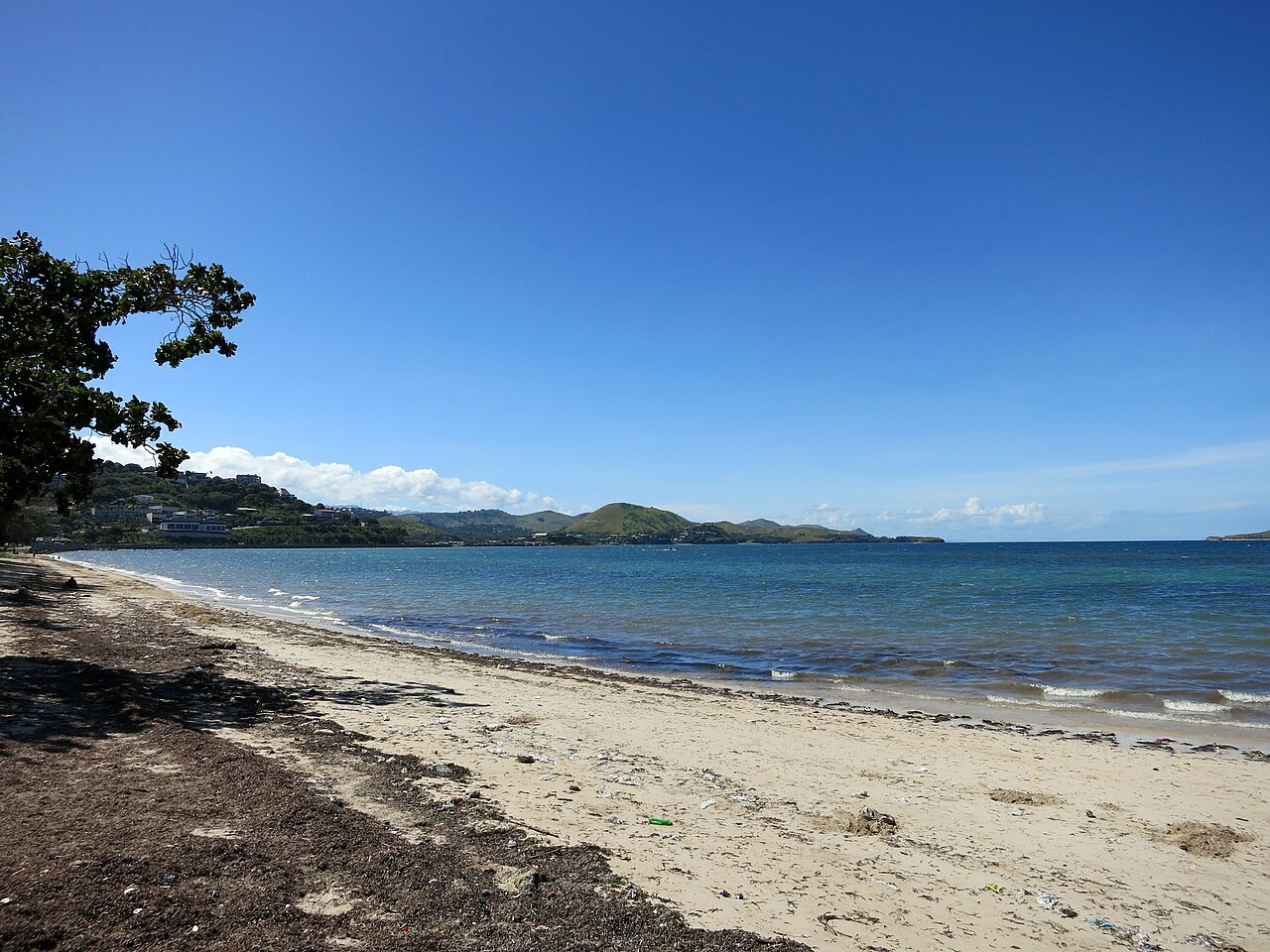
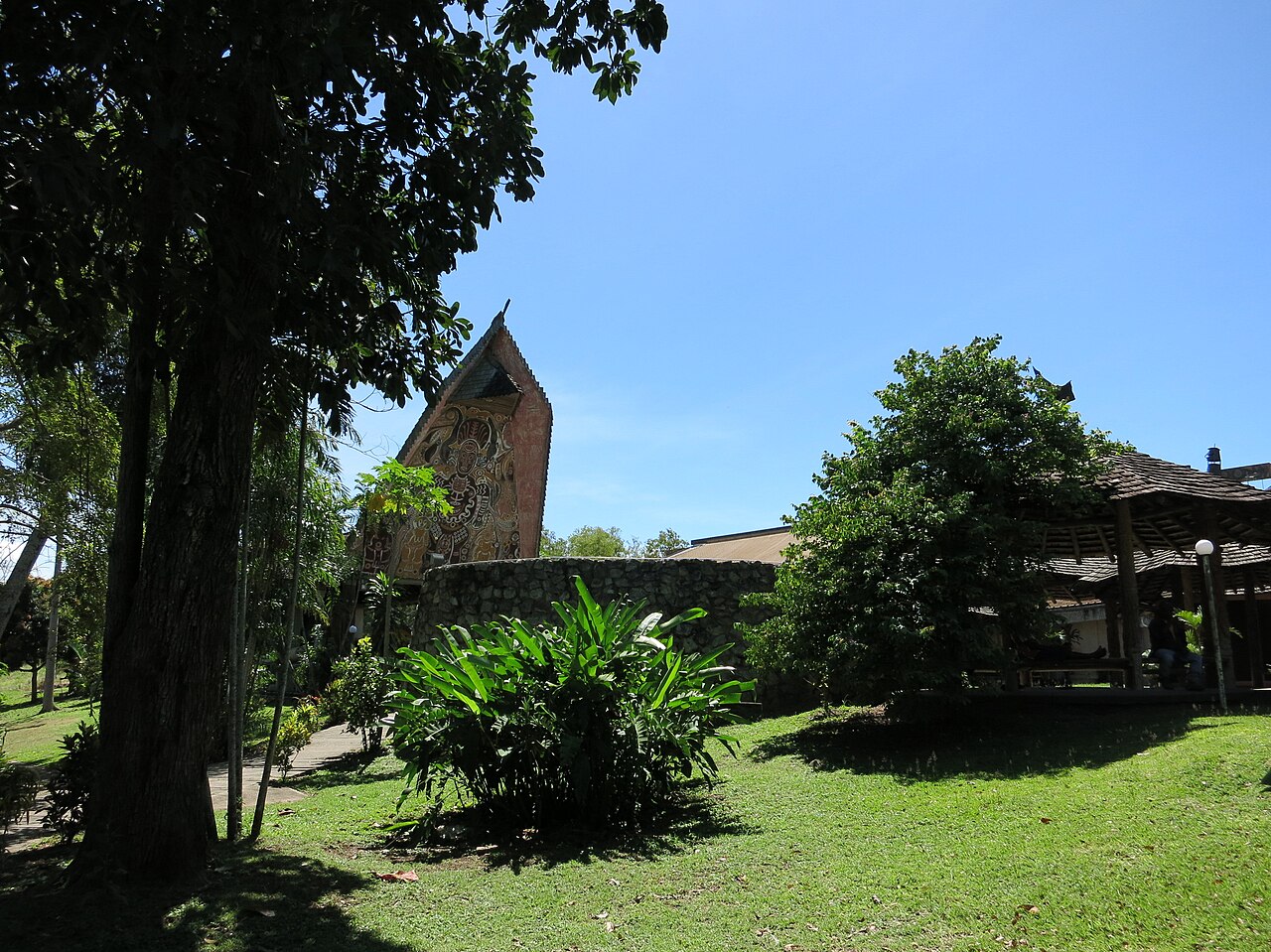
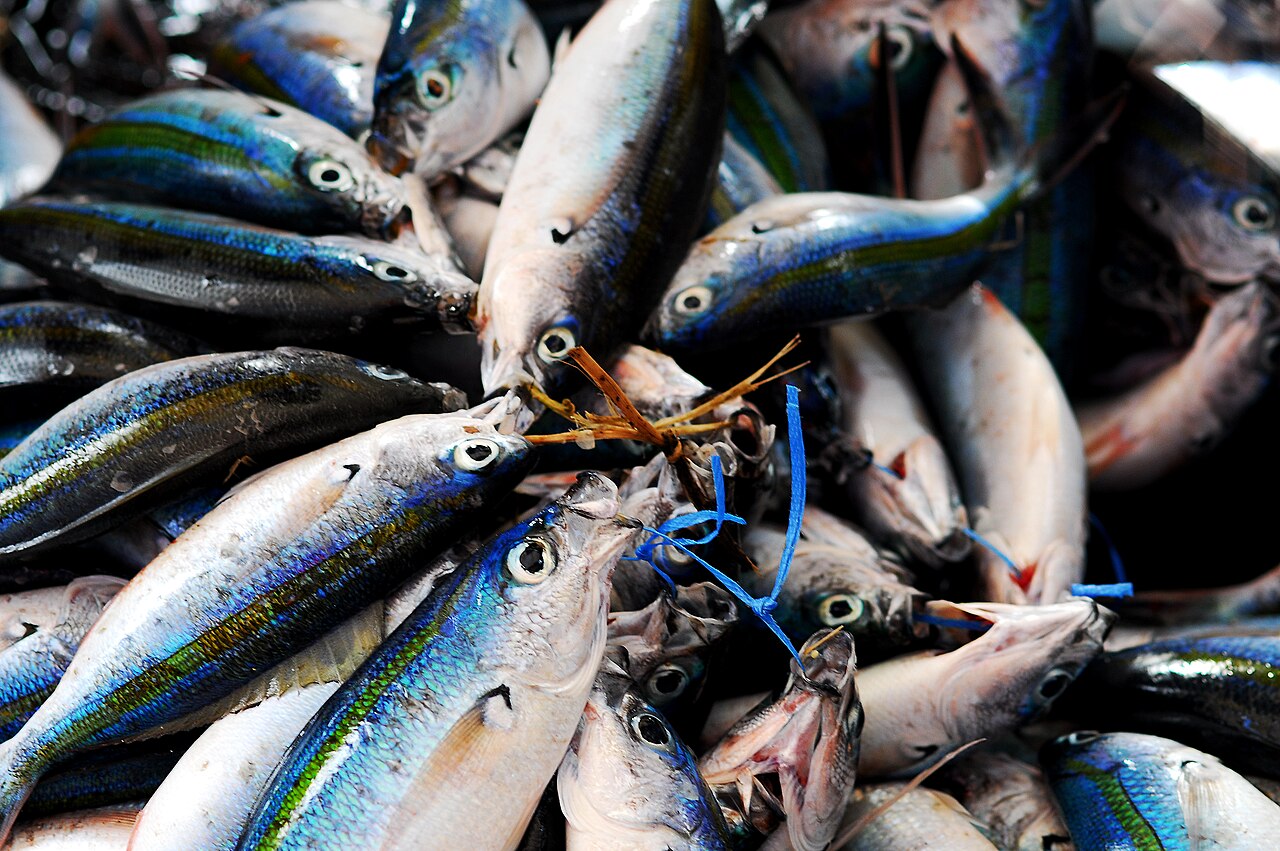
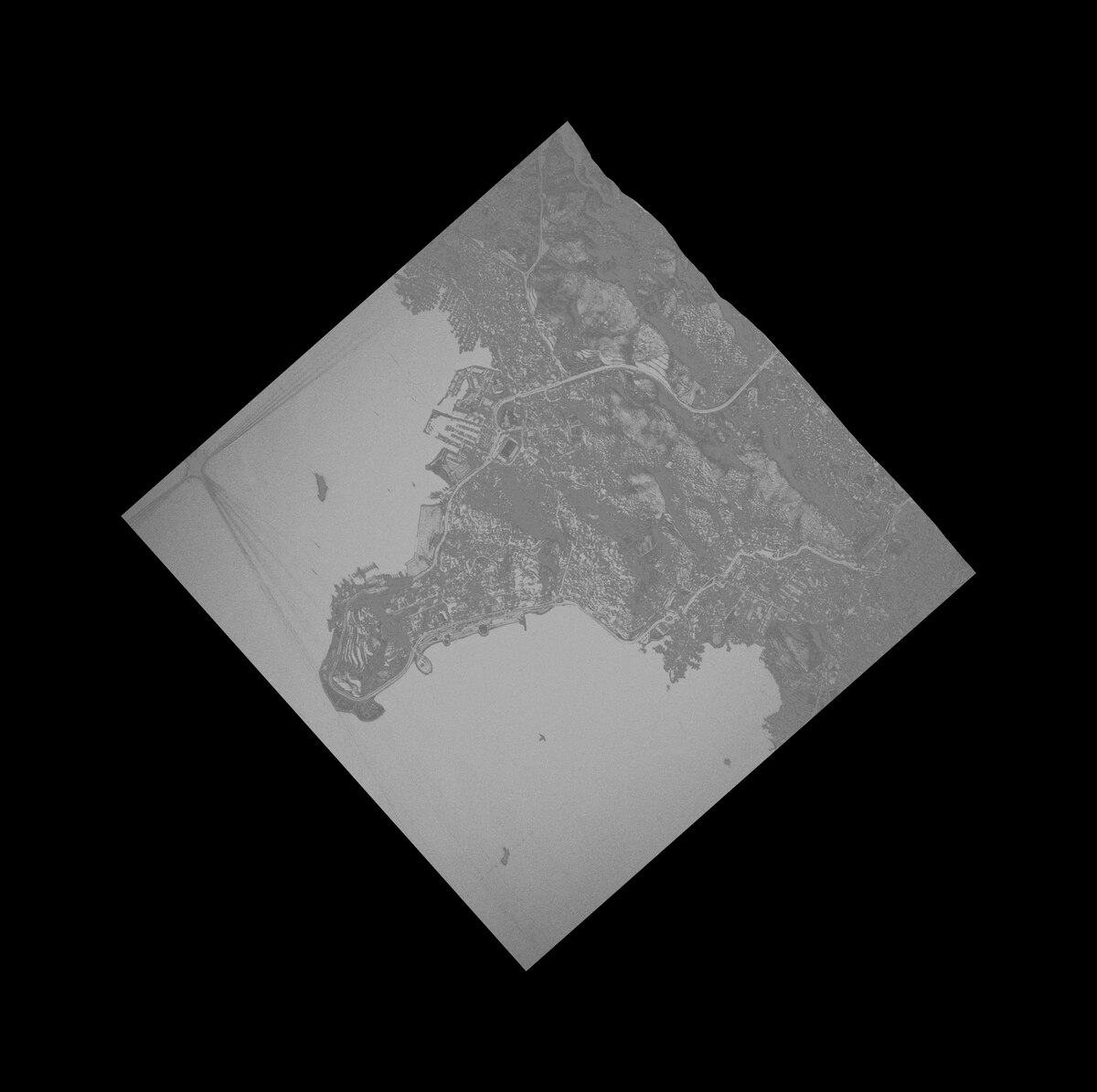
Photo Gallery
Frequently Asked Questions
Is Port Moresby safe for cruise passengers?
Port Moresby has safety considerations that cruise passengers should take seriously. The safest approach is to book organized shore excursions through your cruise line or reputable local operators. Travel in groups, stay in tourist areas, and avoid wandering independently. Most cruise passengers have positive, safe experiences when following these guidelines.
What currency is used in Port Moresby?
The Papua New Guinean Kina (PGK) is the local currency. Australian dollars are sometimes accepted in tourist areas. Visa and Mastercard work in major hotels and some shops, but cash is preferred. ATMs are available but can be unreliable.
What are the top things to see in Port Moresby?
Top sights include the National Museum and Art Gallery for tribal artifacts and spirit houses, Parliament House for its unique architecture blending indigenous and modern design, Bomana War Cemetery honoring WWII fallen soldiers, and Port Moresby Nature Park to see birds of paradise and tree kangaroos.
Can I hike the Kokoda Trail on a cruise day?
The Kokoda Trail is a multi-day trek (typically 4-10 days) through challenging jungle terrain and cannot be experienced on a single cruise day. However, you can visit the Bomana War Cemetery which honors Kokoda Trail soldiers, or visit museums with Kokoda Trail exhibits.
What should I buy in Port Moresby?
Hand-woven bilum bags ($10-30 USD), wooden carvings ($15-75 USD), shell jewelry ($5-25 USD), tribal masks, and PNG coffee ($8-15 per bag) are excellent purchases. Buy from craft vendors or reputable shops.
Do I need vaccines or malaria medication?
Consult your doctor well before traveling. Malaria exists in PNG, and prophylaxis may be recommended depending on your activities and time spent ashore. Routine vaccinations should be up to date.
What is the best time to visit Port Moresby?
The glance Temperature reads "77–88°F (25–31°C) year-round" and Rain reads "Wet season Dec–Apr; drier May–Nov." The Wind entry adds "Monsoon winds; trade winds in dry season." The catches list flags "Jan, Feb, Mar (heaviest monsoon rains)" as months to approach with caution.
What is cyclone and storm season in Port Moresby?
The hazard-note on this page reads: "Papua New Guinea lies within the South Pacific cyclone belt. Cruise lines monitor storms closely and will modify itineraries for safety. Travel insurance strongly recommended for cruises during cyclone season." For current tropical-system status on a specific sailing date, use the live weather widget in the seasonal panel above.
What should I pack for Port Moresby's weather?
The glance Temperature reads "77–88°F (25–31°C) year-round" and Humidity "High, 70–85% average." The Packing Tips section lists "Sunscreen and sunglasses — essential year-round"; "Light layers for variable temperatures"; "Comfortable walking shoes for exploring"; "Rain jacket or compact umbrella."
Will rain ruin my Port Moresby port day?
The glance Rain entry reads "Wet season Dec–Apr; drier May–Nov." The catches list flags "Jan, Feb, Mar (heaviest monsoon rains)." For short-term forecasts on a specific sailing date, the live weather widget in the seasonal panel above is the primary source.