
Captain's Logbook
Booking guidance: Ship excursion options provide guaranteed return to port and are worth considering for first-time visitors. For those who prefer to explore independently, local operators often offer competitive rates — book ahead during peak season to secure your preferred times. Whether you choose a ship excursion or go independent, confirm departure times and meeting points before heading out.
From the Logbook
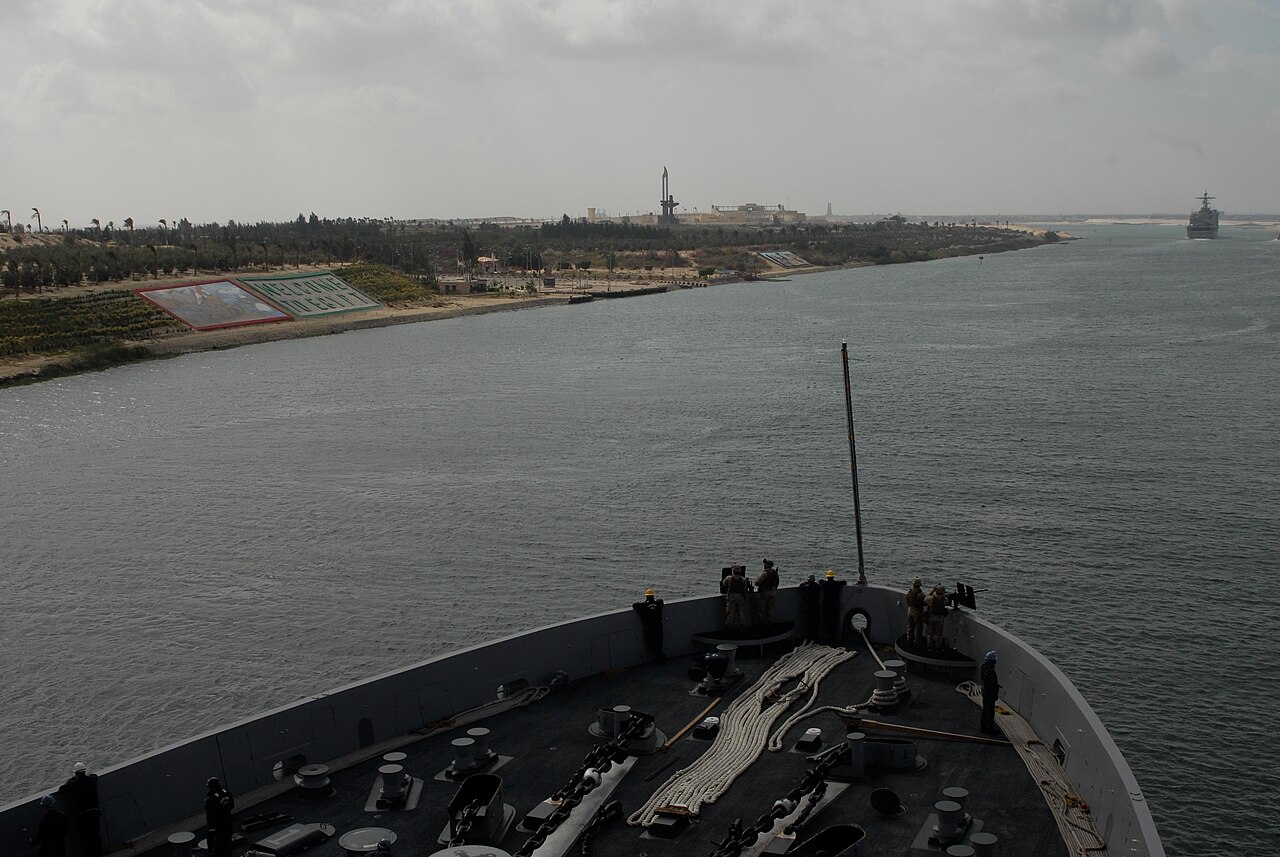
The ship entered the canal at dawn, sliding between Africa on our port side and Asia to starboard — two continents close enough to hit with a well-thrown stone. A hundred and fifty years ago, Ferdinand de Lesseps made the desert give way to salt water, and now container ships the size of floating cities pass through this improbable ditch as routinely as commuters on a highway. We spent twelve hours sailing through sand, past Bedouin camps and military outposts, egrets standing patient in the shallows. I stayed on deck for most of it, watching the desert scroll past like a slow film reel, the banks so close I could see individual tufts of scrub grass trembling in the heat. Every few miles a uniformed soldier watched from a concrete bunker, rifle slung casually across his back, raising a hand in greeting as we passed. The canal pilots who boarded our ship at Port Said moved through the bridge with quiet authority, and I noticed our own captain step aside with a deference I had not seen before. This was their water, their passage, and we were guests passing through.
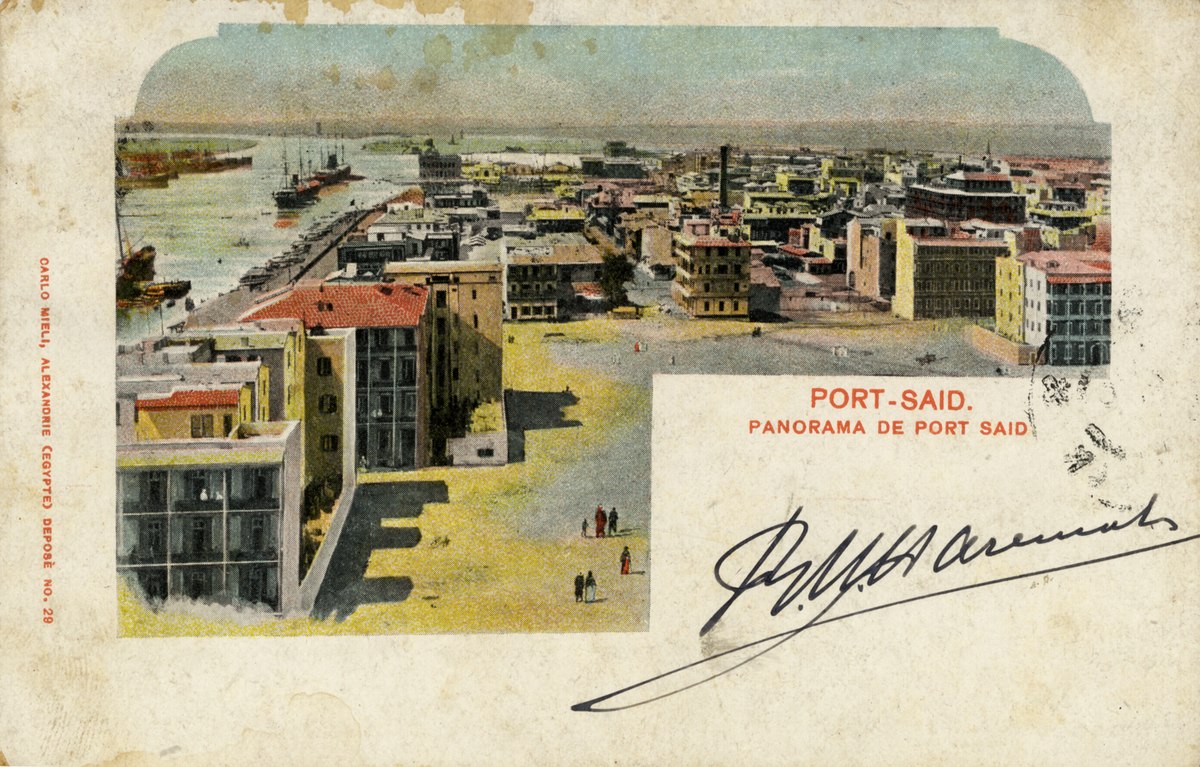
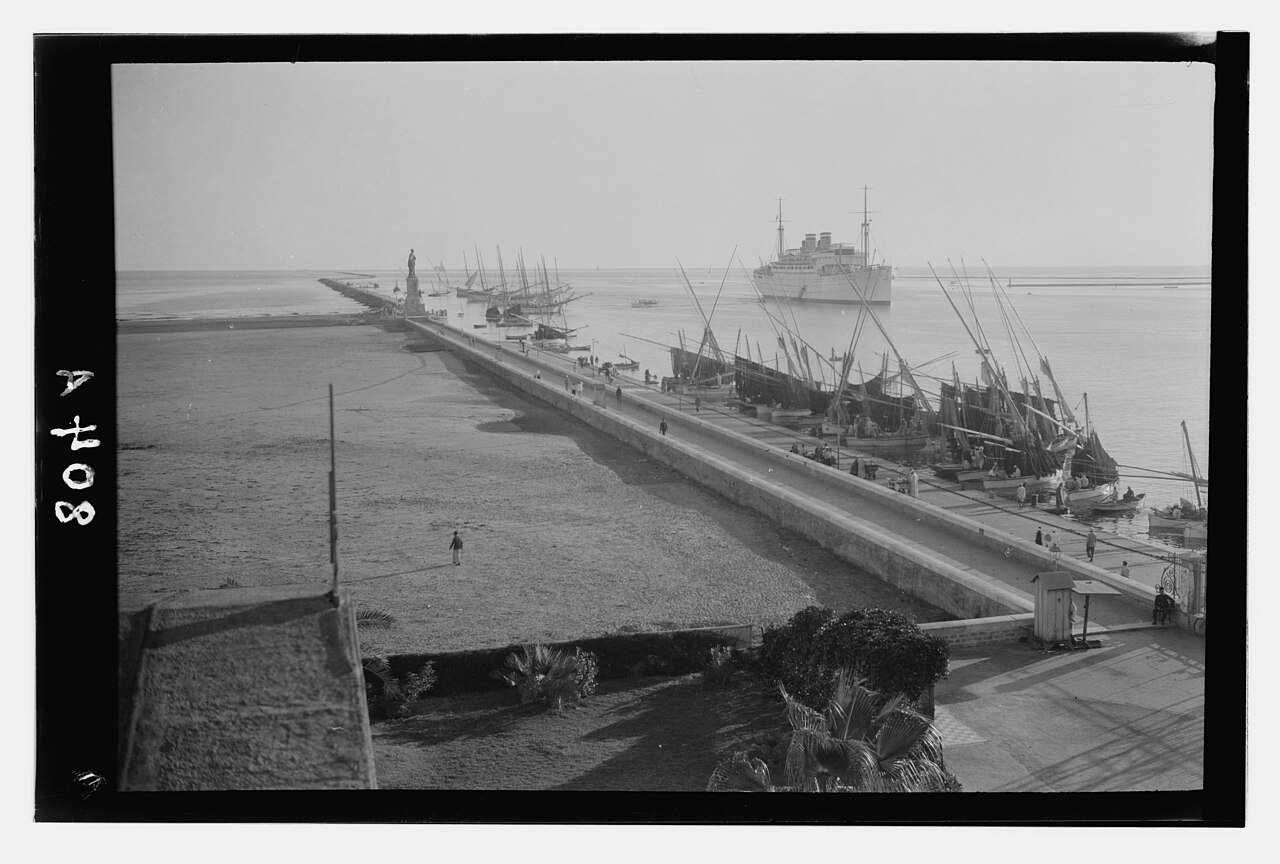
I stepped onto the pier at Port Said and the Mediterranean wind hit me full in the face, carrying salt and diesel and something sweet I could not place — jasmine, maybe, drifting from gardens I could not see. The old lighthouse stood at the harbor entrance, its pale stone faded by a century of sun and sea spray, and I stared at it longer than I expected. My grandfather had mentioned this lighthouse once, a passing remark about a photograph he had seen as a boy, and now I was standing before it myself. That thread of connection across generations — his words, my eyes — caught me off guard. The colonial buildings along the waterfront leaned together like old friends sharing secrets — French balconies, Italian arches, wooden shutters bleached by decades of salt air. I walked slowly, letting my fingers trail along wrought-iron railings that had survived wars and revolutions and the slow erosion of memory. A shopkeeper called out to me from a doorway, and when I waved, he pressed his hand to his heart in greeting. I could hear the call to prayer rising from a distant minaret, blending with the low hum of ship engines and the cries of gulls wheeling above the canal mouth. The heat pressed down on my shoulders like a warm hand, and I felt my pace slow to match the rhythm of the city.
We walked the corniche toward the old De Lesseps statue site, where the canal's architect once stood in bronze above the harbor. The statue was removed decades ago, but the empty pedestal remains — a footnote to the complicated legacy of colonial engineering. An elderly man sat on a bench nearby, feeding pigeons from a paper bag. He spoke no English and I spoke no Arabic, but he gestured for me to sit, and we shared ten minutes of companionable silence while ships from a dozen nations queued at the canal mouth. I bought two cups of sweet tea from a boy with a brass tray — 10 Egyptian pounds each, less than a dollar — and offered one to my bench companion. He accepted with a nod and a smile that needed no translation. The tea was searingly hot and impossibly sweet, flavored with mint, and it was one of the best things I drank on the entire voyage.
At Giza, the Great Pyramid rose from Cairo's smog like a mountain that had wandered into the wrong neighborhood. I have seen photographs my entire life; I thought I knew what to expect. I did not. Standing at its base, craning my neck at limestone blocks each weighing more than an automobile, stacked with precision we struggle to match with computers, I felt appropriately small. The Sphinx watched with the patience of forty-five centuries. Our guide told us that the workers who built the pyramids were not slaves but paid laborers, and that they left graffiti on the interior blocks — work gang names like "Friends of Khufu." Something about that detail made the whole monument more human, more real, and I found myself unexpectedly moved by it.
On the bus back to Port Said, the desert stretching flat and gold in every direction, I pressed my forehead against the window and thought about what I had seen. The canal and the pyramids share something fundamental — they are both monuments to the human conviction that geography is negotiable, that we can cut through mountains and stack stones to the sky if we decide it matters enough. Port Said exists because of that conviction. The pyramids endure because of it. And I sat on a bus between the two, a tourist with sand in my shoes and tea on my breath, grateful to have witnessed what human hands can make when they refuse to accept the landscape as given. That is what I carried back to the ship: not souvenirs, but the stubborn weight of human ambition measured across millennia. Looking back, I realized that Egypt does not merely display its history — it inhabits it, breathes it, builds upon it daily, and standing at the intersection of canal and pyramid, ancient and modern, I understood what matters is not the monuments themselves but the unbroken human impulse to leave a mark that outlasts us.
Weather & Best Time to Visit
The Cruise Port
Port Said sits at the Mediterranean entrance to the Suez Canal, one of the most strategic waterways on the planet. The port serves both as a cruise destination and as a transit point for ships passing between the Mediterranean and Red Sea. Ships typically dock along the main commercial quay, and the walk from gangway to port gate takes roughly ten minutes through a security checkpoint.
The cruise terminal area is functional but not tourist-oriented. Security is tight. Most passengers book ship excursions to Cairo or explore the immediate port area before reboarding. Basic amenities near the terminal include restrooms and a small tourist information desk. Taxis gather outside the port gate, and drivers will negotiate fares for downtown trips or longer journeys.
Getting Around
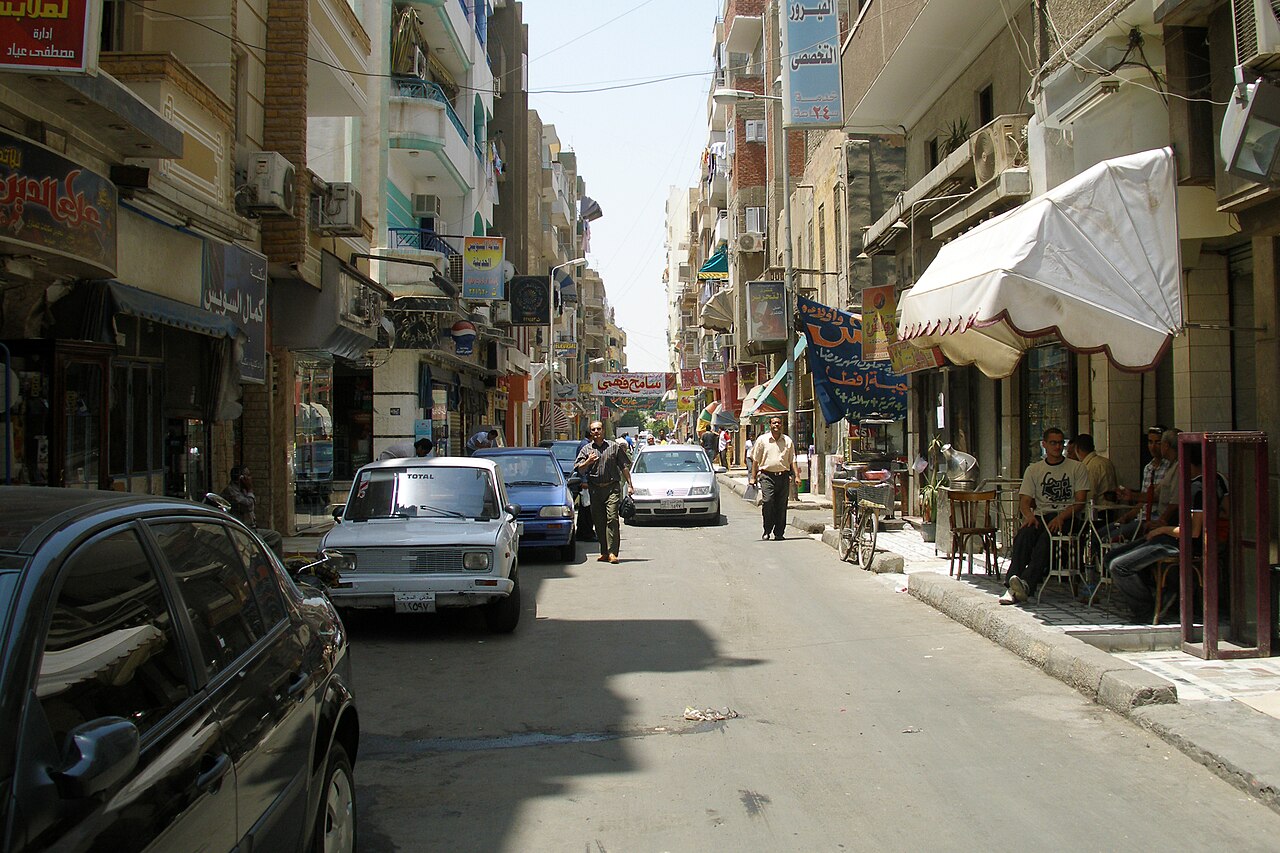
Port Said is compact enough that the downtown area is manageable on foot for those comfortable with urban walking. The corniche (waterfront promenade) stretches along the Mediterranean and the canal entrance, offering a pleasant and straightforward route between the port area and the colonial district — roughly 15-20 minutes of flat walking. The sidewalks are generally in decent condition along the main waterfront, though side streets can be uneven.
Taxis are cheap and plentiful outside the port gate. Short trips within the city center cost roughly $2-5 USD (60-150 EGP), though you must negotiate the fare before getting in — meters are rare. For the best rates, walk past the immediate cluster of drivers at the gate and hail a taxi from the street. Microbuses (shared minivans) run fixed routes through the city for a few Egyptian pounds per ride, but signage is in Arabic only and routes can be confusing for first-time visitors. For most cruise passengers, walking the corniche and taking an occasional taxi is the simplest approach. Ride-hailing apps like Uber and Careem have limited availability in Port Said — do not rely on them.
A train to Cairo is technically possible from Port Said's railway station, but it is a long and slow journey — roughly 4-5 hours each way on aging rolling stock, with no guaranteed schedule reliability. The train costs only a few dollars but eats most of your port day in transit. For cruise passengers with limited time, the organized bus excursion to Cairo and the Pyramids (3-4 hours each way by road) is far more practical, though still exhausting. If your ship offers an overnight in Port Said, the train becomes a more viable option for adventurous travelers willing to navigate Arabic-only ticketing and accept delays as part of the experience.
Port Map
Shore Excursions
Booking guidance: Ship excursion options provide guaranteed return to port and are worth considering for first-time visitors. For those who prefer to explore independently, local operators often offer competitive rates — book ahead during peak season to secure your preferred times. Whether you choose a ship excursion or go independent, confirm departure times and meeting points before heading out.
Suez Canal viewing is the most accessible activity from Port Said. Walk or take a short taxi ride ($2-3) to the canal viewing points near the harbor entrance, where you can watch enormous container ships and tankers queue and transit through the narrow passage. The sight of vessels longer than skyscrapers gliding silently through the desert is mesmerizing and free to observe. The best vantage points are along the corniche near the old lighthouse.
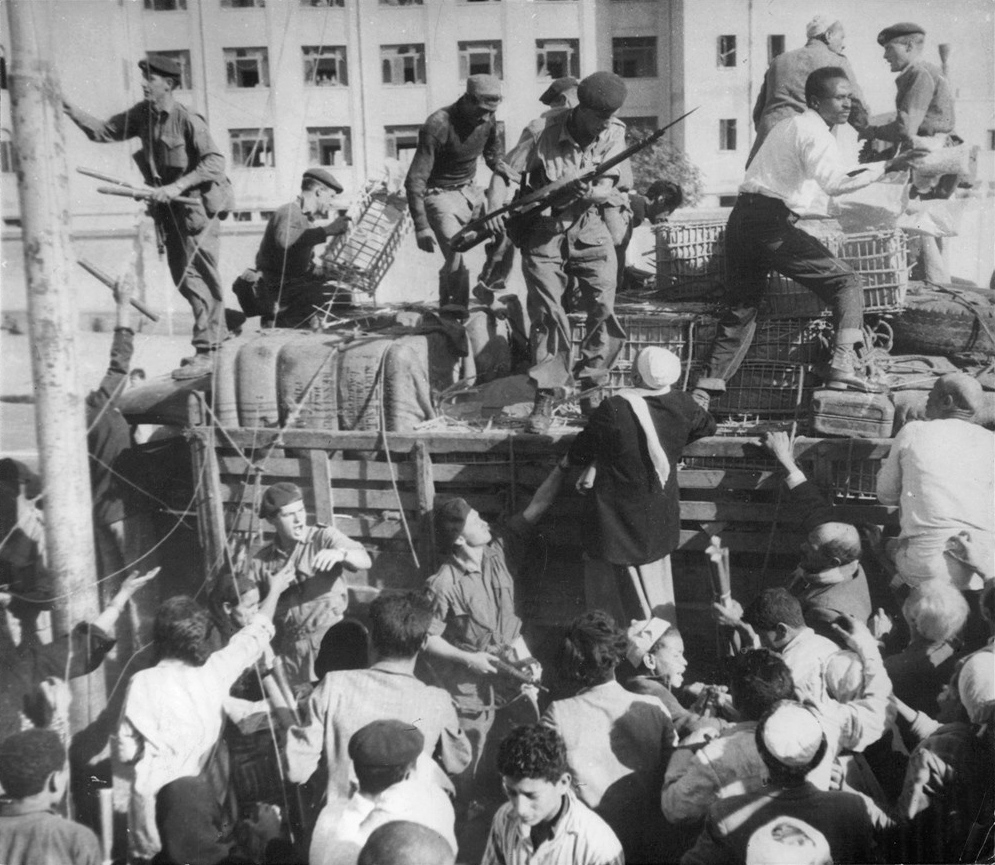
Port Said Military Museum (entry approximately 50 EGP / $1.50) documents the 1956 Suez Crisis, the 1967 Six-Day War, and the 1973 October War from the Egyptian perspective. The museum sits in a colonial-era building downtown and contains photographs, military equipment, and dioramas. Allow 45 minutes to an hour for a thorough visit.
The De Lesseps statue site, where the bronze of Ferdinand de Lesseps once stood overlooking the canal he built, is worth a brief visit for the historical resonance. The statue was removed in 1956 during the nationalization crisis, but the empty pedestal and the harbor views remain. The surrounding waterfront area features well-preserved colonial architecture — French, Italian, and Ottoman influences layered atop one another.
Day trip to Ismailia, the garden city halfway along the canal (about 80km south, 1.5 hours by road), offers a more relaxed alternative to the grueling Cairo run. Ismailia sits on the shores of Lake Timsah and features tree-lined boulevards, the Ismailia Museum ($2 entry), and canal-side parks. A private taxi for the round trip runs approximately $40-60, making it a viable half-day option. For the Cairo and Pyramids excursion (3-4 hours each way, $150-250 per person through the ship), see the dedicated section below.
Cairo & Pyramids Excursion
The pyramids are the reason most travelers visit Port Said. Cairo is approximately 200km (125 miles) south — a 3-4 hour drive each way depending on traffic. This makes for a long but unforgettable day.
What to Expect
- Pyramids of Giza: The Great Pyramid of Khufu, Pyramid of Khafre, Pyramid of Menkaure, and the Sphinx.
- Egyptian Museum: Many tours include the Cairo museum with Tutankhamun treasures (or the new Grand Egyptian Museum if open).
- Total Time: 10-12 hours including transport.
- Fatigue: Expect exhaustion. Desert heat, crowds, and travel time are draining.
Booking Recommendations
Ship excursions are strongly recommended for Egypt. They handle logistics, security, and the guarantee of return to the ship. Private tours through reputable agencies are an alternative but require careful vetting.
Points of Interest
Port Said City
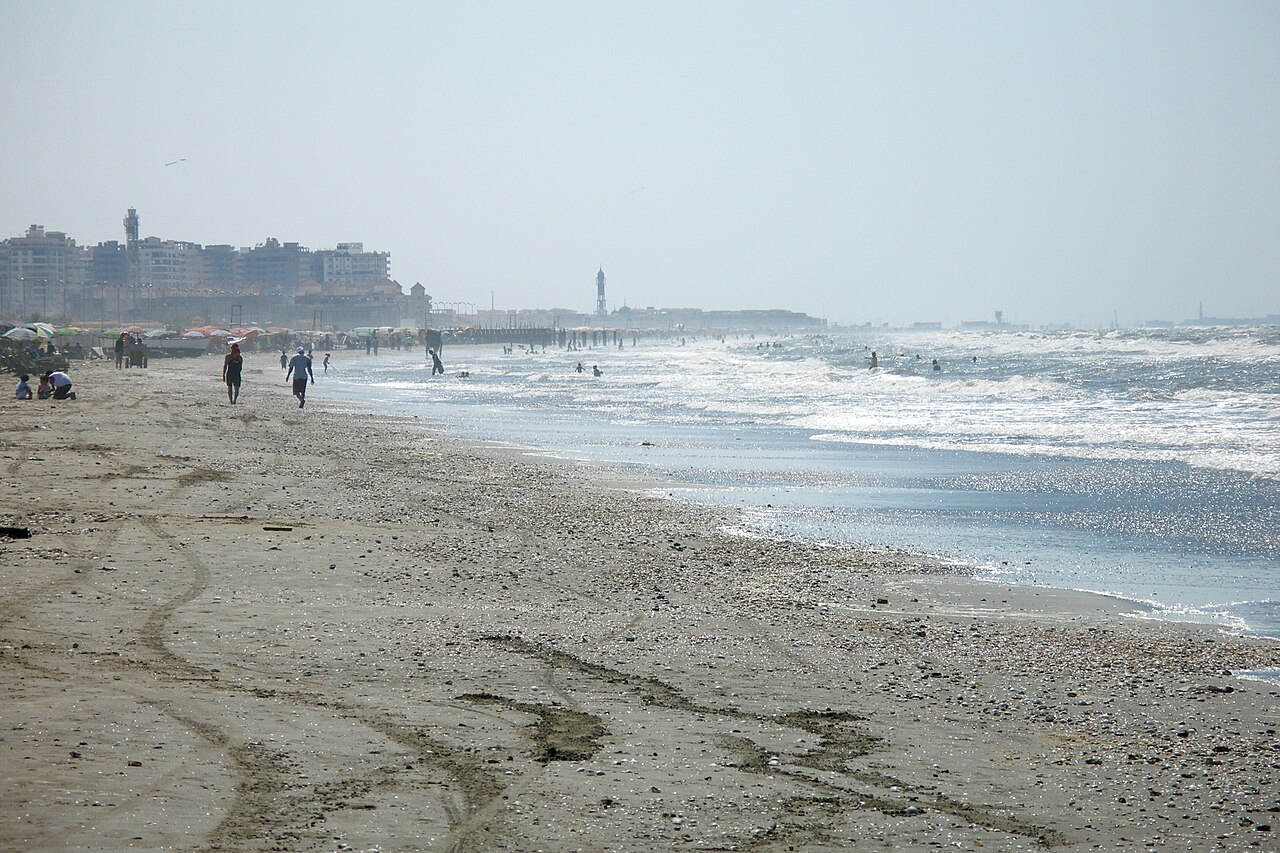
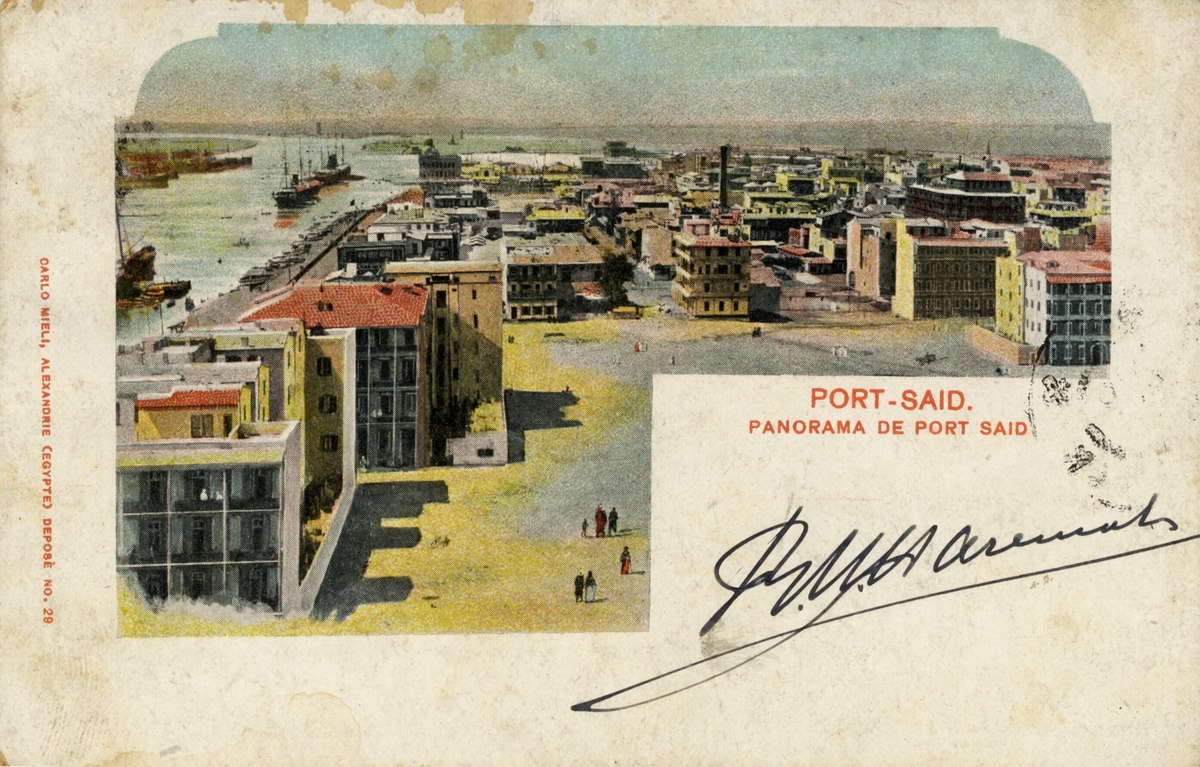
If you are not doing the Cairo excursion, Port Said itself has some historical interest. The city was founded in 1859 during canal construction and retains colonial-era architecture along the waterfront.
- Al-Salam Canal: Watch ships transit the canal from viewing points.
- Military Museum: Covers the 1956, 1967, and 1973 conflicts.
- Downtown Architecture: Faded colonial buildings recall the city's cosmopolitan past.
- Free Zone Markets: Shopping area, though quality varies.
Depth Soundings
Money: The local currency is Egyptian Pound (EGP). ATMs are generally available near the port area, though fees vary. Credit cards are widely accepted at tourist-oriented establishments, but carry some local cash for markets, street food, and smaller vendors. Your ship's exchange rate is typically unfavorable — withdraw from a bank ATM instead. Budget $30–$80 per person for a comfortable day including lunch, transport, and a few entry fees.
Timing: Start early if your ship arrives at dawn — the first hours offer pleasant conditions and smaller crowds. Allow at least 30 minutes buffer before all-aboard time. Set a phone alarm as backup. Most port visits allow 8–10 hours on shore, which is enough to see the highlights without rushing if you prioritize well.
Safety: Standard port-town awareness applies — keep valuables close and stick to well-traveled areas during daylight. Your ship's ID card is your most important item — losing it creates a genuine headache at the gangway.
Communication: Wi-Fi is often available at cafés and restaurants near the port. Consider downloading offline maps before disembarking — cellular data roaming charges can be substantial and surprising. Google Maps offline mode or Maps.me work well for navigation without data.
Food & Water: Tap water safety varies by destination — ask locally or buy bottled water to be safe. The best food often comes from busy local restaurants rather than tourist-facing spots near the port. Lunch at a popular local place typically costs $8–$20 per person. Street food can be excellent value if you choose busy stalls with high turnover.
Practical Information
Money
Egyptian Pound (EGP). Approximately 30 EGP = 1 USD (2025). USD widely accepted at tourist sites but local currency gets better prices. ATMs available but may be unreliable.
Security
Egypt has improved security significantly. Tourist police are visible at major sites. Remain with your group, follow guide instructions, and be aware of surroundings. Petty harassment from vendors can be persistent but is rarely dangerous.
Weather
Hot and dry most of the year. Summer temperatures regularly exceed 35°C (95°F). Spring and fall are more comfortable for sightseeing. Bring sun protection and plenty of water.
Tips for Giza
- Bring small bills for tips—they're expected everywhere.
- Decline aggressive camel ride offers unless you've negotiated price in advance.
- Photography inside tombs often requires separate tickets.
- Wear comfortable shoes—you'll walk on sand and uneven stone.
Photo Gallery
Frequently Asked Questions
Can I visit the pyramids from Port Said?
Yes, but it's a long day. Cairo is 3-4 hours each way. Ship excursions typically run 10-12 hours. Exhausting but worthwhile as a rare opportunity.
Is Port Said safe?
Generally safe for organized excursions. Independent travel requires more caution. Most cruise lines recommend ship-organized tours.
Will I see the Suez Canal?
Yes. Ships dock at the canal's Mediterranean entrance. If your ship transits the canal, the 12-hour passage is a world-cruising highlight.
Q: What is the best time to visit Port Said Cruise?
A: Spring and early autumn tend to offer the most comfortable conditions for sightseeing — mild temperatures, manageable crowds, and pleasant light for photography. Summer brings the warmest weather but also peak cruise traffic and higher prices. Winter visits can be rewarding for those who prefer quiet streets and authentic atmosphere, though some attractions may have reduced hours.
Q: Is Port Said Cruise suitable for passengers with mobility challenges?
A: Accessibility varies by area. The port vicinity and main commercial streets are generally manageable, but older historic districts may feature cobblestones, stairs, and uneven surfaces. Consider booking an accessible ship excursion if you have concerns. The ship's shore excursion desk can advise on specific accessibility options for this port.
Q: Do I need to exchange currency before arriving?
A: The local currency is Egyptian Pound (EGP). Most tourist-facing businesses accept major credit cards. ATMs near the port offer competitive exchange rates. Carry some local cash for small purchases, markets, and tips. Avoid exchanging money on the ship — the rates are typically unfavorable compared to local bank ATMs.
Q: Can I explore independently or should I book a ship excursion?
A: Both options work well. Ship excursions guarantee return to the vessel and handle logistics, making them ideal for first-time visitors. Independent exploration costs less and allows more flexibility — just keep track of time and allow a 30-minute buffer before all-aboard. Many passengers combine approaches: an organized morning tour followed by free afternoon exploration.
Author's Note: Egypt travel conditions can change. Verify current safety advisories and excursion availability with your cruise line.
Getting Around
Port Said city center walkable from the port. For Cairo and the Pyramids (200 km, 3 hrs by road), must use organized tour — the distance makes independent travel extremely risky for ship return timing. Suez Canal viewing from the waterfront promenade.