


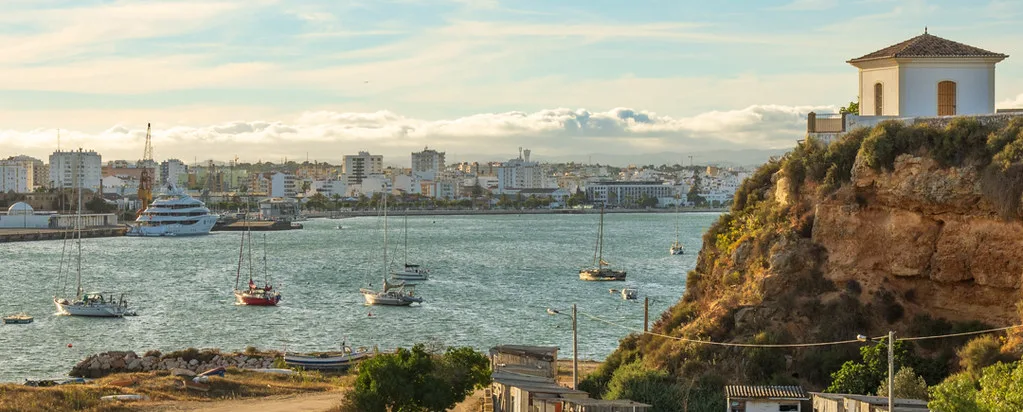
Portimão: Where Golden Cliffs Meet the Atlantic
My Visit to Portimão
I stepped off the tender onto the Arade River quay at half past eight on a warm October morning, and the first thing that reached me was the smell — charcoal smoke laced with the salt-sweet scent of grilling sardines drifting from a riverside restaurant that had already fired its coals for the day. My wife stood beside me on the dock, shielding her eyes against the low sun, and we both looked up at the old sardine cannery warehouses lining the waterfront, their walls painted in faded yellows and blues that seemed to glow in the early light. Fishing boats bobbed gently at the quay alongside our cruise tender, nets still dripping, and an old fisherman in a faded cap lifted his hand in greeting as though we were neighbors returning home. This was not the polished Portugal of Lisbon guidebooks. This was the real Algarve — a working coast where generations had made their living hauling sardines from the Atlantic, and where the air still carried the memory of salt and labor and honest toil.
We walked through the old town in less than five minutes — the cruise terminal sits right in the heart of Portimão, which felt like an unexpected gift after ports where you need a taxi just to reach civilization. I wanted to go straight to Praia da Rocha, and my wife agreed, so we caught a local bus for two euros each and rode south for ten minutes through residential streets lined with orange and lemon trees until the road crested a hill and the beach appeared below us like something from a dream. I had seen photographs, but nothing had prepared me for the scale of it. Towering ochre and honey-colored rock formations rose from the sand like the ruins of some ancient cathedral, sculpted by millennia of Atlantic storms into arches, pillars, tunnels, and bridges. The beach itself stretched for nearly two kilometers of golden sand, and the water glowed in impossible shades of turquoise and emerald where the morning sun struck it. I stood at the top of the cliff steps and felt my breath catch. It was, without exaggeration, one of the most beautiful coastlines I have ever seen.
We rented two loungers for fifteen euros and settled onto the beach. I ordered a cold Super Bock from the beach bar while my wife waded into the water, and I sat there watching the waves crash against the cliff faces with a sound like muffled thunder, sending spray skyward that caught the light and turned briefly to rainbows. Seabirds wheeled above the rock arches. Children splashed in the shallows. The breeze carried the faint coconut scent of someone's sunscreen mixed with the deeper mineral smell of warm sandstone. I closed my eyes and listened to the ocean and felt, for the first time in months, the tight knot between my shoulders begin to loosen. Sometimes you do not realize how much you needed rest until you finally stop moving.
At noon we walked back to the marina to board a boat tour to Benagil Cave — the famous sea cave about fifteen kilometers east along the coast. I had booked ahead online the previous week, which turned out to be wise because the afternoon departures were already sold out by the time we arrived. The cost was thirty-five euros per person for the ninety-minute tour. Our guide, a young Portuguese woman who spoke flawless English, helped us aboard the rigid inflatable boat along with twelve other passengers, and we set off eastward at a bouncing, exhilarating speed that sent cool spray across our faces. The coastline from the water was staggering — cliff after cliff of golden limestone carved into grottos, sea stacks, natural bridges, and hidden beaches accessible only by sea. I watched my wife's face as we rounded each headland, her eyes wide with wonder, and I reached over and squeezed her hand.
And then we motored into Benagil, and everyone on the boat went silent. The cave is a natural cathedral — a massive dome of golden limestone with a perfect circular opening in the roof through which midday sunlight poured like a spotlight from heaven, illuminating the small crescent beach inside and turning the water an electric, luminous blue. Waves lapped gently against the sand. Light played across the vaulted walls in shifting golden patterns. The guide cut the engine and let us drift. I heard my own breathing. I heard water dripping from the cave roof into the still pool below. I looked up at that perfect circle of sky and felt something shift inside me — something I can only describe as quiet grace. This was not a tourist attraction. This was a place where the earth had opened itself to the light, and the result was so beautiful that words felt like an intrusion. My wife whispered, "It's like a chapel." I could not speak. I just nodded, and felt my eyes fill with tears. We floated there for ten minutes while passengers swam and took photographs, but I spent most of that time simply looking upward, grateful beyond measure that I was alive and present and able to witness something this extraordinary. I whispered a prayer of thanks — not for the cave itself, but for the gift of being able to see it with someone I love.
Back on land by mid-afternoon, I walked to the Portimão Museum while my wife rested at a waterfront café. The museum is housed in a beautifully restored nineteenth-century fish cannery right on the riverside, and it tells the story of the sardine fishing and canning industry that built this town. Original machinery remains in place — rusting conveyor belts, canning presses, stacking frames — complemented by black-and-white photographs of workers, mostly women, processing the catch with swift, practiced hands. The building still smells faintly of fish and old metal, a ghost of the thousands of tons of sardines that passed through these walls. I stood in front of a photograph of cannery workers from the 1940s, their faces lined with exhaustion but also with something fiercer — pride, perhaps, or simple determination. Entry cost just three euros. I spent an hour there and could have spent longer.
At sunset I sat at a riverside grill and ordered sardinhas assadas — six whole sardines charcoal-grilled with nothing but coarse sea salt, served on a wooden board with boiled potatoes, a green salad dressed in olive oil and vinegar, and a basket of crusty bread. The waiter poured me a glass of chilled Vinho Verde. The sardines were hot from the grill, their skin blistered and crisp, the flesh inside moist and intensely flavorful — nothing like the tinned sardines I had grown up eating. I tasted the charcoal and the salt and the sweet oil of the fish and the sharp minerality of the wine, and I thought about the fishermen who had caught these sardines that morning, and the women who had once processed their ancestors' catch in the cannery I had just visited, and the generations of Portimão families who had lived and died by the rhythm of the Atlantic. Fifteen euros for the entire meal. I left a generous tip because the waiter had smiled when I stumbled through "Obrigado" and had not corrected my pronunciation even though it was almost certainly terrible.
Looking back, I realize what Portimão taught me. It was not the grand spectacle of Benagil Cave, though that was unforgettable. It was not the beauty of Praia da Rocha, though my heart still aches when I think of those golden cliffs. What I learned was something quieter and harder to name. I learned that the places which move us most deeply are not always the famous ones — sometimes they are a riverside grill at sunset, or a museum that smells of fish and history, or an old fisherman lifting his hand in greeting on a morning dock. I learned that beauty does not require polish or marketing or a gift shop at the exit. Sometimes it requires only salt, charcoal, sunlight, and the willingness to be present. My wife and I sailed from Portimão that evening as the sun dropped behind the golden cliffs and the town's lights flickered on along the river, and I felt something I can only call gratitude — deep, wordless, and enduring. We had been given one day in a place that deserved a week, but that one day was enough to remind us that the world is still full of places where honest beauty survives, unhurried and unadorned, waiting for anyone willing to slow down long enough to notice.
Featured Images
The Cruise Port
What you need to know before you dock.
- Terminal: Portimão Cruise Terminal on the Arade River, right in the heart of town. The terminal building is small but well-organized with tourist information, currency exchange, and taxi stands. The pier area is wheelchair accessible with level pathways from the terminal into the old town, making it comfortable for guests with mobility needs.
- Distance to Town: Walking into the old town takes less than five minutes from the gangway. The riverside promenade is flat and fully accessible.
- Tender: Ships may anchor and tender depending on vessel size, though many dock directly at the river pier.
- Currency: Euro (€); credit cards widely accepted; ATMs plentiful in town
- Language: Portuguese (English widely spoken in tourist areas; Portuguese phrases earn genuine smiles)
- Climate: Portimão averages 300 days of sunshine annually with mild temperatures year-round
- Best Season: May-September for beaches and boat tours; shoulder months (April, October) for pleasant weather and fewer crowds
- Position: Gateway to the central Algarve coast, between Lagos to the west and Albufeira to the east. Population around 50,000, swelling in summer but maintaining authentic Portuguese character year-round
Getting Around
Transportation tips for cruise visitors.
- Walking: The cruise terminal location on the Arade River puts you within easy walking distance of the old town waterfront and the Portimão Museum. The waterfront promenade is flat, smooth, and fully accessible for wheelchair users and those with limited mobility. Portimão's town center is compact and pleasant for walking, though Praia da Rocha is about 3 km south and requires transport or a 30-40 minute walk through residential areas.
- Local Buses: Regular bus service runs from the town center to Praia da Rocha, costing around €2 per person. Buses are air-conditioned and run frequently during cruise season. The fare is affordable and the ride takes about ten minutes.
- Taxis: Readily available at the terminal and throughout town. Fares are reasonable by European standards — about €5-7 to Praia da Rocha one-way. Negotiate day rates for multi-stop tours to Lagos, Silves, and surrounding areas. Expect to pay €100-150 for a full-day private taxi tour accommodating four passengers. Most taxis can accommodate folding wheelchairs with advance notice.
- Boat Tours: Book ahead for Benagil Cave boat tours at the marina near the cruise terminal, or arrange through ship excursion desks. Tours typically cost €25-40 per person depending on duration and route. Morning departures often have calmer seas and better light inside the cave.
- Rental Cars: Available in town but not essential for a port day. Traffic can be heavy during summer, and parking at beaches gets challenging. The Algarve's roads are generally good but narrow in coastal areas.
- Organized Tours: Shore excursions offered by the cruise line typically include transportation, guides, and entrance fees. Independent tour operators at the port offer similar itineraries at competitive prices, though a ship excursion provides the guaranteed return to the vessel before departure that independent options cannot.
Portimão Area Map
Interactive map showing cruise port, Praia da Rocha, Benagil Cave area, and key Algarve attractions. Click any marker for details and directions.
Excursions & Activities
How to spend your time ashore. For popular activities like the Benagil Cave boat tour, book ahead during peak season to secure your spot. Many visitors choose to explore independent of the ship excursion options for flexibility and cost savings, though a ship excursion offers guaranteed return to the vessel before departure.
Praia da Rocha
The centerpiece of Portimão's appeal, Praia da Rocha spreads along nearly two kilometers of golden sand backed by dramatic ochre and honey-colored limestone cliffs. The rock formations that give the beach its name rise like natural sculptures — arches, caves, pillars, and bridges carved by Atlantic storms over countless centuries. The beach offers full facilities including lounger rentals (about €15 for two), beach bars, restaurants, and water sports equipment. The water stays refreshingly cool but swimmable from May through October. Walk the clifftop promenade at sunset for panoramic views of the coast. Located just 3 km south of the cruise port, easily reached by taxi (€5-7), local bus (€2), or a pleasant 30-minute walk. Low-walking option: take a taxi directly to the beach and spend a relaxed few hours with minimal walking.
Benagil Sea Cave Boat Tour
The Benagil Cave has become one of Portugal's most photographed natural wonders — a massive sea cave with a circular opening in the dome that creates a natural skylight illuminating the small beach inside. Boat tours depart regularly from Portimão marina, traveling about 15 km east along the spectacular Algarve coastline. The journey passes dozens of hidden grottos, natural arches, and sea stacks. Tours last 1-2 hours depending on the route. The best light inside Benagil Cave occurs around midday when the sun is directly overhead. Swimming inside the cave is allowed on some tours. Cost is €25-40 per person. Book ahead online — morning departures sell out first during cruise ship days and peak season. This tour operates independent of the ship schedule, so plan your timing carefully to ensure you return before the ship departs.
Portimão Museum
Housed in a beautifully restored 19th-century fish cannery right on the waterfront, the Portimão Museum tells the story of the sardine fishing and canning industry that built this town. Original machinery remains in place, complemented by photographs, artifacts, and multimedia exhibits documenting the working lives of fishermen and cannery workers. The museum also covers the region's archaeological heritage dating back to Roman times. Exhibits are well-presented in Portuguese and English. The building itself is architecturally significant — industrial heritage preserved with respect and creativity. Entry costs about €3. Located a 10-minute walk from the cruise terminal along the riverside promenade. The museum is wheelchair accessible on the ground floor.
Algar Seco Rock Formations
Just beyond Praia da Rocha, the Algar Seco area features extraordinary natural rock sculptures carved by wind and waves into fantastical shapes. Wooden walkways allow you to explore safely among the formations, bridges, and grottos. Steps lead down to viewing platforms where waves crash dramatically against the cliffs. The golden limestone glows magnificently in late afternoon light. Local vendors sell snacks and drinks at the entrance. This is prime sunset viewing territory — arrive an hour before golden hour for the best experience. Free to visit. About 4 km from the port, easily combined with a Praia da Rocha visit. Moderate walking required on uneven surfaces.
Silves Castle
About 15 km inland from Portimão, the red sandstone Silves Castle rises above the medieval town of Silves. This Moorish fortress dates to the 8th century and remains one of the best-preserved castles in the Algarve. Massive walls of reddish stone glow in the Portuguese sun, and walking the battlements offers sweeping views across the countryside to the coast. The town below retains narrow cobbled streets, whitewashed houses, and an impressive Gothic cathedral. Silves was once the Moorish capital of the Algarve and still carries that historical weight. Taxis from Portimão charge around €20-25 each way. Often available as a ship excursion combined with Lagos for a full-day inland tour. Strenuous option with significant walking on uneven cobblestones and steep castle stairs.
Lagos Historic Town
About 20 km west of Portimão, Lagos is one of the Algarve's most historically significant and beautiful towns. The walled old town centers around Praça Infante Dom Henrique where Henry the Navigator launched his Age of Discovery voyages. Beyond this history, Lagos offers stunning Ponta da Piedade cliffs, charming cobbled streets, excellent restaurants, and a vibrant waterfront. The walk from the marina to Ponta da Piedade takes about 30 minutes and rewards with some of the Algarve's most dramatic coastal scenery. Plan at least 3-4 hours to explore properly. Easily reached by taxi (€25-30 each way) or organized shore excursion from Portimão.
Local Food & Drink
- Sardinhas Assadas: Whole sardines charcoal-grilled with coarse salt — Portimão's signature dish. Served with boiled potatoes, salad, and bread. The riverside grills specialize in this preparation. Fresh sardines in season (May-October) are unmistakably superior. About €10-15 per portion.
- Cataplana: Copper pot seafood stew with clams, prawns, and fish in a tomato-wine broth — the regional signature dish of the Algarve. Worth the price at €25-35 for two.
- Grilled Dourada & Robalo: Sea bream and sea bass, grilled simply and served with vegetables. Available at every waterfront restaurant.
- Percebes: Goose barnacles — a local delicacy that looks strange but tastes wonderful for adventurous eaters.
- Vinho Verde: Slightly sparkling, refreshing white wine — ideal for hot Algarve afternoons. €3-5 per glass.
- Pastéis de Nata: Custard tarts available at every café and bakery. About €1-2 each.
- Dom Rodrigo: Almond and egg yolk sweets wrapped in colored foil — an Algarve specialty worth seeking out.
- Budget: Expect to pay €15-25 per person for a substantial meal with wine at mid-range waterfront restaurants. Street food and casual cafés serve excellent food for under €10.
Depth Soundings Ashore
Lessons learned the hard way — practical wisdom for making the most of your Portimão port day.
- Book Benagil Tours Early: Boat tours to Benagil Cave sell out quickly during cruise ship days and summer season. Book ahead online or immediately upon arrival at the port. Morning departures have calmer seas and better light inside the cave. Planning ahead saves both time and disappointment.
- Beach Timing Matters: Praia da Rocha gets crowded from 11 AM onward during peak season. Arrive early morning or late afternoon for a more peaceful experience. The beach faces south, so afternoon sun can be intense — bring high SPF sunscreen and plenty of water.
- Currency and Cards: Euros are essential for small purchases, markets, beach vendors, and taxis. ATMs are plentiful in town. Credit cards are widely accepted at restaurants and shops but not always at smaller family establishments. Budget for at least €50-80 per person for a comfortable port day including transport, one activity, and a meal.
- Lunch Strategy: Riverside restaurants in Portimão offer better value and more authentic atmosphere than beach restaurants at Praia da Rocha. The grilled sardines at riverside grills are exceptional and a great value. Arrive before 1 PM or after 2:30 PM to avoid the lunch rush.
- Lagos or Silves: If you want to venture further afield, choose one or the other unless you have a private taxi for the full day. Lagos works better for history and dramatic coastal scenery. Silves suits those interested in Moorish heritage and quieter atmospheres.
- Algar Seco at Sunset: The rock formations at Algar Seco become magical in late afternoon light. If your ship has a late departure, this is the perfect final stop before returning to the port.
- Museum as Refuge: The Portimão Museum makes an excellent air-conditioned retreat during the hottest part of the day, and it is only a 10-minute walk from the cruise terminal. Save it for midday heat or fill time before departure.
- Portuguese Phrases: Learn "Obrigado/Obrigada" (thank you), "Por favor" (please), and "Bom dia" (good morning). Portuguese people genuinely appreciate the effort, and gratitude shown in the local language is always worth the small investment of learning a few words.
Photo Gallery
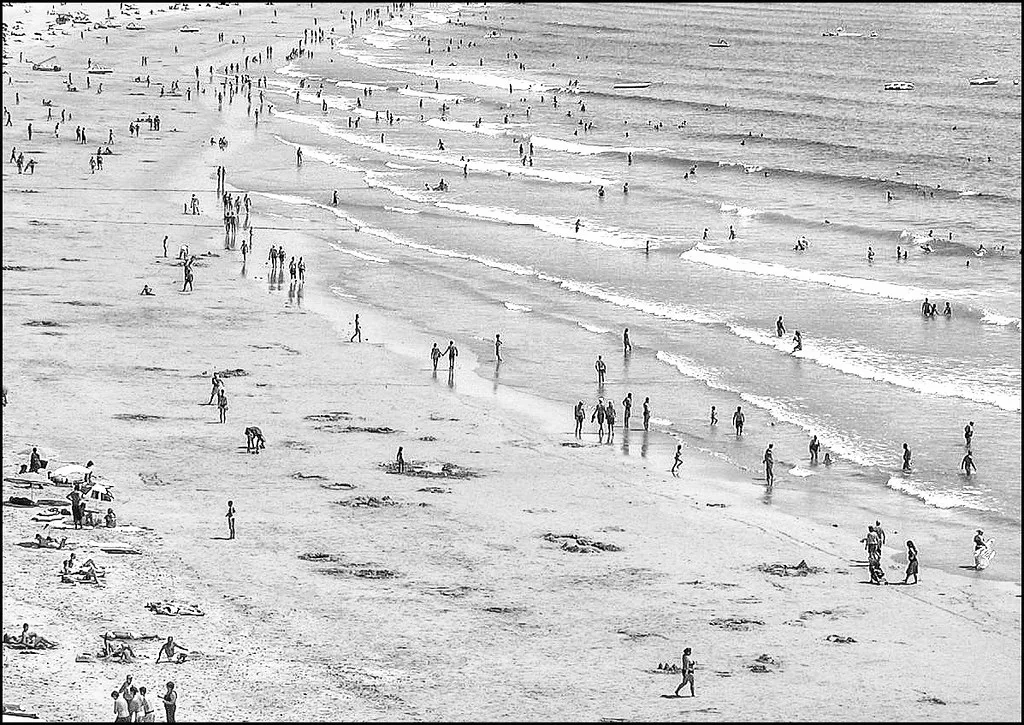
Image Credits
- Hero image and portimao-1.webp: Wikimedia Commons (CC BY-SA)
- portimao-2.webp: Wikimedia Commons (CC BY-SA)
- portimao-3.webp: Wikimedia Commons (CC BY-SA)
- portimao-4.webp: Wikimedia Commons (CC BY-SA)
Frequently Asked Questions
Q: Is Portimão worth visiting on a cruise?
A: Absolutely. Portimão offers the best of the Algarve — dramatic rock formations at Praia da Rocha, the famous Benagil Sea Cave, authentic sardine fishing heritage, and year-round sunshine. It is less crowded than Lisbon but equally beautiful, and the cruise terminal sits right in the heart of town.
Q: How do I get to Benagil Cave from Portimão?
A: Benagil Cave is about 15 km east of Portimão. You can book a boat tour from the marina that visits the cave and other coastal formations. Tours last 1-2 hours and cost €25-40 per person. The cave's famous circular opening in the roof creates stunning light effects, especially around midday. Book ahead during peak season.
Q: What is Portimão known for?
A: Portimão is known for its sardine fishing and canning heritage, dramatic Praia da Rocha beach with towering golden rock formations, proximity to Benagil Sea Cave, and charcoal-grilled sardines served at waterfront restaurants. The Portimão Museum in a former fish cannery tells the local story beautifully.
Q: Can I walk from the cruise port to Praia da Rocha?
A: Ships dock at the Arade River port in town. Praia da Rocha is about 3 km south — a 30-40 minute walk or a short taxi ride (€5-7). Most visitors take a taxi or local bus (€2) to the beach area. The walk is mostly flat but passes through residential streets rather than scenic coastline.
Q: Is Portimão accessible for visitors with limited mobility?
A: The cruise terminal and old town waterfront are flat and wheelchair accessible. The Portimão Museum has ground-floor accessibility. However, beach access at Praia da Rocha involves steps, and boat tours to Benagil require boarding from a marina dock. Taxis can accommodate folding wheelchairs with advance notice.
Q: What should I pack for Portimão?
A: Essentials include sunscreen (the Algarve sun is intense), comfortable walking shoes, swimwear, a hat, and layers for variable conditions. Bring cash in euros for smaller vendors and taxis.
Q: When is the best time to visit Portimão?
A: The seasonal panel above lists Peak Season as "May, Jun, Jul, Aug, Sep," Transitional Season as "Apr, Oct," and Low Season as "Nov, Dec, Jan, Feb, Mar." The avoidance note flags "Jan, Feb" with reason "(cold weather, limited daylight)." Use the live weather widget in the seasonal panel for current short-term conditions.
Q: What is Portimão's storm season?
A: The Weather Hazards panel above labels Portimão a "Winter Weather" zone with "Season: Nov – Mar" and "Peak risk: Jan, Feb." The hazard-note reads: "Shorter days, possible storms; dress warmly in layers." The avoidance note in the Best Time block also flags "Jan, Feb" with reason "(cold weather, limited daylight)." Specific storm history is not detailed on this page; use the live weather widget in the seasonal panel above for current conditions on any sailing date.
Q: Will rain ruin my Portimão port day?
A: The seasonal panel does not give Portimão-specific rainfall data — the Rain entry reads "Seasonal variation — check forecast." The Best Time block lists "May, Jun, Jul, Aug, Sep" as Peak Season, with "Jan, Feb" flagged in the avoidance note (for "(cold weather, limited daylight)"). The Winter Weather hazard-note notes "possible storms" across the Nov-Mar window. The live weather widget in the seasonal panel is the source for short-term forecasts.
Author's Note: Until I have sailed this port myself, these notes are soundings in another's wake — helpful for planning, and marked for revision once I've logged my own steps ashore.
Key Facts
- Country
- Portugal (Algarve)
- Region
- Atlantic
- Currency
- Euro (€); credit cards widely accepted; ATMs plentiful in town
- Language
- Portuguese (English widely spoken in tourist areas; Portuguese phrases earn genuine smiles)
- Climate
- Portimão averages 300 days of sunshine annually with mild temperatures year-round