
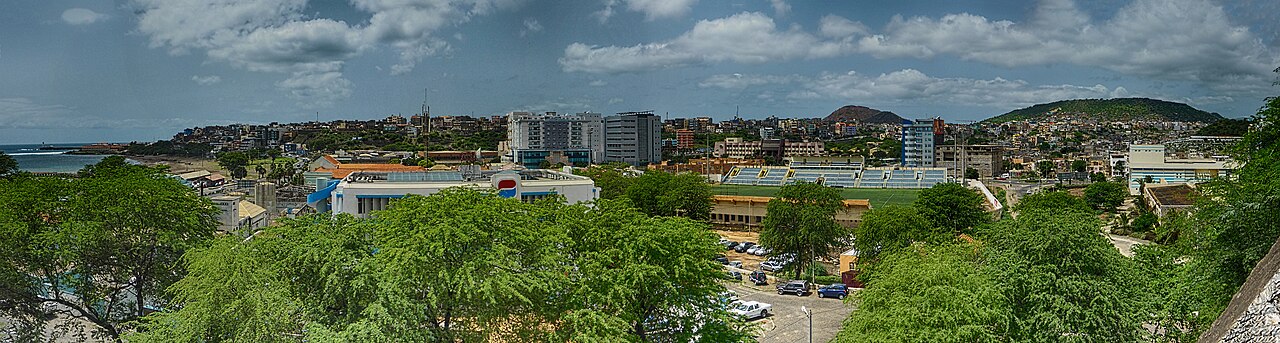
Photo: Reino Baptista / Wikimedia Commons (CC BY-SA 4.0)
My Logbook: Praia, Cape Verde
December 2025 • Santiago Island, Cape Verde
I hadn't expected the wind to be my first impression of Praia, but it was there the moment I stepped off the tender into the bright morning light at Porto da Praia. The breeze was constant, warm, smelling of salt and distant earth. I heard the clank of dock equipment and the shouts of harbor workers in Kriolu, their voices carrying across the water with a musical quality I had not encountered before. The Atlantic here feels different than it does farther north; there is an African quality to it, a dryness mixed with the sea spray that reminds you these islands lie off the coast of Senegal, suspended between continents and belonging fully to neither.
My wife and I made our way from the port up through the narrow streets toward the Plateau, the elevated colonial quarter that serves as Praia's historic heart. We walked slowly because the grade was steep and the sun was already fierce, even at nine in the morning. I watched the city reveal itself in layers as we climbed: first the commercial district near the water, then the middle neighborhoods with their brightly painted houses, and finally the Plato itself, where old Portuguese buildings stood in varying states of grandeur and gentle decay. I noticed the scent of grilled fish drifting from a small restaurant, and my stomach reminded me that we had skipped breakfast on the ship.
On the Plateau, I found myself standing in the Praca Alexandre Albuquerque, the main square named after a Portuguese naval officer. The square was quiet at that hour, though a few vendors were setting up their stalls. I sat on a bench and watched the city wake up around me. A group of schoolchildren in uniforms walked past, laughing and teasing each other in Kriolu. An elderly man swept the steps of a government building with the same deliberate care my own grandfather used to bring to his front porch. However, there was a sense of timelessness here that felt foreign to my American pace, and I found myself breathing more slowly, letting the rhythm of the place settle into my body.
We took a taxi to Cidade Velha, the UNESCO World Heritage site about fifteen minutes west of Praia. Our driver spoke some English and pointed out landmarks along the coast road. I saw the blue Atlantic stretching endlessly to our left while dry brown hills rose on our right, and I marveled at the contrast between the lush green of a few irrigated valleys and the arid volcanic landscape that surrounded them. The driver told us that Cape Verde means "green cape," though the islands themselves are among the driest places in the Atlantic. "We know how to find water where others see only rock," he said with quiet pride.
Cidade Velha itself was a revelation. I walked down the cobbled Rua Banana, the oldest street in the settlement, past crumbling stone walls that once housed merchants and colonial officials. At the base of the valley, the ruins of the old cathedral stood open to the sky, their rootless walls framing the blue heavens like a prayer offered upward. I climbed the steep path to the Forte Real de Sao Filipe, the fortress that the Portuguese built after Sir Francis Drake raided the settlement in 1585. From the battlements, I looked down over the valley, the small settlement below, and the ocean beyond, and I felt the weight of centuries pressing down on me.
But it was at the Pelourinho that something shifted inside me. The old stone pillory stands in a small square near the church, unremarkable in its architecture but devastating in its purpose. This is where enslaved human beings were chained and sold, their bodies assessed like livestock while ships waited in the harbor to carry them across the sea. I stood there in the midday heat and felt my breath catch. A local guide was leading another group nearby, and I heard her say quietly, "We remember so that we can build something better." My eyes filled with tears. I thought of my own comfortable passage across this same ocean, and I understood something I had only known intellectually before: the water that carries us to our pleasures once carried others to their unspeakable suffering. The beauty of these islands and the horror of their history exist in the same breath, and honest travel means holding both.
After Cidade Velha, we returned to Praia and I made my way to the Sucupira area, where the commercial life of the city concentrates. Despite the midday heat, the streets were alive with commerce. I tasted a pastel de tuna from a vendor near the entrance, the savory pastry hot and perfectly crispy, and I bought a woven basket that caught my eye. The woman selling it demonstrated how the weaving was done, her fingers moving with practiced speed while she talked to me in a mix of Portuguese and gestures. I paid 800 CVE, about $8, and felt I had gotten both a beautiful object and a brief window into another life.
In the late afternoon, we found our way to Quebra Canela beach, where local families were already gathering. I watched children chase waves across the dark volcanic sand while their mothers sat in circles talking and laughing. The water was cool and clean, though the waves had a rough Atlantic energy that demanded respect. I swam out beyond the breakers and floated on my back, looking up at the Plateau rising above the city, and I thought about how this place manages to be simultaneously African and European, ancient and modern, wounded and joyful.
Looking back on our day in Praia, I realized that what Cape Verde taught me was something about resilience and identity. These islands were empty before the Portuguese came, and the people who live here today are the descendants of both the colonizers and the colonized, of free settlers and enslaved Africans. Yet they have built something entirely their own from those painful origins: a culture, a language, a music, a cuisine that belongs to no other place on earth. Sometimes you travel to see beautiful things, but the real gift is when a place shows you something true about the human capacity to create meaning from suffering, to build a home even when history tried to make you homeless. I learned that gratitude for my own freedom must always be held alongside awareness of others' sacrifice, and that the most honest way to see the world is with both eyes open, refusing to look away from either the beauty or the pain.
The Cruise Port
Cruise ships dock at Porto da Praia, the main commercial and cruise port facility on Santiago Island's southern coast. Larger vessels typically dock alongside the main pier, while some ships may anchor offshore and use tender service depending on berth availability. The port area has a small terminal building with basic facilities including restrooms and a tourism information desk. Taxis gather at the port exit, and drivers are accustomed to cruise ship schedules. The ride to the Plateau district takes roughly ten minutes and costs around 500 CVE (about $5). Wheelchair accessible taxis can be arranged through the ship's shore excursion desk with advance notice, though availability is limited. The port itself is relatively flat, but the city rises steeply from the waterfront, which presents challenges for those with mobility concerns. A ship-organized shuttle to the city center typically costs $10 per person round trip. Currency exchange is available at banks on the Plateau, and ATMs accept international cards. If your ship uses tender service, be prepared for moderate wave action in the harbor, which can make the tender ride an adventure in itself. The port is approximately two kilometers from the historic center, making it feasible to walk if you are comfortable with uphill terrain in tropical heat.
Getting Around
Praia's compact center is walkable, especially the Plateau district, though the heat and hills make taxis attractive for longer distances. Taxis are unmetered; negotiate or confirm the price before departing. Expect to pay around 500-800 CVE ($5-$8) for trips within the city. For Cidade Velha, a taxi round trip with waiting time runs about 2,500-3,000 CVE ($25-$30); shared aluguers (minibus taxis) offer cheaper rates but less convenience for visitors unfamiliar with the routes.
Renting a car is possible through agencies in the city, useful if you want to explore Santiago independently. Roads are generally good on main routes, rougher on mountain backroads. Drive on the right side and be prepared for local driving styles and wandering livestock in rural areas. For organized tours, several companies operate from Praia offering half-day and full-day excursions to Cidade Velha, Tarrafal, and the mountainous interior. The Plateau area is accessible for wheelchair users on the main streets, though side streets and older pavements can be uneven. Visitors with walking difficulty should plan taxi transport between the port and upper city rather than attempting the steep climb on foot. Water taxis and small boat services are not generally available in Praia harbor. Most visitors find that a combination of taxis and walking covers the main sights efficiently within a typical port day.
Praia Area Map
Interactive map showing cruise terminal and Praia attractions. Click any marker for details.
Top Excursions & Attractions
Cidade Velha (Ribeira Grande) — UNESCO World Heritage Site
Just fifteen minutes west of Praia lies the reason most history-minded travelers come to Santiago: Cidade Velha, the first European colonial settlement in the tropics. Founded in 1462, this was once the second-most important Portuguese city after Lisbon. Walk up the cobbled Rua Banana past the ruins of the old cathedral to the Royal Fortress of Sao Filipe with its sweeping views of the valley and sea. The Pelourinho pillory stands as a stark reminder of the slave trade. A ship excursion typically costs $65-$85 per person and includes guide and transport. For independent visitors, a taxi round trip with one hour of waiting time costs about $25-$30. Book ahead during peak season as guide availability can be limited. This is moderate walking with steep inclines at the fortress.
The Plateau (Plato) — Historic Colonial Center
Praia's elevated colonial quarter offers a grid of streets lined with Portuguese buildings in various states of preservation. The Presidential Palace, Praca Alexandre Albuquerque, and the old municipal hall are highlights. This excursion works well as an independent walk from the port; the climb is steep but manageable. Ship excursion packages that combine the Plateau with Cidade Velha typically run $75-$95 per person. Those who prefer to explore on their own will find the Plateau accessible and rewarding on foot. Allow two hours for a thorough visit of the area. Guaranteed return to the ship is included with all organized excursions.
Tarrafal Beach — Northern Santiago Day Trip
For those with a full day in port, Tarrafal on Santiago's northern coast offers white sand, turquoise water, and coconut palms. The journey from Praia takes about ninety minutes each way by road through increasingly green highlands, banana plantations, and small farming villages where daily life moves at its own pace. Ship excursions to Tarrafal run approximately $110-$130 per person with lunch often included. Independent visitors can hire a taxi for the day at around $80-$100 with negotiation. The nearby Tarrafal concentration camp memorial, a Portuguese political prison active during the Salazar dictatorship, is a sobering but important addition to the visit. Local beachfront restaurants serve grilled fresh fish for about $12-$15 per plate, with cold Strela beer to complement the meal. Book ahead with your ship or a local operator to ensure availability, especially during peak season when transport fills up quickly.
Local Food & Dining
Cape Verdean cuisine reflects the islands' crossroads heritage: African ingredients and techniques mingling with Portuguese methods. Cachupa, the national dish, is a slow-cooked stew of corn, beans, and fish or meat, often served as "cachupa refogada" (refried) for breakfast. Fresh seafood dominates menus: tuna, grouper, and lobster grilled or stewed with tomatoes, onions, and peppers. Pastel, fried pastries filled with spiced tuna, makes perfect street food at about 100 CVE ($1) each. For drinks, grogue is the local sugarcane rum, while Strela beer is light and refreshing at approximately 200 CVE ($2) per bottle. Coffee is taken strong and sweet in the Portuguese style.
Depth Soundings: The Honest Story
Praia is not a polished cruise destination, and that is precisely what makes it worth visiting. The infrastructure is developing, the streets can be rough, and the heat is unrelenting. However, beneath the surface, this city offers something that more popular ports cannot: authenticity. The history here is real and unvarnished, the people are genuinely warm, and the culture is unlike anything else in the Atlantic. Despite the challenges of limited shade and steep terrain, Praia rewards the curious traveler who comes prepared. Although it lacks the manicured pathways of Caribbean ports, it compensates with depth of experience. Yet the reality is that visitors with limited mobility will find the terrain difficult without advance planning. Still, for those willing to engage with a place on its own terms rather than expecting tourist polish, Praia delivers moments of profound connection that glossier destinations cannot replicate. The food is honest and affordable, the history is humbling, and the sense of discovery is genuine. Even so, bring water, wear sunscreen, and pace yourself in the heat.
Practical Information
Language & Currency
Portuguese is the official language; Kriolu is widely spoken. The Cape Verdean Escudo (CVE) is the currency, though euros are commonly accepted. ATMs are available on the Plateau.
Sun & Safety
Praia sits at 15 degrees north with intense sun. Bring sunscreen, a hat, and sunglasses. Standard safety precautions apply; keep valuables secure and stay aware of your surroundings.
Last reviewed: February 2026
Photo Gallery
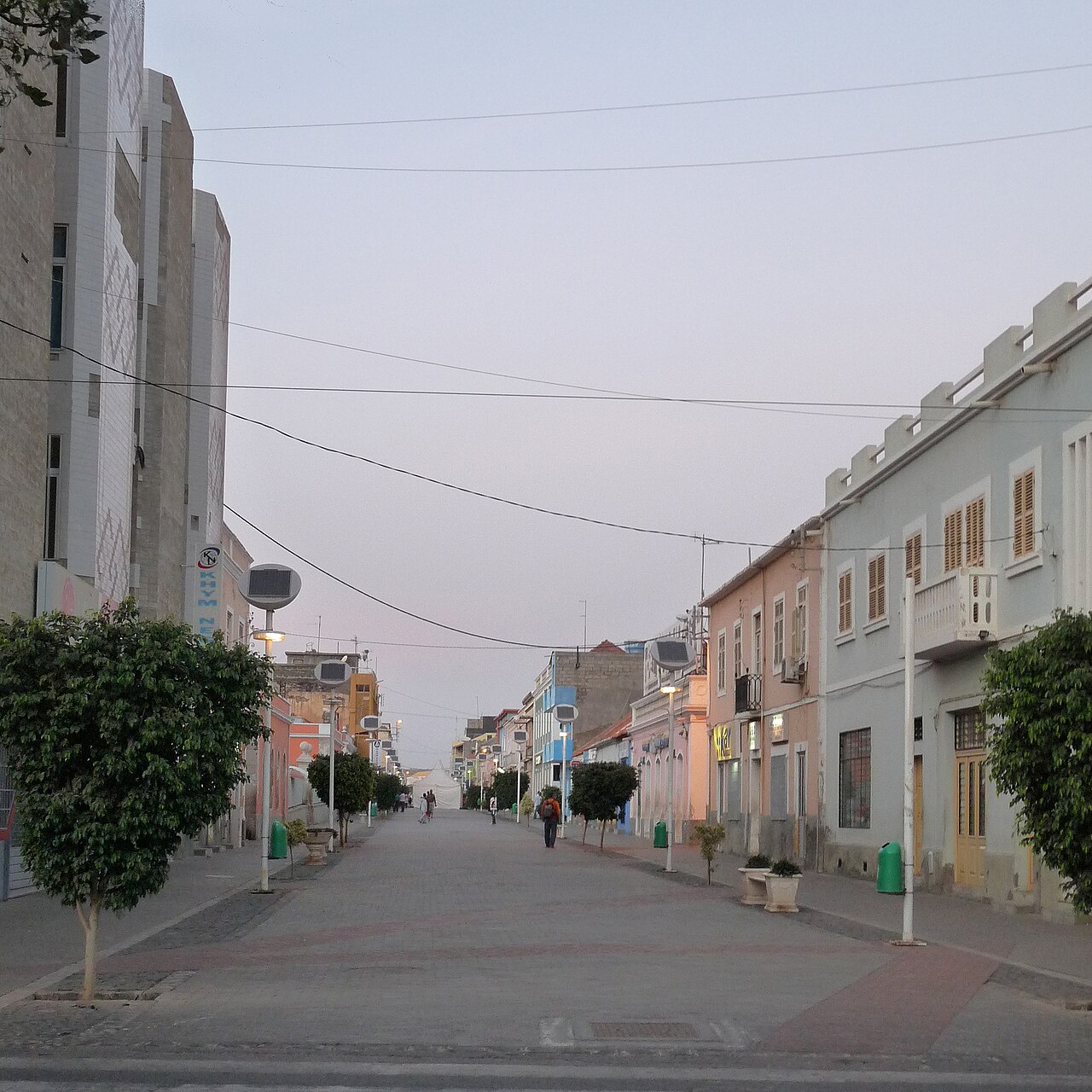
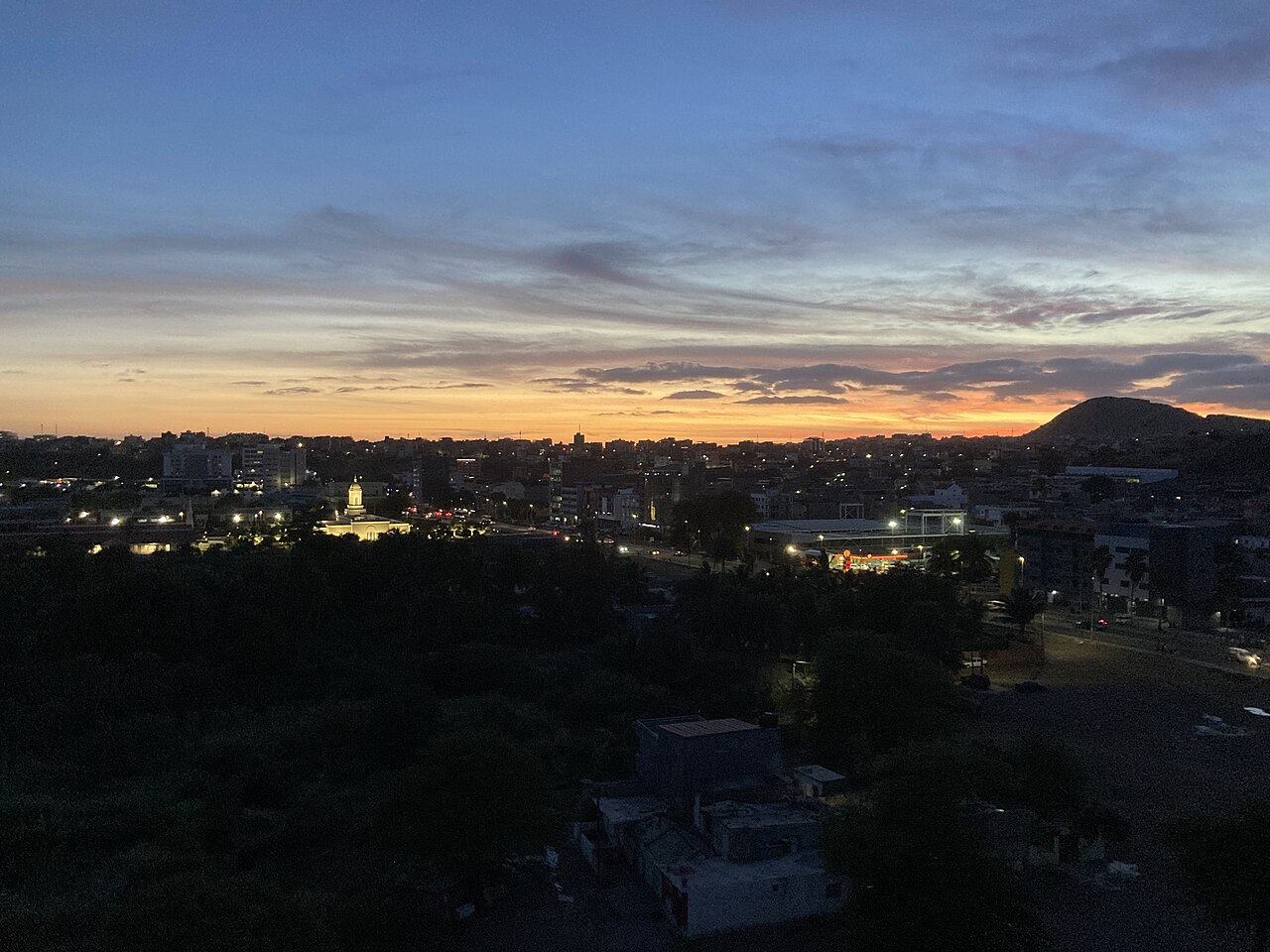
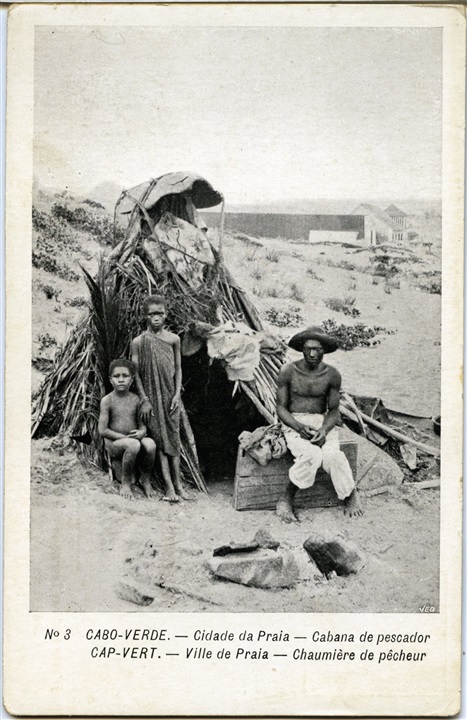
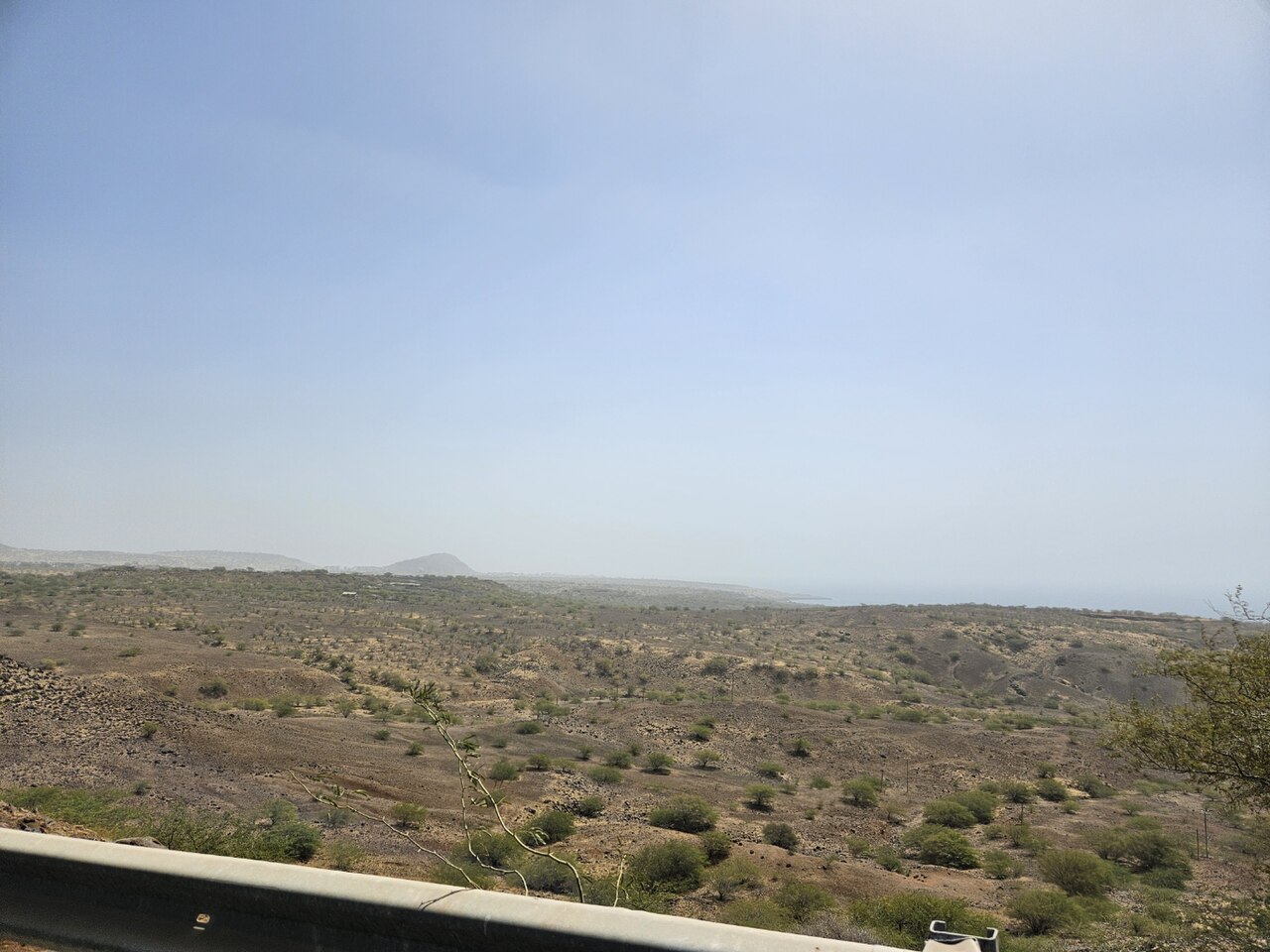
Image Credits
All photographs used on this page are sourced from free-use repositories including Wikimedia Commons, Unsplash, and Pixabay. Individual credits appear beneath each image. If you are the rights holder for any image and wish to request removal or updated attribution, please contact us.
Weather & Best Time to Visit
Frequently Asked Questions
Q: What's the best time of year to visit Praia on a cruise?
Typical range 67-86°F year-round warm; rain: Brief wet season Aug-Oct; dry otherwise. Peak cruise months: Nov, Dec, Jan, Feb, Mar, Apr. Avoid months: N/A.
Q: Is there a severe weather or storm season that affects Praia?
Praia is not marked as a warm-water hurricane zone in our seasonal guide. Local concern: seasonal weather swings.
Q: What should I pack for Praia's weather?
For Praia, pack for 67-86°F year-round warm. Light breathable clothing; Sunscreen and hat; Wind layer; Comfortable walking shoes
Q: Will rain ruin my Praia port day?
Brief rain is common enough around Praia that a flexible plan beats canceling. Praia is the capital but less charming than Mindelo; Plateau (old town) is walkable and has colonial architecture