

My Visit to Mindelo
I arrived in Mindelo on a morning when the harmattan wind carried Saharan dust across the Atlantic, softening the sun into a pale amber disc above Porto Grande. Our tender approached the wharf past rusted freighters and brightly painted fishing boats, and even before I stepped ashore I could hear it — the music. A woman's voice drifted from somewhere in the colonial streets beyond the waterfront, singing morna, that distinctly Cape Verdean blend of longing and hope that Cesária Évora carried to the world. The sound was fragile and clear, floating over the harbor water like something released rather than performed, and I stood still on the tender's deck and listened until the melody dissolved into the noise of the port. My hands gripped the railing, and I felt the rough warmth of the metal beneath my palms. Something in me already knew that this place would not be easy to leave.
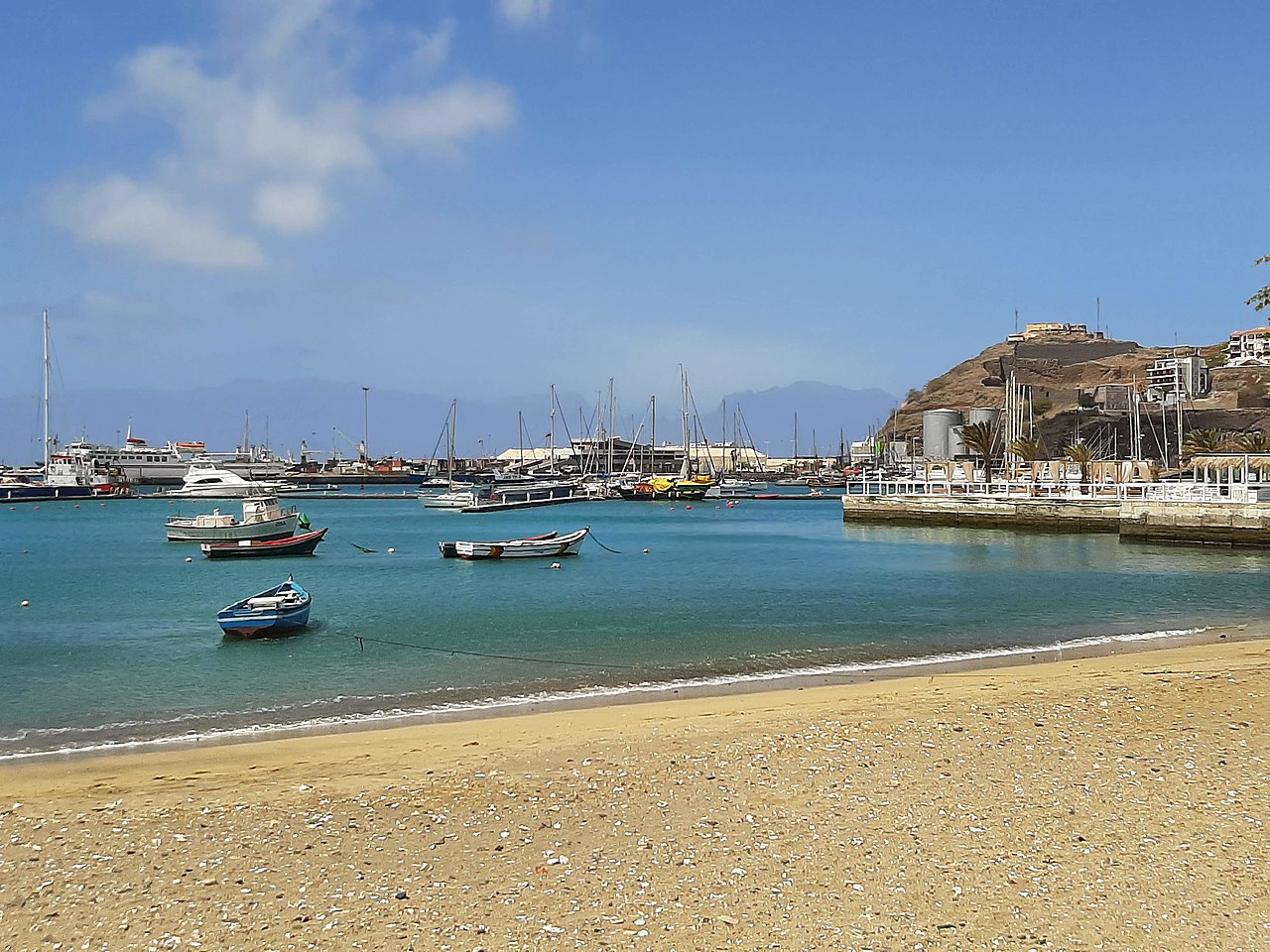
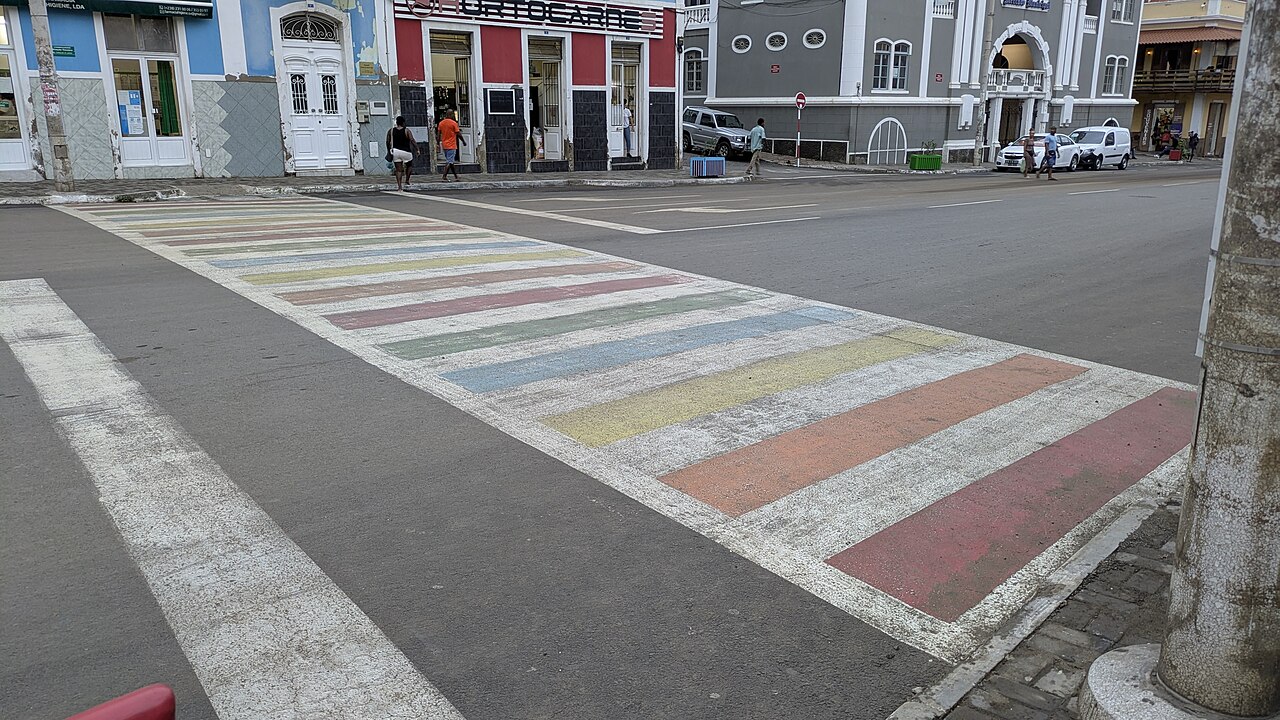
The wharf deposited us directly into the heart of town, and I walked along the waterfront toward Praça Nova with the morning still cool on my skin. Mindelo is not large, and within five minutes the colonial center opened before me — a square lined with pastel-colored Portuguese buildings, their shuttered windows and wrought-iron balconies faded but dignified, speaking of an era when this harbor was a vital coaling station for ships crossing between continents. I watched shopkeepers sweep their storefronts with straw brooms, the bristles scraping rhythmically on the cobblestones. Old men arranged plastic chairs at outdoor cafés, settling into positions they had clearly occupied every morning for decades. The architecture was weathered but proud — peeling paint revealing layers of history, ochre over blue over white, each layer a generation. I ran my fingers along a wall and felt the grit of old plaster crumbling beneath my touch, and I thought about how many sailors had walked these same stones, pausing in this same square, before continuing their Atlantic crossing to Brazil or back to Lisbon.
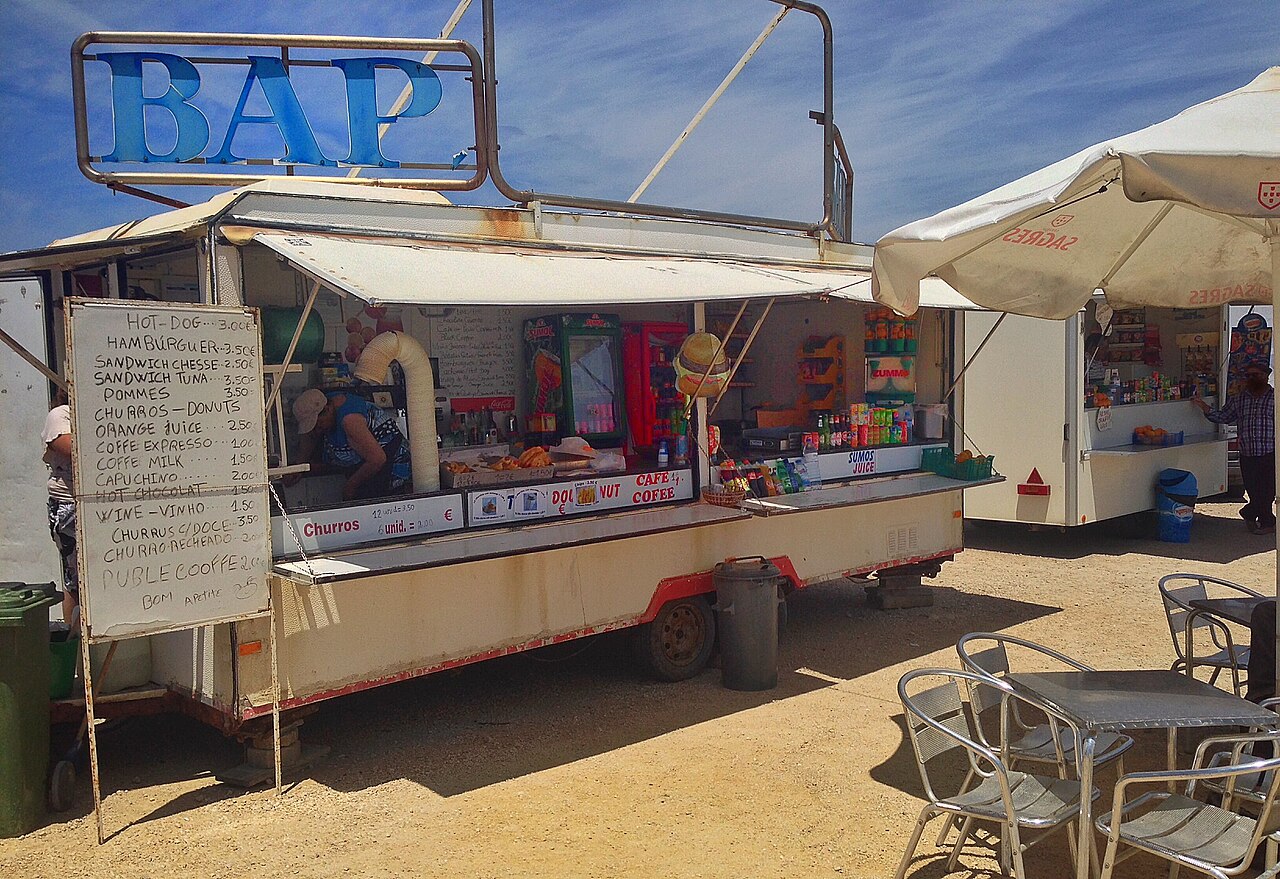
My first real destination was the fish market near the harbor, and I smelled it before I saw it — salt, sea water, and the raw mineral scent of fresh catch laid out on wet stone. The Mercado de Peixe was alive with sound and color. Fishermen called out prices in Cape Verdean Creole, a melodious language I found as rhythmic as the music. Women in bright head wraps cleaned tuna and grouper with practiced efficiency, their knives flashing in the morning light, scales catching the sun like tiny coins scattered across the tables. I stood close enough to feel the cold mist rising from the ice, watching an octopus being lifted from a bucket, its tentacles curling and uncurling in slow motion. The market was not sanitized or touristic; it was the real economic heart of a fishing community, and I felt the honest weight of that. A vendor outside grilled fresh fish over charcoal, and I bought a plate — wahoo, simply prepared with lime and salt — and ate it standing up, the smoky flavor spreading across my tongue while I watched the harbor and the tender boats shuttling passengers from our ship. The fish was so fresh it tasted of the ocean itself, clean and bright, and I savored every bite.
From the market I walked to the Centro Cultural do Mindelo, the museum dedicated to Cesária Évora. You cannot understand this town without understanding her. Born here in 1941, she rose from singing in local bars to international fame, always performing barefoot in solidarity with the poor women of Cape Verde. The museum was quiet when I entered — just me and a young attendant who nodded and let me wander. Photographs lined the walls: Cesária young, already with that knowing gaze; Cesária on stage at the Olympia in Paris; Cesária back home in Mindelo, sitting at a café table with a cigarette and a glass of grogue, the local sugarcane spirit. I stood before a photograph of her in her final years, her face deeply lined but her eyes still holding that unmistakable light, and something shifted inside me. Here was a woman who had endured poverty, obscurity, and heartbreak, yet she had transformed her suffering into music so beautiful it reached every continent. I thought about the courage it takes to keep singing when no one is listening, and I whispered a quiet prayer of gratitude for the artists who give their lives to beauty without any guarantee of reward. The attendant looked at me and smiled as though he understood what I was feeling without needing words.
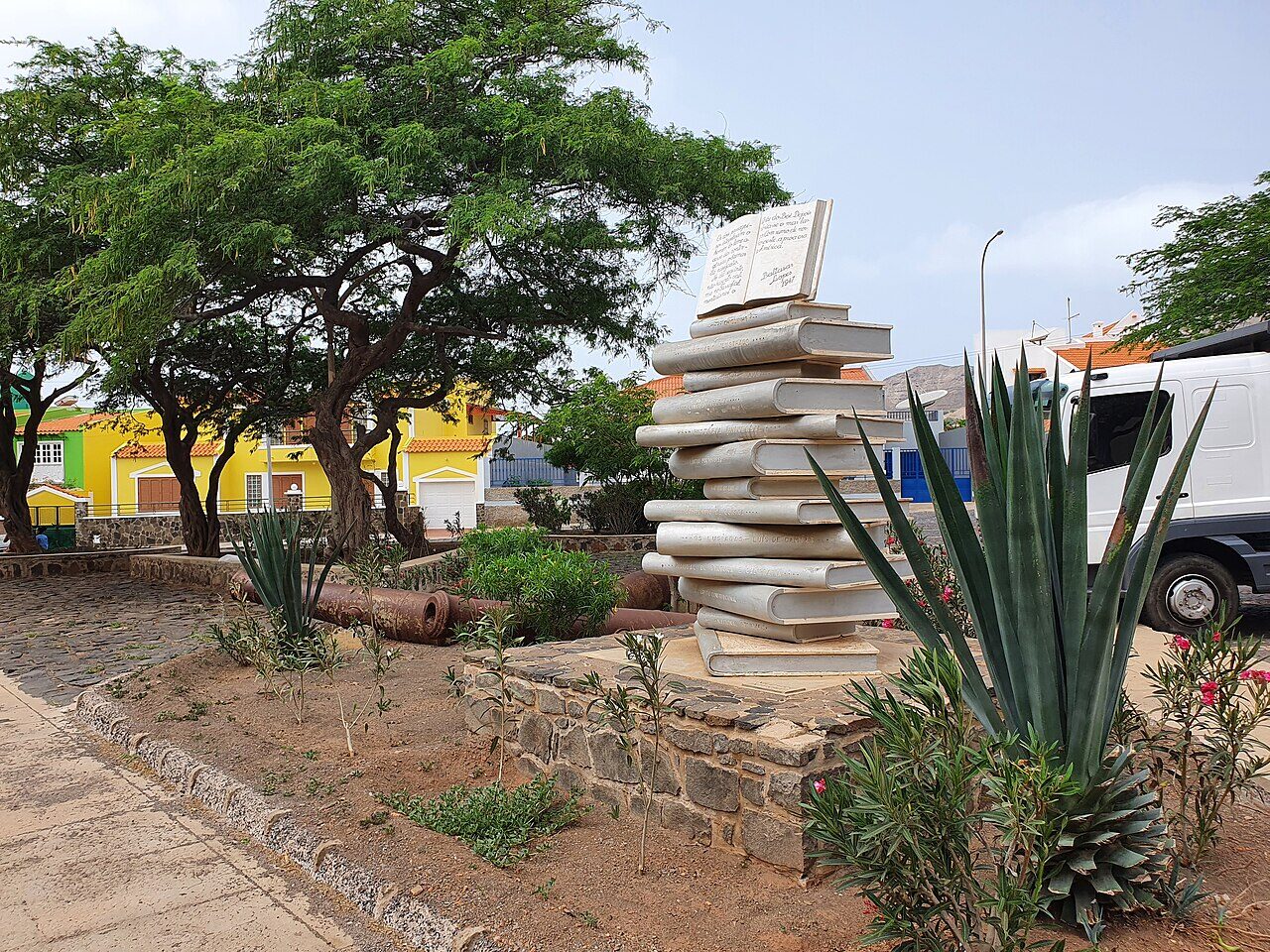
I walked to the waterfront replica of Lisbon's Torre de Belém and sat on a bench nearby, watching local children playing football on the dusty ground while ferries came and went across the harbor. The tower is not large or grand, but it is poignant — a reminder that these islands, five hundred kilometers off the West African coast, were stepping stones in the age of exploration, and remain culturally tied to Portugal while forging their own Creole identity. I sat there for a long time, feeling the warm breeze on my face, tasting the salt on my lips, listening to the children's laughter mingling with the distant sound of a guitar from an open doorway. It was one of those moments where time slows and the world feels both impossibly vast and intimately close.
In the afternoon I took an aluguer — a shared minibus, fare about 50 escudos — up the winding road to Monte Verde, the highest point on São Vicente at seven hundred and fifty meters. The vegetation thinned as we climbed, green scrub giving way to bare volcanic rock, and the air grew cooler and sharper with altitude. At the summit the wind was fierce and constant, pressing against me like a hand on my chest. But the view was breathtaking: the entire island spread below, Porto Grande gleaming blue, Mindelo's pastel buildings clustered at the water's edge like a painter's palette, and on the horizon the dark silhouettes of neighboring islands floating in Atlantic haze. I stood there alone, the wind roaring in my ears, and I understood why Cape Verde feels like a place suspended between continents — neither fully African nor European, but something distinctly itself, born from volcanic fire and shaped by the sea. The isolation was not lonely; it was clarifying. I felt small in the best possible way.

That evening, back in town, I found myself at a small café on Rua de Lisboa. An old man sat by the window with a guitar, playing morna for no one in particular — just for the music itself. The sunlight through the colonial shutters striped the tile floor in bands of gold and shadow. A woman at the next table hummed along while stirring her coffee, the spoon clinking softly against the ceramic cup. I ordered a ponche — grogue mixed with molasses and lime — and the warmth of it spread through my chest as the old man played. No performance, no audience, no applause. Just life infused with song. I watched his fingers move across the strings, gnarled and certain, and I heard in his playing the same sodade — that untranslatable Cape Verdean longing — that Cesária had made famous. I thought about what it means to create beauty not for recognition but because beauty is what you are. The music here is not entertainment. It is the very air Mindelo breathes.
Looking back, I realize what Mindelo taught me. It is a place where culture is not performed for visitors but lived by its people — in the fish market at dawn, in the old man's guitar at dusk, in the children's football game beneath the Torre de Belém. I learned that the most authentic places are not the ones that try to impress you but the ones that simply invite you in and let you witness how they live. The lesson was quiet and it took me by surprise: sometimes the greatest gift a place can offer is not a spectacle but a song, not a monument but a moment of shared silence, not a destination but a feeling you carry home in the marrow of your bones. I sailed from Mindelo as the sun set behind the volcanic hills, painting the harbor gold and copper, and I felt my heart swell with gratitude for having been allowed, even briefly, to breathe the same air as a place that understands what it means to endure with grace.
Weather & Best Time to Visit
Featured Images
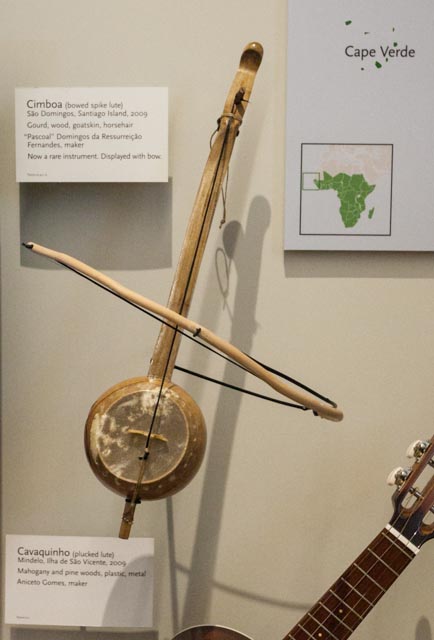
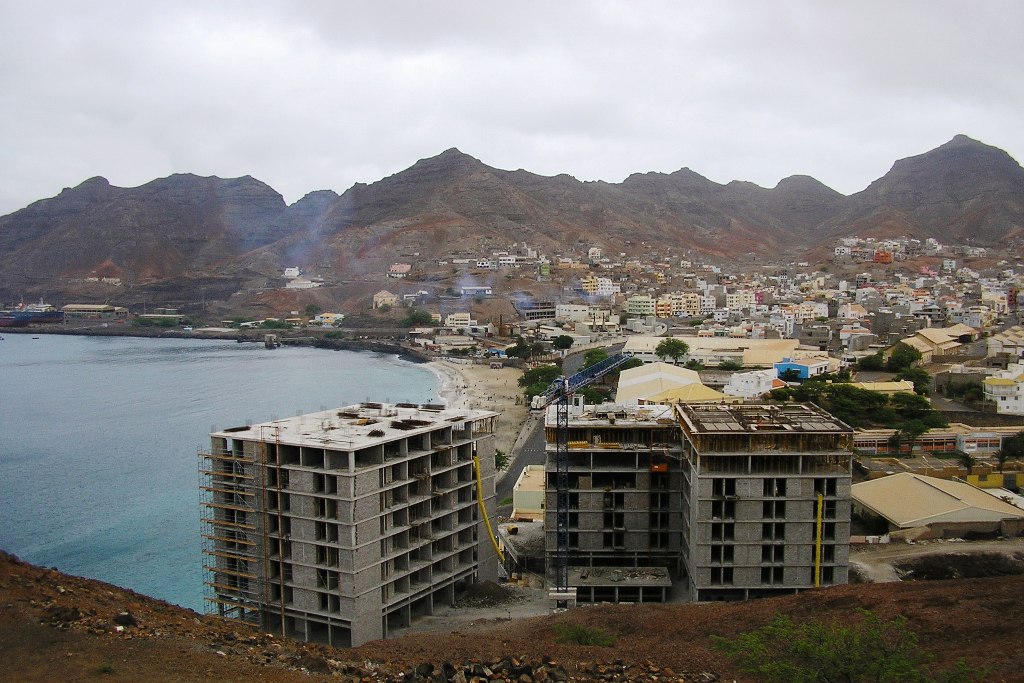
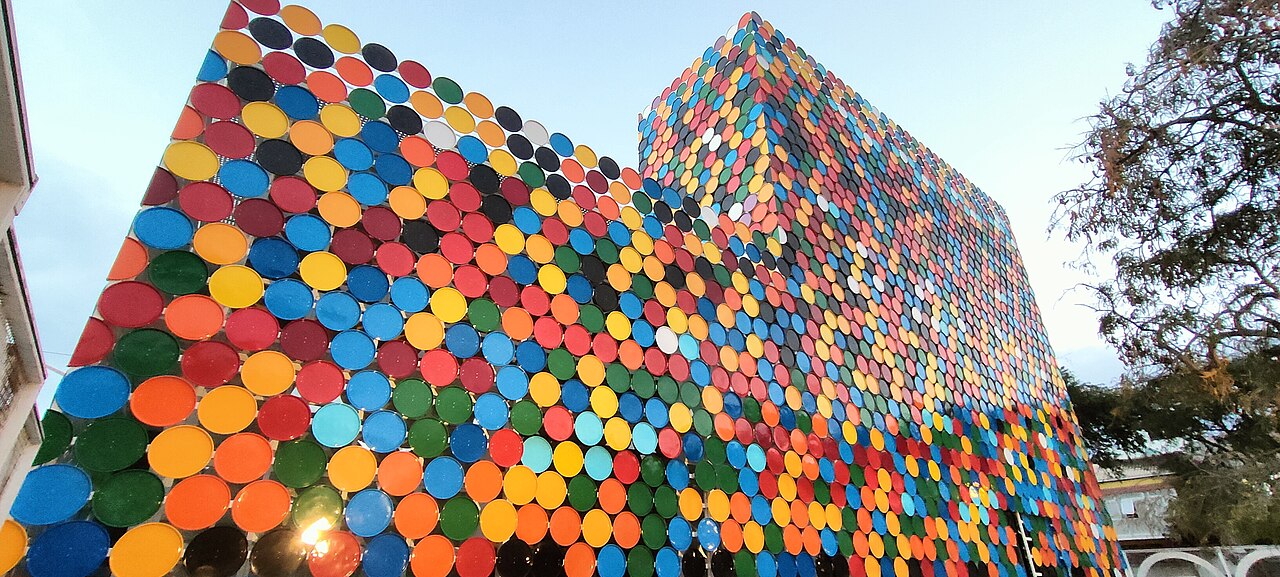
The Cruise Port
What you need to know before you dock.
- Terminal: Ships anchor in Porto Grande bay and tender passengers to the main wharf in the heart of Mindelo. There is no formal cruise terminal building, but the wharf area has basic facilities and is steps from the town center. The tender landing area is level and accessible for wheelchair users with assistance from crew.
- Distance to City Center: The wharf deposits you directly into town — Praça Nova and the colonial center are a 3-minute walk. Everything central is within fifteen minutes on foot.
- Tender: Yes — ships anchor in the bay and tender passengers to shore. Tenders run frequently when ships are in port.
- Currency: Cape Verdean Escudo (CVE). Euros are widely accepted. ATMs available in town center. The exchange rate is fixed at approximately 110 CVE to 1 EUR.
- Language: Portuguese is official. Cape Verdean Creole (Kriolu) is the everyday language. Many younger locals speak some English and French.
- Driving: Right side. Roads are decent on São Vicente, though signage can be sparse. The island is small enough to circumnavigate in a few hours.
- Best Season: November to June is the dry season with pleasant temperatures (24-28°C). February/March for Carnival. July-October is hotter and more humid.
- Time Zone: GMT -1 (Cape Verde Time)
Getting Around
Transportation tips for cruise visitors.
- Walking: Mindelo is wonderfully walkable and compact. From the tender wharf, everything central is within fifteen minutes on foot. The town spreads along the waterfront and climbs gently into the volcanic hills. Streets are generally safe for walking, and wandering is the best way to absorb the atmosphere. Wear comfortable shoes — some streets are cobbled, and the hills can be steep. The waterfront promenade is level and accessible for guests with mobility needs or wheelchair users.
- Aluguers (Shared Minibuses): For Laginha Beach (about twenty minutes' walk from center) or Monte Verde, catch an aluguer — shared minibuses that run set routes and cost around 50 escudos (about €0.50). Wave one down from the roadside, tell the driver your destination, and pay when you arrive. They run frequently during the day but may slow in the evening. A practical, low-cost way to explore beyond walking distance.
- Taxis: Available and affordable by European standards. Negotiate the fare before departure or ensure the meter is running. A taxi to Monte Verde summit runs approximately 800-1,000 CVE (about €7-9) each way. Taxis wait at the wharf area when tenders arrive, making them convenient for those who prefer not to walk.
- Car Rental: You can rent a car and explore São Vicente independently. The island is small enough to circumnavigate in a few hours. Roads are paved on the main routes, though secondary roads may be rough. Rental agencies operate in town — expect to pay around €30-45 per day. An international driving permit is recommended.
- Organized Tours: Some cruise lines offer ship excursion options for Mindelo, though independent exploration is straightforward given the compact layout. Local tour operators at the wharf offer island tours for approximately €20-30 per person. Combine Monte Verde with a beach stop for a full half-day experience.
Mindelo Area Map
Interactive map showing cruise tender landing and Mindelo attractions. Click any marker for details.
Excursions & Activities
How to spend your time ashore. Mindelo is ideal for independent exploration given its compact size and walkable layout, though a ship excursion offers guaranteed return to the vessel before departure. For popular activities, book ahead during peak season to secure your spot.
Walk Rua de Lisboa & Praça Nova
The colonial heart of Mindelo runs along Rua de Lisboa and centers on Praça Nova, a square lined with pastel-colored Portuguese colonial buildings. Walk these streets in the morning when the light is gentle, watching shopkeepers sweep their storefronts and old men arranging chairs at outdoor cafés. The architecture is weathered but proud — peeling paint reveals layers of history. Free to explore. Low-walking activity, suitable for all mobility levels. Allow 1-2 hours to wander at leisure.
Centro Cultural do Mindelo (Cesária Évora Museum)
A pilgrimage for anyone who has been moved by the voice of the Barefoot Diva. The cultural center displays photographs, costumes, recordings, and personal effects of Cesária Évora, born in Mindelo in 1941. The museum is modest in size but profound in impact. Small entry fee (approximately 200 CVE / €2). An 8-minute walk from the wharf. Allow 45-60 minutes. Ground-floor exhibits are accessible for wheelchair users.
Mercado de Peixe (Fish Market)
The fish market near the harbor is where Mindelo's Atlantic identity becomes visceral. Fresh tuna, grouper, wahoo, and octopus laid out on tables slick with sea water. Fishermen call out prices, customers haggle in Creole. Grilled fish from vendors outside costs approximately 300-500 CVE (€3-5). A 5-minute walk from the wharf. Free to explore. Best visited in the morning when the catch arrives.
Monte Verde Summit
The highest point on São Vicente at 750 meters offers sweeping views of the entire island, Porto Grande bay, and neighboring islands on clear days. Take a taxi (approximately 800-1,000 CVE / €7-9 each way) or an aluguer up the winding road. The landscape transitions from green scrub to bare volcanic rock. Moderate walking activity at the summit, with uneven terrain and fierce wind. Allow 2-3 hours round trip. Not suitable for those with walking difficulty due to rough ground at the summit viewpoint.
Laginha Beach
Mindelo's main town beach, about a twenty-minute walk from the center, with calm, swimmable water and a nice sandy stretch popular with locals. Free to visit. Bring your own towel and sun protection. Beach vendors sell drinks and snacks. The walk is mostly flat along the coastal road. Low-energy activity. Allow 2-3 hours for a relaxed visit. Some cruise visitors book ahead with local operators for snorkeling trips departing from here (about €15-20 per person).
Live Music Experience
If your ship stays late or overnights, Mindelo's music scene comes alive after dark with morna and coladeira in bars and cafés throughout the colonial center. Ask locals where live music will be happening that evening — the scene is organic and changes nightly. Grogue (local sugarcane spirit) and ponche (grogue with molasses and lime) are the traditional drinks. Expect to spend 500-800 CVE (€5-8) for drinks at a music venue. No booking required — simply follow the sound. An independent exploration that rewards spontaneity.
Island Tour by Taxi or Aluguer
São Vicente is small enough to explore in a half day. A full island circuit by taxi costs approximately 3,000-4,000 CVE (€27-36), covering Monte Verde, the windward beaches, the fishing village of Calhau, and the dramatic volcanic landscapes of the interior. Negotiate the price and itinerary with your driver before departing. This is a good alternative to a ship excursion for groups of 2-4 sharing the cost. Book ahead if visiting during peak season when taxis may be in high demand.
Local Food & Drink
- Cachupa: The national dish — a slow-cooked stew of corn, beans, and fish or meat. Cachupa refogada (refried from the night before) is a traditional breakfast. Hearty and satisfying. Approximately 400-600 CVE (€4-6) at local restaurants.
- Fresh Seafood: Tuna, grouper, wahoo, and octopus appear on every menu. Grilled or in caldeirada (fish stew), the quality is outstanding. Grilled fish at the market vendors costs about 300-500 CVE (€3-5).
- Pastéis: Savory pastries filled with tuna or meat, sold at bakeries and street stalls. Perfect for a quick, affordable snack — about 100 CVE (€1) each.
- Grogue: Local sugarcane spirit, strong and fiery. Ponche is grogue mixed with molasses and lime, much smoother. Traditional Cape Verdean drinks.
- Strela Beer: The local lager — crisp and refreshing in the heat. Widely available at cafés and restaurants.
- Cape Verdean Coffee: Portuguese-style espresso, good and strong. Available everywhere.
Depth Soundings Ashore
Lessons learned the hard way.
- Currency Strategy: Bring euros if you do not want to exchange for escudos. Many places accept euros, though you will get better value with local currency. ATMs are available in the town center and dispense escudos. The fixed exchange rate of approximately 110 CVE to 1 EUR makes mental arithmetic straightforward.
- Language Tips: Learn a few Portuguese or Creole phrases. "Obrigado" (thank you) and "bom dia" (good morning) go a long way. Many younger people speak some English, but the effort to speak Portuguese is genuinely appreciated.
- Sun Protection: The sun here is intense, and there is little shade in some areas, particularly at Monte Verde summit and along the waterfront. Bring a hat, sunscreen, and water. Dehydration is a real concern in this arid climate.
- Tender Timing: Because ships anchor and tender to shore, keep track of the last tender time. The wharf area is central, so getting back is easy — but do not wander too far without checking your watch. Tender queues can build in the late afternoon when multiple ships are in port.
- Carnival Timing: If possible, visit during Carnival (February/March). Mindelo's Carnival is legendary — four days of parades, music, and celebration, second only to Rio in the Lusophone world. Plan accordingly for crowds and festive energy.
- Shopping: Look for Cape Verdean music recordings, local art, and woven goods. The artisan market near Praça Nova has quality crafts at fair prices. Haggling is expected at market stalls but not in shops.
- Respect: While Cape Verde is relaxed and welcoming, it is still a conservative community. Dress modestly when away from the beach. Ask permission before photographing people, particularly at the fish market.
Photo Collection
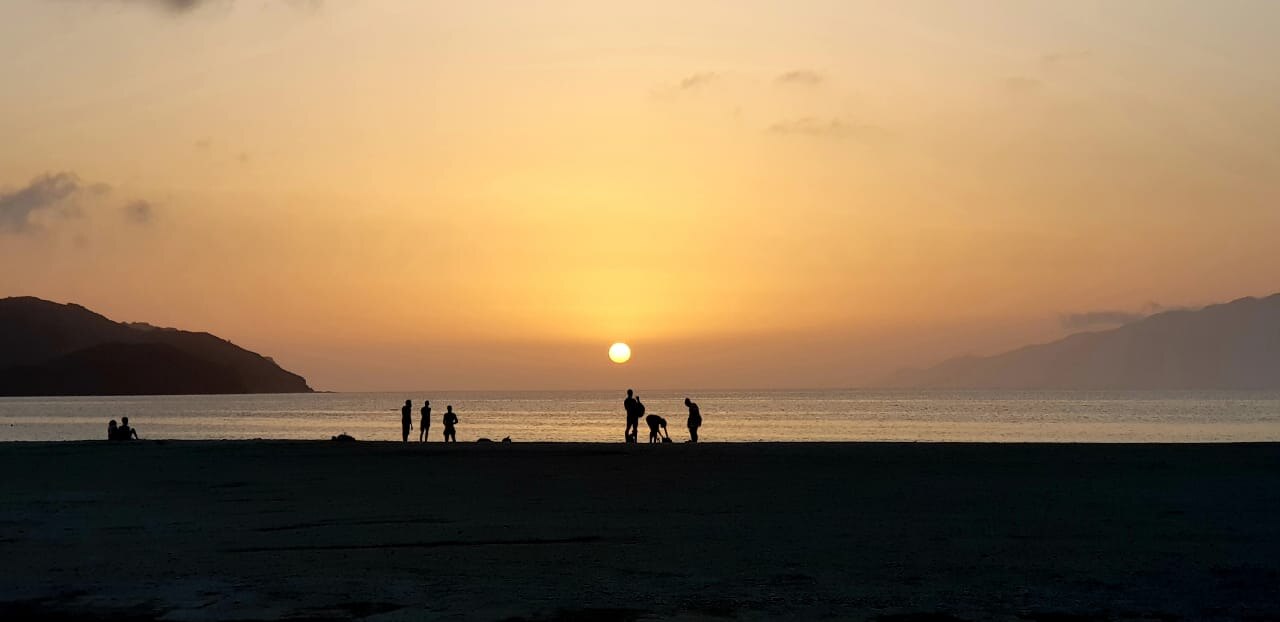

Mindelo: Where Morna Music Meets the Atlantic Wind
Image Credits
Photo Gallery
Image Credits
Photo Collection
Image Credits
Photo Gallery
Image Credits
Last reviewed: February 2026
Author's Note: Until I have sailed this port myself, these notes are soundings in another's wake — helpful for planning, and marked for revision once I have logged my own steps ashore.
Key Facts
- Country
- Cape Verde
- Region
- Cape Verde
- Currency
- Cape Verdean Escudo (CVE). Euros are widely accepted. ATMs available in town center. The exchange rate is fixed at approximately 110 CVE to 1 EUR
- Language
- Portuguese is official. Cape Verdean Creole (Kriolu) is the everyday language. Many younger locals speak some English and French