


Puerto Limón: Where the Rainforest Meets the Sea
My Visit to Puerto Limón
I stepped off the gangway into Puerto Limón on a January morning, and the humidity hit me like a warm, wet curtain drawn across my face. The air was thick with the scent of rain-soaked earth and overripe fruit, and I could hear the low rumble of distant thunder rolling across the Caribbean. My wife stood beside me on the dock, fanning herself with the port map they had handed us at the terminal. The sky was a bruised purple above the treeline, though shafts of sunlight broke through and lit the water a startling turquoise. I looked out at the cranes and container ships lining the working harbor and thought: this is not a postcard port. This is somewhere real.
Puerto Limón is Costa Rica's main Caribbean port, a working harbor that has moved bananas, coffee, and cargo since the railroad connected it to San José in 1871. The town itself is rough around the edges — paint peeling from shutters, streets cracked and uneven, a grittiness that felt honest after the polished tourist stops we had visited earlier in the cruise. But I had not come for the town. I had come because thirty minutes inland, the rainforest waited — dripping, screaming with howler monkeys, crawling with sloths, alive in a way that made me remember what the word "wild" actually means.
Our ship excursion took us to Veragua Rainforest Park, about an hour's drive through banana plantations that stretched to the horizon. Costa Rica is the world's second-largest banana exporter, and I watched the endless rows of plants pass my window, each one bagged in blue plastic to protect the ripening fruit. The plantations gave way to dense jungle, and suddenly we were riding an aerial tram through the canopy, gliding silently above treetops where toucans perched and morpho butterflies flashed electric blue against the green. Our guide pointed out a three-toed sloth clinging to a cecropia tree, moving so slowly it seemed frozen in time. I watched it for nearly a minute before it shifted one arm, reaching for a leaf with the kind of deliberate patience I have never managed in my own life.
Later, we zip-lined through that same canopy — a different experience entirely. Where the tram had been contemplative and quiet, the zip-line was pure adrenaline: wind roaring in my ears, the harness biting into my shoulders, green tunnels of vegetation blurring past as I hurtled between platforms. My wife went ahead of me and I heard her shriek with joy — a sound that made me laugh even while my own heart pounded against my ribs. At the bottom, breathless and grinning, I shook the guide's hand and told him it was worth every dollar of the $85 fare.
Back at the park's research station, I held a poison dart frog no bigger than my thumbnail — bright red, impossibly beautiful, and yet carrying enough toxin in the wild to stop a human heart. The herpetologist explained that captive-bred frogs lose their toxicity without the specific rainforest diet that creates it. I thought about that as I watched a sloth being rehabilitated at the rescue center — how place shapes everything, how you cannot separate a creature from where it belongs. However small the thought, it stayed with me.
On another visit to Puerto Limón, I took a boat tour through the Tortuguero canals, a network of jungle waterways north of the port that felt like drifting through a fever dream. Our guide cut the motor and we floated in silence, the water the color of strong tea, vines draping into the current from branches so thick with moss they looked upholstered. A caiman surfaced beside the boat, its eyes above the waterline like twin periscopes, and I felt my breath catch. Howler monkeys roared from the canopy — a sound so deep and primal it resonated in my chest and made the hair on my arms stand up. We spotted a Jesus Christ lizard running across the water's surface on its hind legs, defying physics for a few breathless seconds before diving under. I whispered to my wife that I had never seen anything like it, and she squeezed my hand without speaking.
But it was what happened next that I will carry with me always. The guide steered us into a narrow side channel where the canopy closed overhead, blocking the sun entirely. In the green-filtered half-light, we drifted in total silence. A blue morpho butterfly landed on the bow of the boat and stayed there, opening and closing its wings in slow, iridescent pulses. My wife reached across and took my hand. "I needed this," she said quietly, and something in her voice made my eyes well up. We had been through a difficult year — health scares, family struggles, the kind of grinding worry that makes you forget why beauty matters. And here, in this jungle cathedral of water and green silence, with a butterfly opening its wings like a small blue prayer, I finally understood that healing does not always come from answers. Sometimes it comes from simply being still in a place so alive that it reminds you what it feels like to breathe. I said a quiet prayer of gratitude — for her, for us, for the gift of this strange and perfect morning.
Puerto Limón itself — the town, not the excursions — is a study in Afro-Caribbean culture that most cruise visitors never see. The railroad brought Jamaican workers in the 1870s to build the tracks through impossible jungle, and their descendants shaped this coast's identity: calypso music drifting from open doorways, rice and beans cooked in coconut milk, a patois that mixes Spanish and English and Jamaican Creole. We walked through Parque Vargas, right by the port, where massive trees were draped with sloths — yes, sloths in the middle of town — and iguanas sunbathed on the seawall. I tasted a plate of rice and beans with coconut from a street vendor for about $3, and the flavor was rich and warm and utterly unlike anything I had eaten on the ship. Although the town has real safety concerns, and I would not wander far from the terminal alone, there was a warmth in the people we met that stayed with me.
Looking back, I realize what Puerto Limón taught me. It was not the zip-lines or the aerial tram or even the extraordinary wildlife — though those were unforgettable. What I learned was something quieter. In a world that rushes and worries and fills every silence with noise, the Tortuguero canals offered me ten minutes of perfect stillness. My wife's hand in mine, a butterfly on the bow, howler monkeys calling across water that has flowed through this jungle for millennia. I learned that the places which change us most are not always the prettiest or the most polished. Sometimes they are rough around the edges, honest about what they are, and wild enough to remind us what matters. We sailed from Puerto Limón that evening, and as the green coastline faded into Caribbean haze, I felt something I can only call gratitude — deep and quiet and certain.
Featured Images
The Cruise Port
What you need to know before you dock.
- Terminal: Puerto Limón cruise terminal sits directly on the Caribbean waterfront, a modern facility with basic amenities including restrooms, tourist information, and souvenir vendors. The terminal area is well-secured with visible police presence during cruise calls. The pier is flat and wheelchair accessible with smooth paving from ship to terminal exit.
- Distance to Town: 10-15 minute walk to Parque Vargas and the central market area. However, most visitors book excursions rather than exploring the town independently due to safety concerns and the fact that the rainforest attractions are the main draw.
- Tender: No — ships dock directly at the pier
- Currency: Costa Rican Colón (CRC); US dollars widely accepted. Credit cards accepted at organized tour sites. ATMs available near the terminal.
- Language: Spanish (English spoken at tourist venues and by excursion guides)
- Best Season: December through April (dry season on Caribbean coast); expect afternoon showers even in dry season. The rainforest is humid year-round.
- Time Zone: Central Standard Time (CST / UTC-6), no daylight saving time
Getting Around
Transportation tips for cruise visitors.
- Walking: The cruise terminal is a flat, accessible walk of 10-15 minutes to downtown Puerto Limón and Parque Vargas. The waterfront path is paved and manageable for wheelchair users with mobility needs. Beyond the immediate port area, sidewalks are uneven and streets can be congested. Travel in groups during daylight hours and keep valuables out of sight. The Caribbean vibe is genuine — calypso music, street vendors selling coconut rice and patties — but stay aware of your surroundings.
- Ship Excursions: The most popular and practical option. Ship-organized tours pick you up directly at the terminal and return you with a guaranteed return before the ship sails. Rainforest tours, sloth sanctuary visits, Tortuguero canal boats, and banana plantation tours all depart from the cruise pier. Prices typically range from $80-$150 per person depending on the excursion. Book early — the best tours sell out quickly.
- Independent Tours: If you book independently through a reputable local operator, arrange transportation through verified companies only. Do not accept rides from unlicensed taxi drivers approaching at the port. Independent tours may cost less ($50-$90) but you must manage your own return timing.
- Taxis: Available at the port entrance. Agree on the fare before departing — typical cost to Cahuita National Park is about $60-$80 round-trip. Licensed taxis are red with a yellow triangle on the door. Unmetered rides are common outside the city.
- All Major Destinations Require Transport: Veragua Rainforest, Tortuguero canals, Cahuita National Park, and sloth sanctuaries are all 30 minutes to 2 hours from the port by road or boat. Walking to these attractions is not possible. Plan your entire port day around one or two excursions.
Puerto Limón Area Map
Interactive map showing cruise terminal and Puerto Limón points of interest. Click any marker for details.
Excursions & Activities
How to spend your time ashore. For popular excursions like the Tortuguero canals and Veragua Rainforest, book ahead during peak season to secure your spot. Many visitors choose a ship excursion for the guaranteed return to the vessel before departure, though independent booking offers flexibility and sometimes lower cost.
Veragua Rainforest Park & Aerial Tram
An hour's drive from the cruise terminal through banana plantations to a private rainforest reserve with aerial tram, zip-line canopy tour, herpetarium with poison dart frogs, butterfly garden, and wildlife rescue center. The aerial tram glides silently through the canopy — toucans, morpho butterflies, and sloths are commonly spotted. The zip-line course runs through jungle corridors at exhilarating speed. Allow 4-5 hours total including drive time. Cost: $85-$120 per person. This is one of the top-rated ship excursion options from Puerto Limón. Moderate walking required on rainforest trails; some sections are steep and muddy. Closed-toe shoes mandatory.
Tortuguero Canal Boat Tour
A boat journey north of Limón into a network of jungle waterways often called "Costa Rica's Amazon." Drift through narrow channels lined with jungle where howler monkeys roar, caimans float at the surface, and Jesus Christ lizards dash across the water on their hind legs. Morning tours offer the best wildlife sightings. During nesting season (July-October), the canals connect to beaches where sea turtles come ashore. Allow 5-7 hours including transfer. Cost: $90-$150. Book ahead — Tortuguero tours have limited capacity and sell out quickly. Low-walking excursion — seated in a boat for most of the trip, suitable for guests with limited mobility.
Sloth Sanctuary & Wildlife Rescue
Several sanctuaries near Puerto Limón offer close-up encounters with two-toed and three-toed sloths in rehabilitation. Learn about rescue and conservation efforts while watching these extraordinary creatures at arm's length. Nearly guaranteed sloth sightings make this a family favorite. Most sanctuaries are 30-45 minutes from port. Cost: $60-$90 per person. Allow 3-4 hours. Minimal walking difficulty — paths are level and accessible for most visitors.
Cahuita National Park
An hour south of the port, Cahuita protects Caribbean white-sand beaches, a coral reef system, and coastal rainforest. Hiking trails follow the shoreline through jungle where white-faced capuchin monkeys, howler monkeys, and raccoons are common. Snorkeling the coral reef is possible when seas are calm. Entry is by donation. Independent visitors can hire a guide at the park entrance for about $25 per person. Allow 4-5 hours including transit. Moderate walking on sandy trails — some roots and uneven surfaces.
Banana Plantation Tour
Costa Rica's banana industry is enormous, and plantation tours from Puerto Limón show the full process from plant to export. Walk through rows of banana plants, see the washing and packing process, and taste fresh-picked fruit. A fascinating look at the agricultural backbone of the region. Usually combined with other excursions. Cost: $40-$60. Allow 2-3 hours. Low walking — flat terrain on plantation roads.
Caribbean Beach Day at Playa Bonita
The closest beach to the cruise terminal, about 10 minutes by taxi ($5-$8). A stretch of dark volcanic sand with palm trees, vendors selling coconut water and ceviche, and warm Caribbean surf. Not a luxury resort beach, but genuine and relaxed. Bring your own towel. No entrance fee. Suitable for a half-day if you want to stay close to the ship. Accessible by flat road from the port.
Local Food & Drink
- Rice and Beans: Not the same as "gallo pinto" from the Pacific side — Caribbean rice and beans are cooked in coconut milk, giving them a rich, fragrant sweetness. Found everywhere, usually $3-$5 per plate.
- Patí: Jamaican-style meat patties with spiced beef or chicken in a flaky pastry. A street food staple around Parque Vargas. About $1-$2 each.
- Rondon: A hearty Caribbean seafood stew with coconut broth, root vegetables, and whatever the fishermen caught that morning. Rich, warming, and deeply flavorful.
- Fresh Fruit: Tropical fruit stands sell mango, papaya, pineapple, and starfruit at prices that seem almost free. $1-$2 for a generous bag.
- Agua de Sapo: "Toad water" — a sweet drink made from ginger, brown sugar, and lime. Refreshing in the humidity. About $1.
- Caribbean Chocolate: Cacao grows in the Limón province, and local chocolate is rich and earthy. Look for artisanal bars from regional producers. $3-$8.
Depth Soundings Ashore
Lessons learned the hard way.
- Weather Preparation: Puerto Limón is humid year-round with temperatures around 28-32°C. The Caribbean coast gets less rain than the Pacific during dry season (December-April), but expect afternoon showers even in the driest months. Dress in lightweight, quick-dry clothes. The rainforest excursions are hot and muggy — hydrate constantly. Bring a rain jacket or poncho, and consider a waterproof phone case for boat tours.
- Excursion Timing: Rainforest tours typically run 4-6 hours including drive time. Morning departures are cooler and wildlife is more active at dawn. Book ahead — the best excursions like Veragua and Tortuguero sell out quickly on ship itineraries, especially during peak season from December through April.
- What to Bring: Sturdy closed-toe shoes (trails are muddy), sunscreen, insect repellent with DEET, cash in small bills for tips and street food. Guides work hard for their tips — $5-$10 per person is appreciated. A waterproof bag protects electronics on boat tours.
- Currency Strategy: US dollars are accepted nearly everywhere tourists go, but bring small bills ($1, $5, $10). Credit cards work at organized tour sites but not at street vendors or small restaurants. ATMs are available near the terminal if you need Costa Rican Colónes.
- Wildlife Expectations: Sloths are nearly guaranteed at sanctuaries and common at Veragua. Monkeys (howler, capuchin, spider) are common in the rainforest and along the canals. Toucans, poison dart frogs, iguanas, and morpho butterflies are very likely. Jaguars and pumas exist in the region but are extremely rare sightings. The rainforest delivers on its promise of biodiversity.
- Safety in Town: The terminal area is well-secured during cruise calls. If you walk into town, stay in groups, keep valuables hidden, and avoid residential neighborhoods away from the main commercial streets around Parque Vargas and the central market. Most cruisers book excursions rather than exploring the town independently, and that is the prudent approach.
Photo Collection
Photo Gallery
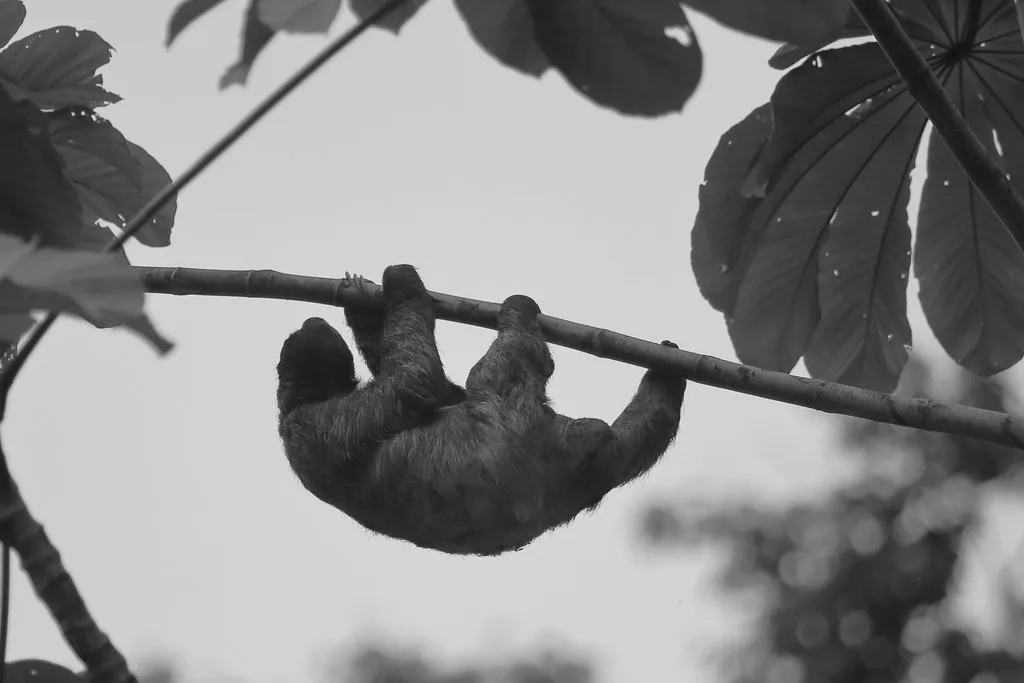
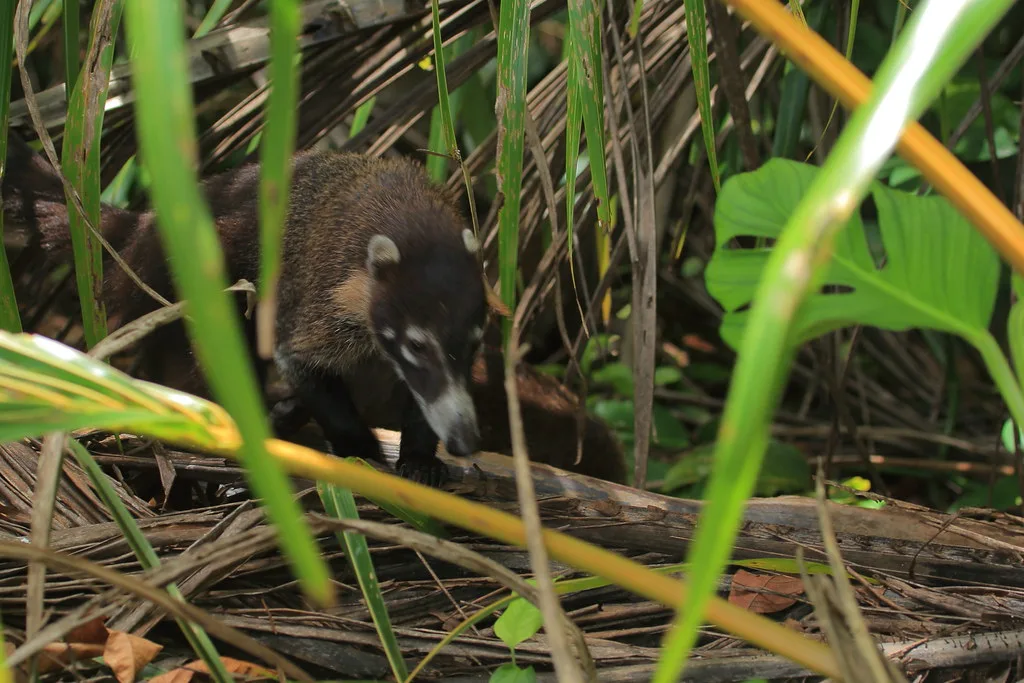
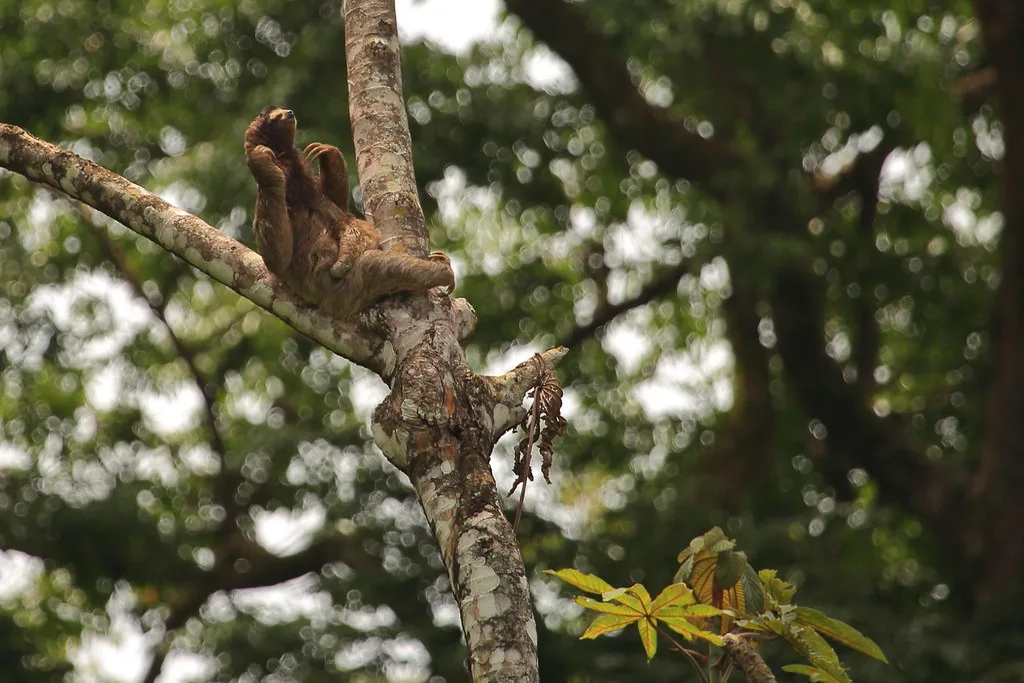
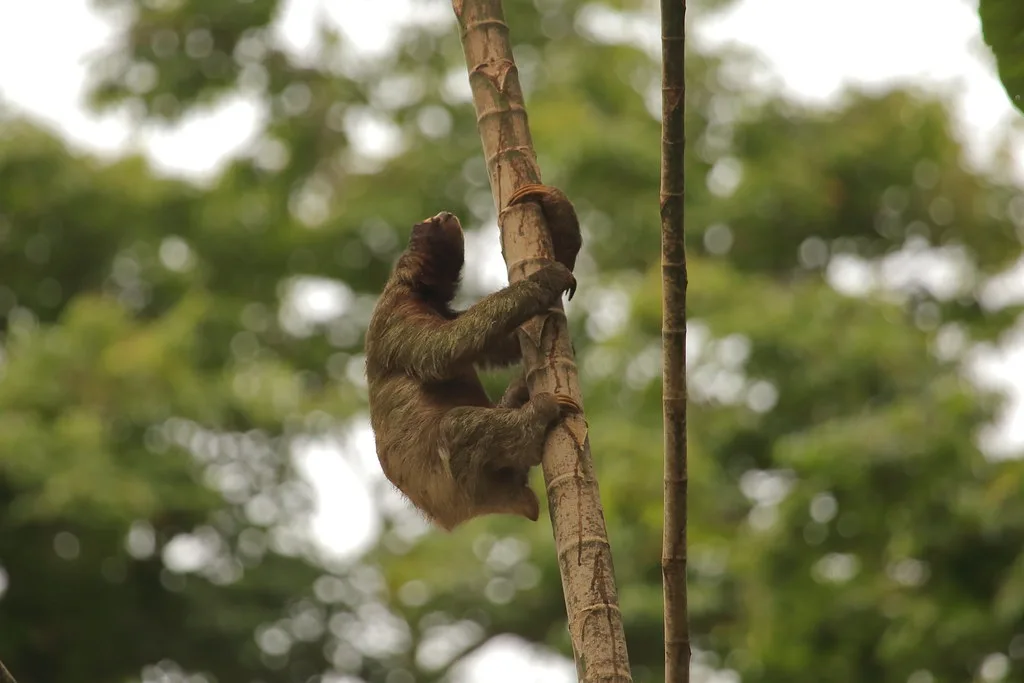
Image Credits
Frequently Asked Questions
Q: Is Puerto Limón worth visiting on a cruise?
A: Absolutely — if you go beyond the port itself. Puerto Limón is your gateway to Costa Rica's Caribbean rainforest: sloths at rescue centers, Tortuguero's jungle canals, zip-line canopy tours, and vibrant Afro-Caribbean culture. The excursions are the point, not the town.
Q: What are the best excursions from Puerto Limón?
A: Top picks: Veragua Rainforest with aerial tram and zip-lines ($85-$120), sloth sanctuaries ($60-$90, nearly guaranteed sightings), Tortuguero canals boat tour ($90-$150), and banana plantation tours ($40-$60). The rainforest and wildlife are extraordinary — book through the ship or reputable operators.
Q: Can you see sloths in Puerto Limón?
A: Yes! Sloth sanctuaries and rescue centers near Puerto Limón offer close-up encounters with two-toed and three-toed sloths. Many rainforest excursions also include sloth spotting in the wild. Even Parque Vargas in town sometimes has sloths in the trees.
Q: Is it safe to walk around Puerto Limón?
A: The immediate port area is patrolled and generally safe during cruise calls, but Puerto Limón has higher crime rates than other Costa Rican destinations. Most cruisers book excursions rather than exploring independently. If you do walk into town, stay aware, travel in groups, and avoid wandering far from the terminal.
Q: What should I wear for rainforest excursions?
A: Lightweight, moisture-wicking clothes, sturdy closed-toe shoes (not sandals — trails are muddy), hat, sunglasses. Layers are helpful — it is hot outside but air-conditioned buses are cold. Bring a rain jacket. Long pants help with insect bites and scratches on jungle trails.
Q: How long are the excursions from Puerto Limón?
A: Most rainforest tours run 4-6 hours total including 1-2 hours of drive time each way. Tortuguero canal tours are longer (6-7 hours) due to the boat journey. Budget your whole port day for excursions — they are worth it.
Q: Is the port accessible for guests with mobility needs?
A: The cruise terminal itself is wheelchair accessible with flat paving from ship to exit. Some excursions like the Tortuguero canal boat tour involve minimal walking and are suitable for guests with limited mobility. Rainforest trail excursions require moderate walking on uneven terrain. Ask your cruise line about accessible excursion options when booking.
Q: What is the best time to visit Puerto Limón?
A: The seasonal panel above lists Peak Season as "Dec, Jan, Feb, Mar, Apr," Transitional Season as "May, Jun, Nov," and Low Season as "Jul, Aug, Sep, Oct." The avoidance note flags "Sep, Oct" for "hurricane risk." The page describes Puerto Limón as a "rainforest" gateway throughout — wet conditions are part of the experience year-round. Use the live weather widget in the seasonal panel for current short-term conditions.
Q: What is hurricane and storm season at Puerto Limón?
A: The avoidance note in the Best Time block above flags "Sep, Oct" for "hurricane risk." Specific Atlantic-basin dates and storm history are not detailed on this page; for current tropical-system status on a specific sailing date, the live weather widget in the seasonal panel above is the primary source.
Q: Will rain ruin my Puerto Limón port day?
A: The page describes Puerto Limón throughout as a "rainforest" gateway — to Tortuguero canals, Veragua Rainforest aerial tram, Sloth Sanctuary, and rainforest canopy zip-lines — so rain is part of the rainforest experience, not a disruption to it. The seasonal panel's Rain entry reads "Seasonal variation — check forecast," and the avoidance note flags "Sep, Oct" for "hurricane risk." The live weather widget in the seasonal panel is the source for short-term forecasts on a specific sailing date.
Author's Note: I've sailed this port myself, walked these shores, and these notes come from my own wake. I visited Puerto Limón on Caribbean cruises, experiencing both the rainforest excursions and the town itself. The details reflect firsthand experience — the humid air at the terminal, the extraordinary sloths at the rescue center, the primal roar of howler monkeys echoing through Tortuguero's canals. The rainforest here is as alive and wild as any place I have been.
Key Facts
- Region
- Caribbean
- Currency
- Costa Rican Colón (CRC); US dollars widely accepted. Credit cards accepted at organized tour sites. ATMs available near the terminal
- Language
- Spanish (English spoken at tourist venues and by excursion guides)