


My Visit to Puerto Madryn
I stepped onto the pier at Muelle Almirante Storni and felt the cold Patagonian wind hit my face like a slap of pure wildness. The air smelled of salt and kelp and something ancient I could not name. Our ship had anchored in Golfo Nuevo just after dawn, and I stood there watching the grey-blue water stretch toward a low, arid coastline that looked nothing like the lush tropics we had left behind. This was the bottom of Argentina, the edge of Patagonia, and everything about it felt raw and honest and stripped of pretense.
My wife and I had booked a full-day tour to the Valdés Peninsula months in advance because we knew this would be our only chance. The bus ride took us through ninety minutes of steppe — brown scrubland dotted with guanacos grazing alongside the road, rheas sprinting through the brush, and the occasional grey fox watching us from a distance with calm, amber eyes. I pressed my forehead against the cold glass of the window and watched Patagonia scroll past like a nature documentary come to life. The landscape was harsh, windswept, and utterly beautiful in the way only true wilderness can be. But what struck me most was the silence. Even through the bus window, I could sense the enormous quiet of this place — a stillness that made me aware of my own breathing.
We reached Puerto Pirámides by mid-morning, and I climbed into a semi-submersible boat with about twenty other passengers. The guide spoke softly in Spanish and English, telling us that the Southern Right Whales had been arriving since June, and now in October the gulf was full of mothers and calves. I gripped the railing and scanned the water. Then I saw her — a dark shape rising from the deep, barnacle-crusted and enormous, breaking the surface not thirty meters from our boat. The sound of her exhale was like a slow sigh, a rush of warm mist that I could actually feel on my skin. She rolled onto her side, and one massive eye seemed to look directly at me. I have stared into the eyes of many creatures in my life, but nothing prepared me for the intelligence and gentleness I saw in that whale's gaze.
Her calf surfaced beside her — smaller but still the size of our boat's hull — and began to play. It rolled and splashed and spy-hopped, lifting its head vertically out of the water to look at us with what I swear was curiosity. My wife grabbed my arm. I heard her whisper something I could not quite catch, but when I turned to look at her, her eyes were filled with tears. Mine were too. There is something about being in the presence of a creature so vast and so gentle that strips away every defense you carry. I felt small, and grateful, and quietly overwhelmed.
The moment that broke me open came later, back at El Doradillo beach. We had taken a taxi north from town, and the driver told us to wait for high tide. We stood on coarse sand, the wind whipping our jackets, and then a mother whale surfaced not twenty meters from shore. She was teaching her calf to breach. She rose first — forty tons of barnacled magnificence arcing through the air — and crashed down in an explosion of white water. The calf tried next, managing maybe half her height before belly-flopping back. She breached again. He tried again. Over and over, for twenty minutes, while I stood on that beach with tears streaming down my face, watching the oldest lesson in the world: a mother teaching her child to be strong. I finally understood something about patience that no book had ever taught me.Earlier on the peninsula, we had stopped at Punta Cantor to watch elephant seals. The sound of them was extraordinary — deep bellowing that echoed off the cliffs, a chorus of grunts and roars that I felt in my chest. The males were massive, scarred creatures lying on the pebble beach, occasionally rearing up to challenge each other in displays of raw power. Sea lions shared the beach, sleeker and more agile, barking and sliding into the surf. I watched a pup nurse from its mother, tiny and dark against her tawny bulk, and I thought about how vulnerable life is even in its most powerful forms.
But Puerto Madryn is not only about the peninsula. The town itself surprised me with its quiet charm. We walked the waterfront promenade in the evening light, the sun dropping behind the Patagonian hills in shades of amber and copper. I tasted fresh Patagonian shrimp at a small restaurant near the beach — sweet and briny, served with nothing but lemon and olive oil, and it was among the best seafood I have ever eaten. The Malbec we drank with dinner was dark and smooth, and the waiter told us it came from Mendoza, across the Andes. I savored every sip. The Ecocentro museum on the bluff above town had taught us about whale biology that afternoon, and now sitting at dinner I felt like I understood this coast in a way I never could have from reading alone.
The penguins at Punta Tombo were our second-day stop — we were fortunate our ship stayed two days. Over a million Magellanic penguins nest there from September to April, and walking the boardwalks among them felt like entering another world. They waddled past our feet, completely unbothered, heading to and from the sea with a sense of purpose I found deeply moving. Some stood in pairs at their burrow entrances, grooming each other with tender precision. Others brayed their strange donkey-like calls into the wind. I crouched down at eye level and watched one penguin look at me with an expression of mild annoyance, then turn and waddle away. However cold the wind was, however far we had traveled, those small ridiculous birds made every mile worth it.
Despite the long distances and the relentless wind, despite the cost of the tours and the early departures, Puerto Madryn gave me something I did not expect. I came for whales. I found wonder. I came for nature. I found patience. The Patagonian coast is not gentle or easy or convenient, yet it rewards those who show up with open eyes and willing hearts. My wife said it best, standing on that beach while the whale breached again: "This is what the world looked like before we complicated it." I could not argue.
Looking back, I realized that Puerto Madryn taught me something about scale — about how small we are, and how that smallness is not diminishing but liberating. Standing before a fifty-ton whale, watching penguins march with the earnestness of commuters, hearing elephant seals bellow across an ancient beach — these experiences recalibrate what matters. I learned that the most profound encounters happen when you stop trying to control the moment and simply witness it. Sometimes you need to travel to the edge of the world to remember what wonder feels like.
The Cruise Port
What you need to know before you dock.
- Terminal: Muelle Almirante Storni — industrial fishing port approximately 5 km from city center with basic facilities and limited wheelchair accessible areas near the shuttle pickup
- Distance to City Center: Free shuttle buses provided to downtown Puerto Madryn (approximately 10 minute ride)
- Tender: No — ships dock directly at the pier
- Currency: Argentine Peso (ARS); US Dollars sometimes accepted but at poor rates; ATMs available in town center
- Language: Spanish (English limited outside organized tour operations)
- Driving: Right side; car rental available but most visitors use organized tours for distant wildlife sites
- Best Season: June through December for whales; September through November peak for wildlife diversity including whales and penguins
- Mobility Note: The port area has uneven surfaces. Wheelchair users should coordinate with the ship for accessible shuttle transport to town
Getting Around
Puerto Madryn is a compact coastal town where independent exploration on foot works well for the city center, but the major wildlife attractions require organized transport due to the vast Patagonian distances involved.
- Shuttle Bus: Free shuttles run from the cruise terminal to downtown Puerto Madryn, a ride of about 10 minutes covering 5 km. Check with your ship for the schedule and last departure time. The shuttle drops you near the main avenue where taxis and tour operators cluster.
- Walking: Downtown Puerto Madryn is walkable and pleasant. The waterfront promenade stretches for several kilometers. The Ecocentro museum is a 2 km walk along the coast from downtown — moderate walking effort on paved paths.
- Taxis: Available at the port and throughout downtown. Expect to pay approximately 3,000 ARS to El Doradillo beach (15 km north), and 8,000 to 10,000 ARS to Puerto Pirámides. Always negotiate the fare before departure and confirm the price includes the return trip if needed.
- Organized Tours: Strongly recommended for Valdés Peninsula (100+ km away) and Punta Tombo (180 km south). You can book ahead through your ship excursion desk or through local operators in town at lower cost. Full-day tours typically depart at 7 or 8 AM.
- Car Rental: Available from about €50 to €70 per day, but Valdés Peninsula roads are unpaved gravel, remote, and poorly marked. Tours are far more practical unless you are experienced with Patagonian driving conditions and comfortable navigating without reliable cell service.
Puerto Madryn Area Map
Interactive map showing cruise terminal, El Doradillo beach, Puerto Madryn downtown, and gateway to Valdés Peninsula. Click any marker for details and directions.
Excursions & Activities
How to spend your time ashore — whether you book a ship excursion or go independent.
El Doradillo Beach (June - mid-September)
One of the planet's few places to watch whales from shore. Mother Southern Right Whales and calves rest in shallows within 20 meters of beach at high tide. Located 15 km north of Puerto Madryn (20 min taxi, approximately 3,000 ARS each way). Public beach, free access. Bring binoculars, but honestly you will not need them — the whales are that close. Check tide tables; high tide is essential. Half-day minimum. You can go independent here easily — no need for a ship excursion. Book ahead with a taxi driver for a round trip so you have guaranteed return to the port on time.
Puerto Pirámides Whale Watching (mid-September - December)
Only settlement within Valdés Peninsula. Boat tours offer close whale encounters including breaching, spy-hopping, and tail slapping. Semi-submersible boats provide underwater viewing. Tours cost €80 to €120, lasting 1.5 to 2 hours on water. Part of full-day Valdés Peninsula tours or accessible as an independent visit (100 km from Puerto Madryn). Book ahead during peak season (October-November) as tours fill quickly.
Valdés Peninsula Full-Day Tour
UNESCO World Heritage Site (inscribed 1999). Full-day organized tours run 8 to 10 hours and include Puerto Pirámides, Punta Cantor (sea lions and elephant seals year-round), Istmo Ameghino visitor center, and steppe wildlife viewing (guanacos, rheas, foxes, maras). From September to April you also see Magellanic penguin colonies. Tours cost €100 to €150 including entrance fees. Departure at 7 to 8 AM, return by 5 to 6 PM. This is available as a ship excursion with guaranteed return to the vessel, or through independent local operators at lower cost. Book ahead during peak whale season — this tour sells out.
Punta Tombo Penguin Colony (September - April)
Largest Magellanic penguin colony outside Antarctica — over one million birds during peak season (October-November). Penguins nest in burrows, waddle across boardwalks, and are completely unbothered by humans. Located 180 km south of Puerto Madryn. Full-day tours cost €90 to €130. Can be combined with the Welsh settlement of Gaiman for authentic Patagonian tea (fee approximately 2,500 ARS).
Ecocentro Puerto Madryn
Excellent marine interpretation center on the bluff overlooking Golfo Nuevo. Exhibits cover whale biology, Patagonian ecosystems, and marine ecology. Interactive displays, whale skeletons, and educational presentations. Located 2 km from downtown (walkable or short taxi). Entry approximately 2,500 ARS. Allow 1 to 2 hours. Accessible pathways available for visitors with mobility needs.
Cultural Highlights
Puerto Madryn was founded in 1865 by Welsh settlers who arrived aboard the tea clipper Mimosa. The Welsh heritage remains visible in the nearby town of Gaiman (90 km south), where teahouses serve authentic Welsh cream tea and buildings display bilingual Welsh-Spanish signage. The Ecocentro blends art and science in a thoughtful exploration of human connection to the sea. The waterfront monument commemorating the Welsh landing is worth a visit for its moving inscription about courage and hope in an unfamiliar land.
Food & Dining
- Fresh Seafood: Puerto Madryn is a fishing port — shrimp, squid, hake, and Patagonian toothfish arrive daily. Waterfront restaurants specialize in fresh catches at fair prices.
- Cordero Patagónico: Patagonian lamb slow-roasted over open fire. Regional specialty, tender and deeply flavored. Served at local parrillas (steakhouses), typically €15 to €25 per plate.
- Centolla (King Crab): From the icy Atlantic — sweet, succulent, and worth the splurge at €30 to €45 per serving. Grilled or in cazuela (casserole).
- Empanadas: Argentine hand pies stuffed with beef, chicken, cheese, or seafood. A quick, affordable lunch at 500 to 800 ARS each.
- Mate: Argentine herbal tea drunk from a gourd with a metal straw. Social ritual offered everywhere. Caffeinated and slightly bitter.
- Malbec & Torrontés: Argentine wines. Malbec (red) is world-famous; Torrontés (white, aromatic) pairs beautifully with the local seafood.
Special Notices
Depth Soundings Ashore
- Whale season runs June through December, but timing matters: June to mid-September go to El Doradillo beach for shore-based whale watching; mid-September through December book boat tours from Puerto Pirámides instead.
- Patagonian wind is fierce and constant — bring a windbreaker, a hat that will not blow off, and warm layers. Weather changes rapidly even on sunny days.
- Book Valdés Peninsula tours well in advance during peak season (September through November). Ship excursion options provide guaranteed return, but independent local operators often charge less.
- Argentine Pesos are preferred everywhere. ATMs exist in Puerto Madryn but bring sufficient cash for tours, taxis, entrance fees, and tips. USD accepted only at poor exchange rates.
- Respect wildlife distance regulations strictly — whales seem close because they genuinely are close, but never approach on foot or by unauthorized private boat.
- If choosing between Valdés Peninsula and Punta Tombo for a single day: Valdés offers diversity (whales, seals, sea lions, steppe wildlife); Punta Tombo delivers pure penguin immersion among a million nesting birds.
- El Doradillo beach is free, accessible from town by taxi, and profoundly moving during whale season. Check tide tables — high tide brings whales closest to shore. Arrive one to two hours before high tide for the best experience.
Photo Gallery
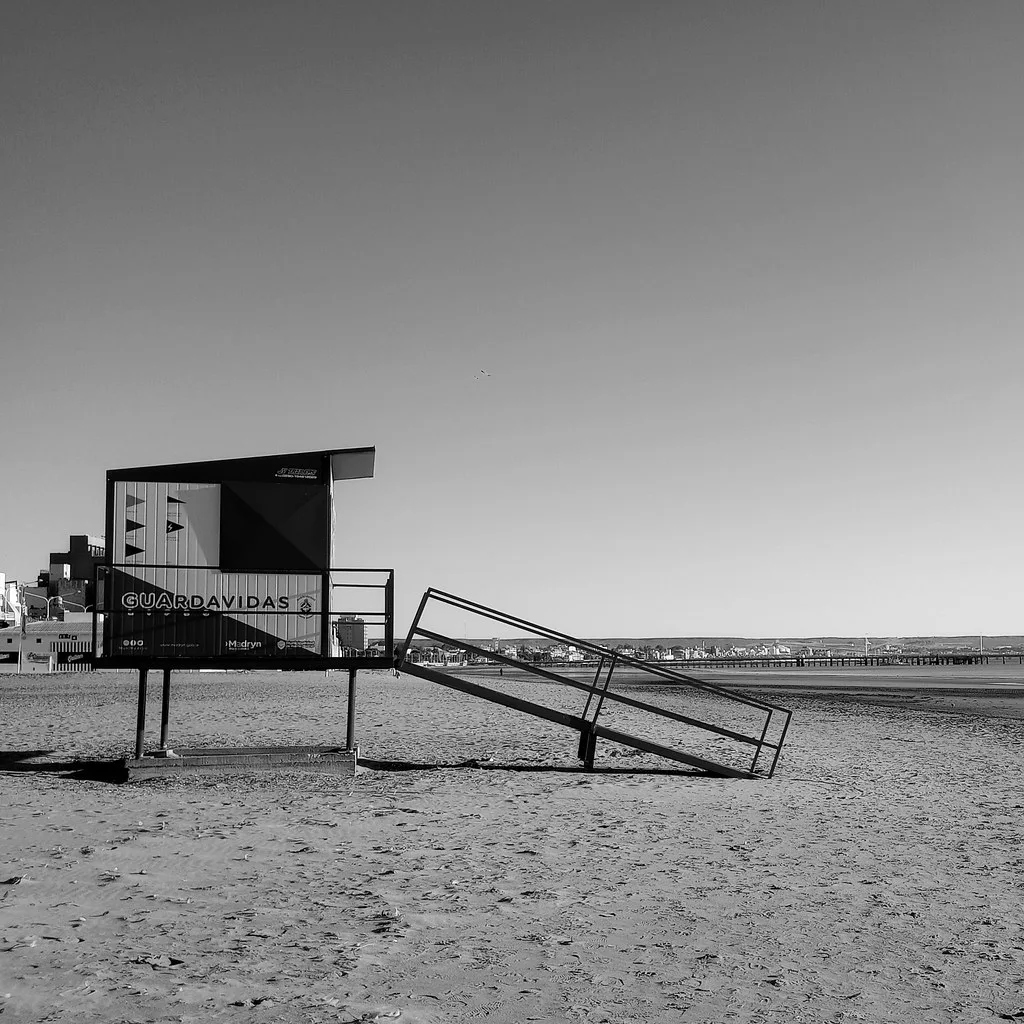
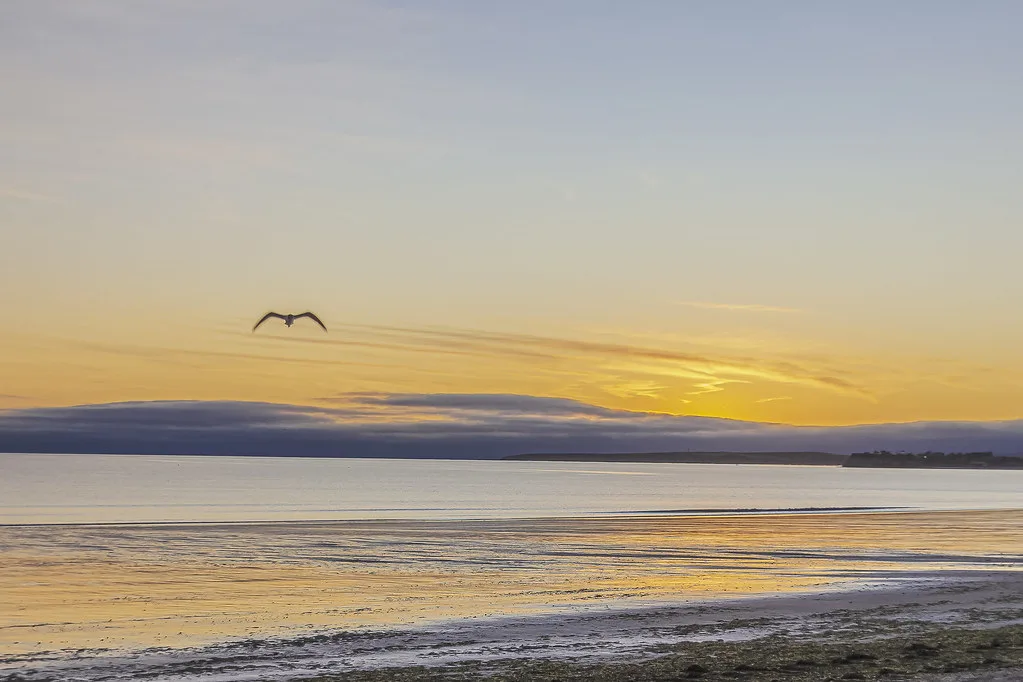
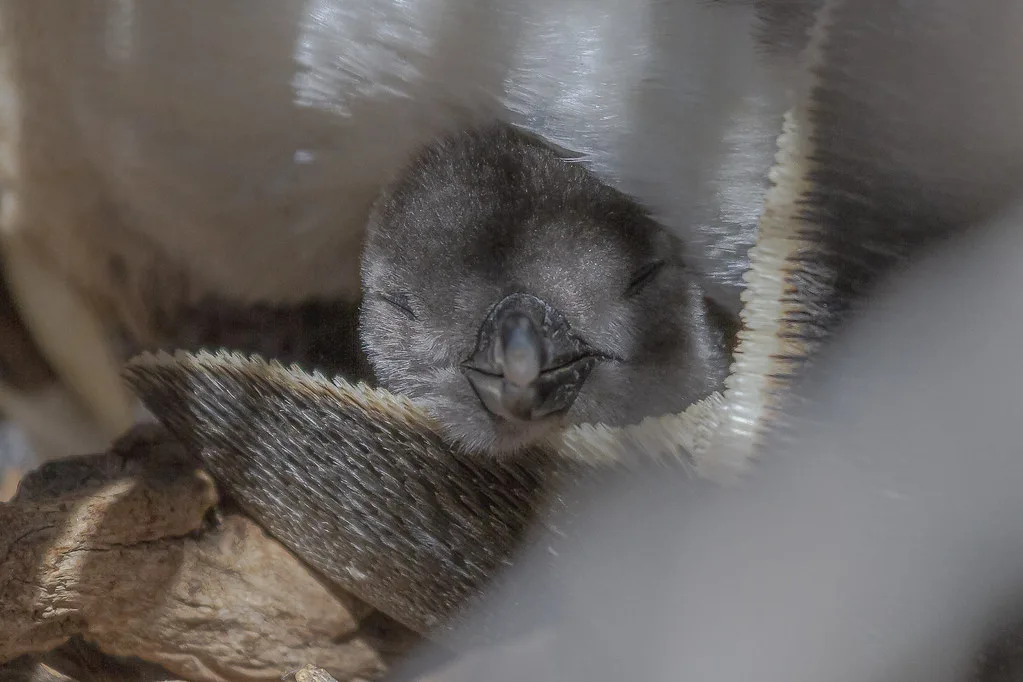
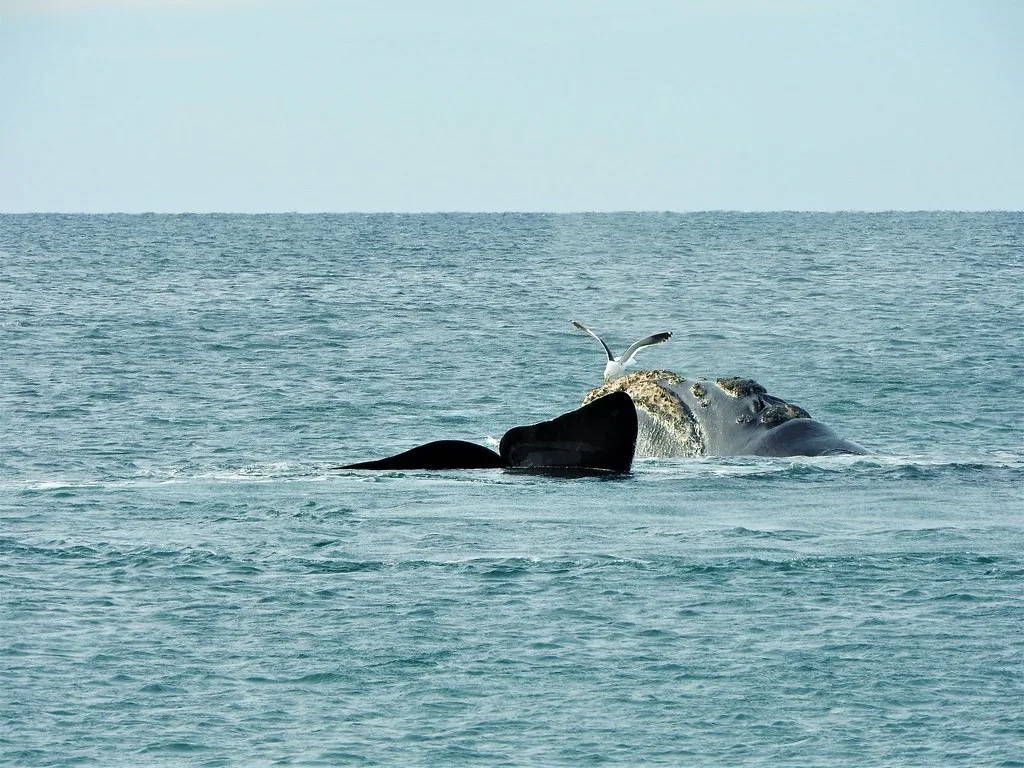
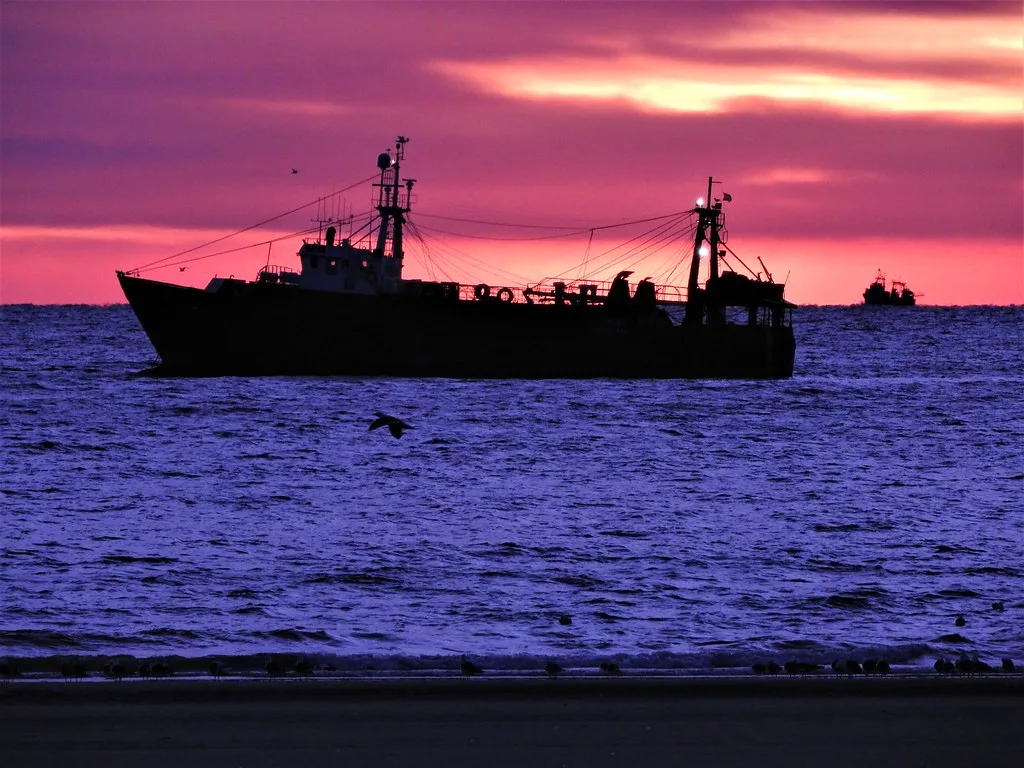
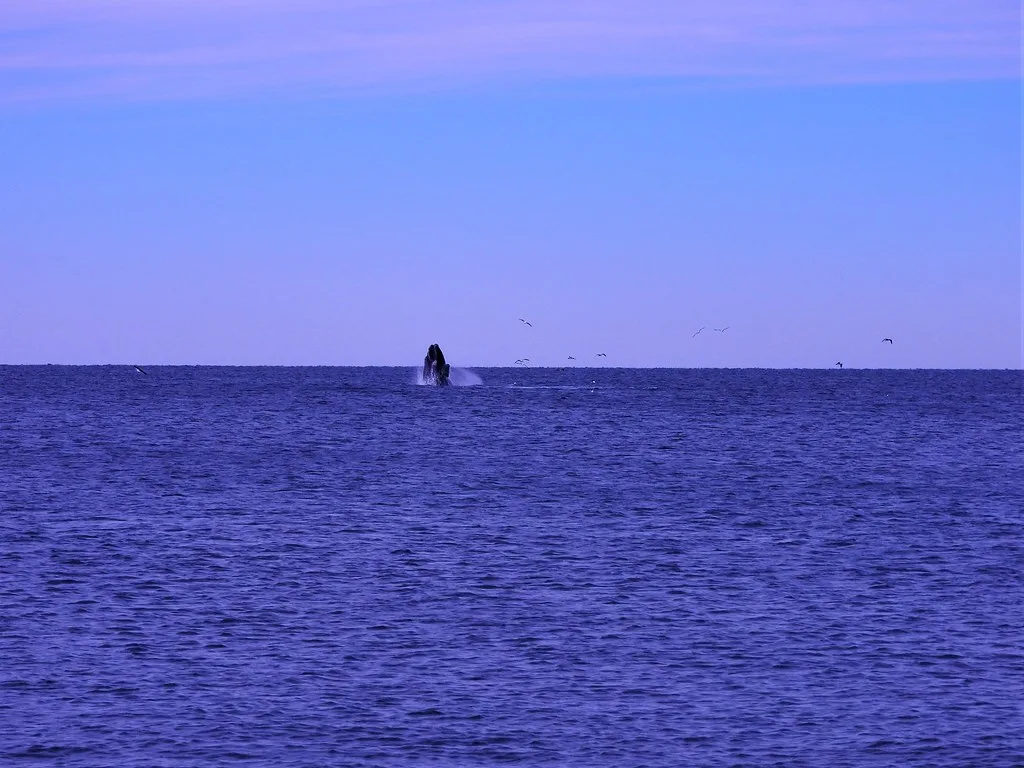
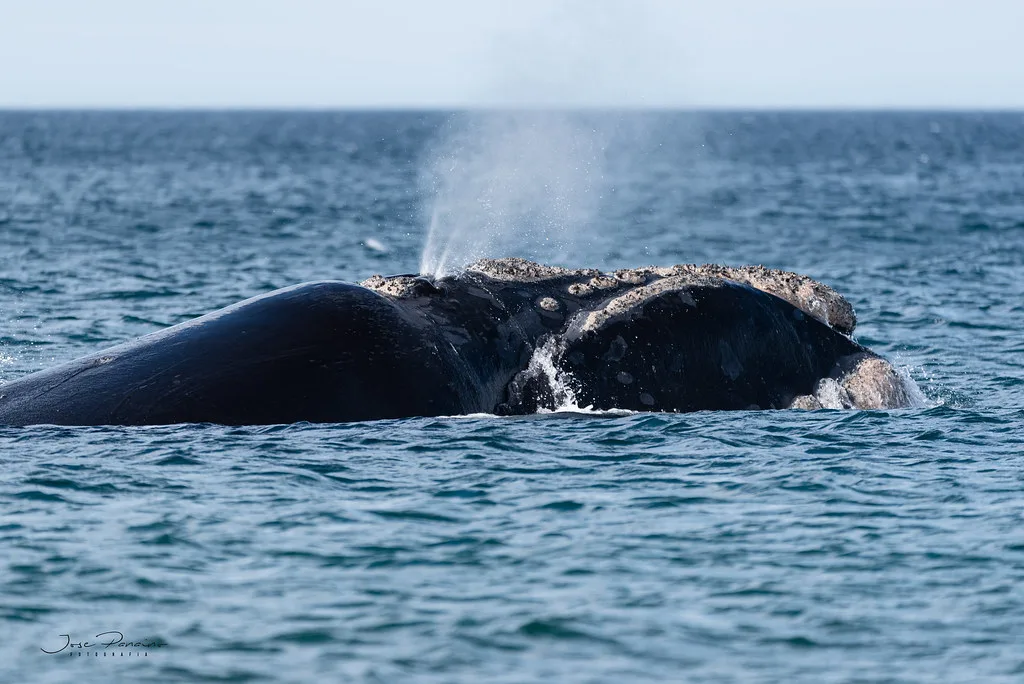
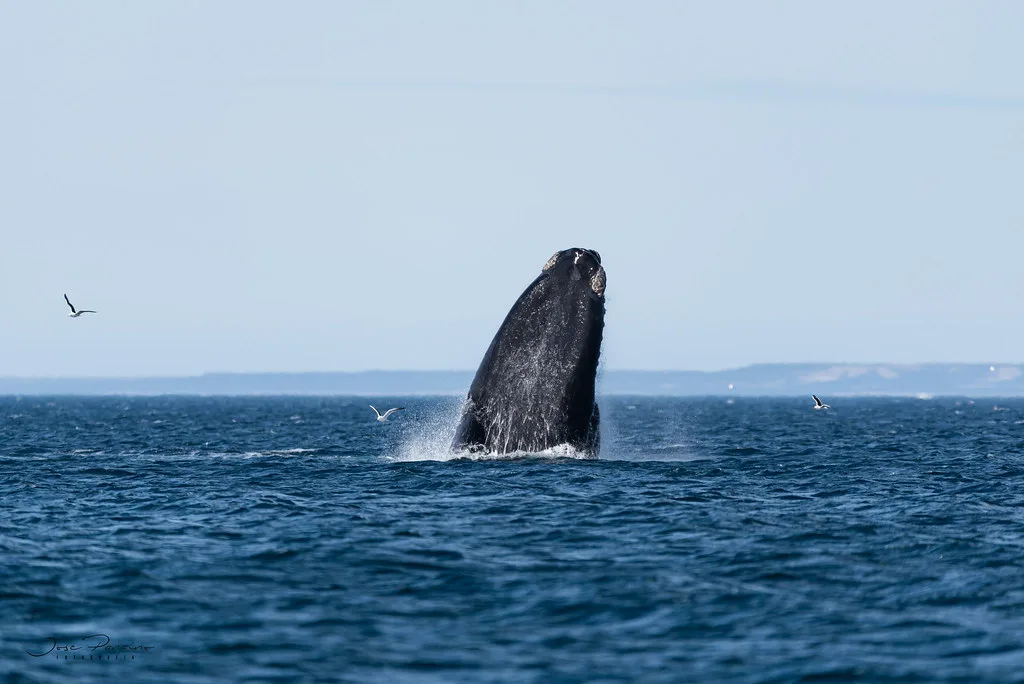
Image Credits
All photographs on this page are used under license from Unsplash and Pixabay. Hero image courtesy of Unsplash contributors. Gallery images courtesy of Pixabay contributors. All images are used in accordance with their respective free-use licenses.
Weather & Best Time to Visit
Frequently Asked Questions
Q: What's the best time of year to visit Puerto Madryn on a cruise?
Typical range 30-77°F — Patagonian steppe coast; rain: Very little year-round — Patagonian desert. Peak cruise months: Sep, Oct, Nov, Dec, Jan, Feb. Avoid months: N/A.
Q: Is there a severe weather or storm season that affects Puerto Madryn?
Puerto Madryn is not marked as a warm-water hurricane zone in our seasonal guide. Local concern: seasonal weather swings.
Q: What should I pack for Puerto Madryn's weather?
For Puerto Madryn, pack for 30-77°F — Patagonian steppe coast. Strong windproof jacket essential; Warm layers; Binoculars for wildlife; Sunscreen and sunglasses
Q: Will rain ruin my Puerto Madryn port day?
Brief rain is common enough around Puerto Madryn that a flexible plan beats canceling. Southern right whales come to Golfo Nuevo Jun-Dec — spectacular; Punta Tombo penguin colony is the largest in South America (but 100+ miles away)
Q: Where do cruise ships dock in Puerto Madryn?
Ships dock at Muelle Almirante Storni, approximately 5 km from downtown. Free shuttle buses transport passengers to the city center in about 10 minutes. The port is an industrial fishing harbor, so the main attractions lie in town or further afield at Valdés Peninsula and El Doradillo beach.
Q: When is the best time to see Southern Right Whales?
Southern Right Whales visit from early June through mid-December. For the best shore-based viewing, visit El Doradillo beach from June to mid-September at high tide. From mid-September through December, boat tours from Puerto Pirámides offer close encounters. Peak season for overall wildlife diversity is October through November when you can see whales and penguins.
Q: Can I visit Valdés Peninsula on a cruise day?
Yes, but it requires a full-day organized tour departing early morning (7 to 8 AM). The peninsula is over 100 km from Puerto Madryn. Tours typically include Puerto Pirámides for whale watching, Punta Cantor for sea lion and elephant seal colonies, and steppe wildlife viewing. Book in advance during peak season as tours fill quickly.
Q: What wildlife can I see at Valdés Peninsula?
The Valdés Peninsula is a UNESCO World Heritage wildlife haven offering Southern Right Whales from June to December, sea lions and elephant seals year-round at Punta Cantor, Magellanic penguins from September to April, orcas hunting sea lion pups in March and April at Punta Norte, plus guanacos, rheas, maras, and abundant seabirds throughout the year.
Q: Is El Doradillo beach worth visiting during a cruise stop?
During whale season from June to mid-September, absolutely. It is one of the few places on Earth where you can watch whales from shore — mothers and calves rest within 20 meters of the sand at high tide. Access by taxi costs approximately 3,000 ARS each way. Arrive before high tide for the best viewing. A profoundly moving experience.