


Photo: Wikimedia Commons
My Logbook: Where the Sierra Madre Meets the Sea
I stepped off the ship into a world that felt distinctly different from other Mexican cruise ports. Puerto Vallarta rises from Banderas Bay with the Sierra Madre mountains creating a dramatic green backdrop that makes you understand why Richard Burton and Elizabeth Taylor fell in love here while filming Night of the Iguana in 1963. That Hollywood romance put this fishing village on the international map, and the town has grown into something remarkable—a genuine Mexican city that happens to welcome cruise ships rather than a port manufactured for tourism. I could feel the difference immediately in the cobblestone streets, the art galleries, the restaurants where locals outnumber tourists.
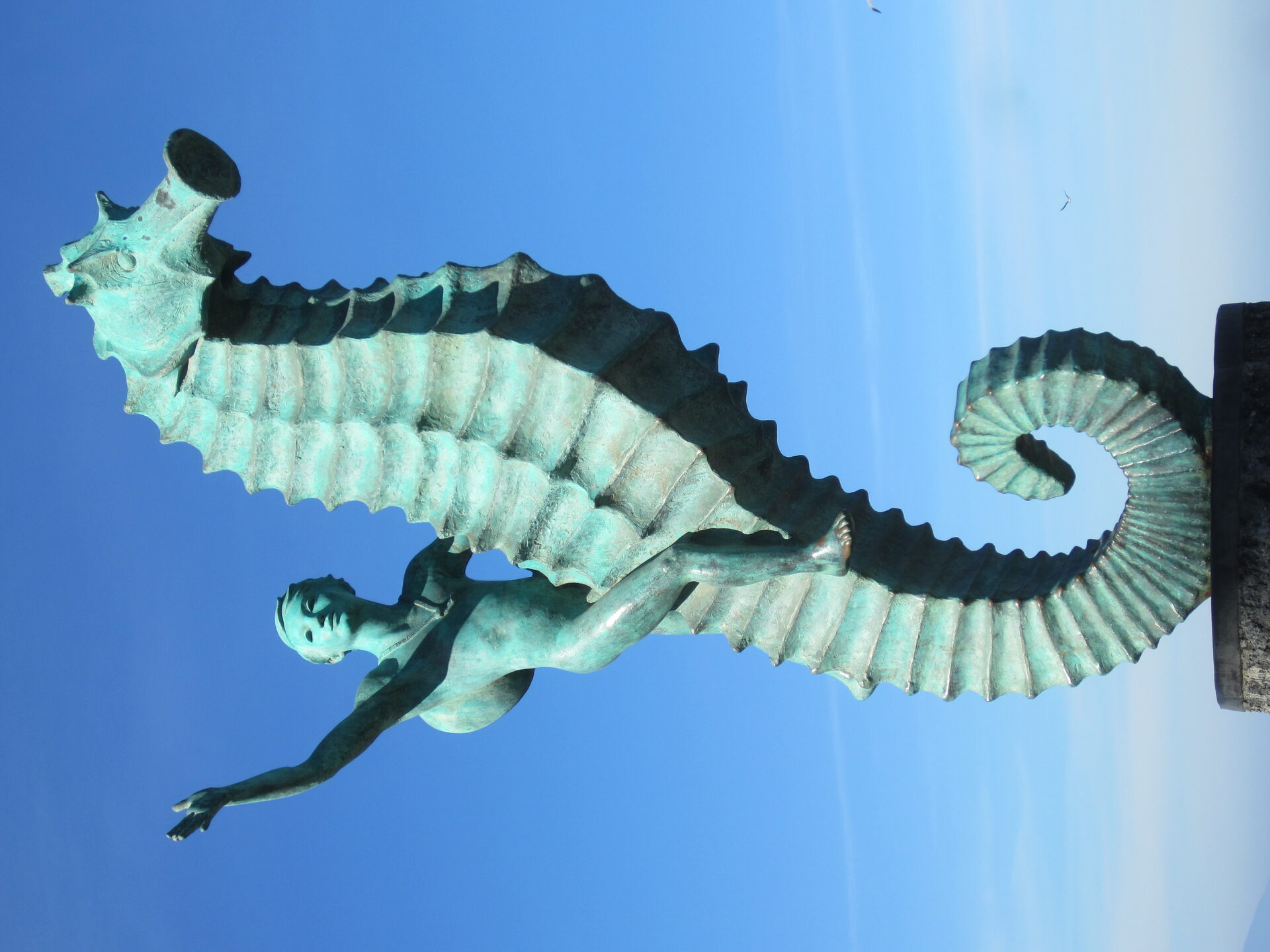
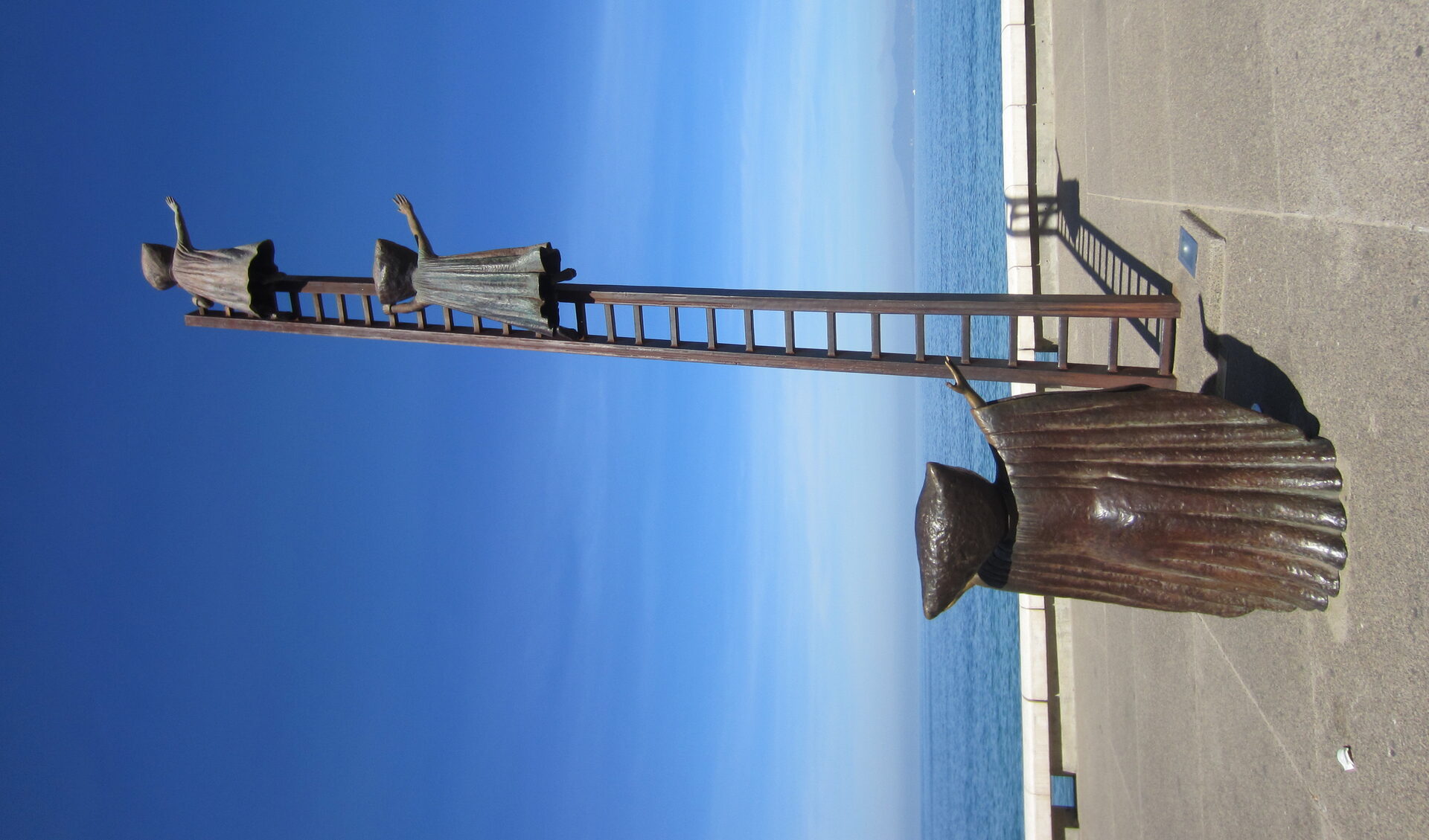
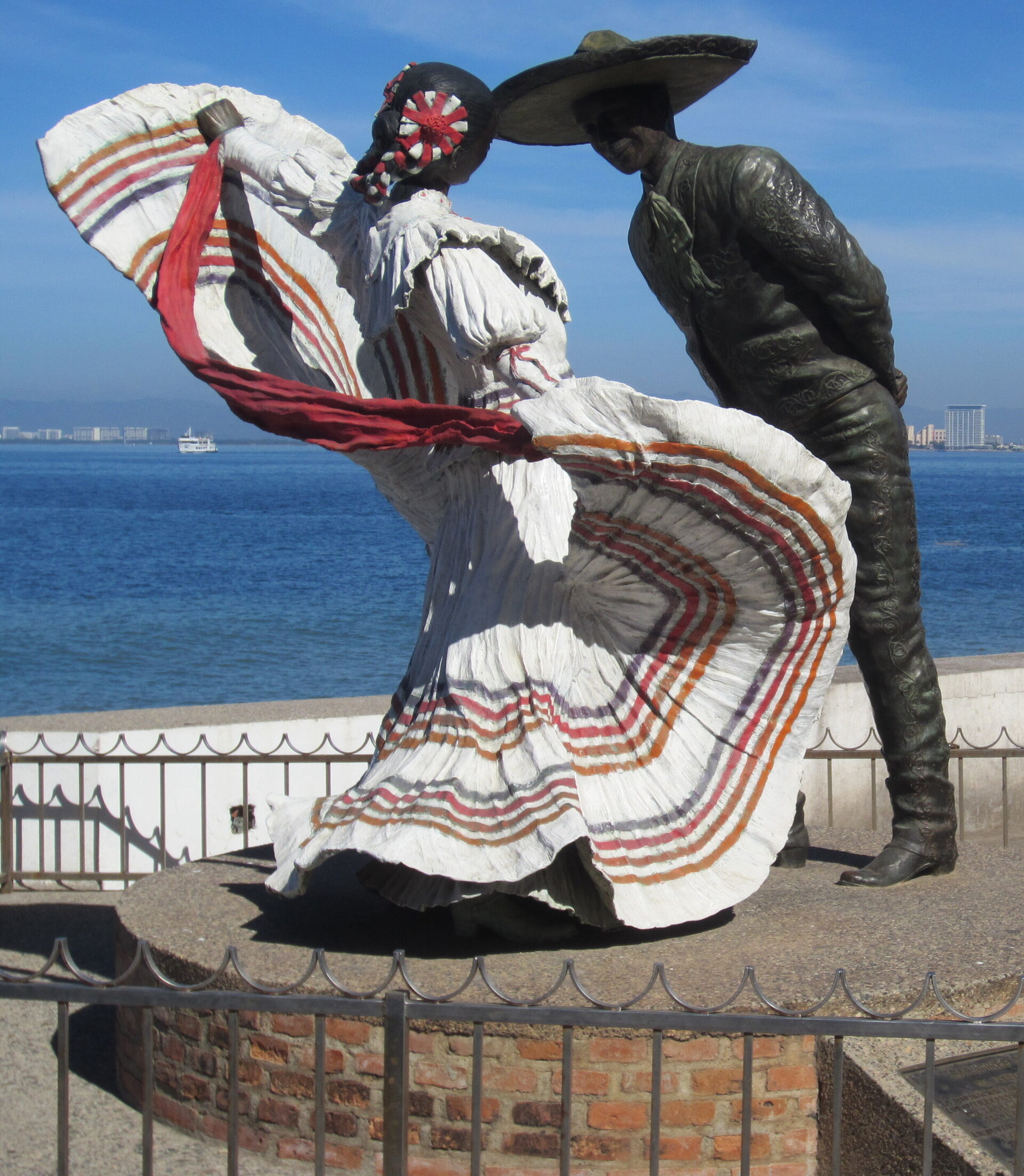
The Malecon boardwalk stretching along the waterfront became my introduction to the city's character. Bronze sculptures dot the promenade—some whimsical, some provocative, all conversation-worthy. I passed the famous "Los Milenios" arch, walked beneath "La Rotonda del Mar" (a boy riding a seahorse), and paused at "Natura Madre" depicting a sculpture of nature emerging from the earth. However, what struck me most was how the sculptures didn't feel like tourist decoration. Locals sat on benches, jogged past, walked dogs. The Malecon functions as the city's living room, and visitors are simply invited to share it.
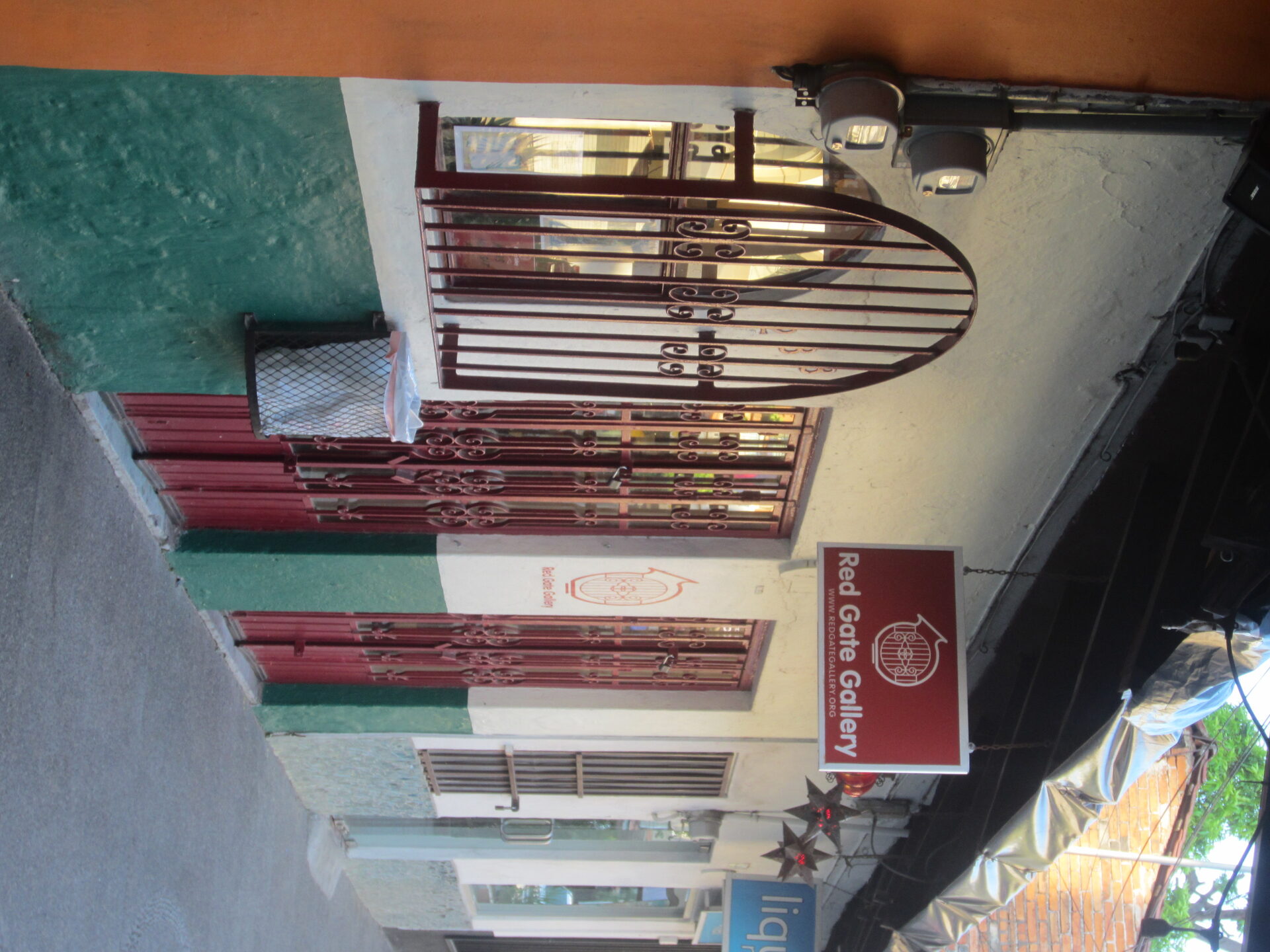
Our Lady of Guadalupe church dominates the centro district with its distinctive crown-topped tower—a replica of the crown worn by the Empress Carlota in the 1860s. I climbed the steps to the main plaza where vendors sold fresh churros and elderly men played chess under shade trees. The surrounding streets revealed galleries, restaurants, and shops in buildings that date from when this was still a small fishing village. Although cruise ships now bring thousands daily, the centro retains an authenticity I hadn't expected. Real people live here, run businesses here, worship here.
South of the Cuale River, Zona Romantica proved even more captivating. This neighborhood earned its name from the romantic atmosphere—intimate restaurants, boutique hotels, galleries, and the energy of a neighborhood that thrives year-round rather than seasonally. I wandered through Olas Altas street past cafes where expats read newspapers in Spanish, through the market where vendors sold fresh flowers and produce, down to Los Muertos Beach where the pier extends into Banderas Bay. Despite being a major tourist area, the zone felt lived-in rather than performed.
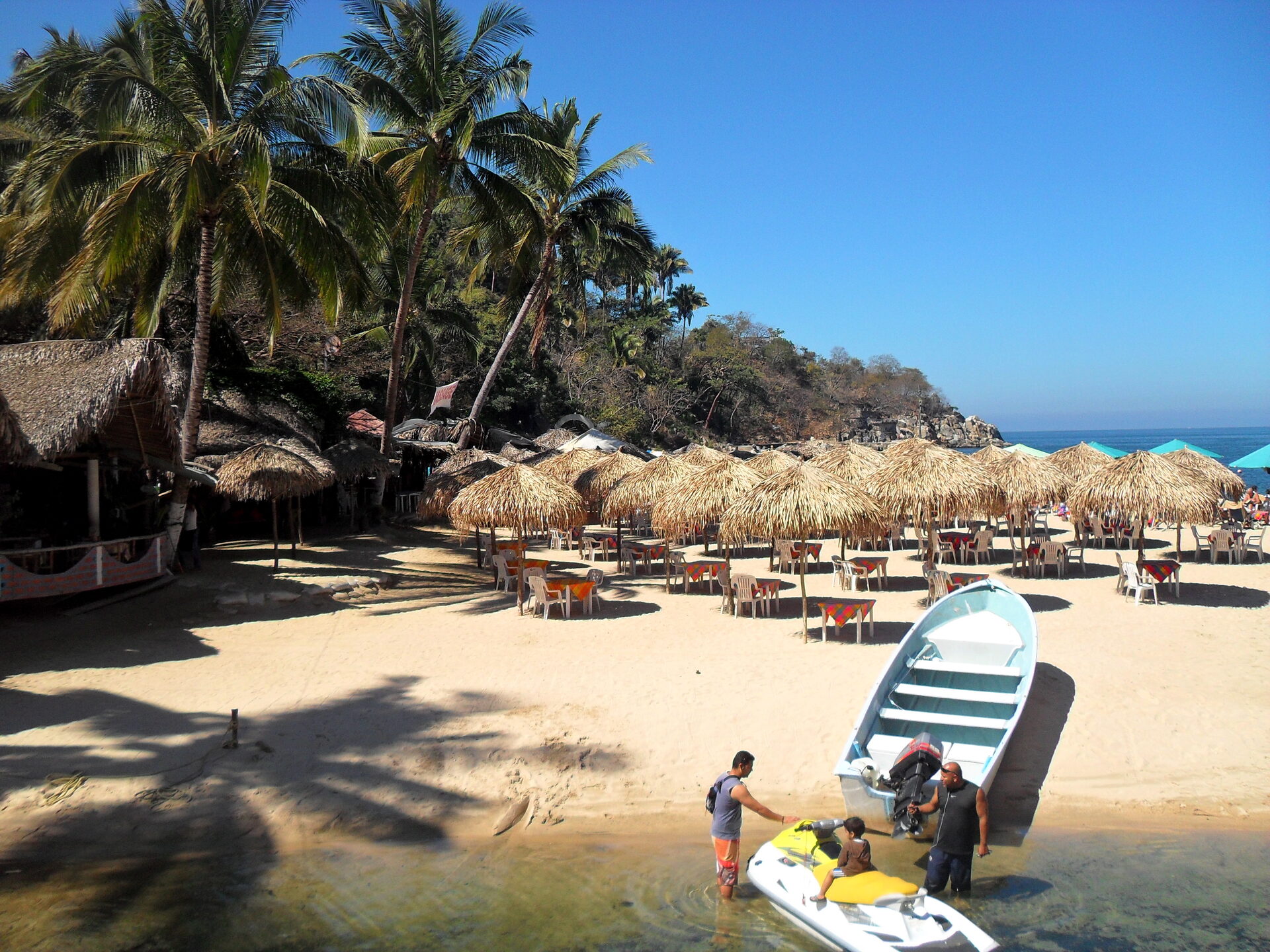
The beaches here deserve mention, though they're not the main attraction. Los Muertos Beach stretches south of the Rio Cuale, lined with restaurants, vendors, and beachgoers mixing tourists with locals. Yet the water itself belongs to Banderas Bay rather than the open Pacific, creating conditions calmer than most Mexican Pacific beaches. I swam, ordered ceviche from a beach vendor, watched pelicans dive for fish while the Sierra Madre rose behind the city. The mountains make every beach view here more dramatic than the sand alone could provide.
What sets Puerto Vallarta apart from other Mexican cruise ports is its cultural depth. Art galleries cluster throughout the centro and Zona Romantica—not tourist trap galleries selling mass-produced crafts, but serious spaces representing regional and international artists worth seeking out. The food scene extends far beyond tourist tacos into sophisticated restaurants exploring Jalisco cuisine with local ingredients and traditional techniques. Though cruise passengers often stick to the immediate port area, those who venture further find a city with intellectual and artistic life that continues long after the ships depart.
I left Puerto Vallarta understanding why so many visitors eventually move here. The mountains rising behind red-roofed buildings, the cobblestone streets leading to hidden plazas, the art scene that rivals cities ten times this size, the food that speaks of genuine culinary tradition rather than tourist adaptation—it all adds up to something more substantial than a typical cruise port. I've visited dozens of Caribbean and Mexican destinations, but Puerto Vallarta felt like a real place rather than a cruise industry construct. The city would thrive without cruise ships; it simply welcomes them alongside everything else it already offers. Sometimes that distinction makes all the difference between a pleasant port day and an experience you carry forward into the rest of your travels.
Looking back, what Puerto Vallarta taught me is the difference between a destination and a place. I learned that the best ports aren't the ones designed for tourists but the ones that have their own life and generously invite you to share it. The tequila maker didn't need my purchase; he chose to share his family's story anyway. The artists in the galleries weren't performing for cruise ships; they were continuing traditions that predated tourism. I realized that authentic travel isn't about finding hidden gems—it's about recognizing when a place is simply being itself, and appreciating it for exactly what it is.
Weather & Best Time to Visit
The Cruise Port
Ships dock at the Terminal Maritima located north of the centro district, about a mile from the main tourist areas. The terminal offers air-conditioned facilities, shops, restaurants, and tour operator booths. A taxi or walking trail connects the terminal to downtown—the walk takes roughly 20 minutes along a dedicated path, though heat makes taxis appealing. Wheelchair-accessible transportation is available with advance notice to cruise lines.
The port's location gives you choices: head directly to the Malecon and centro district for culture, art, and history; cross the Rio Cuale bridge to Zona Romantica for dining and beach time; or board excursions to outlying destinations. Unlike some ports that require organized transport to reach anything interesting, Puerto Vallarta rewards both independent explorers and excursion-takers equally. The city's compact geography concentrates attractions within reasonable walking distance.
Getting Around
- Walking: The most rewarding way to experience Puerto Vallarta. The terminal-to-Malecon walk takes about 20 minutes along a marked path. From the Malecon, the centro, Zona Romantica, and Los Muertos Beach are all walkable. Cobblestone streets add character but require sturdy footwear. Moderate hills in some areas—the flatter Malecon offers accessible routes.
- Taxis ($5-15): Queue at the terminal and throughout downtown. Expect $5-8 from terminal to Malecon/centro, $8-12 to Zona Romantica, $12-15 to beaches further south. Taxis use fixed rates rather than meters; confirm fares before boarding. Air-conditioned comfort in tropical heat.
- Local Buses (10 pesos): Run frequently along major routes through downtown. "Centro" buses connect the terminal area to downtown and continue south. Cheap and efficient if you're comfortable with local transit. Ask drivers for stops—they're generally helpful.
- Water Taxis ($5-20): Depart from Los Muertos Pier to beaches south of the bay—Yelapa, Las Animas, Quimixto. Unique way to reach isolated beaches accessible only by water. Schedules vary; confirm return times before boarding.
- Accessibility: The Malecon boardwalk is paved and relatively accessible, though some bronze sculptures and restaurants require step access. Cobblestone streets in centro pose challenges for wheelchairs. Zona Romantica has mixed accessibility—main streets are manageable; side streets vary. Beach access varies by location; confirm specific needs with tour operators.
Puerto Vallarta Area Map
Interactive map showing cruise terminal, Malecon, Zona Romantica, beaches, and attractions. Click markers for details.
Top Excursions & Things to Do
Booking guidance: Puerto Vallarta may be Mexico's most walkable cruise port—many passengers need no excursion at all. For adventure activities (ziplines, ATV, whale watching), ship excursions offer convenience and scheduling certainty. For tequila tastings, art gallery walks, and beach time, independent exploration works perfectly and saves money. A ship excursion provides guaranteed return for ziplines and Yelapa trips. Book ahead for whale watching (December-March) through ship or local operators.
Malecon and Centro Walking Tour (free to $30)
ESSENTIAL first stop. The Malecon boardwalk stretches along the waterfront with bronze sculptures, ocean views, and access to the centro district. Self-guided is free and rewarding—download a sculpture map before arriving. Guided walking tours ($25-35 through ship, $15-25 from local operators at the pier) add historical context. Visit Our Lady of Guadalupe church, the main plaza, and galleries in surrounding streets. Morning light photographs beautifully against the Sierra Madre.
Tequila Tasting Experience ($25-75)
Jalisco is tequila country—Puerto Vallarta offers dozens of tasting rooms from casual bars to serious educational experiences. Independent tastings at downtown shops cost $15-25 for guided flights. Ship excursions to distilleries ($60-90) include transportation to actual production facilities outside town. Learn the difference between blanco, reposado, and añejo; discover small-batch producers unavailable at home. Purchase bottles at significantly lower prices than ship or home retail.
Zona Romantica and Los Muertos Beach (free to $25)
Cross the Rio Cuale to discover Puerto Vallarta's most vibrant neighborhood. Zona Romantica features intimate restaurants, boutique galleries, and the energy of a neighborhood that lives year-round. Los Muertos Beach offers swimming, beach chairs ($10-15 rental), and seafood vendors. The Los Muertos Pier provides views back toward the city with mountains behind. Easy self-guided exploration; taxi from terminal runs $10-12.
Whale Watching (December-March, $65-95)
Humpback whales migrate to Banderas Bay from Alaska to breed and calve. December through March offers excellent viewing opportunities—mothers with calves, breaching males, pods traveling through the bay. Ship excursions ($80-100) and local operators ($60-85) run morning departures. Boats follow regulations maintaining distance from whales. Morning trips offer calmer seas. One of the Pacific Coast's premier whale watching destinations.
Sierra Madre Adventures ($75-150)
The mountains rising behind Puerto Vallarta offer adventure excursions impossible at sea-level ports. Zipline canopy tours ($90-130) soar above jungle canopy with mountain and bay views. ATV tours ($75-110) explore backcountry trails through small villages. Horseback riding ($65-90) traverses mountain paths to waterfalls. Ship excursions handle logistics; independent operators offer similar experiences for 15-20% less. Adventure seekers find excellent options here.
Yelapa Beach Day ($45-75)
Water taxis ($20-25 round trip) or ship excursions ($60-80) reach this isolated beach village accessible only by sea. Yelapa offers sand, swimming, beachfront restaurants, and a small waterfall hike inland. More rustic than Los Muertos—basic facilities, local vibe, natural setting. Time management matters—confirm return water taxi schedules. Appeals to those seeking quieter, less developed beach experience.
Depth Soundings
Practical details and honest assessments for planning your Puerto Vallarta day.
- Walkability advantage: Unlike many cruise ports, Puerto Vallarta concentrates attractions within reasonable walking distance. You genuinely don't need excursions or taxis to have an excellent day. The Malecon, centro, Zona Romantica, and Los Muertos Beach are all connected by foot. Heat is the main limitation.
- Art scene depth: The galleries here represent serious work—not tourist-trap paintings of sunsets. Wednesday evenings (November-April) feature Art Walks with gallery openings throughout centro. Even outside these events, exploring galleries reveals the city's cultural depth beyond typical cruise port offerings.
- Tequila education: Jalisco is tequila's birthplace. Tasting rooms throughout downtown offer education unavailable elsewhere—learn to distinguish quality from marketing. Bottles purchased here cost 30-50% less than ship or home prices. Bring a checked bag or pack carefully.
- Seasonal whale bonus: December through March, humpback whales in Banderas Bay add an experience unavailable at other times. If your cruise falls in these months and you've never seen whales, prioritize this excursion.
- Accessibility realities: Cobblestone streets throughout centro and Zona Romantica create challenges for wheelchairs and walkers. The Malecon is paved and largely accessible. Beach access varies. Plan routes carefully or focus on flatter areas.
- Currency strategy: Pesos provide better value, especially at local restaurants and shops. ATMs near the Malecon dispense pesos. Tourist areas accept dollars but at unfavorable exchange rates. Market vendors and small shops often require cash.
Photo Gallery
Frequently Asked Questions
Can I walk from the cruise terminal to downtown?
Yes—the walk takes about 20 minutes along a marked path. It's safe and straightforward, though tropical heat makes early morning or taxi return appealing. Most attractions in centro, the Malecon, and Zona Romantica are walkable from downtown.
Is Puerto Vallarta good for independent exploration?
Excellent. Puerto Vallarta may be the most walkable cruise port in Mexico. The Malecon, centro district, Zona Romantica, and Los Muertos Beach are all accessible on foot. You don't need organized excursions unless seeking adventure activities or whale watching.
When is whale watching season?
Humpback whales visit Banderas Bay from December through March to breed and calve. Banderas Bay ranks among the Pacific Coast's premier whale watching waters. Book morning departures for calmer seas.
What's the difference between centro and Zona Romantica?
Centro is the historic district north of the Rio Cuale—home to Our Lady of Guadalupe church, the main plaza, and many art galleries. Zona Romantica lies south of the river with intimate restaurants, boutiques, and access to Los Muertos Beach. Both are walkable and worth exploring.
Are the tequila prices really better here?
Significantly. Jalisco is tequila's homeland, and Puerto Vallarta sits within the designation of origin. Small-batch bottles that retail for $100+ at home often sell for $40-60 here. Tastings help you find quality beyond mass-market brands.
Last reviewed: February 2026
Q: What's the best time of year to visit Puerto Vallarta?
A: Cruise season runs November through April — the dry season with lower humidity (61-90°F). September is the month to avoid. Whale watching in Banderas Bay is outstanding December through March.
Q: Does Puerto Vallarta have extreme weather to worry about?
A: Summer rain usually falls in late afternoon — mornings are often clear. Light winds with occasional chubascos (squalls) in summer. The wet season runs June through October.
Q: What should I pack for Puerto Vallarta's weather?
A: Light beach clothing. Sunscreen and hat. Rain jacket for summer visits. Comfortable walking shoes for Malecón. Water shoes for rocky beach entries.
Q: Will rain ruin my port day in Puerto Vallarta?
A: Dry November through May; rainy June through October. Cruise season concentrates in the drier November–April window. Summer rain usually falls in late afternoon — mornings are often clear.
Q: Does Puerto Vallarta have a hurricane or storm season?
A: Yes — East Pacific hurricane season runs May 15 through November 30, with peak risk in August, September, and October. September is the month to avoid.