


Captain's Logbook
Riga: My Art Nouveau Capital
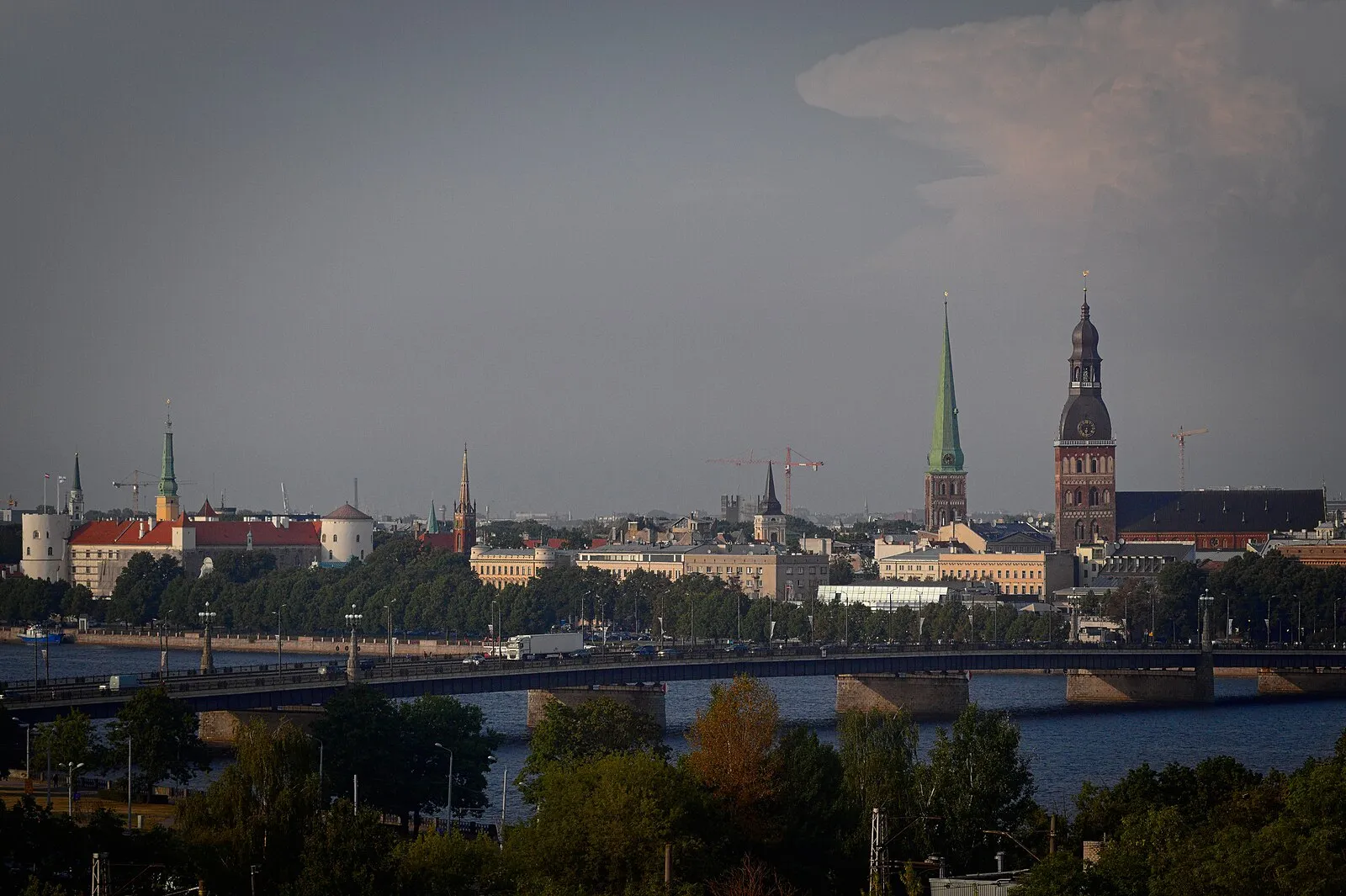
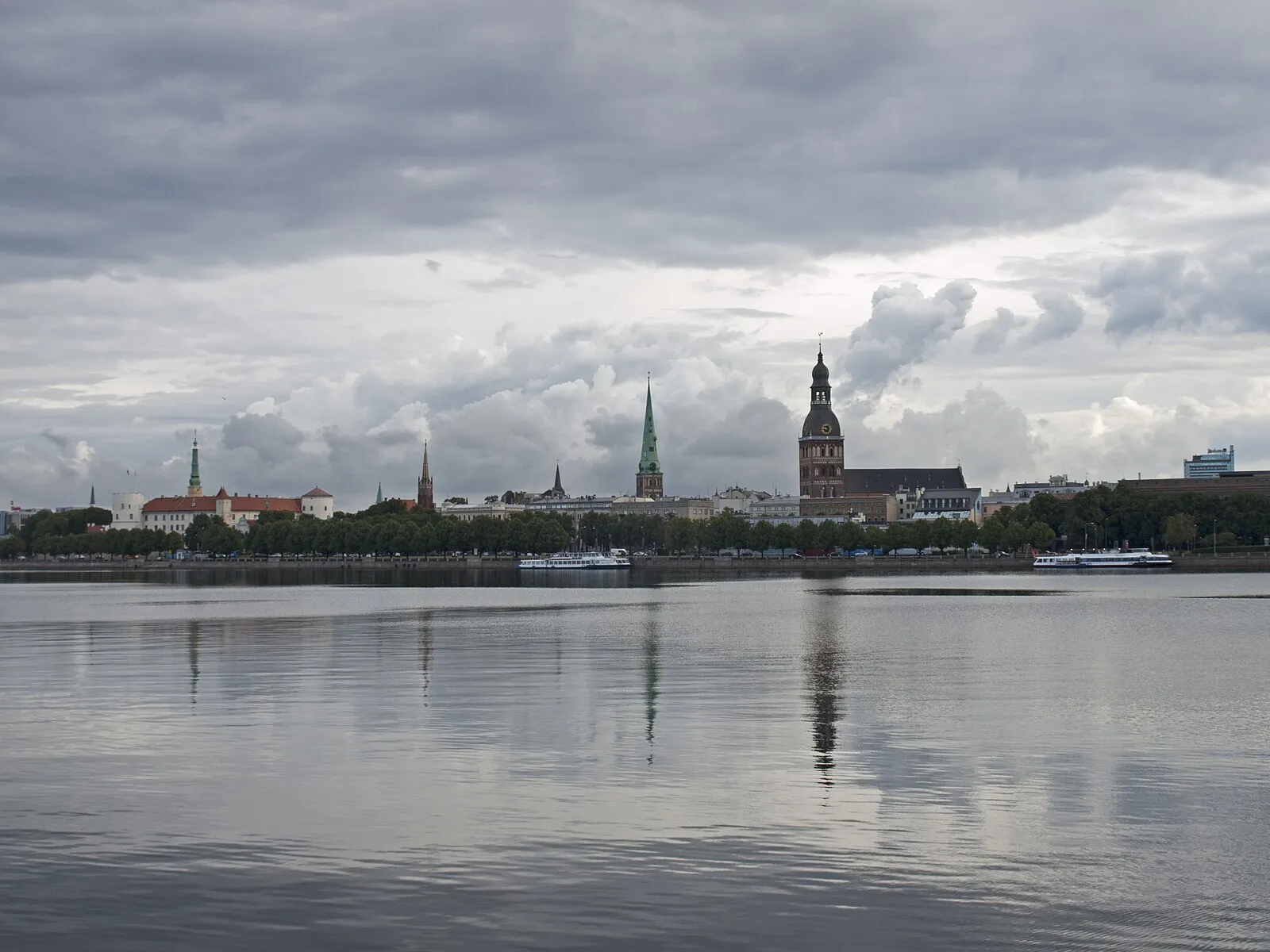
When I walked off the ship along the Daugava River and entered Vecrīga – the Old Town – I felt like I'd stepped into a living museum where eight centuries whispered their stories all at once. Bishop Albert of Riga founded this place in 1201 as a base for Christianizing the Baltic region, and you can still feel that medieval gravity in the narrow cobblestone lanes, in the Gothic towers of St. Peter's Church and Riga Cathedral (the Doma), in the Three Brothers houses huddled together like they're sharing secrets from the Hanseatic League days. Every corner of this UNESCO World Heritage Site (inscribed 1997) reveals another layer of the past – medieval merchants' warehouses, guild halls, the reconstructed House of the Blackheads with its ornate stepped gable gleaming like it never fell to the bombs.
But then the city pulls a magic trick: you walk a few blocks northeast from the medieval heart, and suddenly you're standing on Alberta iela – Albert Street – surrounded by the most astonishing Art Nouveau (Jugendstil) architecture I've ever seen. Over 800 Art Nouveau buildings grace this city, and Alberta Street is the crown jewel, a parade of ornate facades by architects like Mikhail Eisenstein (yes, the film director's father). At 9 a.m., when the morning light hits these buildings, the screaming faces, mythical beasts, maidens, peacocks, and writhing floral motifs seem almost alive. The contrast is breathtaking: medieval modesty gives way to Jugendstil exuberance, Gothic spires competing with curving turrets and elaborate balconies. I stood there marveling at how Riga holds both architectural worlds in perfect balance – the sober stone of the 13th century and the ecstatic decoration of the early 20th.
The Central Market is housed in five enormous former Zeppelin hangars – industrial heritage repurposed – and walking through it is sensory overload in the best way: black balsamic vinegar aged 25 years, piles of smoked sprats, amber honey, hemp butter that tastes like nostalgia, vendors calling out prices in Latvian and Russian. We had lunch at a Soviet-era milk bar, cold beet soup and piragi bacon buns for pocket change, sitting on plastic chairs like locals. The city is beautiful, affordable, and genuinely friendly. The cruise terminal sits right along the Daugava, an easy walk or quick tram ride into the heart of everything.
What surprised me most about Riga was how affordable everything felt. Lunch at the milk bar came to about four euros for two of us, and even a proper sit-down meal in the Old Town rarely topped fifteen euros per person with wine. The tram from the cruise terminal to the center cost less than two euros and took about ten minutes — we bought tickets at the kiosk near the stop and validated them on board. I would recommend wearing comfortable shoes because the cobblestones in Vecrīga are authentically medieval, which means beautifully uneven. The walk from the cruise terminal along the Daugava riverfront took about fifteen minutes at a relaxed pace, and the views of the Old Town skyline across the water were worth every step. I noticed the scent of fresh rye bread drifting from a bakery near the Powder Tower, and I ducked inside to buy a loaf of dark Latvian bread studded with caraway seeds — the texture was dense and slightly sour, the kind of bread that tastes like the earth it came from. Near St. Peter's Church, a street musician played a Latvian folk melody on an accordion, and a few locals stopped to listen with the quiet pride of people who know their city deserves the attention. The whole day felt unhurried, generous, and deeply human — a city that does not shout but rewards anyone who takes the time to listen.
I would encourage anyone visiting Riga to set aside at least thirty minutes for the Art Nouveau Museum on Alberta iela — the restored apartment of a Jugendstil-era family, with original spiral staircases and painted ceilings, costs just a few euros and provides the context that makes the entire neighborhood snap into focus. The Freedom Monument on Brīvības bulvāris is also worth a pause: a slender copper figure holding three golden stars aloft, watched over by a ceremonial guard that changes hourly with quiet precision. The monument survived both Nazi and Soviet occupation, which gives it a gravity that transcends its elegant lines. Riga surprised me by being both grander and more intimate than I had expected — a capital city with the warmth of a small town, where eight centuries of history feel not like a weight but like an invitation.
Weather & Best Time to Visit
The Cruise Port
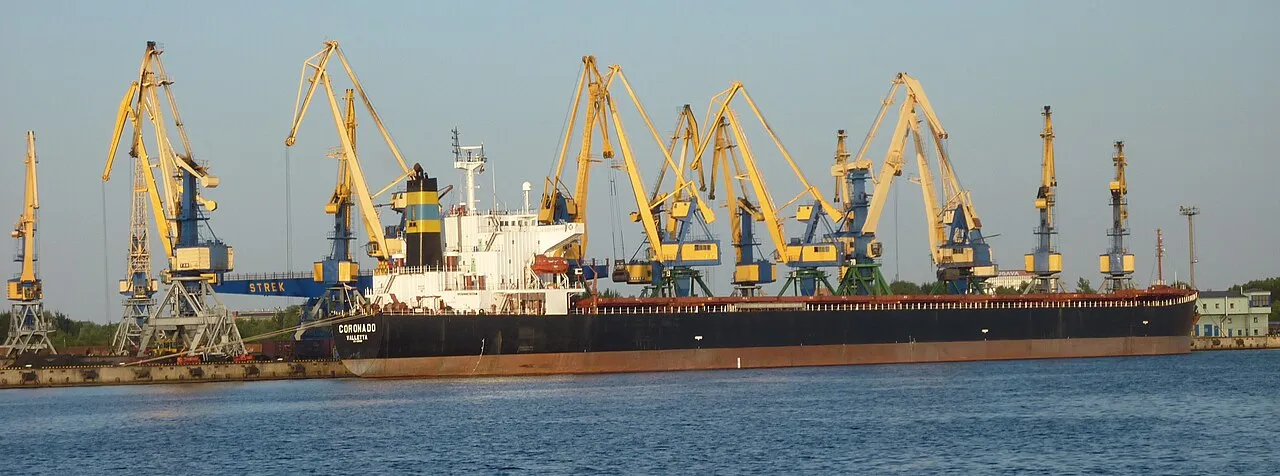
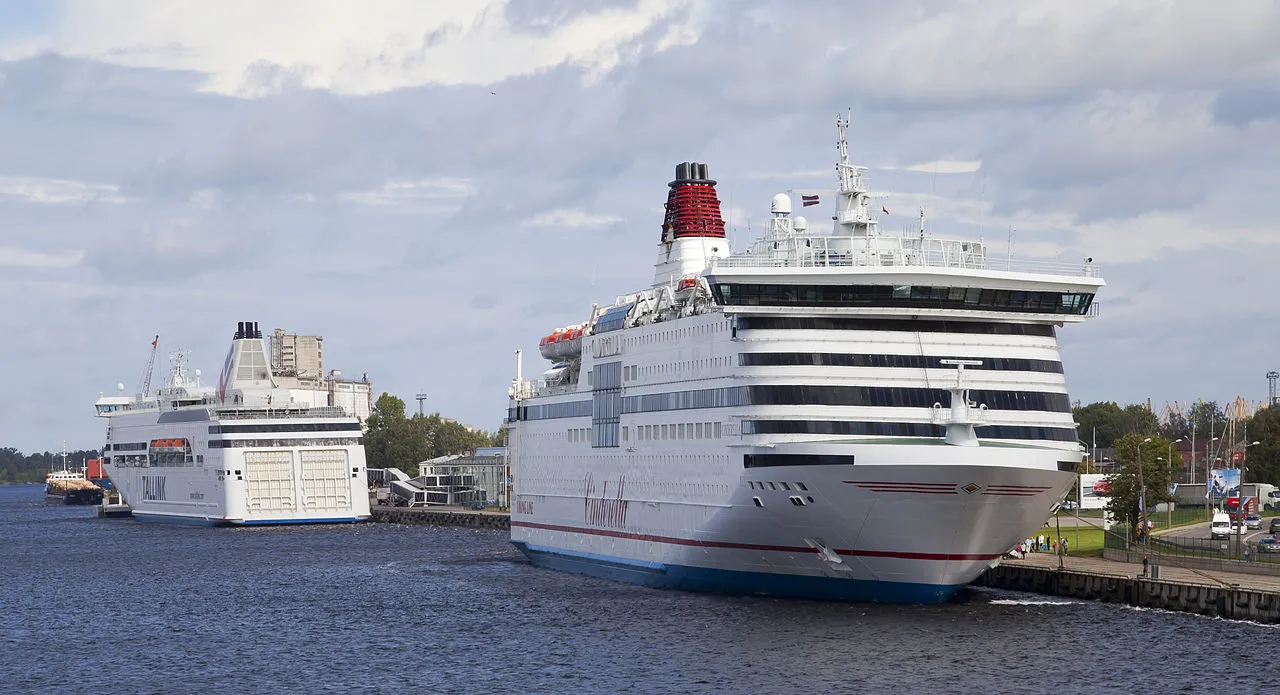
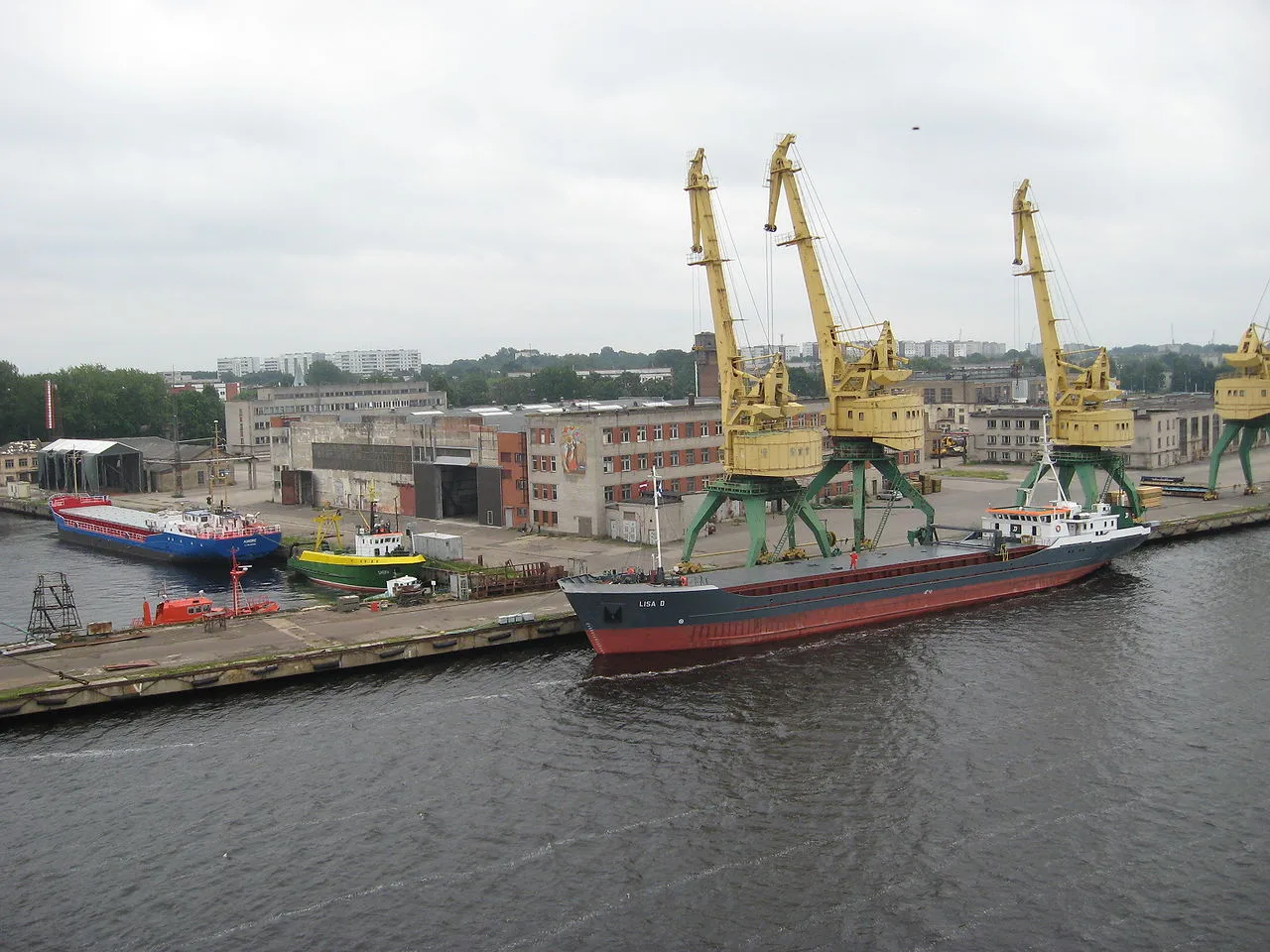
Cruise ships dock at the Riga Passenger Terminal on the west bank of the Daugava River, about 1.5 km from the edge of Old Town. The terminal is a modern facility with restrooms, a small tourist information desk, and a currency exchange. Ships dock directly — no tender required. The walk along the riverfront promenade into Vecrīga takes roughly 15 minutes at a comfortable pace, with views of the Old Town skyline across the water the whole way.
Riga sees ships from major Baltic itinerary operators including MSC, Norwegian, Costa, and occasionally Royal Caribbean and Celebrity. Most ships call during the Baltic cruise season from May through September. The terminal area has taxi ranks and a tram stop within a few minutes' walk, making onward travel straightforward even for those who prefer not to walk.
Quick Facts
Getting Around
Riga is compact and remarkably walkable. Most cruise visitors explore independently on foot — the Old Town, Art Nouveau district, and Central Market are all within a 25-minute walk of the cruise terminal. The city is largely flat, though the cobblestones in Vecrīga are authentically medieval and uneven in places. Wear comfortable shoes with some ankle support.
On foot: The best way to experience Riga. From the cruise terminal, walk the Daugava riverfront to Old Town (15 minutes), continue through the medieval streets to the Art Nouveau district on Alberta iela (10 minutes further), then loop back via the Central Market (20 minutes from the Art Nouveau area). The full circuit takes 3-4 hours with stops. Sidewalks and crosswalks are well-maintained outside the cobblestone core.
By tram: Riga's tram system is cheap and efficient. Tram stops are within a few minutes' walk of the cruise terminal. Single tickets cost under €2 — buy them at kiosks near the tram stop and validate on board. Tram 5 and 7 run between the port area and the central city. The ride takes about 10 minutes to the main commercial district near the Freedom Monument.
By taxi: Taxis are readily available at the cruise terminal. A ride to Old Town runs about €5-8. Use metered taxis or agree on a price beforehand. The apps Bolt and Uber both operate in Riga and are generally cheaper than street taxis. A taxi to the airport (RIX) costs roughly €15-20.
Hop-on-hop-off buses: Red Sightseeing Riga runs a circuit connecting the port area, Old Town, Art Nouveau district, and other key sites (~€25/day). Audio commentary covers the city's history. Useful if walking fatigue sets in or if you want to cover the more spread-out attractions efficiently.
Mobility considerations: The Daugava promenade from port to Old Town is paved and mostly flat. Once inside Vecrīga, cobblestones make wheelchair and walker use challenging in some streets. The main pedestrian streets and tram system are accessible. The Central Market has level entry to most pavilions. Guided accessible tours can be pre-arranged through shore excursion desks.
Riga Port Map
Interactive map showing cruise terminal and Riga attractions. Click any marker for details.
Excursions
Riga is one of the easiest Baltic ports to explore independently — the major attractions cluster within walking distance of the cruise terminal, and you can see the highlights in a single port day without booking a tour. That said, ship excursions offer guaranteed return times and deeper context from local guides, which is worth considering if this is your only visit.
Old Town Walking Tour
The UNESCO-listed Vecrīga is the heart of any Riga visit. Wander the medieval cobblestone lanes past St. Peter's Church (tower elevator: ~€9 for panoramic views), Riga Cathedral with its famous organ, the Three Brothers houses, and the reconstructed House of the Blackheads. Ship excursions run €40-60 for a 2-3 hour guided walk. DIY cost: free to walk, €9 for St. Peter's tower, €3-5 for cathedral entry. Allow 2 hours minimum. The Old Town is compact — you cannot get seriously lost.
Art Nouveau District
Walk northeast from Old Town to Alberta iela and the surrounding streets for over 800 Jugendstil facades, the densest concentration of Art Nouveau architecture in Europe. The Art Nouveau Museum at Alberta iela 12 (admission ~€5) recreates a period apartment with original furnishings, spiral staircases, and painted ceilings. Ship excursions typically combine this with Old Town for €50-70. Independent visitors walk there in 10 minutes from the medieval center. Morning light is best for photography — the facades face south and east.
Central Market
Five enormous former Zeppelin hangars house one of Europe's largest and most atmospheric markets. Each hangar specializes: fish, meat, dairy, vegetables, bread. Smoked sprats, dark rye bread with caraway seeds, local honey, and Riga Black Balsam (the city's signature herbal liqueur) make excellent portable souvenirs. Lunch here costs €3-6 per person — try the cold beet soup (aukstā zupa) or piragi bacon buns. The market is a 20-minute walk from the cruise terminal or a quick tram ride. No booking needed. Open daily, busiest on Saturday mornings.
Freedom Monument and Parks
The copper figure atop the Freedom Monument on Brīvības bulvāris holds three golden stars representing Latvia's three historical regions. A ceremonial guard changes hourly. The surrounding parks — Bastejkalns and the canal gardens — offer shaded benches and pleasant walking. Free to visit, 18 minutes' walk from the cruise terminal. The monument survived both Nazi and Soviet occupation and carries deep national significance.
Day Trip: Sigulda and Gauja National Park
The "Switzerland of Latvia" lies about 50 km northeast of Riga. Turaida Castle (€6 admission), medieval ruins, and Gauja River valley overlooks make this a full half-day excursion. Ship tours run €70-90 (4-5 hours). Independent visitors can take the train from Riga Central Station (~€3 each way, 1 hour), but the logistics eat into port time — only worth it if your ship has a long call (10+ hours). Book ship excursions for guaranteed return if timing is tight.
Rūndale Palace
Latvia's answer to Versailles, this Baroque palace lies 80 km south of Riga. Ornate interiors, formal French gardens, and a history tied to Baltic German aristocracy. Ship excursions run €80-110 (5-6 hours). Too far for comfortable independent day-tripping from a typical 8-hour port call unless you hire a private driver (~€120-150 round trip, split between passengers). Prioritize Sigulda if you must choose one day trip.
Depth Soundings Ashore
Practical tips before you step off the ship.
The market halls are enormous – comfortable shoes make hunting for black balsam and amber even more fun.
Money: ATMs are generally available near the port area, though fees vary. Credit cards are widely accepted at tourist-oriented establishments, but carry some local cash for markets, street food, and smaller vendors. Your ship's exchange rate is typically unfavorable — withdraw from a bank ATM instead.
Timing: Start early if your ship arrives at dawn — the first hours offer pleasant conditions and smaller crowds. Allow at least 30 minutes buffer before all-aboard time. Set a phone alarm as backup.
Safety: Standard port-town awareness applies — keep valuables close and stick to well-traveled areas during daylight. Your ship's ID card is your most important item — losing it creates a genuine headache at the gangway.
Communication: Wi-Fi is often available at cafés and restaurants near the port. Consider downloading offline maps before disembarking — cellular data roaming charges can be substantial and surprising.
Photo Gallery
Frequently Asked Questions
Q: Is Riga worth it?
A: The most beautiful and underrated Baltic capital.
Q: Best thing?
A: Art Nouveau district + Central Market.
Q: How long for Art Nouveau?
A: 2–3 hours of pure joy.
Q: Walk from port?
A: Easy 15-minute stroll.
Q: What is the best time to visit Riga?
A: Cruise season runs June through August — Art Nouveau capital with mild summer (16-73°F). December, January, and February are the months to avoid (cold Baltic winters).
Q: Is Riga suitable for passengers with mobility challenges?
A: Accessibility varies by area. The port vicinity and main commercial streets are generally manageable, but older historic districts may feature cobblestones, stairs, and uneven surfaces. Consider booking an accessible ship excursion if you have concerns. The ship's shore excursion desk can advise on specific accessibility options for this port.
Q: Can I explore independently or should I book a ship excursion?
A: Both options work well. Ship excursions guarantee return to the vessel and handle logistics, making them ideal for first-time visitors. Independent exploration costs less and allows more flexibility — just keep track of time and allow a 30-minute buffer before all-aboard. Many passengers combine approaches: an organized morning tour followed by free afternoon exploration.
Q: Does Riga have a hurricane or storm season?
A: Riga is not in a hurricane zone. The defining weather concern is cold Baltic winters. December through February are the months to avoid.
Q: What should I pack for Riga's weather?
A: Warm layers. Waterproof jacket. Comfortable walking shoes. Cash for Central Market.
Q: Will rain ruin my port day in Riga?
A: Rain is year-round; wetter in summer. Cruise season concentrates in the June–August window when conditions are mildest.
Last reviewed: February 2026
Image Credits
- riga-1.webp: WikiMedia Commons (CC BY-SA)
- riga-2.webp: WikiMedia Commons (CC BY-SA)
- riga-3.webp: WikiMedia Commons (CC BY-SA)
- riga-4.webp: WikiMedia Commons (CC BY-SA)
Images sourced from WikiMedia Commons under Creative Commons licenses.