



My Logbook: The Caribbean's Best-Kept Reef Secret
Quick Answer: Roatán is the port everyone underestimates and falls in love with — West Bay Beach has legendary snorkeling right off shore, Gumbalimba Park has monkeys that climb on you, and it's the cheapest beach day in the Caribbean.
The approach to Roatán is one of my favorites in the Western Caribbean. Dense jungle tumbles down volcanic hillsides straight into impossibly clear water. This is Honduras's Bay Islands — Roatán stretching 50 kilometers long and just 4 kilometers wide, the largest island in the archipelago — and it sits directly on the Mesoamerican Barrier Reef, the second largest reef system on Earth. The snorkeling here rivals anything I've seen in the Caribbean, and for good reason: these waters harbor over 65 species of coral, 350 species of mollusks, and more than 500 species of fish.
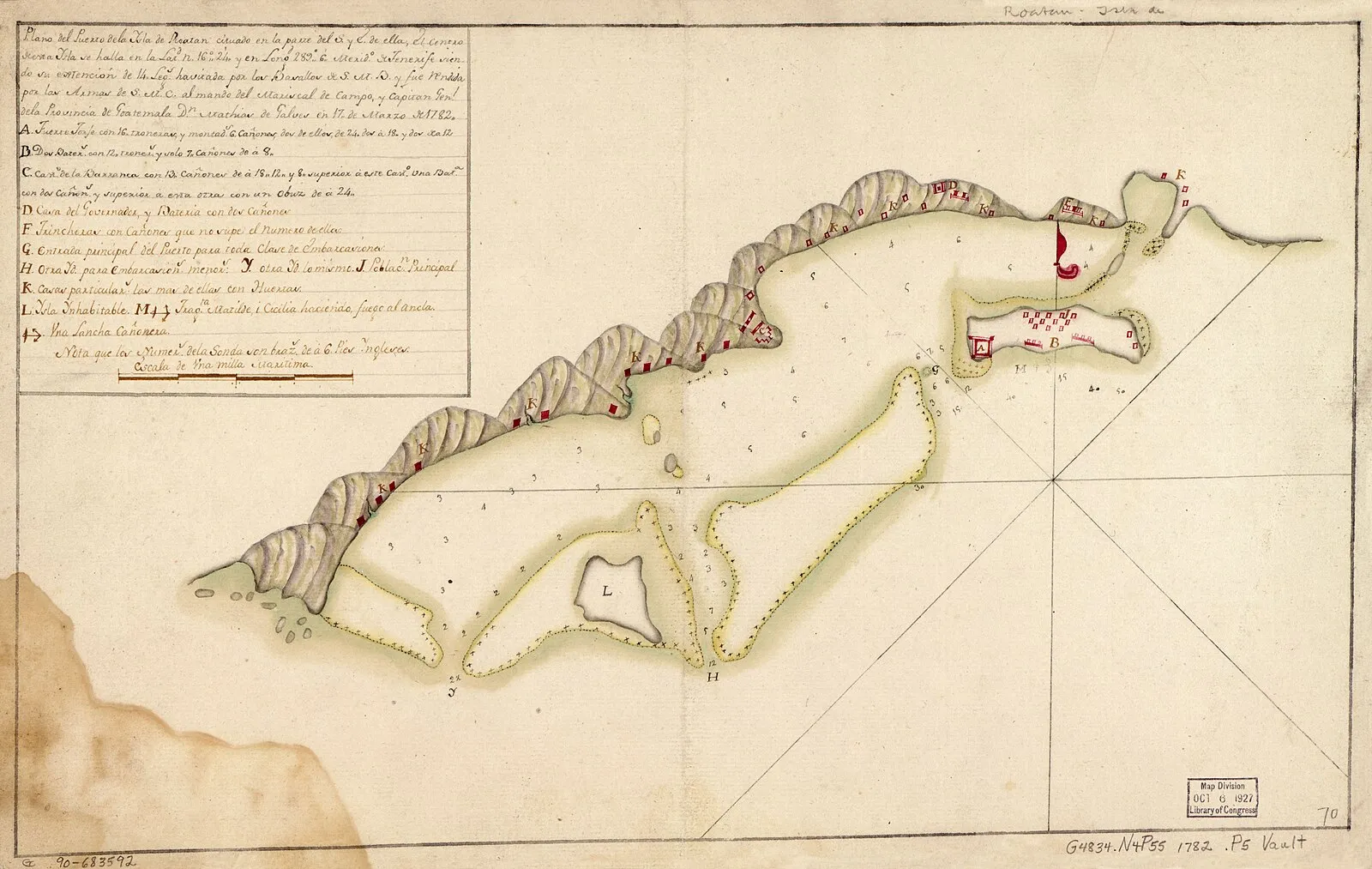
What most cruise passengers don't realize as they step ashore is that this slender island has harbored human communities for millennia and witnessed some of the Caribbean's most dramatic history. Long before Europeans arrived, the indigenous Paya people inhabited these islands, along with the Maya, Lenca, and Jicaque tribes who left traces of their cultures in archaeological sites scattered across Roatán. When Christopher Columbus anchored in these waters during his fourth voyage in 1502, he encountered thriving indigenous settlements and described the Bay Islands as among the most beautiful lands he'd seen in the New World.
But it was the 16th and 17th centuries that wrote Roatán into the history books in blood and rum. As Spanish treasure fleets sailed past carrying Aztec and Incan gold back to Madrid, this island became a pirates' republic — home to over 5,000 buccaneers at its peak, the majority of them English privateers and outlaws. The legendary pirates of the Caribbean weren't just Hollywood fiction; they lived right here, in hidden coves along this reef-fringed coast. Captain John Coxen, the Welsh buccaneer whose name still graces Roatán's main town and cruise port, made these waters his hunting grounds in the 1680s. Sir Henry Morgan himself, the most feared privateer in Caribbean history, used Roatán as a base between his raids on Spanish settlements and treasure ships. For nearly two centuries, this island existed outside any nation's control — a lawless sanctuary where pirate codes governed and Spanish gold was divided on these beaches.
The cultural tapestry grew more complex in the late 18th century when the British exiled thousands of Garifuna people from Saint Vincent to Roatán's shores. Their descendants still live primarily in Punta Gorda on the island's east end, maintaining traditions of music, dance, and cuisine that blend African, Caribbean, and indigenous elements. The Flamingo Cultural Center near Punta Gorda offers educational programs for those wanting to understand this unique heritage, though few cruise visitors make the journey to the island's quieter eastern shore.
We dock at Mahogany Bay, Royal Caribbean's beautifully maintained port facility. The terminal is modern and shaded, with a welcome center that includes shops and an air-conditioned area. But the real attraction is just outside: a complimentary chairlift that carries you up and over the jungle canopy to a private beach. It's genuinely fun — soaring above the palm trees with views of the harbor, spotting toucans in the treetops below.
My go-to Roatán day is simple: straight to West Bay Beach. The taxi from Mahogany Bay is about 15 minutes and costs around $10–12 per person each way (shared van pricing). What you get is one of the Caribbean's most beautiful beaches backed by the clearest water I've snorkeled anywhere. The reef starts remarkably close to shore — wade out past the sea grass, and within 50 feet you're floating over coral gardens teeming with parrotfish, angelfish, damselfish, and if you're lucky, eagle rays and sea turtles.
I bring my own mask and snorkel (rentals are available but of variable quality), and I spend hours in the water. The reef at Infinity Bay section is particularly vibrant, with brain corals the size of VW Beetles and schools of blue tangs moving like shimmering clouds. This is the snorkeling equivalent of an all-you-can-eat buffet — and it's free once you're in the water.
Lunch is lionfish tacos at one of the beach bars. Yes, lionfish — those invasive, venomous beauties that are devastating Caribbean reefs. Eating them is conservation work. They're served lightly fried or grilled, with a delicate white flesh that's genuinely delicious. Pair with a "Monkey La La" (a frozen coconut rum concoction) and you have the quintessential Roatán lunch.
For those wanting a break from the beach, Gumbalimba Park is just up the road. It's a wildlife sanctuary with capuchin monkeys, sloths, and parrots. The highlight is the monkey encounter — these capuchins are social creatures who'll climb onto your shoulders, inspect your pockets, and pose for photos. It's touristy in the best possible way, and the kids (and adults) in my family always beg to go back.
Back at Mahogany Bay by late afternoon, I grab a final drink at the beach bar, watch the sun drop behind the hills, and ride the chairlift back to the ship. The golden hour light filtering through the jungle canopy is worth the price of admission alone — which is to say, it's free.
On the chairlift ride back, something shifted in me. My daughter whispered, "Dad, the turtle looked right at me," and her eyes welled with tears — not of sadness, but of the kind of awe that comes from finally seeing something you've only read about in books. My heart swelled in that moment. I offered a quiet prayer of gratitude for this day, for a reef still healthy enough to astonish a child, for a place where the natural world still has the power to stop you in your tracks.
Looking back, the real gift of Roatan is not the flawless beach or the bargain prices — it is the reminder that creation still holds wonders worth protecting, and that sometimes the most profound experiences cost nothing more than a mask and the willingness to put your face in the water. I learned that the best travel moments are not the ones you plan but the ones that find you, floating weightless over a reef while the world above fades to silence.

Understanding Roatán's Two Cruise Ports
Roatán has become one of the Caribbean's busiest cruise destinations, welcoming over 1.7 million passengers annually through two distinct terminals located about five miles apart. In 2024 alone, cruise tourism pumped an estimated $180 million into the local economy, making these ships the island's economic lifeblood. Which port your ship docks at dramatically shapes your day ashore.
Mahogany Bay opened in 2010 as Carnival Corporation's purpose-built cruise terminal. This is where Royal Caribbean, Celebrity, and Princess vessels typically dock. The terminal itself feels more like a Caribbean resort than a working pier — there's climate-controlled shopping, clean restrooms, WiFi access, and that celebrated chairlift soaring over the jungle to deliver you to a pristine beach. Everything is designed for cruise guests, from the beverage stations to the souvenir shops stocked with exactly what you'd expect. It's immaculate, efficient, and feels very much like a controlled cruise line environment. The chairlift ride is genuinely delightful — a five-minute journey over palm canopies with the turquoise harbor spreading out below you. For families with young children or travelers who prefer organized, predictable experiences, Mahogany Bay delivers comfort and convenience.
Coxen Hole's Town Center Pier (also called Port of Roatán) opened in 2008 and offers something entirely different. The town itself bears the name of that legendary Welsh buccaneer, Captain John Coxen, who made these waters his domain three centuries ago. This is the working commercial port located adjacent to the island's largest town. When you walk off the gangway here, you're immediately in Honduras — not a sanitized cruise terminal version of it, but the actual bustling town center of Coxen Hole. You'll find local markets, Honduran restaurants, hardware stores, pharmacies where locals shop, and streets filled with residents going about their daily business. The terminal facilities are basic but functional, with taxi stands and tour operators ready to take you to the same beaches and attractions as Mahogany Bay guests visit. For travelers who seek authentic encounters and don't mind a bit of chaos, Coxen Hole provides a window into real island life. The tradeoff is less polish and more independence required.
From either port, West Bay Beach is the premier destination, requiring about 15-20 minutes by taxi.
Getting Around Roatán
Transportation on Roatán is straightforward once you understand the system. Both cruise terminals have organized taxi stands where shared vans and private taxis wait to take passengers to the island's attractions.
- West Bay Beach: $10–12 per person each way by shared taxi (15-20 minutes from either port). Private taxi for your group runs $25-35 each way. Always confirm the price before getting in.
- Gumbalimba Park: Located near West Bay, taxis run about $10-12 per person. Entry to the park is around $35-45 and includes the monkey encounter, sloth viewing, and botanical gardens.
- West End Village: The bohemian backpacker town filled with local restaurants, dive shops, and a more laid-back vibe. About $8-10 per person from the ports, 20 minutes drive.
- Carambola Botanical Gardens: Forty acres of tropical gardens on the island's north side, showcasing native plants, orchids, and island flora. About $15 per person by taxi from the ports. Entry fee around $10-15.
- Roatan Dolphin Encounters: Located at Anthony's Key Resort, offering interactive dolphin programs. Taxi runs about $12-15 per person. Program prices vary widely based on experience level ($60-150), book in advance.
- Roatan Rum Company: Near the lighthouse, offering tours and tastings of their chocolate rum and rum cakes. Taxi about $10-12 per person. Tastings are typically complimentary with small purchases expected.
- Mahogany Bay Beach: Free chairlift from Mahogany Bay cruise terminal. Five-minute scenic ride over the jungle canopy. No reservation needed, just walk up and board.
Taxis in Roatán operate on fixed routes rather than meters, and prices are somewhat negotiable depending on group size and whether you're sharing with other passengers. U.S. dollars are the expected currency, and drivers are accustomed to working with cruise schedules — they'll typically tell you what time you need to be back and can arrange pickup times.
Roatán Area Map
Interactive map showing cruise terminal and Roatán attractions. Click any marker for details.
The chairlift at Mahogany Bay ($14, or free walking trail) goes to a decent beach, but West Bay Beach is in a different league — shore snorkeling that left me speechless, with reef 50 feet from the sand. The $10-12 shared taxi is absolutely worth it. Bring your own mask and snorkel to save $15 in rental fees.
Excursions & Shore Tours
Diving and Snorkeling on the Mesoamerican Reef
Roatán lies about 60 kilometers off the Honduras coast, the largest island in the Bay Islands archipelago. More importantly, it sits directly on the Mesoamerican Barrier Reef, the second largest coral reef system on the planet, stretching from Mexico's Yucatán Peninsula down through Belize, Guatemala, and Honduras. The reef ecosystem here is staggeringly biodiverse: over 65 species of hard and soft corals, 350 species of mollusks including queen conchs and flamingo tongues, and more than 500 species of fish ranging from tiny neon gobies to massive Nassau groupers. Add dolphins, four species of sea turtles, spotted eagle rays, and the occasional reef shark, and you have one of the healthiest and most vibrant reef systems in the Caribbean. The underwater visibility regularly exceeds 60-80 feet, the marine biodiversity rivals the world's premier dive destinations, and in many spots you don't even need a boat to experience it.
The reef's remarkable health is no accident. In 1988, local conservationists established the Roatán Marine Park, one of the Caribbean's first community-led marine protected areas. In 2010, the Honduran government expanded protection with the Bay Islands Marine Park, encompassing 650,000 hectares of reef, seagrass beds, and mangrove forests. These conservation efforts — funded largely by dive shop fees and supported by local businesses that depend on healthy reefs — have helped Roatán's underwater ecosystems remain vibrant even as climate change and development pressure other Caribbean reefs. When you snorkel here, you're swimming through a living success story of marine conservation, proof of what's possible when communities commit to protecting their natural heritage.
The diving here is legendary among serious divers. The reef walls drop dramatically into deep blue water, creating dramatic underwater topography decorated with massive barrel sponges, sea fans, and brain corals the size of small cars. Hawksbill turtles and green sea turtles patrol these reefs year-round, alongside Nassau groupers, spotted eagle rays, and the occasional reef shark. The West End village has become a hub for dive shops catering to both cruise visitors and long-term dive travelers, with operations running daily boat dives to sites like Mary's Place, El Aguila Wreck, and the famous Spooky Channel.
Dive Pricing and Logistics: If you're a certified diver, typical pricing runs about $50 for a single dive or $95 for a two-tank dive, both including equipment. Many operators include transportation from your cruise port. Most dive operators will pick you up directly from Mahogany Bay or Coxen Hole and return you with time to spare before your ship departs. The Discover Scuba programs (for non-certified divers wanting their first underwater experience) typically cost around $120 and include beach or pool instruction followed by a shallow reef dive. Shops like Coconut Tree Divers, West Bay Divers, and Native Sons have decades of experience working with cruise schedules and are accustomed to getting you back to the ship on time.
Snorkeling Reality Check: Here's the important distinction — not all Roatán snorkeling is created equal. Mahogany Bay's beach offers convenient access to water, but the snorkeling on this south side of the island is mediocre at best. The reef here is distant from shore, the water murkier, and marine life sparse compared to the north shore. I've done it, and while it's pleasant enough for a swim, it's not the underwater spectacle Roatán is famous for.
For snorkeling that lives up to the hype, you must go to West Bay Beach. This is where the magic happens. The reef here begins within easy swimming distance from the sand — you literally walk into waist-deep water, pull your mask down, put your face in, and you're floating over gardens of elkhorn and staghorn coral bustling with tropical fish. The water is impossibly clear, usually offering 60-80 feet of visibility. I've spent entire mornings here drifting along the reef crest, watching parrotfish graze on coral, spotting juvenile barracuda hanging in the blue water, and counting sea turtles surfacing for breath. No boat needed, no guide required, just you and one of the healthiest reef systems in the Caribbean.
Between West End and West Bay lies a snorkeling site that's become almost mythical among cruise visitors: Starfish Alley. This shallow sandy patch of seafloor hosts dozens of multi-colored starfish — cushion stars in brilliant orange, chocolate chip starfish, and the occasional spiny variety. It's reachable by kayak from either beach, or many dive shops offer snorkel tours specifically to see the starfish. The sight of these creatures scattered across the white sand bottom like jewels is Instagram-famous for good reason, though I'll remind you that touching or lifting starfish from the water harms them. Look, photograph, admire, but leave them where they belong.
West Bay Beach has become well-organized for cruise visitors. You'll find snorkel gear rentals on the beach (around $10-15 for mask, snorkel, and fins), though I always recommend bringing your own mask for fit and comfort. Multiple beach clubs like Tabyana Beach and Infinity Bay offer day passes with loungers, umbrellas, and beach access, making it easy to snorkel, rest, eat, and repeat.
Beach Options: Where to Spend Your Day
Mahogany Bay Beach is the most convenient option if you're docked at Mahogany Bay terminal. The chairlift deposits you directly at this white-sand beach lined with palm trees and thatch-roof palapas. Day passes run about $14 and include a beach chair and umbrella. There's a swimming area marked by buoys, a beach bar serving frozen drinks, and volleyball nets set up for guests. The water is calm and swimmable, making this a natural fit for families with small children or anyone who prefers not to venture beyond the cruise terminal area. The atmosphere is relaxed and family-friendly, with lifeguards on duty and facilities maintained to cruise line standards. However, as mentioned earlier, the snorkeling here is not the island's best — this is a beach for swimming and lounging, not underwater exploration.
West Bay Beach and Tabyana Beach represent the pinnacle of Roatán's beach experience. West Bay has earned its reputation as a beach that earns every superlative through sheer natural assets — brilliant white sand that stays cool underfoot, water that transitions from pale turquoise shallows to deep sapphire blue, and that remarkable reef teeming with marine life just offshore. The beach stretches for about a half-mile (roughly 2,640 feet, or about 13 blue whales laid nose-to-tail, or the length of 264 snorkel masks lined up), with most of the infrastructure concentrated at the northern end where Tabyana Beach Club and Infinity Bay Resort maintain their operations.
Tabyana Beach has become particularly popular with cruise visitors because they've streamlined the day-pass experience. For around $50-60 you get a lounger with umbrella, snorkel gear, kayak use, and often a lunch voucher. They know your ship schedule and arrange transportation back to the port. The service is friendly, the facilities are clean, and the beach is meticulously maintained. You can also simply show up at West Bay independently, rent a chair and umbrella for $10-15, buy lunch and drinks as you go, and enjoy the same stunning beach at a fraction of the organized excursion price. The reef is accessible from anywhere along the beach — you don't need a special package to snorkel here, just walk into the water.
Little French Key offers yet another approach — this is a private island just off Roatán's coast, marketed specifically to cruise passengers seeking an all-inclusive island experience. Day passes run $60-90 depending on what's included, but you get access to beaches, water sports equipment (kayaks, paddleboards, snorkeling gear), an animal sanctuary with sloths and iguanas, and usually a buffet lunch with drinks. Transportation is included from either cruise port. The snorkeling here is decent, the beaches pretty, and the setup family-friendly. It's more manufactured than West Bay's natural beauty, but for families wanting a single-price, no-decisions-required day with activities for kids, Little French Key packages convenience effectively.
Half Moon Bay and the West End village offer a quieter alternative for those seeking to escape the cruise ship crowds. Half Moon Bay's crescent of sand is more intimate than West Bay, backed by local guesthouses and small restaurants rather than organized beach clubs. The vibe here is decidedly more laid-back — this is where backpackers and long-term travelers congregate, where the bars serve cheap Salva Vida beer and the restaurants make fresh ceviche instead of pre-packaged cruise excursions. The snorkeling from Half Moon Bay is excellent, the water equally clear, and you're far more likely to have stretches of reef to yourself. West End itself has become Roatán's dive capital, with a main road lined with dive shops, budget hotels, seafood restaurants, and the kind of relaxed Caribbean atmosphere that feels authentic rather than manufactured for tourists. If you want to see how the island lives when the cruise ships aren't in port, spend your day in West End.
DIY vs. Ship Excursion: West Bay Beach Day
DIY Independent ($25-40/person)
- Shared taxi to West Bay ($10-12 each way)
- Rent chair and umbrella on the beach ($10-15)
- Bring your own snorkel gear or rent ($10-15)
- Buy lunch and drinks as you go — total flexibility
Ship Beach Excursion ($60-80/person)
- Tabyana Beach Club day pass with lounger and gear
- Lunch voucher often included
- Organized return transport to the pier
- Higher cost but everything handled for you
Booking Guidance
Whether you book a ship excursion through your cruise line or go independent, planning ahead is key. For diving and organized beach club packages, book ahead when possible — especially on days when multiple large ships are in port. Independent travelers heading to West Bay Beach need no advance reservations; just grab a taxi and go. The ship excursion option provides a guaranteed return to the pier and peace of mind, while going independent gives you flexibility and significant savings. Most taxi drivers and tour operators on Roatan are accustomed to cruise schedules and will ensure you get back on time.
Planning Tips
- Best Time to Visit: February through August represents the dry season when weather is most reliable and seas calmest. Expect temperatures in the low-to-mid 80s°F with minimal rainfall and excellent underwater visibility. Peak cruise ship season runs December through April, meaning February and March offer ideal weather with manageable crowds, while May through August provide outstanding conditions with fewer ships in port.
- Hurricane Season Considerations: June through November brings higher rainfall probability and tropical storm potential. However, cruise lines carefully monitor weather, and many travelers appreciate the fewer crowds and occasional discounted shore excursions during these months. The reef is spectacular year-round.
- Booking Strategy: Popular excursions like dive trips and private island visits often sell out, especially when multiple large ships are in port simultaneously. Book diving, zip-lining, and organized beach club packages in advance when possible. Independent beach visits to West Bay require no advance booking — just show up.
- Currency: U.S. dollars are universally accepted and often preferred over Honduran lempiras. Credit cards work at established restaurants and beach clubs, but bring cash for taxis, beach chair rentals, and street food. ATMs are available in Coxen Hole and West End if needed.
- Taxi Logistics: Both cruise ports have organized taxi dispatch areas. Shared vans leave when they fill up with passengers heading to the same destination. Private taxis cost more but depart on your schedule. Return taxis from West Bay congregate at the beach access points and know all ship schedules — you won't be stranded.
- The Chairlift Experience: Mahogany Bay's chairlift is genuinely fun and worth experiencing even if you're heading elsewhere afterward. It operates continuously during port hours, requires no reservation or fee, and provides wonderful photo opportunities soaring over the jungle. Accessible for wheelchairs and mobility devices with staff assistance.
- Reef-Safe Practices: The coral reef here is healthy and thriving, but fragile. Use reef-safe sunscreen (mineral-based zinc or titanium dioxide rather than chemical UV filters). Never touch or stand on coral. Keep a respectful distance from sea turtles. The reef's health depends on thousands of visitors making conscious choices daily.
Depth Soundings Ashore
Final notes before you step off the ship — the honest details that shape your day.
- Currency: USD accepted everywhere and often preferred. Credit cards widely accepted at beach clubs and larger restaurants. Smaller vendors and taxi drivers prefer cash in small denominations.
- Language: English is widely spoken — the Bay Islands have a British colonial history and English Creole heritage. You will have no trouble communicating at any of the main tourist areas.
- Snorkel Gear: Bring your own mask for best quality and proper fit. Rentals are available on the beach but quality is hit-or-miss and prices add up quickly over a full day.
- Safety: Stick to West Bay, West End, and the cruise port area. These tourist zones are safe and welcoming. Avoid venturing alone into unfamiliar neighborhoods after dark.
- Reef Etiquette: Don't touch the coral. Don't stand on the reef. Use reef-safe sunscreen — mineral-based formulas with zinc oxide protect both your skin and the ecosystem you came to enjoy.
- Value: Roatán is genuinely affordable. Beach chairs, umbrella, drinks, lunch, and transport run about $50-60 for a full day — a steal by Caribbean port-day standards.
- Timing: Arrive early at West Bay to claim a good spot and enjoy the reef before afternoon winds pick up and visibility drops. The morning light is also best for underwater viewing.
Image Credits
- roatan-1.webp: WikiMedia Commons (CC BY-SA)
- roatan-2.webp: WikiMedia Commons (CC BY-SA)
- roatan-3.webp: WikiMedia Commons (CC BY-SA)
- roatan-4.webp: WikiMedia Commons (CC BY-SA)
Images sourced from WikiMedia Commons under Creative Commons licenses.
Photo Gallery


Frequently Asked Questions
Q: What's the best time of year to visit Roatán?
A: Peak cruise season runs February through May. Highs run 83-88°F across those months. Rain is lightest in this window — 3-5 days per month March-May — vs. 8-10 days per month October-December. Avoid Oct-Nov (peak hurricane risk). Peak Feb-May, transitional Jun/Jul/Dec/Jan, low Aug-Nov.
Q: Does Roatán have a hurricane or storm season?
A: Yes. Atlantic hurricane season runs June 1 through November 30, with peak risk in September, October, and November. The hazards record notes: "Honduras coast occasionally hit by hurricanes."
Q: What should I pack for Roatán's weather?
A: Reef-safe sunscreen — enforced. Water shoes for coral. Cash — many places no cards. Bug repellent for jungle. Year-round highs run 73-89°F.
Q: Will rain ruin my port day?
A: Not typically in dry season. Monthly rain days: 3 days March-April (driest), 5-8 days May-September, 8-10 days October-January. The rain summary is "Drier Mar-Jun; wetter Oct-Jan." The catches record notes "Rainy season opposite many Caribbean islands — wettest Oct-Jan."
Q: What are the two cruise ports in Roatan?
A: Mahogany Bay (Carnival-owned, with a chairlift to a beach) and Coxen Hole's Town Center Pier (near the actual town). Both offer taxi access to West Bay Beach and island attractions. Your cruise line determines which port you dock at.
Q: Where is the best snorkeling in Roatan?
A: West Bay Beach has legendary shore snorkeling right off the sand. The reef starts about 50 feet out and you'll see parrotfish, angelfish, and sometimes eagle rays. Mahogany Bay's beach snorkeling is mediocre by comparison.
Q: How much does diving cost?
A: Typical pricing runs about $50 for a single dive or $95 for a two-tank dive, both including equipment. Discover Scuba programs for non-certified divers are about $120 including instruction.
Q: Is Roatan safe for cruise passengers?
A: The tourist areas of West Bay, West End, and the cruise port zones are safe and welcoming. Stick to established areas and you'll have no issues. The island depends on tourism and takes visitor safety seriously.
Q: What currency is used in Roatán?
A: USD is accepted everywhere on Roatán, often preferred over Honduran lempiras. Prices are usually quoted in dollars. Credit cards are widely accepted at beach clubs and restaurants.
Q: What is the Mahogany Bay chairlift?
A: Royal Caribbean's Mahogany Bay terminal features a free chairlift that carries passengers from the cruise pier over the jungle canopy to a private beach. It's a scenic 5-minute ride with great photo opportunities.