


My Logbook: Rostock
I stepped off the gangway into Warnemünde on a morning when the Baltic air tasted of salt and cold iron. The wind hit my face like a whispered command to wake up, and I obeyed. My wife stood beside me on the pier, her scarf catching the breeze, and we both gazed at the lighthouse — that stubborn 37-meter sentinel that has watched over this harbor since 1898. The sky was a milky gray, the kind of northern European overcast that flattens everything into watercolor. But the red-brick rooftops of Warnemünde pushed through like embers refusing to go out.
We walked along the Alter Strom, the old canal where fishing boats still moor alongside waterfront restaurants. I heard the clatter of rigging against masts, the low drone of diesel engines idling, and somewhere a radio playing German pop music from a wheelhouse window. The smell of smoked fish drifted from a stall where an old fisherman was selling Fischbrötchen — fresh herring on a crusty roll with raw onions and pickles. I bought one for €4 and ate it standing at the water's edge, the vinegar stinging my tongue, the bread still warm. My wife tried the salmon version and declared it the best fish sandwich she had ever tasted. I did not argue. However, I noticed that the sauce on mine was sharper than I expected — a reminder that Baltic palates lean toward brine and smoke rather than sweetness.
We caught the S-Bahn train from Warnemünde station to Rostock Hauptbahnhof — a 20-minute ride through flat, green countryside that felt almost Dutch in its openness. The fare was €2.50 each, though I later learned we could have saved with the €5 day pass. Downtown Rostock revealed itself slowly as we walked from the station: first the utilitarian concrete of East German-era apartment blocks, then gradually the red-brick Gothic spires of the old Hanseatic city emerging like something that had been waiting underground. The contrast between the two architectures told the whole story of this place — prosperity, destruction, ideology, and renewal, all layered on top of each other.
Neuer Markt, the central square, stopped me cold. The Rathaus with its seven copper spires — seven! — stood against the sky like a crown. Although the building dates to the 13th century, the facade was rebuilt in Baroque style after a fire. Still, the proportions felt medieval: solid, self-assured, built by people who expected their work to outlast them. I watched a group of university students cross the square on bicycles, laughing, and I thought about how this university was founded in 1419 — older than the printing press, older than Columbus. Yet here were students on modern bikes, still crossing the same square. Something shifted inside me then. Time is both enormous and paper-thin.
St. Mary's Church was the reason I had come inland, and it did not disappoint. The astronomical clock from 1472 occupies the entire back wall of the sanctuary — a medieval computer of brass and paint showing hours, zodiac signs, moon phases, and saints' days. I stood beneath it with my neck craned back, feeling the cool stone air on my skin, smelling old wood and candle wax. Despite the crowds, there was a quiet grace to the space. A small crowd gathered before noon to watch the apostles' procession — twelve wooden figures emerging from a door, circling past the seated Christ, and disappearing through another door. The mechanism has performed this circuit every day at noon for over 550 years.
A grandfather lifted his granddaughter onto his shoulders so she could see the apostles emerge from the clock. "My Oma brought me here when I was your age," he whispered in German, his voice catching. The little girl reached toward the wooden figures with both hands, as if she could touch the centuries. My eyes filled with tears, and I finally understood something I had been circling for years: we do not travel to see places. We travel to see time — to stand in the stream of it and feel how it carries everyone, carries everything, and yet somehow the wooden apostles still march, and the grandfathers still lift the children. I realized that this was the real gift of travel — not collecting places, but witnessing the unbroken chain of ordinary human devotion.We walked Kröpeliner Straße, the pedestrian boulevard lined with gabled houses and shops. I bought a bag of Marzipan from a confectioner — €6 for a generous box — and we sat on a bench near the university fountain eating pieces of it, the almond paste dissolving on our tongues in that slow, sweet way that makes you close your eyes. Despite the gray sky, the street hummed with life: buskers, families, elderly couples arm in arm. Rostock wears its scars honestly. The gaps in the cityscape where modern buildings fill bombed-out lots are not hidden or apologized for. They are simply there, part of the story, the way a scar is part of a body.
Back in Warnemünde that afternoon, we rented a Strandkorb — one of those hooded wicker beach chairs that the Germans have perfected — for €12 and sat watching the Baltic Sea. The sand was white and surprisingly fine. I felt the wind die as we settled into the pod's shelter, and for an hour we read our books in warm stillness while the sea crashed just beyond. Although it was not a tropical beach, it had its own austere beauty — the kind that does not flatter you but asks you to pay attention. Looking back, I think that is what Rostock taught us: that honest places are worth more than pretty ones, and that the things which endure — the clock, the church, the Strandkorb on the beach, the grandfather lifting his granddaughter — are the things built with patience rather than spectacle.
I learned something unexpected in Rostock. I had arrived thinking of it as a waypoint — a placeholder port on the way to Berlin. But sometimes you discover that the waypoint is the destination. The Hanseatic builders who raised these brick churches and gabled houses understood something about value that we have largely forgotten: that worth is not measured in fame or flash, but in the stubborn act of building well and maintaining what you have built. I am grateful we stayed.
The Cruise Port
What you need to know before you dock.
- Terminal: Warnemünde Cruise Terminal — modern facility at the mouth of Warnow River; lighthouse and beach walking distance. The terminal is wheelchair accessible with ramps and elevators.
- Distance to City Center: Warnemünde town center 5-10 min walk; Rostock city center 20 min by S-Bahn train or shuttle
- Tender: No — ships dock at the pier
- Currency: Euro (€); ATMs in Warnemünde and Rostock; credit cards widely accepted
- Language: German; English spoken in tourist areas, less so elsewhere
- Driving: Right side; rental cars available; parking in Rostock city center limited
- Best Season: May-September for warmest weather; December for festive season; summer brings long daylight hours
- Mobility Note: Warnemünde is flat and accessible. Rostock Old Town has cobblestone streets — moderate walking required. The S-Bahn provides step-free access for mobility-impaired travelers.
Getting Around
Getting around Rostock and Warnemünde is straightforward, even for first-time visitors. The cruise terminal drops you right in the heart of Warnemünde, a compact seaside village where most attractions are within a comfortable walk. For reaching downtown Rostock, the S-Bahn train is your best friend — fast, reliable, and affordable. Here is what I found works best:
- Walking: Warnemünde lighthouse, beach, and Alter Strom all walkable from cruise terminal (5-15 min). This is a low-walking option for those with limited mobility. Rostock city center is not walkable — take the train.
- S-Bahn Train: S1 line connects Warnemünde to Rostock Hauptbahnhof (main station) in 20 minutes. Frequent service every 15-20 minutes. Cost is €2.50 single or €5 day pass — the day pass saves money if you make a round trip. Buy tickets at station machines (English available). Trains are clean, punctual, and have wheelchair accessible carriages.
- Shuttle Bus: Many cruise lines offer shuttle to Rostock city center. Check with your ship's shore excursion desk. Convenient but less frequent than the train, and typically costs €10-15 per person round trip.
- Taxi: Available at terminal. To Rostock city center approximately €25-30. Metered and reliable. For Warnemünde sightseeing, walking is more practical and enjoyable.
- Bike Rental: Flat terrain and bike-friendly paths make cycling excellent here. Rentals available in Warnemünde at approximately €10-15 per day. A moderate-energy option for exploring the coastline and reaching Rostock independently.
Rostock (Warnemünde) Area Map
Interactive map showing cruise terminal, Warnemünde Lighthouse, Alter Strom, Rostock city center, St. Mary's Church, and key attractions. Click any marker for details and directions.
Excursions & Activities
How I would spend my time — with options for every energy level.
St. Mary's Church (Marienkirche) Astronomical Clock
This 13th-century Gothic brick church houses a 1472 astronomical clock — one of the world's oldest still functioning. The intricate medieval craftsmanship shows time, calendar, zodiac, and a procession of apostles at noon. Located in Rostock city center, 20 minutes from port by S-Bahn. Entry is free with a small donation appreciated. Allow 45 minutes. The clock alone is worth the train ride. This is a low-walking excursion once you reach the church — mostly standing and observing. You can book ahead through independent tour operators or simply go on your own; the guaranteed return on the S-Bahn makes independent exploration easy.
Warnemünde Lighthouse & Beach
The 37-meter lighthouse built in 1898 is Warnemünde's defining landmark. Climb 135 steps for panoramic Baltic Sea and harbor views — admission is €3. The adjacent white sand beach stretches for kilometers. Rent a Strandkorb wicker beach chair for €10-15 per day. Promenade cafes, fishing boats, and authentic seaside atmosphere are all within walking distance from the ship. This is a moderate-energy half-day activity. The lighthouse climb is strenuous but short. The beach is relaxing, low-walking territory.
Kröpeliner Straße & Neuer Markt Square
The main pedestrian boulevard in Rostock is lined with gabled houses, shops, and cafes. It leads to Neuer Markt square featuring the Town Hall with its seven distinctive copper spires dating to the 13th century. Hanseatic architecture surrounds you as you walk. Street performers, local families, and the hum of a living city. Free to explore. Located in central Rostock. Allow 1-2 hours for wandering and appreciating the medieval atmosphere. Moderate walking on flat terrain with some cobblestones.
University of Rostock
Founded in 1419, this is one of Europe's oldest universities. The historic main building on Universitätsplatz has a beautiful courtyard and a dignified academic atmosphere. Free to visit public areas. Nearby you will find the original university church and medieval city gates. This represents Rostock's long intellectual heritage. A 30-minute visit adds historical depth to your day. Low-walking and wheelchair accessible in the main courtyard.
Alter Strom (Old Stream) Warnemünde
The historic canal in Warnemünde where fishing boats moor alongside waterfront restaurants and galleries. Charming maritime village atmosphere — fish sandwiches from boats cost €4-6, and there are nautical shops and art studios to browse. Watch fishermen unload their catch in the morning. Stroll both sides of the canal. Free to explore. A 10-minute walk from the cruise terminal, ideal for lunch and photos. Allow 1-2 hours. This is a low-walking, accessible excursion.
Berlin Day Trip
Germany's capital is 2.5 hours by train or organized tour. See the Brandenburg Gate, Holocaust Memorial, Reichstag, Museum Island, and remnants of the Berlin Wall. This is a full-day commitment requiring 12 or more hours. Ship excursion options are available with guaranteed return to the ship, or go independent by train from Rostock Hauptbahnhof — a round-trip ticket costs approximately €50-60. This is ambitious but achievable if Berlin is your priority. Book ahead if taking the ship excursion. High-energy, strenuous walking day. I recommend the independent train option only for confident, experienced travelers.
Depth Soundings Ashore
- The astronomical clock apostles' procession happens at noon — arrive at St. Mary's Church by 11:45am to secure a good viewing spot. Free but popular.
- The S-Bahn day pass at €5 covers unlimited travel between Warnemünde and Rostock and is cheaper than two single tickets at €2.50 each if you are making a round trip.
- Strandkorb beach chairs are rented by the day for €10-15 — arrive early for the best beach position. They are windproof, sun-adjustable, and utterly practical for the Baltic climate.
- For the Berlin day trip, either book a ship excursion with guaranteed return or catch the 7am train from Rostock Hauptbahnhof. Plan to be back at the ship by 5-6pm — do not risk missing all-aboard. Budget €50-60 for the independent round-trip train fare.
- Warnemünde's Alter Strom Fischbrötchen (fish sandwiches at €4-6) are fresher, cheaper, and more authentic than sit-down restaurants. Eat standing at the boat with the Baltic Sea breeze included.
- Rostock was heavily bombed in WWII and rebuilt under East Germany — the architecture is a revealing mix of medieval brick, utilitarian concrete, and post-reunification restoration. Understanding this context helps you appreciate what you are seeing.
- Cash is more common than credit cards at fish stands and small shops. ATMs are readily available in both Warnemünde and Rostock city center.
Practical Information
- Emergency Number: 112 (ambulance, fire, police throughout the EU)
- Water: Tap water is safe to drink throughout Germany
- Tipping: Round up to nearest euro or add 5-10% at restaurants. Not expected at casual food stalls.
- Power: European Type F plugs (230V). Bring adapter if traveling from North America.
- Wi-Fi: Free Wi-Fi available at the cruise terminal, many cafes, and on S-Bahn trains
- Pharmacy: Look for "Apotheke" signs — there are pharmacies in both Warnemünde and central Rostock
Photo Gallery
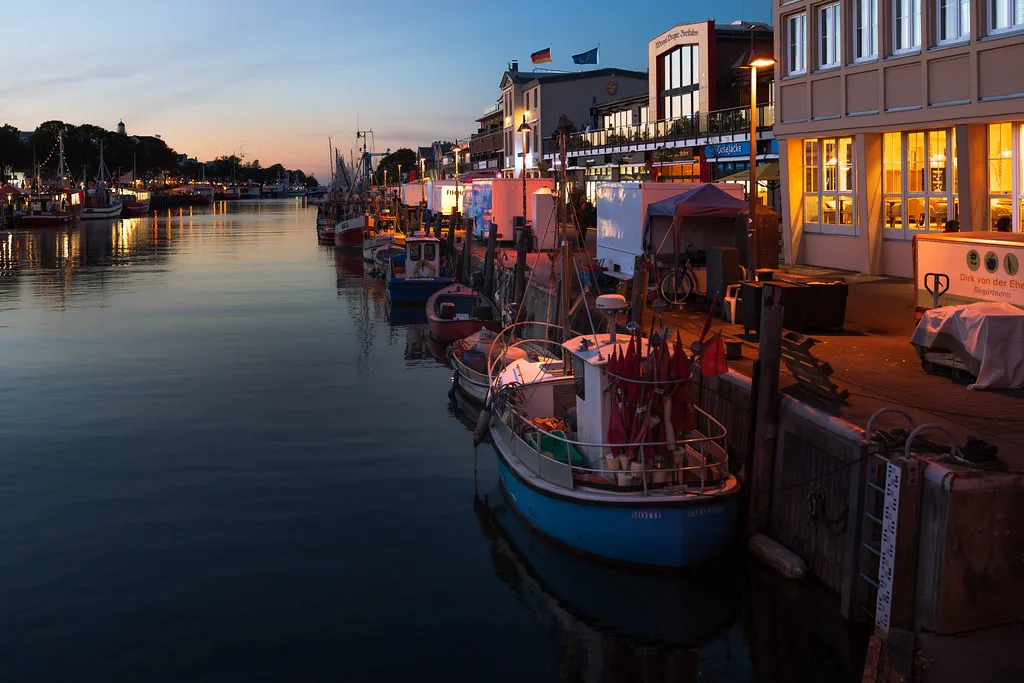
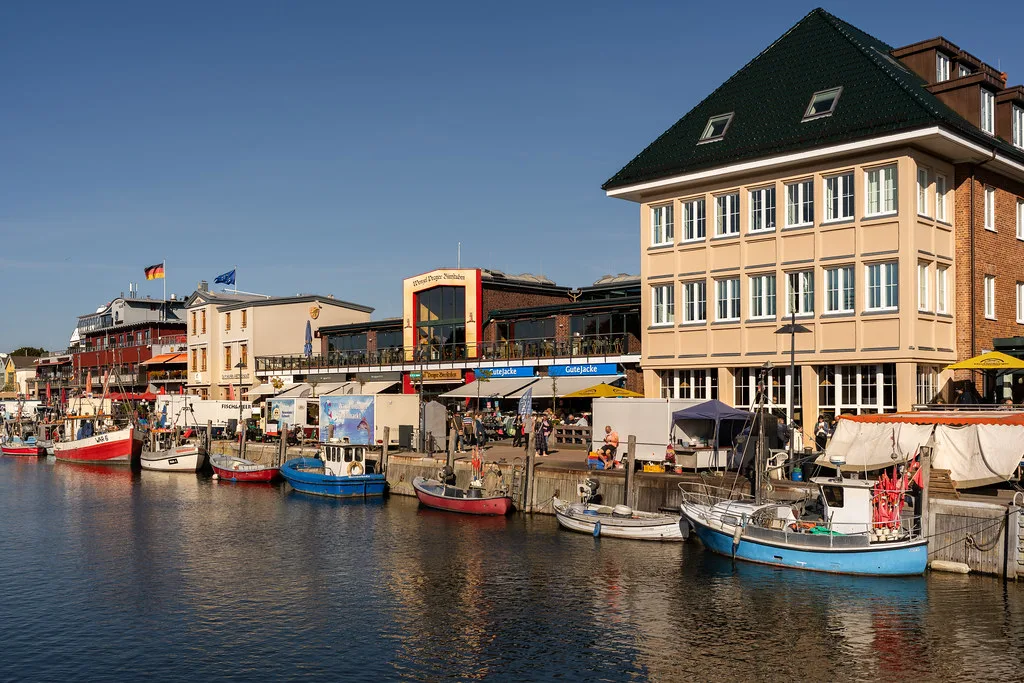
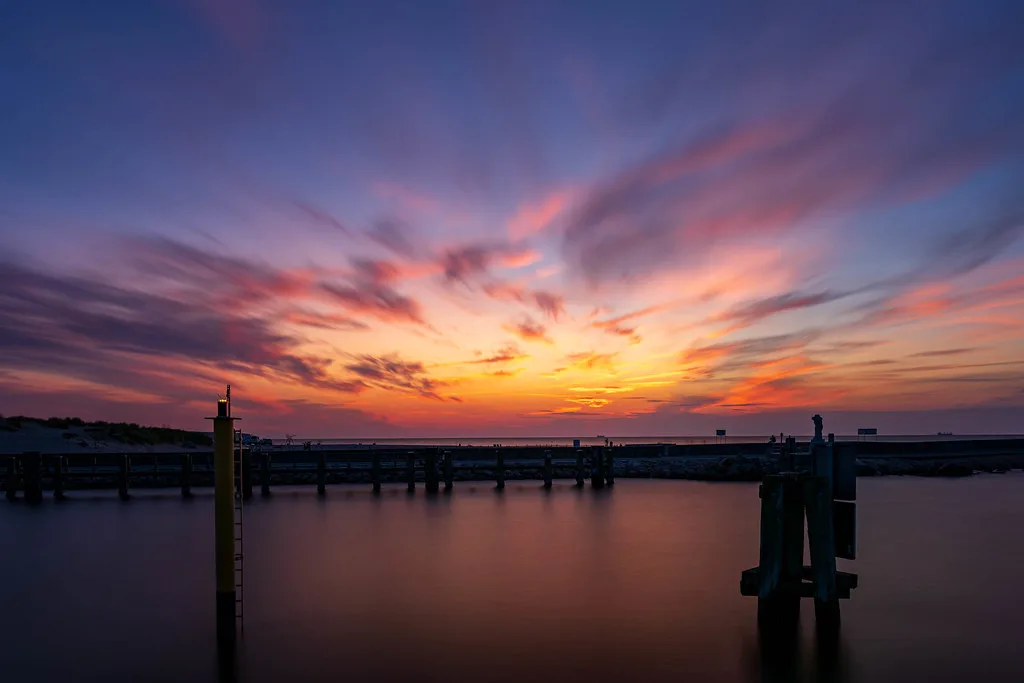
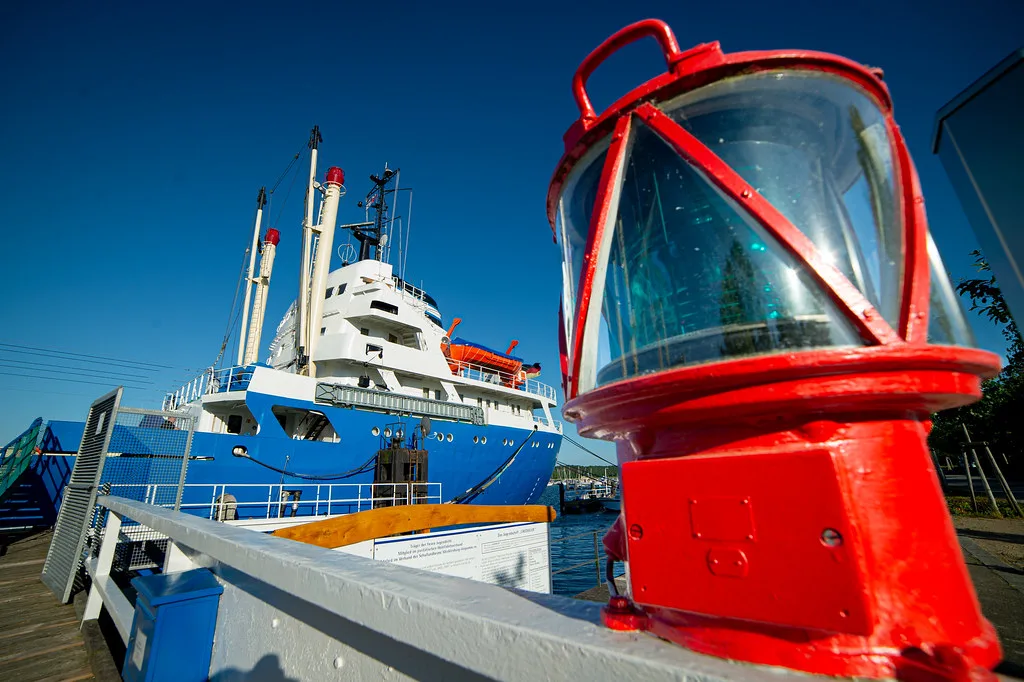
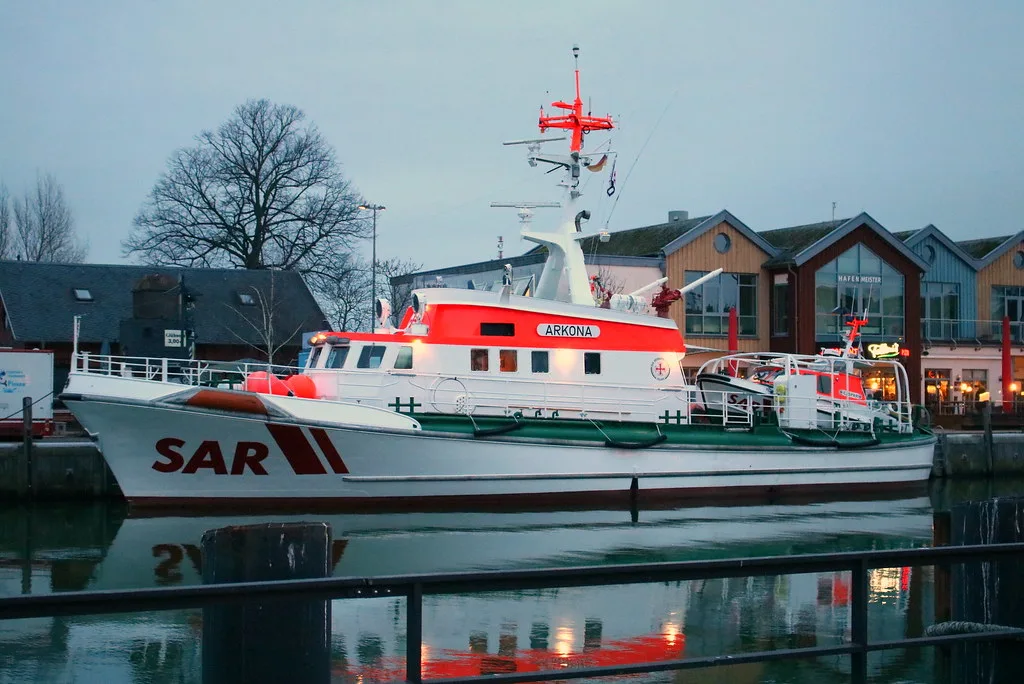
Image Credits
All photographs on this page are used under Creative Commons licenses or are original content. Individual credits are listed beneath each image. Hero image courtesy of Wikimedia Commons.
Weather & Best Time to Visit
Frequently Asked Questions
Q: Where do cruise ships dock in Rostock?
Ships dock at the Warnemünde Cruise Terminal at the mouth of the Warnow River. The lighthouse and beach are walking distance from the pier. Rostock city center is 20 minutes by S-Bahn train — cost is €2.50 single or €5 for a day pass. The terminal is fully wheelchair accessible.
Q: Can I visit Berlin from Rostock?
Yes, but it is ambitious. Berlin is 2.5 hours each way by train or organized tour. Ship excursions with guaranteed return are available, or take an early train from Rostock Hauptbahnhof independently. The round-trip fare is approximately €50-60. Requires a full day and an early start. Doable if Berlin is your priority, but you will miss exploring Rostock itself.
Q: What is a Strandkorb?
A German roofed wicker beach chair — a two-person pod with windbreak and adjustable canopy. Rent one at Warnemünde beach for €10-15 per day. It is the quintessential Baltic Sea experience and surprisingly comfortable for reading or napping on a windy beach day.
Q: Is Rostock worth visiting or should I just go to Berlin?
Rostock has genuine Hanseatic charm — St. Mary's astronomical clock, medieval town square, authentic maritime atmosphere. If you have never seen Berlin, it is worth the long day trip. But do not dismiss Rostock as merely a waypoint. It has 800 years of history, a beautiful Old Town, and the kind of honest character that rewards unhurried exploration.
Q: Is the port accessible for visitors with mobility challenges?
Warnemünde is generally flat and accessible for wheelchair users. The cruise terminal has ramps and elevators. The S-Bahn trains provide step-free access. However, Rostock Old Town has cobblestone streets that can be challenging for mobility-impaired visitors. The beach boardwalk is paved and accessible, though the sand itself is not. Overall, a visitor with moderate mobility can enjoy most of what Warnemünde offers without difficulty.
Q: What should I budget for a day in Rostock?
A reasonable budget: S-Bahn day pass €5, Fischbrötchen lunch €4-6, Strandkorb rental €12, lighthouse admission €3, coffee and pastry €5-8. Total for a comfortable day exploring both Warnemünde and Rostock: approximately €30-40 per person without major purchases. Berlin day trips cost more — budget €50-60 for train fare alone plus meals and admission fees.
Q: What's the best time of year to visit Rostock on a cruise?
Typical temperature range is 26-71°F — Hanseatic Baltic city; rain/humidity pattern: Year-round; drier spring; humidity Moderate to high (69-87%); wind Baltic winds. Peak cruise months: Jun, Jul, Aug Transitional: May, Sep Low season: Oct, Nov, Dec, Jan, Feb, Mar, Apr Months often better avoided if you can choose: Dec, Jan, Feb Beach-friendly months: Jun, Jul, Aug Align your itinerary with the activities you care about most.
Q: Is there a severe weather or storm season that affects Rostock?
Rostock is not marked as a warm-water hurricane zone in our seasonal guide. Local weather concern: Cold Baltic winters; grey November-February Cruise-day plans should still leave flexibility if weather shifts.
Q: What should I pack for Rostock's weather?
For Rostock, prioritize layers for 26-71°F — Hanseatic Baltic city conditions and be ready for Year-round; drier spring. Seasonal packing nudges: Waterproof jacket; Layers; Comfortable walking shoes; Warm hat for winter. Waterproof outer shell, comfortable walking shoes, sun protection, and a small dry-bag for tender reboarding are usually wise.
Q: Will rain ruin my Rostock port day?
Brief rain is common enough around Rostock that a flexible port-day plan beats canceling everything. Local gotchas: Historic Hanseatic League city — brick Gothic architecture; Warnemünde beach resort is 15 min away; University town — lively student atmosphere. Have one indoor or covered option, keep electronics dry, and remember many outdoor sights stay worthwhile in a light shower.