


Safaga: Where Ancient Pharaohs Meet the Red Sea's Depths
My Visit to Safaga
I woke in the dark to the rumble of the anchor chain, and when I stepped onto the balcony of our stateroom the air hit me like a warm cloth pressed against my face — dry, mineral-scented, carrying the faintest trace of diesel from the port below. It was barely five in the morning. The Egyptian coast was a silhouette of low mountains against a sky just beginning to blush pink behind the ridgeline, and the water of the Red Sea lay flat and still, so clear I could see the sandy bottom beneath our hull. My wife joined me with two cups of coffee, and we stood there in the silence, watching the light come. I had waited years for this day. We had booked the Luxor excursion months in advance, knowing it would be grueling — a three-hour drive each way across the Eastern Desert — but understanding that what waited at the other end was something I might never have the chance to see again. The Valley of the Kings. Karnak Temple. Three thousand years of human ambition carved into stone.

We gathered with our group at the pier — a basic concrete quay with no terminal building to speak of, just a dusty open space where buses lined up in rows. Our guide, a softly spoken Egyptian man named Khaled, counted heads and handed each of us a cold bottle of water. "Drink constantly," he said, his voice gentle but firm. "The desert does not forgive." I climbed aboard the air-conditioned coach and pressed my forehead against the window as we pulled away from the coast. Within twenty minutes the landscape had changed entirely. The scrubby coastal flats gave way to a vast emptiness — red-brown rock stretching to every horizon, broken by the occasional shadow of a distant mountain range. I watched a solitary hawk circling above a canyon, riding thermals in slow spirals, and I felt a strange kinship with it. We were both far from home, suspended between earth and sky, searching for something we could not quite name.
The drive was long, but it was not tedious. Khaled spoke about the history of the Eastern Desert — the ancient quarries where pharaohs mined granite for their temples, the Roman roads still faintly visible beneath centuries of sand, the Bedouin communities who had navigated this wilderness for generations by reading the stars. My wife dozed beside me, her head against my shoulder, and I found myself thinking about the passage of time — how civilizations rise and crumble and are eventually swallowed by the land that bore them. The desert is an honest teacher. It strips away pretension and leaves only what endures.
When we reached Luxor, the scale of Karnak Temple stopped me in my tracks. I had seen photographs, of course. I had read descriptions. But nothing — nothing — prepares you for the reality of standing inside the Great Hypostyle Hall, surrounded by 134 columns rising twenty meters into the air, each one carved with hieroglyphs so precise and so beautiful that my throat tightened. I ran my fingers along the grooves of a cartouche that a stonemason had chiseled more than three millennia ago, and the stone felt warm and smooth beneath my hand. I looked up and saw a strip of blue sky between the column capitals, and the sunlight fell in golden shafts through the gaps, and I heard the murmur of other visitors echoing off the stone like whispered prayers in a cathedral. My wife took my hand. "Are you all right?" she asked. I could not speak for a moment. I was not sad. I was overwhelmed — by the weight of all those centuries, by the devotion it must have taken to build something this immense, and by my own smallness standing within it.
The Valley of the Kings was quieter, more intimate. We descended a narrow staircase into the tomb of Ramesses IV, and the painted walls closed around us like the pages of a book. The colors were vivid — deep blues and golds and reds — and the scenes depicted the pharaoh's journey through the afterlife with a tenderness I had not expected. I saw images of gods extending hands to the deceased, guiding him through darkness toward light, and I felt a chill despite the heat. These were not merely decorations. They were acts of faith — a civilization's desperate, beautiful attempt to defeat death through art and devotion. I thought of my own father, who had passed away the previous spring, and I whispered his name there in the cool silence of that ancient chamber. It felt like the right place to remember him. The walls, after all, were covered with prayers for safe passage.
We returned to Safaga exhausted and sun-scorched, and I thought the day was complete. But my wife had other plans. She had arranged a late-afternoon snorkeling trip from the port — just ninety minutes, she promised, to see the reef before sunset. I was tired enough to refuse, but something in her eyes told me I should not. We boarded a small boat with peeling paint and a cheerful Egyptian captain who handed us masks and fins with the casual confidence of a man who had done this ten thousand times. The boat puttered out past the harbor wall, and then we were in open water, and the captain cut the engine and pointed down.
I slipped into the Red Sea and the world transformed. The water was warm — bathwater warm — and so clear that the reef below looked close enough to touch, though it was five meters down. I floated face-down and watched. Schools of anthias shimmered like living stained glass, orange and pink, darting between branches of coral that looked like stone forests. A parrotfish the size of my forearm crunched algae off a rock with an audible scraping sound that I could hear through the water. I saw a moray eel's head protruding from a crevice, its mouth opening and closing in that slow reptilian rhythm. And then — quietly, without fanfare — a sea turtle glided into view. It moved with an unhurried grace, its flippers sweeping like wings, and it passed so close beneath me that I could see the barnacles on its shell and the ancient patience in its dark eye. I held my breath. My heart swelled in a way I cannot fully explain.
I had spent the morning contemplating mortality in ancient tombs — the fragile human wish to persist beyond death. Here, suspended in warm water teeming with life, I felt the opposite pull: the overwhelming abundance of creation, the endless recycling of energy and form. Same country, same day, two profoundly different encounters with wonder. I floated on my back and stared up at the sky turning amber and pink, and I tasted salt on my lips, and the warm water rocked me gently, and I thought: this is enough. This single day — the desert drive, the pharaohs' tombs, the painted prayers, and now this reef alive with ten thousand creatures going about their business in the fading light — this is more than enough. This is grace.
Looking back, I realize what Safaga taught me. It is not a glamorous port. The town itself is dusty and functional, the pier is basic, and the facilities are sparse. But Safaga is a gateway — perhaps the most extraordinary gateway on any cruise itinerary — because it connects you to things that matter in ways most ports cannot. Luxor connects you to humanity's deep past, to the astonishing persistence of faith and art across millennia. The Red Sea connects you to the living world beneath the surface, a world so abundant and so beautiful that it recalibrates your sense of what is possible. I learned that the value of a port is not always measured by what you find on the dock. Sometimes the value lies in what the port gives you passage to reach. My wife and I walked back to the ship that evening sunburned and weary and deeply grateful, and as I looked out from our balcony one last time, watching the stars appear above the dark Egyptian mountains, I said a quiet prayer of thanks — for safe passage, for sound health, for the gift of a day I will carry with me for the rest of my life.
Featured Images
The Cruise Port
What you need to know before you dock.
- Terminal: Safaga Port is a working commercial harbor with basic facilities. There is no formal cruise terminal building — tours and transport meet passengers at the pier. The pier surface is flat concrete, generally accessible for wheelchair users and those with limited mobility, though conditions can be dusty.
- Distance to Luxor: 230 km (143 miles), requiring a 2-3 hour drive each way across the Eastern Desert highway. Full-day excursions typically last 12-14 hours, departing before dawn.
- Tender: No — ships dock directly at the commercial port pier.
- Currency: Egyptian Pound (EGP). USD widely accepted at tourist sites, but change is given in pounds. ATMs available at larger hotels in Hurghada.
- Language: Arabic is the official language. English widely spoken at tourist locations, by guides, and at hotel resorts.
- Dress Code: Modest clothing recommended for temple visits — shoulders and knees should be covered. Beach attire is fine at resorts and dive sites along the coast.
- Best Season: October through April offers milder temperatures ideal for the Luxor drive and desert excursions. Summer months (May-September) can exceed 40°C (104°F) and the desert crossing becomes particularly grueling.
Getting Around
Transportation tips for cruise visitors.
- Ship Excursions: For the Luxor day trip, a ship excursion or pre-booked private tour is strongly recommended over independent travel. The journey is long, the route is remote, and having guaranteed return to the vessel before departure provides essential peace of mind. Ship excursion costs for the Luxor full-day tour typically run $150-250 per person depending on inclusions. This is the most popular option and books out quickly.
- Private Guides: Independent tour operators offer smaller-group Luxor excursions at competitive prices — typically $80-140 per person. Book ahead through reputable agencies with verified reviews. A good private guide can customize the itinerary and spend more time at sites that interest you most. Always confirm the guide is licensed and carries proper insurance.
- Taxis: Available at the port for travel to Hurghada (about 60 km north, fare approximately $30-40 one way) or local beach resorts. Agree on the fare before departing. Taxis are not metered, so negotiation is expected and standard practice.
- Hurghada Transfer: The nearby resort town of Hurghada offers more developed infrastructure — shopping, restaurants, a marina, and beach clubs. Shuttle services and taxis run regularly between Safaga port and Hurghada, with the journey taking approximately 30-45 minutes depending on traffic.
- Dive Boat Operators: Several dive operators run half-day and full-day boat trips from the port area. Cost is typically $60-90 per person for a two-dive trip including equipment rental. Snorkeling-only trips are available at lower cost, around $35-50 per person. Wheelchair accessible dive boats are limited, so contact operators in advance if you have mobility needs.
- Walking: Safaga town itself is small and walkable, though there is limited interest for tourists beyond the port area. The town center is about a 10-minute taxi ride from the pier. Walking from the pier into town is not particularly scenic or practical in the heat.
Safaga Area Map
Interactive map showing cruise terminal, dive sites, desert routes, and the journey to Luxor. Click any marker for details and directions.
Excursions & Activities
How to spend your time ashore. For the Luxor excursion, book ahead well in advance — spaces fill quickly and this is a ship excursion that guarantees your return to the vessel. Independent travelers should confirm pickup times carefully, as missing the ship in Safaga would leave you in a remote port with limited onward travel options.
Valley of the Kings & Luxor Temples
The signature excursion from Safaga — a full day lasting 12-14 hours including the desert drive each way. The itinerary typically covers Karnak Temple with its 134 towering columns, Luxor Temple on the Nile's east bank, the Valley of the Kings with its painted royal tombs, and the mortuary temple of Hatshepsut carved into the cliffs. Early departure is essential (often 5:00-5:30am). A ship excursion costs approximately $180-250 per person and provides guaranteed return to the ship. Independent tours through reputable operators run $90-150 per person. The day is physically demanding — temperatures at the sites can exceed 38°C — but the experience is profoundly unforgettable. Bring comfortable walking shoes, a hat, sunscreen, and at least two liters of water per person. Temple sites are partially accessible for visitors with mobility limitations, with some flat areas and ramps, though the tombs in the Valley of the Kings require descending steep staircases.
Red Sea Diving & Snorkeling
Safaga's coral reefs are among the most pristine in the Red Sea, with visibility often exceeding 30 meters. Panorama Reef and Tobia Arbaa are the standout dive sites, featuring wall dives, coral gardens, and abundant marine life including dolphins, sea turtles, reef sharks, and hundreds of species of tropical fish. Half-day dive trips for certified divers run approximately $70-90 including two dives and equipment. Snorkeling excursions are more accessible for everyone and cost around $35-50 per person. Book ahead during peak season through established operators with good safety records. The warm water (24-28°C year-round) makes this an ideal destination for both beginners and experienced divers.
Therapeutic Black Sand Beaches
Safaga's beaches contain black sand with a unique mineral composition documented for therapeutic benefits. Combined with the dry climate, mineral-rich waters, and naturally filtered UV light, the area has attracted visitors seeking treatment for psoriasis and other skin conditions. Several coastal resorts offer spa treatments utilizing these natural resources, with day passes running approximately $40-60 per person including beach access and facilities.
Desert Safari & Bedouin Village
Quad bike or 4x4 excursions into the Eastern Desert offer a dramatically different experience from the coastal port. Visit authentic Bedouin communities, experience traditional tea ceremonies with aromatic herbs, and learn about desert survival techniques passed down through generations. Sunset trips are particularly beautiful, with the mountain vistas turning gold and purple. Half-day desert safaris cost approximately $50-80 per person. Book ahead through your ship excursion desk or a reputable local operator.
Hurghada Day Trip
The larger resort town of Hurghada lies about 60 km north and offers more developed beach infrastructure, shopping at the marina, an aquarium, and an atmospheric Old Town area with traditional architecture. A good independent alternative if the Luxor drive seems too ambitious and you prefer beach amenities and dining options. Taxi fare runs approximately $30-40 each way.
Local Markets & Harbor Area
Safaga town offers an authentic Egyptian market experience without heavy tourist crowds. Small shops sell spices, textiles, and local handicrafts at genuine local prices. The working harbor provides a glimpse into Egypt's phosphate export industry. Allow 1-2 hours. Independent exploration is straightforward here, though the heat limits comfortable walking time during summer months.
Local Food & Drink
- Ful Medames: Slow-cooked fava beans with olive oil, lemon, garlic — the Egyptian breakfast staple. Cost is typically 20-30 EGP ($1-2).
- Koshary: Beloved street food mixing rice, lentils, pasta, chickpeas, crispy onions, and spicy tomato sauce. A filling meal for about 30-50 EGP ($2-3).
- Grilled Fresh Fish: Red Sea catch — grouper, red snapper, calamari — simply grilled with tahini sauce. Available at Hurghada's waterfront restaurants for about 150-250 EGP ($5-10).
- Molokhia: Jute leaf soup with a distinctive earthy flavor, often served with rice and chicken.
- Hibiscus Tea (Karkadeh): Tart, refreshing, served hot or iced. A natural, caffeine-free drink ubiquitous across Egypt.
- Egyptian Coffee: Strong, thick, often cardamom-spiced. Sipped slowly from small cups — never rushed.
Depth Soundings Ashore
Lessons learned the hard way.
- Luxor Departure Time: The bus leaves at dawn — 5:00 or 5:30am — and will not wait. Set multiple alarms. Eat breakfast the night before (grab items from the buffet) because the dining room will not be open that early. The drive is three hours each way, so pack snacks, water, and entertainment for the road.
- Hydration is Critical: The Eastern Desert and Luxor temple sites are brutally hot, even in the cooler months. I carried two liters of water and ran out before the afternoon. Bring three liters per person. Dehydration creeps up silently and can ruin an otherwise extraordinary day.
- Photography at Tombs: Cameras are allowed inside the Valley of the Kings tombs, but there is an additional fee of about 300 EGP ($10) for a photography permit. Flash photography is strictly prohibited to protect the ancient pigments. The dim lighting makes a good camera essential — phone cameras struggle in the low light.
- Tipping Culture: Tipping is expected and appreciated in Egypt. Budget 50-100 EGP per person for the guide, 20-50 EGP for the driver, and small amounts for restroom attendants at the sites. Having local currency in small denominations makes this easier — break large bills at the hotel or ship.
- Reef Safety: Do not touch the coral — it is both fragile and potentially sharp enough to cause cuts that heal slowly in the salt water. Wear reef-safe sunscreen. If you are prone to seasickness, take medication before the dive boat trip; the Red Sea can be choppy.
- Evening Return: The Luxor excursion returns late — often 7:00 or 8:00pm. Plan for a quiet evening aboard ship. Your legs and feet will thank you for the rest after a day of climbing tomb staircases and walking temple complexes.
Practical Information
- Time Zone: Egypt Standard Time (UTC+2). Egypt does not observe daylight saving time.
- Electricity: 220V, 50Hz. Type C and Type F plugs (European two-pin). Bring an adapter if traveling from the US or UK.
- Water: Drink bottled water only. Widely available at the port and from tour guides. Budget 10-20 EGP per bottle.
- SIM Cards: Available at Hurghada shops (Vodafone, Orange, Etisalat). Tourist SIMs cost around 150-200 EGP with data. Coverage is reliable along the coast and on the Luxor highway.
- Emergency: Tourist police are present at all major sites. Egypt's emergency number is 122 (police) or 123 (ambulance).
- Visa: Most nationalities can purchase a visa on arrival in Egypt ($25 USD, single entry). Cruise passengers on organized excursions typically have visa requirements handled by the tour operator. Check with your cruise line before arrival.
Photo Collection
Photo Gallery
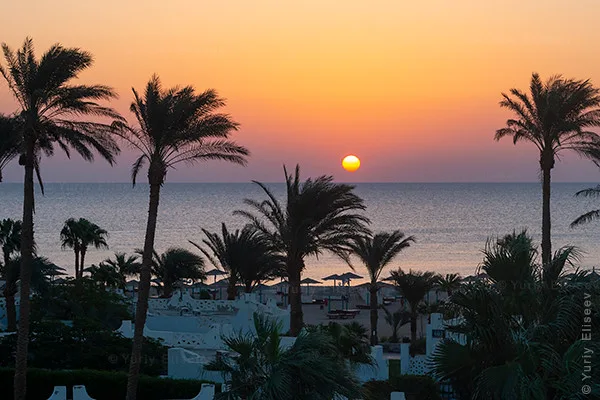
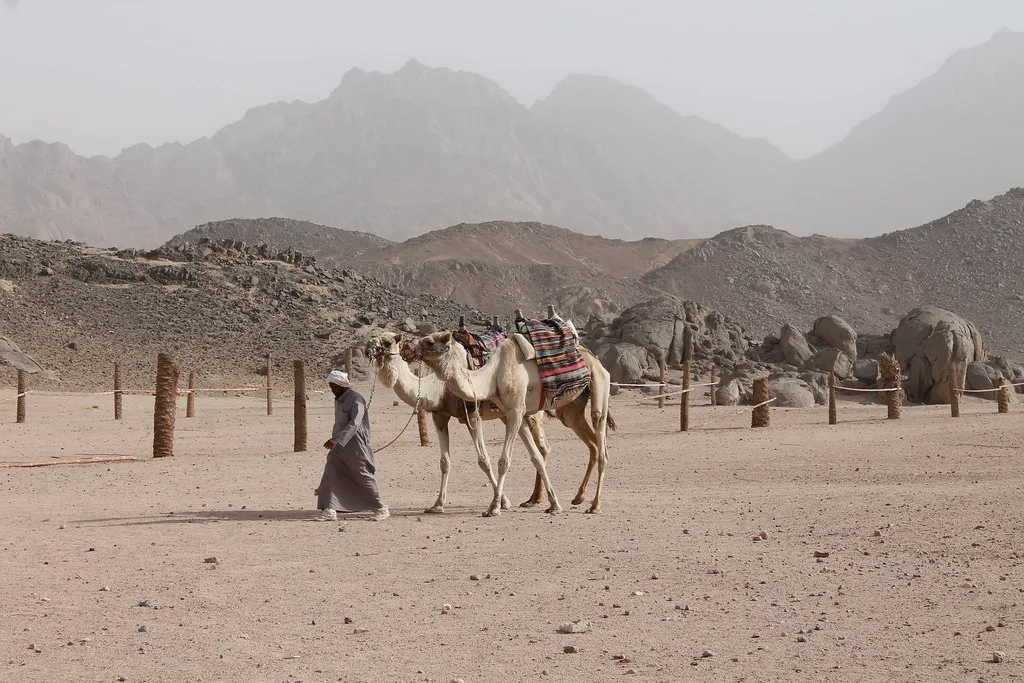
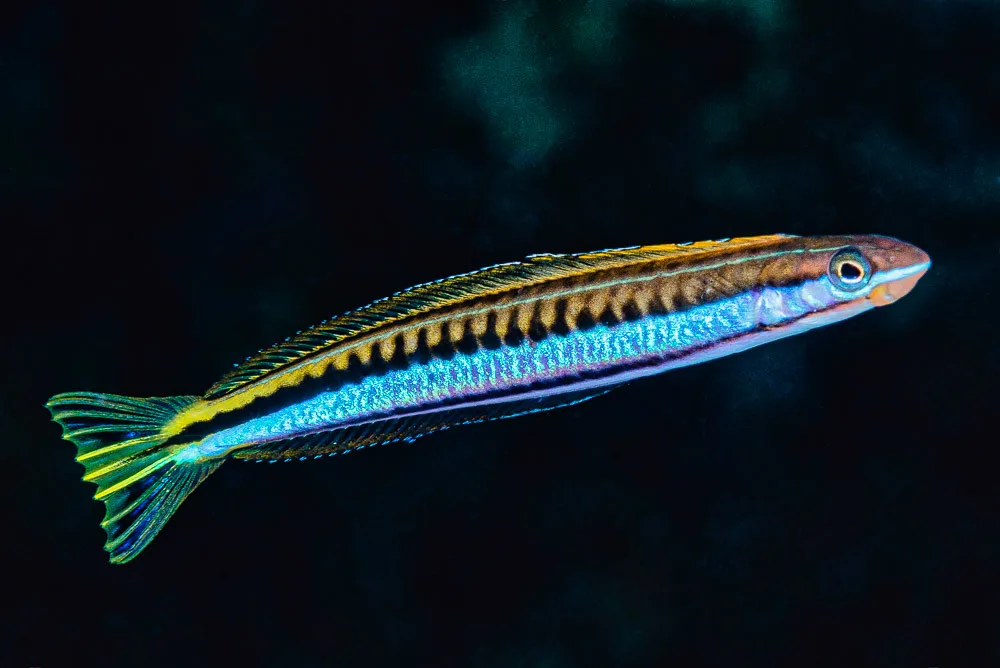
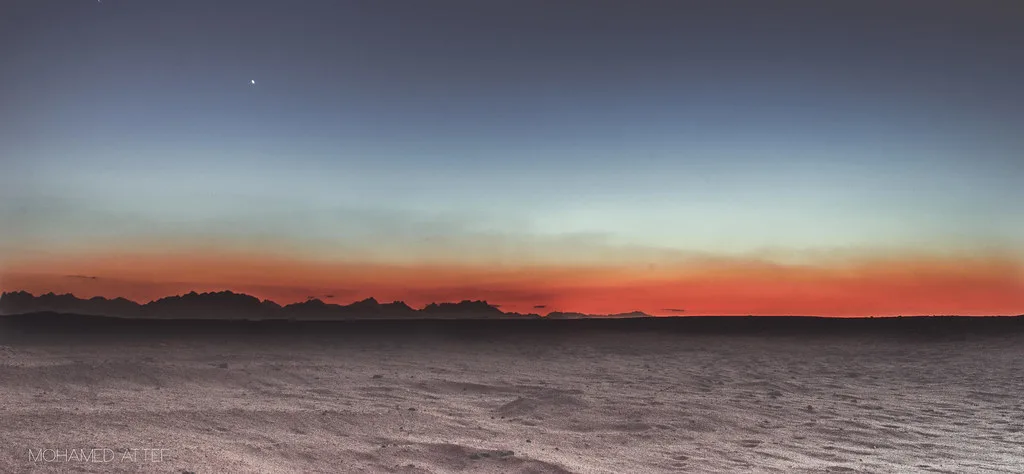
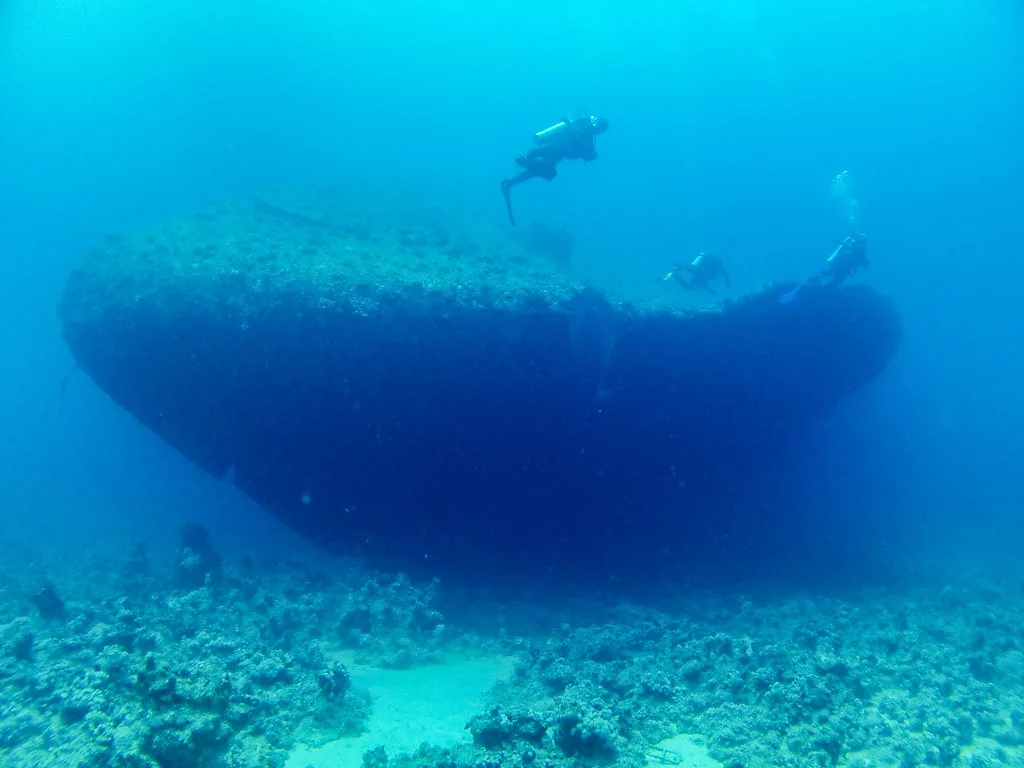
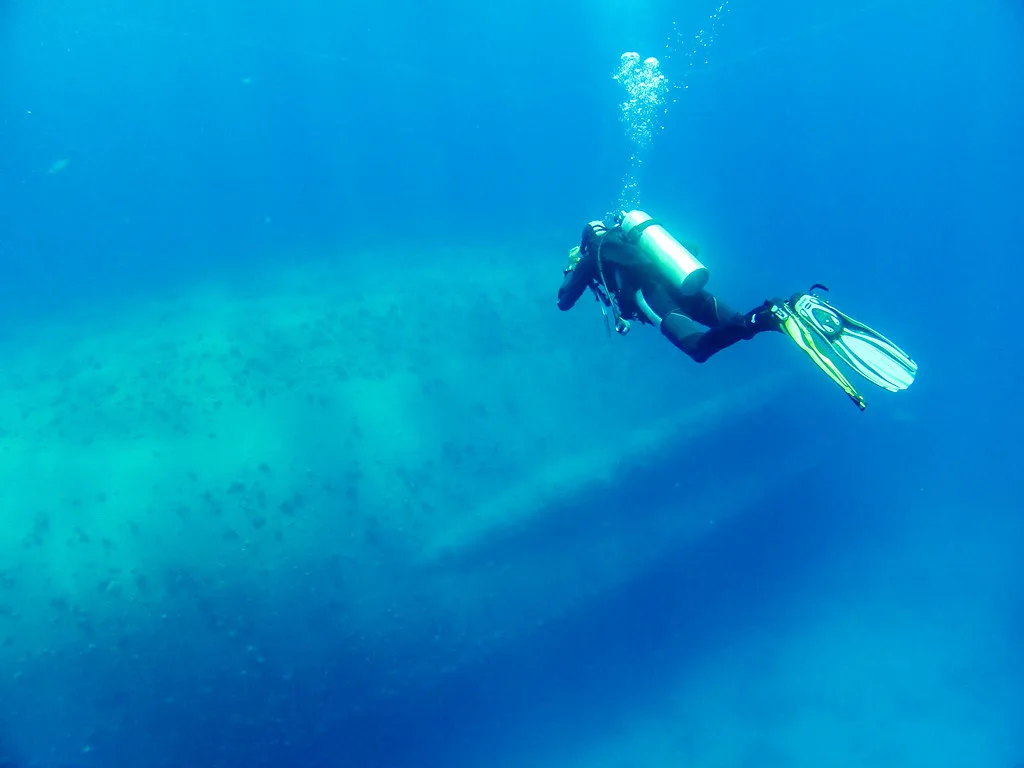
Image Credits
- Hero image: Wikimedia Commons (CC BY-SA) — dronepicr
- All reef and underwater images: Wikimedia Commons (CC BY-SA)
Frequently Asked Questions
Q: How far is Luxor from Safaga cruise port?
A: About 230 km (143 miles), requiring 2-3 hours each way by highway. Full-day tours last 12-14 hours total, departing before dawn and returning in the evening. The drive crosses the Eastern Desert on a modern highway with tourist police escorts.
Q: Is the Luxor drive safe?
A: Yes. The highway is modern and well-maintained, with tourist police providing escorts for tour buses. Reputable tour operators maintain excellent safety records. The route is straightforward, passing through desert terrain with no urban congestion.
Q: Is Safaga good for snorkeling and diving?
A: Excellent. The coral reefs near Safaga are among the most pristine in the Red Sea, with exceptional visibility often exceeding 30 meters and abundant marine life. The area is less crowded than Sharm el-Sheikh, offering a more intimate diving experience. Both certified divers and snorkelers will find outstanding reef access.
Q: What should I wear in Egypt?
A: Modest clothing is recommended, especially at temple sites — shoulders and knees should be covered. Beach attire is fine at resorts, dive boats, and coastal areas. Comfortable closed-toe walking shoes are essential for the Luxor sites, where terrain is uneven and temperatures make sandals impractical.
Q: Do I need Egyptian currency?
A: USD is widely accepted at tourist sites, but local currency (EGP) is helpful for markets, tips, and small purchases. ATMs are available in Hurghada. Carry small denominations for tipping. Credit cards are accepted at larger hotels and resort shops but not at local markets or small vendors.
Q: Is Safaga accessible for visitors with limited mobility?
A: The pier itself is flat concrete and generally accessible for wheelchair users. However, the Luxor excursion involves significant walking on uneven ground and steep staircases into tombs, making it challenging for those with mobility difficulties. Snorkeling boat trips and beach resort visits are more accessible alternatives, though visitors should confirm accessibility with specific operators in advance.
Q: What is the best time of year to visit Safaga?
A: The seasonal panel above lists Peak Season as "Nov, Dec, Jan, Feb, Mar," Transitional Season as "Apr, Oct," and Low Season as "May, Jun, Jul, Aug, Sep." The avoidance note flags "Jul, Aug" with reason "(extreme heat exceeding 45°C/113°F)." Use the live weather widget in the seasonal panel for current short-term conditions.
Q: What is Safaga's storm season?
A: The Weather Hazards panel above is built around the extreme-heat concern rather than tropical-storm risk — the hazard-note reads: "Stay hydrated; limit outdoor exposure; choose air-conditioned attractions." The avoidance note in the Best Time block flags "Jul, Aug" for "(extreme heat exceeding 45°C/113°F)." The page does not include tropical-cyclone or monsoon hazard data. For current conditions on any sailing date, the live weather widget in the seasonal panel above is the primary source.
Q: Will rain ruin my Safaga port day?
A: The seasonal panel does not give Safaga-specific rainfall data — the Rain entry reads "Seasonal variation — check forecast." The hazard panel emphasizes heat, not rain — the hazard-note reads "Stay hydrated; limit outdoor exposure; choose air-conditioned attractions." The avoidance note flags "Jul, Aug" for "(extreme heat exceeding 45°C/113°F)." The live weather widget in the seasonal panel is the source for short-term forecasts on a specific sailing date.