


Captain's Logbook
Booking guidance: Ship excursion options provide guaranteed return to port and are worth considering for first-time visitors. For those who prefer to explore independently, local operators often offer competitive rates — book ahead during peak season to secure your preferred times. Whether you choose a ship excursion or go independent, confirm departure times and meeting points before heading out.
Saguenay: My Fjord Fantasy
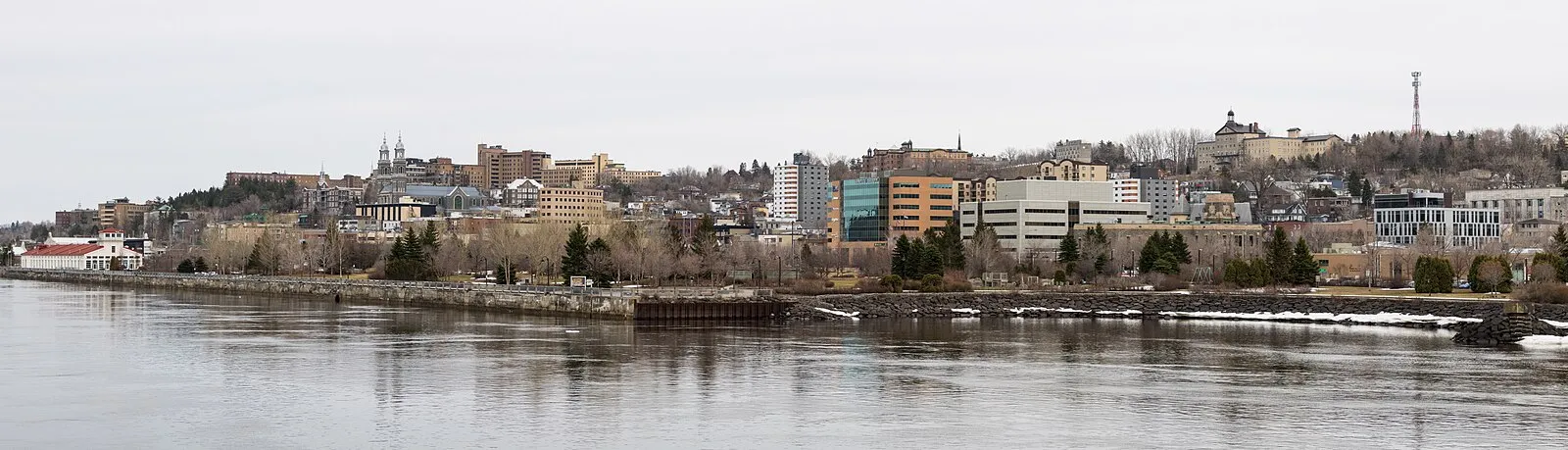
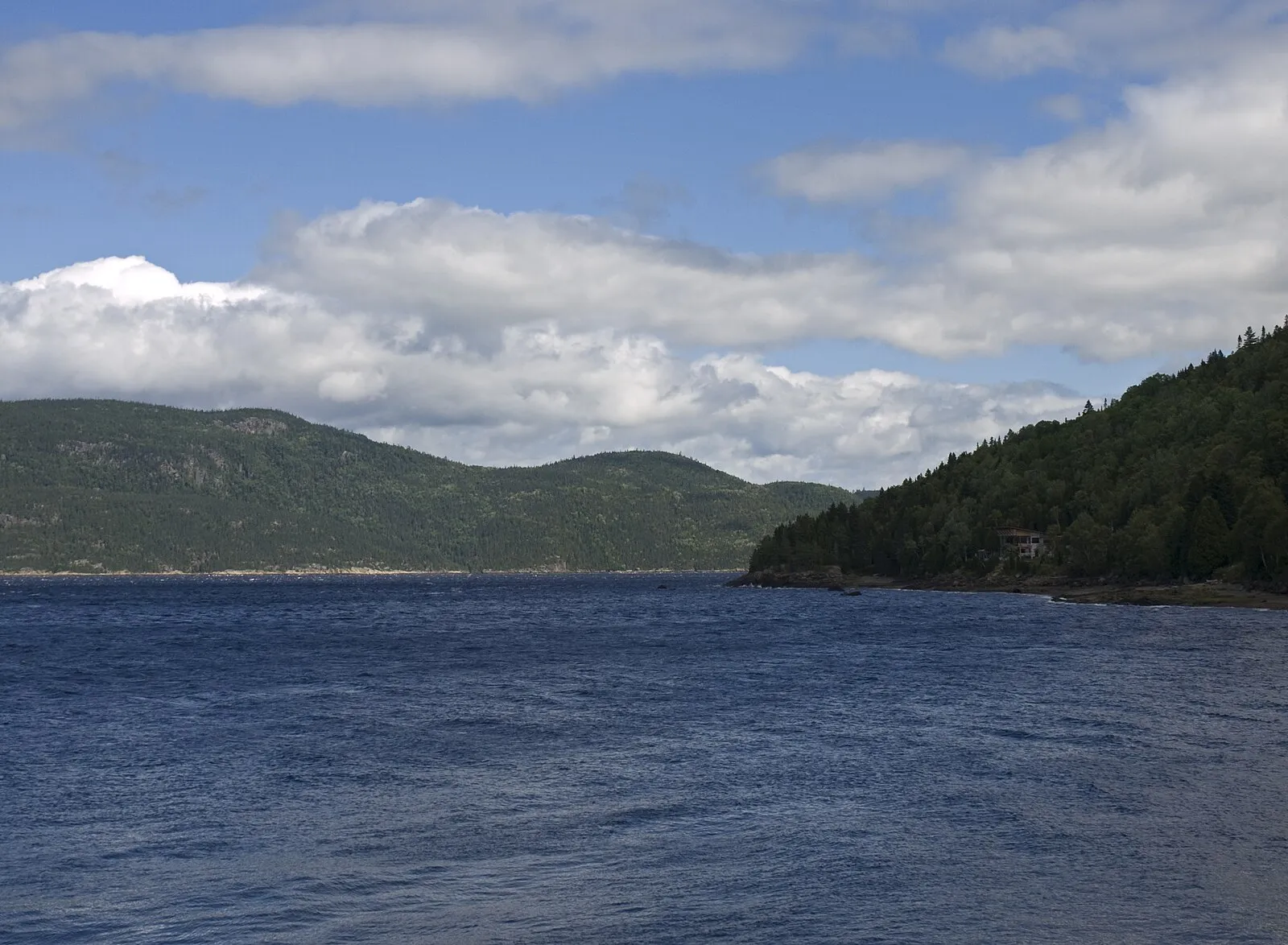
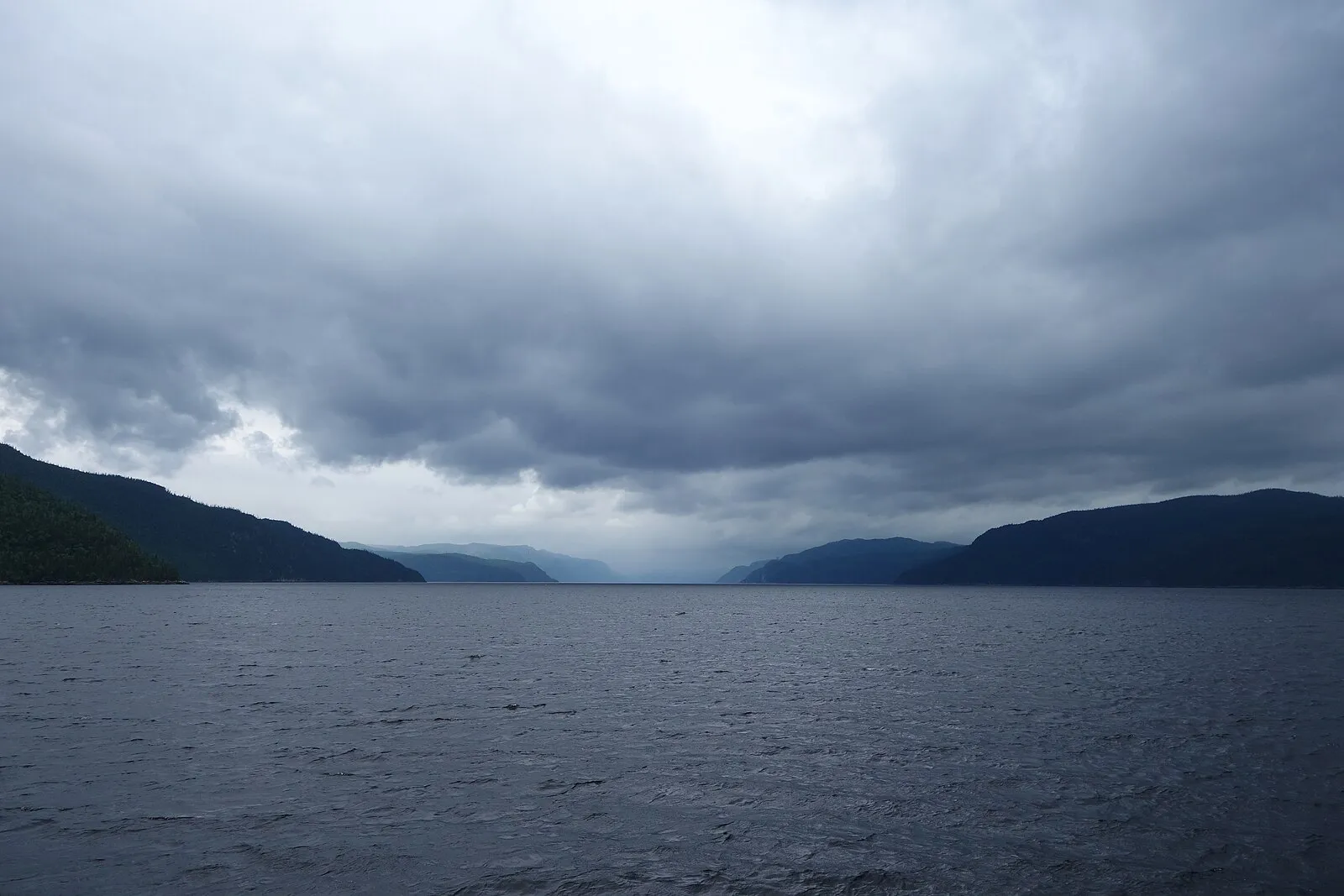
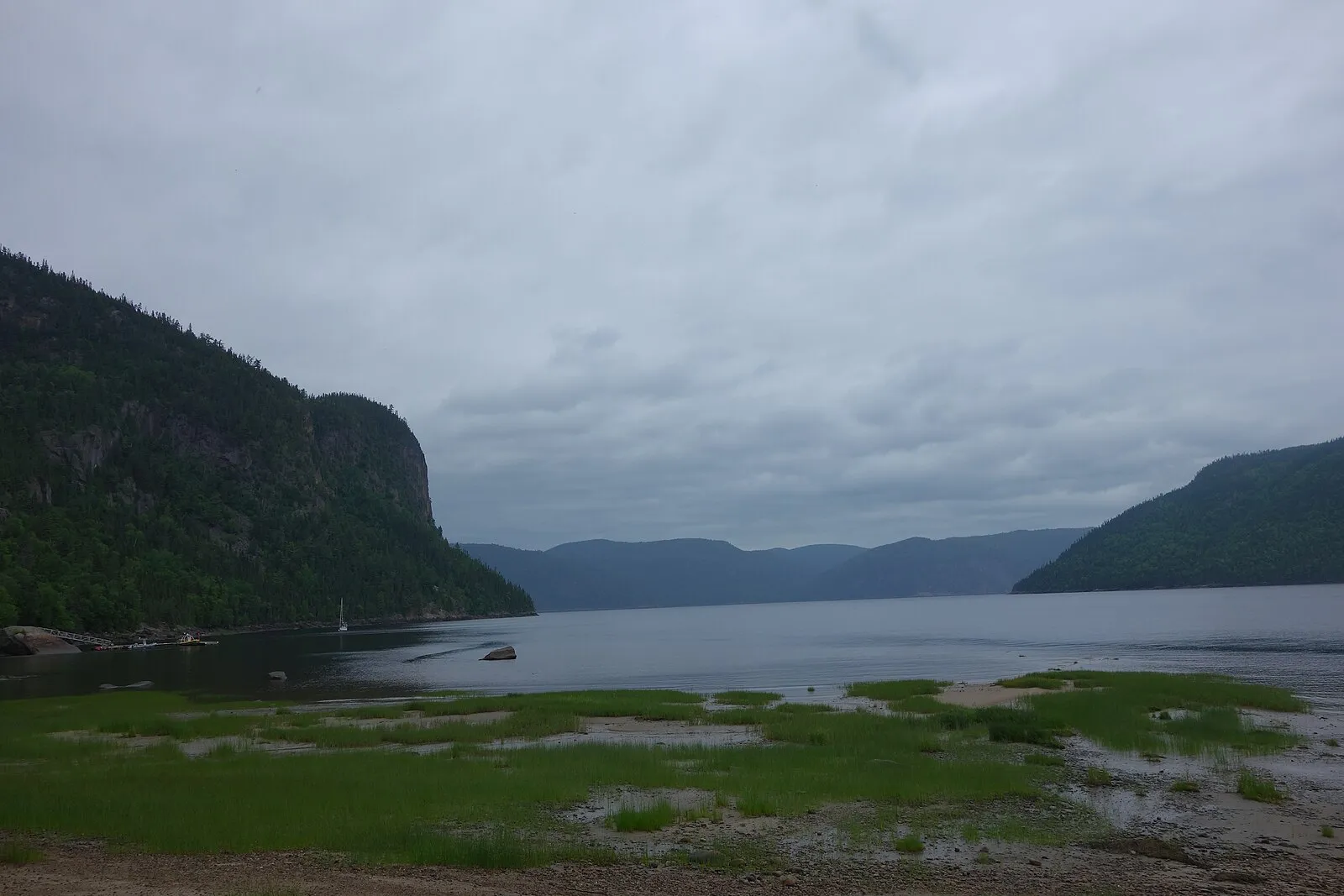
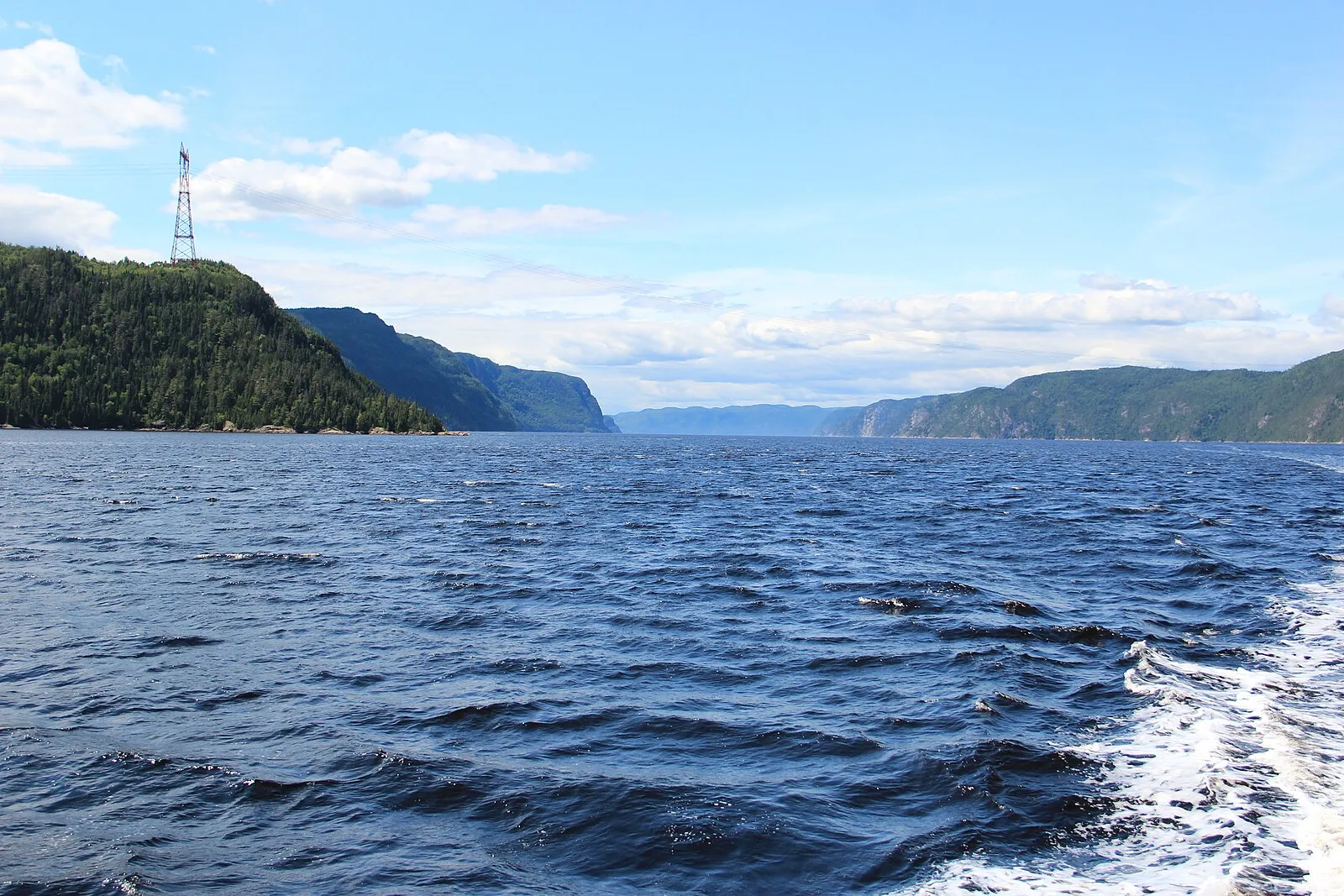
The approach to Saguenay is worth every mile—our ship traced the path Jacques Cartier first sailed in 1535, navigating North America's only navigable fjord, a great graben carved 200 million years ago and sculpted by glaciers into something otherworldly. For 105 kilometers we sailed between cliffs that soared 350 meters overhead, the dark waters plunging 270 meters beneath our keel.
We docked at La Baie, the agricultural settlement founded in 1838 that grew into a timber town when the Chicoutimi sawmill opened in 1842. The Innu peoples knew this fjord for thousands of years before Europeans arrived, and that ancient presence still whispers through the landscape. Tadoussac, eight years older than Quebec City itself, was already a thriving trading post by 1600—the first French settlement in New France.
I took a zodiac tour where beluga whales surfaced beside us—white ghosts in obsidian water, feeding in the same waters their ancestors have known for millennia. These belugas are why the fjord became a national park on June 8, 1983, protecting both the whales and this geological wonder.
Later I visited the Cap Trinité statue of the Virgin Mary, erected in 1881 and still watching over the fjord from her perch on the cliffs. Sainte-Anne church held me spellbound with its painted interior—folk art that speaks of the faith that sustained these communities through hard winters and harder labor at the pulp mills built in 1898.
I finished with poutine topped with wild mushrooms at a local café, the kind of meal that connects you to the land—simple, honest, exactly what you want after a day of beauty and history.
A word about the weather: even in September, the air at Saguenay carried a sharp chill that caught several passengers off guard. I was glad I had packed a proper jacket rather than just a sweater. The zodiac whale-watching tour ran about $65 CAD per person and lasted roughly two hours — well worth the investment, though I would recommend booking through the ship's excursion desk to guarantee your spot, since independent operators sometimes fill up when multiple ships are in port. The ride itself was smooth until we reached the confluence where the Saguenay meets the St. Lawrence, and then the swells picked up enough that I gripped the rope handles with real conviction. The belugas surfaced close enough that I could hear them exhale — a soft, breathy sound that carried across the dark water like a whisper. Back on shore, the walk from the dock to Sainte-Anne church took about fifteen minutes along a quiet residential road lined with painted clapboard houses in reds and blues. I stopped at a small boulangerie where a woman sold me a butter tart still warm from the oven for $2 CAD, and we stood outside eating it while the fjord cliffs turned amber in the late-afternoon light. The whole region smelled of spruce and cold stone and something faintly sweet that I later realized was wild blueberries growing along the roadsides. For a port that many passengers had never heard of before seeing it on their itinerary, Saguenay delivered one of the most quietly stunning days of the entire voyage.
I would also encourage anyone visiting to spend time simply standing on the dock and watching the fjord. The water is almost black, reflecting the cliffs in a way that makes the landscape feel twice its actual size, and the silence is so deep you can hear the trees creak on the ridge far above. We met a local guide near the church who told us that the Innu name for the Saguenay River means "where the water comes out," and that the first Europeans to navigate the fjord described it as terrifying and magnificent in equal measure — a description that still holds perfectly. The Musee du Fjord near La Baie offered a small but thoughtful exhibit on the region's geology and ecology for about $10 CAD, and the staff were generous with their time and clearly proud of this landscape. If you have an extra hour, the Sentier de la Croix trail near Riviere-Eternite climbs steeply but rewards you with a panorama of the entire fjord that made several passengers on our excursion go completely silent.
The fall colours in late September were extraordinary — maples blazing orange and crimson against the dark spruce, the whole hillside looking like it had been painted by someone who did not believe in restraint. I had visited New England foliage before and thought I understood what autumn could do, but the Saguenay Fjord in fall is something else entirely. The scale of it — those massive cliffs wearing their autumn colours while the black water below reflected them back — created a doubling effect that made the landscape feel almost hallucinatory in its beauty. I took dozens of photographs and none of them captured what my eyes were seeing. The camera could not hold the depth, the cold air on my face, the sound of geese passing overhead in formation.
I had expected Saguenay to be a quiet port — a scenic interlude between the bigger stops on our Canada and New England itinerary. What I found instead rearranged my understanding of what a port day could be. Standing on the Sentier de la Croix trail, looking down at the fjord from a height that made the water below look like polished obsidian, I felt something I can only describe as recognition — the sensation of arriving somewhere your body has never been but your soul seems to remember. The silence up there was not empty. It was full of wind and birdsong and the distant sound of water moving through rock, and I stood in it for a long time, letting it fill the places that daily life had hollowed out. I had not known I needed this. I had not known that a geological formation — ancient rock, cold water, persistent trees — could feel like a conversation. My breath caught as a single beluga surfaced in the stillness below, its white back catching the autumn light, and my eyes filled with tears at the quiet grace of it — this ancient creature breathing in this ancient place while the fall colours blazed around us like something whispered by the land itself.
That silence, I think, was the fjord's real gift — not the whales or the cliffs or the painted churches, but the rare sensation of standing somewhere so vast and so still that your own life feels both very small and perfectly held.
Looking back on Saguenay, what stays with me is how the fjord taught me a different pace. Every other port on our itinerary had demanded motion — walking faster, seeing more, photographing everything. Saguenay asked me to stop. To stand on a dock and watch black water. To sit in a painted church and let the silence settle. To eat a butter tart on a quiet street and notice the colour of the houses. The fjord itself is 105 kilometres of geological patience — two hundred million years of slow, relentless shaping — and something about being inside that timescale, even briefly, recalibrated my sense of what matters. I think about those belugas more than I think about any cathedral or castle from the entire voyage. Not because they were the most spectacular thing I saw, but because they were the most real — white shapes surfacing in dark water, breathing the same cold air I was breathing, living their ancient lives in a landscape that has been exactly this beautiful since long before anyone was here to notice.
Weather & Best Time to Visit
The Cruise Port
Ships dock at the Bagotville wharf (Quai de Bagotville) in the La Baie sector of Saguenay. The facility is modest compared to major cruise terminals — a small welcome tent or building with tourist information, local artisan vendors, and sometimes live folk music. There is no large terminal building. A shuttle service typically operates between the dock and the town of La Baie, a short five-minute ride, though the walk is also manageable at about ten minutes along a quiet road.
When multiple ships are in port (increasingly common on Canada/New England itineraries), the dock area can feel crowded. Shuttle buses and tour operators queue near the gangway. Currency exchange is not available at the port — bring Canadian dollars or use a bank ATM in Chicoutimi, roughly 20 minutes away. Cell service is adequate near the dock but can be spotty in the fjord itself. The port area is flat and wheelchair accessible, though excursions into the fjord and hiking trails present significant accessibility challenges.
Getting Around
Saguenay is not a walkable destination beyond La Baie's small town centre. Most attractions require transportation. Shuttle buses from the wharf provided by the cruise line or local operators are the primary option — these typically run loops between the dock, La Baie, and Chicoutimi. A shuttle to Chicoutimi costs about $5-10 CAD each way and takes 20 minutes. These shuttles are the lifeline for independent exploration and usually begin running shortly after the ship clears passengers.
Taxis are available but limited in number, so they fill up quickly when ships are in port. Expect to pay approximately $15 CAD for a one-way trip to La Baie centre and $20-25 CAD to reach Chicoutimi. Public transit is very limited — the regional bus service runs infrequently and is not timed to ship schedules, making it impractical for cruise visitors. For Tadoussac and whale watching (over two hours each way), you will need either a ship excursion or a pre-booked tour operator. The reality is that most visitors use ship excursions or taxis to reach anything beyond walking distance, as this is a remote region without the transit infrastructure cruise passengers may expect. Renting a car is possible in Chicoutimi but impractical for a single port day unless you are an experienced driver comfortable with Quebec's highway system. Walking within La Baie itself is pleasant — flat roads, quiet neighborhoods, and a handful of small shops and cafes within a 15-minute radius of the dock.
Saguenay Area Map
Interactive map showing cruise terminal and Saguenay attractions. Click any marker for details.
Excursions & Activities
Saguenay Fjord National Park (Parc National du Fjord-du-Saguenay)
The park protects the dramatic fjord landscape and offers hiking trails, lookout points, and interpretation centres. Entry fees are $9 CAD per adult. The Sentier de la Statue trail leads to the famous Cap Trinite statue of the Virgin Mary, a steep but rewarding 7.5-kilometre round trip. The Sentier de la Croix offers panoramic fjord views from a shorter but equally steep climb. Ship excursions to the park run $60-90 CAD and include transport and guided interpretation with guaranteed return to port. Independent visitors can book ahead with local operators or arrange taxis. Moderate to high energy depending on trail choice. Allow a full half-day for any park visit.
Whale Watching from Tadoussac
Tadoussac sits at the confluence of the Saguenay and St. Lawrence rivers, where cold nutrient-rich waters create ideal feeding grounds for belugas, minke whales, fin whales, and occasionally humpbacks and blue whales. Zodiac tours cost $65-80 CAD per person and last 2-3 hours; larger boat tours run $50-70 CAD. The drive from Bagotville to Tadoussac takes over two hours each way, so this is a full-day commitment. Ship excursions handle the logistics and typically cost $120-180 CAD. Book early — these sell out quickly when ships are in port. Moderate energy; dress warmly as conditions on the water are significantly colder than on shore.
Via Ferrata du Parc Aventures Cap Jaseux
An exhilarating cliff-face climbing route above the fjord, suitable for beginners with a guide. The course costs roughly $45 CAD per person and takes 2-3 hours. Participants clip into a steel cable system and traverse rock faces, suspension bridges, and ladders with the fjord far below. Pre-booking is essential. The adventure park also offers ziplines and tree-top courses. Located about 30 minutes from the cruise port. High energy; not suitable for those with mobility limitations or a fear of heights.
La Nouvelle-France Historic Village
A recreated 17th-century French colonial settlement that brings early Canadian history to life through costumed interpreters, period buildings, and traditional crafts. Admission is approximately $20 CAD per adult. Allow 1.5-2 hours. The village is located near Saint-Felix-d'Otis, about 30 minutes from the port. Ship excursions sometimes include this stop as part of a fjord tour. Independently, you would need a taxi or pre-arranged transport. Low to moderate energy; mostly flat terrain with gravel paths.
Musee du Fjord
Located in La Baie near the cruise dock, this museum covers the fjord's geology, ecology, and human history through interactive exhibits and aquariums featuring local marine life. Admission is about $10 CAD. Allow 1-1.5 hours. Walkable from the port in about 15 minutes. An excellent option for passengers who prefer not to venture far from the ship or who have limited mobility. Fully accessible. No booking needed.
Village historique de Val-Jalbert
A ghost town frozen in the 1920s, built around a pulp mill and anchored by Ouiatchouan Falls (taller than Niagara). A compelling half-day outing for history and photography.
La Fabuleuse — Outdoor History Show
An outdoor theatrical show in Chicoutimi that brings four centuries of Saguenay history to life. Check performance dates — the show runs seasonally.
Depth Soundings Ashore
Practical tips before you step off the ship.
It's cooler here — bring real jackets even in September.
Money: The local currency is Canadian Dollar (CAD). ATMs are generally available near the port area, though fees vary. Credit cards are widely accepted at tourist-oriented establishments, but carry some local cash for markets, street food, and smaller vendors. Your ship's exchange rate is typically unfavorable — withdraw from a bank ATM instead.
Timing: Start early if your ship arrives at dawn — the first hours offer pleasant conditions and smaller crowds. Allow at least 30 minutes buffer before all-aboard time. Set a phone alarm as backup.
Safety: Standard port-town awareness applies — keep valuables close and stick to well-traveled areas during daylight. Your ship's ID card is your most important item — losing it creates a genuine headache at the gangway.
Communication: Wi-Fi is often available at cafés and restaurants near the port. Consider downloading offline maps before disembarking — cellular data roaming charges can be substantial and surprising.
Photo Gallery
Frequently Asked Questions
Q: Worth it?
A: Absolutely — the fjord alone is worth the cruise.
Q: Best attraction?
A: Zodiac beluga tour.
Q: When to see belugas?
A: Year-round, but summer best.
Q: Can you walk from port?
A: To La Baie town, yes.
Q: What is the best time to visit Saguenay?
A: Cruise season runs June through September — the only window with mild conditions in this deep fjord climate (0-74°F). December through March are the months to avoid. Fall foliage along the fjord is spectacular.
Q: Is Saguenay suitable for passengers with mobility challenges?
A: Accessibility varies by area. The port vicinity and main commercial streets are generally manageable, but older historic districts may feature cobblestones, stairs, and uneven surfaces. Consider booking an accessible ship excursion if you have concerns. The ship's shore excursion desk can advise on specific accessibility options for this port.
Q: Do I need to exchange currency before arriving?
A: The local currency is Canadian Dollar (CAD). Most tourist-facing businesses accept major credit cards. ATMs near the port offer competitive exchange rates. Carry some local cash for small purchases, markets, and tips. Avoid exchanging money on the ship — the rates are typically unfavorable compared to local bank ATMs.
Q: Can I explore independently or should I book a ship excursion?
A: Both options work well. Ship excursions guarantee return to the vessel and handle logistics, making them ideal for first-time visitors. Independent exploration costs less and allows more flexibility — just keep track of time and allow a 30-minute buffer before all-aboard. Many passengers combine approaches: an organized morning tour followed by free afternoon exploration.
Q: Does Saguenay have a hurricane or storm season?
A: Saguenay is not in a hurricane zone. The fjord shelters the port from wind; hilltops are exposed. Winter temperatures can drop to -40°F — cruise season is summer only. December through March are the months to avoid.
Q: What should I pack for Saguenay's weather?
A: Warm layers essential — even summer evenings are cool. Waterproof jacket. Binoculars for whale watching. Warm hat and fleece. Comfortable hiking shoes.
Q: Will rain ruin my port day in Saguenay?
A: Rain is distributed year-round; snow October through April. Cruise season concentrates in the June–September window when conditions are mildest.
Last reviewed: February 2026
Key Facts
- Country
- Canada (Quebec)
- Region
- Caribbean
- Currency
- Canadian Dollar (CAD)
- Language
- French / English