


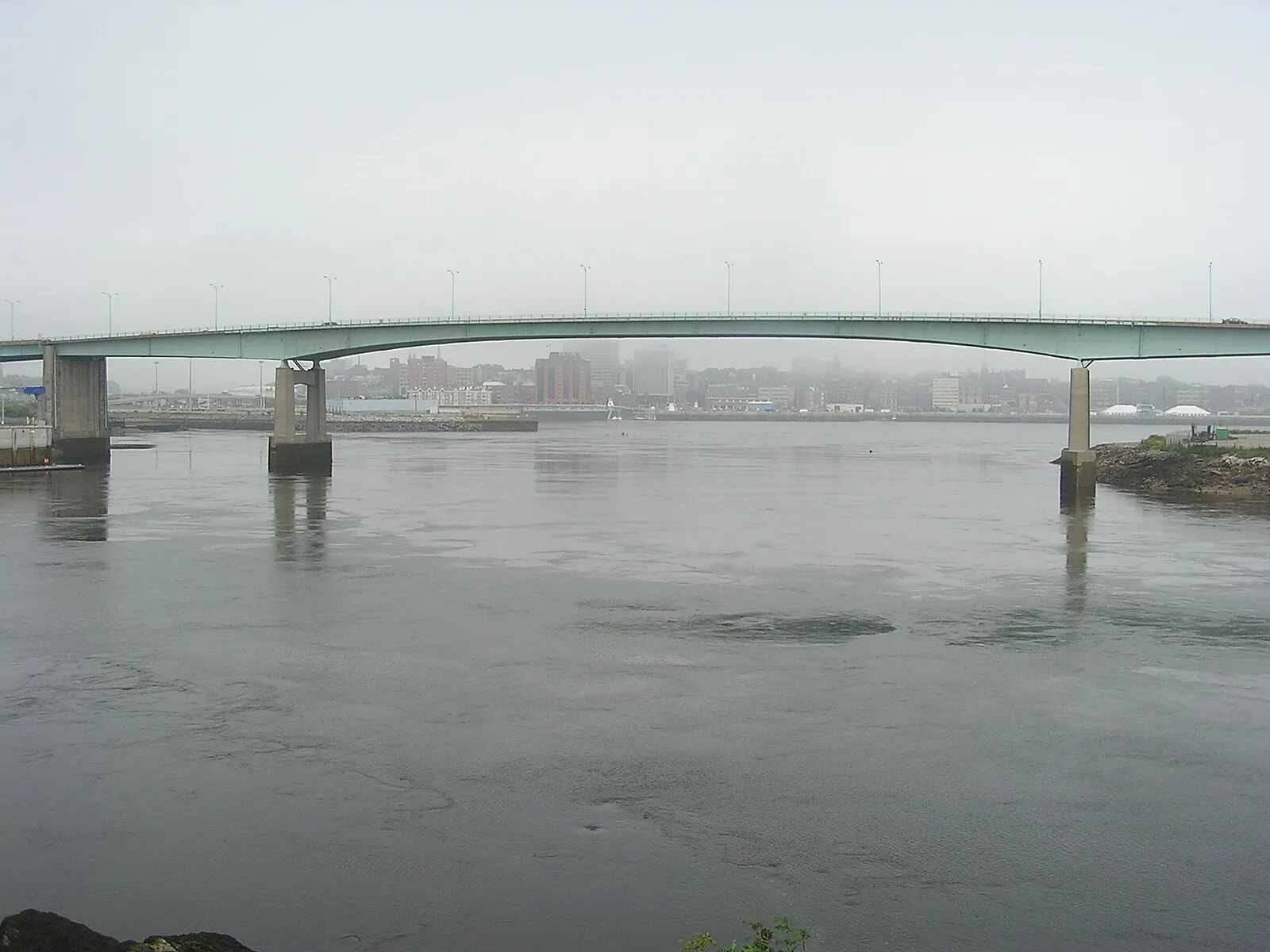
Captain's Logbook
Booking guidance: Ship excursion options provide guaranteed return to port and are worth considering for first-time visitors. For those who prefer to explore independently, local operators often offer competitive rates — book ahead during peak season to secure your preferred times. Whether you choose a ship excursion or go independent, confirm departure times and meeting points before heading out.
Saint John: My Bay of Fundy Wonder
Saint John carries a weight of history that you can feel the moment you step ashore. The Maliseet and Mi'kmaq peoples gathered here for thousands of years, drawn by the salmon-rich river and sheltered harbor. When Samuel de Champlain sailed into this harbor on June 24, 1604 — the feast day of Saint John the Baptist — he could not have imagined the city that would rise here, or the tides that would shape its destiny.
On May 18, 1783, the first wave of Loyalists landed at Market Slip — families fleeing the aftermath of the American Revolution. By year's end, fourteen thousand souls had arrived, transforming this wilderness outpost into a bustling colonial port. The two settlements that sprang up, Parrtown and Carleton, were amalgamated by royal charter, and on May 18, 1785, Governor Thomas Carleton incorporated Saint John as a city. It became Canada's first — the oldest incorporated city in what would become the nation, and the first in all of British North America.
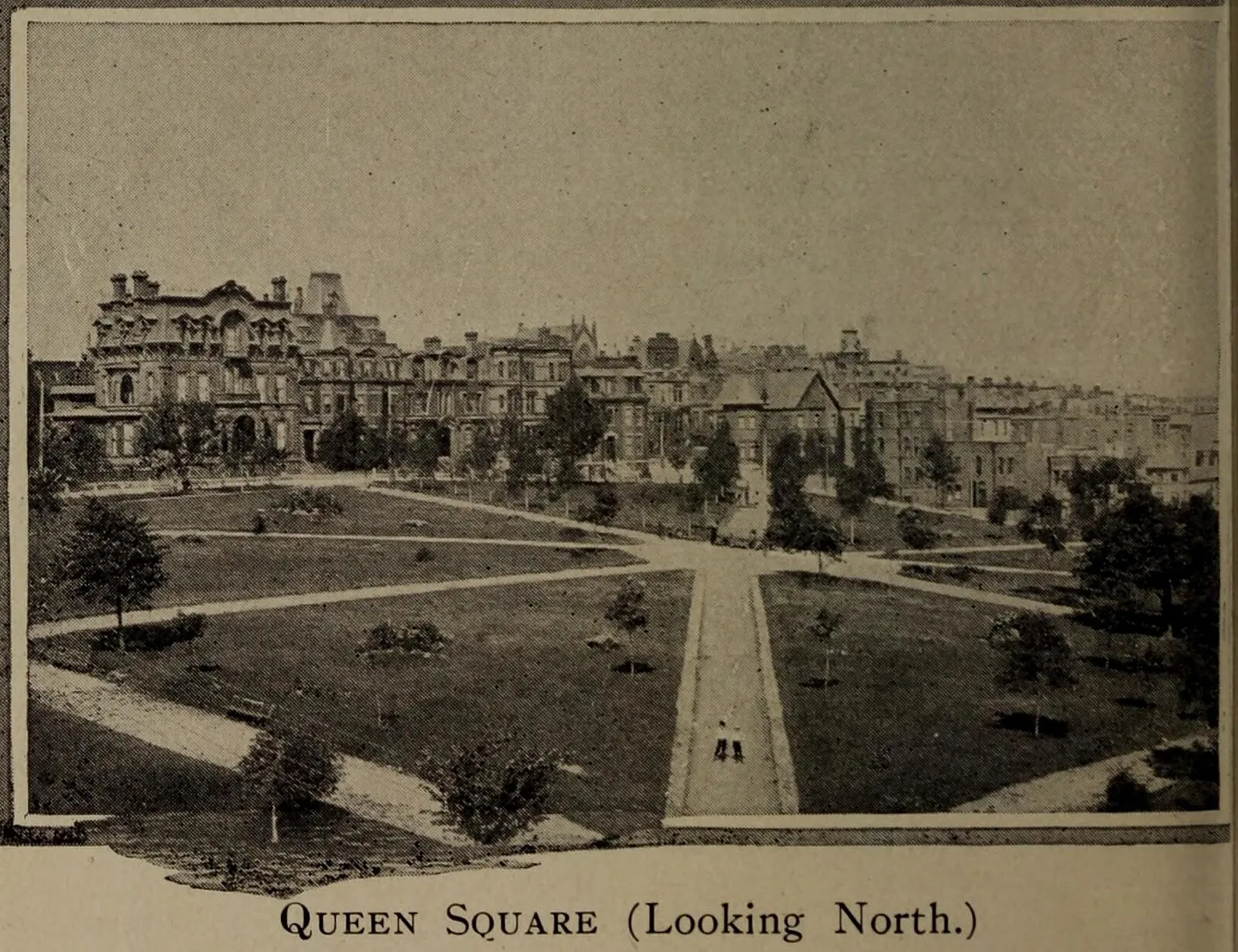
We docked right in town, stepping into this layered story. Our first stop was the Reversing Falls — and the name undersells it. The Bay of Fundy holds the world's highest tides, rising and falling up to sixteen meters (fifty-three feet) twice daily. At this narrow gorge, the mighty Saint John River meets those relentless tides in a twice-daily battle. We arrived at high tide to watch the rapids actually flow backwards, the ocean overpowering the river in a churning spectacle of white water and raw hydraulic force. It is absolutely mesmerizing — nature showing off.
Then we wandered to City Market, and here's where history becomes tactile. This beautiful structure has been the heart of Saint John since 1876, making it the oldest continuously operating farmers' market in Canada. The arched timber roof — designed to resemble an inverted ship's hull by the same craftsmen who built sailing vessels — shelters generations of vendors. We sampled dulse (a local seaweed snack that grows on you), smoked salmon, and fiddle-head ferns. The market hums with the same energy it must have had when Loyalist descendants sold their wares to ship captains and lumber barons.
We spent the afternoon at Irving Nature Park, watching harbor seals laze on the rocks, bald eagles wheel overhead, and autumn foliage reflect in tidal pools that empty and refill with the Fundy rhythm. For food, we had excellent fish and chips at Steamers for about $16 CAD, and the truly adventurous should try the moose pie — this is the Maritimes, after all.
I walked uptown from the Marco Polo cruise terminal in about ten minutes, passing through a district of solid Victorian and Edwardian buildings that survived the Great Fire of 1877. The fire destroyed roughly 1,600 buildings and left 13,000 people homeless in a single June afternoon, and the city that rose from those ashes was built in stone and brick with a determination that you can still feel in the architecture. The streets climb steeply from the harbour, and by the time I reached King Street I was slightly winded but rewarded with a view back toward the water that showed our ship framed between heritage buildings, looking almost quaint against the massive industrial port infrastructure that surrounds it.
At City Market, I lingered longer than I had planned. The dulse vendor — a weathered man with hands like driftwood — explained that this dried seaweed has been harvested from the Bay of Fundy for generations, and he watched my face carefully as I took my first bite. It tasted like the ocean had been compressed into a purple chip, salty and mineral and strangely addictive. I bought a bag for $5 CAD and found myself reaching into it repeatedly throughout the day. The fiddlehead ferns, available in spring and early summer, are foraged from the riverbanks and taste like a cross between asparagus and artichoke. The market's arched timber roof — designed to resemble an inverted ship's hull — creates an atmosphere that makes every purchase feel like a transaction with history.
I had read about the Reversing Falls before our visit and expected a modest natural curiosity — one of those attractions that guidebooks oversell. I was completely wrong. Standing on the viewing platform at the Reversing Falls Rapids, watching the Saint John River literally change direction as the Bay of Fundy's incoming tide overpowered the river's current, my heart ached with the sheer force of it — I felt something shift in my understanding of what water can do. The force was staggering. Whirlpools the size of small cars spun in the gorge below, and the sound — a deep, hydraulic roar that I felt in my chest more than heard in my ears — was unlike anything I had encountered at any other port. This was not a gentle natural phenomenon. This was 160 billion tonnes of water forcing its way inland twice every day, reshaping the riverbed and rewriting the rules of which direction a river flows. I stood there for forty minutes, watching the water, and I could have stayed for hours.
The taxi to Reversing Falls from the cruise terminal cost us $10 CAD, and the driver — a lifelong Saint John resident named Paul — timed our arrival perfectly for the tide change. He told us that locals never tire of watching the falls, that each tide is slightly different, and that winter ice creates formations so dramatic that photographers come from across Canada to document them. The viewing platform is free, and there is a small visitor centre nearby with exhibits explaining the tidal science. I recommend arriving 30-45 minutes before the predicted tide change to watch the full transformation from calm river to churning rapids.
The next morning, I hired a car for $65 CAD for the day and drove to Hopewell Rocks, about ninety minutes east along the Trans-Canada Highway. The admission fee is $10 CAD, and it grants you access to the ocean floor at low tide — an experience that is genuinely surreal. The "flowerpot rocks" are sandstone pillars carved by centuries of tidal erosion, standing up to fifteen metres tall with trees growing from their tops. At low tide, you walk among them on the ocean floor, touching stone that was underwater six hours ago and will be again six hours hence. At high tide, those same rocks are islands surrounded by four storeys of water. I had read about the Bay of Fundy tides my entire life, and nothing prepared me for the visceral reality of standing on a seabed and looking up at the high-water mark far above my head.
Walking the ocean floor at Hopewell Rocks, something whispered through the silence of that vast exposed seabed. I placed my hand flat against the wet stone of a flowerpot rock and felt the cold seep through my fingers. The rock was smooth where the water had polished it for millennia, and rough where the air had weathered it above the tide line. That boundary — the exact line where water meets air, twice every day, endlessly — struck me as one of the most honest things I had ever touched. No human decision made this place. No architect designed these shapes. The ocean simply showed up, twice daily, and did its patient work, and the result was more beautiful than anything deliberate could achieve. I thought about all the ports I had visited where human ingenuity was the attraction — the cathedrals, the castles, the engineered marvels — and realized that Hopewell Rocks offered something those places could not: evidence of a creative force that does not require an audience, does not seek approval, and will continue its work long after every cruise ship has rusted into history.
On the drive back, I detoured through Fundy Trail Parkway ($12 CAD admission), a stunning coastal road that winds along cliffs above the bay. I stopped at several lookout points where the forest dropped away to reveal the vast brown tidal flats of the bay at low tide — a landscape so alien it looked like the surface of another planet. I ate lunch at a picnic area overlooking the water, a sandwich from City Market and that bag of dulse, and watched fishing boats sitting on the mud far below, waiting for the tide to return and float them back to work.
Back in Saint John, I spent my remaining hours at Irving Nature Park, which is free to enter and offers eight kilometres of walking trails through coastal forest, salt marsh, and rocky beach. I saw harbour seals basking on the rocks at Saints Rest Beach, a bald eagle circling above the tree line, and tidal pools teeming with periwinkles and sea urchins. The park sits on a peninsula that juts into the bay, and the wind coming off the water carried a cold salt tang that made my eyes water and my cheeks burn. I pulled my hat down and walked the shoreline trail as the afternoon light turned golden, and I felt the particular contentment that comes from spending a day in a place that asks nothing of you except attention.
Looking back on Saint John, I realize it was the port that surprised me most on the entire Canada and New England itinerary. I had expected Halifax to be the Maritime highlight, and Halifax was indeed excellent — but Saint John offered something Halifax could not. The tides are not just a natural attraction. They are a reminder that the planet operates on rhythms far older and more powerful than anything we build on its surface. Standing at Reversing Falls watching a river flow backwards, walking an ocean floor that would be swallowed by water before dinner, touching rock shaped by a patience measured in epochs — these experiences did not just entertain me. They recalibrated my sense of scale. Every castle and cathedral on every cruise I have taken was built by human hands over human decades. The Bay of Fundy was built by water over geological ages, and it is still being built, twice daily, with a force that makes our grandest engineering projects look like sand castles. I think about those tides more than I think about most of the famous landmarks I have visited, not because the tides are more beautiful — though they are — but because they are more true. The Bay of Fundy does not perform. It simply is, and being in its presence, even briefly, is enough to rearrange how you think about time and patience and the quiet persistence of natural forces that will outlast everything we name.
Weather & Best Time to Visit
The Cruise Port
Ships dock at the Marco Polo cruise terminal, located right in the heart of Saint John's uptown district. This is one of the most conveniently positioned cruise terminals in eastern Canada — you can walk to the historic City Market, King Street shops, and the uptown core in under ten minutes. The terminal building has basic amenities including restrooms, a tourism information desk, and local artisan vendors selling Maritime crafts and dulse.
On busy days, two ships may dock simultaneously, which strains the taxi supply and can create queues at the terminal exit. If your ship arrives early, head out promptly to beat the crowds. The terminal area is flat and wheelchair accessible. ATMs are available within a five-minute walk on Prince William Street. Canadian dollars are the local currency, and most uptown businesses accept major credit cards, though carry cash for the market vendors and smaller shops. Cell service is reliable throughout the city.
Getting Around
Saint John's uptown is compact and walkable, though the streets climb steeply from the harbour. From the Marco Polo terminal, City Market is a 10-minute walk, and King Street's shops and restaurants are about 15 minutes on foot. Wear comfortable shoes — the hills are genuine, and some sidewalks can be uneven in the older districts.
For attractions beyond walking distance, taxis are the primary option. A taxi from the terminal to Reversing Falls costs $8-12 CAD one way (about 5 minutes). Taxis to Irving Nature Park run approximately $15-20 CAD. A full-day taxi for Hopewell Rocks is impractical — for that trip, either book a ship excursion or rent a car. Car rentals are available in the city from Enterprise and Budget, starting around $50-65 CAD per day, and are the best option for independently exploring the Bay of Fundy coast. Saint John Transit operates city buses, but routes are infrequent and not designed for cruise visitor needs. The Fundy Trail Parkway and Hopewell Rocks require a vehicle — there is no public transit to these attractions. If you plan to drive, note that the Trans-Canada Highway connects Saint John to the major Fundy attractions, and most roads are well-maintained with clear signage in both English and French.
Saint John Area Map
Interactive map showing cruise terminal and Saint John attractions. Click any marker for details.
Excursions & Activities
Booking guidance: For Hopewell Rocks and the Fundy Trail, a ship excursion offers guaranteed return to the vessel and handles all logistics. If you prefer to explore independently, rent a car and book ahead for peak-season dates. Local operators near the terminal offer competitive rates on Reversing Falls tours. Whether you choose a ship-organized tour or go independent, always confirm all-aboard time before departing.
Reversing Falls Rapids
The signature attraction of Saint John. The Bay of Fundy's massive tides force the Saint John River to reverse direction through a narrow gorge, creating dramatic rapids, whirlpools, and churning white water. The viewing platform is free and accessible year-round. The Reversing Falls visitor centre offers exhibits on the tidal science. A taxi from the cruise terminal costs $8-12 CAD each way. Ship excursions that include Reversing Falls typically run $40-60 CAD. Time your visit to coincide with the tide change for maximum drama — check tide tables online before your visit or ask at the tourism desk. Allow 1-2 hours including travel. Low energy at the viewing platform; accessible for wheelchairs.
Bay of Fundy & Hopewell Rocks
The world's highest tides have carved spectacular "flowerpot" rock formations at Hopewell Rocks, about 90 minutes east of Saint John. Admission is $10 CAD per adult. At low tide, you descend stairs to walk the ocean floor among the towering pillars. At high tide, those same formations are islands surrounded by deep water. Ship excursions run $90-130 CAD and handle all logistics. Independent visitors need a rental car ($50-65 CAD per day). Check tide times in advance and plan to arrive at low tide for the ocean-floor walking experience. Allow a full day for the round trip. Moderate energy — the stairs to the ocean floor are steep, and the walk below requires sturdy footwear on wet, uneven rock.
Irving Nature Park
A 600-acre coastal park on a peninsula jutting into the Bay of Fundy. Admission is free. Eight kilometres of trails wind through forest, salt marsh, and rocky shoreline. Watch for harbour seals, bald eagles, and diverse shorebirds. Saints Rest Beach offers tidal pool exploration. A taxi from the terminal costs about $15-20 CAD. Allow 2-3 hours for a comfortable visit. Moderate energy for the full trail loop; the main beach access is manageable for most fitness levels. Not served by public transit.
Saint John City Market
Canada's oldest continuously operating farmers' market, open since 1876. The arched timber roof — designed to resemble an inverted ship's hull — shelters vendors selling dulse, smoked salmon, fiddlehead ferns, Maritime crafts, and baked goods. Free to enter and walkable from the cruise terminal in 10 minutes. Open Monday through Saturday; hours vary but typically 7:30 AM to 6 PM. Budget $10-20 CAD for sampling and small purchases. Low energy; fully accessible on the main floor.
Fundy Trail Parkway
A scenic coastal road offering dramatic cliff-top views of the Bay of Fundy. Admission is $12 CAD per vehicle. Multiple lookout points, hiking trails, and a suspension footbridge reward visitors with panoramic bay views. Located about 40 minutes east of Saint John. Requires a rental car. The parkway is open seasonally (typically May through October). Allow 2-3 hours for a drive-through with stops, or a full half-day if hiking. Moderate energy for lookouts; higher energy for trail hiking.
Uptown Saint John Heritage Walking Tour
Self-guided walking tours of the uptown district pass through Loyalist-era architecture, the Barbour's General Store museum, and Prince William Street's Victorian commercial buildings. Free; maps available at the tourism desk in the cruise terminal. The Loyalist House museum (circa 1810) charges a small admission of $5 CAD. Allow 1.5-2 hours. Moderate energy due to the hilly terrain. Combine with a City Market visit for a satisfying half-day on foot.
Stonehammer UNESCO Global Geopark
Saint John sits within the Stonehammer Geopark, the first UNESCO Global Geopark in North America. The geopark encompasses a billion years of geological history, with exposed rock formations visible right in the city. Rockwood Park, a short taxi ride ($8-10 CAD) from the terminal, features glacial lakes, caves, and hiking trails within the geopark boundaries. The park is free to enter and offers swimming, kayak rentals, and a freshwater beach. Guided geology walks are available seasonally through the geopark visitors centre. Allow 2-3 hours for a Rockwood Park visit. Moderate energy for the trails; the main beach and picnic areas are easily accessible.
Whale Watching in the Bay of Fundy
The Bay of Fundy is one of the best whale watching destinations in eastern Canada. From mid-June through October, humpback whales, fin whales, minke whales, and endangered North Atlantic right whales feed in the nutrient-rich tidal waters. Ship excursions to whale watching operators in St. Andrews or Digby Neck run $120-180 CAD per person including transport and a 2-3 hour boat tour. Independent visitors with a rental car can drive to St. Andrews (about 90 minutes) and book directly with local operators ($60-80 CAD per person for the boat tour). Dress in warm layers — conditions on the Bay are significantly colder than in port, even in summer. Full-day commitment; moderate energy.
Depth Soundings Ashore
Practical tips before you step off the ship.
Tides wait for no cruiser — check times for Reversing Falls.
Money: The local currency is Canadian Dollar (CAD). ATMs are generally available near the port area, though fees vary. Credit cards are widely accepted at tourist-oriented establishments, but carry some local cash for markets, street food, and smaller vendors. Your ship's exchange rate is typically unfavorable — withdraw from a bank ATM instead.
Timing: Start early if your ship arrives at dawn — the first hours offer pleasant conditions and smaller crowds. Allow at least 30 minutes buffer before all-aboard time. Set a phone alarm as backup.
Safety: Standard port-town awareness applies — keep valuables close and stick to well-traveled areas during daylight. Your ship's ID card is your most important item — losing it creates a genuine headache at the gangway.
Communication: Wi-Fi is often available at cafés and restaurants near the port. Consider downloading offline maps before disembarking — cellular data roaming charges can be substantial and surprising.
Photo Gallery
Frequently Asked Questions
Q: Worth it?
A: Yes — the tides are legitimately mind-blowing.
Q: Best attraction?
A: Reversing Falls at tide change.
Q: How long for Reversing Falls?
A: 2 hours including travel.
Q: Can you walk from port?
A: Yes to downtown.
Q: What is the best time to visit Saint John?
A: Cruise season runs June through September — Bay of Fundy maritime conditions (13-70°F). December through March are the months to avoid. Fog is very common — the Fundy coast is one of the foggiest in the world.
Q: Is Saint John suitable for passengers with mobility challenges?
A: Accessibility varies by area. The port vicinity and main commercial streets are generally manageable, but older historic districts may feature cobblestones, stairs, and uneven surfaces. Consider booking an accessible ship excursion if you have concerns. The ship's shore excursion desk can advise on specific accessibility options for this port.
Q: Do I need to exchange currency before arriving?
A: The local currency is Canadian Dollar (CAD). Most tourist-facing businesses accept major credit cards. ATMs near the port offer competitive exchange rates. Carry some local cash for small purchases, markets, and tips. Avoid exchanging money on the ship — the rates are typically unfavorable compared to local bank ATMs.
Q: Can I explore independently or should I book a ship excursion?
A: Both options work well. Ship excursions guarantee return to the vessel and handle logistics, making them ideal for first-time visitors. Independent exploration costs less and allows more flexibility — just keep track of time and allow a 30-minute buffer before all-aboard. Many passengers combine approaches: an organized morning tour followed by free afternoon exploration.
Q: Does Saint John have a hurricane or storm season?
A: Saint John is not in a hurricane zone. The defining weather feature is fog — the Bay of Fundy coast is one of the foggiest in the world. Winds can be strong with bay funneling effect. December through March are the months to avoid.
Q: What should I pack for Saint John's weather?
A: Warm layers even in summer. Waterproof jacket essential. Comfortable walking shoes for hills. Warm hat for foggy days. Binoculars for whale watching.
Q: Will rain ruin my port day in Saint John?
A: Rain is distributed year-round; fog common in summer. Cruise season concentrates in the June–September window when conditions are mildest.
Last reviewed: February 2026
Key Facts
- Country
- Canada (New Brunswick)
- Region
- Caribbean
- Currency
- Canadian Dollar (CAD)
- Language
- English / French