


Saipan: Where Tragedy and Beauty Walk Hand in Hand
My Logbook: Saipan — Where Sorrow and Paradise Coexist
I stood at the edge of Banzai Cliff on a still February morning, looking down at limestone walls plunging hundreds of feet to the turquoise sea below, and I wept. Our guide spoke quietly about June 1944, when hundreds of Japanese civilians — mothers holding children, elderly men, young women — leapt from this precipice rather than surrender to approaching American forces. Convinced by wartime propaganda that capture meant torture and death, they chose this unimaginable end. Memorial plaques and a small Shinto shrine mark the spot. The warm Pacific breeze carried the scent of plumeria blossoms up the cliff face, a sweetness that felt almost cruel in a place of such sorrow. I whispered a quiet prayer for the souls who perished here, feeling the rough limestone beneath my fingers as I steadied myself against the railing.
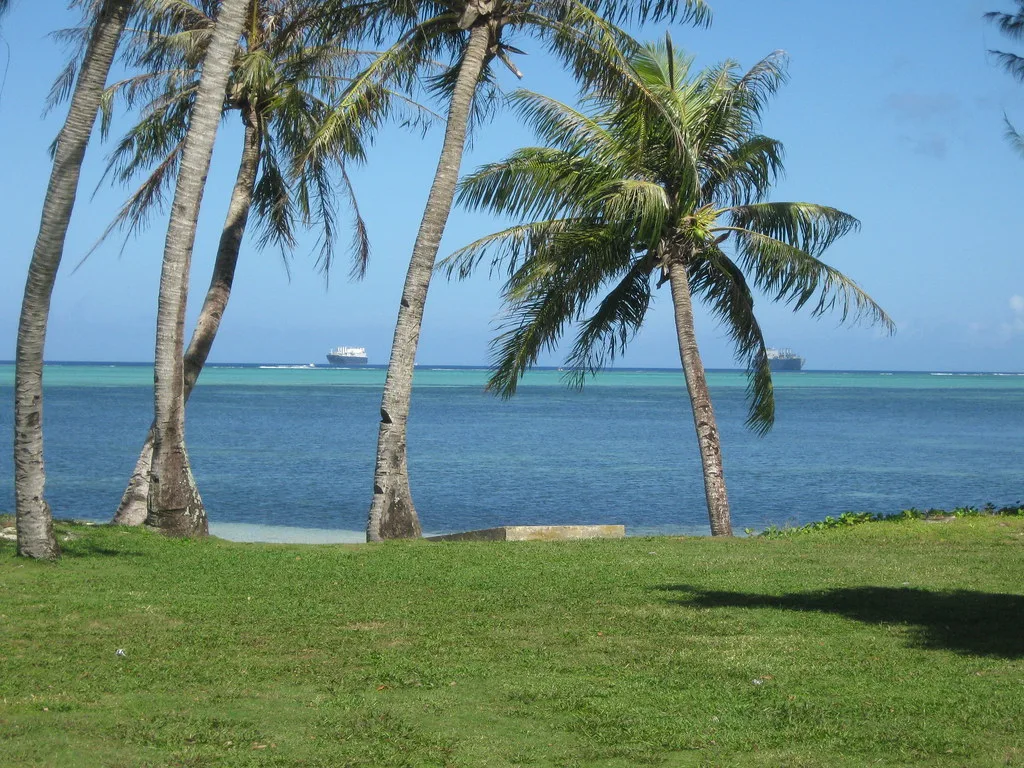
Saipan holds its grief close. The largest island in the Northern Mariana Islands, this US Commonwealth territory is impossibly beautiful — turquoise lagoons, powder-white beaches, swaying palms — yet its landscape is scarred by one of World War II's most brutal battles. Twenty-four days of fighting in summer 1944 killed 30,000 Japanese soldiers, 5,000 Japanese civilians, and 3,400 American Marines and soldiers. However, you cannot walk this island without encountering ghosts alongside breathtaking beauty. The contrast between paradise and tragedy defines every moment here.
Our ship docked at Saipan Harbor in Garapan on that warm February morning — 84 degrees with light trade winds. For US citizens, arrival feels almost domestic: we use the dollar, speak English alongside Chamorro and Carolinian, and need no passport. Yet stepping ashore, I felt worlds away from the mainland. The air tasted of salt and warm earth. Somewhere nearby a rooster crowed, and the sound of waves washing the harbor breakwater mixed with Chamorro music drifting from a waterfront restaurant. This is the Pacific in all its complexity: Chamorro heritage spanning 4,000 years, Japanese colonial influence from 1914 to 1944, American administration since 1945, and indigenous cultures fiercely proud of their survival through it all.
American Memorial Park sits near our port, 133 acres of quiet reflection beside Micro Beach. The museum tells the invasion story through artifacts, photographs, and personal accounts that made my heart swell with both pride and sadness. Standing before the memorial wall listing names of the fallen, I watched a Japanese tour group laying flowers alongside American visitors. Reconciliation happens slowly on Saipan, one act of remembrance at a time. But the sincerity of those shared gestures — strangers from nations that once fought bitterly, now standing together in silence — moved me more than I expected.
After diving, we drove north to Bird Island Lookout, where I spotted sea turtles swimming in the clear water far below. The wind was strong there, carrying the smell of ocean spray and sun-warmed rock. I watched seabirds nesting on the protected limestone islet, their calls echoing against the cliffs. Though the lookout takes only fifteen minutes, it offered one of the most beautiful coastal views I have ever seen — the wild northeast coast stretching in both directions, untouched by development, the Pacific stretching to infinity.
Managaha Island was our afternoon reward. A ten-minute boat ride ($30 round trip) carried us to a postcard-perfect islet with powder-white sand and a lagoon so clear I could count individual grains of sand through three feet of water. I snorkeled among parrotfish and clownfish while my wife stretched out on the beach, the warm sand soft beneath her. We shared coconut water bought from a vendor ($5) and watched the afternoon light turn the water from turquoise to gold. Despite being a popular day-trip destination, we found a quiet stretch of beach on the far side where we were completely alone. The taste of fresh coconut and salt water lingered on my lips as we boarded the return boat, sunburned and satisfied.
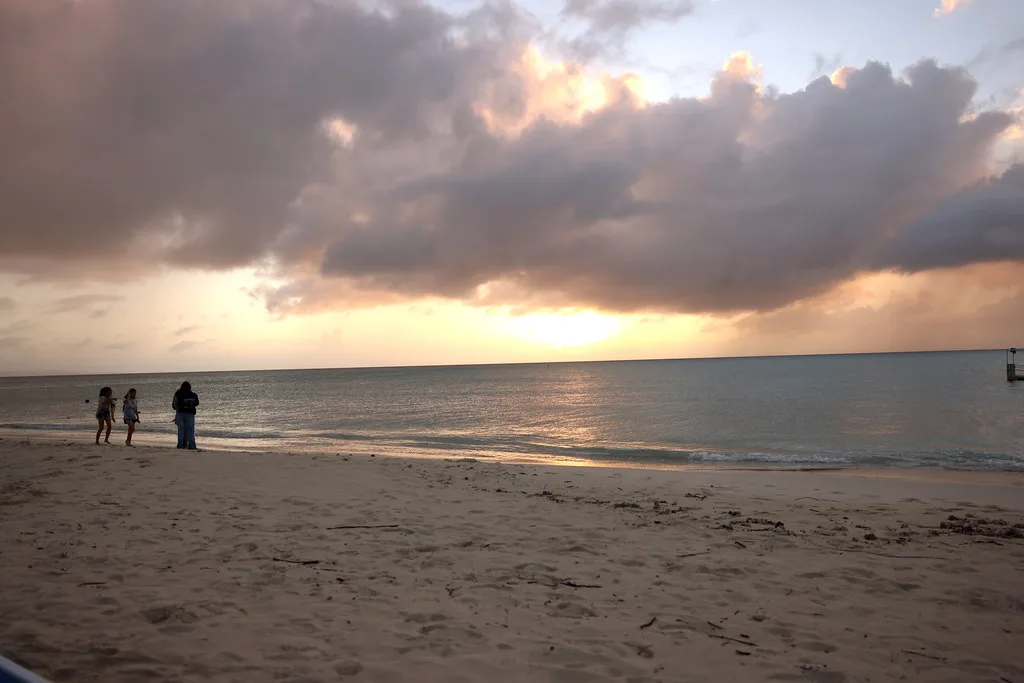
Our last stop was Micro Beach at sunset, just steps from the port. Families gathered along the sand — Chamorro grandmothers watching grandchildren splash in the calm lagoon, Japanese tourists capturing the golden light with cameras, American servicemen from the nearby base jogging along the waterfront. I sat on the warm sand and watched the sun sink behind the Philippine Sea, painting the sky in layers of orange and violet. A local man played a ukulele nearby, the melody drifting through the warm evening air. Though I had spent the day confronting tragedy, this quiet moment reminded me why people live on islands — for evenings like this, when the world shrinks to the size of a sunset and everything else falls away.
Looking back, I realized Saipan taught me something I did not expect to learn. I came seeking beaches and diving, but I discovered that the most beautiful places often carry the deepest scars. The island does not hide its pain or apologize for its history. Instead, it holds both — the horror of Banzai Cliff and the wonder of The Grotto, the grief of the memorial and the joy of Managaha Island — without contradiction. What I learned is that gratitude and sorrow are not opposites. They are companions, walking hand in hand across this small, sacred island in the middle of the Pacific.
The Cruise Port
What you need to know before you dock.
- Terminal: Saipan Harbor — small facility in Garapan, walking distance to Micro Beach and downtown
- Distance to Attractions: Garapan shops/Micro Beach (5 min walk); American Memorial Park (10 min); Banzai Cliff (20 min drive north); The Grotto (15 min drive north); Managaha Island (10 min boat ride)
- Tender: No — ships dock directly at the pier (limited depth; larger ships may anchor and tender)
- Currency: US Dollar (USD); credit cards accepted at most establishments
- Language: English, Chamorro, Carolinian; English universally spoken
- Best Season: December to June (dry season); July to November is typhoon season with heavier rainfall
- US Citizens: No passport required; government-issued photo ID sufficient (CNMI is US Commonwealth)
- Accessibility: The port area and Micro Beach are wheelchair accessible with paved paths. Memorial Park has accessible walkways. However, The Grotto requires descending 120 steep steps and is not suitable for visitors with mobility limitations. Managaha Island has sandy terrain that can be difficult for wheelchair users.
Getting Around
Transportation options on the island.
- Walking: Garapan downtown and Micro Beach are easily walkable from the port terminal. Most other attractions — The Grotto, Banzai Cliff, Bird Island, Last Command Post — require vehicle transportation as they are spread across the island's northern half. Sidewalks in Garapan are generally in good condition and accessible for wheelchair users and those with mobility needs, though some stretches lack shade. Allow 10 to 15 minutes to walk from the port to American Memorial Park along the waterfront path.
- Taxis ($15-60): Available at the port terminal; negotiate the fare before departure as most taxis do not use meters. Expect $15-25 for short trips within Garapan, $40-60 for full island tours covering the northern memorial sites and The Grotto. Taxis are generally reliable but limited in number during peak cruise ship days — arrange return pickup times with your driver to avoid being stranded at remote sites.
- Rental Cars ($50-80/day): Available from agencies in Garapan. Roads are generally well-maintained; driving is on the right side. A valid US or international license is accepted. Renting a car provides the most flexibility for visiting spread-out sites at your own pace, though parking is rarely a problem anywhere on the island. Gas stations are found in Garapan and along the main coastal road.
- Organized Tours ($60-120): Island tours offered by both ship excursion desks and local operators provide an efficient way to hit major sites — The Grotto, Banzai Cliff, Bird Island Lookout, Last Command Post, and American Memorial Park — in a single day. Guides add valuable historical context, especially at WWII memorial sites where the stories behind the places are as important as the views. Book ahead during peak season as tour capacity is limited.
- Managaha Island Boats ($30-50 round trip): Regular departures from the pier near American Memorial Park. The crossing takes about 10 minutes. Book ahead during peak cruise season as boats fill up quickly. Day packages including snorkel equipment and beach chair rental run $50-80 per person. Last return boats typically depart by 4 PM.
Saipan Area Map
Interactive map showing cruise terminal, WWII memorial sites, beaches, and diving locations. Click any marker for details and directions.
Top Excursions & Things to Do
Booking guidance: Ship excursion desks offer bundled island tours with guaranteed return to the ship. Independent exploration gives more flexibility and savings — book ahead for dive trips and Managaha Island boats, especially during peak season. Most WWII memorial sites are free to visit.
The Grotto ($80-120 guided dive)
Saipan's most famous dive site and one of the finest cavern dives in the Pacific. A collapsed limestone cavern with an underwater tunnel opening to the Philippine Sea. Non-divers can snorkel at the surface or simply descend the 120 steps to peer into the astonishing blue water. Early morning offers the best light and calmest conditions. Local dive shops offer guided trips for certified divers ($80-120 including equipment). Bring water shoes for the slippery steps. This is a moderate to strenuous activity requiring good physical condition for the climb back up.
Banzai Cliff & Suicide Cliff (free)
Deeply moving WWII memorials on the island's northern tip. These cliffs mark where Japanese civilians and soldiers took their lives during the battle's final days in July 1944. Memorial plaques, Shinto shrines, and offerings left by Japanese visitors fill the sites. Profoundly sad but essential to understanding Saipan's story. Go with respect and humility. This is a low-walking activity accessible by vehicle, with paved viewing areas at both sites.
Managaha Island ($50-80 day trip)
Postcard-perfect islet a 10-minute boat ride offshore. Powder-white sand, turquoise lagoon, excellent snorkeling. Day trip packages include boat transfer, beach time, and snorkel equipment rental (around $50-80). The island gets crowded midday; early departures offer quieter beaches. Pack reef-safe sunscreen — the lagoon is pristine and chemicals damage coral. This is a ship excursion favorite, but independent booking through local operators at the pier is straightforward and saves $20-30 per person.
American Memorial Park (free)
A 133-acre park and museum beside Micro Beach with free admission. Well-curated exhibits about the Battle of Saipan featuring artifacts, camera-captured moments, and oral histories. The memorial court lists names of American and Marianas dead. Allow 1-2 hours. Peaceful accessible walking paths wind through wetlands and along the lagoon shore. Wheelchair accessible throughout.
Last Command Post (free)
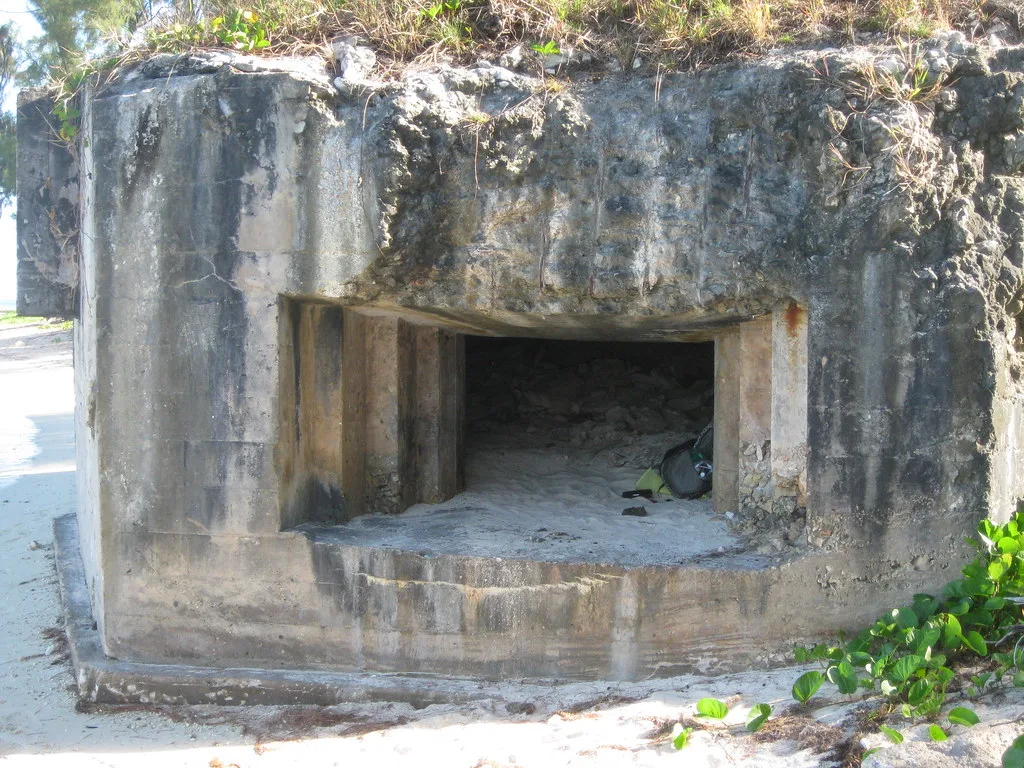
Japanese bunker complex where General Saito commanded final defensive operations before taking his life. Concrete fortifications overgrown with jungle vegetation. Eerie, atmospheric, historically significant. Often combined with tours to Banzai Cliff. Wear closed-toe shoes and bring a flashlight for exploring the dark interior passages.
Bird Island Sanctuary & Lookout (free)
Scenic overlook on the northeast coast viewing a limestone islet that serves as a protected seabird sanctuary. Stunning coastal views — you can often spot sea turtles swimming in the clear water below. Sunrise visits are spectacular. A short stop of 15-20 minutes, often included in organized island tours.
DIY vs. Ship Excursion: Island Tour
DIY Independent ($40-80/person)
- Rent a car ($50-80/day) or hire a taxi ($40-60 for half-day tour)
- Visit sites at your own pace with flexibility to linger
- Combine with independent Managaha Island booking ($30-50)
- No guaranteed return — manage your own timing carefully
Ship Excursion ($80-120/person)
- Guided tour with historical narration at WWII sites
- Air-conditioned van transportation included
- Guaranteed return to the ship before departure
- Often bundles multiple sites efficiently
Depth Soundings Ashore
Hard-won wisdom from the logbook.
- Start Early: Trade winds calm mornings; afternoons can be blustery. The Grotto, Managaha Island, and northern cliffs are all better before 11am.
- Respect Memorial Sites: Banzai Cliff and the northern memorials are sacred ground. Many Japanese visitors leave offerings. Avoid loud behavior, posed jumping shots, or anything disrespectful.
- Reef-Safe Sunscreen: Required at Managaha Island and The Grotto. Bring your own or buy locally (costs $15-20 for a bottle, more expensive than mainland prices). Chemical sunscreens damage coral.
- Cash for Small Vendors: Street vendors and small beach shacks often accept cash only. ATMs are available in Garapan but charge $3-5 in fees.
- Diving Certification: The Grotto requires advanced open-water certification or a guided dive with an experienced operator due to depth and currents. Many operators offer discover scuba programs ($120-150) if you are not certified.
- Weather Awareness: Typhoon season (July through November) can bring sudden squalls. December through June offers the most stable conditions for diving, snorkeling, and island touring.
- Learn a Few Chamorro Phrases: "Hafa Adai" (hello) goes a long way. Locals appreciate the effort to acknowledge indigenous heritage.
Photo Collection

Frequently Asked Questions
Where do cruise ships dock in Saipan?
Saipan Harbor in Garapan, within walking distance of Micro Beach and downtown shops. Larger ships may anchor offshore and tender passengers in. The port area is compact and accessible, with taxis and tour operators available directly at the terminal.
Do US citizens need a passport?
No. The Northern Mariana Islands is a US Commonwealth territory. A government-issued photo ID such as a driver's license is sufficient for entry. US currency is used everywhere on the island.
What is the best time to visit Saipan?
December through June offers dry season with calm seas and reliable weather. July through November is typhoon season with higher rainfall, rougher waters, and possible itinerary changes. Temperatures remain warm year-round at 80-90 degrees Fahrenheit.
Is Saipan expensive?
Moderate. US dollar prices feel similar to Guam. Tours cost $60-120, meals run $15-30 at local restaurants, taxi tours range $40-80 for half-day island circuits. Managaha Island day trips cost around $50-80 per person including boat transfer and equipment.
Can I visit The Grotto without diving?
Yes. You can descend the 120 steps and snorkel at surface level, or simply view the cavern from above. The Grotto is spectacular even without diving. However, the 120 steps back up are strenuous and not suitable for visitors with mobility challenges.
How much time do I need for WWII sites?
Half-day minimum. American Memorial Park takes 1-2 hours, then drive north to Last Command Post, Banzai Cliff, and the northern memorials (2-3 hours total including travel). A full-day tour allows more reflection time and can be combined with The Grotto or Bird Island Lookout.
When is typhoon and storm season in Saipan?
Saipan sits at ~15°N in the Northwest Pacific typhoon basin (the world's most active). Typhoon season runs roughly Jul-Nov with peak activity Aug-Oct. The Northern Marianas have been hit by significant typhoons in recent years (Soudelor 2015, Yutu 2018), and cruise itineraries pivot away from Saipan during active systems. The page's Best-Time FAQ above flags Dec-Jun as the calmer dry season for the same reason. For current tropical-system status on a specific sailing date, the live weather widget in the seasonal panel above is the primary source.
What should I pack for a Saipan port day?
Lightweight tropical clothing for the year-round 80-90°F heat, reef-safe sunscreen (the snorkel sites at Managaha and The Grotto are sensitive to chemical sunscreens), a wide-brimmed hat, and quick-drying clothing for water excursions. Sturdy walking shoes for the 120 steps down to The Grotto and the rough coastal trails at Banzai Cliff. A light rain jacket for typhoon-season afternoon showers.
Will rain ruin my Saipan port day?
Dry-season (Dec-Jun) rain is uncommon. Typhoon-season (Jul-Nov) afternoon showers tend to be brief and intense. American Memorial Park's visitor centre, the WWII museum displays, and the indoor sections of Saipan Harbor's terminal area are rain-shelter options. The Grotto cavern itself is open to weather but the cavern interior is sheltered. Snorkel excursions to Managaha Island generally continue in light rain but cancel for high seas. The live weather widget in the seasonal panel above is the primary source for short-term forecasts on a specific sailing date.