


Salalah: Arabia's Perfume Capital and Monsoon Paradise
My Visit to Salalah
I stepped onto the pier at Salalah in the pale gold light of an Arabian morning, and the first thing that reached me was not the heat but the scent. A warm, resinous sweetness drifted across the concrete dock and settled around me like an invisible veil — frankincense, the perfume that built empires. My wife stood beside me, shielding her eyes from the glare, and I watched her inhale deeply. "That is not like anything I have ever smelled," she said quietly. She was right. It was ancient and earthy and faintly sacred, the kind of fragrance that belongs in cathedrals and desert temples. I knew at once that Salalah would not be like any port we had visited before.

The taxi from the port wound through dry scrubland for twenty minutes before the city appeared. Salalah is not a place of glittering towers and artificial islands. It feels older, quieter, more honest. Low white buildings line wide boulevards shaded by coconut palms, and the rhythm of life moves at a pace I had almost forgotten existed. Our driver, a soft-spoken Dhofari man named Salim, told us that his family had harvested frankincense for four generations. He spoke about the trees the way a farmer in England might speak about old oaks — with reverence, with patience, with the understanding that some things cannot be rushed. I listened and felt something loosen in my chest, a tension I had not even known I was carrying.
Our first stop was Al Baleed Archaeological Park, the UNESCO World Heritage site on the coast south of the city center. The entry fee was about 3 OMR (roughly $8), and it was worth every coin. We walked among the stone foundations of Zafar, a medieval trading port that thrived from the eighth to the sixteenth century. The ruins stretch across a wide plain beside a lagoon where herons stood motionless in shallow water. I crouched beside a low wall and ran my fingers along the rough limestone, still warm from the morning sun. Merchants from China, India, and East Africa had once walked these same paths, their ships anchored in the harbor beyond. The Museum of the Frankincense Land, housed in a striking modern building at the edge of the site, told their story with artifacts and maps that made the ancient trade routes feel vivid and real. My wife lingered at a display of bronze incense burners, each one shaped by hands that turned to dust a thousand years ago. "They valued beauty," she whispered. "Even in the smallest things."
From Al Baleed we drove west along the coast to Al Mughsayl Beach. The road hugs dramatic sea cliffs, and at one point Salim pulled over so we could watch the blowholes — natural fissures in the rock where incoming waves force seawater upward in explosive plumes that catch the light and hang in the air for a frozen second before collapsing. The sound was extraordinary: a deep, percussive boom followed by a hissing rush, like the earth breathing. I stood at the railing and felt the cool spray on my face, tasting salt on my lips. The Arabian Sea stretched to the horizon, impossibly blue, and I thought about the sailors who had navigated these waters for millennia, guided by stars and monsoon winds, carrying frankincense to Rome and silk from Cathay. However harsh this coastline looked from above, it had been a lifeline for civilizations across the ancient world.
That afternoon we visited Al Husn Souq, the frankincense market in the heart of Salalah. The lanes were narrow and shaded, the air thick with aromatic smoke curling from brass burners on every counter. Vendors sat cross-legged behind mounds of translucent resin — pale green, amber, milky white — each grade with its own name and price. I bought a bag of the finest Hojari frankincense for about 5 OMR ($13) and a small clay burner for 2 OMR ($5). The seller, an elderly woman with henna-painted hands, showed me how to place a coal in the burner and set a few crystals of resin on top. The smoke rose in a thin, wavering column, and the scent filled the narrow stall — sweet, woody, sacred. She smiled and pressed an extra handful of resin into my palm. "For your home," she said. "So you remember us." I have burned that frankincense on winter evenings since, and every time the smoke curls upward, I am back in that souq, surrounded by the quiet generosity of strangers.
On our second morning, Salim drove us north into the Dhofar mountains toward Wadi Darbat. We had arrived during the tail end of the khareef season, and the transformation was staggering. Within thirty minutes of leaving the coast, the barren desert gave way to green hillsides that could have been mistaken for the Scottish Highlands. Mist clung to the ridges. Cattle grazed on slopes carpeted in wild grass. Waterfalls — actual waterfalls, in Arabia — cascaded down rock faces into pools so still they reflected the clouds above. I stood at the edge of one pool and heard nothing but the sound of falling water and the soft call of a bird I could not name. Despite the heat we had felt at the coast, the air here was cool and damp against my skin. My wife reached for my hand. Neither of us spoke. Sometimes words are simply not large enough for what you feel.
On the drive back to the port that evening, I asked Salim what he loved most about Salalah. He was quiet for a long time. Then he said, "The frankincense trees do not grow quickly. They are wounded — the bark is cut — and from the wound comes something beautiful. That is how I think about this place." I sat with those words as the sun sank behind the Dhofar mountains and the first stars appeared over the Arabian Sea. I realized that Salalah had given me something I had not expected. Not spectacle, not grandeur, but a kind of quiet grace — the understanding that the most valuable things in this world often come from patience and endurance, from wounds that heal into something sacred. I thought about my own life, the difficult seasons, the times I had felt barren and dry, and I whispered a prayer of gratitude for the unexpected monsoons that bring green to the desert. Looking back, I learned that the finest gifts are the ones you did not know you needed. We sailed from Salalah under a canopy of stars, and the scent of frankincense clung to our clothes long after the coast had disappeared into the dark.
Featured Images
The Cruise Port
What you need to know before you dock.
- Terminal: Salalah Port is an industrial container facility located approximately 20 km from the city center. Facilities for cruise passengers are basic — there is a small waiting area but no dedicated cruise terminal with shops or restaurants. The pier itself is flat and accessible for wheelchair users, though the surface can be uneven in places.
- Getting to Town: Taxi or organized ship excursion is essential; there is no practical public transport from the port. Fare to city center is about 5-8 OMR ($13-21).
- Tender: No — ships dock directly at the pier
- Currency: Omani Rial (OMR); USD accepted at many tourist sites and hotels; ATMs available in the city
- Language: Arabic; English widely spoken in tourist areas and by taxi drivers
- Dress Code: Modest dress appreciated throughout Oman; cover shoulders and knees, especially at mosques and religious sites
- Best Season: Khareef (June-Sept) for green landscapes and cool temperatures; winter (Nov-Feb) for mild heat and comfortable sightseeing
- Time Zone: Gulf Standard Time (GMT+4)
Key Facts
- Country
- Oman (Dhofar Governorate)
- Region
- Southern Arabian Peninsula
- Port
- Salalah Port, industrial facility 20 km from city center; no dedicated cruise terminal
- Currency
- Omani Rial (OMR); 1 OMR ≈ $2.60 USD
- Language
- Arabic; English widely understood in tourist areas
- Climate
- Hot and arid Oct–May; monsoon (khareef) Jun–Sep brings cool mist and green landscapes
Getting Around
Transportation tips for cruise visitors.
- Taxis: The most practical option for cruise visitors. Taxis are plentiful outside the port gate. Agree on a fare before setting off — there are no meters. A full-day hire with a driver costs approximately 30-50 OMR ($78-130) depending on the itinerary, and this is the best value for groups of two to four wanting to see multiple sites. Drivers generally speak English and know the main attractions well. Taxis can accommodate wheelchair users with advance arrangement.
- Ship Excursions: Organized excursions from the cruise line typically cost $80-150 per person for half-day tours covering the main highlights. These offer the convenience of a guaranteed return to the ship before departure and an English-speaking guide. Independent alternatives are significantly cheaper but require more planning.
- Rental Cars: Available in the city center but not recommended for cruise visitors due to the distance from port and unfamiliar roads. Mountain roads to Wadi Darbat are winding and poorly signed.
- Walking: Not practical from the port, which is in an industrial zone 20 km from town. Within Salalah itself, the city center and souq area are walkable, though the heat outside khareef season makes long walks uncomfortable. The waterfront corniche is flat and accessible for those with mobility needs.
- Organized Tours: Local tour operators offer guided excursions from the port at lower cost than ship excursions. Book ahead through your hotel or a reputable operator. Half-day tours run about 20-35 OMR ($52-91) per person in a shared vehicle.
Salalah Area Map
Interactive map showing cruise terminal, archaeological sites, beaches, and attractions. Click any marker for details and directions.
Excursions & Activities
How to spend your time ashore. For the most popular sites like Al Baleed and the blowholes, book ahead during peak season to secure your spot. Many visitors choose to explore independent of the ship excursion options for flexibility and cost savings, though a ship excursion offers guaranteed return to the vessel before departure.
Al Baleed Archaeological Park (UNESCO)
UNESCO World Heritage Site and the jewel of Salalah's cultural offerings. The ruins of the ancient port city of Zafar (8th-16th centuries) were once a hub of the medieval frankincense trade. Walk among stone foundations beside a peaceful lagoon. The Museum of the Frankincense Land, housed in a modern building at the edge of the park, tells the full story with artifacts and interactive displays. Entry cost is approximately 3 OMR ($8). Allow 2-3 hours. Located about 15 minutes by taxi from the port. Moderate walking on flat ground; accessible paths through most of the site.
Land of Frankincense Sites (Sumhuram)
Four UNESCO locations make up the Land of Frankincense designation, including Sumhuram (ancient port overlooking Khor Rori inlet), Shisr (the legendary Ubar caravan site in the desert), and the Wadi Dawkah frankincense groves where the trees still grow wild. Full exploration requires a day and a vehicle. For cruise visitors with limited time, Sumhuram is most accessible — about 40 minutes east of the port — and offers dramatic clifftop ruins with views over the coast. Entry is about 2 OMR ($5).
Al Husn Souq (Frankincense Market)
Traditional market in the heart of Salalah selling frankincense resin, incense burners, perfumes, gold, and silver. The lanes are narrow and atmospheric, filled with aromatic smoke from brass burners on every counter. Haggling is expected and part of the experience. Best souvenir: a bag of high-grade Hojari frankincense (about 5 OMR / $13) and a small clay burner (about 2 OMR / $5). Free to explore. About 10 minutes by taxi from the port.
Al Mughsayl Beach & Blowholes
Dramatic coastline about 40 km west of the city, where powerful waves force seawater through natural rock fissures in explosive plumes. Long stretch of white sand backed by towering cliffs. Marneef Cave nearby offers shelter and views. Free to visit. Allow half a day if combining with the scenic coastal drive. The road itself is worth the trip — hairpin bends along sheer sea cliffs. Moderate walking difficulty; blowholes viewpoint has railings and a paved path.
Wadi Darbat (Khareef Season)
During the monsoon season (June-September), this mountain valley transforms into a lush green oasis with seasonal waterfalls, grazing cattle, and mist-shrouded ridges. The contrast with the coastal desert is staggering. Camels graze on hillsides that look like the Scottish Highlands. About 45 minutes from the port. Free to visit. Only fully green during khareef; still scenic in winter but dry. Strenuous access on winding mountain roads.
Job's Tomb (Nabi Ayub)
Traditional site believed to be the burial place of the biblical prophet Job, set on a mountaintop with panoramic views over the Dhofar region. A small mosque and garden surround the tomb. Pilgrimage destination for Muslims and a place of quiet reflection for visitors of all faiths. Modest dress required. About 30 minutes from the port. Free entry. Low walking difficulty on paved paths.
Sultan Qaboos Mosque
Salalah's grand mosque features striking white architecture and ornate interiors. Non-Muslim visitors welcome outside prayer times. Modest dress strictly required — long sleeves, long trousers or skirts, headscarf for women. About 15 minutes from the port by taxi. Free entry. Allow 1 hour. Wheelchair accessible with ramps at the entrance.
Local Food & Drink
- Shuwa: Slow-roasted lamb or goat, marinated in spices and cooked in underground pits for up to 48 hours — Oman's signature dish. Price about 3-5 OMR ($8-13) per serving.
- Harees: Wheat and meat slow-cooked to a porridge-like consistency, seasoned with cardamom and ghee
- Coconut: Salalah's coconut plantations produce fresh coconuts, coconut water, and coconut-based sweets — unique in Arabia
- Omani Halwa: Gelatinous sweet with rosewater, saffron, and nuts — the traditional welcome gift. About 1-3 OMR ($3-8) per box.
- Kahwa: Arabic coffee served with dates — the traditional welcome in every Omani home and shop
- Frankincense Water: Resin soaked in water overnight — believed to have health benefits and widely consumed locally
Depth Soundings Ashore
Lessons learned the hard way.
- Hire a Driver for the Day: With attractions spread across 40+ km and no practical public transport, a full-day taxi hire at 30-50 OMR ($78-130) for the vehicle is the best value. Split between two or four passengers, it is far cheaper than individual fares and infinitely more convenient than a ship excursion. Agree on the itinerary and fare before you set off.
- Dress Modestly: Oman is conservative. Even outside mosques, covering shoulders and knees shows respect and earns warmer welcomes. This applies to both men and women.
- Frankincense Grades: At the souq, Hojari (also spelled Houjari) is the finest grade — translucent, green-tinged, and the most expensive. Standard grades are darker and cheaper. Buy from established vendors who will explain the differences. Prices start at about 2 OMR ($5) for a standard bag.
- Khareef Timing: If your cruise visits during June-September, prioritize Wadi Darbat and the mountain drives for the green landscape. Outside khareef, prioritize the coast and archaeological sites.
- Hydration: Outside the khareef season, temperatures regularly exceed 35 degrees C. Carry water everywhere. The port has limited shade, so bring a hat and sunscreen for the walk from ship to taxi.
- Souq Etiquette: Haggling is expected but should be friendly, never aggressive. Start at about half the asking price and meet somewhere in the middle. Vendors appreciate customers who take time to chat.
Photo Collection
Photo Gallery
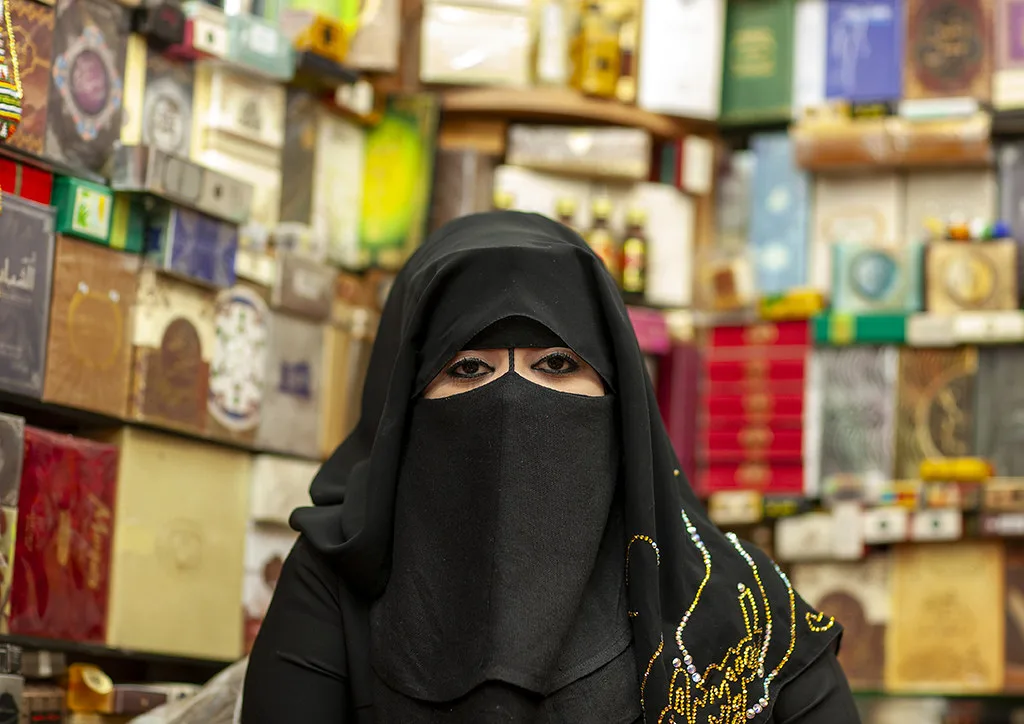
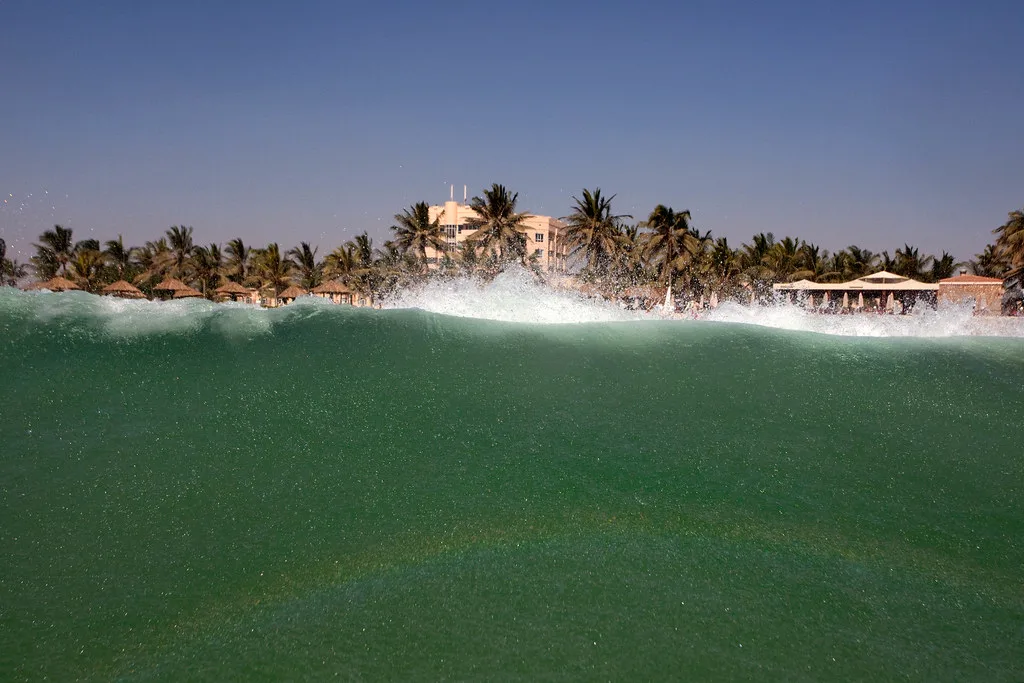
Image Credits
- Hero image: Wikimedia Commons (CC BY-SA)
- Logbook and gallery images: Wikimedia Commons (CC BY-SA)
Frequently Asked Questions
Q: Where do cruise ships dock in Salalah?
A: Salalah Port, an industrial container facility about 20 km from the city center. There is no dedicated cruise terminal. Taxi fare to town runs about 5-8 OMR ($13-21). The pier is flat and accessible for passengers with mobility needs, though surfaces may be uneven.
Q: What is the khareef season?
A: Salalah's monsoon season from June to September, when Indian Ocean winds bring mist and rain that transform the desert landscape into a green paradise. Temperatures drop to a pleasant 20-25 degrees C while the rest of the Gulf swelters. It is the only place on the Arabian Peninsula with a monsoon season.
Q: What is frankincense used for?
A: Burned as incense, used in perfumes, and widely believed to have medicinal properties. Salalah produces some of the world's finest frankincense. Buy resin and a burner at Al Husn Souq as souvenirs — prices start at about 2 OMR ($5).
Q: Is Salalah different from Muscat?
A: Yes, significantly. Salalah is in the Dhofar region, 1,000 km south of Muscat, with a different climate, landscape, culture, and dialect. Dhofar has its own monsoon season, its own frankincense heritage, and a distinctly quieter pace of life.
Q: Should I buy frankincense?
A: Absolutely. Salalah produces some of the world's finest. Al Husn Souq has endless varieties. Hojari grade is the best — translucent and green-tinged. It makes a perfect, lightweight, and genuinely unique souvenir.
Q: Is Salalah good for visitors with limited mobility?
A: The port pier is flat. Al Baleed park has accessible paths. The souq lanes are narrow but level. Mountain excursions to Wadi Darbat involve rough terrain. The waterfront corniche in town is wheelchair accessible and pleasant for an afternoon stroll.
Q: What should I pack for Salalah?
A: Modest, lightweight clothing that covers shoulders and knees. Sturdy walking shoes for archaeological sites. Sunscreen, hat, and water bottle outside khareef season. A light jacket for khareef season mountain visits when temperatures can be surprisingly cool.
Q: What is the best time to visit Salalah?
A: The seasonal panel above lists Peak Season as "Nov, Dec, Jan, Feb, Mar," Transitional Season as "Apr, Oct," and Low Season as "May, Jun, Jul, Aug, Sep." The avoidance note flags "Jul, Aug" with reason "(extreme heat exceeding 45 degrees C / 113 degrees F)." The page's existing khareef FAQ describes "Salalah's monsoon season from June to September, when the Indian Ocean brings mist and rain that transforms the desert landscape into a lush green paradise." Use the live weather widget for current short-term conditions.
Q: What is Salalah's storm season?
A: The Weather Hazards panel above is built around extreme-heat exposure — the hazard-note reads: "Stay hydrated; limit outdoor exposure; choose air-conditioned attractions." The avoidance note flags "Jul, Aug" for "(extreme heat exceeding 45 degrees C / 113 degrees F)." The page's existing khareef FAQ describes the June-September monsoon's "mist and rain" on the Dhofar coast. Specific cyclone history is not detailed on this page; for current storm or weather outlook, use the live weather widget in the seasonal panel above.
Q: Will rain ruin my Salalah port day?
A: The seasonal panel does not give Salalah-specific rainfall data — the Rain entry reads "Seasonal variation — check forecast" — but the page's khareef FAQ above describes "mist and rain" as central to Salalah's June-September monsoon, the very rainfall that "transforms the desert landscape into a lush green paradise." Outside that window, rain is not the page's weather concern — heat is. The live weather widget in the seasonal panel is the source for short-term forecasts on a specific sailing date.