


My Logbook: Where the Fog Writes the Story
I stepped off the gangway at Pier 27 into a cold wall of fog, and for a moment I could not see anything beyond the terminal roof. The air tasted of salt and diesel, and somewhere out in that gray curtain a foghorn moaned its long, low warning across the bay. My jacket was already damp before I had walked ten paces. This was my introduction to San Francisco — not the postcard city of sunshine and painted Victorians, but the real one, wrapped in cloud and mystery, daring me to come find it.
I turned left along the Embarcadero, following the waterfront promenade toward Fisherman's Wharf. Joggers passed me in both directions, their footfalls soft on the wet pavement. Sea lions barked from the direction of Pier 39 — a hoarse, insistent chorus that carried across the water like an argument no one could win. I could smell roasting coffee from a sidewalk cart and, beneath that, the briny tang of the bay itself. Within fifteen minutes of walking I reached the Wharf, and the fog was already thinning, shredded by a breeze that hinted at warmth to come.

My first destination was the Golden Gate Bridge, and I took a rideshare north from the Wharf for about $15. The driver dropped me at the south vista point, where the bridge towers rose into shifting layers of mist and pale blue sky. I walked out onto the pedestrian sidewalk and felt the entire structure vibrate beneath my feet — a living thing, humming with the weight of thousands of cars and the constant push of Pacific wind. The cables sang a low note I could feel in my chest. Halfway across, the fog rolled back in. One moment I could see clear to the Marin Headlands and the dark green slopes of the coastal hills; the next, I was wrapped in gray so thick I could barely make out the person walking ten feet ahead of me. The bridge towers vanished. The foghorn bellowed. I stood there, suspended 220 feet above water I could no longer see, trusting a span of steel and cable that had disappeared into cloud.
Something shifted in me on that bridge. I had read about the Golden Gate all my life, seen it in a hundred photographs, but nothing had prepared me for the feeling of standing inside the fog while the structure trembled and groaned around me. I whispered a quiet prayer of gratitude — for the engineers who built this impossible thing, for the beauty that hides inside what you cannot see, for the simple courage it takes to keep walking when the path ahead has vanished. My eyes filled with tears, though whether from wind or emotion I could not say. My heart swelled with something I can only call awe.
Back on solid ground, I caught a bus to Fisherman's Wharf and made straight for the clam chowder bread bowls at Boudin Bakery. The sourdough was warm, its crust crackling under my fingers, and the chowder inside was thick and creamy, rich with tender clams and chunks of potato. I ate it on a bench overlooking the water, watching a pelican dive for fish while sea gulls circled overhead, hoping I would share. The bread bowl cost $12 and was worth every cent — not gourmet by any measure, but honest and filling, the kind of food that warms you from the stomach outward on a cold San Francisco afternoon.

After lunch I walked to Pier 33 for my Alcatraz ferry. I had booked my tickets three weeks in advance — and I cannot stress this enough: if you want to see Alcatraz, book ahead the moment you know your cruise dates, because tickets sell out fast. The ferry ride across the choppy bay took fifteen minutes, and then I was standing on the island, staring back at the city skyline shimmering in the distance. The audio tour was extraordinary. Narrated by former guards and inmates, it turned cold concrete cell blocks into something alive with human stories. I heard about desperate escape attempts, the daily routine of men confined within sight of a city they could never reach, and the psychological weight of freedom visible but forever out of grasp. The cells were small and cold. I reached out and touched the rough iron bars, and the metal was so cold it stung my fingers.
From Alcatraz I returned to the Wharf and caught a cable car — the Powell-Hyde line, which climbs Nob Hill and Russian Hill before descending to the waterfront near Ghirardelli Square. The fare was $8, and I paid the conductor in cash as I stepped aboard. The gripman worked the brake lever with practiced ease, calling out stops in a voice that cut through the clatter of the cable beneath the street. I stood on the running board, leaning out over the steep drop of Hyde Street, the bay spread out below me in a blue expanse dotted with sailboats. The wind smelled of eucalyptus from the trees lining the street, and each intersection brought a new view — Lombard Street's famous switchbacks draped in flowers, the spire of Saints Peter and Paul Church, the green sweep of Washington Square.

I stepped off at the top of Lombard Street and walked down its eight hairpin turns, the brick roadway flanked by hydrangeas and roses in every shade of pink and red. It was steep and my knees protested, but the view from the bottom — looking back up at the crooked road framed by Victorian houses and the blue sky above — was the kind of scene that makes you understand why people fall in love with this city. However, the crowds were thick and I had to wait my turn for a clear photograph.
My last stop of the day was Chinatown, the oldest in North America. I entered through the Dragon Gate on Grant Avenue and immediately the city changed around me. Narrow alleys lined with red lanterns, the scent of roasting duck and incense drifting from open doorways, steamer carts rattling through dim sum restaurants where families gathered around round tables stacked with bamboo baskets. I climbed the steep stairs to Tin How Temple, where incense smoke curled toward a ceiling blackened by a century of devotion. I bought egg tarts at a bakery on Stockton Street — $2 each, warm from the oven, their custard filling sweet and smooth against the flaky pastry. I found the Golden Gate Fortune Cookie Factory tucked in Ross Alley, where a woman folded cookies by hand on a small griddle, the same way they have been made here for decades.
Walking back toward the Embarcadero as the sun began to set, I paused on Telegraph Hill and looked out over the bay. The fog was returning, pouring through the Golden Gate like a slow river of cloud. The bridge towers stood half-submerged, their red tops glowing in the last golden light while everything below dissolved into white. Alcatraz was already gone, swallowed by the mist. The city lights were beginning to flicker on behind me. I stood there for a long time, feeling the cold wind on my face, listening to the distant clang of a cable car bell and the foghorn's patient call.
Looking back, I realized that San Francisco taught me something I did not expect. I learned that the most beautiful things are not always the ones you can see clearly — that fog is not an obstacle but an invitation, that a city half-hidden is more captivating than one fully revealed. The Golden Gate Bridge is more than engineering; it is an act of faith, a span thrown across the unknown. And sometimes the greatest gift of travel is not the destination itself but the willingness to keep walking forward when you cannot see what lies ahead, trusting that the beauty is there even when it is wrapped in cloud. What matters is the courage to step into the fog.
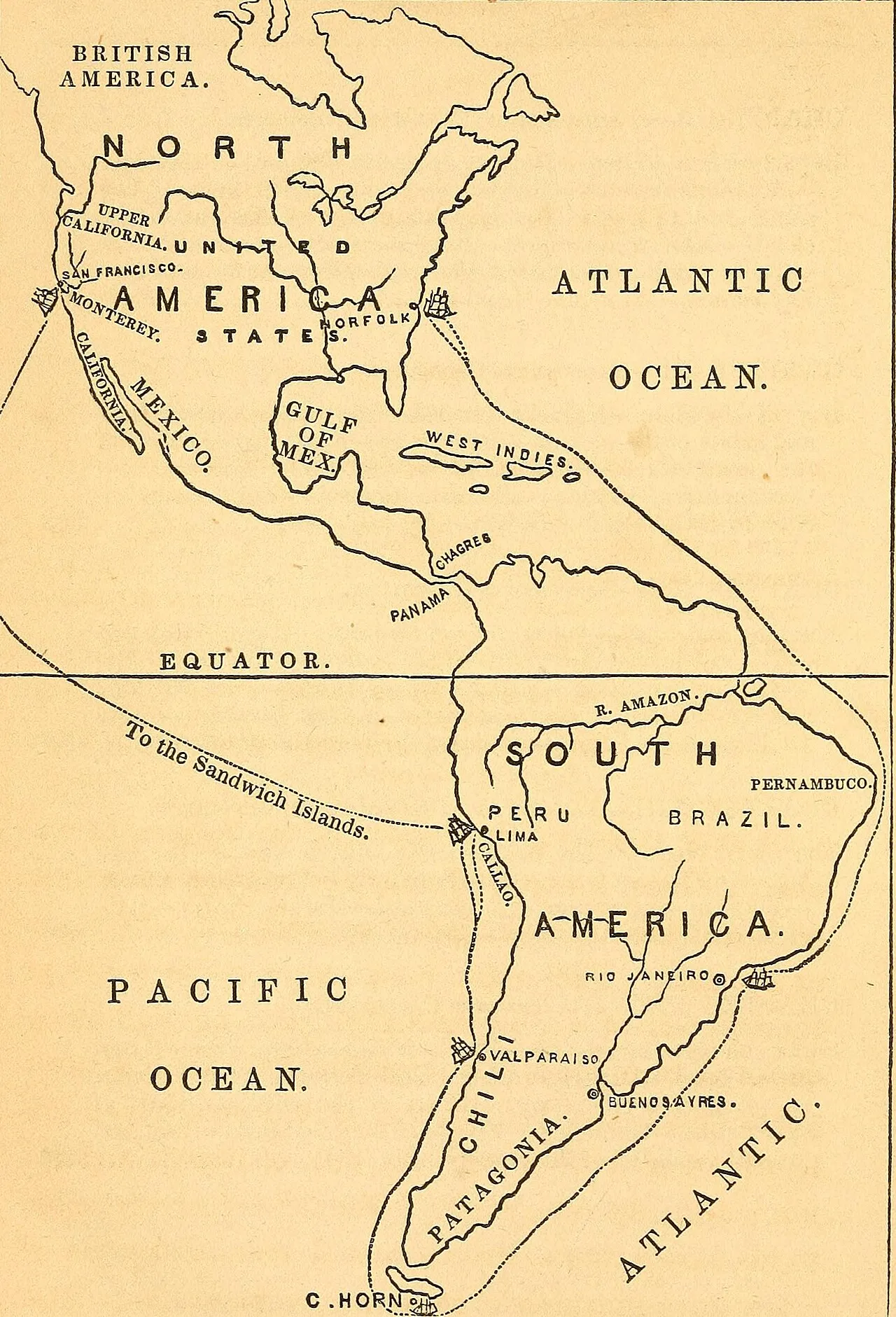
The Cruise Port
What you need to know before you dock.
- Terminal: James R. Herman Cruise Terminal at Pier 27 — modern 91,000 sq ft facility opened 2014; electric shore power; Bay views. The terminal is wheelchair accessible with ramps and elevators throughout.
- Distance to City Center: 20 min walk to Embarcadero BART/Muni; 15 min walk to Fisherman's Wharf along flat waterfront promenade
- Tender: No — ships dock directly at the pier
- Currency: US Dollar (USD); credit cards widely accepted; ATMs throughout waterfront area
- Language: English (with significant Spanish, Chinese, and other language communities)
- Driving: Right side; car rental available but not recommended for cruise day (parking cost $30-50/day, hills challenging, public transit excellent)
- Best Season: September-October (warmest, driest); summer brings fog; layered clothing essential year-round
- Mobility: Waterfront flat and accessible; inland areas have steep hills; cable cars not wheelchair accessible but Muni buses are
Getting Around
San Francisco is a remarkably walkable city along the waterfront, though the steep hills inland can challenge even fit travelers. The Embarcadero promenade from the cruise terminal to Fisherman's Wharf is flat, scenic, and well-maintained — an easy fifteen-minute stroll past joggers, cyclists, and locals walking their dogs. Beyond the waterfront, you will want to use the city's excellent public transit system to save your legs for exploring.
- Walking: Waterfront from terminal to Fisherman's Wharf very walkable (15 min flat walk along Embarcadero). Hills get steep inland — wear comfortable shoes with good grip. Moderate walking required for most sightseeing.
- Cable Cars: $8 per ride (cash or Clipper card). Powell-Hyde and Powell-Mason lines most useful for tourists. Expect long lines at turnarounds — board mid-route for shorter waits. Not accessible for wheelchair users.
- Muni (Bus/Streetcar): $3 per ride or $24 day pass; F-Market historic streetcar runs along Embarcadero to Fisherman's Wharf (frequent, scenic, convenient). All Muni buses are wheelchair accessible with low-floor boarding and ramps.
- BART: Bay Area Rapid Transit — underground rail system. Embarcadero station 20 min walk from terminal; useful for reaching downtown, Mission District, or Oakland. Fare $2-12 depending on distance.
- Taxi/Uber/Lyft: Readily available. Expect $15-25 for most tourist destinations from cruise terminal. Golden Gate Bridge about $20-25 by rideshare.
- Alcatraz Ferry: Departs Pier 33 (5 min walk from cruise terminal). Book online weeks in advance through official Alcatraz Cruises only. Ferry cost included in ticket price of $41 per adult.
- Bike Rental: Several rental shops near Fisherman's Wharf offer bikes from $8/hour or $30/day. Popular route: ride across Golden Gate Bridge to Sausalito, ferry back. Low-energy option for those who prefer cycling to walking hills.
San Francisco Area Map
Interactive map showing cruise terminal, Fisherman's Wharf, Alcatraz Ferry at Pier 33, Golden Gate Bridge, and downtown San Francisco. Click any marker for details and directions.
Excursions & Activities
How I'd spend my time.
Golden Gate Bridge
The 1.7-mile suspension bridge is not just an icon — it is an experience. Walk or bike across (sidewalk access free). Fort Point sits underneath the south end, a Civil War-era fort with stunning bridge views. Pedestrian entrance near toll plaza; allow 1-2 hours for walk across and back. Bring layers — it is windy and often foggy mid-span. The Bridge Pavilion visitor center offers history and photos. This is a moderate walking activity suitable for most fitness levels, though the full round-trip walk covers 3.4 miles.

Alcatraz Island
Former federal prison (1934-1963) on island in San Francisco Bay. Ferry from Pier 33 (15 min ride) includes excellent audio tour narrated by former guards and inmates. See cells where Al Capone and Robert Stroud lived, hear escape stories, explore grounds with bay views. BOOK 2-4 WEEKS IN ADVANCE — tickets sell out. Cost is $41 per adult. Allow 2.5-3 hours total including ferry. Worth every penny. You can book ahead through the official website, or check if your cruise line offers this as a ship excursion with guaranteed return to the pier.
Fisherman's Wharf & Pier 39
Historic waterfront district — seafood restaurants, sourdough bread shops (Boudin Bakery makes bread bowls daily for $12), sea lions hauled out on floating docks (barking chorus year-round), street performers. Pier 39 has shops and bay views. Touristy but genuinely fun. Walk from cruise terminal (15 min). Clam chowder in sourdough bread bowl is mandatory. Half-day browsing and eating. This is a low-energy, flat waterfront walk ideal for all mobility levels.
Cable Cars
Historic moving landmarks — three lines still operating since 1870s. Powell-Hyde and Powell-Mason lines most scenic, climbing Nob Hill and Russian Hill with bay views. $8 per ride (pay conductor). Turnaround at Powell and Main gets crowded; jump on mid-route. Stand on running board if you dare. Gripmen manually operate brakes on steep hills — it is equal parts transit and performance art. A $24 day pass covers unlimited rides.
Coit Tower
210-foot Art Deco tower atop Telegraph Hill (1933). Panoramic 360-degree views of city, bay, bridges. Inside: stunning Depression-era WPA murals depicting California life. Elevator to top $10. Climb the Filbert Street steps through flower gardens to reach tower (alternative to taxi). Allow 1-2 hours. Views rival anything you will pay more for.

Chinatown
Oldest Chinatown in North America — enter through Dragon Gate at Grant Avenue and Bush. Narrow alleys (Ross Alley, Waverly Place), temples with incense smoke curling skyward, herbal medicine shops, dim sum restaurants, bakeries selling egg tarts ($2 each) and pork buns. Tin How Temple (1852) up steep stairs. Golden Gate Fortune Cookie Factory hand-folds cookies. 15 min walk from Embarcadero. Allow 2-3 hours to explore properly.
North Beach (Little Italy)
Italian neighborhood clinging to hillside — family-run restaurants, espresso cafes, City Lights Bookstore (Beat Generation landmark), Washington Square Park. Authentic trattorias, focaccia bakeries, old-school cafes where regulars argue about bocce. Walk from Fisherman's Wharf (20 min). Less touristy, more soul. Ideal for mid-afternoon cappuccino and people-watching.
Hyde Street Pier & Maritime Museum
Historic ships you can board — 1886 square-rigger Balclutha, 1890s ferry Eureka, steam schooner, tugboat. Part of San Francisco Maritime National Historical Park. Also nearby: USS Pampanito WWII submarine at Pier 45 (self-guided audio tour $20), Musee Mecanique (antique arcade games, free entry). Combined tickets available. 2-3 hours for serious maritime enthusiasts.
Lombard Street
The famous crookedest street in America descends Russian Hill through eight tight switchbacks flanked by hydrangeas and roses. Walk down (or up, if your knees are strong) for memorable views. Free to walk. Best approached from the top via cable car to Hyde Street. Allow 30 minutes including photo stops. Strenuous if walking uphill.
DIY vs. Ship Excursion
San Francisco is one of the easiest ports to explore independent of organized tours. The waterfront is walkable, public transit is excellent, and English is the native language. Going independent saves significant money — a self-guided day of cable cars, Chinatown, and the Wharf costs under $40, while comparable ship excursion packages run $80-150 per person. However, for Alcatraz specifically, a ship excursion offers guaranteed return to the pier and eliminates the stress of managing ferry timing on your own. For the Golden Gate Bridge visit, independent travel via rideshare ($20-25) is typically more flexible and affordable than organized tours. Book ahead for Alcatraz — whether through the cruise line or independently — as tickets sell out weeks in advance.
Depth Soundings Ashore
Final notes before you step off the ship — the honest details that shape your day.
- Alcatraz tickets sell out 2-4 weeks ahead — book immediately when cruise is confirmed. Official site only: alcatrazcruises.com. Cost: $41 per adult.
- Layer clothing — fog brings chill even in July. Temperature swings of 15-20 degrees between neighborhoods are common. Bring a jacket regardless of season.
- Cable cars get mobbed at turnarounds (Powell and nearby). Walk a few blocks uphill and board mid-route for better chance of riding outside.
- Skip tourist trap restaurants at Fisherman's Wharf main drag — walk one block inland for better food and prices. Or embrace the kitsch with a clam chowder bread bowl at Boudin ($12).
- Sea lions at Pier 39 hauled out year-round, but peak numbers (hundreds) arrive January-July. They are loud, smelly, and utterly entertaining.
- F-Market historic streetcar runs vintage streetcars along Embarcadero — cheaper than cable car ($3 vs $8), same great views, much shorter lines.
- Golden Gate Bridge walkway closes to pedestrians during high winds. Check weather and alerts before planning bridge walk.
- Chinatown dim sum best before 2 PM. Point at steamer carts, try everything, cash preferred at most spots.
- Budget for the day: a self-guided tour of cable cars, Chinatown, and Fisherman's Wharf can be done for $40-50 per person including food. Add Alcatraz for $41 more.
Key Facts
- Country
- United States
- Region
- Pacific
- Currency
- US Dollar (USD); credit cards widely accepted; ATMs throughout waterfront area
- Language
- English (with significant Spanish, Chinese, and other language communities)
Photo Gallery


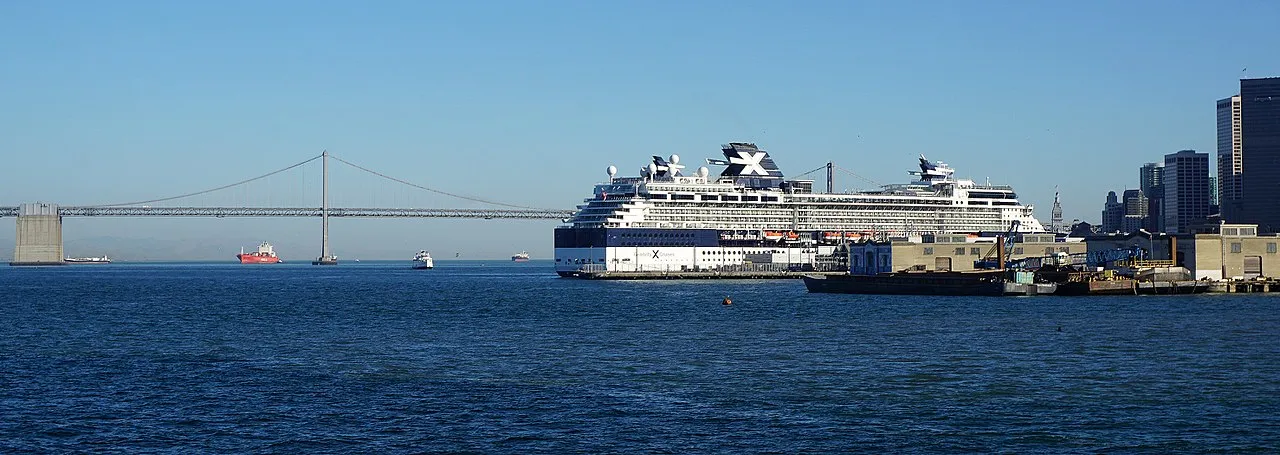
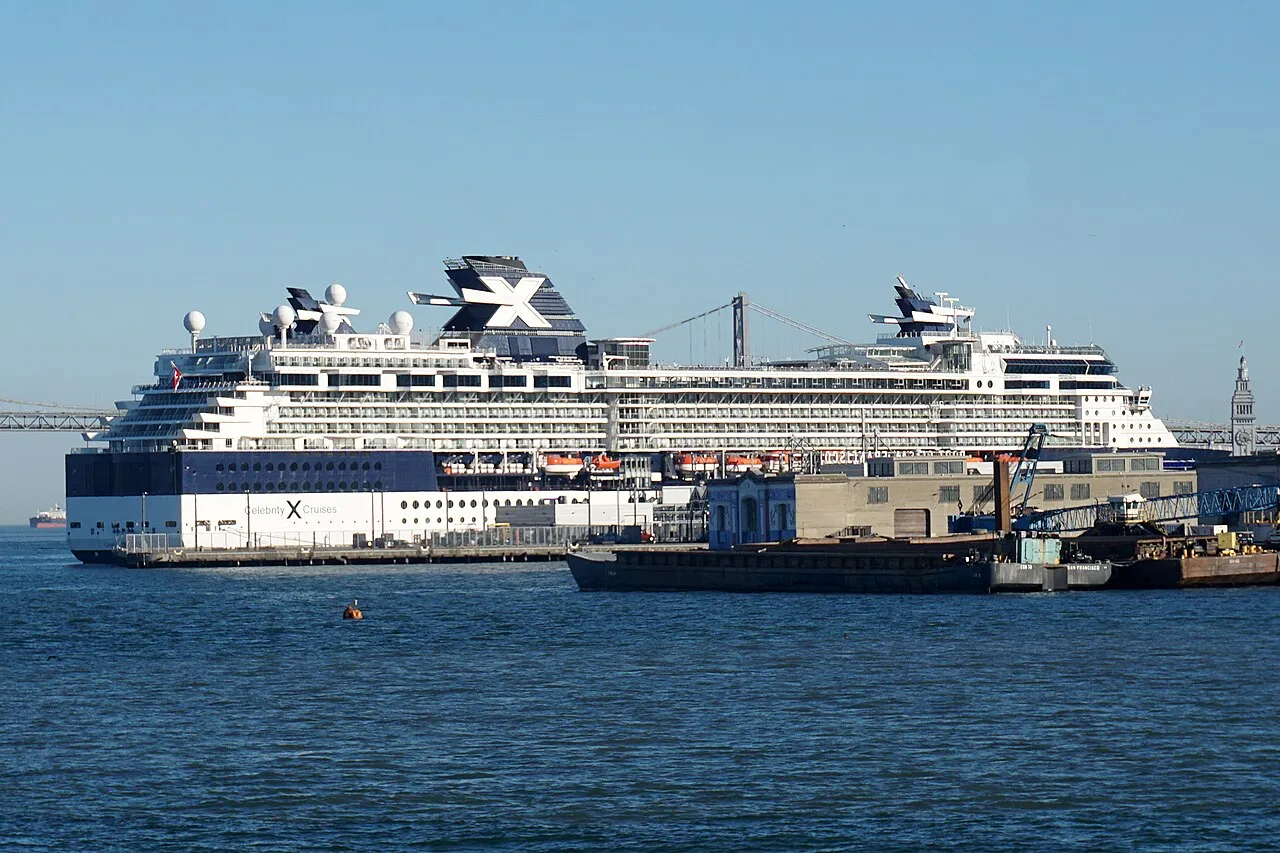
Image Credits
- sf-hero.webp: Wikimedia Commons (CC BY-SA)
- sf-golden-gate.webp: Wikimedia Commons (CC BY-SA)
- sf-fishermans-wharf.webp: Wikimedia Commons (CC BY-SA)
- sf-cable-car.webp: Wikimedia Commons (CC BY-SA)
- sf-alcatraz.webp: Wikimedia Commons (CC BY-SA)
- sf-chinatown.webp: Wikimedia Commons (CC BY-SA)
- sf-harbor.webp: Wikimedia Commons (CC BY-SA)
- sf-lombard.webp: Wikimedia Commons (CC BY-SA)
- sf-pier39.webp: Wikimedia Commons (CC BY-SA)
- sf-painted-ladies.webp: Wikimedia Commons (CC BY-SA)
- sf-bay-bridge.webp: Wikimedia Commons (CC BY-SA)
- sf-skyline.webp: Wikimedia Commons (CC BY-SA)
Images sourced from Wikimedia Commons under Creative Commons licenses.
Frequently Asked Questions
Q: Where do cruise ships dock in San Francisco?
A: James R. Herman Cruise Terminal at Pier 27 on The Embarcadero. Modern facility on northern waterfront, walkable to Fisherman's Wharf (15 min) and downtown. The terminal is fully accessible for wheelchair users and passengers with mobility challenges.
Q: Do I need to book Alcatraz tickets in advance?
A: YES. Book 2-4 weeks ahead through official Alcatraz Cruises website. Tickets cost $41 per adult and sell out, especially in summer. Ferry departs Pier 33 (5 min walk from cruise terminal).
Q: Can I walk to the Golden Gate Bridge from the cruise terminal?
A: It is 3.5 miles from cruise terminal to bridge — doable but a long walk (1 hour+). Better: take bus, Uber ($20-25), or bike rental ($8/hour). Once there, pedestrian walkway is free and spectacular.
Q: What is the best way to see the city on a cruise day?
A: If you have Alcatraz tickets, that is your priority (3 hours total). Without Alcatraz: walk waterfront to Fisherman's Wharf, ride cable car ($8), explore North Beach or Chinatown, visit Coit Tower ($10 elevator). City is walkable but hilly.
Q: Will the weather be foggy?
A: Likely! Summer (June-August) is foggiest. September-October warmest and clearest. Bring layers regardless — fog can roll in any time. That is part of the charm.
Q: What is the best time of year to visit San Francisco?
A: Peak cruise season runs May through October. September and October offer the warmest, clearest weather. Check the weather section above for specific month recommendations based on your planned activities.
Q: What should I pack for San Francisco?
A: Layers are essential — a warm jacket, comfortable walking shoes with good grip for hills, and sunscreen. Even in summer, fog can drop temperatures quickly. Check the packing tips section in our weather section for more recommendations.