


Captain's Logbook
Booking guidance: Ship excursion options provide guaranteed return to port and are worth considering for first-time visitors. For those who prefer to explore independently, local operators often offer competitive rates — book ahead during peak season to secure your preferred times. Whether you choose a ship excursion or go independent, confirm departure times and meeting points before heading out.
Scotland: Greenock/Glasgow & South Queensferry/Edinburgh
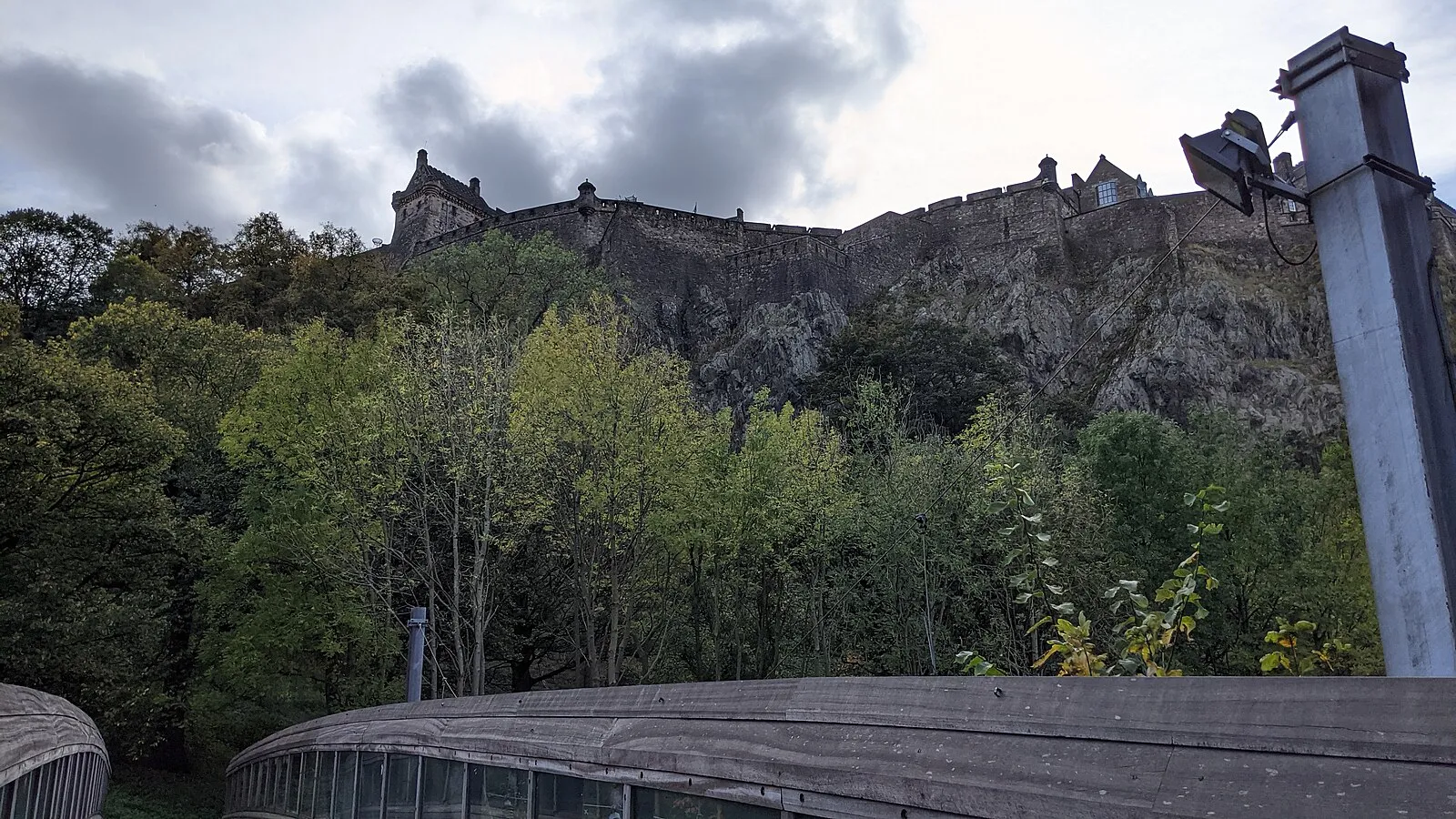
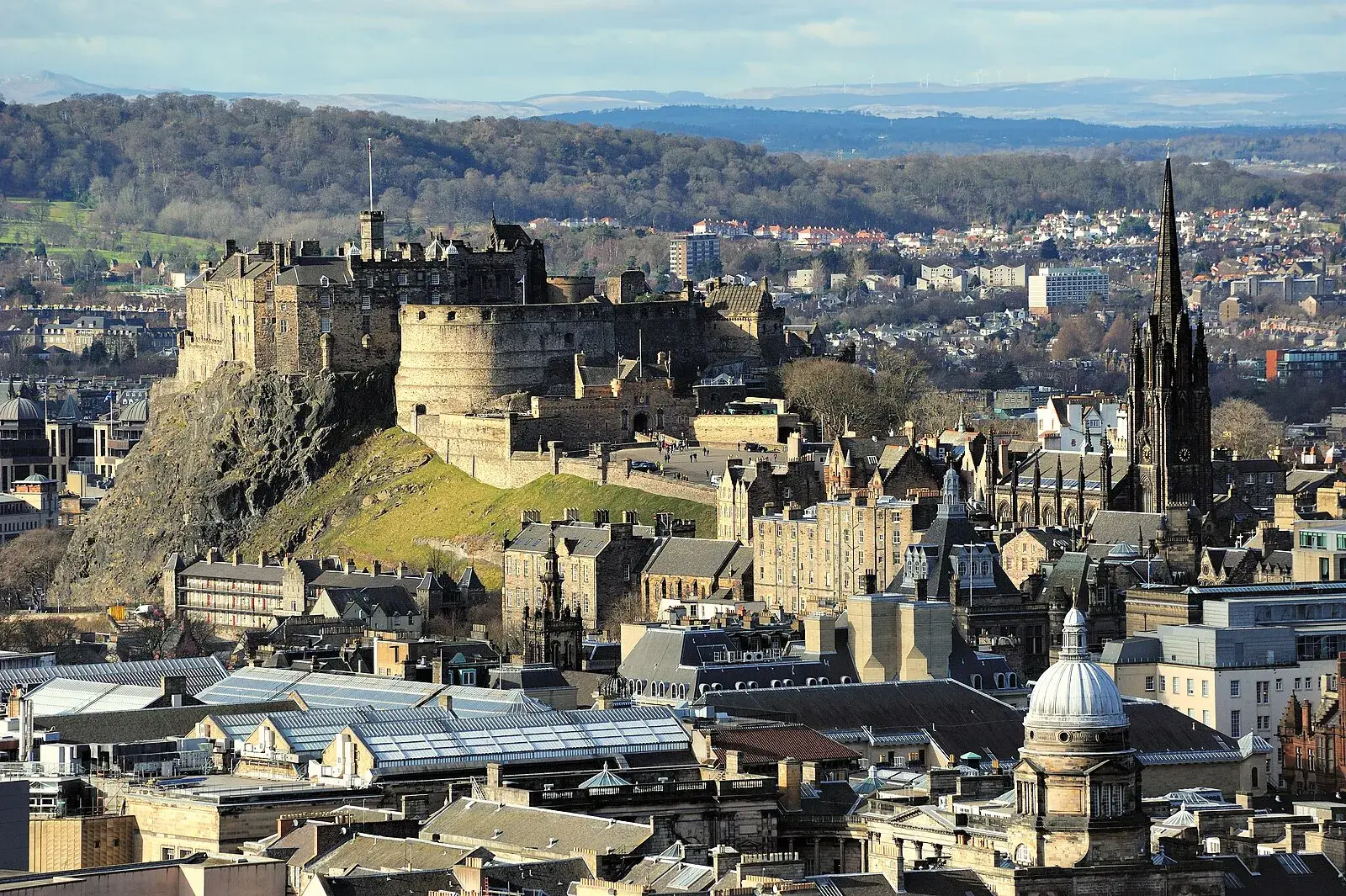
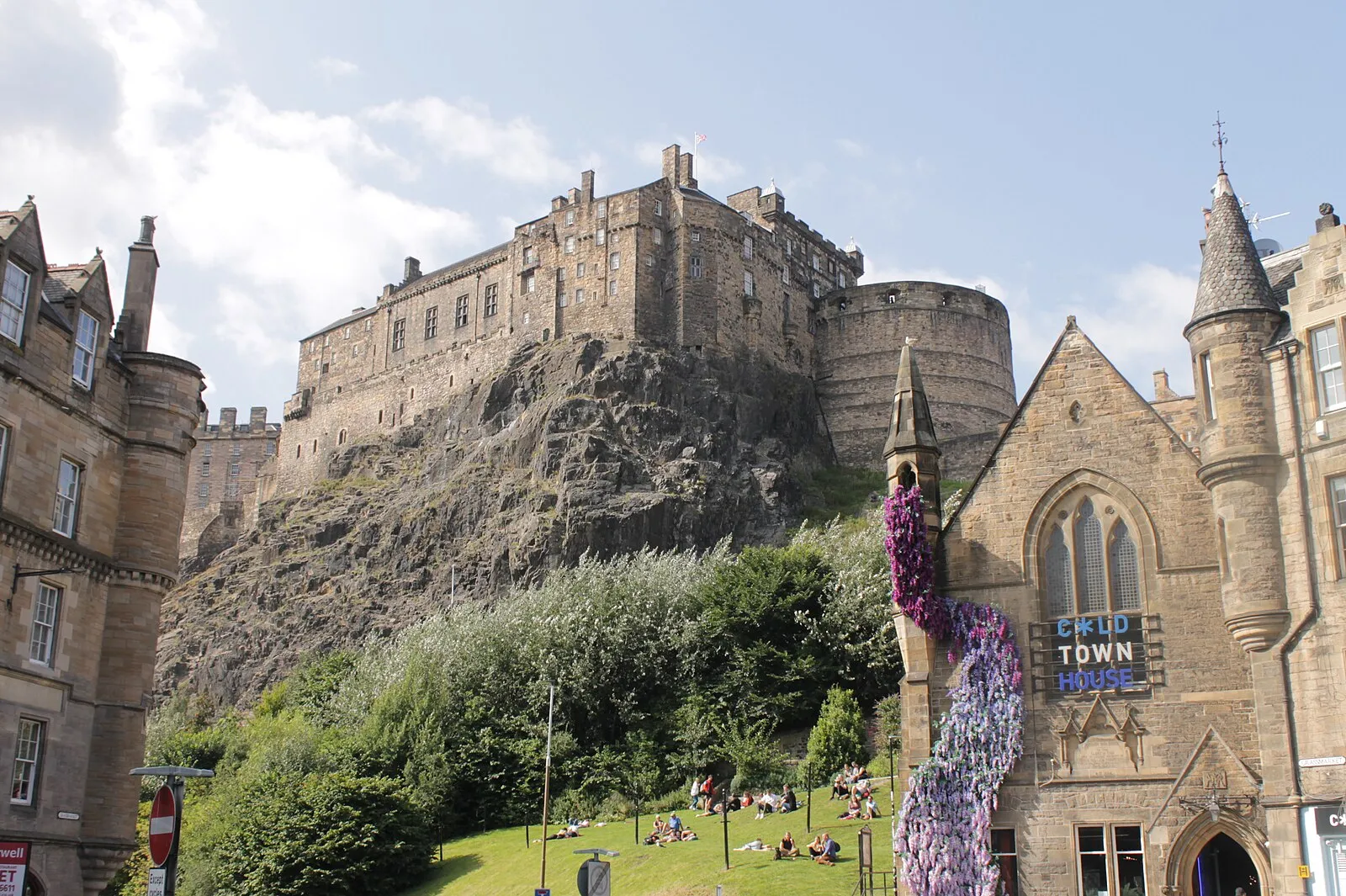
Seeing Edinburgh Castle perched on its volcanic rock as we tender into South Queensferry is pure magic — this town is named for Queen Margaret of Scotland, who established the ferry crossing around 1071 to aid pilgrims traveling to St Andrews. The service ran for nearly 900 years until the Forth Road Bridge opened in 1964. Glasgow's gritty-cool vibe from Greenock is the perfect contrast, and both ports score 4.9–5.0.
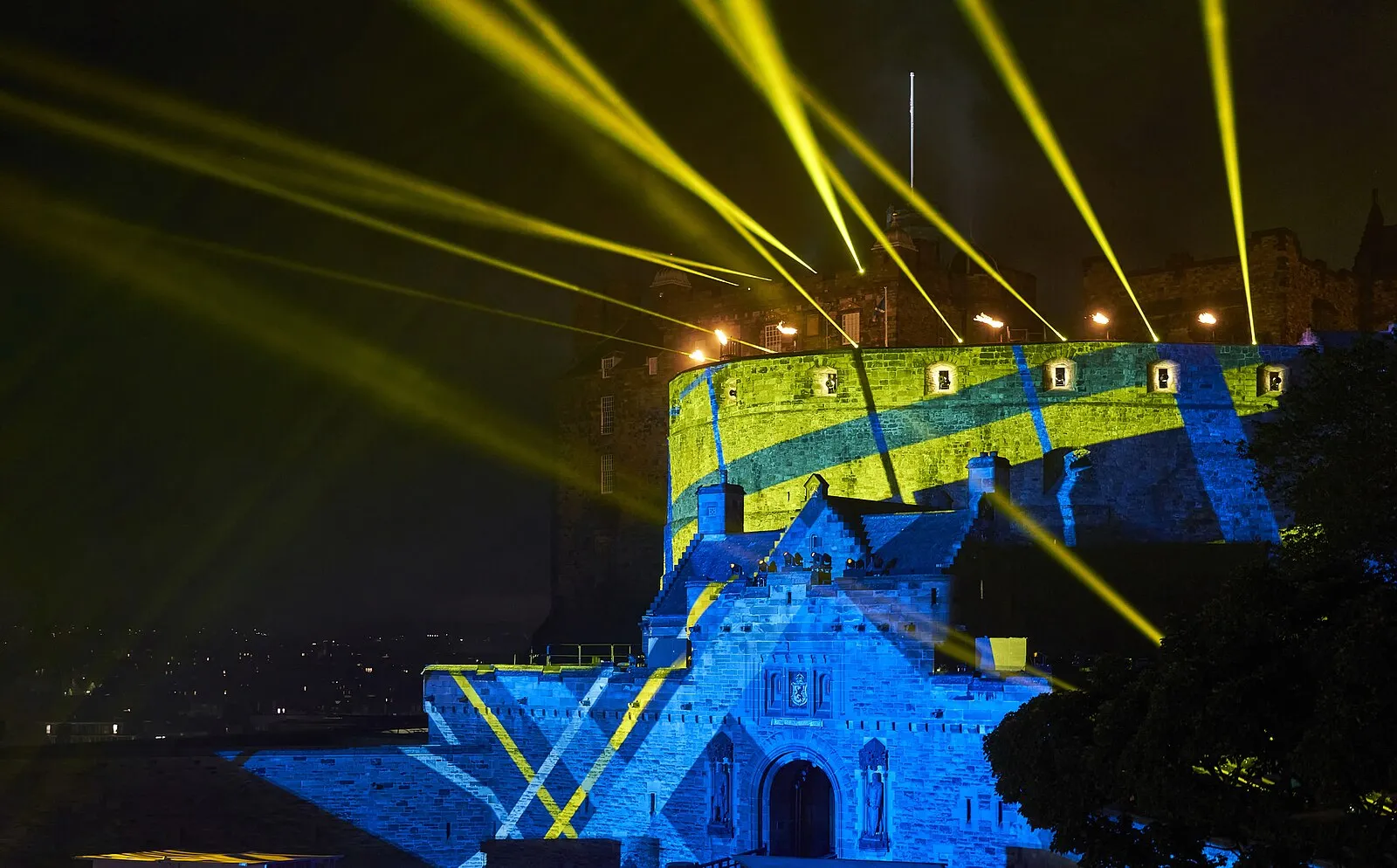
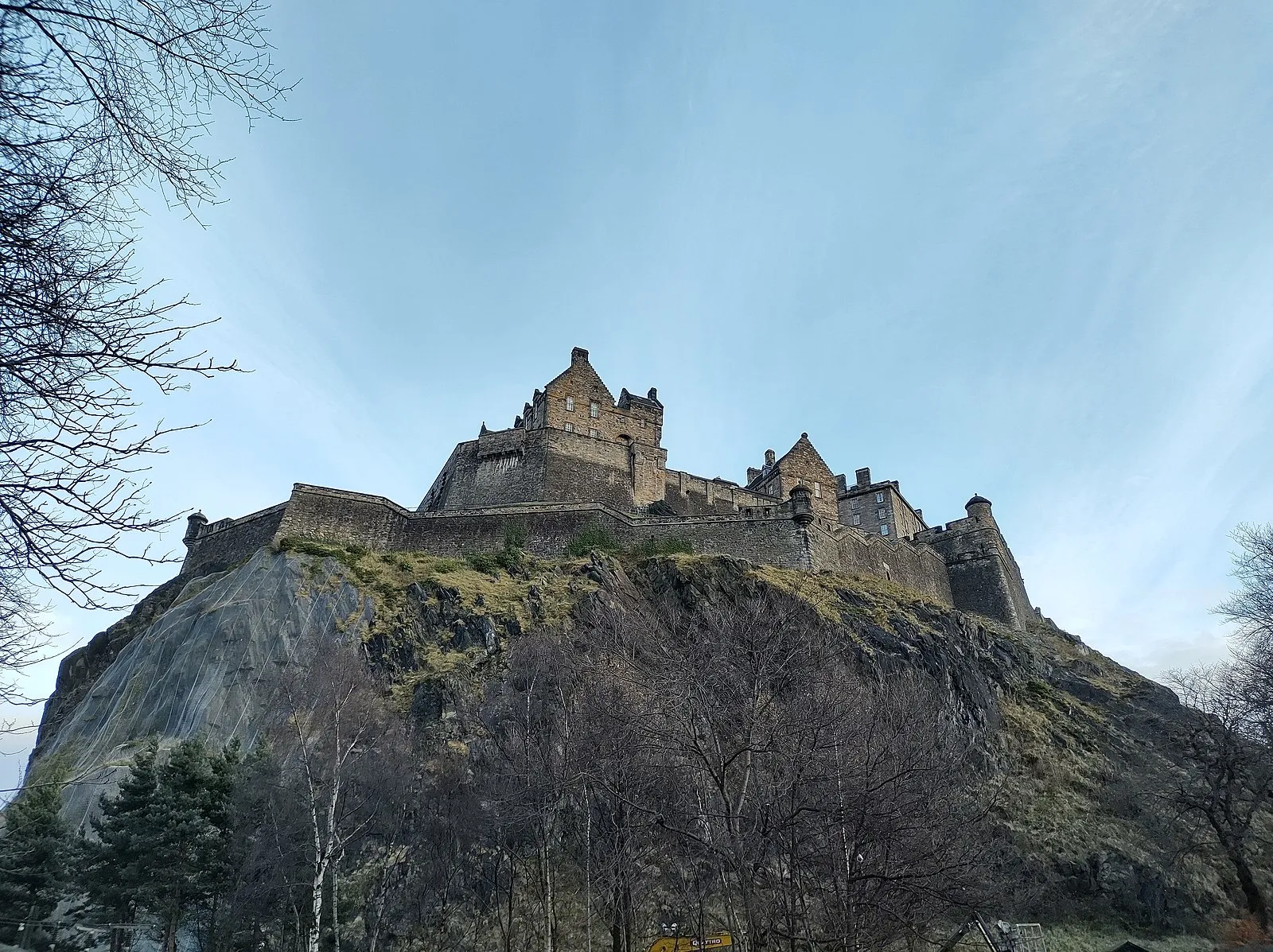
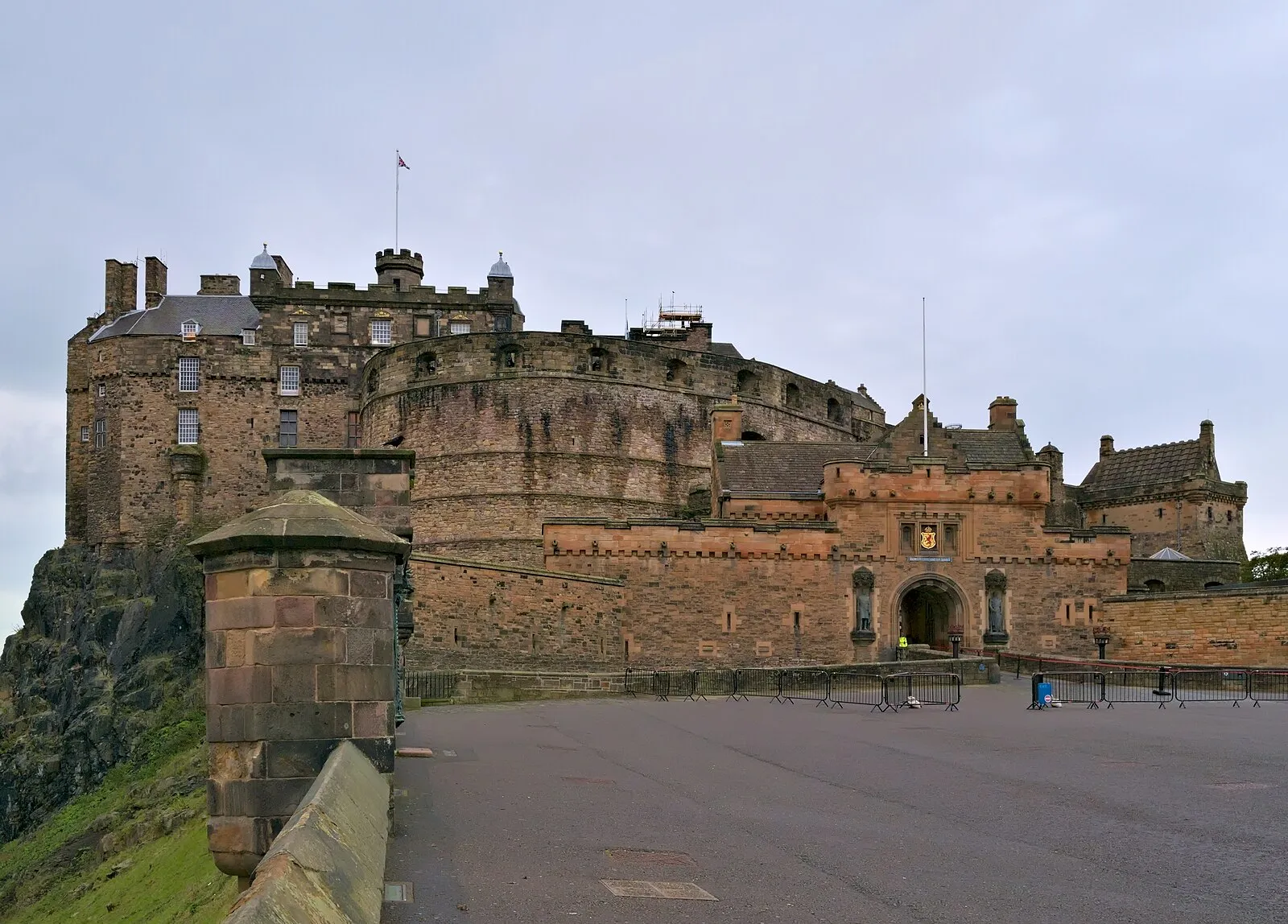
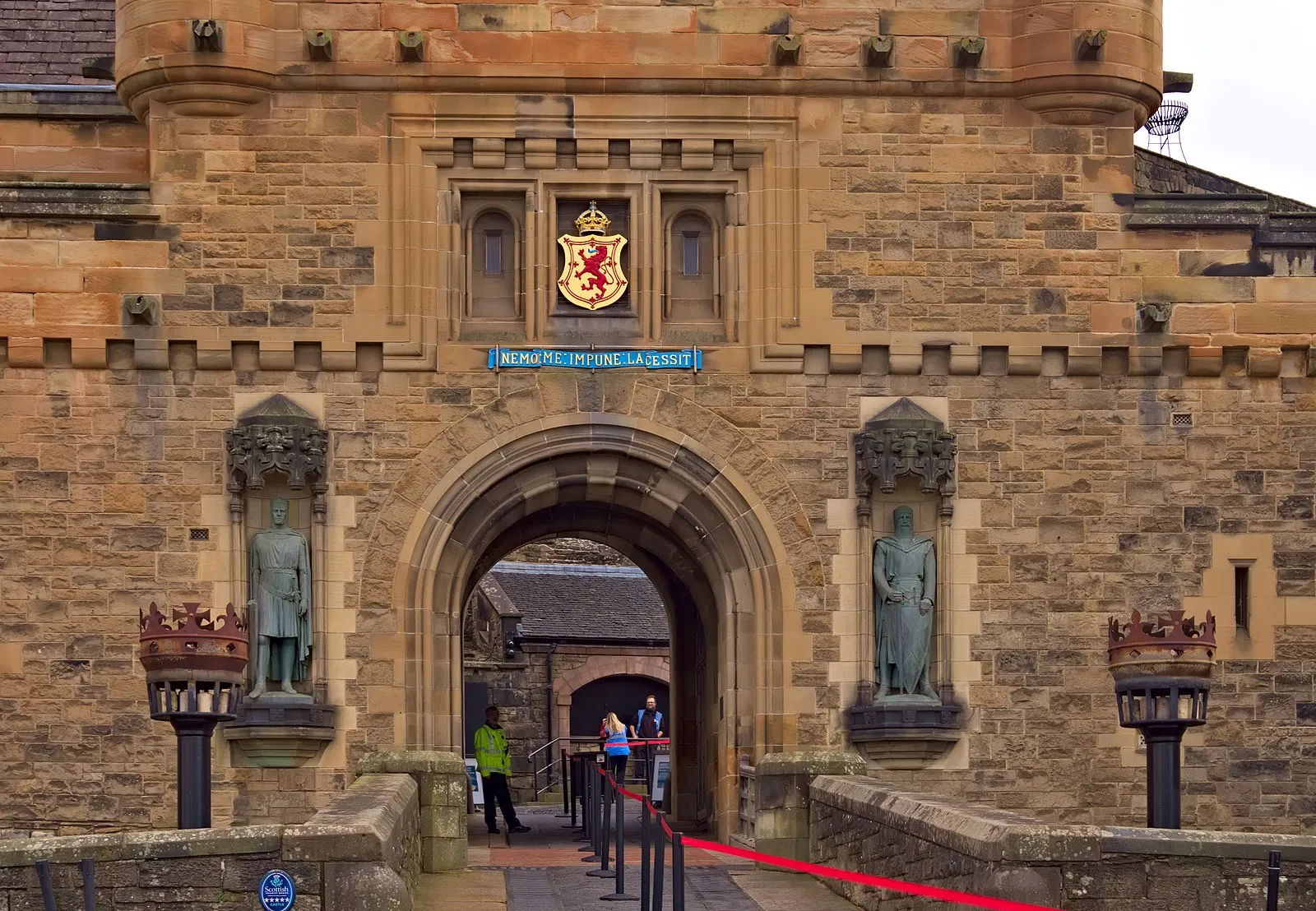
In Edinburgh: Royal Mile at opening, Edinburgh Castle (sitting on 350-million-year-old volcanic rock!) for the Crown Jewels and One O'Clock Gun, then Victoria Street (the real Diagon Alley) for photos and whisky tasting. Hiking Arthur's Seat or a ghost tour at night are unforgettable.
In Glasgow: George Square, the Kelvingrove Art Gallery (free and fabulous), and a pint at The Horseshoe Bar. Loch Lomond day trips from Greenock are stunning.
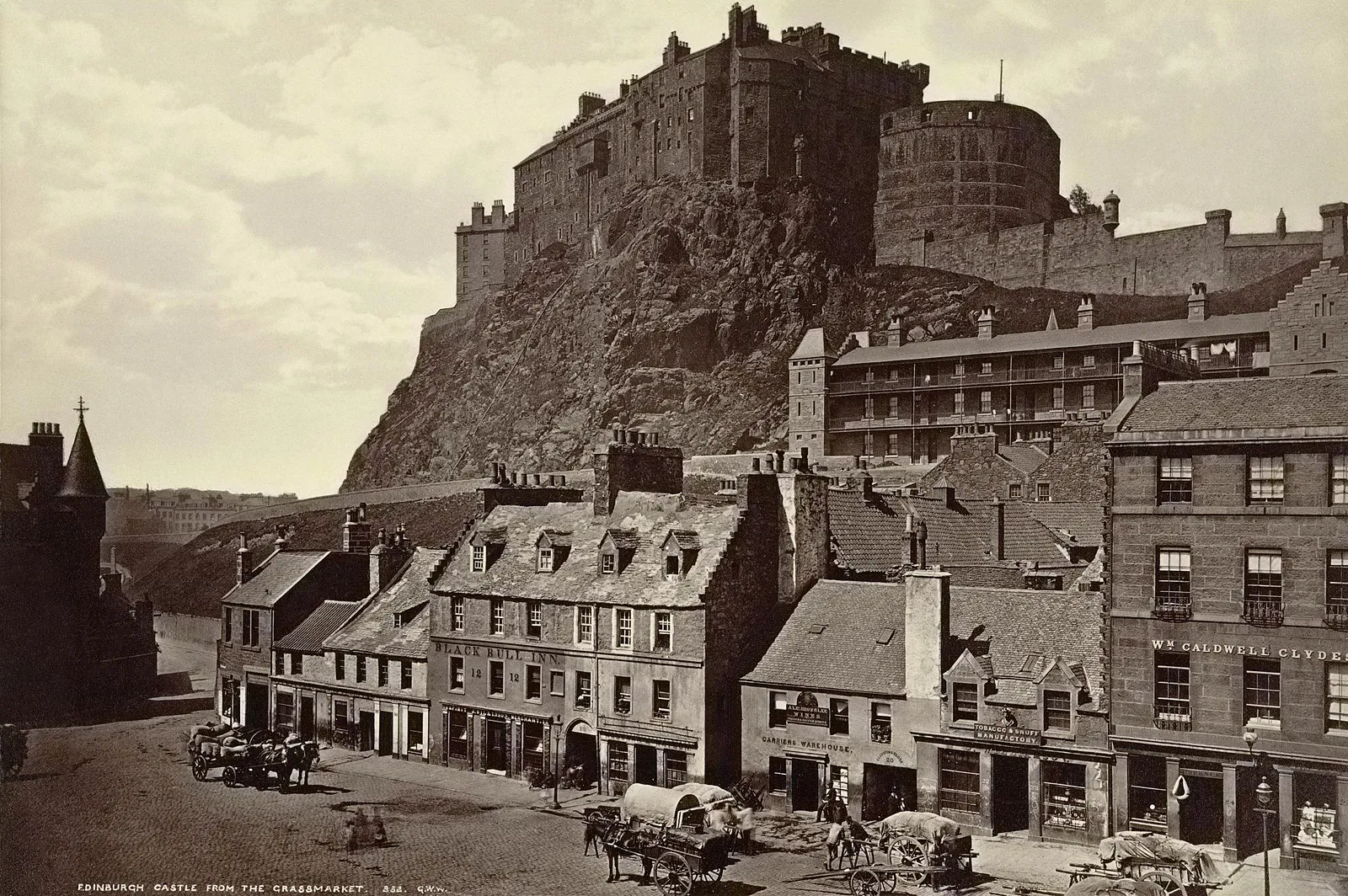
I remember walking down the Royal Mile early that morning before the crowds arrived. The cobblestones were still damp from overnight rain, and the air smelled of wet stone and roasting coffee drifting from a shop that had just opened its doors. My footsteps echoed in the narrow closes — those ancient alleyways that branch off the main street like capillaries from an artery. I ducked into one called Advocate's Close and found myself in a hidden courtyard where a cat sat perfectly still on a windowsill, watching me with the calm authority of someone who owned the place. I could hear a busker somewhere above tuning a fiddle, the notes floating down between the old tenement walls.
In Glasgow, I took the train from Greenock and arrived at Central Station with its vast Victorian glass roof. The city surprised me — where Edinburgh felt like a museum you could walk through, Glasgow felt alive in a rougher, more honest way. I wandered into the Kelvingrove Art Gallery and stood for a long time in front of Salvador Dali's Christ of St John of the Cross, hanging above the main hall. The painting shows the crucifixion from above, looking down, and something about that perspective caught in my throat. I had not expected to feel moved in an art gallery on a Tuesday morning, but there it was — the kind of encounter that changes how you see everything else for the rest of the day.
On the tender ride back to the ship from South Queensferry, I sat on the upper deck and watched the three Forth bridges — rail, road, and the newest one — stretching across the water in the fading light. The oldest, the cantilever rail bridge from 1890, glowed red against the grey sky. I thought about all the crossings that body of water had seen over a thousand years, from Queen Margaret's pilgrim ferries to the container ships passing beneath us. My hands were cold from the Scottish wind, and I could taste salt on my lips. I pulled my jacket tighter and felt grateful — not for any particular thing, but for the accumulation of all these small moments that make a port day worth remembering.
The whisky tasting at a small distillery near the Royal Mile cost about 25 pounds and lasted ninety minutes. The guide walked us through five single malts, each from a different region of Scotland, and I learned more about peat and barley in that session than I had in years of casually ordering Scotch. The Islay dram tasted like a campfire on a rainy beach, and the Speyside was smooth as honey and nearly as sweet. I bought a bottle of the Highland Park from Orkney and carried it carefully back to the ship, wrapped in my jacket like a fragile artifact. Edinburgh Castle itself costs 19.50 pounds for adult admission and is worth every penny — the Crown Jewels of Scotland sit in a vaulted chamber, and the Stone of Destiny, returned from Westminster in 1996, rests nearby with a quiet gravity that made several visitors around me go very still.
I climbed Arthur's Seat on a morning when the clouds sat low over Edinburgh, and by the time I reached the summit the wind was strong enough to lean into. The city spread below me in miniature — the castle, the spires of Old Town, the green expanse of Holyrood Park, and beyond it all the silver line of the Firth of Forth. The walk takes about an hour from the base if you are reasonably fit, and I passed families with children, couples holding hands against the wind, and a man sitting alone on a rock reading a paperback novel as if the view were merely pleasant background. I ate a sandwich I had packed from the ship and watched a kestrel hover in the updraft, perfectly still against the moving clouds.
I had come to Scotland expecting castles and whisky and bagpipes — the postcard version. What I found instead was a place that carries its history not as a performance but as a living weight. Standing in the castle's war memorial, reading the names of Scottish regiments who fought in wars that span centuries, I felt something shift in my understanding. This was not a tourist attraction wearing the costume of history. This was a nation that remembers, fiercely and deliberately, because forgetting would be a kind of betrayal. The one-o'clock gun that fires daily from the castle walls is not a gimmick — it is a tradition born from the practical needs of sailors who needed to set their chronometers, and it endures because Scotland does not let go of things that matter.
Walking through Greyfriars Kirkyard in the fading afternoon light, I ran my fingers over headstones so old the names had weathered away entirely. The cemetery is where J.K. Rowling found names for her Harry Potter characters — Tom Riddell's grave is here, and McGonagall's — but the place carries a weight that has nothing to do with fiction. Covenanters were imprisoned here in 1679, held in an open-air pen through a Scottish winter, and that suffering is recorded on plaques that visitors walk past on their way to photograph the graves. I stood at the Covenanters' Memorial for a long time, reading the inscription, and felt the particular discomfort of standing in a place where real people endured real things that I can barely imagine.
For those docking at Greenock instead of South Queensferry, the train to Glasgow Central takes about forty minutes and costs roughly 8 pounds. Glasgow rewards the curious traveler — the Riverside Museum of Transport is free and brilliantly designed, the Necropolis behind Glasgow Cathedral offers views and Victorian grandeur, and the West End pub scene around Ashton Lane is exactly the kind of place where you end up talking to strangers who buy you a pint and tell you stories about their grandmother's croft in the Highlands. I spent two hours at Kelvingrove and could have spent four. The organ recital that happens daily at one o'clock filled the main hall with sound that echoed off the marble floors, and I sat on a bench and let it wash over me while school children on a field trip ran past in their uniforms, giggling and oblivious to the beauty above their heads. My eyes welled up without warning — the music, the marble, the children's laughter all merging into something that felt like prayer — and I whispered a quiet thank you to no one in particular for the gift of being present in that moment.
Looking back on Scotland, I think what stays with me most is not any single landmark or whisky or view, but the way the country insists on depth. Every cobblestone in Edinburgh has a story beneath it. Every pub in Glasgow has a regular who will tell you that story if you sit long enough and listen. I came expecting to check boxes — castle, Royal Mile, Arthur's Seat — and instead I found myself standing in courtyards and cemeteries, art galleries and train stations, feeling the accumulated weight of a thousand years of human striving. Scotland does not offer you a holiday. It offers you an encounter with a place that has been shaped by fierce pride, hard weather, and an unwillingness to forget. I carried that bottle of Highland Park back to my cabin and poured a dram that evening as we sailed away, watching the Scottish coastline dissolve into mist, and I understood why people come back here again and again — not because they missed something the first time, but because Scotland gives you more than you can hold in a single visit.
Weather & Best Time to Visit
Scotland Area Map
Interactive map showing cruise terminal and Scotland attractions. Click any marker for details.
Positively Framed Word of Warning
The dramatic hills and passionate Scottish pride just mean more breathtaking views and warmer welcomes around every corner.
Depth Soundings
Money: ATMs are generally available near the port area, though fees vary. Credit cards are widely accepted at tourist-oriented establishments, but carry some local cash for markets, street food, and smaller vendors. Your ship's exchange rate is typically unfavorable — withdraw from a bank ATM instead. Budget $30–$80 per person for a comfortable day including lunch, transport, and a few entry fees.
Timing: Start early if your ship arrives at dawn — the first hours offer pleasant conditions and smaller crowds. Allow at least 30 minutes buffer before all-aboard time. Set a phone alarm as backup. Most port visits allow 8–10 hours on shore, which is enough to see the highlights without rushing if you prioritize well.
Safety: Standard port-town awareness applies — keep valuables close and stick to well-traveled areas during daylight. Your ship's ID card is your most important item — losing it creates a genuine headache at the gangway.
Communication: Wi-Fi is often available at cafés and restaurants near the port. Consider downloading offline maps before disembarking — cellular data roaming charges can be substantial and surprising. Google Maps offline mode or Maps.me work well for navigation without data.
Food & Water: Tap water safety varies by destination — ask locally or buy bottled water to be safe. The best food often comes from busy local restaurants rather than tourist-facing spots near the port. Lunch at a popular local place typically costs $8–$20 per person. Street food can be excellent value if you choose busy stalls with high turnover.
Photo Gallery
Frequently Asked Questions
Q: What's the best time of year to visit Edinburgh & Glasgow?
A: Cruise season runs May through August — cool maritime climate year-round (34-65°F). There are no months to avoid for weather, though midges plague the Highlands June through September.
Q: Does Edinburgh & Glasgow have a hurricane or storm season?
A: Scotland is not in a hurricane zone. Winds can be very strong on exposed coasts. Scottish weather is famously unpredictable — prepare for everything.
Q: What should I pack for Edinburgh & Glasgow's weather?
A: Warm waterproof layers essential. Midge repellent for Highlands. Sturdy walking shoes. Warm hat and gloves even in summer. Layers, layers, layers.
Q: Will rain ruin my port day?
A: Rain is frequent year-round; slightly drier in spring. Cruise season concentrates in the May–August window.
Q: Is Edinburgh & Glasgow suitable for passengers with mobility challenges?
A: Accessibility varies by area. The port vicinity and main commercial streets are generally manageable, but older historic districts may feature cobblestones, stairs, and uneven surfaces. Consider booking an accessible ship excursion if you have concerns. The ship's shore excursion desk can advise on specific accessibility options for this port.
Q: Do I need to exchange currency before arriving?
A: Most tourist-facing businesses accept major credit cards. ATMs near the port offer competitive exchange rates. Carry some local cash for small purchases, markets, and tips. Avoid exchanging money on the ship — the rates are typically unfavorable compared to local bank ATMs.
Q: Can I explore independently or should I book a ship excursion?
A: Both options work well. Ship excursions guarantee return to the vessel and handle logistics, making them ideal for first-time visitors. Independent exploration costs less and allows more flexibility — just keep track of time and allow a 30-minute buffer before all-aboard. Many passengers combine approaches: an organized morning tour followed by free afternoon exploration.
Last reviewed: February 2026
Frequently Asked Questions
Which port is better for Edinburgh or Glasgow?
Edinburgh is accessed from South Queensferry (tender port, very close to the city). Glasgow is accessed from Greenock (30-40 minutes by train). Both are excellent — Edinburgh for castles and history, Glasgow for museums and culture.
How do I get from South Queensferry to Edinburgh?
Most cruise lines provide shuttle buses to Edinburgh city center from the tender pier. You can also take a local bus or taxi. The journey takes about 20-30 minutes, and you'll pass under the famous Forth Bridge.
What is the One O'Clock Gun at Edinburgh Castle?
A time signal fired daily at precisely 1 PM since 1861. Originally it allowed ships in the Firth of Forth to set their maritime chronometers accurately. The tradition continues today and is a highlight of visiting the castle — the boom echoes across the city.
Can I do a Highland day trip from Greenock?
Yes! Loch Lomond is a popular day trip from Greenock, offering stunning Highland scenery less than an hour away. Many cruise lines offer organized excursions to Loch Lomond and the Trossachs, featuring dramatic landscapes, historic castles, and traditional Scottish villages.
Scotland's Cruise Ports
Scotland welcomes cruise ships at several distinct ports, each offering a different gateway into the country.
Invergordon — A deep-water port in the Scottish Highlands on the Cromarty Firth. Ships dock directly at the pier, and the small town has a handful of shops and cafés within walking distance. The real draw is what lies beyond: Loch Ness, Inverness, and the whisky distilleries of Speyside. Most visitors head out on excursions rather than lingering in town.
Greenock (Ocean Terminal) — The main cruise port serving Glasgow, located on the Firth of Clyde about 40 km west of the city. The modern terminal has basic facilities. Greenock itself is a working town rather than a tourist destination, so most cruisers make the journey into Glasgow or head north to Loch Lomond.
Edinburgh (South Queensferry / Rosyth) — Ships either anchor at South Queensferry beneath the iconic Forth Bridge and tender ashore, or dock at Rosyth about 19 km from Edinburgh city centre. South Queensferry is a charming village with pubs and shops along the waterfront. Both options provide access to Scotland's capital, though travel time and method differ.
Kirkwall (Orkney) — A compact, walkable harbour town on Mainland Orkney. Ships anchor in the bay and tender to the pier, which sits right in the town centre. Kirkwall has an excellent cathedral, a whisky distillery, and independent shops — all reachable on foot. The wider island holds Neolithic sites of global significance.
Getting Around
Transport options vary significantly depending on which Scottish port your ship visits.
From Invergordon: Shuttle buses run to Inverness (approximately 1 hour each way, typically £20–£30 return when booked through the ship). Independent taxis cost around £60–£80 each way. Local bus service exists but is infrequent and slow. Pre-booking transport is strongly recommended as options at the pier are limited.
From Greenock: ScotRail trains depart Greenock Central station (a 10-minute walk from the terminal) to Glasgow Central every 30 minutes. The journey takes about 45 minutes and costs approximately £8 return. This is the easiest and most affordable option. Taxis to Glasgow run around £50–£60 each way.
From Edinburgh ports: At South Queensferry, most cruise lines provide shuttle buses to Edinburgh city centre (20–30 minutes, often complimentary or £10–£15 return). Taxis cost around £30–£40 each way. From Rosyth, shuttle buses take 30–45 minutes to reach Edinburgh; there is no convenient public transport from the dock. Once in Edinburgh, the city is very walkable, with buses and trams supplementing longer journeys.
From Kirkwall: The town centre is immediately walkable from the tender pier — St Magnus Cathedral is a 5-minute stroll. For sites beyond town (Skara Brae, Ring of Brodgar), you will need an excursion, rental car, or taxi. Local buses serve some archaeological sites but schedules are limited.
Excursion Booking Guide
Scotland's spread-out ports mean excursion choices depend heavily on where your ship calls. Here are the standout options by port, with guidance on booking independently versus through the ship.
Loch Ness & Inverness (from Invergordon): The classic Highland day trip. Ship excursions cost £80–£120 per person and typically include a bus ride through the Highlands, a Loch Ness boat cruise, and a stop in Inverness. Independent tours booked through local operators (such as Inverness Taxis or Highland Experience) run £40–£70 per person. Allow a full day — this is not a quick outing. Search: "Loch Ness cruise excursion Invergordon" or "Inverness day trip from Invergordon".
Edinburgh Castle & Royal Mile (from Rosyth / South Queensferry): Edinburgh's crown jewel. Ship excursions with castle entry run £60–£90 per person. Going independently is straightforward: take the shuttle to the city, walk the Royal Mile, and buy castle tickets online in advance (£19.50 adults). Pre-booking castle entry is essential in summer — timed slots sell out. Search: "Edinburgh Castle tickets" or "Royal Mile walking tour Edinburgh".
Glasgow City (from Greenock): Take the train and explore independently — Glasgow's best museums (Kelvingrove, Riverside Museum, Gallery of Modern Art) are free. Ship excursions cost £50–£80 per person, but the train at ~£8 return makes independent exploration excellent value. Budget £15–£25 for lunch. Search: "Glasgow free museums" or "Greenock to Glasgow day trip".
Skara Brae & Neolithic Orkney (from Kirkwall): A UNESCO World Heritage Site older than the Egyptian pyramids. Ship excursions cost £60–£90 per person and cover Skara Brae, the Ring of Brodgar, and the Standing Stones of Stenness. Taxis charge around £60–£80 for a half-day island tour (split between passengers for value). Entry to Skara Brae is £10 adults. Search: "Skara Brae Orkney tickets" or "Kirkwall excursion Neolithic sites".
Arthur's Seat (Edinburgh): The 251-metre extinct volcano in Holyrood Park offers panoramic views of the entire city. The main path from Holyrood Palace takes about 45-60 minutes to summit. Free, no booking needed. Moderate to high energy.
Whisky Tasting (Edinburgh/Greenock): The Scotch Whisky Experience on the Royal Mile offers guided tours from £25 including tastings. From Greenock, nearby Clyde-side distilleries offer tours from £20. Ship excursions to Highland distilleries run £80-120 including transport.
Booking tip: For Invergordon and Kirkwall, ship excursions offer peace of mind since the ship will wait for its own tours. At Edinburgh and Greenock, independent exploration is easy and saves money — just watch the clock and allow buffer time for your return.