


Tender Port
Ships anchor offshore and passengers take small boats (tenders) to reach the pier.
My Logbook: Sorrento
I smelled Sorrento before I saw it. Standing on the tender's bow as we crossed the Bay of Naples, the breeze carried something unmistakable: lemons and salt, layered together like a perfume that no bottle could contain. My eyes fixed on the approaching limestone cliffs, their faces pocked and weathered, rising fifty meters straight out of water so deeply blue it looked painted by someone who didn't believe in subtlety. Terraced lemon groves cascaded down the volcanic rock, row after neat row of those enormous Sfusato Amalfitano lemons, each one the size of a small grapefruit. The whole scene felt impossibly vertical, as though Sorrento had decided to build itself on the edge of a dream and somehow never fell off.
Our tender nudged into Marina Piccola, the small harbor sheltered beneath those cliffs, and I stepped onto stone that felt warm through my shoes even at nine in the morning. I could hear the funicular grinding upward, carrying early risers to the clifftop town. We chose the stairs instead — roughly three hundred of them, winding through lemon-scented gardens where bougainvillea spilled over ancient walls in waves of purple and orange. My legs protested. My camera rejoiced. Every landing revealed a wider panorama of the bay, Vesuvius brooding in the distance with that deceptively gentle profile that hides one of history's most destructive temperaments.
Piazza Tasso greeted us at the top — the main square named for Sorrento's most famous poet, bustling even early with cafe tables being wiped clean and espresso machines hissing their morning symphony. I watched an old man in a pressed linen shirt settle into what was clearly his chair at his cafe, nodding to the barista without ordering because she already knew. That small ritual — the wordless understanding between a man and the place that has served his coffee for decades — told me more about Sorrento than any guidebook paragraph ever could. But the town is not all charm and ease. The narrow streets radiating from the piazza were already filling with tour groups, their guides holding numbered paddles aloft like flags of conquest. By noon, the pedestrian lanes of Via San Cesareo would be shoulder-to-shoulder.
We ducked into the Cloister of San Francesco before the crowds found it — 14th-century arches framing a courtyard where bougainvillea and silence competed for dominance. I sat on a low stone wall and felt the cool morning air on my arms, listened to a single bird singing from somewhere above the cloister roof, and watched light move slowly across the ancient columns. However peaceful the tourist center would become later, this place held its quiet like a secret. A couple was being married in the adjoining church; I heard organ music and the muffled sounds of celebration drifting through the stone walls.
Yet the real pull of Sorrento lies in what surrounds it. We caught the Circumvesuviana train to Pompeii — a functional, slightly battered commuter train that costs just €3.60 and delivers you to history's most devastating time capsule in thirty minutes. Nothing prepares you for Pompeii. I had read about it, watched documentaries, studied the photographs. None of that matters when you're standing in the Forum, staring up at Vesuvius, the mountain that ended this city in a single terrible day in 79 AD. The ruts worn into stone streets by Roman chariot wheels. The bakery with loaves still in the oven. Villa frescoes painted in colors that shouldn't still be this vivid after two millennia underground.
I stood in the plaster cast room and my breath caught. These were real people, frozen in their final moments — a mother shielding her child, a man covering his face, a dog straining against its chain. I whispered something that was half prayer, half apology for being a tourist staring at someone's worst day. Time collapsed. For the first time in my life, history felt not like a subject but like a wound that never fully closed. I finally understood why people weep in Pompeii. The tears came quietly, unexpectedly, standing in that room where plaster holds the shape of two-thousand-year-old grief.Back in Sorrento that evening, we walked down to Marina Grande — the original fishing village below the main town, a world apart from the polished piazza above. Colorful boats bobbed in the shallows. Weathered fishermen sorted nets in the golden light. We settled into a waterfront restaurant, ordered grilled octopus and a carafe of local white wine, and watched the sun drop toward Capri across the bay. The octopus was tender, smoky, finished with lemon juice from fruit that had probably grown on the cliff above our heads. I tasted salt and char and citrus, each flavor distinct, none fighting the others. Simple food, perfectly executed, in a setting that money cannot manufacture.
Despite the crowds and the tourist machinery, Sorrento still has soul. You just have to look past the limoncello shops selling bottles shaped like lemons to find it. Go early or go late. Find the cloisters and the fishing villages and the quiet corners where the town is still talking to itself rather than performing for visitors. Although it takes patience to find those moments, they are worth every wrong turn and steep staircase.
Looking back, what Sorrento taught me was this: beauty and loss live closer together than we like to admit. The same volcanic soil that makes those extraordinary lemons possible is the legacy of the eruption that buried Pompeii. The cliffs that make Sorrento breathtaking are the same cliffs that make it inaccessible for those with mobility challenges. I learned that the most honest response to beauty isn't just gratitude — it's humility. We are guests in places shaped by forces we cannot control, and the best we can do is show up with open eyes, walk gently, and say thank you when we leave.
Featured Images
The Cruise Port
What you need to know before you dock.
- Terminal: Ships typically anchor offshore in the Bay of Naples and tender passengers to Marina Piccola; some smaller vessels may dock directly at the small Marina Piccola harbor; many large cruise ships dock in Naples and offer Sorrento as a shore excursion
- Distance to City Center: Marina Piccola to town center via elevador (funicular) — quick vertical ascent from sea level to clifftop; Naples port ~50km (1 hour by bus/train)
- Tender: Most ships anchor offshore and tender to Marina Piccola; enjoy stunning views of the cliffs and Bay of Naples during the tender ride. The tender process is moderate walking difficulty — step from ship to tender boat and from tender to pier; wheelchair accessible tenders may be available on request
- Currency: Euro (EUR); ATMs throughout Sorrento town center
- Language: Italian (English widely spoken in tourist areas)
- Driving: Right side; SS163 Amalfi Coast road is spectacularly beautiful and spectacularly winding
- Best Season: April-May and September-October (warm, less crowded); June-August busiest and hottest
Getting Around
Sorrento's compact town center is easily walkable, but the surrounding region requires planning. The clifftop position means steep terrain is unavoidable — stairs connect the harbor to the town, and many streets involve inclines. Mobility-impaired visitors should use the funicular from Marina Piccola rather than the stairs, as it provides accessible vertical transport from sea level to the town center. Wheelchair users should note that many of the narrow cobblestone streets are uneven, though the main pedestrian lanes around Piazza Tasso are relatively smooth. For excursions beyond town, choosing your transport carefully makes the difference between a relaxed day and an exhausting one.
- Walking: Sorrento town center compact and walkable. Elevador connects Marina Piccola to town. Some steep streets and stairs — good shoes essential. Low walking energy for the town center, moderate to strenuous for Marina Grande stairs.
- Taxis: Available but negotiate fixed price before departure. Expect €50-80 for Pompeii, €80-120 for Positano/Amalfi day trip. Meter not always used.
- Private Driver: Popular option for Amalfi Coast tours (€200-300 for half-day). Driver navigates SS163 hairpin turns while you enjoy views. Worth the cost for groups of 4+ splitting the fare.
- Bus: SITA buses run Sorrento-Positano-Amalfi route on SS163. Cheap (~€5) but crowded in summer. Prepare for dramatic coastal curves and standing room only during peak season.
- Train: Circumvesuviana train connects Sorrento-Pompeii-Naples. ~€3-5 each way, 30 min to Pompeii. Functional but basic; watch belongings carefully on crowded trains.
- Ferry: Fast ferries to Capri (20 min, ~€20-40 roundtrip). Also connect to Positano, Amalfi (seasonal). Scenic and avoids coastal road traffic entirely.
Sorrento Area Map
Interactive map showing Sorrento, Marina Piccola, Pompeii, Positano, Amalfi, Capri ferry routes, and Ravello. Click any marker for details and directions.
Excursions & Activities
How I'd spend my time. You can book ahead through the ship excursion desk for guaranteed return to the ship, or go independent for more flexibility and lower cost.
Pompeii Archaeological Site
Walk 2,000-year-old Roman streets frozen in time by Vesuvius eruption (79 AD). Forum, amphitheater, villas with intact frescoes, bakeries, baths — entire city preserved in volcanic ash. Bring passport/ID for entry (required). Wear comfortable shoes, bring water. Half-day minimum, full-day ideal. Summer heat intense — early morning best. Entrance fee ~€16. Ship excursion packages typically cost €80-120 per person with transport and guide. Going independent via Circumvesuviana train (€3.60 each way) saves money but requires managing your own time to ensure guaranteed return to the tender. Book ahead for skip-the-line tickets.
Positano — Jewel of the Amalfi Coast
Cliffside village tumbling toward the sea in cascades of pastel houses, bougainvillea, and narrow staircases. Boutique shopping, beach clubs, impossibly scenic views. 45 minutes from Sorrento via SS163 coastal road. Expect winding curves and tour buses. Park above and walk down (easier than climbing back up). Half-day browsing shops and beach. Bring camera and comfortable walking shoes for steep paths. High walking energy required — hundreds of steps between beach and road.
Amalfi Town
Historic Maritime Republic, 13th-century Duomo with Byzantine mosaics, narrow streets lined with lemon shops and ceramics. Less vertical than Positano, more historic weight. 1 hour from Sorrento on coastal road. Climb the cathedral steps, explore the cloister, taste the enormous sfusato amalfitano lemons. Half-day visit. Pair with Ravello or Positano for full-day Amalfi Coast tour.
Capri & the Blue Grotto
20-minute fast ferry from Sorrento to Capri island. Blue Grotto sea cave glows electric blue (weather permitting; small boats required, can be choppy). Capri town's glamorous piazzetta, designer shopping, funicular to Anacapri. Villa Jovis (Tiberius' imperial villa), Gardens of Augustus. Full-day recommended. Ferry tickets ~€20-40 roundtrip. Blue Grotto separate fee (~€15). Book ahead in summer — ferries fill up by mid-morning.
Sorrento Old Town & Marina Grande
The historic center rewards wandering. Cloister of San Francesco (14th century) offers peaceful arches and gardens. Piazza Tasso pulses with cafe culture and Italian social theater. Via San Cesareo's narrow pedestrian lane hosts artisan workshops — watch intarsio craftsmen create intricate inlaid woodwork, a Sorrentine art passed through generations. Limoncello tasting in family-run shops. Below the cliffs, Marina Grande preserves Sorrento's original fishing village character: colorful boats bobbing in the small harbor, weathered quay, seafood restaurants serving whatever the fishermen brought in that morning. Walk down from town or take local bus. Easy walking in town center; stairs to Marina Grande steep. Allow 2-3 hours minimum.
Ravello
Hilltop town above Amalfi, 365 meters elevation, stunning panoramic views of coastline. Villa Rufolo gardens (13th century) with terraced beauty and summer concerts. Villa Cimbrone with Terrace of Infinity overlooking cliffs. Quieter, more refined than coastal towns. 1.5 hours from Sorrento. Half-day visit. Entrance fee ~€8 for Villa Rufolo. Bring layers — cooler at elevation.
Depth Soundings Ashore
- Pompeii entrance requires passport or photo ID — bring it. Site is enormous and exposed; wear sun protection, comfortable walking shoes, and bring water. Summer heat can be intense; early morning visits beat both crowds and temperatures.
- SS163 Amalfi Coast road is breathtaking but relentlessly winding with dramatic hairpin turns. If prone to motion sickness, sit on right side of bus (for sea views and psychological comfort), take medication before departure, and consider hiring a private driver who can stop when needed.
- Capri ferry schedules change with weather. Blue Grotto closes frequently for rough seas. Morning departures generally calmer. Check conditions before committing to a full-day trip.
- Limoncello quality varies wildly between artisanal producers and tourist traps. Ask to taste before buying. Real limoncello uses only Sfusato Amalfitano lemon peels, no artificial flavors. Artisanal shops use century-old family recipes; tourist shops use shortcuts. You'll taste the difference immediately.
- Intarsio (inlaid woodwork) workshops along Via San Cesareo offer demonstrations. Watch craftsmen fit tiny wood pieces into intricate patterns. Quality pieces cost €50-200 but represent genuine artisan work, not factory souvenirs.
- Marina Grande offers more authentic atmosphere than the polished town center above. Walk down (or take local bus), settle into a seafood restaurant at the waterfront, order whatever came in that morning, and watch fishing boats and the changing light on the Bay of Naples.
- Sorrento hosts Grape Festival (September), Sardine Festival (June), and Sausage Festival (February) — if timing aligns, these celebrate local food culture authentically.
- Villa Rufolo in Ravello hosts classical music concerts in summer gardens — magical setting perched above the Amalfi Coast. Check schedule if interested; book ahead for popular performances.
- Many shops close 1-4pm for riposo (afternoon rest). Plan morning shopping or wait until late afternoon. Restaurants serve lunch 12:30-3pm, dinner 7pm onward.
- ATMs plentiful in Sorrento town center. Many small shops and artisan workshops prefer cash. Restaurants and hotels accept cards.
Practical Information
Key Facts
- Country
- Italy
- Region
- Caribbean
- Currency
- Euro (EUR); ATMs throughout Sorrento town center
- Language
- Italian (English widely spoken in tourist areas)
Photo Gallery
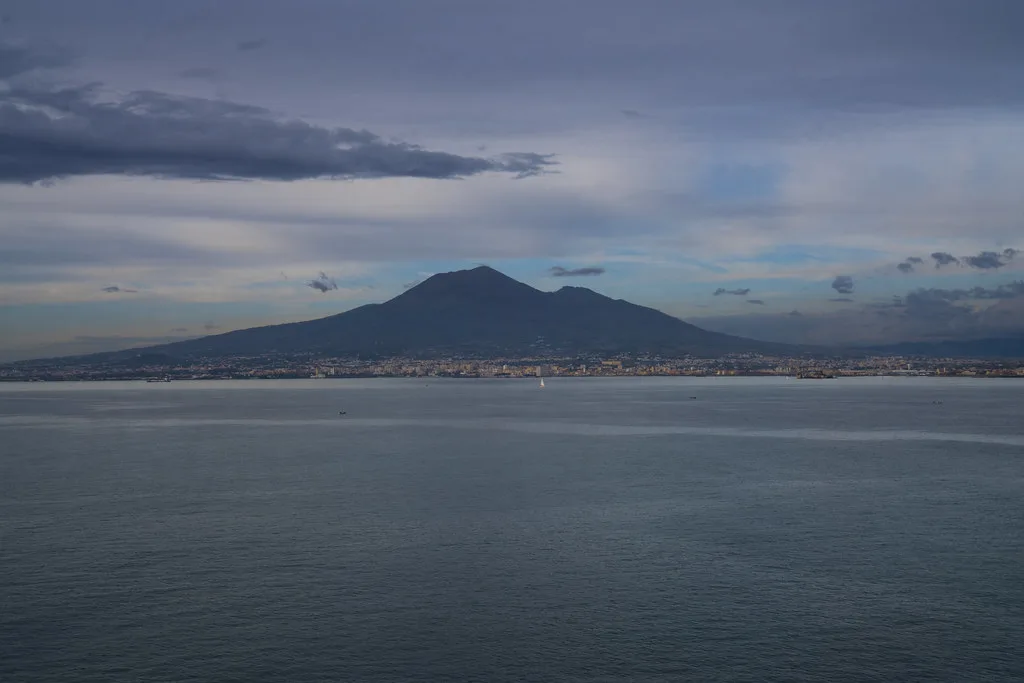
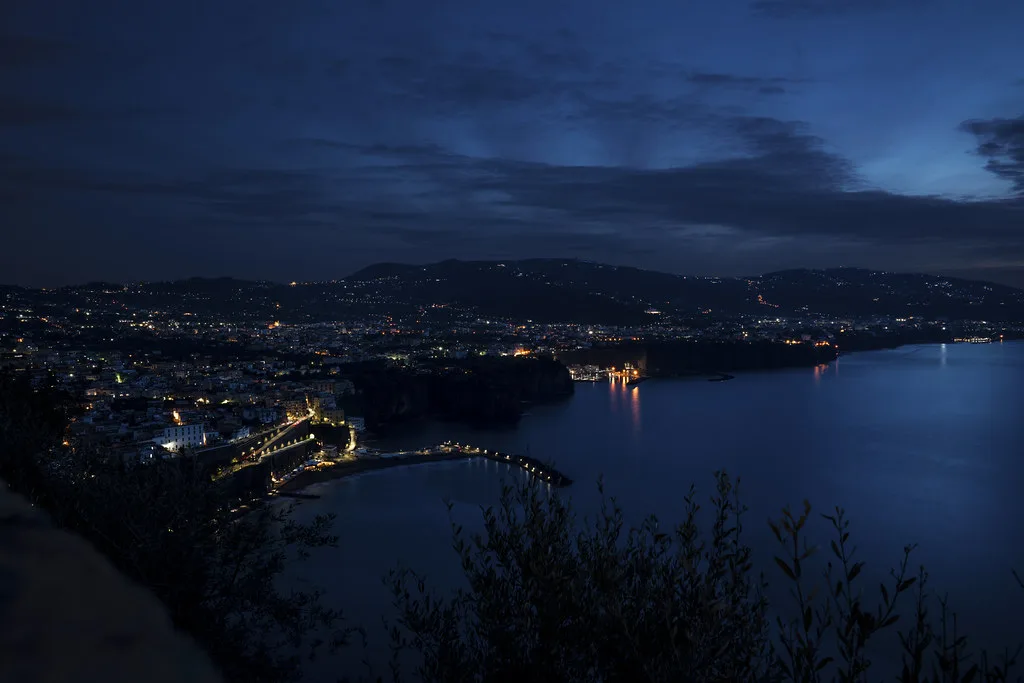
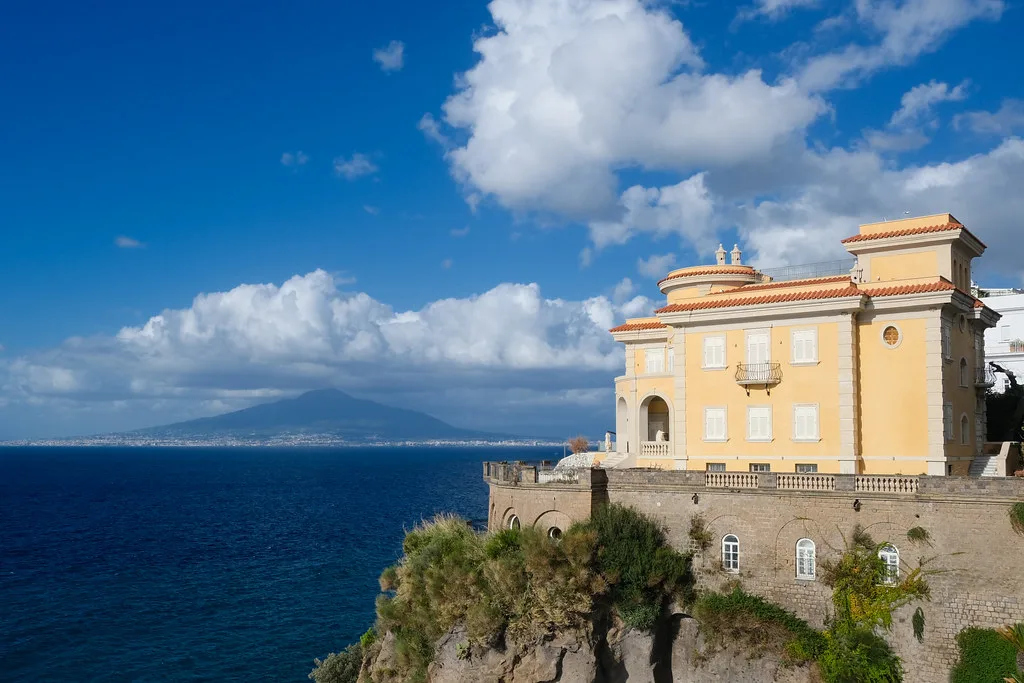
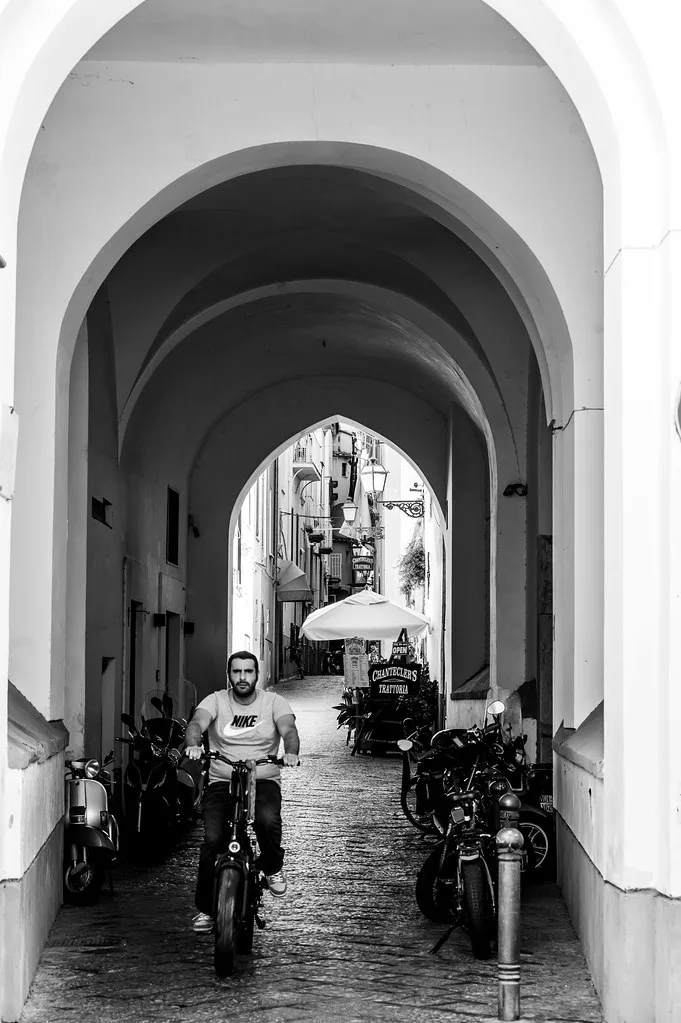

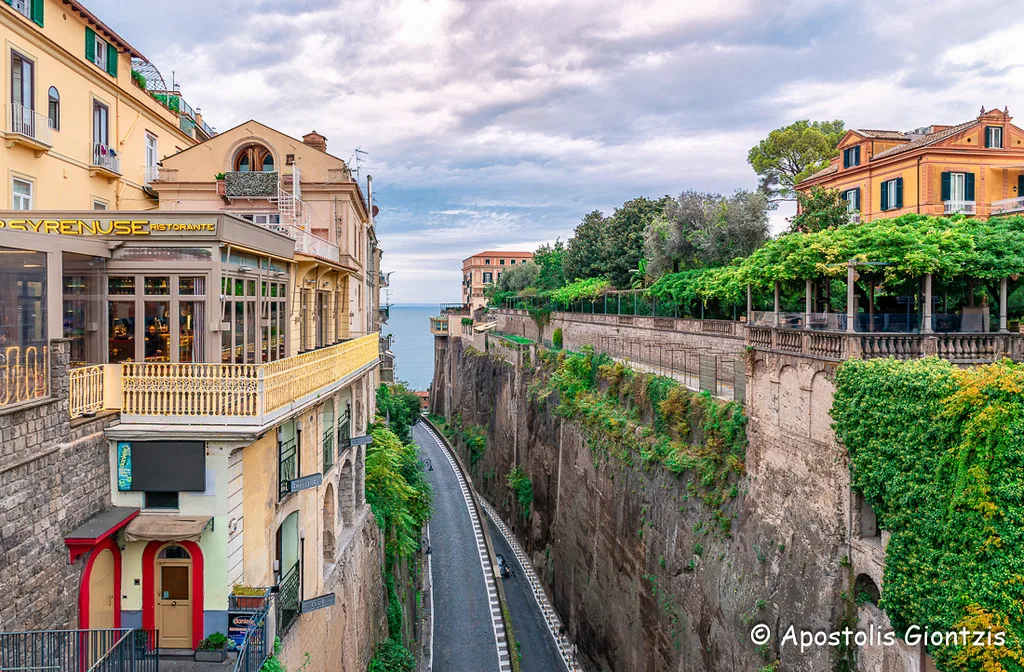
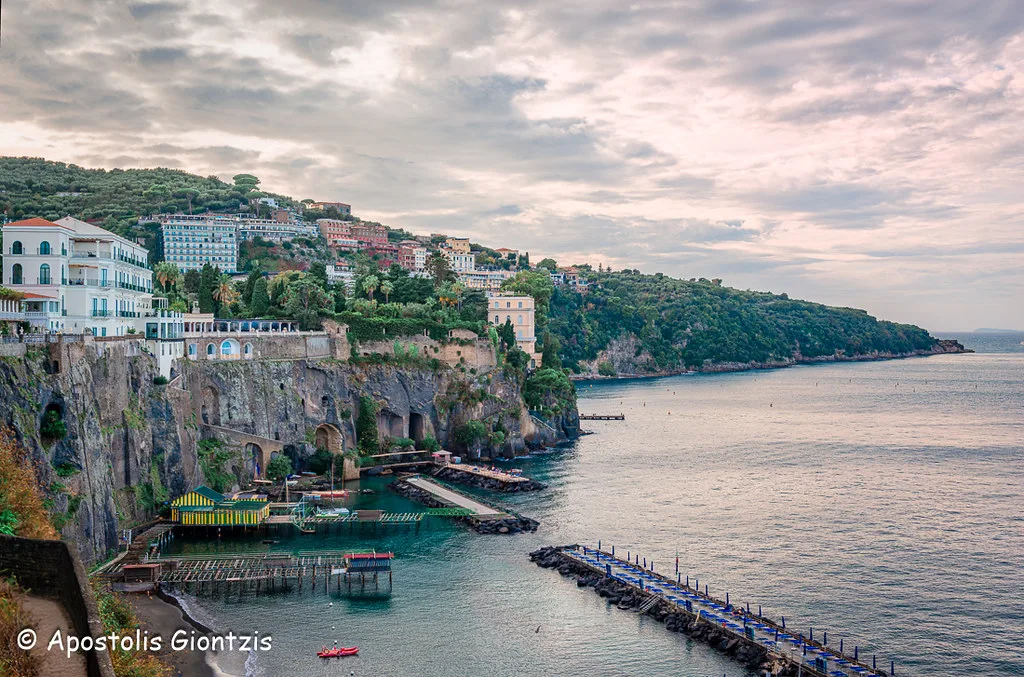
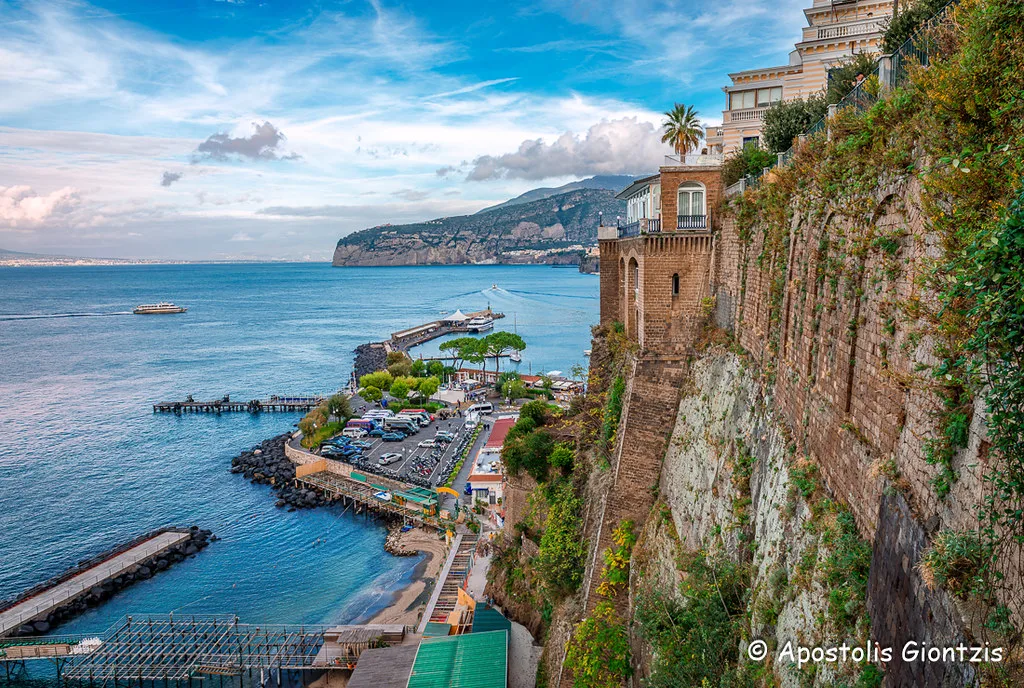
Image Credits
All port photographs are used under free-use licenses. Hero image and featured images sourced from Unsplash, Pixabay, and Pexels. Additional images courtesy of the author.
Weather & Best Time to Visit
Frequently Asked Questions
Q: What's the best time of year to visit Sorrento on a cruise?
Typical range 40-84°F — perched on dramatic cliffs; rain: Dry summers; wetter Oct-Feb. Peak cruise months: Jun, Jul, Aug. Avoid months: Aug.
Q: Is there a severe weather or storm season that affects Sorrento?
Sorrento is not marked as a warm-water hurricane zone in our seasonal guide. Local concern: Cliff-side location exposed to occasional rough seas.
Q: What should I pack for Sorrento's weather?
For Sorrento, pack for 40-84°F — perched on dramatic cliffs. Motion sickness remedy for Amalfi Drive; Comfortable walking shoes; Sunscreen and hat for Pompeii; Cash for ferry tickets
Q: Will rain ruin my Sorrento port day?
Brief rain is common enough around Sorrento that a flexible plan beats canceling. Tender port — sea conditions can affect access; Amalfi Drive is spectacular but nauseating for some
Q: Where do cruise ships dock in Sorrento?
Most ships anchor offshore in the Bay of Naples and tender passengers to Marina Piccola, the small harbor sheltered beneath Sorrento's cliffs. The tender ride offers stunning views of the limestone cliffs rising from the sea. Some smaller vessels may dock directly at Marina Piccola. Many large cruise ships actually dock in Naples and offer Sorrento as a shore excursion. From Marina Piccola, an elevador (funicular) whisks you from sea level to the clifftop town center.
Q: Do I need my passport for Pompeii?
Yes. The archaeological site requires passport or valid photo ID for entry. Security checks are standard. Bring it.
Q: Can I visit Capri from Sorrento in one day?
Absolutely. Fast ferries run every 30-60 minutes, 20-minute crossing. You can do a half-day trip to see the Blue Grotto and Capri town, or spend a full day exploring the island's trails and viewpoints. Blue Grotto access is weather-dependent.
Q: What's the best way to see the Amalfi Coast from Sorrento?
Hire a private driver for a stress-free experience navigating the winding SS163 coastal road (€200-300 half-day). They handle the hairpin turns while you enjoy the views. SITA buses are cheap (~€5) but crowded in summer and the curves are relentless. Organized ship excursion packages handle all logistics and offer guaranteed return to the ship.
Q: What's the difference between Marina Piccola and Marina Grande?
Marina Piccola is the small harbor where cruise ship tenders arrive, directly below the town center with funicular access. Marina Grande is the original fishing village harbor, further along the coast below the main town, preserving local character with colorful boats, weathered quay, and seafood restaurants serving the daily catch. Marina Grande offers stunning views across the Bay of Naples and up to Sorrento's cliffs — worth the walk down from town.
Q: Is one day enough for Sorrento and surroundings?
Not really — this area deserves a week. In one day, choose: Pompeii and Sorrento town, OR Positano and Amalfi Coast tour, OR Capri island. Don't try to do everything; you'll spend the day in transit rather than actually experiencing anything. Planning ahead helps you make the most of limited time.