


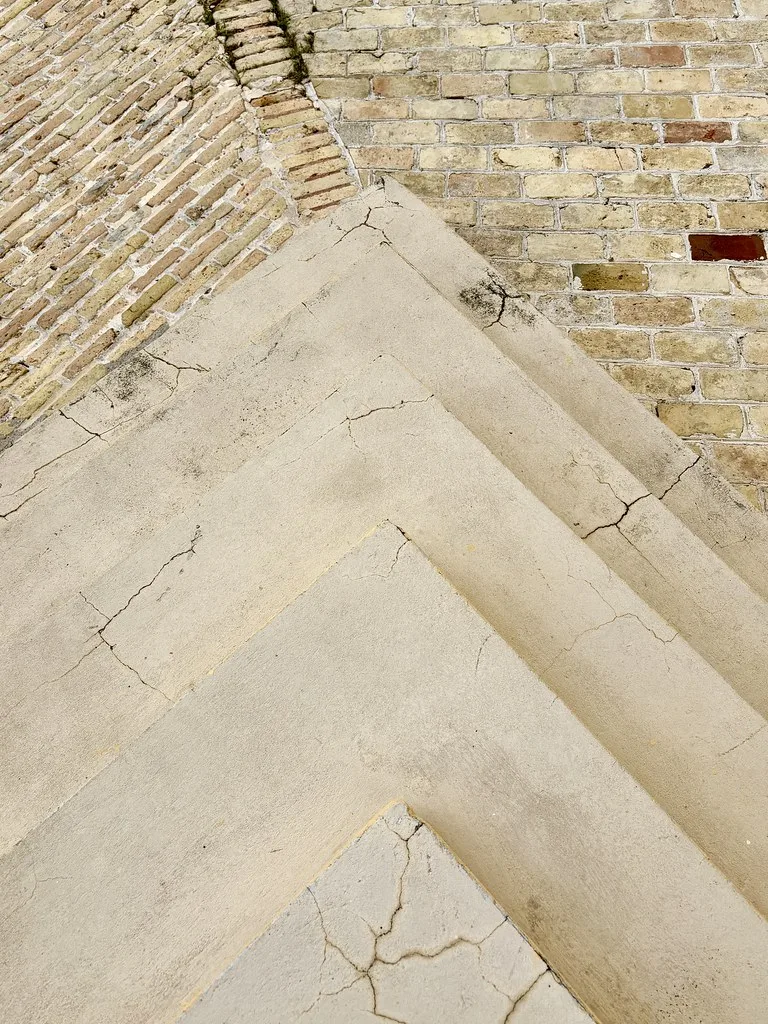
Photo: Wikimedia Commons (CC BY-SA)
Captain's Logbook
St. Croix
The biggest of the U.S. Virgin Islands hides 40 miles south of its sisters St. Thomas and St. John, and that distance has made all the difference. While those islands developed into cruise industry giants, St. Croix remained the road less traveled — larger, less crowded, and richer in both history and authentic Caribbean culture. The Danes ruled here from 1733 to 1917, and their architectural legacy persists in two remarkably preserved colonial towns: Frederiksted on the west coast where cruise ships dock, and Christiansted on the east where the real heart of the island beats.
This is an island of contrasts. A rainforest covers the northwest heights while cactus-studded dry lands stretch across the east end. Sugar plantation ruins dot the countryside — haunting reminders of an economy built on enslaved labor, dramatically ended when General Buddhoe led an uprising in 1848 and Danish Governor Peter von Scholten, from Fort Frederik's ramparts, declared emancipation. That history is palpable here, woven into the island's identity in ways that go deeper than any tourist attraction.
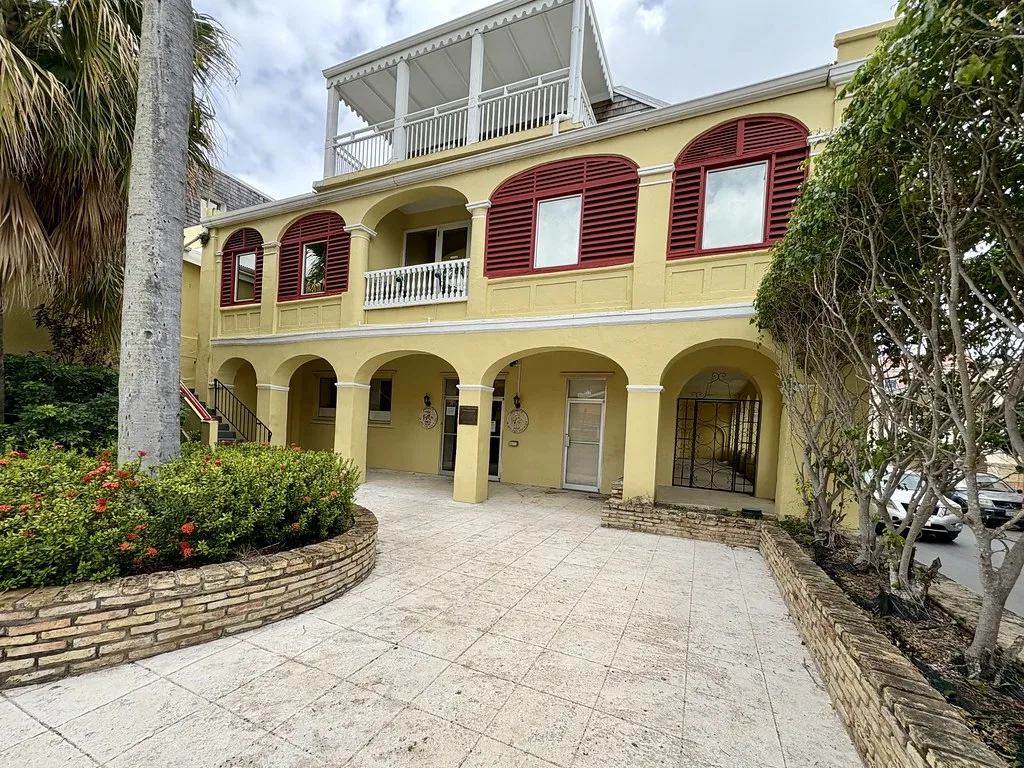
We took a taxi from Frederiksted to Christiansted, and the thirty-minute ride across the island felt like traveling through layers of history. Sugar mill ruins rose from overgrown fields, their stone towers standing like silent sentinels against the Caribbean sky. When we arrived in Christiansted, I understood immediately why people make the journey. The Danish colonial architecture lined the waterfront in shades of ochre and coral and pale yellow, each building topped with red tile roofs that glowed in the morning light. I walked through Fort Christiansvaern, its thick yellow walls still standing guard over the harbor after nearly three centuries. My fingers traced the rough stone of the ramparts, warm from the sun, and I tried to imagine the Danish soldiers who once kept watch from these same walls.
Strolling the boardwalk, I leaned over the railing and caught my breath — the water was so clear I could see tropical fish darting between the pilings, their scales flashing turquoise and gold in the filtered sunlight. A school of blue tang swept past like a living ribbon, and I stood there mesmerized, my reflection rippling on the surface below. The scent of frangipani drifted from a nearby garden, mixing with the salt air and the warm sweetness of fresh rum cake from a shop whose open door released aromas I could taste before I ever took a bite. I bought a slice and ate it on a bench overlooking the harbor, the cake dense and moist and impossibly fragrant.
The catamaran to Buck Island left from Christiansted's waterfront, and the ninety-minute sail across turquoise water gave me time to study the island growing larger on the horizon — a low green hump surrounded by reef. Our captain pointed out where the elkhorn coral formations began, visible even from the surface as dark shadows beneath the glassy water. When we anchored and slipped into the sea, the underwater snorkel trail unfolded like a museum exhibit designed by nature itself. Plaques mounted on the seafloor identified brain coral, staghorn formations, and the delicate fan coral swaying in the current. I floated above a garden of living stone, my breathing slow and deliberate through the snorkel, watching a hawksbill turtle cruise past with the indifference of a creature that has seen ten thousand visitors and remains unimpressed by every one of them.
I had expected Buck Island to be beautiful. I had not expected it to rearrange something inside me. There is a particular silence underwater — not the absence of sound, but the presence of a different kind of listening. The reef hummed with life, and I was merely a guest in a world that had been thriving long before humans learned to hold their breath and look down. When I surfaced, the sun hit my face and the salt stung my eyes, and I realized I had been holding my breath above the water too, as if the wonder had followed me back to the surface.
Back on land, we drove to the Cruzan Rum Distillery, where the sweet scent of molasses hung in the humid air like a welcome mat. The guide walked us through the production floor, past copper stills and oak aging barrels stacked three high, explaining how Caribbean rum traditions have persisted on this site for over two centuries. The tasting room offered samples of their aged varieties — the dark rum smooth and warm, the coconut rum surprisingly subtle, and the blackstrap rum carrying a depth that reminded me of the island itself: layered, complex, and impossible to fully understand in a single visit. I bought a bottle of the single-barrel estate rum, a flavor I knew would carry me back to this afternoon every time I uncorked it.
On the drive back toward Frederiksted, we stopped at Estate Whim, a restored sugar plantation whose great house stood low and sturdy against the landscape, built of coral stone and mahogany with walls three feet thick to withstand hurricanes. The plantation museum told the story of sugar and slavery with an honesty that left me standing quietly in the cookhouse for a long time, reading the names of enslaved workers recorded in Danish ledgers. Outside, the stone sugar mill tower rose above the surrounding cane fields, its round walls catching the late afternoon light in a way that made it look almost beautiful — and that tension between beauty and brutality is something St. Croix does not let you resolve easily.
I came to St. Croix expecting a beach day with some history on the side. What I found instead was an island that insists on being understood whole — the Danish architecture and the sugar plantation ruins, the protected reef and the rum distillery, the emancipation story and the living culture that grew from it. Standing on the Frederiksted pier as the sun dropped toward the water, painting the sky in shades of mango and hibiscus, I felt the particular ache of a place that has given you more than you had time to receive.
Looking back, St. Croix taught me something about the difference between visiting a place and encountering one. The other Virgin Islands had given me beautiful beaches and easy pleasures. St. Croix demanded more — it asked me to sit with complicated history, to taste rum distilled from the same sugarcane that once drove an economy of enslavement, to float above a reef that survives only because someone fought to protect it. The island does not offer itself up easily, and perhaps that is exactly why the memory of it persists with a weight the others do not carry. I think about that turtle at Buck Island more than I think about any beach I have ever visited, and I suspect that says more about what I was looking for than what the island was offering.
Weather & Best Time to Visit
The Cruise Port
Ships dock at the Ann E. Abramson Pier in Frederiksted, on St. Croix's western coast. The small town of Frederiksted is immediately walkable — Fort Frederik (the emancipation site) stands at the pier's entrance, and the town's pastel-colored Danish buildings stretch a few blocks inland. This is a quiet town, historically the island's commercial center but now overshadowed by Christiansted.
For Christiansted, plan ahead. The island's main town lies 17 miles east (30-40 minute taxi ride, $25-30 each way). This is where you'll find the best restaurants, the Christiansted National Historic Site (Fort Christiansvaern, the old Scale House, and Danish West India Company buildings), and the waterfront boardwalk that captures the island's energy. Most visitors choose either a beach day from Frederiksted or a historic town day in Christiansted — doing both justice in a single port call is challenging.
Getting Around
St. Croix is the largest U.S. Virgin Island at 84 square miles, and getting around requires some planning. Safari buses — open-air trucks with bench seating and canvas canopies — run between Frederiksted and Christiansted along the main road (Centerline Road) for just $1-2 per person. They are infrequent and not always on a fixed schedule, so do not rely on them for tight timelines. Flag one down on the main road and pay the driver directly in cash.
Taxis operate on fixed rates set by the Virgin Islands Taxi Commission. From the Frederiksted cruise pier, expect to pay $25-30 per person to Christiansted, $12-15 to the Cruzan Rum Distillery, and $8-10 to Rainbow Beach. Rates are per person, not per vehicle, and taxis often wait for a full load before departing — sharing reduces your wait time. Confirm the fare before getting in, and note that rates are higher after dark.
Rental cars are the most flexible option and highly recommended if you want to explore the island's east end, beaches, and plantation ruins at your own pace. Companies operate near Frederiksted and will deliver to the pier. Expect $55-85 per day for a standard vehicle. Remember: driving is on the left side of the road (a holdover from Danish colonial days), though most vehicles are left-hand-drive American models. Roads are generally well-maintained on the main routes but can be narrow and steep in the hills.
Booking Guidance
Ship excursion packages provide guaranteed return to the vessel and handle all logistics, making them a smart choice for Buck Island trips and Christiansted tours where transportation adds complexity. For independent exploration, local operators often offer better rates and smaller group sizes — book ahead during peak season (December through April) to secure your preferred times. Whether you choose a ship excursion or go independent, confirm departure times and meeting points before heading out, and always allow a 30-minute buffer before all-aboard.
Excursions & Activities
Booking guidance: Ship excursion options provide guaranteed return to port and are worth considering for first-time visitors. For those who prefer to explore independently, local operators often offer competitive rates — book ahead during peak season to secure your preferred times. Whether you choose a ship excursion or go independent, confirm departure times and meeting points before heading out.
Buck Island Snorkeling: The crown jewel of St. Croix excursions. Buck Island Reef National Monument, 1.5 miles off the northeast coast, features an underwater snorkel trail through pristine elkhorn coral formations with interpretive plaques on the seafloor. Half-day catamaran trips run $70-100 per person from Christiansted and include equipment, instruction, and often a beach stop on the island's white sand. Book in advance during peak season — boats fill quickly. Allow a full half-day including transit from Frederiksted to Christiansted.
Christiansted Historic Walking Tour: The Christiansted National Historic Site encompasses Fort Christiansvaern (built 1749), the Old Danish Customs House, the Scale House, and the Steeple Building museum. The fort charges $7 admission; walking the waterfront boardwalk and admiring the Danish colonial architecture is free. Budget 2-3 hours to explore properly, including lunch at one of the boardwalk restaurants where you can watch harbor life unfold.
Cruzan Rum Distillery: Located on the main road between Frederiksted and Christiansted, the oldest rum distillery in the Virgin Islands offers guided tours ($12 adults) that walk you through the production process from molasses to barrel aging, followed by a tasting of their signature blends. Tours run regularly throughout the day and last about 30-45 minutes. The gift shop offers island-exclusive bottles you cannot find stateside.
Estate Whim Sugar Plantation: This restored 18th-century sugar estate ($10 admission) features the planters' great house, sugar mill ruins, a restored cookhouse, and exhibits on the lives of enslaved workers who operated the plantation. The grounds tell the full arc of St. Croix's sugar economy, from prosperity to emancipation. Located about 10 minutes east of Frederiksted by taxi.
Rainbow Beach: The closest quality beach to the Frederiksted cruise pier — a 5-minute taxi ride or 15-minute walk south along the coast. Calm, clear waters ideal for swimming and snorkeling, with a beach bar, chair and umbrella rentals ($15-20), and excellent snorkeling along the adjacent pier pilings where marine life congregates around the submerged structure. A solid choice if you want to stay near the ship and keep things simple.
Depth Soundings
Money: The local currency is US Dollar. ATMs are generally available near the port area, though fees vary. Credit cards are widely accepted at tourist-oriented establishments, but carry some local cash for markets, street food, and smaller vendors. Your ship's exchange rate is typically unfavorable — withdraw from a bank ATM instead. Budget $30–$80 per person for a comfortable day including lunch, transport, and a few entry fees.
Timing: Start early if your ship arrives at dawn — the first hours offer pleasant conditions and smaller crowds. Allow at least 30 minutes buffer before all-aboard time. Set a phone alarm as backup. Most port visits allow 8–10 hours on shore, which is enough to see the highlights without rushing if you prioritize well.
Safety: Standard port-town awareness applies — keep valuables close and stick to well-traveled areas during daylight. Your ship's ID card is your most important item — losing it creates a genuine headache at the gangway.
Communication: Wi-Fi is often available at cafés and restaurants near the port. Consider downloading offline maps before disembarking — cellular data roaming charges can be substantial and surprising. Google Maps offline mode or Maps.me work well for navigation without data.
Food & Water: Tap water safety varies by destination — ask locally or buy bottled water to be safe. The best food often comes from busy local restaurants rather than tourist-facing spots near the port. Lunch at a popular local place typically costs $8–$20 per person. Street food can be excellent value if you choose busy stalls with high turnover.
Photo Gallery

Frequently Asked Questions
Where do cruise ships dock?
Ships dock at Ann E. Abramson Pier in Frederiksted on the west coast. Christiansted, the larger town, is 17 miles east ($25-30 taxi each way).
Do I need a passport?
No. St. Croix is a U.S. territory — U.S. citizens travel domestically with no passport required. U.S. dollars are the currency.
Should I go to Christiansted or stay in Frederiksted?
Depends on your interests. Christiansted has more restaurants, shops, and the Buck Island tours depart from there. Frederiksted has Fort Frederik, Rainbow Beach nearby, and requires no taxi. Choose one focus rather than rushing between both.
Is Buck Island worth the trip?
Yes, if you love snorkeling. The underwater trail and protected reef are exceptional. But it requires getting to Christiansted first, so factor in transportation time and cost.
Q: What is the best time to visit St. Croix?
A: Cruise season runs December through April — drier months and year-round tropical temperatures (72-89°F). September is the month to avoid (peak hurricane risk). US citizens need no passport for the USVI.
Q: Is St. Croix suitable for passengers with mobility challenges?
A: Accessibility varies by area. The port vicinity and main commercial streets are generally manageable, but older historic districts may feature cobblestones, stairs, and uneven surfaces. Consider booking an accessible ship excursion if you have concerns. The ship's shore excursion desk can advise on specific accessibility options for this port.
Q: Do I need to exchange currency before arriving?
A: The local currency is US Dollar. Most tourist-facing businesses accept major credit cards. ATMs near the port offer competitive exchange rates. Carry some local cash for small purchases, markets, and tips. Avoid exchanging money on the ship — the rates are typically unfavorable compared to local bank ATMs.
Q: Can I explore independently or should I book a ship excursion?
A: Both options work well. Ship excursions guarantee return to the vessel and handle logistics, making them ideal for first-time visitors. Independent exploration costs less and allows more flexibility — just keep track of time and allow a 30-minute buffer before all-aboard. Many passengers combine approaches: an organized morning tour followed by free afternoon exploration.
Q: Does St. Croix have a hurricane or storm season?
A: Yes — Atlantic hurricane season runs June 1 through November 30, with peak risk in September and October. September is the month to avoid. Cruise season concentrates in the drier December–April window.
Q: What should I pack for St. Croix's weather?
A: Reef-safe sunscreen. Water shoes for reef. Cash for local restaurants. Comfortable shoes for Christiansted.
Q: Will rain ruin my port day in St. Croix?
A: Drier January through April; wetter August through November. Cruise season concentrates in the drier December–April window.
Last reviewed: February 2026
St. Croix: Where Danish History Meets Caribbean Soul
Rum, Ruins & Rainbow Beach
Cruzan Rum has been distilled on St. Croix since 1760, making it one of the oldest rum producers in the Caribbean. The distillery offers tours ($12-15) with tastings of their various aged rums. Located centrally between Frederiksted and Christiansted, it's an easy addition to almost any island itinerary.
Rainbow Beach, near Frederiksted, offers the closest quality beach to the cruise pier — calm waters, beach bar, chair rentals, and excellent snorkeling along the adjacent pier pilings (yes, the pier itself is a marine habitat). Cane Bay on the north shore is legendary among divers for its wall dive starting just 100 yards offshore.
The Whim Plantation Museum preserves a restored sugar estate with great house, sugar mill ruins, and exhibits on plantation life. The St. George Village Botanical Garden occupies another former plantation, transforming 16 acres of ruins into tropical gardens. Both offer sobering and beautiful windows into the island's past.
Port Map
Tap markers to explore St. Croix
This guide reflects firsthand experience from a 2024 visit, drawn from research and the accounts of fellow travelers. This guide draws from published accounts, fellow cruisers, and careful research — but it does not yet carry the weight of my own anchor.