


My Visit to St. Helena
I heard the anchor chain rattle through the hawsehole at half past six in the morning, and when I stepped onto the open deck the smell of volcanic rock and salt spray hit me before I even saw land. Our expedition ship had crossed twelve hundred miles of empty Atlantic from the African coast, and for five days my world had been nothing but horizon. But now St. Helena rose from the ocean like a fortress wall — sheer basalt cliffs banded in rust and black, dropping straight into surf that crashed white against stone. I stood at the rail and felt my breath catch. This was the island the British chose to cage Napoleon Bonaparte. Looking at those cliffs, I finally understood why he never escaped.
The tender ride to Jamestown took fifteen minutes across a gentle swell. I watched the town resolve itself between two volcanic ridges — a narrow valley packed with Georgian buildings, white-painted facades with green shutters, church spires, and a single main street that looked as though it had been lifted from a Cornish village and dropped into the South Atlantic. When we stepped ashore at the wharf, the warm tropical air wrapped around us, carrying the scent of frangipani and diesel from a parked lorry. Jamestown is the smallest capital I have ever walked through. My wife and I covered it end to end in twenty minutes, yet every corner held something worth stopping for — the oldest Anglican church in the Southern Hemisphere (St. James', built 1774), the Castle with its worn stone steps, a tiny museum where a volunteer told us stories of the island's 4,500 residents with quiet pride.
We hired a taxi to Longwood House, Napoleon's exile residence from 1815 until his death in 1821. The fare was $30 round trip including waiting time. The road climbed from Jamestown through green pastures dotted with flax, and the temperature dropped as we gained altitude. Longwood sits on a windswept plateau — a modest house for an emperor, surrounded by gardens the French government still maintains. I walked through the rooms where Napoleon spent his last six years: the billiard room, the study where he dictated his memoirs, and the small bedroom where he died on May 5, 1821. The wallpaper is original. The camp bed is original. Standing in that room, I felt the weight of history press down on me — however powerful a person becomes, exile and illness can reduce them to a single room at the edge of the world. The admission fee was $8 per person, and I would have paid ten times that amount for the experience.
From Longwood we drove to the Valley of the Tomb. I walked down a gravel path through a garden of weeping willows, and when I reached the empty stone slab where Napoleon was buried from 1821 to 1840, something shifted inside me. The silence was absolute — no traffic, no voices, just wind moving through the willow branches and the distant call of a wirebird. My eyes filled with tears I did not expect. Napoleon Bonaparte, who had commanded the Grande Armee and crowned himself Emperor of France, had been buried here in exile, forty-six hundred miles from Paris, watched over by British guards and surrounded by volcanic rock. France reclaimed his remains in 1840, but the valley remembers. I whispered a quiet prayer for all souls who die far from home. My wife squeezed my hand and we stood together in the stillness for a long while. Sometimes you visit a place expecting history and find something that touches your soul instead.
Back in Jamestown, I stood at the base of Jacob's Ladder and looked straight up. Six hundred and ninety-nine steps climb six hundred feet from the harbor to Half Tree Hollow — built in 1829 to haul goods by inclined railway, now a staircase open to anyone bold enough to attempt it. The cost is free but the price is paid in burning thighs and gasping breath. I climbed. My wife waited below, sensibly reading her book at the Consulate Hotel over a cup of St. Helena coffee (cost: $6). Twenty-five minutes later I reached the top, soaked in sweat, heart pounding, legs trembling. But the view — the harbor far below, our ship at anchor, the vast Atlantic stretching to the horizon in every direction — was worth every painful step. The volunteer at the summit handed me a certificate of completion. I clutched it like a diploma. Jacob's Ladder is strenuous and not suitable for those with mobility concerns or heart conditions, but for those who can manage it, the sense of accomplishment is genuine.
We spent our remaining hours exploring. At Plantation House, the Governor's residence, we met Jonathan — a Seychelles giant tortoise aged 192 years, the oldest known living land animal on Earth, hatched around 1832. He grazed on the lawn with magnificent indifference to the visitors snapping photographs. Entry to the grounds was free. A taxi to Diana's Peak National Park costs $25 each way, though we ran out of time and saved it for a future visit. I tasted fresh tuna at a Jamestown cafe — grilled with local spices, served with rice, costing just $12 — and it was the best fish I had eaten in months. The flavor was clean, bright, tasting of the sea itself.
As our tender carried us back to the ship in the late afternoon, I watched St. Helena shrink behind us — those impossible cliffs, that narrow valley, the ladder etched against the rock face. I looked at the certificate in my hand and realized the real gift was not the climb or the history or even Napoleon's haunting tomb. It was the reminder that the most profound experiences often hide in the most isolated places. St. Helena taught me that remoteness is not emptiness — it is preservation. The island has been shaped by its distance from the rest of the world into something utterly unique, fiercely independent, and deeply moving. I learned that some journeys are worth the effort precisely because they are difficult to reach.
Looking back, I realized that St. Helena changed the way I think about isolation. We live in a world that prizes connectivity, speed, and access. Yet this island — with its 4,500 people, its single airport opened barely a decade ago, its tortoise older than photography — proves that separation from the world can create something irreplaceable. What matters is not how easy a place is to reach, but what it preserves by being hard to reach. I am grateful we made the crossing.
The Cruise Port
What you need to know before you anchor.
- Terminal: No cruise pier — ships anchor offshore at Jamestown and tender passengers to the harbor wharf. The tender fare is included in your cruise fare.
- Distance to Town: Jamestown is immediately accessible from the tender landing; major sites like Longwood House require a taxi or tour (cost: $25-$40 each way).
- Tender: Yes — all passengers tender from ship to harbor. Tendering is weather-dependent; swells can delay or cancel operations. Wheelchair accessible tenders are limited.
- Currency: Saint Helena Pound (SHP) equal to British Pound (GBP); both accepted. Limited ATMs in Jamestown; cards accepted at most shops.
- Language: English (British-influenced with a unique local dialect)
- Driving: Left side (British style); roads narrow and winding; taxis recommended for cruise visitors.
- Best Season: October-April (austral summer); cooler and drier. Whale sharks November-May; humpback whales June-December. Expedition cruises typically call during transatlantic voyages.
Getting Around
St. Helena is a small island, but distances between key sites can be significant due to winding mountain roads. Jamestown itself is compact and walkable — you can cover the entire town on foot in half an hour. However, major attractions like Longwood House, the Valley of the Tomb, Diana's Peak, and Plantation House are scattered across the island and require transport.
- Walking: Jamestown is compact and entirely walkable. Accessible paths run along the main street and wharf area. Napoleon sites, Diana's Peak, and Plantation House all require taxi or organized tour transport to reach.
- Taxis: Available in Jamestown. Negotiate the fare before departure as there are no meters. Typical fares: Longwood House round trip $30, Plantation House $20, Diana's Peak $50. Drivers offer half-day island tours ($80-$120) and full-day tours ($150-$200). Reliable and knowledgeable local guides. Book ahead for cruise ship days as taxis are very limited on an island with only a few thousand residents.
- Ship Excursions: Ship excursion packages typically include Longwood House, Valley of the Tomb, and Jamestown highlights with a guaranteed return to the ship. Local operators also offer independent custom itineraries booked through the tourism office.
- Car Rental: Available but not necessary or recommended for cruise visitors — taxis are more practical for short port calls. Roads are narrow, winding, and driving is left-side British style. Cost: approximately $50 per day.
- Bus Service: Limited public buses serve local residents on fixed routes. Not practical for cruise visitors with time constraints. Service is infrequent and does not cover major tourist sites efficiently.
- Mobility Notes: Jamestown is fairly flat along the main street, but Jacob's Ladder and many hiking trails are not wheelchair accessible. Tender access can be challenging in swells. Visitors with walking difficulty should plan taxi-based itineraries and communicate needs when booking.
St. Helena Area Map
Interactive map showing tender landing at Jamestown, Napoleon sites (Longwood House, Valley of the Tomb), Jacob's Ladder, Diana's Peak, Plantation House, and key island landmarks. Click any marker for details and directions.
Excursions & Activities
How I'd spend my time ashore. Ship excursion packages cover the highlights, but independent exploration is equally rewarding if you book ahead with a local taxi driver.
Longwood House — Napoleon's Exile Estate
Where Napoleon Bonaparte lived from 1815 until his death in 1821. Preserved as it was during his captivity — original furniture, personal items, deathbed. French property administered by the French government. Admission fee: $8 per person. Audio guides available. Half-day tour. Essential for history enthusiasts. The house is small, stark, and windswept. The ship excursion to Longwood typically costs $65-$85 per person and includes guaranteed return to the ship. Independent visitors can hire a taxi for $30 round trip and explore at their own pace.
Valley of the Tomb — Napoleon's Original Burial Site
Napoleon's tomb from 1821-1840 (remains moved to Paris in 1840). Simple stone slab beneath weeping willows. Peaceful garden. Profoundly moving. Often combined with Longwood House tours. Free entry. Short walk from parking. One of the most historically significant sites in the South Atlantic.
Jacob's Ladder — 699-Step Climb
Historic incline railway replaced with stairs in 1829. Climbs 600 feet from Jamestown to Half Tree Hollow. 699 steps. Strenuous but achievable for moderately fit visitors. Stunning harbor views. Certificate of completion at summit. Takes 20-40 minutes. Free. Bring water and sturdy shoes. Not accessible for wheelchair users or those with mobility concerns. Those who can't climb can drive around via the road and view the ladder from above.
Jamestown — Historic Capital Walk
St. Helena's only substantial settlement — Georgian architecture, St. James' Church (oldest Anglican church in the Southern Hemisphere, built 1774), the Castle (government headquarters since 1659), museum, Napoleon-era sites, and local shops. Compact and walkable. The Consulate Hotel serves afternoon tea for $15 per person. The museum covers island history from discovery in 1502 through the modern day. Cost: free entry.
Diana's Peak National Park — Endemic Cloud Forest
Highest point on St. Helena at 2,684 feet. Cloud forest with endemic tree ferns, gumwood, and rare plants found nowhere else on Earth. Wirebird habitat. Hiking trails with panoramic views. Half-day excursion. Requires taxi or tour to reach trailhead (cost: $25 each way). Moderate walking on uneven trails.
Plantation House — Giant Tortoise & Governor's Residence
Official residence of the Governor of St. Helena. Home to Jonathan, a Seychelles giant tortoise aged 192+ years — the world's oldest known living land animal. Free entry to grounds. Short taxi ride from Jamestown (cost: $20 round trip). Family-friendly. Book ahead with a taxi driver to combine with other stops on a half-day independent tour.
Heart-Shaped Waterfall & Coastal Hikes
Heart-Shaped Waterfall is St. Helena's iconic photo spot — a natural cascade forming a heart shape on volcanic cliffs. Short hike from parking area. Sandy Bay, Lot's Wife's Ponds (natural tidal pools), and The Barn are all accessible with taxi or tour. Coastal trails are rugged and not wheelchair accessible.
Depth Soundings Ashore
- Book taxis early — limited number of drivers, and cruise ship days see high demand. A ship excursion guarantees transportation but costs more than independent taxis.
- Weather can delay tender operations — be flexible and patient. Swells occasionally prevent landing entirely. St. Helena's isolation means port calls are weather-dependent.
- Bring British Pounds or Saint Helena Pounds — ATMs exist in Jamestown but cards are widely accepted at most establishments. Small vendors may prefer cash.
- Wear layers — coastal Jamestown can be warm, but Diana's Peak and the interior highlands are cool and misty. Weather changes quickly.
- Jacob's Ladder is strenuous — assess your fitness honestly. Not suitable for those with mobility issues or heart conditions. No shame in driving to the top for views.
- St. Helena Coffee makes an exceptional souvenir but is expensive (price: $30-$50 per small bag). Worth the cost for coffee enthusiasts.
- Respect endemic wildlife — the wirebird is critically endangered. Stay on trails in Diana's Peak National Park.
- Longwood House admission fee is $8 per person. Photography allowed. Allocate at least 90 minutes.
- St. Helena is one of the world's most isolated inhabited islands — embrace the remoteness. Visiting by cruise ship is rare and special.
Practical Information
- Currency: Saint Helena Pound (SHP) at parity with British Pound Sterling (GBP). Both accepted everywhere.
- ATMs: Limited ATMs in Jamestown. Cards accepted at most shops and restaurants.
- Time Zone: GMT+0 year-round (no daylight saving).
- Electricity: UK-style three-pin plugs (Type G), 230V.
- Mobile Signal: Sure South Atlantic provides limited mobile coverage. Wi-Fi available at some hotels and cafes. Do not rely on mobile data.
- Medical: General Hospital in Jamestown. Travel insurance strongly recommended — medical evacuation from St. Helena is extremely expensive and logistically complex.
Photo Gallery
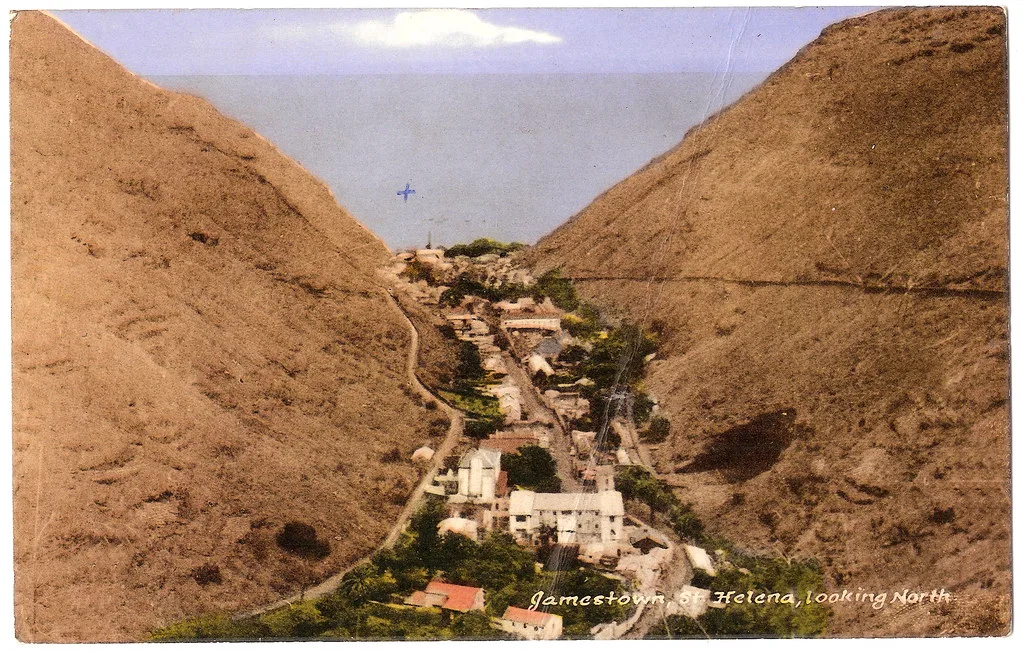
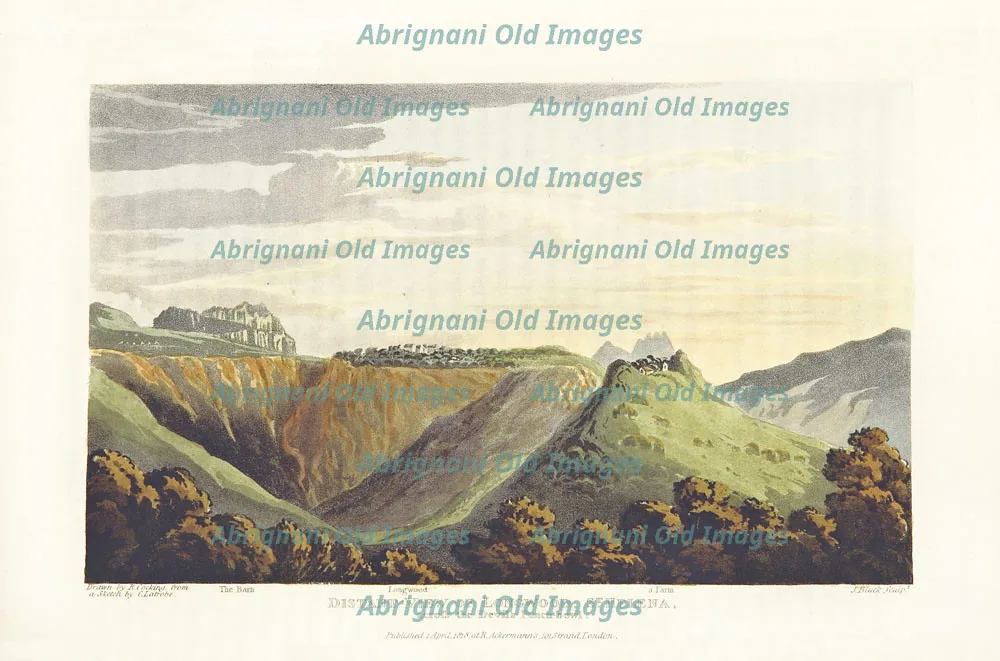
Image Credits
All photographs used on this page are sourced from Wikimedia Commons and Unsplash under free-use licenses. Individual attributions are provided in each image caption.
Weather & Best Time to Visit
Frequently Asked Questions
Q: What's the best time of year to visit St Helena on a cruise?
Typical range 57-78°F year-round mild oceanic; rain: Light showers possible year-round; slightly wetter Mar-May. Peak cruise months: Oct, Nov, Dec, Jan, Feb, Mar. Avoid months: N/A.
Q: Is there a severe weather or storm season that affects St Helena?
St Helena is not marked as a warm-water hurricane zone in our seasonal guide. Local concern: seasonal weather swings.
Q: What should I pack for St Helena's weather?
For St Helena, pack for 57-78°F year-round mild oceanic. Layers for variable temperatures; Light rain jacket; Sturdy hiking shoes; Sunscreen
Q: Will rain ruin my St Helena port day?
Brief rain is common enough around St Helena that a flexible plan beats canceling. Napoleon's exile island is the main draw — Longwood House is a must; Jacob's Ladder (699 steps) is iconic but strenuous
Q: How do cruise ships dock at St. Helena?
Ships anchor offshore at Jamestown and tender passengers to the harbor. There is no cruise pier. Tendering is weather-dependent — swells can delay or cancel operations. The tender fare is included in your cruise fare. Wheelchair accessible tenders may be limited.
Q: Can I visit Napoleon's tomb?
Yes. The Valley of the Tomb preserves Napoleon's original burial site (1821-1840). The tomb is now empty (remains moved to Paris in 1840), but the peaceful valley and Longwood House (his exile residence, admission $8) tell the story of his final years. Tours available independently or via ship excursion.
Q: What is Jacob's Ladder and should I climb it?
Jacob's Ladder is a 699-step staircase climbing 600 feet from Jamestown to Half Tree Hollow. Built 1829. Strenuous but achievable for moderately fit visitors. Certificate at top. Takes 20-40 minutes. Free. Bring water and good shoes. Not recommended for those with mobility issues or heart conditions.
Q: How remote is St. Helena really?
Extremely. 1,200 miles from Africa, 1,800 miles from South America. Population roughly 4,500. Until 2017, the only access was by ship (five days from Cape Town). One of the world's most isolated inhabited islands. Visiting by cruise is rare — most expedition itineraries include St. Helena on transatlantic or South Atlantic routes.
Q: What wildlife is unique to St. Helena?
The wirebird (St. Helena plover) is critically endangered, found nowhere else on Earth. Jonathan the giant tortoise (192+ years old) lives at Plantation House. Whale sharks and humpback whales visit surrounding waters seasonally. The island's isolation created unique ecosystems with many endemic species.
Q: What does a typical port day cost?
Budget approximately $80-$150 per person for an independent day: taxi tours ($30-$50 per site), Longwood House admission ($8), lunch ($12-$18), coffee ($6), and souvenirs. Ship excursion packages typically cost $65-$120 per person. St. Helena Coffee bags cost $30-$50 as souvenirs.