


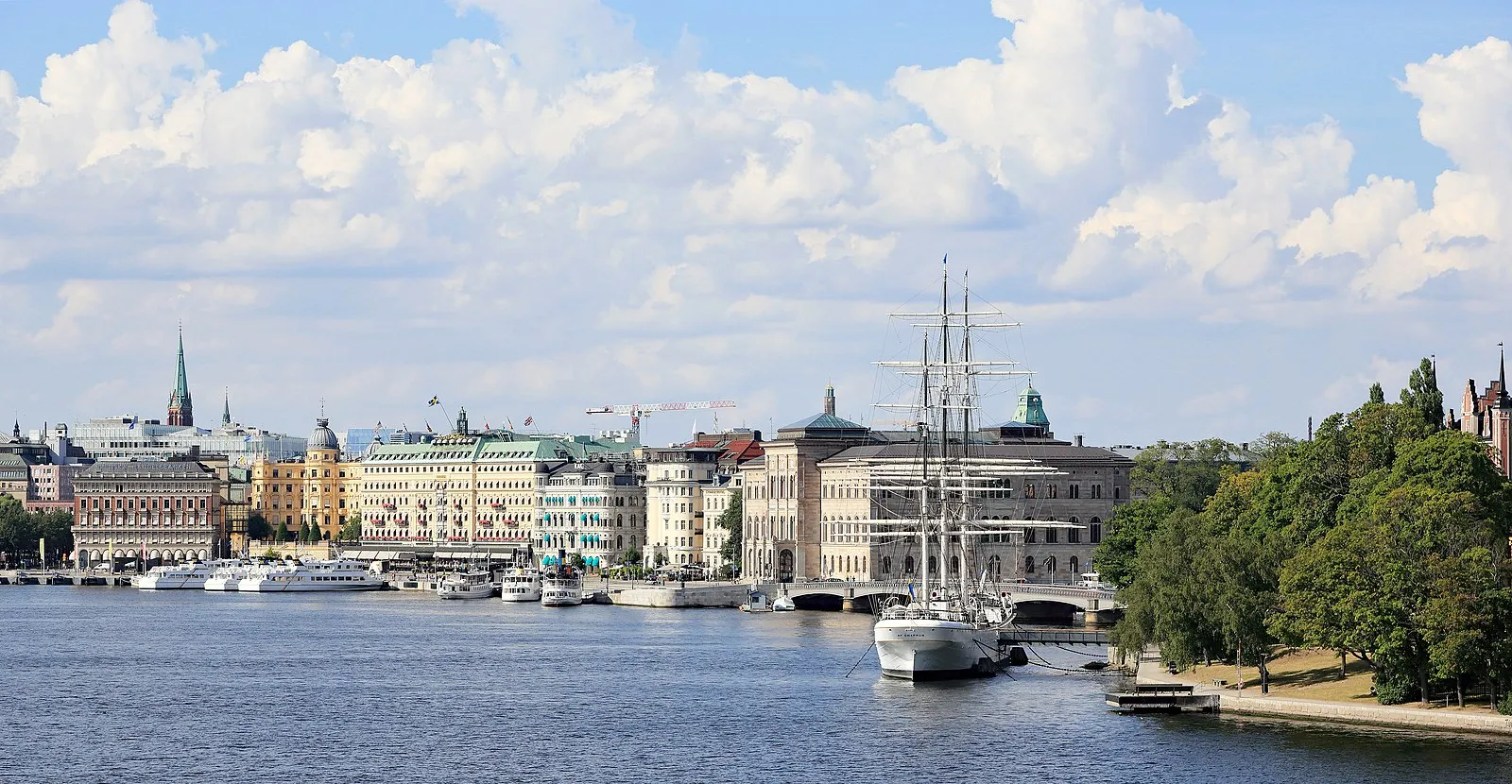
Photo: WikiMedia Commons
My Logbook: Stockholm — 14 Islands, 57 Bridges & One Sunken Warship
The approach into Stockholm is worth waking early for — we sail through an archipelago of some 24,000 islands stretching nearly 80 kilometers, a breathtaking tapestry of rocky outcrops and wooden summer cottages tucked among the pines. I stand at the rail with my coffee, watching the ship thread between forested islets as the morning sun catches the water, and I'm reminded why they call this the "Venice of the North." This city, built on 14 islands connected by 57 bridges, was founded in 1252 by Birger Jarl, and from the moment you arrive by sea, you understand why this location — this fortress of water and stone — became the heart of a kingdom.
My perfect day: off the ship early and straight into Gamla Stan, the medieval heart of Stockholm that has stood since the 13th century. I arrive while the cobblestone alleys are still quiet and wander the narrow lanes past beautifully painted houses in ochre and rust, squeeze through Mårten Trotzigs Gränd (barely 90 centimeters wide), and find a corner table at Chokladkoppen for fika — coffee and a cinnamon bun warm from the oven. The Royal Palace sits proudly in Gamla Stan's heart, a grand 18th-century Baroque masterpiece that rose from the ashes after the old Tre Kronor palace burned down. If you time it right, you can tour the state apartments, and the changing of the guard at noon draws quite a crowd.
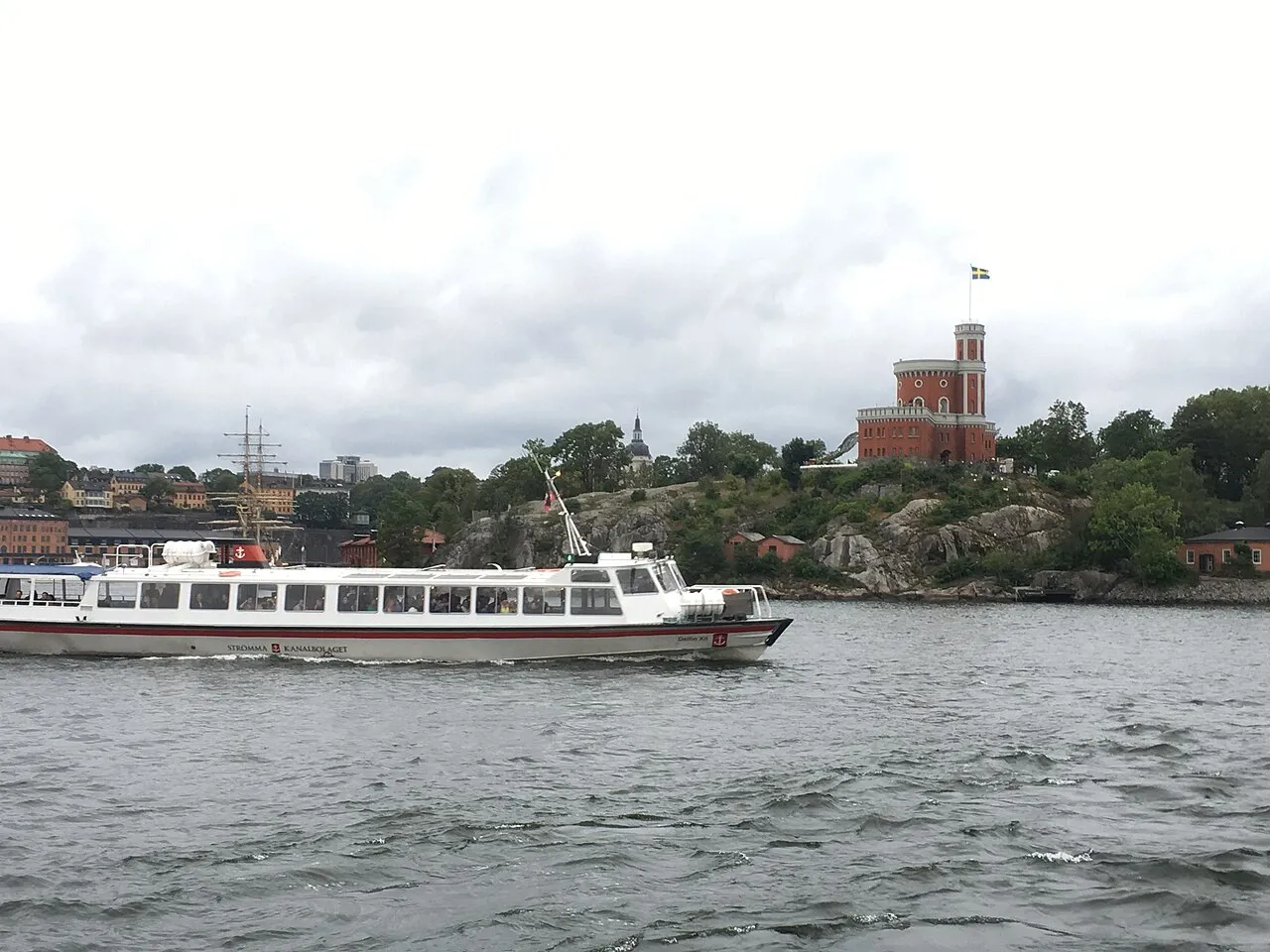
Then I take the Djurgårdsfärjan ferry from Gamla Stan across to Djurgården island — surprisingly calm and green despite being in the city center — where the Vasa Museum stands as one of the world's most extraordinary maritime treasures. The Vasa was built between 1626 and 1628 to be the pride of the Swedish navy: a 40-meter warship bristling with 64 cannons on two gun decks, her hull carved with hundreds of gilded warriors and lions. But she was too top-heavy, and on August 10, 1628, she set sail on her maiden voyage before thousands of onlookers. She managed just 1,300 meters — barely beyond the harbor — before a light breeze caught her sails. She heeled over, water poured through the open gun ports, and she sank in less than an hour, taking 30 souls with her.
For 333 years she lay in the cold, dark Baltic mud, perfectly preserved by the brackish water. Then in 1961, Sweden raised her — timber by timber, warrior by warrior — and built a cathedral to house her. Today the Vasa rises three stories inside the museum with 98% of her original wood intact, and more than 45 million people have stood where I stand now, gazing up at those towering masts and carved wooden warriors. It's the only preserved 17th-century ship in the world, and every single time I visit, I'm struck silent by the wonder of it: a 400-year-old ghost brought back to life, a monument to both human ambition and the sea's humbling power.
Just a short walk away on the same island, ABBA The Museum offers interactive 70s fun (I always record my own version of "Dancing Queen" in the sound booth). Lunch is meatballs with lingonberries or a proper Swedish herring platter. I spend the afternoon exploring Skansen's open-air historical village or catching a ride at Gröna Lund amusement park before the sunset ferry back through the bridges, watching the city light up in gold as the sun dips below the islands.
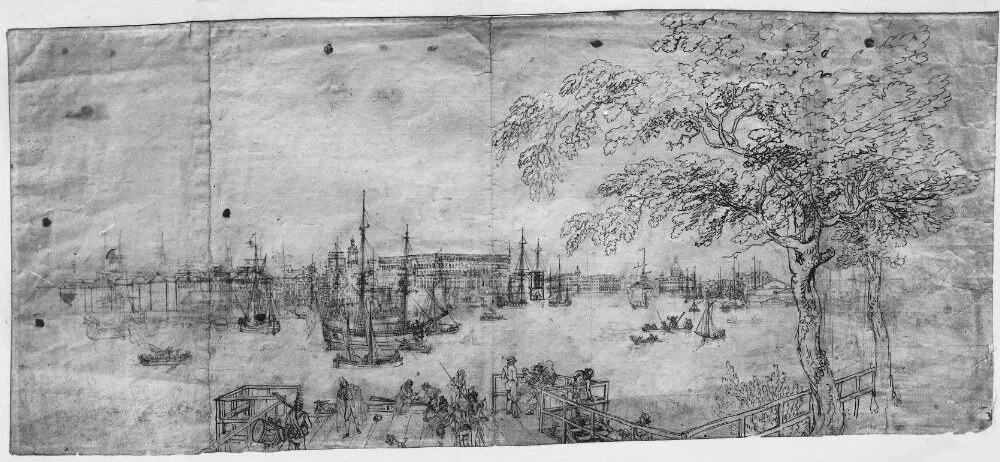
Looking back, what Stockholm taught me is that water connects things instead of dividing them. I realized that a city built on 14 islands isn't fragmented — it's woven together by ferries and bridges and the simple human desire to reach the next shore. The Vasa sank because she tried to carry too much, and every time I board my own ship I think about that lesson: travel lighter, look more carefully, and let the water carry you where it will.
Weather & Best Time to Visit
The Cruise Port
Stockholm serves as both a turnaround port and a port of call on Baltic itineraries. Most cruise ships dock at one of two terminal areas: Stadsgården, close to the Old Town and Södermalm, or Frihamnen (Free Harbor), farther east but still within easy reach of the center. Stadsgården puts you within walking distance of Gamla Stan and the waterfront — a pleasant 15-minute stroll along the quay. Frihamnen requires a shuttle bus or taxi (about 10–20 minutes, €10–15).
Terminal facilities at both locations are functional if not lavish. Tourist information desks operate during ship calls, and taxis queue outside. The Djurgårdsfärjan ferry (to the Vasa Museum and ABBA Museum) departs from Slussen, reachable by a short walk from Stadsgården. Wheelchair users will find the waterfront promenade from Stadsgården to Gamla Stan largely flat and paved, though the Old Town's cobblestones can be challenging. Frihamnen has level ground from terminal to shuttle pickup.
Getting Around Stockholm
Most ships dock at Stadsgården or Frihamnen — free shuttle or taxi to city center (10–20 minutes, €10–15). Once downtown, Stockholm is highly walkable with excellent public ferries, metro (Tunnelbana), and trams. A 24-hour SL transit pass costs around 165 SEK (about €15) and covers everything including the Djurgården ferry.
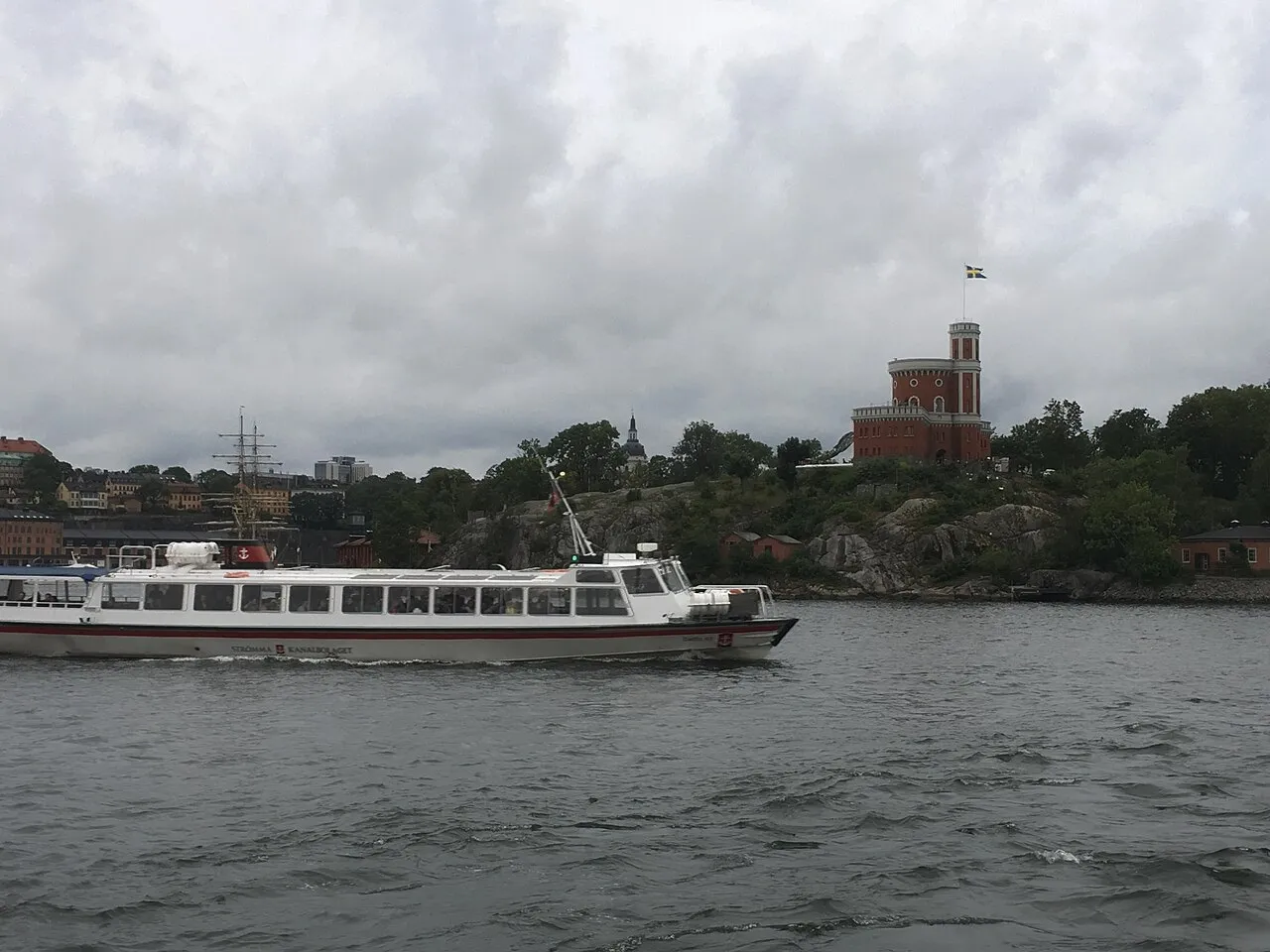
- Gamla Stan: 15–20 minute walk from Stadsgården or quick bus/taxi roughly 15 football fields, 56 blue whales lined up, or 1,232 emperor penguins balancing like a Jenga game
- Vasa Museum (Djurgården): Ferry from Slussen (10 min) or walk across Djurgårdsbron bridge (20 min)
- ABBA Museum: Same area as Vasa on Djurgården island
- City Hall (Nobel Banquet): T-Centralen metro stop or 15-minute walk from Gamla Stan
- Skansen Open-Air Museum: Bus or ferry to Djurgården, then short walk uphill
The Stockholm metro (Tunnelbana) is itself worth visiting — over 90 of the 100 stations feature art installations carved into the bedrock, making it the world's longest art gallery. The Rådhuset and Solna Centrum stations are particularly stunning. Wheelchair users will find most metro stations accessible, and low-floor buses and ferries serve all major routes. The spread-out, water-everywhere layout is what makes Stockholm so compelling — embrace the short ferry hops as your personal archipelago cruise.
Stockholm Port Map
Interactive map showing cruise terminal and Stockholm attractions. Click any marker for details.
Top Excursions & Things to Do
Vasa Museum (2–3 hours): The only preserved 17th-century ship in the world. The Vasa sank on her maiden voyage in 1628 after sailing just 1,300 meters, then lay in Baltic mud for 333 years before Sweden raised her with 98% of her original wood intact. The museum built around her lets you see every angle across multiple levels — the carved stern warriors, the 64 cannon ports, the gilded lion heads. Audio guides are included with the 200 SEK (about €18) admission. Pre-book online in summer to skip the line. The museum is fully wheelchair accessible with elevators to all viewing levels. Ship excursion packages that combine the Vasa with a city tour typically run €60–80 per person.
Gamla Stan Walking Tour (2–3 hours, self-guided, free): Stockholm's medieval Old Town dates to the 13th century. Wander cobblestone alleys past ochre and rust-colored buildings, squeeze through Mårten Trotzigs Gränd (barely 90 cm wide), and visit the Royal Palace — the changing of the guard happens daily at noon. Stop at Chokladkoppen for fika (coffee and a cinnamon bun). The Old Town is compact and mostly flat, though the cobblestones can be challenging for wheelchair users — the main streets (Västerlånggatan and Österlånggatan) are smoother than the side alleys.
ABBA The Museum (1.5–2 hours): On Djurgården island, a short ferry or walk from the Vasa. Interactive exhibits let you record your own ABBA tracks in a sound booth, try on virtual costumes, and explore the band's story from Eurovision to global stardom. Tickets around 250 SEK (about €22); book ahead online as timed entry sells out in peak season.
Skansen Open-Air Museum (2–4 hours): Also on Djurgården, Skansen recreates five centuries of Swedish life with over 150 historic buildings — farmsteads, workshops, a glass-blowing studio, and even a small zoo with Scandinavian animals (moose, reindeer, brown bears). Admission around 220 SEK. Ideal for families. Moderate physical effort required — the site is hilly with some unpaved paths, though the main routes are accessible.
Stockholm City Hall & Nobel Prize Tour (1 hour): The annual Nobel Prize banquet is held in the Blue Hall (which is actually red — the architect changed his mind but kept the name). Guided tours run regularly for about 130 SEK. The Golden Hall with its 18 million mosaic tiles is the highlight. Pre-book tours in summer as they fill quickly.
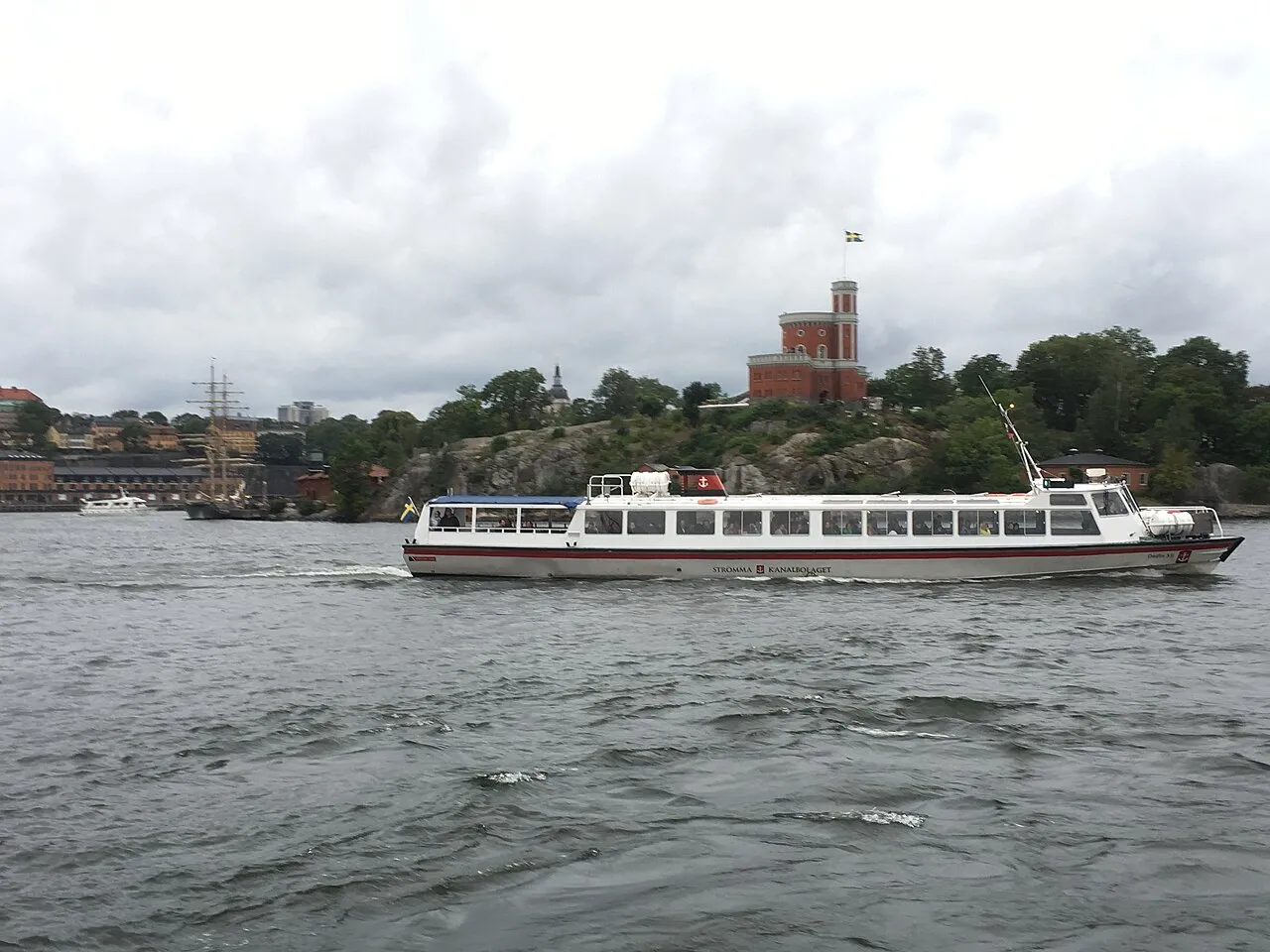
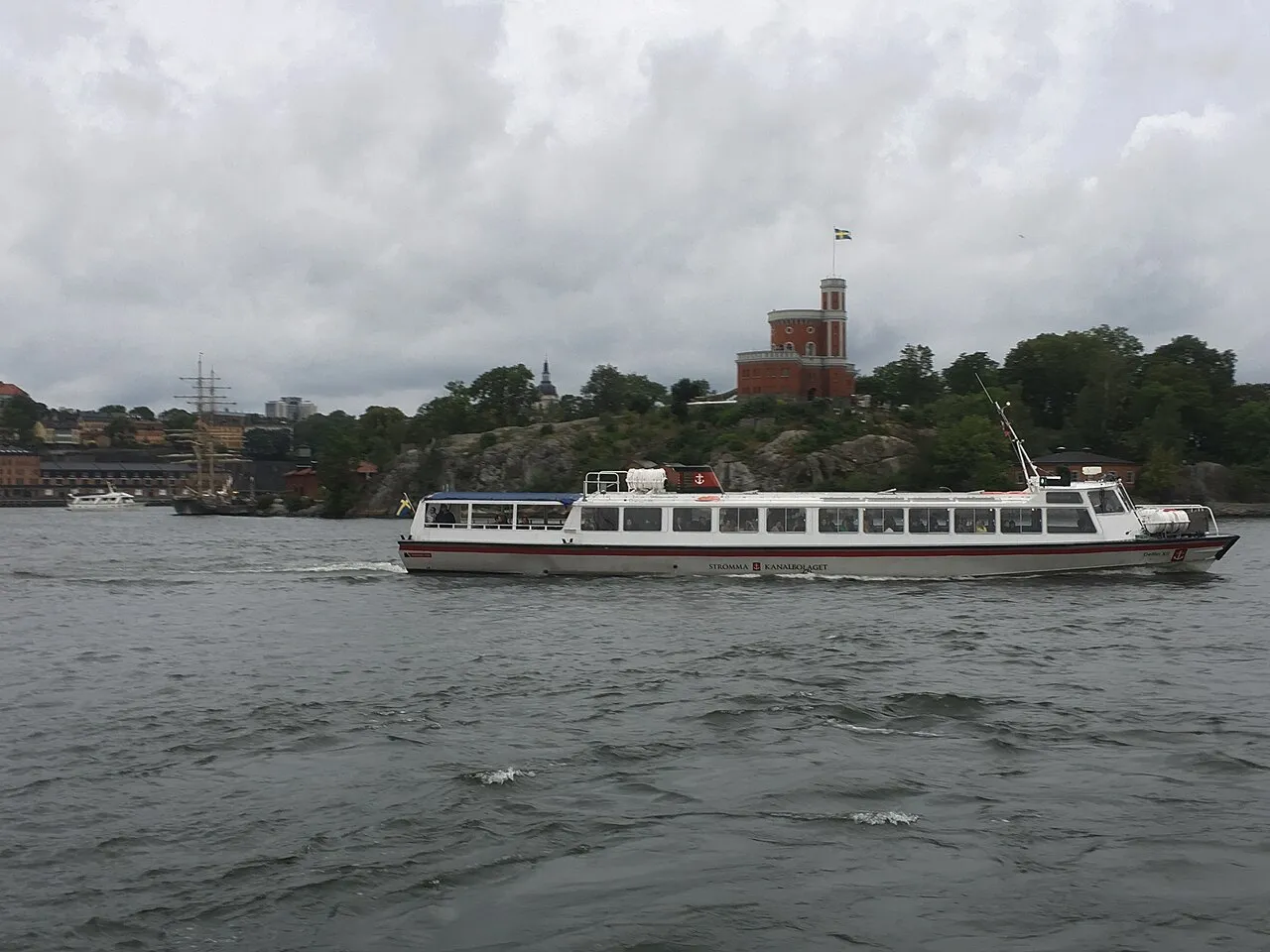
Archipelago Boat Tour (3–6 hours): Stockholm's archipelago stretches 80 km with some 30,000 islands. Day trips to Vaxholm (1 hour by ferry), Grinda, or Sandhamn offer swimming, hiking, and traditional Swedish island life. Waxholmsbolaget ferries accept SL transit passes for some routes. A half-day trip to Vaxholm with its fortress runs about 250 SEK round-trip; longer archipelago tours through operators like Strömma cost €40–60 per person. Book ahead for weekend departures.
Depth Soundings
Stockholm was founded in 1252 by Birger Jarl, who chose this spot where Lake Mälaren meets the Baltic Sea as a natural fortress. The city grew around Gamla Stan — the island that controlled all trade between the lake's interior riches and the open sea. By the 17th century, Sweden had become a European power, and the Vasa warship was meant to project that strength. Her sinking on maiden voyage became Sweden's greatest maritime embarrassment, but her raising in 1961 became a national triumph — proof that patience and careful work can redeem even the most spectacular failure.
The Stockholm Bloodbath of 1520, when Danish King Christian II executed 80 Swedish nobles in Stortorget square, helped trigger the rebellion that made Sweden independent under Gustav Vasa. The Nobel Prizes, established in 1895 from Alfred Nobel's dynamite fortune, are awarded annually at City Hall — a reminder that destruction and creation live side by side in Swedish history. Today Stockholm leads in technology, sustainability, and design, but its identity remains bound to water: the 14 islands, the 30,000-island archipelago, and the ferries that connect them all.
The archipelago approach by cruise ship — threading between forested islands where red wooden cabins and private docks dot the shoreline — is consistently ranked among the most beautiful arrivals in Baltic cruising. Many passengers report standing at the rail for the full two-hour passage, unable to look away.
Photo Gallery


Frequently Asked Questions
Is the Vasa Museum worth visiting?
The Vasa is the only preserved 17th-century ship in the world. She sank on her maiden voyage in 1628 and was raised in 1961 with 98% of her original wood intact. Over 45 million people have visited. Plan 2–3 hours and use the included audio guide.
Can I walk from the cruise terminal to attractions?
From Stadsgården, yes — Gamla Stan is about a 15-minute walk along the waterfront. Frihamnen is farther out and typically requires the free shuttle bus or a taxi (€10–15, 10–20 minutes). Once downtown, Stockholm is highly walkable with ferries and trams connecting the islands.
What is Gamla Stan and is it worth visiting?
Gamla Stan is Stockholm's medieval Old Town on a small island, dating to the 13th century. Cobblestone alleys, colorful buildings, the Royal Palace, and charming cafes. Walk from Stadsgården or take the metro to Gamla Stan station. Allow 2–3 hours.
Is Stockholm accessible for wheelchair users?
Stockholm is reasonably accessible. The waterfront promenade from Stadsgården is flat and paved. Most metro stations have elevators, and ferries have wheelchair boarding. However, Gamla Stan's cobblestones can be challenging — stick to the main streets (Västerlånggatan) for smoother surfaces. The Vasa Museum has full elevator access.
Is Stockholm expensive for cruise visitors?
Sweden is pricey. A café lunch costs €12–20, museum entry €15–22, and coffee €4–6. However, walking Gamla Stan, enjoying the archipelago sail-in, and exploring the metro art stations are all free. Many museums accept card-only payment — cash is rarely used in Sweden.
Last reviewed: February 2026
Key Facts
- Country
- Sweden
- Region
- Scandinavia / Baltic
- Currency
- Swedish Krona (SEK)
- Language
- Swedish / English widely spoken
Image Credits
- stockholm-1.webp: WikiMedia Commons (CC BY-SA)
- stockholm-2.webp: WikiMedia Commons (CC BY-SA)
- stockholm-3.webp: WikiMedia Commons (CC BY-SA)
- stockholm-4.webp: WikiMedia Commons (CC BY-SA)
- stockholm-5.webp: WikiMedia Commons (CC BY-SA)
- stockholm-6.webp: WikiMedia Commons (CC BY-SA)
- stockholm-7.webp: WikiMedia Commons (CC BY-SA)
- stockholm-8.webp: WikiMedia Commons (CC BY-SA)
Images sourced from WikiMedia Commons under Creative Commons licenses.