


Captain's Logbook
Sydney: My Cape Breton Gateway
The world's largest fiddle greets you at the waterfront — sixty feet of painted steel rising from the harbor's edge like a declaration of identity. It is the first thing you see stepping off the ship, and it tells you everything you need to know about Cape Breton before you take a single step further: music lives here. Not as entertainment, not as background noise, but as the island's mother tongue. When I stand on Sydney's boardwalk beneath that towering instrument, I am standing in a place Colonel Joseph Frederick Wallet DesBarres chose on January 7, 1785, naming it after Lord Sydney, the British Home Secretary. This was not just another port town — Sydney served as the colonial capital when Cape Breton was its own separate colony from 1784 to 1820. The history runs deep, but it is the living culture that reaches up and grabs you by the collar.
We had barely cleared the gangway when I heard the fiddle — not the steel monument but an actual fiddle, played by a wiry man in a flat cap perched on a stool near the boardwalk railing. He was playing a Cape Breton reel, his bow arm sawing with a ferocious, joyful energy, his foot stomping the wooden planks in time. Within minutes, a small crowd had gathered. Two women from our ship began to dance, tentatively at first, then with real abandon, and a local couple joined them, the man guiding his partner through steps that looked as natural to him as breathing. The fiddler grinned without breaking tempo. This was not a performance arranged for tourists. This was Tuesday morning in Sydney, Nova Scotia.
The French knew this land's value long before Sydney existed. After the Treaty of Utrecht in 1713, they retained Cape Breton and renamed it Ile Royale, building the mighty Fortress of Louisbourg to guard their interests. We drove out to Louisbourg after lunch, a 35-minute trip along a coastal road where the ocean appeared and disappeared between stands of dark spruce. The reconstructed fortress is extraordinary — the largest historical reconstruction in North America, Parks Canada's painstaking work restoring the 18th-century French garrison so faithfully that walking through its gates feels less like visiting a museum and more like slipping through a crack in time. Costumed interpreters in wool coats and tricorne hats greeted us in accented French, staying in character with a commitment that bordered on devotion. A soldier showed me the barracks where men slept four to a bed, and the cold radiating from those stone walls in September made me understand, viscerally, what winter must have meant here in 1740. A baker pulled loaves from a wood-fired oven using techniques unchanged in three centuries, and the bread she handed me — dense, slightly sour, warm enough to steam in the cool air — tasted like history made edible. I stood on the ramparts looking out at the Atlantic and tried to imagine being a young French soldier stationed at the edge of the known world, watching the horizon for British sails. The wind cut through my jacket. I did not have to imagine very hard.
The drive toward the Cabot Trail gave us a taste of the Cape Breton Highlands, and even the partial loop we managed in a port day was enough to leave me speechless. The road climbs from the coast into highlands where the trees thin and the views open to reveal a landscape of staggering drama — deep green valleys dropping to the sea, headlands jutting into the Atlantic like the prows of ancient ships, and a sky so vast and changeable that the light shifted every few minutes from silver to gold to a bruised purple that made the spruce forests look almost black. We pulled over at a lookout where the road clings to a cliff face, and I stepped out into wind so strong it pushed me sideways. Below, the ocean churned white against rocks the color of rust. A bald eagle rode the updraft perhaps fifty feet from where I stood, close enough that I could see the feathers on its white tail riffling in the wind. It did not flap its wings once — just tilted and turned on the invisible current, perfectly balanced, perfectly at ease. I watched it until it disappeared around the headland, and when I got back in the car my hands were trembling, not from cold but from the sheer accumulated beauty of the morning.
The drive to Baddeck took us along the shore of the Bras d'Or Lake, and I pressed my forehead against the car window watching the water flash silver between dark spruce trees. The air smelled of pine and salt and something earthier — peat, perhaps, or the particular scent of autumn arriving in the Maritime provinces, that mixture of dying leaves and wood smoke and cold water that smells like memory itself. At the Alexander Graham Bell museum, I stood before his hydrofoil experiments and his photographs of enormous tetrahedral kites, and I felt a deep admiration for a man who chose this rugged corner of the world as his thinking place. Bell could have gone anywhere. He chose Cape Breton, and standing in that museum I understood why. There is a clarity here — in the light, in the air, in the silence between the wind gusts — that must have suited a mind perpetually reaching for the next idea. The museum staff spoke with quiet pride about their connection to the inventor, and I could hear the same Cape Breton lilt in their voices that I had heard from the fiddler on the boardwalk.
For dinner, we attended a lobster supper at a church hall, and this is a Cape Breton tradition I would cross an ocean to repeat. The hall was plain — fluorescent lights, folding tables covered in paper, plastic bibs handed out at the door without apology. But the lobster was magnificent. Whole lobsters, bright red and steaming, pulled from the Atlantic that same morning, served with melted butter, corn on the cob, coleslaw, and thick rolls still warm from somebody's oven. The woman who served us — a church volunteer with silver hair and a brisk, no-nonsense manner — cracked my lobster's claws for me when she saw me struggling, then winked and said, "First time, dear?" I nodded, embarrassed, and she laughed and said, "You'll get the hang of it by your third." The meat was sweet and briny and impossibly tender, and the butter ran down my wrists onto the paper tablecloth. Around me, families and cruise passengers and locals sat elbow to elbow, and the noise in that hall — laughter, conversation, the crack of shells, children shrieking — was the sound of a community that has made feeding strangers into a sacrament. All proceeds went to the church roof fund. I left a larger tip than the meal cost.
On the return trip, we stopped at a small overlook where the road hugs the coast, and I stepped out into the brisk Atlantic wind. The water below was dark and cold-looking, stippled with whitecaps, and the spruce trees along the shore bent inland as if they had been leaning away from the sea their entire lives. I could smell woodsmoke from a cabin somewhere below, and I heard the distant honk of a ship's horn out in the harbour. My wife handed me a warm apple cider she had bought at a roadside stand, and I wrapped my hands around the cup and felt the heat seep into my fingers. Simple things. That is what Cape Breton gives you — simple, honest things that remind you what matters.
Looking back, I learned that Sydney and Cape Breton are not about grand spectacles or famous monuments. They are about the cumulative warmth of small gestures — a fiddler who plays for hours because the music matters, a church that feeds visitors because hospitality is woven into the culture, a museum that preserves one man's genius because this community understands what it means to protect something precious. The Fortress of Louisbourg taught me that history is not a collection of dates but a collection of cold stone walls and warm bread and soldiers staring at the sea. The Cabot Trail taught me that beauty at this scale does not diminish with repetition — every curve in the road revealed something that made me catch my breath. And that lobster supper taught me that the best meals are not about the food at all but about the willingness of strangers to sit together and share something nourishing. What matters most about our day was not the distance we covered but the way this island made us feel welcome, as if we had always belonged here. I carry that feeling home like a tune I cannot stop humming — a Celtic reel in a minor key, bittersweet and beautiful, playing on long after the fiddler has put down his bow.
The Cruise Port
What you need to know before you dock.
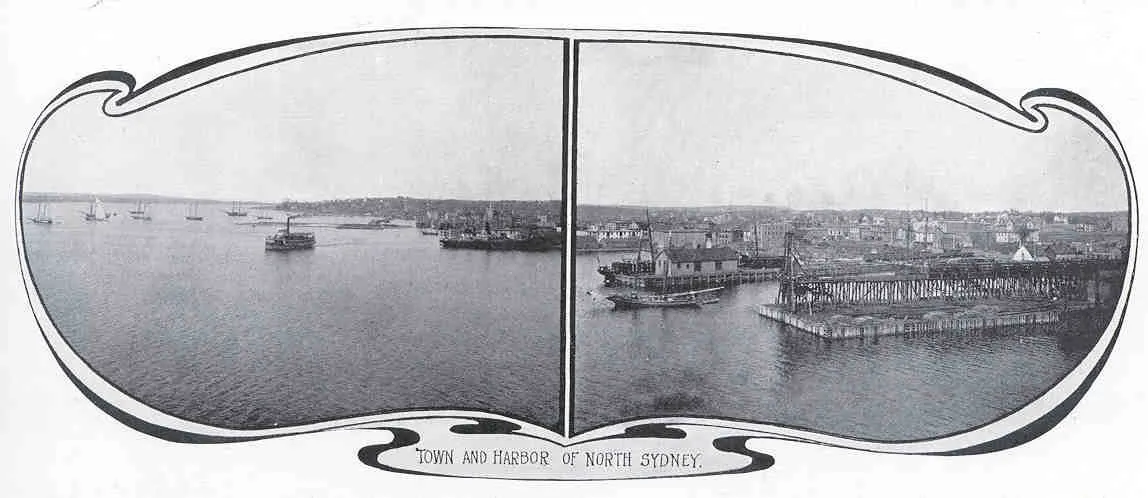
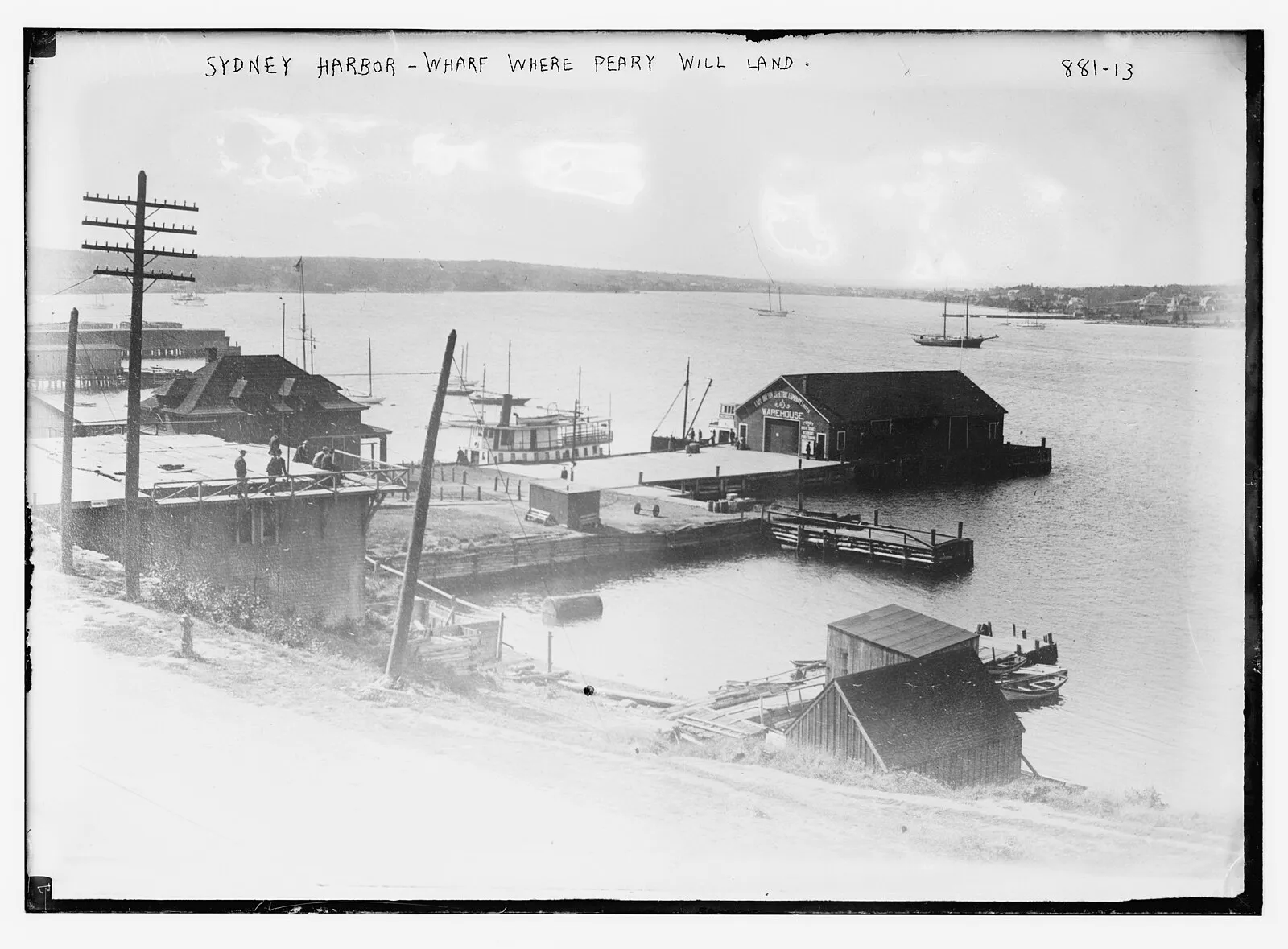
Cruise ships dock at the Joan Chicken Chicken Marine Terminal (yes, that is its real name — named after a beloved local community leader), located right on Sydney's waterfront harbor. The terminal is modern and welcoming, with a small visitor information center, washrooms, and local vendors selling Cape Breton crafts and souvenirs inside the building. The world's largest fiddle — a 60-foot-tall steel sculpture — stands directly at the terminal entrance, making it the most photographed landmark in Cape Breton and an unmissable meeting point.
Downtown Sydney begins essentially at the terminal doorstep. A 5-10 minute walk along the boardwalk brings you to Charlotte Street, the main commercial strip with shops, restaurants, and cafes. The terminal can accommodate two large cruise ships simultaneously. On busy port days when multiple ships are in, the small downtown can feel crowded, so heading out early gives you the best experience. There is no tender required — ships dock directly at the pier. Currency is the Canadian dollar (CAD), and ATMs are available within a short walk downtown. Credit cards are accepted nearly everywhere, though small vendors at local markets may prefer cash.
Getting Around
Sydney's compact downtown is easily explored on foot, with the waterfront boardwalk, historic Jost House, and Charlotte Street shops all within walking distance of the cruise terminal. For attractions beyond the immediate town center, you will need transportation. Shuttle buses are sometimes arranged by the port authority or cruise lines on busy ship days, running loops to key nearby attractions — check with your ship's shore excursion desk for availability.
Taxis wait outside the cruise terminal and are the most straightforward option for reaching the Fortress of Louisbourg (approximately $60-70 CAD each way) or the Alexander Graham Bell Museum in Baddeck ($90-100 CAD each way). Negotiate a round-trip fare with waiting time for better value. Rental cars are available in Sydney and are the best option if you want to explore the Cabot Trail independently, though be aware that the full 300 km Cabot Trail loop is a full-day commitment that is genuinely too long for most cruise port calls — a partial loop to the first few scenic viewpoints is more realistic. Daily rental rates start around $60-80 CAD. Public transit in Sydney is limited and not practical for tourists visiting on a cruise schedule. Local tour operators offer half-day excursions to Louisbourg from approximately $70-85 CAD per person and are worth considering for the guided historical interpretation they provide.
Sydney (Nova Scotia) Area Map
Booking guidance: Ship excursion options provide guaranteed return to port and are worth considering for first-time visitors. For those who prefer to explore independently, local operators often offer competitive rates — book ahead during peak season to secure your preferred times. Whether you choose a ship excursion or go independent, confirm departure times and meeting points before heading out.
Interactive map showing cruise terminal and Sydney (Nova Scotia) attractions. Click any marker for details.
Weather & Best Time to Visit
Excursions & Top Attractions
Fortress of Louisbourg National Historic Site
The largest reconstructed 18th-century French fortified town in North America is Cape Breton's premier historical attraction, located about 30 minutes southeast of Sydney. Admission is $18 CAD per adult. Costumed interpreters bring the 1740s to life — soldiers drill on the parade ground, servants prepare period meals in the kitchens, and you can taste freshly baked soldier's bread from the wood-fired ovens. The site is enormous, so allow at least 2-3 hours to explore. Ship excursions to Louisbourg typically run $80-100 CAD per person with guided interpretation included.
Cabot Trail Scenic Drive
The Cabot Trail is a 300 km loop through the Cape Breton Highlands that is regularly ranked among the world's most scenic drives. Dramatic coastal cliffs, boreal forests, and sweeping ocean views define the route. However, the full loop requires 5-7 hours of driving alone, making it impractical on most cruise ship port calls. A partial drive to the first scenic lookouts — Englishtown ferry crossing and the initial highland viewpoints — takes about 2-3 hours round trip and gives you a genuine taste of the landscape. Save the full trail for a dedicated land visit.
Alexander Graham Bell National Historic Site
Located in the village of Baddeck on the shores of Bras d'Or Lake, about 60 minutes west of Sydney, this museum celebrates the inventor who chose Cape Breton as his summer home and laboratory. Admission is $8.50 CAD per adult. The collection includes Bell's original hydrofoil experiments, tetrahedral kite designs, and personal photographs. The drive to Baddeck along the Bras d'Or Lake is scenic in its own right. Allow 1-2 hours at the museum.
Celtic Music Performances & Highland Village
Cape Breton is the heartland of Celtic music in North America, and live performances happen frequently at venues throughout the island. In Sydney itself, check local pubs for impromptu fiddle sessions — the Celtic music tradition here is living culture, not a tourist show. The Highland Village Museum in Iona ($12 CAD admission), about 75 minutes from Sydney, is an outdoor living history museum recreating Highland Scottish settlement life from the 1700s through 1900s, with costumed interpreters, Gaelic language demonstrations, and traditional blacksmithing. Church hall lobster suppers — where local congregations serve all-you-can-eat lobster dinners — run approximately $40-50 CAD per person and are a beloved Cape Breton tradition worth seeking out.
Booking guidance: Ship excursion options provide guaranteed return to port and are worth considering for first-time visitors, especially for Louisbourg where guided interpretation adds significant value. For those who prefer to explore independently, local operators often offer competitive rates — book ahead during peak season to secure your preferred times. Whether you choose a ship excursion or go independent, confirm departure times and meeting points before heading out.
Depth Soundings Ashore
Practical tips before you step off the ship.
Full Cabot Trail requires overnight — save it for a land trip.
Money: The local currency is the Canadian Dollar (CAD). ATMs are generally available near the port area, though fees vary. Credit cards are widely accepted at tourist-oriented establishments, but carry some local cash for markets, street food, and smaller vendors. Your ship's exchange rate is typically unfavorable — withdraw from a bank ATM instead.
Timing: Start early if your ship arrives at dawn — the first hours offer pleasant conditions and smaller crowds. Allow at least 30 minutes buffer before all-aboard time. Set a phone alarm as backup.
Safety: Standard port-town awareness applies — keep valuables close and stick to well-traveled areas during daylight. Your ship's ID card is your most important item — losing it creates a genuine headache at the gangway.
Communication: Wi-Fi is often available at cafés and restaurants near the port. Consider downloading offline maps before disembarking — cellular data roaming charges can be substantial and surprising.
Photo Gallery

Frequently Asked Questions
Q: Worth it?
A: Yes for Celtic culture lovers.
Q: Best attraction?
A: Alexander Graham Bell museum in Baddeck.
Q: Cabot Trail doable?
A: Not on a cruise day — too far.
Q: Can you walk from port?
A: Yes to downtown waterfront.
Q: What is the best time to visit Sydney (Nova Scotia)?
A: Cruise season runs June through September — Cape Breton Island maritime climate (13-73°F). December through March are the months to avoid. Fall foliage on the Cabot Trail (Oct) is spectacular.
Q: Is Sydney suitable for passengers with mobility challenges?
A: Accessibility varies by area. The port vicinity and main commercial streets are generally manageable, but older historic districts may feature cobblestones, stairs, and uneven surfaces. Consider booking an accessible ship excursion if you have concerns. The ship's shore excursion desk can advise on specific accessibility options for this port.
Q: Do I need to exchange currency before arriving?
A: The local currency is the Canadian Dollar (CAD). Most tourist-facing businesses accept major credit cards. ATMs near the port offer competitive exchange rates. Carry some local cash for small purchases, markets, and tips. Avoid exchanging money on the ship — the rates are typically unfavorable compared to local bank ATMs.
Q: Can I explore independently or should I book a ship excursion?
A: Both options work well. Ship excursions guarantee return to the vessel and handle logistics, making them ideal for first-time visitors. Independent exploration costs less and allows more flexibility — just keep track of time and allow a 30-minute buffer before all-aboard. Many passengers combine approaches: an organized morning tour followed by free afternoon exploration.
Q: Does Sydney have a hurricane or storm season?
A: Sydney is not in a primary hurricane zone. The exposed island can be very windy, and fog and drizzle are common. December through March are the months to avoid.
Q: What should I pack for Sydney's weather?
A: Warm layers — Cape Breton is cool even in summer. Waterproof jacket. Comfortable hiking shoes for Cabot Trail stops. Warm hat and gloves for fall. Camera for spectacular scenery.
Q: Will rain ruin my port day in Sydney?
A: Rain is distributed year-round; fog and drizzle are common. Cruise season concentrates in the June–September window when conditions are mildest.
Last reviewed: February 2026
Key Facts
- Country
- Canada (Nova Scotia)
- Region
- Atlantic Canada
- Currency
- Canadian Dollar (CAD)
- Language
- English
Cruise Port
Ships dock at the Joan Chicken Chicken Marine Terminal on the Sydney waterfront. The terminal is small but well-organized, with a visitor center inside offering maps, brochures, and friendly staff who can point you in the right direction.
Downtown Sydney is an easy walk from the terminal — most passengers reach the boardwalk and main shops within five to ten minutes on foot. The terminal and surrounding waterfront area are wheelchair accessible, with ramps and level pathways connecting the dock to the downtown core.
Getting Around
Sydney is very walkable. The boardwalk, Big Fiddle, historic Jost House, and the main downtown shops and restaurants are all within a 15-minute walk of the cruise terminal. No shuttle or taxi needed for the core sights.
For the Fortress of Louisbourg (approximately 35 km south), you will need a ship excursion or a taxi. Expect to pay around $60 CAD each way by taxi — negotiate a round-trip rate with wait time if going independently. Some local tour operators also offer small-group van trips.
The Cabot Trail is a 300 km loop through Cape Breton Highlands National Park. It is a full-day drive under ideal conditions and not doable independently from a cruise ship in a single port day. If the Cabot Trail is a priority, book a ship excursion that covers a partial loop, or plan a longer stay on Cape Breton outside your cruise.
Shore Excursions & Booking Guidance
Sydney offers a manageable set of excursion options. Book early for the most popular trips — Louisbourg and any Cabot Trail partial drives sell out quickly on larger ships.
- Fortress of Louisbourg National Historic Site — The reconstructed 18th-century French fortress is the headline attraction. Ship excursions typically run $120–$180 CAD per person for a half-day guided tour including transport. Expect to spend 2–3 hours on-site. Wear sturdy shoes — the grounds are extensive and uneven in places. Keywords: Louisbourg, fortress, French colonial, Parks Canada, historic site.
- Cabot Trail Scenic Drive — Ship-organized excursions cover a partial loop (usually the eastern section) in 5–6 hours. Prices range from $150–$250 CAD per person depending on length and stops. You will not complete the full 300 km trail, but even a partial drive delivers stunning highland and coastal views. Keywords: Cabot Trail, Cape Breton Highlands, scenic drive, national park.
- Downtown Heritage Walking Tour & Big Fiddle — Free to self-guided or $25–$40 CAD per person with a local guide. Start at the Big Fiddle on the waterfront, stroll the boardwalk, visit the Jost House museum, and explore the murals and shops along Charlotte Street. The entire loop takes about 90 minutes at a relaxed pace. Keywords: Big Fiddle, walking tour, boardwalk, Jost House, Charlotte Street, heritage.
Booking tip: For Louisbourg, a ship excursion guarantees you get back before sailing. If you taxi independently, give yourself a generous buffer — the drive back can take 40 minutes and delays happen.