


Captain's Logbook
Taormina: My Sicilian Perfection
I understand now why they called it perfection. Perched on its cliff three hundred meters above the Ionian Sea, Taormina is everything the Mediterranean promised to be — ancient stones warmed by centuries of sun, gardens tumbling down impossible slopes, and everywhere you turn, that volcano. Mount Etna. Europe's largest active volcano, they say, but numbers don't capture the way it dominates the horizon, smoke trailing from its summit like a casual signature across the sky.
Our ship anchored in the port of Taormina-Giardini Naxos at dawn, and I watched the sun illuminate the clifftop town in stages — first the highest bell towers, then the ancient theater, finally the cascade of terra-cotta roofs stepping down toward us. The tender brought us ashore where we caught the cable car up the hillside, rising through lemon groves and morning mist until Taormina revealed itself in full.
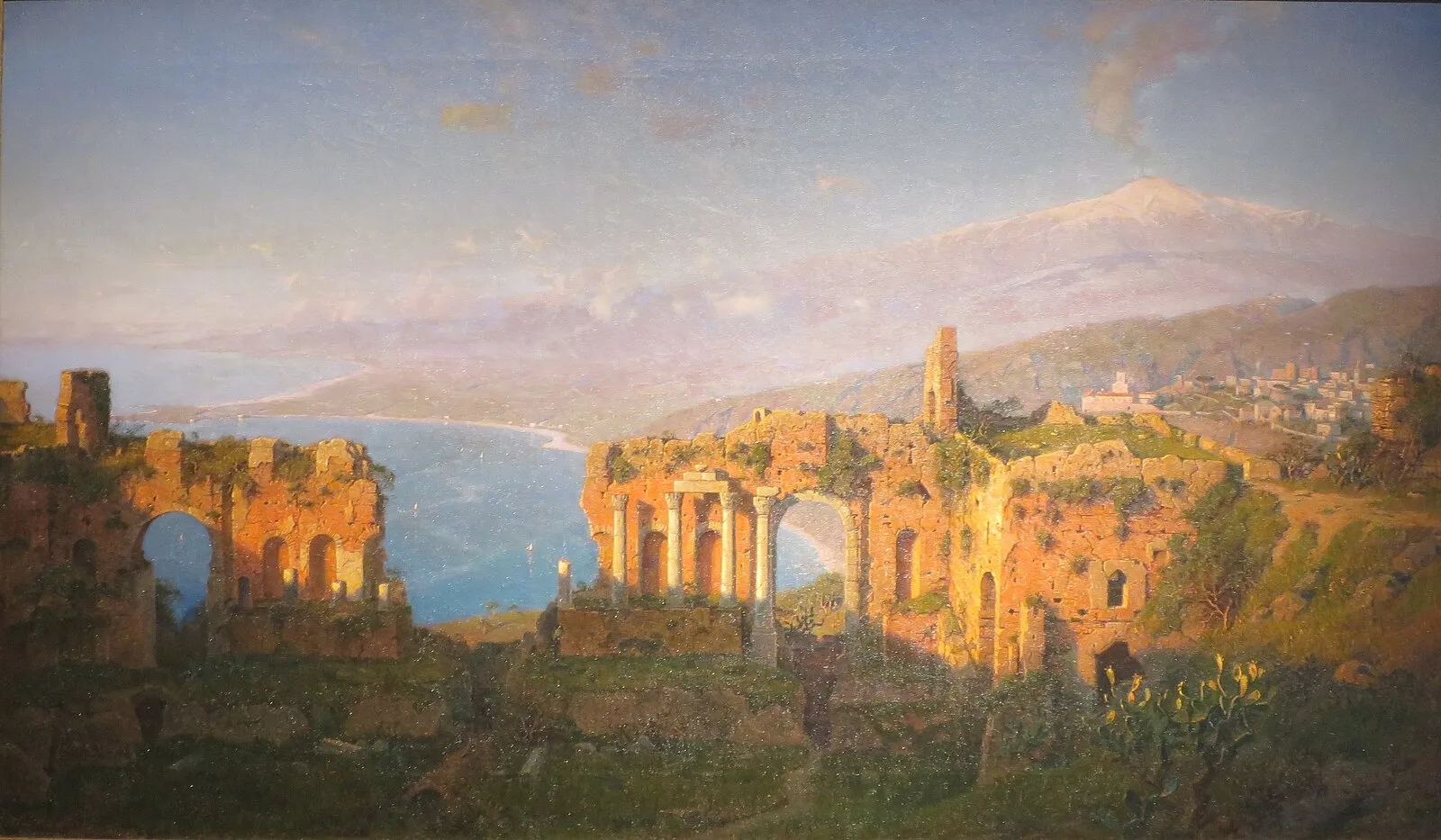
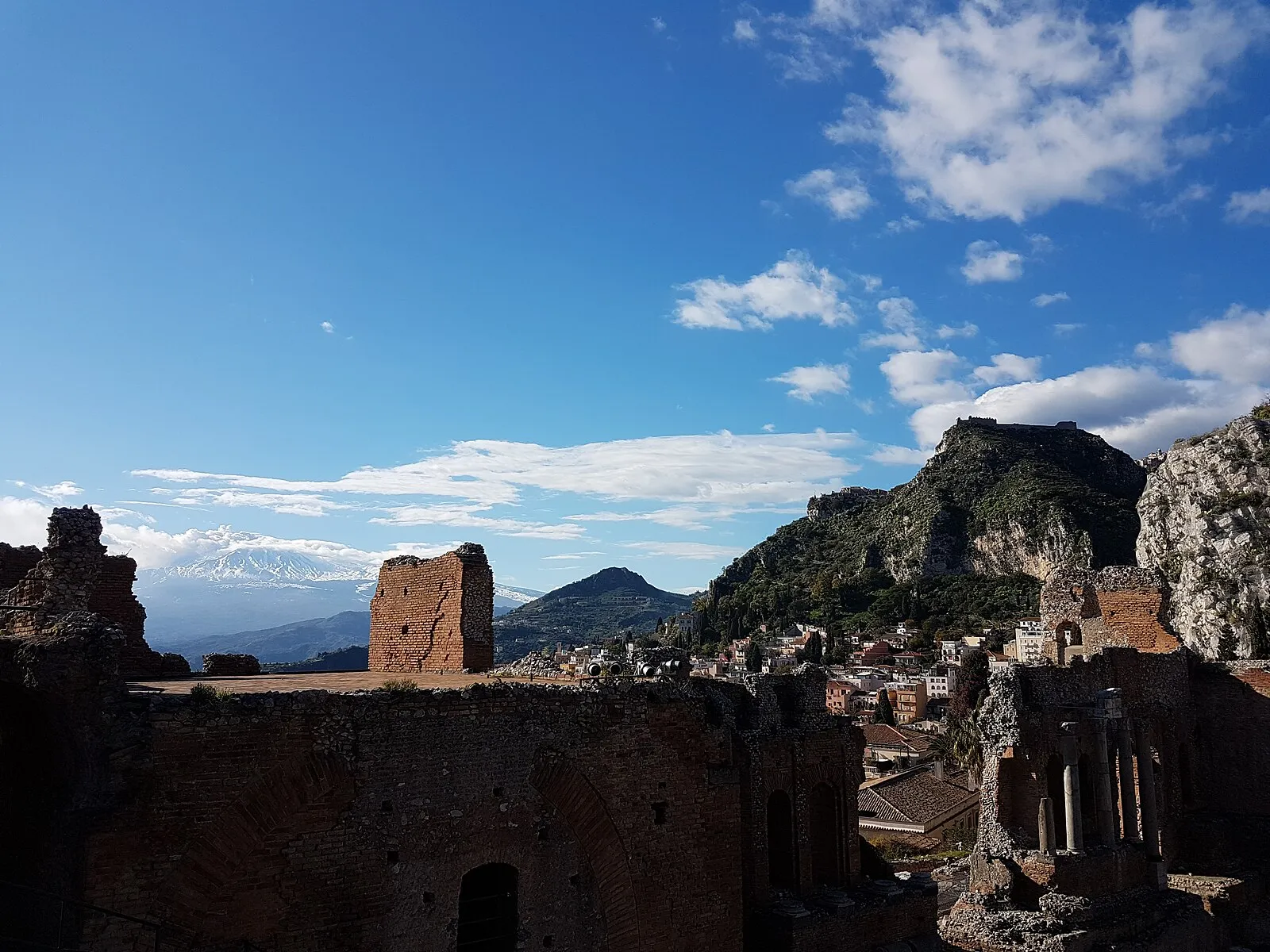
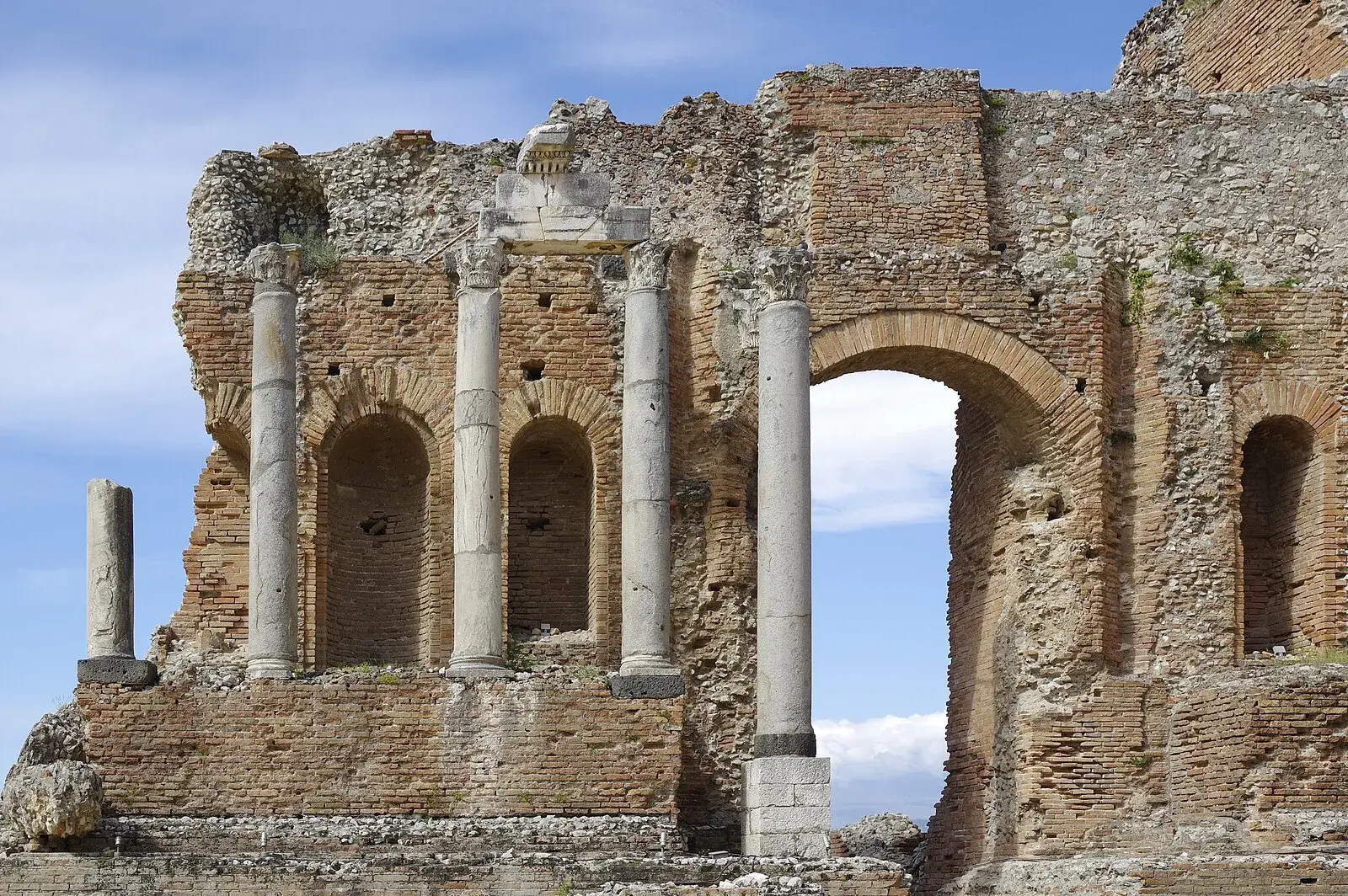
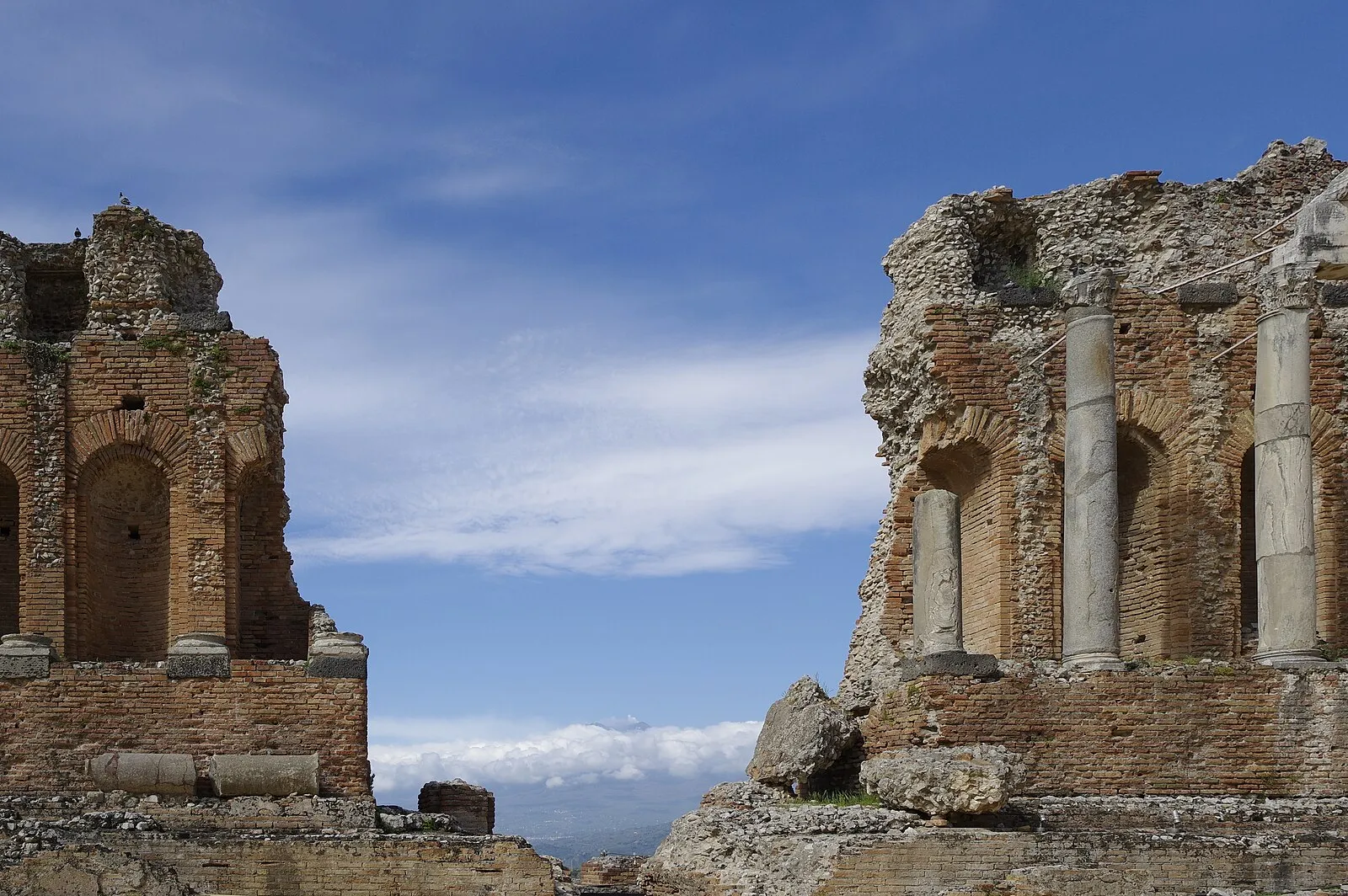
I made straight for the Teatro Greco before the tour buses arrived. Built in the third century BC by Greeks who understood drama — both on stage and in landscape — this is one of the most famous ancient theaters in the world, and five minutes inside tells you why. The Romans modified it later for their gladiatorial tastes, but the bones are Greek, and the soul is timeless. I stood on the ancient stage and looked through the perfectly framed arches at Etna's massive cone, understanding instantly why they built here. The acoustics are supernatural; I whispered a line of poetry and heard it echo across the stone seats where thousands once sat. They still host performances here on summer evenings — Greek tragedies and Italian opera beneath the stars, with Etna as the ultimate backdrop.
The theater held me for an hour, but Taormina's other treasure is simply wandering. Corso Umberto, the main pedestrian street, runs like a spine through the historic center from Porta Messina at one end to Porta Catania at the other. Every few steps offers something: a tiny church hiding Byzantine mosaics, a terrace overlooking the coastline, shops selling Sicilian ceramics in colors that hurt to look at, cafes spilling out onto cobblestones worn smooth by centuries of footsteps. The street is lined with noble palazzos from different eras — you can read Taormina's history in the architecture. Greek foundations, Roman columns repurposed in medieval walls, Arab arches, Norman towers, baroque facades. This town has been precious for over two thousand years, passing from Greeks to Romans to Byzantines to Arabs to Normans, each civilization leaving its mark in stone.
By the nineteenth century, European aristocrats on their Grand Tours discovered Taormina and declared it the jewel of Sicily. Artists and writers followed — D.H. Lawrence lived here, Truman Capote wrote here, Greta Garbo hid here. You feel their ghosts in the gardens and the light. I had lunch on a terrace where bougainvillea dripped purple over the balustrade and the waiter brought swordfish involtini so tender it dissolved on the tongue, paired with wine from Etna's volcanic slopes — mineral and smoky, tasting of the mountain itself.
In the afternoon I surrendered to gravity and took the cable car back down to Mazzarò beach and walked to Isola Bella, the tiny island connected to shore by a narrow sandbar that appears and disappears with the tide. The water was impossible — clear as air, cold as snowmelt, holding me up like a secret. I floated on my back and watched clouds drift past Etna's summit, feeling the ancient stones of the theater still warm in my memory and the cold Ionian sea supporting my bones. This is what people cross oceans for. This exact combination of beauty and time and salt water and stone.
Taormina remains one of Sicily's most popular destinations, and after a day here, I understand completely. It's not hype. It's not overrated. It's simply beautiful in a way that survives crowds and centuries, the kind of place that makes you believe the world was designed to take your breath away. I carried the taste of Etna wine and the echo of my whispered poetry in that ancient theater all the way back to the ship, and I suspect I will carry them further still — through every ordinary day that follows this extraordinary one.
Looking back, I learned that Taormina's gift is perspective — both the literal perspective from its cliffs and the deeper one that comes from standing in a place where people have sought beauty for over two thousand years. What matters most is not the photographs or the guidebook checkboxes, but the quiet revelation that some places on earth are simply sacred in their beauty, and that the right response is not to rush through them but to stand still, breathe deeply, and let them change you.
Weather & Best Time to Visit
The Cruise Port
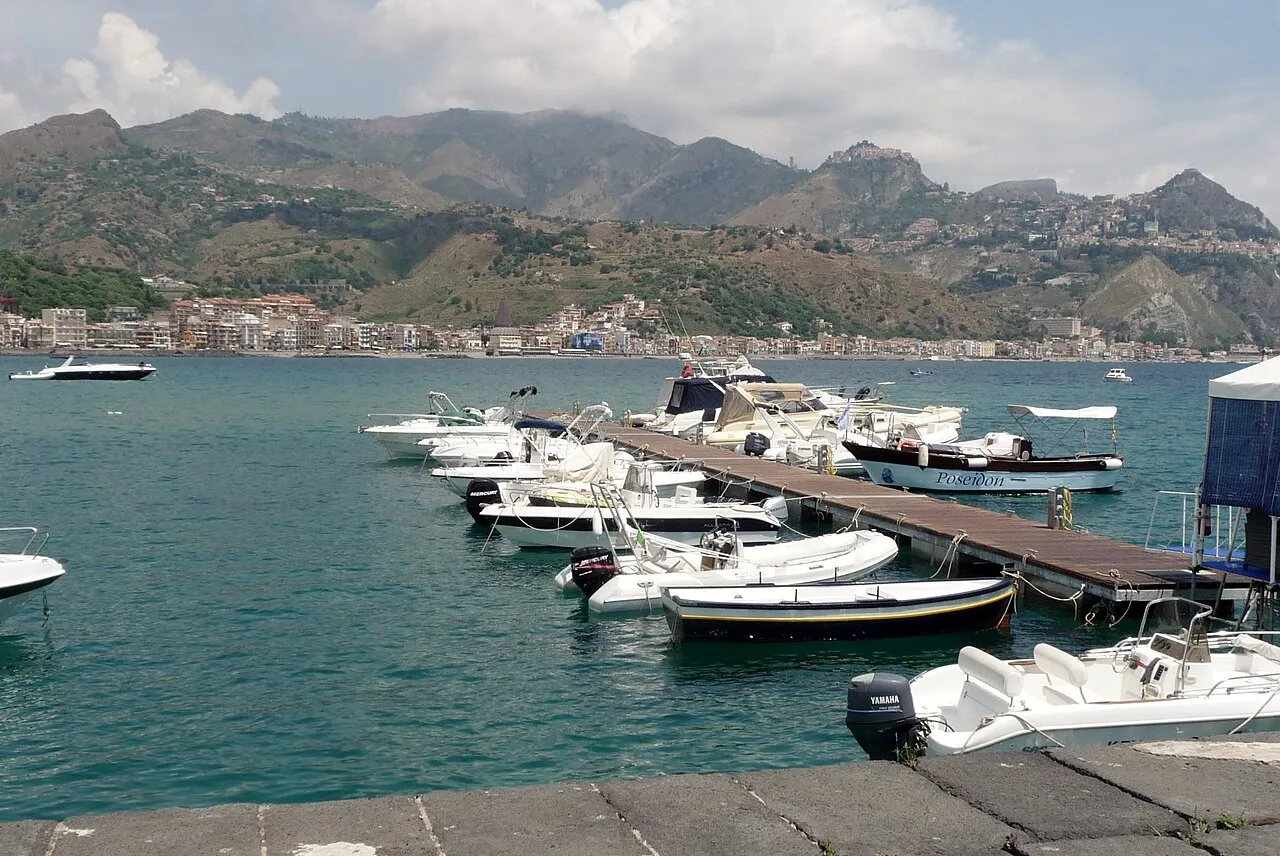
Cruise ships anchor in the bay off Giardini Naxos and tender passengers ashore — the tender ride takes about 10 minutes with views of Taormina perched dramatically on the cliffs above. The tender dock at Giardini Naxos has basic facilities and a taxi rank. Some larger ships dock at the nearby port of Catania (about 50 minutes south), from which ship excursions provide transport to Taormina.
The euro (EUR) is the local currency. ATMs are available in Taormina town along Corso Umberto and near Porta Messina. Credit cards are accepted at most restaurants and shops. Sicily is affordable by Italian standards — budget €40-70 per person for a comfortable day including cable car fare, lunch, and a museum entry. A coffee at a Corso Umberto café costs €1-1.50, a full Sicilian lunch with pasta and local wine runs €15-25.
Getting Around
Cable car (funivia): The Taormina cable car connects Mazzarò beach at sea level to Taormina town centre, rising 300 metres in about 3 minutes. Tickets cost €3 each way and the cars run every 15 minutes. This is the fastest and most scenic way to reach the hilltop town from the tender dock area — a short walk or taxi from the landing brings you to the cable car station.
On foot: Once in Taormina, everything is walkable. Corso Umberto, the main pedestrian street, runs the full length of the historic centre from Porta Messina to Porta Catania (about 800 metres). The Teatro Greco, churches, shops, and restaurants are all along this route or on short side streets. Expect some hills and steps — Taormina is built on a cliff.
Bus: Interbus runs services from Giardini Naxos to Taormina (€2, 15 minutes) for those who prefer not to take the cable car. Local buses also connect Taormina to Castelmola (€1.90, 15 minutes), the tiny hilltop village above Taormina with panoramic views.
Taxi: Taxis wait at the tender landing and at Porta Messina in Taormina. A taxi from the tender dock to Taormina town costs €15-20. For Etna excursions, negotiate a round-trip fare (€100-150 depending on how far up the volcano you want to go).
Mobility note: Taormina is extremely challenging for passengers with limited mobility. The cable car is wheelchair accessible, but the town itself involves steep streets, narrow lanes, and many steps. The Teatro Greco has stepped seating with no lifts. Corso Umberto is the most level route through town but still has gentle inclines. Ship excursions with accessible vehicles are recommended for passengers who cannot manage steep terrain.
Taormina Area Map
Interactive map showing cruise terminal and Taormina attractions. Click any marker for details.
Top Excursions & Attractions
Taormina is compact enough to explore independently on foot once you reach the hilltop by cable car. Ship excursions make sense for Mount Etna, which requires transport and a guide for upper elevations. Book ahead for Etna tours — they fill quickly on ship days. Independent visitors can cover the town highlights and a beach visit in a comfortable day.
Teatro Greco (Greek Theatre)
Built in the 3rd century BC by Greeks who understood that drama deserves a dramatic setting, this ancient theatre frames Mount Etna through its ruined arches in one of the most photographed views in the Mediterranean. The Romans later modified it for gladiatorial contests, but the soul remains Greek. Admission costs €10. Arrive at opening (9:00) to have the stage and views largely to yourself before tour buses arrive by 10:30. Summer evenings bring live performances — Greek tragedies and opera beneath the stars. Allow 1-2 hours. The site involves stepped seating with no lift access.
Corso Umberto Stroll
Taormina's pedestrian spine runs from Porta Messina to Porta Catania, a gentle 800-metre walk past noble palazzos, tiny churches hiding Byzantine mosaics, artisan ceramics shops, and cafés spilling onto cobblestones worn smooth by twenty centuries of footsteps. Free to wander, impossible to rush. Stop at Piazza IX Aprile for the famous terrace view — coastline, volcano, and sky in a single sweeping panorama. Browse the hand-painted Sicilian ceramics (prices from €5 for a small tile to €200+ for large platters). A granita al limone (€3-5) from a Corso café is the authentic Sicilian refreshment on a warm day.
Isola Bella
A tiny island connected to shore by a narrow sandbar that appears and disappears with the tide, set in a cove of impossibly clear water below Taormina. Reach it by cable car down to Mazzarò beach, then a 10-minute walk along the shore. The island itself is a nature reserve (€4 entry). Swimming in the surrounding water is free and extraordinary — clear as glass, cold and refreshing, with the cliffs of Taormina rising above. Bring a towel and water shoes for the rocky entry. An ideal afternoon after a morning in town.
Mount Etna Excursion
Europe's largest active volcano dominates the Taormina skyline and is accessible as a half-day trip. Ship excursions ($120-200) drive to the Rifugio Sapienza base station at 1,900 metres, where a cable car and 4x4 vehicles can take you higher (additional cost €65-70 for cable car plus guide). Independent visitors can hire a taxi for a round trip (€100-150, negotiate the fare and waiting time) or join a local tour from Giardini Naxos. The landscape is otherworldly — black lava fields, smoking craters, and views across all of eastern Sicily. Wear warm layers — temperatures drop significantly at altitude even in summer. The guaranteed return of a ship excursion is worth considering given the distance and the consequences of missing the ship.
Castelmola
A tiny medieval village perched above Taormina with even more dramatic views — from here you can see Etna, the Ionian coast, and Taormina's rooftops far below. Reach it by local bus (€1.90, 15 minutes from Taormina's bus terminal) or by a steep 30-minute walk uphill. The village has a handful of cafés and a ruined castle. The panoramic terrace at the hilltop is free and unforgettable. A quiet counterpoint to Taormina's busier streets. Allow 1-2 hours including transport.
Depth Soundings Ashore
Practical tips before you step off the ship.
Arrive early at the Teatro Greco: The theater opens at 9 a.m. and by 10:30 the tour buses arrive in force. That golden hour between opening and crowds is when you'll have the stage and those Etna views mostly to yourself. Entry is around €10 and worth every cent.
The cable car is your friend: The climb from Mazzarò beach to town is brutally steep. The funivia (cable car) runs every 15 minutes, costs just a few euros, and offers views that justify the ride beyond mere convenience. Buy a round-trip ticket if you're planning to visit the beach.
Cash for small purchases: While most restaurants take cards, many small shops, gelaterias, and the cable car ticket booth prefer cash. There are ATMs on Corso Umberto.
Lunch reservations matter: The best terrace restaurants along Corso Umberto fill up by noon. If you have your heart set on a particular spot, either arrive early or book ahead if possible.
Etna wine is the souvenir: Volcanic soil produces extraordinary wines — mineral, complex, unlike anything else. The wine shops along Corso Umberto will ship bottles home if you fall in love.
Time for wandering: Taormina rewards aimless exploration. Budget time to lose yourself in the side streets, climb to the little churches, discover hidden gardens. The map is less important than curiosity.
Photo Gallery
Frequently Asked Questions
Q: Is Taormina really worth visiting on a cruise stop?
A: Absolutely, without question. This is one of the most beautiful towns in Sicily — arguably in all of Italy — and it deserves its reputation. The combination of ancient history, dramatic setting, and sheer visual beauty makes it unforgettable. Even if you've seen dozens of Mediterranean ports, Taormina will stand out.
Q: What's the one thing I shouldn't miss?
A: The Teatro Greco at opening hour. Arrive when it opens at 9 a.m., stand on that ancient stage, and look through the arches at Mount Etna. That view — and the feeling of standing where Greeks and Romans performed — is the heart of Taormina. If you have time afterward, wander Corso Umberto and take the cable car down to Isola Bella for a swim in impossibly clear water.
Q: How much time do I need?
A: A full day is ideal. Half a day will let you see the theater and walk Corso Umberto, but you'll feel rushed. A full day gives you time for the theater, a leisurely lunch on a terrace, wandering the side streets, and descending to the beach in the afternoon. Taormina rewards slow exploration.
Q: Can I walk from where the ship tenders?
A: No — Taormina sits on a cliff 300 meters above the port. You'll need to take the cable car, bus, or taxi up the hillside. The cable car is quickest (about 5 minutes) and most scenic. Don't attempt to walk it; the road is steep, winding, and not pedestrian-friendly.
Q: Is Taormina crowded?
A: It's popular, yes — this is one of Sicily's top tourist destinations. But arrive early, especially at the Teatro Greco, and you'll beat most of the crowds. The side streets off Corso Umberto remain peaceful even when the main street is busy. The beauty is genuine enough to survive the crowds.
Q: What should I eat?
A: Fresh swordfish or tuna (Taormina is right on the Ionian Sea), pasta alla Norma (the classic Sicilian pasta with eggplant and ricotta salata), and anything featuring local ingredients. Pair it with wine from Mount Etna's volcanic slopes — the minerality is unlike anything else. And yes, get the granita and cannoli. This is Sicily.
Q: What is the best time to visit Taormina?
A: The seasonal panel above lists Peak Season as "May, Jun, Jul, Aug, Sep," Transitional Season as "Apr, Oct," and Low Season as "Nov, Dec, Jan, Feb, Mar." Use the live weather widget in the seasonal panel for current short-term conditions.
Q: What is Taormina's storm season?
A: The Weather Hazards panel above labels Taormina a "Winter Weather" zone with "Season: Nov – Mar" and "Peak risk: Jan, Feb." The hazard-note reads: "Shorter days, possible storms; dress warmly in layers." Specific storm history is not detailed on this page; use the live weather widget in the seasonal panel above for current conditions on any sailing date.
Q: What should you pack for Taormina's weather?
A: The Packing Tips section in the seasonal panel above lists: "Sunscreen and sunglasses — essential year-round"; "Light layers for variable temperatures"; "Comfortable walking shoes for exploring"; and "Rain jacket or compact umbrella." The page describes Taormina as "perched on Sicily's cliffs" with "steep stone paths" — comfortable walking shoes are essential. The Winter Weather hazard-note adds "dress warmly in layers" for the Nov-Mar window.
Q: Will rain ruin my Taormina port day?
A: The seasonal panel does not give Taormina-specific rainfall data — the Rain entry reads "Seasonal variation — check forecast." The Best Time block lists "May, Jun, Jul, Aug, Sep" as Peak Season. The Winter Weather hazard-note notes "possible storms" across the Nov-Mar window. The live weather widget in the seasonal panel is the source for short-term forecasts.
Last reviewed: February 2026
Image Credits
- taormina-1.webp: WikiMedia Commons (CC BY-SA)
- taormina-2.webp: WikiMedia Commons (CC BY-SA)
- taormina-3.webp: WikiMedia Commons (CC BY-SA)
Images sourced from WikiMedia Commons under Creative Commons licenses.