


My Logbook: The Edge of Everything
I heard the anchor chain rumble through the hawsepipe at four in the morning, and I knew we had arrived somewhere that shouldn't exist. My cabin was cold — the Southern Ocean air had seeped through the porthole gasket overnight — and when I pulled back the curtain, I saw nothing but darkness and the faint silhouette of a volcanic cone rising against a sky scattered with more stars than I had ever witnessed. Seventeen hundred and fifty miles from the nearest land. No airport. No harbor. No guarantee that we would set foot on shore. Our expedition leader had warned us the night before: "Tristan gives you nothing unless it chooses to." I pulled on my waterproof jacket and climbed to the observation deck, where a handful of other passengers stood in silence, watching the island slowly materialize in the pre-dawn grey.
The smell hit me first — salt and wet volcanic rock and something green, almost mossy, carried on a wind that never stops blowing in these latitudes. I gripped the railing as the ship rolled in the South Atlantic swells, and I stared at the shape emerging from the mist: steep black cliffs, a crown of cloud clinging to Queen Mary's Peak at 6,765 feet, and far below, barely visible, a thin strip of flat ground where Edinburgh of the Seven Seas — the only settlement — holds on to existence. Two hundred and fifty people live here. Seven family names. One road. One school. One doctor. I felt my breath catch as I tried to comprehend the scale of their isolation.
We waited three hours for the landing call. The captain conferred with the island's harbor master via radio, watching the swell height, measuring the wind. I paced the deck, alternating between hope and resignation. My wife sat in the lounge reading, calm as always, but I couldn't sit still. I had planned this voyage for two years. I had studied the charts, read every account I could find, and I knew that roughly half of all cruise attempts at Tristan end in weather cancellations. However, at 0730, the announcement came: "Zodiac operations will commence in thirty minutes." I felt my heart leap.
The Zodiac ride through the surf was the most exhilarating ten minutes of the entire voyage. Our driver — a local fisherman named James, descended from one of the seven founding families — guided us through breaking waves with a skill that spoke of generations on this water. Cold spray soaked my trousers and filled my boots, but I didn't care. The sound of the surf crashing against volcanic rock was deafening, and then suddenly we were through, sliding into the calm of the tiny harbor they call Calshot. James smiled, tossed a rope to a man on shore, and said quietly, "Welcome to Tristan." I stepped onto wet rock and felt the ground steady beneath my feet for the first time in five days at sea.
Edinburgh of the Seven Seas is, despite its grand name, a village of perhaps sixty houses painted in cheerful yellows and blues, arranged along a single road that loops past the post office, the church, the school, and the small museum. I walked slowly, deliberately, wanting to absorb every detail. The air tasted of salt and woodsmoke. A dog trotted alongside me for a while, uninterested in my camera but happy for company. I watched an elderly woman hanging laundry in her front garden, the sheets snapping in a wind that carried the scent of the sea. She waved. I waved back. It was the simplest human exchange, yet it moved me more than I expected — because out here, at the edge of the inhabited world, every gesture of welcome feels like a gift of extraordinary grace.
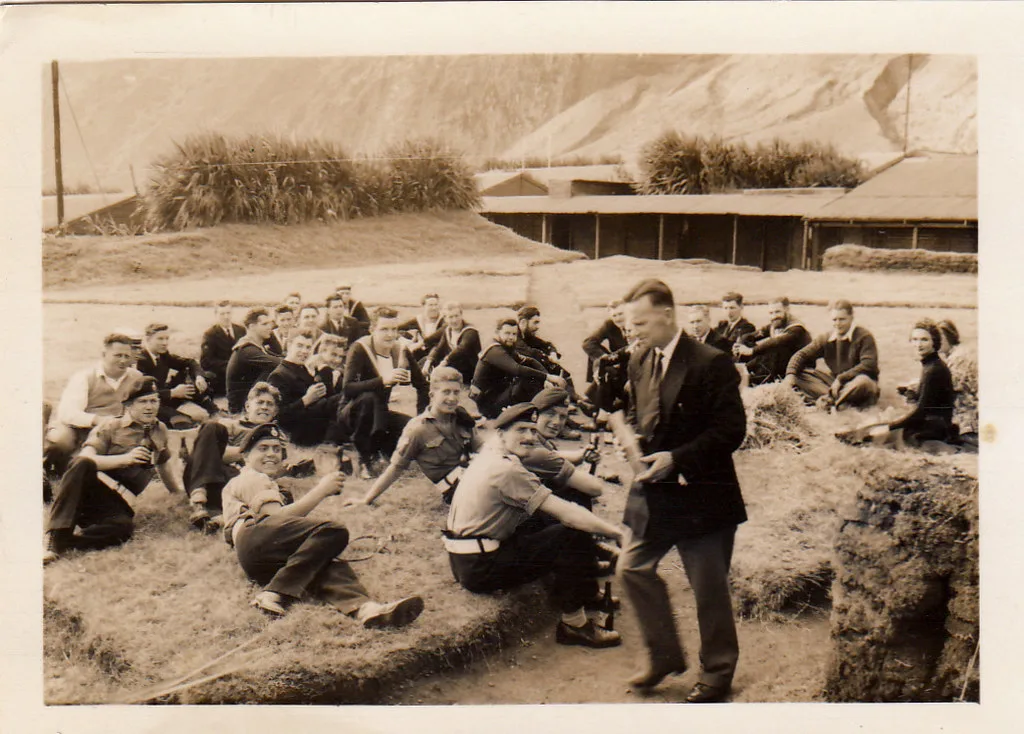
I spent time at the museum, where an islander named Margaret showed me photographs from the 1961 eruption — the one that forced the entire population to evacuate to England. She spoke softly, pointing to images of families boarding boats with whatever they could carry, leaving behind everything they knew. "They offered us houses in Hampshire," she said. "Proper houses with running hot water and gardens. Television. Shops. But most of us came back." I asked her why. She paused, looked out the window toward the peak, and said something that has stayed with me: "Because we belong here. Not everyone understands that, but we do." I felt tears prick my eyes. Not from sadness — from recognition. I understood, finally, what it means to be claimed by a place so deeply that no comfort elsewhere can replace it.
Standing in that small museum, surrounded by photographs of people who chose isolation over convenience, hardship over ease, I felt something shift inside me. My own life — with its schedules and obligations and endless connectivity — suddenly seemed cluttered. These people had stripped existence down to its essentials: community, purpose, land, sea. They had looked at the modern world and whispered, "No, thank you." And in that quiet refusal, they had found something I had been searching for without knowing it. I couldn't speak for a long moment. I just stood there, letting the silence teach me.I walked to the harbor afterward and watched the fishing boats. Tristan's economy depends on crayfish — rock lobster — exported to Japan and the United States at a cost of roughly $50 per kilogram wholesale. The fishermen launch from this tiny harbor in open boats, heading into waters that would terrify most sailors. I tasted a piece of fresh crayfish that one of them offered me, still warm, sweet and briny, and it was the most honest food I had ever eaten — caught that morning, prepared with nothing but seawater and fire. The price of a lobster dinner back home seemed absurd by comparison.
The rockhopper penguins near the coast were a joy. I spotted perhaps fifty of them on the volcanic rocks below the settlement, their ridiculous yellow eyebrow plumes bouncing as they hopped from ledge to ledge. They are smaller than I expected — no larger than a house cat — but their energy was astonishing. I heard their calls echoing off the cliffs, a sound like rusty hinges being opened simultaneously across a vast room. The smell of the colony was pungent, though not as overpowering as I had feared. I sat on a rock and watched them for nearly an hour, grateful for the binoculars my daughter had insisted I pack.
Although the island feels timeless, there are signs of the modern world creeping in. A satellite dish stands behind the community hall. The school has computers, though internet connectivity costs roughly $15 per gigabyte — a fee that makes our shipboard WiFi seem reasonable. The single shop stocks canned goods and basic supplies delivered by ships that arrive eight to ten times per year. Yet despite these connections to the outside world, Tristan remains fundamentally itself. The rhythms of fishing, farming, and community gatherings still govern daily life. Nobody rushes. Nobody stares at a phone. It was, for me, the most clarifying contrast to the world I had left behind on the ship.
Our time ashore was limited to five hours — the captain monitoring the weather every thirty minutes, ready to recall us if conditions changed. I used every moment. I visited St. Mary's Church, a small stone building where the entire community gathers on Sundays. I bought stamps at the post office — Tristan da Cunha stamps are among the world's most collectible, and a full set cost me $25. I mailed a postcard to my daughter, knowing it would take months to arrive but hoping the postmark from the most remote post office on Earth would make her smile. The fee for postage was $3 to the United States.
Looking back, I realized that Tristan da Cunha taught me something I couldn't have learned anywhere else. We spend our lives accumulating — possessions, connections, experiences — and we assume that more means better. But the people of this island have built a life of profound meaning with almost nothing by the standards of the wider world. What matters is not how much we have, but whether we know where we belong. I learned that resilience is not about endurance for its own sake; it is about choosing, every day, to stay rooted in what you love. I left Tristan humbler, quieter, and grateful — deeply grateful — for the privilege of having been allowed to set foot on that extraordinary shore.
The Cruise Port
What you need to know before attempting a landing.
- Terminal: None — ships anchor offshore; Zodiac landings through surf to rocky shore (weather permitting). The landing fee is approximately $10 per passenger.
- Distance to Settlement: Edinburgh of the Seven Seas is the only settlement; walking distance from landing site (5-10 minutes). The path is accessible for those with moderate mobility.
- Tender: Yes — all landings via Zodiac boats operated by local fishermen; landings never guaranteed due to sea conditions
- Currency: British Pound (GBP); Tristan da Cunha Pound (pegged 1:1 to GBP); extremely limited ATM/card acceptance; bring cash. Budget at least $30-50 for stamps and souvenirs.
- Language: English (with distinct Tristan accent and unique vocabulary)
- Wheelchair access: Very limited; the terrain is uneven volcanic rock and there are no paved sidewalks. Those with walking difficulty should assess conditions before disembarking.
- Best Season: December-March (Southern Hemisphere summer); even summer landings are uncertain due to unpredictable South Atlantic weather
Getting Around
Getting around Tristan da Cunha is straightforward because the settlement is tiny. Edinburgh of the Seven Seas covers less than one square mile, and every point of interest — the post office, the museum, St. Mary's Church, the community hall, and the harbor — sits within a ten to fifteen minute walk of the Zodiac landing point at Calshot Harbour. There are no taxis, no buses, and no vehicle rental services available to visitors. The few vehicles on the island are used by residents for farming and fishing purposes only.
Walking is the only option for cruise visitors, and the terrain is uneven in places — volcanic rock, gravel paths, and unpaved tracks that can be slippery when wet. Sturdy waterproof footwear is essential. Those with mobility concerns should be aware that the path from the landing site to the settlement involves a short uphill section over rough ground. Wheelchair access is extremely limited across the island. For those who wish to explore beyond the settlement, local guides can arrange walks to the lower slopes of Queen Mary's Peak or along the coast to penguin viewing areas. Guide fees typically run $20-30 per person and help support the island economy. Arrange hikes through the community hall or your ship's expedition team. Independent exploration beyond the settlement perimeter requires permission from the island council, as the volcanic terrain can be hazardous without local knowledge.
Tristan da Cunha Area Map
Interactive map showing Edinburgh of the Seven Seas settlement, Queen Mary's Peak, landing site, and key points of interest on the world's most remote inhabited island.
Excursions & Activities
How I'd spend my time — if I'm lucky enough to land. Note: there are no ship excursion packages sold through cruise lines for Tristan. All activities are independent and arranged on arrival or through the expedition team. Book ahead with the island council if your ship offers pre-arranged programs. There is no guaranteed return time — Zodiac operations depend on conditions.
Edinburgh of the Seven Seas Village Walk
The entire settlement is walkable in 30-60 minutes. Colorful houses, community hall, post office (famous stamps highly collectible — a full set costs around $25), St. Mary's Church, school, hospital, museum. Meet islanders who are unfailingly welcoming to the rare visitors who reach their shores. Learn about life at the edge of human habitation. Free to walk; museum entry by donation (suggested $5). Every visitor says meeting the residents is the most memorable part of Tristan. Moderate walking on uneven ground — suitable for most fitness levels.
Tristan da Cunha Museum
Small but fascinating museum documenting island history: shipwrecks, whaling era, 1961 volcanic eruption and evacuation, return from England, and natural history. Artifacts salvaged from the sea, historic photographs, cultural exhibits. Run by islanders who share stories passed down through generations. Essential stop for understanding Tristan's improbable existence. Donations appreciated (suggested $5). Entry fee covers a small booklet about island history.
Post Office & Philatelic Bureau
Tristan da Cunha stamps are among the world's most collectible — beautifully designed, limited print runs, highly sought by philatelists. Mail a postcard from the most remote post office on Earth (delivery time: several months). Purchase commemorative stamps and first-day covers. Postmark reads "Tristan da Cunha" with pride. Cash or British pounds only. A full commemorative stamp set costs approximately $25; individual stamps from $1. Postcard postage to the United States or Europe is $3.
The Base & Lower Slopes of Queen Mary's Peak
Queen Mary's Peak (6,765 feet / 2,062 meters) dominates Tristan's skyline. Summit climb requires 8-12 hours, guide permission, and exceptional fitness — unrealistic for most cruise visitors. Short hikes to The Base (lower volcanic slopes) offer spectacular views of the settlement, coastline, and South Atlantic. Volcanic rock formations, endemic flora, seabirds overhead. 1-2 hours round-trip. Guide fee approximately $20-30 per person. Weather can change rapidly — bring warm, waterproof layers. Strenuous terrain on the upper portions; lower paths are moderate walking.
Rockhopper Penguin Viewing
Northern rockhopper penguins (endemic subspecies) nest on coastal rocks and offshore stacks. Sightings possible near the settlement during breeding season (October-March). Distinctive spiky yellow and black head plumes. Smaller than King or Gentoo penguins but incredibly charismatic. Best viewing from shore or during coastal walks. Respect nesting sites — stay on designated paths. No cost for coastal viewing walks.
Conversation with Islanders
Tristan's greatest treasure is its people. Islanders are remarkably welcoming given how few visitors reach their shores. Ask about crayfish fishing, potato farming, the 1961 evacuation, life without an airport, community governance. Learn how seven family names have intertwined over generations. Hear stories of resilience, isolation, and choosing to return to the most remote island on Earth. These conversations stay with you long after you leave. Free and priceless.
Depth Soundings Ashore
- Landings are NEVER guaranteed — weather, sea conditions, and swells determine whether Zodiac landings are safe. Expedition cruises build flexibility into itineraries for this reason.
- Bring British pounds in cash — ATMs virtually non-existent; card payment extremely limited. Budget $30-50 minimum for stamps, donations, and guide fees.
- Dress in waterproof layers — Zodiac landings through surf mean you may get wet. Weather can shift from sunny to stormy in minutes. Windproof jacket and sturdy boots essential.
- Purchase stamps at the post office — Tristan da Cunha stamps are world-famous among collectors. A complete set costs around $25. Mail a postcard home (delivery takes months but becomes a treasured keepsake).
- Respect the community's rhythms — Tristan operates on island time. Islanders are welcoming but their daily lives (fishing, farming, schooling) continue around cruise visits. Be gracious guests.
- Photography is welcome but ask permission before photographing islanders or inside homes. Privacy matters even (especially) in small communities.
- Time on shore is limited — prioritize meeting islanders, visiting the museum, and walking the settlement. These human connections are Tristan's greatest gift.
- If landings are cancelled due to weather, don't despair — reaching Tristan's waters alone is an achievement. Many expeditions never get this close.
Photo Gallery

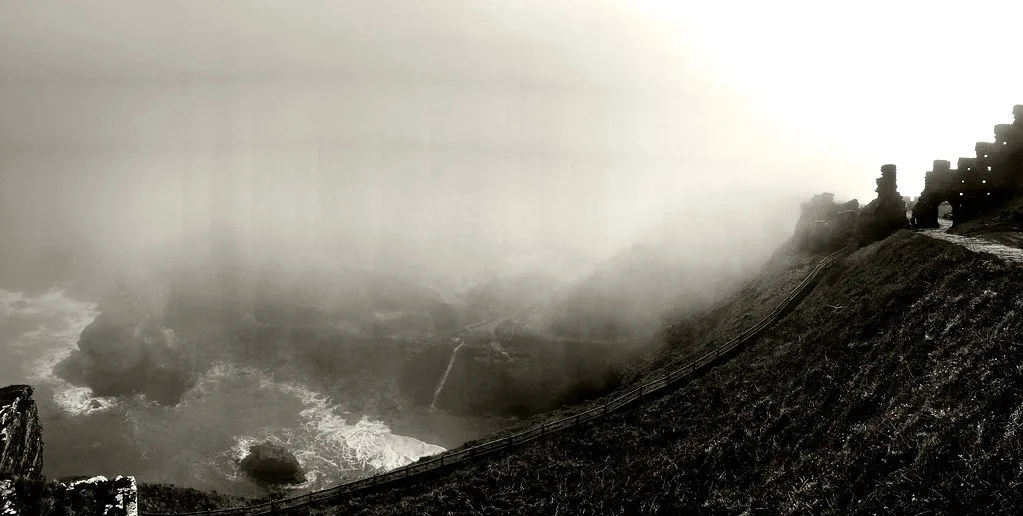
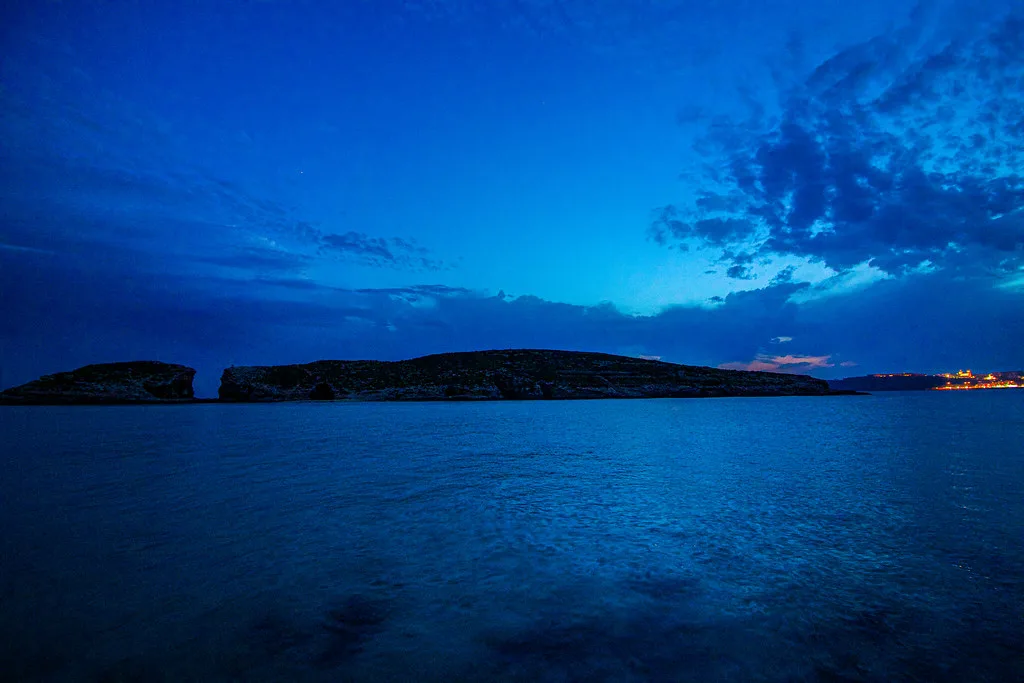
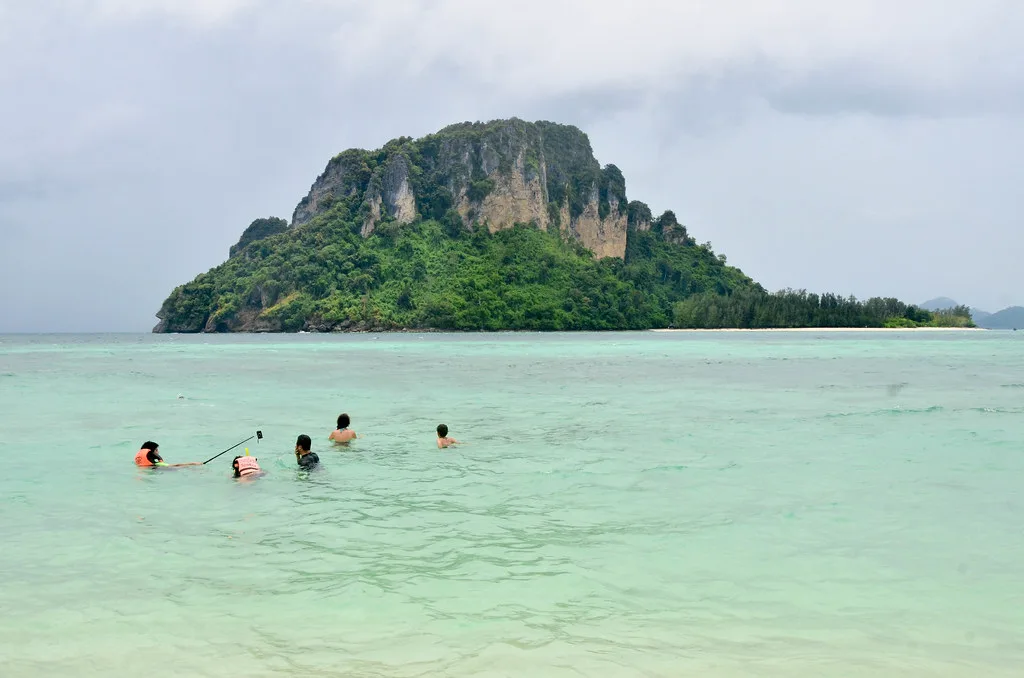
Weather & Best Time to Visit
Frequently Asked Questions
Q: What's the best time of year to visit Tristan Da Cunha on a cruise?
Typical range 44-67°F cool oceanic year-round; rain: Frequent — rain possible any day, any month. Peak cruise months: Nov, Dec, Jan, Feb, Mar. Avoid months: N/A.
Q: Is there a severe weather or storm season that affects Tristan Da Cunha?
Tristan Da Cunha is not marked as a warm-water hurricane zone in our seasonal guide. Local concern: seasonal weather swings.
Q: What should I pack for Tristan Da Cunha's weather?
For Tristan Da Cunha, pack for 44-67°F cool oceanic year-round. Warm waterproof layers essential; Sturdy waterproof boots; Windproof jacket; Warm hat and gloves
Q: Will rain ruin my Tristan Da Cunha port day?
Brief rain is common enough around Tristan Da Cunha that a flexible plan beats canceling. Most remote inhabited island on Earth — 250 residents; Landing is entirely weather-dependent — ships often cannot dock
Q: How do cruise ships dock at Tristan da Cunha?
Tristan has no port. Ships anchor offshore and local fishermen ferry passengers via Zodiac boats through the surf to the rocky landing at Calshot Harbour. Landings depend entirely on weather and sea conditions — never guaranteed. The landing fee is approximately $10 per passenger.
Q: Why is Tristan da Cunha so difficult to reach?
The island lies 1,750 miles from the nearest land in the South Atlantic. No airport, no harbor, unpredictable weather, and volcanic cliffs make access extremely challenging. Only a handful of expedition cruises and fishing boats visit annually. Roughly half of all cruise attempts result in weather cancellations.
Q: What is life like for the 250 residents?
Islanders fish for crayfish (exported at roughly $50/kg wholesale), farm potatoes, raise sheep, and maintain a close-knit community descended from seven family names. Supply ships arrive 8-10 times yearly. Internet costs about $15 per gigabyte. Life requires resilience, self-sufficiency, and extraordinary community bonds.
Q: Can I climb Queen Mary's Peak?
The summit (6,765 feet) requires 8-12 hours, excellent fitness, guide permission, and favorable weather. Guide cost is approximately $30. Most cruise visitors lack time for a summit attempt. Shorter hikes to The Base offer spectacular views and are more realistic.
Q: What wildlife can I see?
Northern rockhopper penguins (endemic subspecies), Atlantic yellow-nosed albatross, sub-Antarctic fur seals, and diverse seabirds. Inaccessible Island (part of the archipelago) hosts the world's smallest flightless bird. Wildlife sightings near the settlement are possible during breeding seasons.
Q: Is Tristan da Cunha accessible for visitors with mobility concerns?
Accessibility is very limited. The Zodiac landing requires stepping onto wet rock, and the settlement paths are uneven volcanic ground. There are no paved sidewalks or wheelchair ramps. Visitors with walking difficulty should carefully assess conditions before attempting the landing.