


Tromsø: Gateway to the Arctic
My Visit to Tromsø
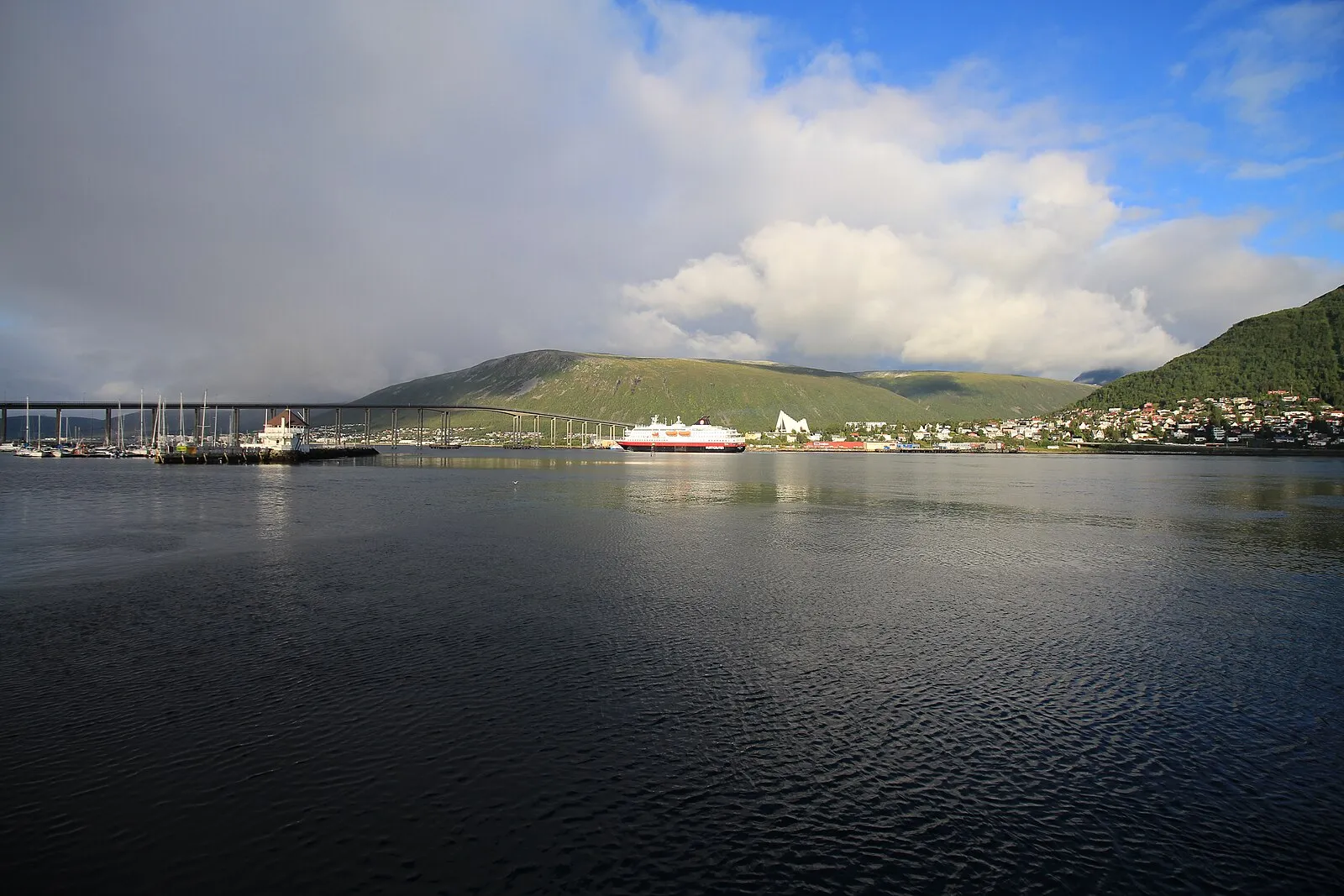
There is a phrase the locals use — "Gateway to the Arctic" — and the meaning didn't land until standing on the dock in Tromsø and felt the weight of history in the cold, clean air. This city, perched 400 kilometers above the Arctic Circle, has served as the launching point for some of humanity's most audacious polar expeditions. Fridtjof Nansen prepared here. Roald Amundsen departed from these very wharves. And when our ship glided into the harbor on a June morning, the smell of salt and pine drifting across the fjord, you could almost see those brave explorers loading their vessels, eyes fixed northward toward the unknown.
The visit fell in summer, when the midnight sun hangs above the horizon like a lantern that never dims. The city felt suspended in perpetual daylight — people kayaking at eleven at night, children playing in parks at one in the morning, the sun merely circling the sky without ever dipping below the mountains. It is disorienting at first, this endless day, but then you surrender to it and discover a kind of freedom in time unshackled from darkness. My wife stood beside me on the promenade, the warm golden light catching her face, and she whispered, "It feels like morning and evening at the same time." She was right.
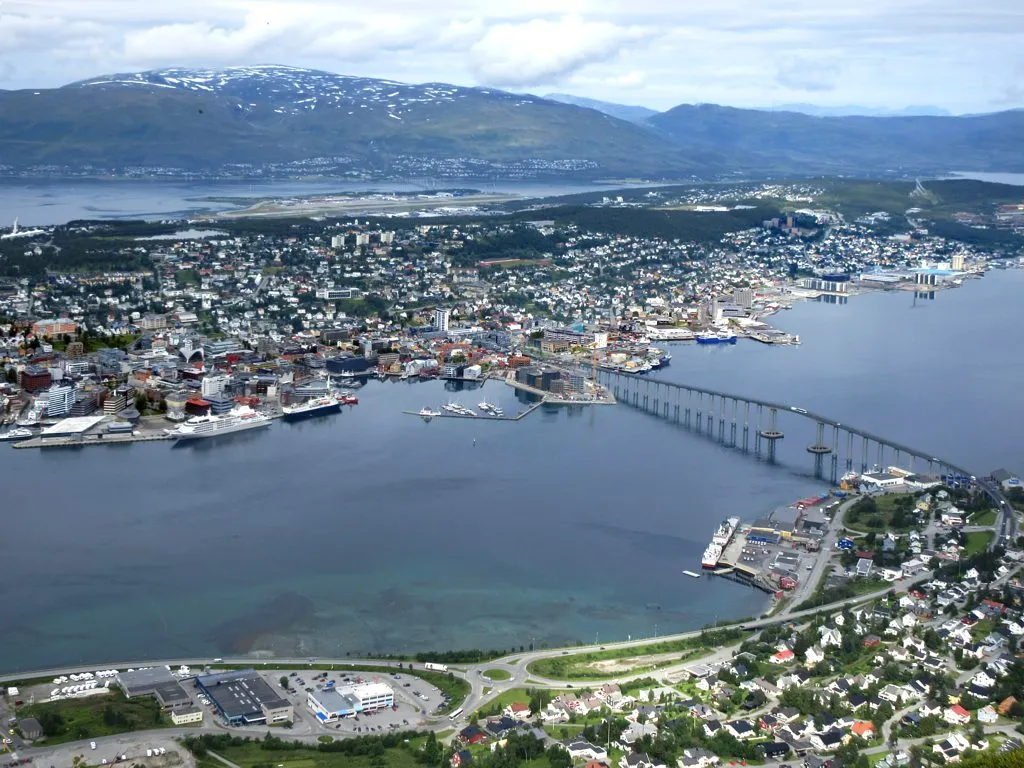
The Fjellheisen cable car carried us up to Storsteinen — about 200 NOK per person for the round trip, a cost that felt insignificant once we reached the top. I watched Tromsø spread out below like a living map — islands connected by delicate bridges, the fjord stretching toward distant peaks, everything painted in the soft gold of the midnight sun. The wind was cool against my skin, carrying the faint scent of Arctic wildflowers from the slopes below. From that height, you understand why explorers chose this place: it sits at the edge of the world, where land meets ice, where ambition meets consequence. I felt my breath catch in my chest, not from the altitude but from the sheer beauty of it — this small city glowing beneath an endless sky, surrounded by water and mountains that seemed to go on forever.
The Arctic Cathedral: Frozen Music in Glass
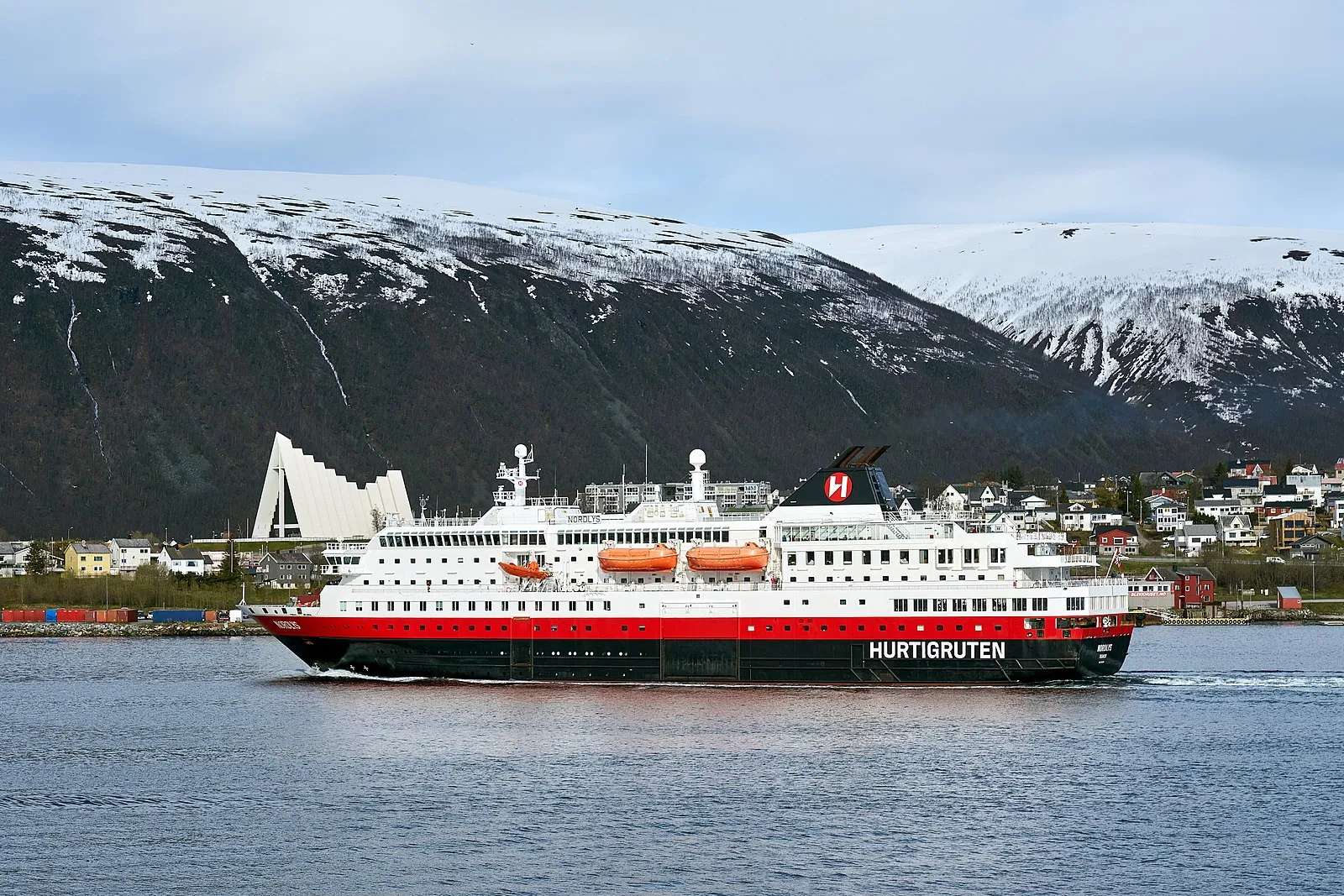
Across the Tromsøysundet strait, architect Jan Inge Hovig's masterpiece rises against the sky — the Arctic Cathedral, opened in 1965, its eleven triangular concrete panels sweeping upward like an iceberg caught mid-formation. Some say it resembles the northern lights frozen in architecture. Others see snow-capped peaks or the sails of a ship. All of these seem right, and more. The walk across the Tromsø Bridge to reach it takes about twenty minutes from the port, and the fare for entry is around 70 NOK — though the midnight sun concerts cost more, typically 200-250 NOK per ticket.
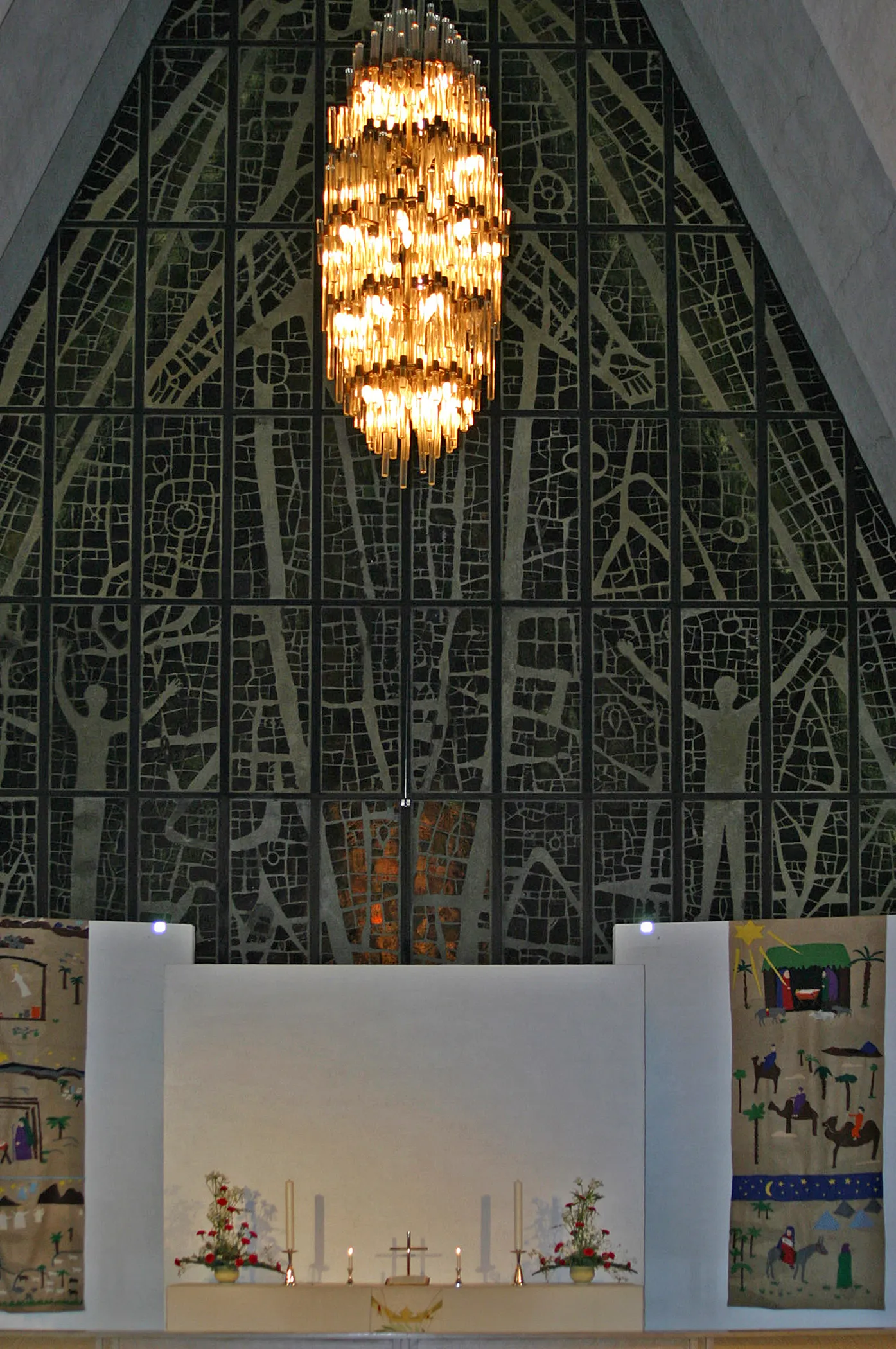
Inside, light pours through the massive glass mosaic window that dominates the eastern wall — the "Return of Christ" in brilliant blues and golds, designed by Victor Sparre. Standing beneath it felt like standing inside a kaleidoscope of faith and Arctic light. I attended a midnight sun concert there, organ music swelling and echoing off those triangular walls, and the whole space became a vessel of sound. The notes hung in the air like something visible, like light itself had learned to sing. When the last chord faded, we filed out into daylight at one in the morning, and it felt perfectly natural. My wife reached for my hand and squeezed it. Neither of us spoke. Some moments are too full for words.
The cathedral opened its doors in 1965, and in the decades since, it has become more than a church — it is a beacon, a landmark, proof of what humans can create when inspired by the raw beauty of the Arctic. The lesson was clear: the finest architecture does not compete with its surroundings but listens to them and responds in kind.
The Polar Museum: Echoes of Hunters and Heroes
I walked to the Polar Museum on the morning of my second day, following the waterfront to the historic Skansen area where red-painted wooden buildings cluster like old friends sharing stories. The museum itself occupies an 1830s wharf and customs house, its timber walls weathered by nearly two centuries of Arctic winds. Admission costs about 80 NOK, and you can spend a full hour or more exploring the exhibits.
The museum opened on June 18, 1978 — the fiftieth anniversary of Roald Amundsen's fateful flight to rescue the Italian airship Italia, a flight from which he never returned. That timing feels intentional, a memorial wrapped in education. Inside, I found the story of Tromsø's transformation from a 19th-century hub for Arctic whaling and seal hunting into the launching point for the great polar expeditions. The smell of old timber filled the rooms — that particular scent of aged wood and history that you feel in your chest before your mind identifies it.
The seal hunting exhibits struck me most — not glamorous displays, but honest accounts of hard men in harder conditions, hunting seals that fueled the city's economic and cultural growth. There is something humbling about seeing the tools they used, the clothing they wore, the ships they sailed. These were not adventurers seeking glory; they were hunters seeking survival, and they shaped this city in the process.
I stood longest before the Amundsen and Nansen exhibits, reading letters and studying maps, trying to fathom the kind of courage it takes to sail into the Arctic with wooden ships and canvas tents. They provisioned here, planned here, said their goodbyes here. Some never came back. The museum honors them all — the famous and the forgotten, the successful and the lost. I whispered a quiet prayer of gratitude for the men who went before us, who gave everything so that we might understand this frozen corner of creation.
Light and Darkness: The Arctic's Celestial Dance
The visit fell in June, during the midnight sun, but locals explained about the inverse — the Polar Night that stretches from November through January, when the sun never rises above the horizon. Not complete darkness, they explained, but a kind of prolonged twilight, the sky shifting through shades of blue and violet in the afternoon hours. They spoke of it with a mix of resignation and reverence, this annual descent into darkness followed by the slow return of light.
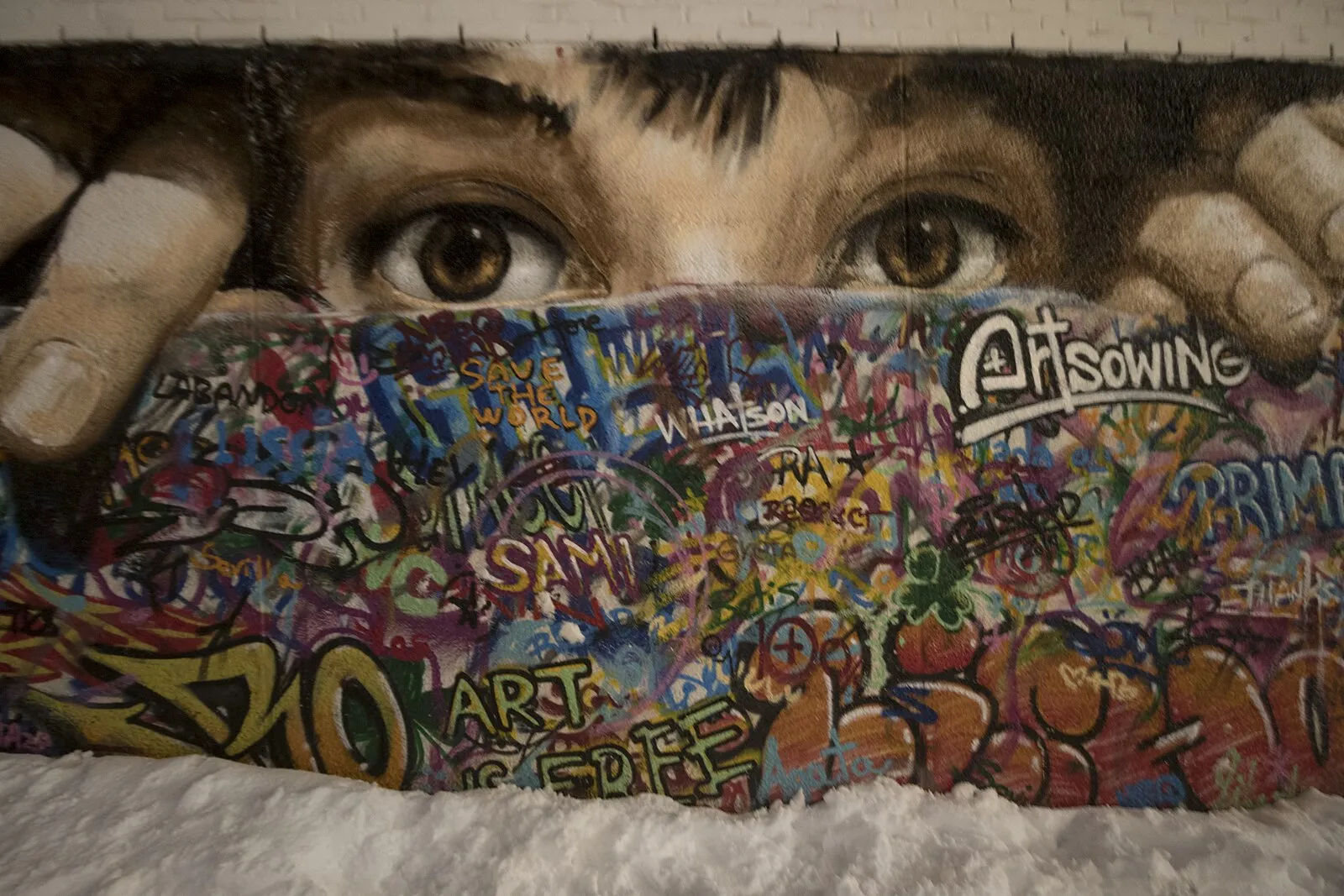
And then there are the northern lights — aurora borealis — visible from late September through early April when the darkness returns. They weren't visible on that summer visit, but the guide at the cable car told me about winter nights when the sky ignites in green and purple curtains, dancing across the stars while the city below holds its breath in wonder. "You should come back in winter," she finally said, and the pull was real. The price of a guided northern lights excursion runs about 1,200-1,500 NOK per person, and locals say the experience is worth every krone spent.
A City at the Edge
On my last afternoon, I walked to the world's northernmost botanical garden — free to enter — a quiet collection of Arctic and alpine plants thriving in this improbable latitude. It is not grand or sprawling, but there is poetry in its existence — a garden at the top of the world, coaxing life from cold soil through sheer determination.
I ate lunch at a small cafe overlooking the harbor, ordering reindeer stew that tasted of wild places and long winters — rich, savory, with a sweetness underneath that I had not expected. The cost was about 250 NOK per person. The locals around me spoke Norwegian in low, musical tones, going about their ordinary lives in this extraordinary place. That is what struck me most about Tromsø: it is not a museum of Arctic history but a living city that happens to exist where few cities can, carrying its heritage of hunters and explorers forward into the modern age.
Looking back, I realize what Tromsø taught me. It is not the grand gestures that stay with you — not the vertiginous cable car ride or the soaring architecture, though those were wonderful. What stays is the quiet: the scent of pine on the harbor breeze at midnight, the sound of organ music echoing through a triangular cathedral, the taste of reindeer stew in a warm cafe while the sun circles overhead and refuses to set. Tromsø is a city built by people who understood that survival requires both courage and patience — the courage to sail into the unknown and the patience to endure the long dark until the light returns. I learned that sometimes the most profound gift a place can offer is perspective — the reminder that we are small, that the world is vast, and that both of those truths are cause for gratitude rather than fear. We sailed from Tromsø on a Wednesday evening, and as the city shrank behind us — a cluster of lights glowing beneath an endless Arctic sky — I felt something shift inside me. We had been given two days in a place that deserved two weeks, and yet those two days were enough to change the way I see the world.
Featured Images
The Cruise Port
What you need to know before you dock.
- Terminal: Prostneset cruise terminal in the city center — modern facility with tourist information, free Wi-Fi, and taxi stand. The terminal is wheelchair accessible with ramps and level boarding areas for guests with mobility needs.
- Distance to City Center: 5-minute flat walk along the waterfront promenade to Storgata pedestrian street; most attractions within 20-30 minutes on foot
- Tender: No — ships dock directly at the pier in almost all conditions
- Currency: Norwegian kroner (NOK); credit cards accepted virtually everywhere including small shops and street vendors
- Language: Norwegian (English widely spoken throughout the city)
- Driving: Right side; not recommended for port day — compact city best explored on foot or by bus
- Best Season: Summer (May-September) for midnight sun and hiking; winter (September-March) for northern lights and Polar Night; year-round cruise destination
- Time Zone: Central European Time (CET), UTC+1 (UTC+2 during summer daylight saving)
Getting Around
Transportation tips for cruise visitors.
- Walking: Tromsø is one of the most walkable cruise ports in Norway. The Prostneset terminal sits right in the city center, and Storgata pedestrian street is a flat five-minute walk along the waterfront. The Polar Museum, shops, cafes, and restaurants are all within easy reach on foot. The waterfront promenade is fully accessible with smooth, flat paving suitable for wheelchair users and those with limited mobility. Hills increase quickly once you leave the main streets, but the cable car eliminates any need for steep uphill walking.
- Fjellheisen Cable Car: The base station is about a 25-minute walk from the port (cross the Tromsø Bridge to Tromsdalen). The four-minute ride to the Storsteinen viewpoint costs approximately 200 NOK round-trip. Stunning panoramic views of the city, fjord, and Arctic peaks. A restaurant at the summit serves food and drinks if you want to linger. Cable car gondolas can accommodate wheelchairs with advance notice.
- City Buses: Efficient local bus network operated by Troms Fylkestrafikk. Fare is about 50 NOK per ride, payable by card or the Troms Mobillett app. Route 26 connects the city center with the Fjellheisen cable car base station. Route 28 runs to the Arctic-Alpine Botanic Garden.
- Taxis: Available at the cruise terminal. Metered and reliable, though expensive by international standards. A ride to the Arctic Cathedral or cable car base runs about 150-200 NOK.
- Organized Tours: Ship excursions and independent operators offer northern lights chasing (winter), midnight sun experiences (summer), Sami cultural encounters, fjord cruises, and whale-watching trips. Booking through independent operators can save 30-40% compared to ship excursion prices, though a ship excursion offers guaranteed return to the vessel before departure.
Tromsø Area Map
Interactive map showing cruise terminal and Tromsø attractions. Click any marker for details.
Excursions & Activities
How to spend your time ashore. For popular activities like the cable car and Arctic Cathedral concerts, book ahead during peak season to secure your spot. Many visitors choose to explore independent of the ship excursion options for flexibility and cost savings, though a ship excursion offers guaranteed return to the vessel before departure.
Fjellheisen Cable Car & Storsteinen Viewpoint
The four-minute cable car ride from Tromsdalen ascends 421 meters to the Storsteinen plateau. From the top, panoramic views stretch across the city, the surrounding islands, fjords, and snow-capped peaks. During summer, the midnight sun casts golden light across the entire landscape. The cost is approximately 200 NOK round-trip per person. A restaurant at the summit serves Norwegian fare. Allow 1-2 hours. The base station is reachable on foot (25 minutes from port across the Tromsø Bridge) or by bus route 26. Low walking effort once at the top — the viewing platform is level and paved. This is a moderate walking activity overall due to the bridge crossing.
Arctic Cathedral (Ishavskatedralen)
Tromsø's most iconic landmark, designed by Jan Inge Hovig and opened in 1965. Eleven soaring triangular concrete panels evoke glaciers and northern lights. Inside, Victor Sparre's massive stained glass mosaic — "The Return of Christ" — fills the eastern wall with light. Entry costs about 70 NOK. Midnight sun concerts run from late May through August, typically 200-250 NOK per ticket. Book ahead for popular summer performances as they sell out quickly. Located across the Tromsø Bridge, about 20 minutes' walk from the port. Allow 1-2 hours including the walk.
Polar Museum (Polarmuseet)
Housed in an 1830s wharf building in the Skansen district, this museum tells the story of Tromsø's Arctic hunting and polar exploration heritage. Exhibits cover Roald Amundsen, Fridtjof Nansen, and the city's whaling and sealing traditions. Admission about 80 NOK. Just 5 minutes' walk from the cruise terminal along the waterfront. Allow 1-2 hours. Fully accessible ground floor for visitors with mobility needs.
Polaria Aquarium & Experience Centre
An Arctic-themed aquarium and educational centre with bearded seals, Arctic fish tanks, and panoramic films about Svalbard and the northern lights. The distinctive building resembles a row of dominoes toppled by an avalanche. Admission about 150 NOK. Located on the waterfront, a 10-minute walk from the port. Allow 1-2 hours. Wheelchair accessible throughout. A good option for families or rainy days.
Northern Lights Chase (Winter Season)
From late September through March, guided minibus excursions depart Tromsø in the evening to hunt for aurora borealis in darker areas away from city lights. Guides use weather forecasts and solar data to find clear skies. Trips typically last 5-7 hours, cost 1,200-1,500 NOK per person, and include hot drinks and a warm campfire snack. High-energy activity due to cold conditions and late hours. Dress in your warmest layers. Book ahead — popular excursions fill up weeks in advance during peak aurora season.
Whale Watching (Winter Season)
Between November and February, humpback whales and orcas feed in the fjords near Tromsø. Boat excursions depart from the city harbor, cost approximately 1,400-1,800 NOK per person, and last 6-8 hours. A strenuous activity in cold, open-water conditions. Bring windproof layers and sea-sickness remedies. Book well ahead through independent operators for better availability and prices.
Tromsø City Walk & Storgata
The compact city center rewards an afternoon of independent exploration. Storgata pedestrian street is lined with boutiques, cafes, and Arctic souvenir shops. Visit the Tromsø Cathedral (1861), the world's northernmost Lutheran cathedral, then walk to the waterfront for views of fishing boats and the mountains beyond. Free to explore. Allow 2-3 hours. Minimal walking effort — flat terrain throughout the city center.
Depth Soundings Ashore
Lessons learned the hard way.
- Dress in Layers: Even summer nights are cool above the Arctic Circle. I wore a light jacket over a sweater and was comfortable watching the midnight sun. In spring or fall, when the northern lights appear, temperatures can drop quickly after dark — bring warm layers, hat, and gloves.
- Cable Car Strategy: The Fjellheisen ride to Storsteinen takes about four minutes and runs frequently. Buy tickets at the lower station. The panoramic views are worth the cost of approximately 200 NOK round-trip, especially if you time it for the midnight sun or twilight hours. There is a restaurant at the summit if you want to linger.
- Arctic Cathedral Concerts: If your ship is in port during evening hours in summer, check the schedule for midnight sun concerts. They typically run from late May through August at a fare of 200-250 NOK. The acoustics and atmosphere are unforgettable. Tickets can be purchased at the door, but popular performances sell out — book ahead online to save disappointment.
- Currency and Cards: Norway uses Norwegian kroner (NOK), but credit cards are accepted almost everywhere. Tromsø is expensive — budget accordingly. A simple lunch can easily run 200-300 NOK per person, and a reindeer stew at a waterfront cafe costs about 250 NOK.
- Walking the City: Tromsø is compact and pedestrian-friendly. The city center, shops, cafes, and waterfront are all within easy walking distance of the cruise dock. Comfortable shoes are essential — cobblestones and hills abound. The waterfront promenade is flat and accessible for wheelchair users.
- Northern Lights Season: If you visit between late September and early April, you are in prime aurora viewing season. Evening excursions head out of the city to darker areas for better viewing. The Polar Night period (November-January) offers the longest darkness for aurora hunting, though you will experience only twilight during daytime hours.
Photo Collection
Image Credits
- Hero image: Wikimedia Commons
- Harbor, Skansen, Arctic Cathedral, midnight sun, Polaria, cable car, northern lights: Wikimedia Commons
Frequently Asked Questions
Q: Where do cruise ships dock in Tromsø?
A: At the Prostneset cruise terminal, right in the city center. It is a flat, accessible five-minute walk to Storgata pedestrian street and most attractions. The pier area has smooth, level pathways suitable for wheelchair users and guests with limited mobility.
Q: Is Tromsø worth visiting on a cruise?
A: Absolutely. The combination of Arctic Cathedral, Fjellheisen cable car views, Polar Museum, and the midnight sun (or northern lights in winter) makes Tromsø one of the most rewarding ports in Norway. The city is compact, walkable, and welcoming.
Q: Can I see the northern lights from Tromsø?
A: Yes, but only during the darker months from late September through early April. Summer visitors will see the midnight sun instead. Guided aurora excursions run nightly during the season and cost approximately 1,200-1,500 NOK per person. Clear skies are not guaranteed, but experienced guides use weather data to find breaks in cloud cover.
Q: How long is a midnight sun concert at the Arctic Cathedral?
A: About one hour of pure magic in unforgettable acoustics. Concerts typically run from late May through August, with tickets costing around 200-250 NOK. Arrive early for the best seats.
Q: What should I pack for Tromsø?
A: Layers are essential regardless of season. Summer temperatures hover around 10-15 degrees Celsius, and evenings can be cool even under the midnight sun. Winter visitors need serious cold-weather gear: thermal base layers, insulated jacket, hat, gloves, and warm boots. A good camera is essential for either the midnight sun or the northern lights.
Q: Is Tromsø good for visitors with limited mobility?
A: The city center and waterfront promenade are flat, smooth, and fully accessible. The Fjellheisen cable car can accommodate wheelchairs with advance notice. The Polar Museum has an accessible ground floor. Polaria aquarium is wheelchair accessible throughout. Organized tours can accommodate mobility needs with advance planning.
Q: What is the best time of year to visit Tromsø?
A: Peak cruise season (May-September) offers the most reliable weather, the midnight sun, and the best conditions for sightseeing. Winter cruises (October-March) offer northern lights and a unique Polar Night atmosphere. Check the seasonal panel above for specific month recommendations.
Q: When is Tromsø's storm season?
A: The Weather Hazards panel above labels Tromsø's heavy-weather window "Winter Weather" with "Season: Nov – Mar" and "Peak risk: Jan, Feb" — the hazard-note adds "Shorter days, possible storms; dress warmly in layers." Tromsø sits at ~69°N, well north of tropical-cyclone tracks; the relevant pattern is Arctic and North Atlantic winter storms that can bring strong winds, snow, and rough seas. The page's Daylight glance entry reads "0-24 hours depending on season," which marks the Polar Night window when storms compound with darkness. For current conditions on a specific sailing date, the live weather widget in the seasonal panel above is the primary source.
Q: Will rain ruin my Tromsø port day?
A: The seasonal panel's Rain glance entry reads "Seasonal variation — check forecast." The Packing Tips section lists "Rain jacket or compact umbrella," and the logbook notes the city is compact and walkable with indoor refuges (the Polar Museum, the Polaria aquarium, the Arctic Cathedral, the Storgata cafés) within a five-minute flat walk of the Prostneset terminal. A wet port day in Tromsø is manageable on foot; the live weather widget in the seasonal panel above is the primary source for short-term forecasts on a specific sailing date.
Author's Note: Until I have sailed this port myself, these notes are soundings in another's wake — helpful for planning, and marked for revision once I have logged my own steps ashore.