


Captain's Logbook
Tunis: My Three UNESCO Treasures
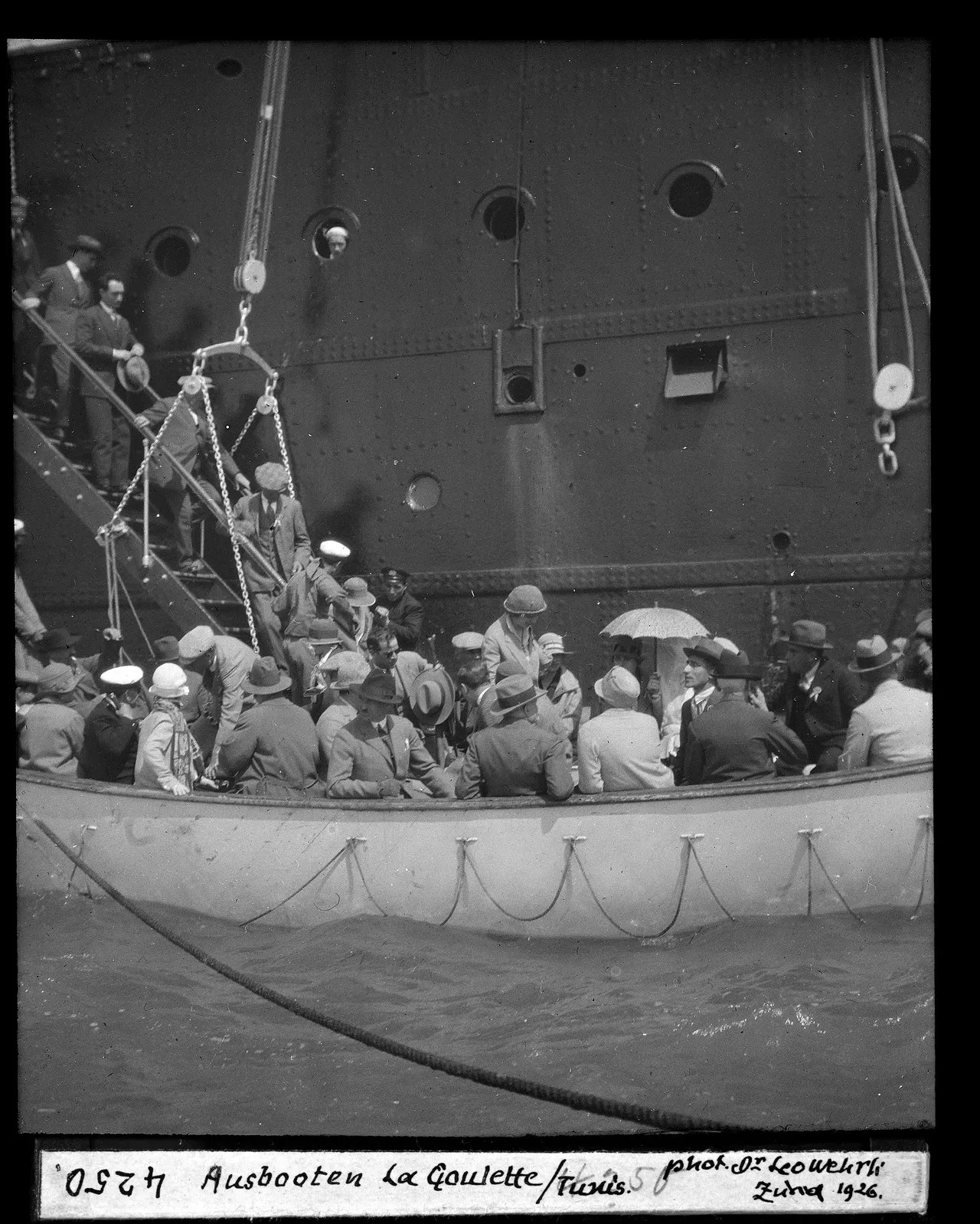
We docked at La Goulette, Tunis's cruise gateway, with three UNESCO World Heritage Sites waiting just beyond the harbor. First stop: Carthage, the legendary city the Phoenicians founded in 814 BCE. Standing among the ruins, knowing Queen Dido walked these shores, that Hannibal set out from here with elephants to challenge Rome – it stirs something deep. Rome razed it all in 146 BCE, but enough survived to earn UNESCO status in 1979. The Antonine Baths sprawl like an ancient colossus – you can still see the hypocaust underfloor heating channels where Romans luxuriated. Beyond, the twin circular Punic ports remain, those harbors where 220 warships once berthed. Even the Tophet ruins – that sacred precinct with its weathered stelae – whisper of Phoenician devotion and long-vanished rituals.
Then we climbed to Sidi Bou Said. Every wall white, every door and shutter cerulean blue – a village named for the 13th-century Sufi saint Abu Said al-Baji, who settled here and made it a place of pilgrimage. By the early 20th century, artists – Matisse, Klee, Macke – discovered this hilltop perfection, and it became an artists' colony. Bougainvillea explodes over every archway, the scent of jasmine and pine drifts on the breeze, and the Gulf of Tunis glitters below. We sat at Café des Délices with mint tea and pine nuts, watching the light shift from gold to rose.
By afternoon we were deep in the Tunis Medina, another UNESCO treasure. Covered souks twist and turn – the scent of leather, saffron, orange blossom water. We found a tiny café and ordered brik à l'oeuf – that crispy pastry shatters, and the egg yolk runs like molten gold. Three completely different UNESCO sites in one day: Phoenician ambition, Moorish beauty, Arab-Islamic soul. The heat is real, the sellers enthusiastic, but the richness – historical, spiritual, aesthetic – it overwhelms everything else.
A few practical notes worth passing along: we hired a driver for the day at La Goulette for about forty euros, which covered Carthage, Sidi Bou Said, and a loop through the medina. The Carthage entry ticket was around eight dinars, and the Bardo Museum — which we nearly skipped but should not have — held Roman mosaics so vivid they looked freshly laid. The heat by midday was fierce, so I was glad we started at Carthage early and reached the shaded streets of Sidi Bou Said by eleven. The cobbled lanes there are steep and smooth, beautiful but treacherous in the wrong shoes. I noticed the jasmine sellers threading tiny bouquets onto wire and tucking them behind tourists' ears for a few coins — a gesture so charming it felt like a blessing. The brik pastry at our medina cafe was no more than two dinars, and the golden yolk inside was worth the mess it made of my shirt. Traffic between sites was real but not unbearable, and our driver knew shortcuts that kept us moving. The whole day felt like peeling back layers of a civilization that spans three thousand years — Phoenician, Roman, Arab, French — each one still visible if you know where to look.
I would also recommend wearing a hat and carrying water, because the exposed ruins at Carthage offer almost no shade, and the midday sun reflects off the ancient stone with real ferocity. The Bardo Museum, housed in a former palace about twenty minutes from the medina, is air-conditioned and holds what many consider the finest collection of Roman mosaics in the world — entire floors depicting Neptune, hunting scenes, and daily life in Roman Africa, their colors so vivid you forget they are two thousand years old. Entry was about twelve dinars and the cool interior was a welcome relief after the heat of the ruins. The jasmine bouquets we were given in Sidi Bou Said lasted all the way back to the ship, filling the cabin with a sweetness that seemed to hold the entire day inside its petals. Three UNESCO sites, three distinct civilizations, and a warmth from the Tunisian people that no guidebook had prepared me for — La Goulette proved to be one of the most unexpectedly rich port days of the voyage. As we sailed out past the old harbor walls that evening, I watched the lights of Sidi Bou Said twinkle on its hilltop like a constellation brought down to earth, and I understood why Matisse and Klee dropped everything to paint here — some places insist on being remembered, and Tunis is one of them.
Something shifted in me that day. I had arrived thinking of Carthage as a history lesson — ruins to photograph, facts to recite, a box to check on the itinerary. But standing in the Tophet with those ancient stelae leaning in the wind, and later watching an old man in Sidi Bou Said carefully repaint his door the exact same shade of blue his father had chosen decades ago, I felt the weight of continuity — not the grand sweep of empires, but the quiet persistence of people tending what they love. The whole day cost us less than fifty euros per person, including driver, entrance fees, and lunch. I had spent more on a single dinner in Rome and felt less. Tunisia gave me something money cannot buy: the sense that three thousand years of human striving can still reach across time and press its palm against yours.
Weather & Best Time to Visit
The Cruise Port
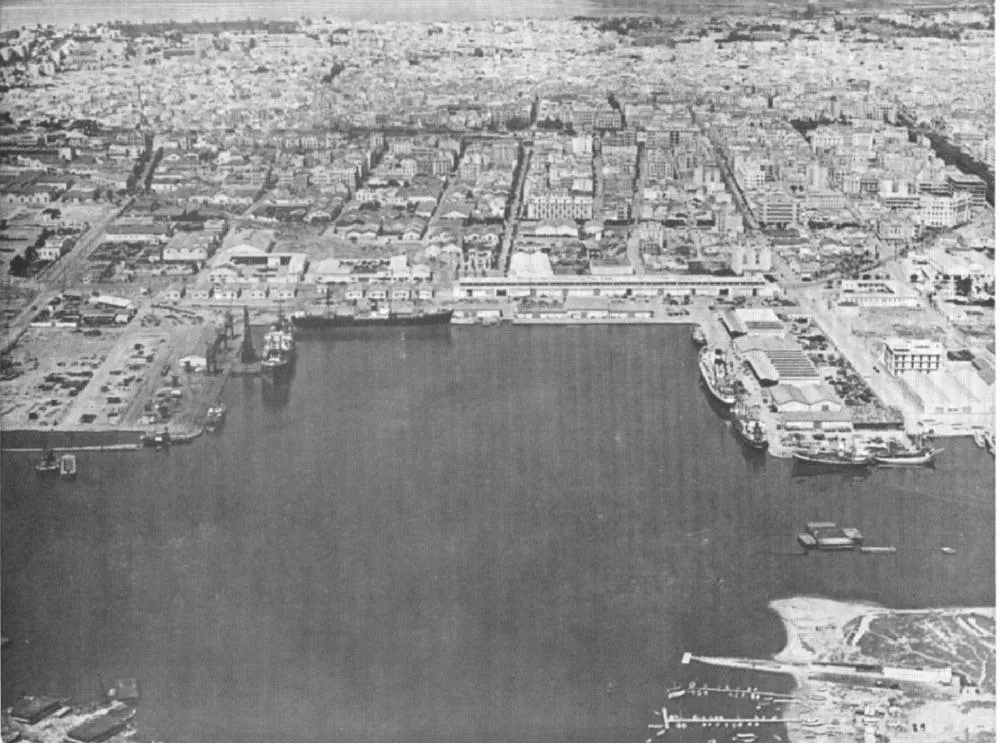
Cruise ships dock at La Goulette, a port town on the channel connecting the Lake of Tunis to the Mediterranean. The terminal is basic but functional — restrooms, a small souvenir area, and taxi ranks just outside the gate. La Goulette itself has a pleasant waterfront strip with seafood restaurants where locals eat fried brik pastry and grilled fish. The key logistics: Tunis city center and its medina are about 12 km west (taxi ~20 TND/$7, or 15 minutes by car); Carthage is just 5 km north; and Sidi Bou Said sits on the hilltop above Carthage. Most cruise lines arrange shuttle buses to central Tunis for around 15–20 TND ($5–7) round-trip. Taxis queue at the port gate and are affordable — agree on a price before departing, or insist on the meter. A full-day taxi hire covering Carthage, Sidi Bou Said, and the Tunis Medina typically runs 120–150 TND ($40–50) and is excellent value for a group of four.
Getting Around Tunis
Tunis sprawls, but the key tourist sites cluster in three distinct zones easily connected by the TGM light rail — one of the most useful transit lines for cruise passengers in the entire Mediterranean.
- TGM Light Rail: This commuter train runs from Tunis Marine station through La Goulette, Carthage (several stops for different ruins), and terminates at Sidi Bou Said. A single ticket costs just 0.7 TND (~$0.25). Trains run every 10–15 minutes and the full journey takes about 30 minutes. It is cheap, reliable, and scenic — the line hugs the coast with views of the Lake of Tunis.
- Taxis: Yellow taxis are plentiful and inexpensive. A ride from La Goulette to Tunis Medina runs 15–20 TND ($5–7). City taxis use meters; intercity trips should be negotiated in advance. A full-day hire with a driver costs 120–150 TND ($40–50).
- Walking the Ville Nouvelle: The French colonial new town between the medina and the TGM station is walkable, with wide boulevards, cafes, and the landmark Cathedral of St. Vincent de Paul. The Tunis Medina itself is a UNESCO World Heritage Site best explored on foot — hire a guide at the entrance for 30–50 TND ($10–17) or navigate with a downloaded offline map.
- Carthage sites: The Carthage ruins spread across several square kilometers. You can walk between the Antonine Baths, Punic Ports, and Tophet in about an hour, or take short taxi hops between them for 5–10 TND ($2–3) each.
Tunis Area Map
Booking guidance: Ship excursion options provide guaranteed return to port and are worth considering for first-time visitors. For those who prefer to explore independently, local operators often offer competitive rates — book ahead during peak season to secure your preferred times. Whether you choose a ship excursion or go independent, confirm departure times and meeting points before heading out.
Interactive map showing cruise terminal and Tunis attractions. Click any marker for details.
Excursions & Shore Tours
La Goulette is one of those ports where going independent is remarkably easy and saves serious money. The TGM train connects you to Carthage and Sidi Bou Said for pennies, and taxis to the medina are under $7. Ship excursions cost five to ten times more for the same route. That said, a guided Carthage tour adds real depth to ruins that can look like "just rocks" without context.
Carthage Ruins (half-day): The legendary Phoenician city founded in 814 BCE deserves at least 2–3 hours. Key sites include the Antonine Baths (among the largest Roman baths ever built), the Punic Ports where Hannibal's war fleet once docked, the Tophet sacrificial precinct, and the hilltop Byrsa with its museum and panoramic views. A multi-site entry ticket costs 12 TND (~$4). Ship excursions to Carthage run €50–75 per person; independently, you can reach it via the TGM for 0.7 TND ($0.25) and hire a local guide at the site for 40–60 TND ($13–20).
Sidi Bou Said Village (2–3 hours): This blue-and-white hilltop village is one of the most photographed spots in North Africa. Every door is cerulean, every wall white, and bougainvillea tumbles over every arch. Walk the cobbled lanes, browse art galleries, and sit at the legendary Cafe des Delices for mint tea with pine nuts (~8 TND/$3). Entry to the village is free. The TGM drops you at the base of the hill; it is a steep 10-minute walk to the summit. Ship excursions typically combine Sidi Bou Said with Carthage for €65–90.
Bardo Museum (2–3 hours): Housed in a 19th-century palace about 20 minutes from the medina, the Bardo holds what many consider the finest collection of Roman mosaics in the world — entire floors depicting Neptune, hunting scenes, and daily life in Roman Africa. Entry is 12 TND (~$4). A taxi from La Goulette costs 15–20 TND ($5–7). Ship excursions that include the Bardo run €55–80. The air-conditioned interior makes it a welcome midday refuge from the heat.
Tunis Medina Souks (half-day): A UNESCO World Heritage Site since 1979, the Tunis Medina is a labyrinth of covered souks organized by trade — perfume, leather, textiles, metalwork. Bargaining is expected; start at 40% of asking price. A hand-tooled leather bag runs 30–60 TND ($10–20), jasmine essence 5 TND ($2), and a brass tea set 40–80 TND ($13–27). The medina's brik-a-l'oeuf street food — crispy pastry with egg — costs just 2 TND ($0.70) and is not to be missed.
Booking guidance: For first-time visitors, a ship excursion combining Carthage and Sidi Bou Said guarantees return to port and provides valuable historical context at the ruins. For experienced independent travelers, the TGM light rail makes this one of the easiest DIY port days in the Mediterranean — take the train to Carthage, walk to Sidi Bou Said, and taxi back to the medina for an afternoon of souks. Book private guides in advance during peak season (May through September). Whichever approach you choose, start at Carthage early to beat the midday heat, which can be fierce on the exposed ruins.
Depth Soundings Ashore
Practical tips before you step off the ship.
The medina sellers are enthusiastic – a smile and firm "non, merci" keeps the experience friendly and fun.
Money: The Tunisian Dinar (TND) is the local currency — roughly 3 TND to $1 USD. ATMs are available at La Goulette's main street and throughout Tunis, but not always inside the terminal itself. Credit cards work at hotels and upscale restaurants, but the medina, taxis, and street food vendors are cash-only. Important: Tunisian Dinars cannot legally be exported, so spend or exchange them before reboarding. Your ship's exchange rate is typically unfavorable — use a bank ATM instead.
Timing: Start early — Carthage ruins have almost no shade, and midday heat from June to September can be punishing. The ideal route is Carthage first thing, Sidi Bou Said by late morning, medina in the shaded afternoon. Allow at least 30 minutes buffer before all-aboard time. Set a phone alarm as backup.
Safety: Tunisia is welcoming to tourists and La Goulette has a relaxed atmosphere. Keep valuables close in the medina and be aware of your surroundings, as with any busy market. Your ship's ID card is your most important item — losing it creates a genuine headache at the gangway.
Communication: Wi-Fi is available at cafes in Sidi Bou Said and the Ville Nouvelle. Consider downloading offline maps before disembarking — cellular data roaming in Tunisia can be expensive. A local Ooredoo SIM costs about 10 TND ($3.50) with data.
Photo Gallery
Frequently Asked Questions
Q: Is Tunis worth it?
A: Three UNESCO sites in one day – incredible value.
Q: Best thing?
A: Carthage + Sidi Bou Said.
Q: How long for both?
A: 6–7 hours perfect.
Q: Walk from port?
A: No – transport needed.
Q: What is the best time to visit Tunis (La Goulette)?
A: Cruise season runs March through May and October through November — North African Mediterranean climate (43-91°F). July and August are the months to avoid: summer heat can be genuinely oppressive — 100°F+ in July-Aug.
Q: Is Tunis (La Goulette) suitable for passengers with mobility challenges?
A: Accessibility varies by area. The port vicinity and main commercial streets are generally manageable, but older historic districts may feature cobblestones, stairs, and uneven surfaces. Consider booking an accessible ship excursion if you have concerns. The ship's shore excursion desk can advise on specific accessibility options for this port.
Q: Do I need to exchange currency before arriving?
A: The Tunisian Dinar (TND) is the local currency — roughly 3 TND to $1. Hotels and upscale restaurants accept credit cards, but the medina, taxis, and street vendors are cash-only. ATMs are available at La Goulette and throughout Tunis. Note that TND cannot legally be exported, so spend or exchange before reboarding. Avoid exchanging money on the ship — the rates are typically unfavorable compared to local bank ATMs.
Q: Can I explore independently or should I book a ship excursion?
A: Both options work well. Ship excursions guarantee return to the vessel and handle logistics, making them ideal for first-time visitors. Independent exploration costs less and allows more flexibility — just keep track of time and allow a 30-minute buffer before all-aboard. Many passengers combine approaches: an organized morning tour followed by free afternoon exploration.
Q: Does Tunis have a hurricane or storm season?
A: Tunis is not in a hurricane zone. The notable seasonal wind is the Sirocco — hot desert wind possible in spring and fall. July and August are the months to avoid for heat, not storms.
Q: What should I pack for Tunis's weather?
A: Light layers for spring/fall. Very light clothing for summer. Modest clothing for medina and mosques. Comfortable walking shoes. Sunscreen and hat.
Q: Will rain ruin my port day in Tunis?
A: Winter rain; very dry summers. Cruise season concentrates in the drier March–May and October–November windows.
Last reviewed: March 2026
Image Credits
- tunis-1.webp: WikiMedia Commons (CC BY-SA)
- tunis-2.webp: WikiMedia Commons (CC BY-SA)
- tunis-3.webp: WikiMedia Commons (CC BY-SA)
- tunis-4.webp: WikiMedia Commons (CC BY-SA)
Images sourced from WikiMedia Commons under Creative Commons licenses.
Cruise Port
Cruise ships dock at La Goulette port, approximately 15 km from Tunis city center. La Goulette has served as the capital's maritime gateway since the Ottoman era, and today it handles the bulk of Tunisia's cruise traffic. The terminal facilities are basic — expect a simple covered hall with limited seating, a few vendor stalls, and restrooms, but no extensive shopping or dining options inside the terminal itself.
Outside the terminal gates you will find a line of taxis and, on most ship days, shuttle buses arranged by the cruise line or local operators. Taxis to central Tunis typically cost 15–25 TND depending on traffic and negotiation. Shuttle services, when available, run to key destinations including the Tunis Medina and Carthage. If your ship does not offer a shuttle, the TGM light rail station is a short walk from the port area and connects La Goulette to both Carthage and Tunis city center.
Wheelchair and mobility notes: The terminal is on a single level and generally accessible, though the pavement between the ship and the terminal building can be uneven. Wheelchair users should arrange transport in advance, as not all taxis or shuttles are adapted for mobility aids. The Tunis Medina and Sidi Bou Said both have steep, cobbled streets that are challenging for wheelchairs or limited mobility — Carthage's main ruins and the Bardo Museum are more manageable, though some paths at Carthage are unpaved.
Getting Around
From La Goulette, the most convenient options for reaching Tunis and nearby attractions are the TGM light rail, taxis, and organized shuttles.
- TGM light rail: The TGM (Tunis–La Goulette–La Marsa) line runs from La Goulette to central Tunis in about 35–40 minutes. A single ticket costs roughly 1 TND. The same line stops at Carthage Hannibal and Sidi Bou Said stations, making it an affordable way to visit both sites independently.
- Taxi: A taxi from La Goulette to central Tunis runs 20–30 TND depending on time of day and traffic. Tunis taxis are metered (insist the driver starts the meter), and fares are reasonable by European standards. Hiring a taxi for a half-day circuit covering Carthage, Sidi Bou Said, and the Medina typically costs 80–120 TND.
- Shuttle buses: Some cruise lines and local tour operators run shuttle services on port days. These usually loop between La Goulette, central Tunis, and major tourist sites. Ask at the terminal or check your ship's excursion desk for availability and pricing.
The Tunis Medina is best explored on foot — its narrow, winding souks cannot accommodate vehicles — but be prepared for chaotic energy, persistent vendors, and limited signage. Stick to main arteries if you want an easier navigation experience.
Carthage ruins are about 15 minutes from La Goulette by taxi or a few stops on the TGM (alight at Carthage Hannibal). The archaeological sites are spread over a wide area, so comfortable shoes are essential. Sidi Bou Said, the famous blue-and-white cliffside village, is roughly 20 minutes from La Goulette and one TGM stop beyond Carthage — a natural pairing for a half-day itinerary.
Excursions & Day Plans
You have two main options for exploring from La Goulette: a ship excursion booked through your cruise line, or going independent. Ship excursions cost more but offer a guaranteed return to the vessel — the ship will wait for its own tours but not for independent travelers who arrive late. If you prefer to explore on your own, book ahead where possible and keep a close eye on the time, especially if visiting multiple sites. A reliable local driver arranged in advance gives you the flexibility of independence with the reassurance of a set pickup time.
Carthage Ruins & Bardo Museum
The essential historical day. Start at Carthage early in the morning before the heat builds — the Antonine Baths, Punic ports, and Tophet are all UNESCO-listed and spread across several stops (a combined entry ticket costs around 12 TND). Pair this with the Bardo Museum (about 12 TND entry), housed in a former palace roughly 20 minutes from the Medina. Its Roman mosaic collection — entire floors of Neptune, hunting scenes, and daily life — is considered among the finest in the world. Allow at least 90 minutes for the museum. Together, Carthage and the Bardo make a full morning or a comfortable full-day outing with a lunch break.
Sidi Bou Said Village
The iconic blue-and-white hilltop village perched above the Gulf of Tunis. Every door and window is painted cerulean blue against whitewashed walls, bougainvillea spills over every archway, and the views across the gulf are extraordinary. Visit Cafe des Delices for mint tea with pine nuts (5–8 TND) and soak in the panorama. The village is compact and can be explored in one to two hours. Combine it with Carthage, which is just one TGM stop or a five-minute taxi ride away.
Tunis Medina
A UNESCO World Heritage Site and one of the best-preserved medieval Arab cities in North Africa. The covered souks sell leather, ceramics, perfume, spices, and textiles. Haggling is expected — start at roughly half the asking price. Stop for brik a l'oeuf (crispy pastry with egg, around 2–3 TND) at a street stall for an authentic Tunisian snack. The Zitouna Mosque, the Medina's spiritual heart, is visible from many corners and worth a visit. Allow two to three hours for a thorough wander, and carry small bills for purchases and tips.