Valparaíso: Where Chaos and Beauty Collide on Forty-Two Hills
My Valparaíso Logbook
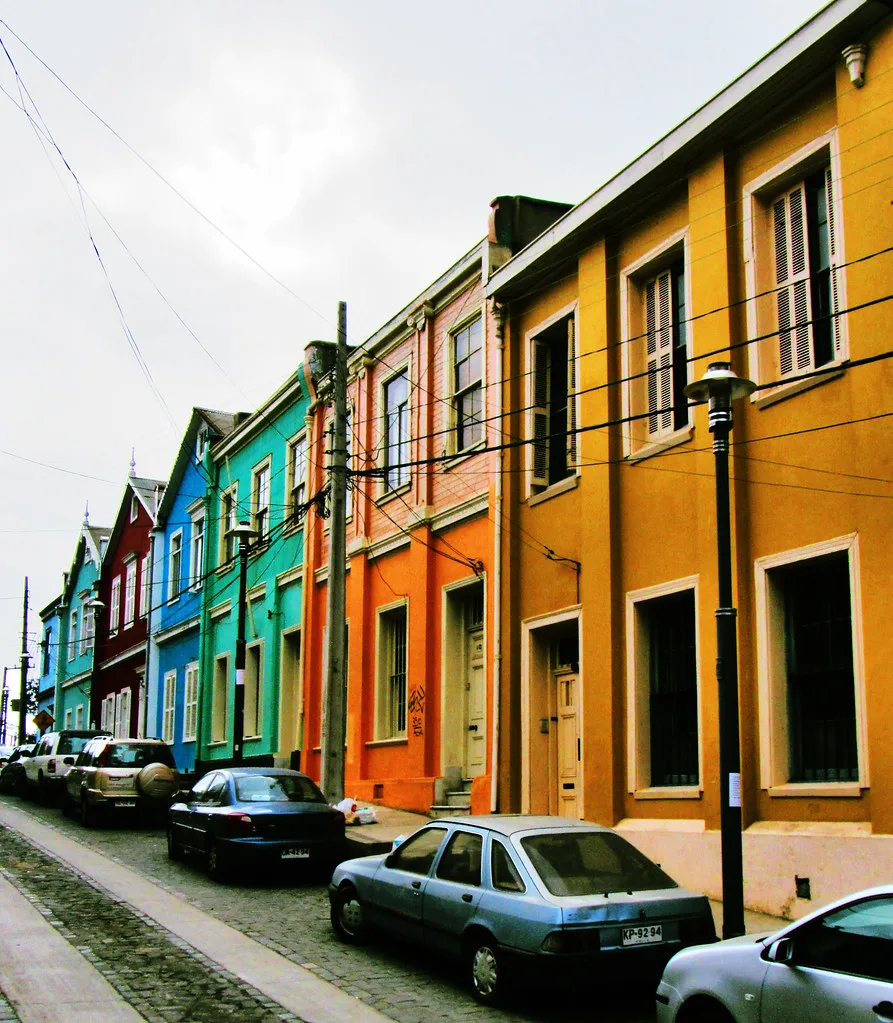
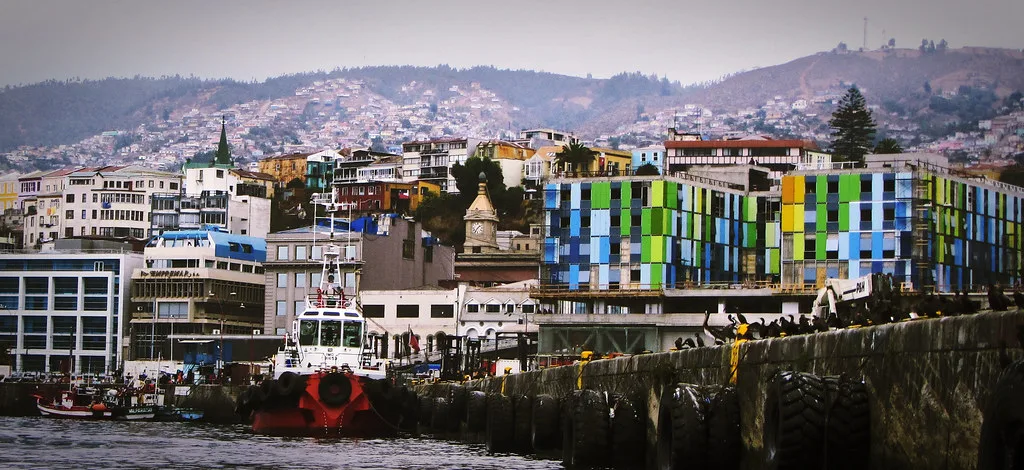
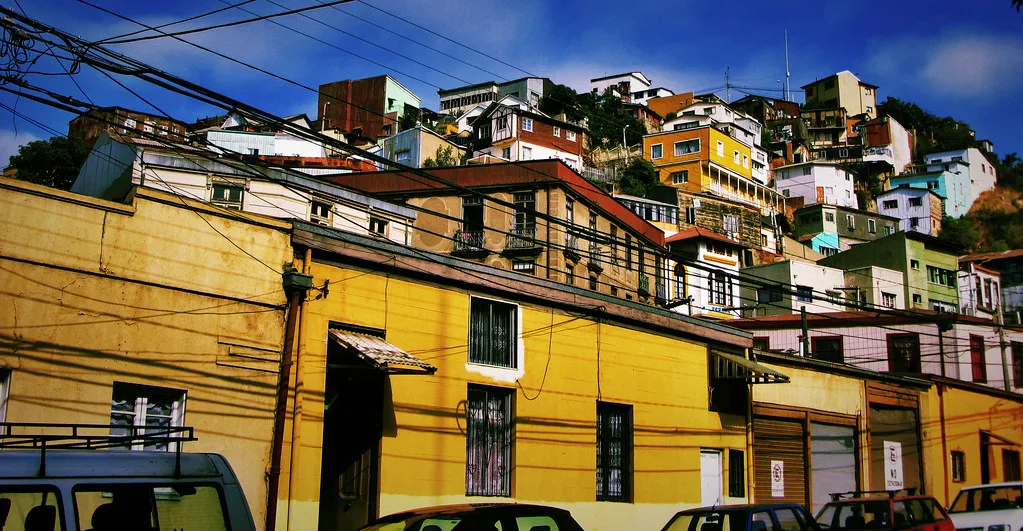
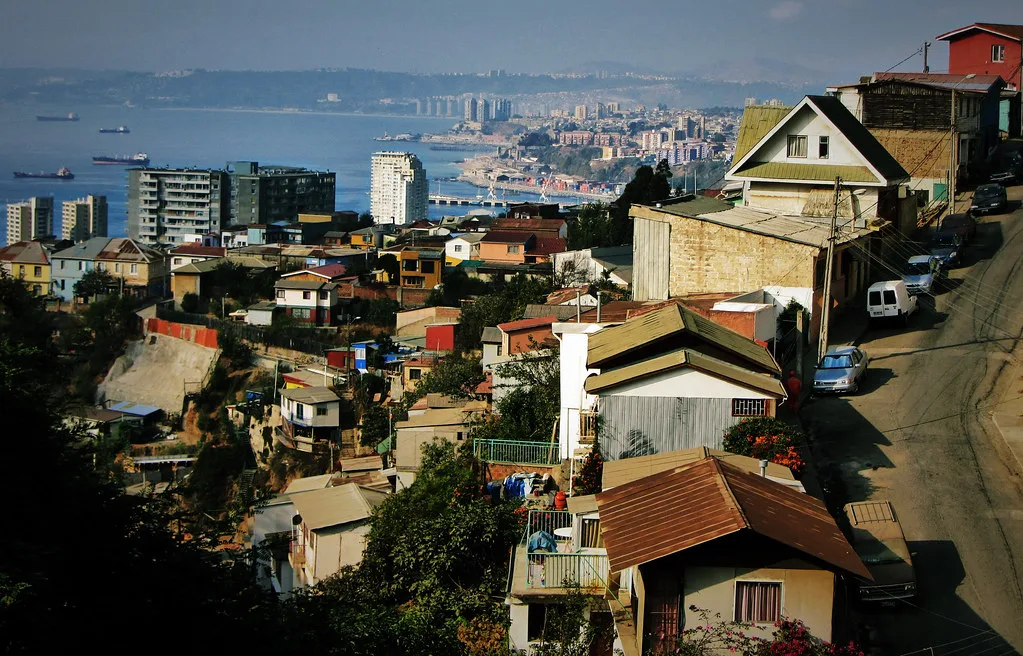
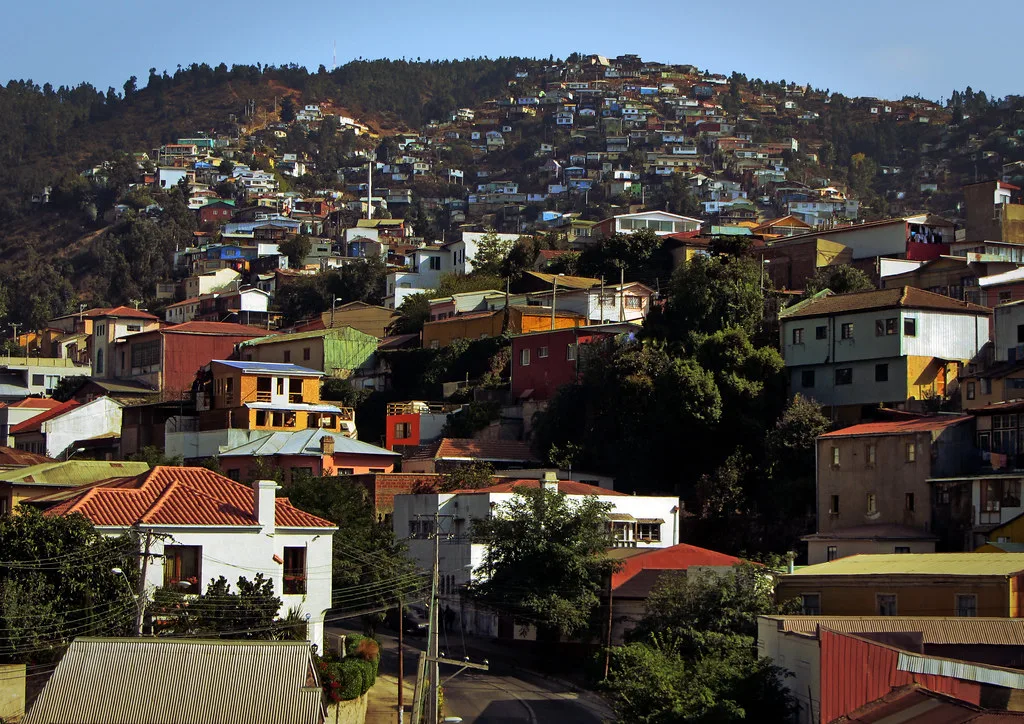
I stepped off the gangway into the salt-thick morning air and heard sea lions barking from the pier before I even saw them. The port of Valparaíso spread before me like a painter's palette thrown against forty-two hills, every surface alive with color. I had read about this place for months, but nothing prepared me for the sheer vertical chaos of it — houses stacked on impossible slopes, laundry flapping from balconies three stories above the street, and somewhere above it all, the thin sound of a guitar drifting down from one of the cerros. My wife squeezed my hand. "It looks like someone tipped a city sideways," she whispered. She was right.
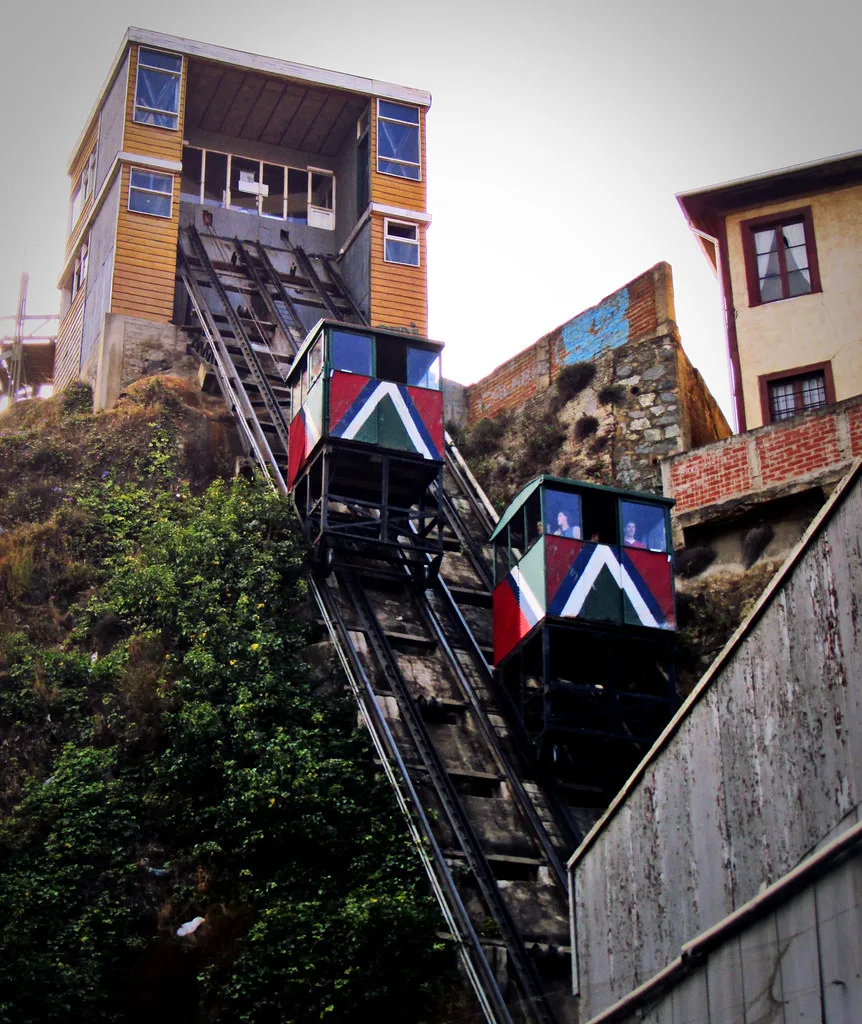
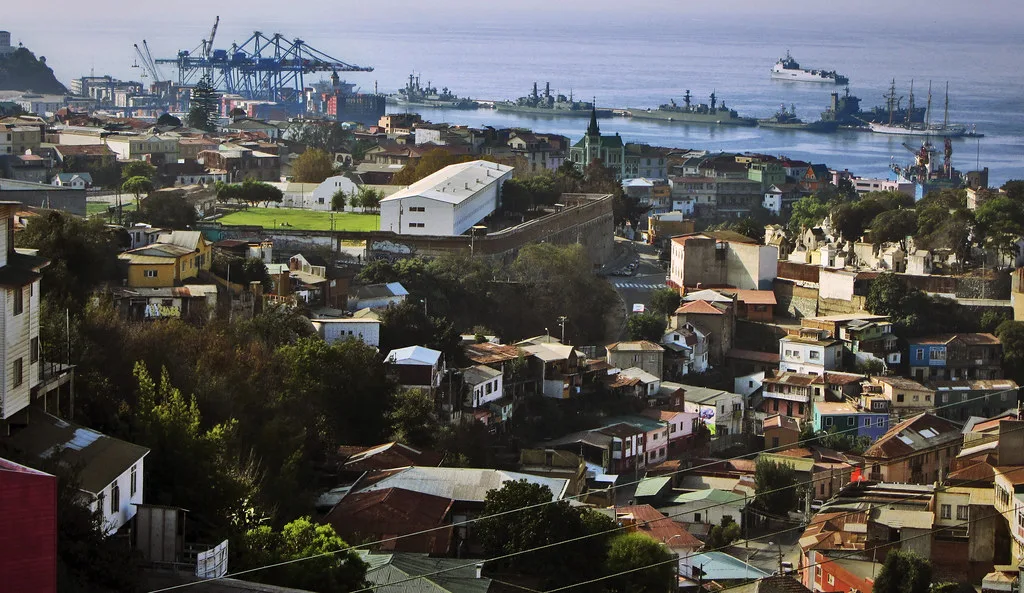
We walked from Muelle Prat terminal through El Plan, the lower city, which felt functional and slightly gritty — banks, shops, the smell of fried empanadas mixing with diesel exhaust and the briny scent of the Pacific. But I could see the cerros above us, Cerro Concepción and Cerro Alegre, their buildings painted in blues and yellows and reds that seemed to glow even under the overcast sky. That was where we needed to be. I found the base of Ascensor Concepción, the oldest funicular in the city, built in 1883, and we stepped into the wooden car. It groaned. The cables tightened. And then we were rising, the harbor dropping away beneath us, the rooftops of El Plan spreading out like a map.
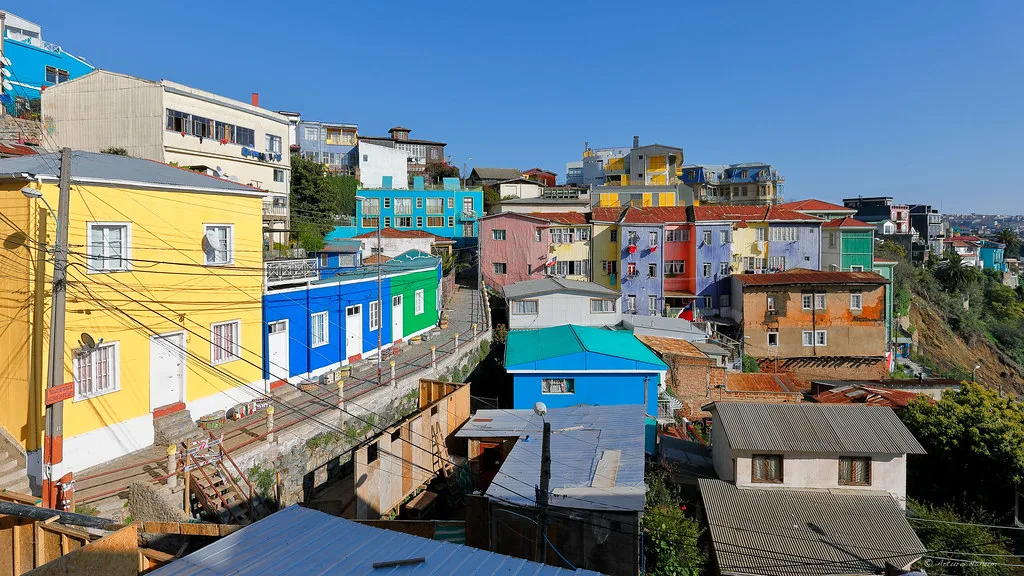
At the top, I stepped out onto Paseo Gervasoni and the view stopped me cold. The entire harbor lay below — container ships, fishing boats, our cruise ship looking oddly small against the industrial waterfront. However, it was the foreground that held me: layers upon layers of houses in every imaginable shade, staircases zigzagging between them, murals covering entire walls. A cat sat on a railing, watching us with perfect indifference. I could smell coffee from a nearby café and hear the clatter of dishes through an open window. My daughter pointed to a mural of a whale that covered a three-story building. "Dad, the whole city is a gallery," she said.
We wandered for hours through Cerro Concepción and Cerro Alegre, climbing staircases that seemed to lead nowhere and yet always opened onto another astonishing view. The street art was extraordinary — not random vandalism but commissioned works by Chilean and international artists, transforming blank walls into vivid stories. I watched a young woman carefully painting a hummingbird on a garden wall, its wings spread in iridescent greens and blues. She caught me staring and smiled. "Valparaíso is a canvas," she said. "We all paint." I thought about that for a long time afterward.
We took a taxi up to La Sebastiana, Pablo Neruda's house perched on Cerro Florida. The Nobel Prize poet had filled five stories with his eclectic collections — ship figureheads, old maps, colored glass bottles that caught the light and scattered it across the floors. I stood at his desk overlooking the Pacific and felt something shift inside me. Neruda chose this chaotic, beautiful, imperfect city as his home. He could have lived anywhere, yet he came here, to these steep streets and painted houses. Through the window I watched the afternoon light turn the harbor to gold, and I finally understood why.
The moment that stays with me happened late in the afternoon. We were walking down a staircase between Cerro Alegre and El Plan, tired and footsore, when we heard singing. An old woman sat on her doorstep, mending a fishing net, singing softly in Spanish. Her voice was thin but steady. My wife stopped. I stopped. Our daughter stood very still. The woman looked up, saw us listening, and her eyes filled with quiet grace. She nodded once, kept singing. We stood there in the fading light, three strangers held by a stranger's song, and I felt my breath caught somewhere between gratitude and awe. Sometimes the most profound moments find you on a crumbling staircase in a city you barely know. I whispered a thank you she probably could not hear.
Valparaíso was once South America's most important Pacific port, but the Panama Canal stole its commerce in 1914. The city never quite recovered economically, yet it gained something else — artists, poets, musicians drawn to cheap rents and dramatic beauty. Despite the rough edges, despite the pickpockets that locals warn you about, despite the steep hills that punish your legs, there is an honesty here that polished tourist destinations cannot replicate. The grit is part of the gift. UNESCO recognized that in 2003, protecting not just the buildings but the spirit of the place.
We returned to the ship as the sun was setting, our legs aching from the hills, our camera full of impossible colors. I had tasted the best seafood empanada of my life from a street vendor near Plaza Sotomayor — crisp pastry, warm filling that tasted of the sea. My shoes were dusty. My heart was full. Valparaíso is not a city that performs for tourists. It simply is what it is: chaotic, beautiful, rough, tender, real. Although many cruise passengers rush through to see Santiago ninety minutes inland, I believe the real treasure is right here on these forty-two painted hills.
Looking back, I realized Valparaíso taught me something I had almost forgotten: that beauty does not require perfection. The crumbling staircases, the peeling paint, the stray dogs who navigate the cerros with more confidence than any tourist — all of it matters. What matters is the aliveness of a place, the way it refuses to be tidy or predictable. I learned that the best travel moments are the ones you cannot plan for — an old woman singing on a doorstep, a young artist explaining her mural, the groan of a funicular built before my grandparents were born. Valparaíso gave us all of this, freely and without pretension, and I am grateful.
Featured Images
The Cruise Port
What you need to know before you dock.
- Terminal: Muelle Prat cruise terminal — shuttle to pier area typically provided; taxis available at the terminal exit
- Distance to City Center: El Plan (lower city) adjacent to port; Cerro Concepción/Alegre (main tourist areas) 10-15 min walk uphill or via ascensor
- Tender: No — ships dock directly at the pier. The terminal area is wheelchair accessible with ramps to street level
- Currency: Chilean Peso (CLP); credit cards accepted at most establishments; ATMs widely available
- Language: Spanish; limited English in tourist areas
- Driving: Right side; car rental available but unnecessary — explore on foot and by ascensor
- Best Season: October–April (Southern Hemisphere summer); December–February warmest
- Mobility Note: Valparaíso is extremely hilly. Visitors with mobility challenges should plan for taxi transport between cerros. The ascensores reduce climbing but still involve steps at top and bottom stations.
Getting Around
Transportation tips for Valparaíso.
- Ascensores (Funiculars): The historic funiculars are THE way to explore Valparaíso. Cheap at $0.30-0.50 per ride, practical, and quintessentially Valparaíso. Try Ascensor Concepción (oldest, 1883) and Ascensor Reina Victoria. Some are wheelchair accessible at the lower stations, though most involve steps at the top.
- Walking: Once you reach a cerro via ascensor, exploration is on foot up steep staircases and narrow streets. Wear comfortable shoes with good grip. The hills are no joke — this is a high-energy activity that requires moderate to strenuous effort. Plan rest stops at cafés along the way.
- Taxis: Plentiful and affordable throughout the city. Agree on price before starting as meters are often "broken." Port to Cerro Concepción costs about $5. To Viña del Mar expect $10-15. Taxis are the best option for visitors with walking difficulty or limited mobility who want to reach hilltop viewpoints without climbing.
- Uber: Available in Valparaíso and generally more reliable than taxis for fair pricing. Good low-walking option for getting between distant cerros without the steep climbs.
- Buses: Local buses (micros) go everywhere but routes are confusing for visitors. Fare is about $0.80. Stick to walking, ascensores, and taxis unless you speak Spanish and enjoy adventure.
- Organized Tours: Ship excursion tours handle all logistics and offer a guaranteed return to the ship. Good option if you prefer not to navigate independently. Typical cost is $60-90 per person for a half-day city tour.
Valparaíso Port Map
Interactive map showing the cruise terminal, historic hills (cerros), ascensores, and attractions mentioned in this guide. Click any marker for details and directions.
Excursions & Activities
How to spend your time ashore. You can book ahead for popular tours or explore independently.
Historic Ascensores (Funiculars)
Fifteen historic funiculars built between 1883 and 1916 climb Valparaíso's steep hills. Riding these creaky wooden cable cars is essential Valparaíso. Try Ascensor Concepción (oldest, 1883) and Ascensor Reina Victoria. About $0.30-0.50 per ride. Thrilling, practical, and wonderfully scenic. This is a low-walking activity suitable for most visitors, though stations may involve some steps. A ship excursion typically includes a funicular ride as part of the city tour.
Cerro Concepción and Cerro Alegre Walking Tour
The heart of UNESCO World Heritage Valparaíso — Victorian-era neighborhoods transformed into bohemian districts filled with extraordinary street art, independent galleries, cozy cafés, and stunning ocean views. Wander the narrow streets and discover murals around every corner. Paseo Gervasoni and Paseo Yugoslavo offer spectacular harbor panoramas. Free to explore independently. Guided walking tours cost $15-20 per person and typically last 2-3 hours. This is a strenuous activity due to constant hill climbing and staircase navigation. Book ahead during peak season as popular guides fill up quickly.
La Sebastiana (Pablo Neruda's House)
Nobel Prize-winning poet Pablo Neruda's whimsical Valparaíso home, perched on Cerro Florida with Pacific views. Five stories of eclectic collections, nautical décor, and the poet's creative spirit. Entry fee is about $7. Audio guide included in the price. Allow 1 hour for a complete visit. Book ahead online to skip lines during busy cruise ship days. Taxi from the port costs about $8. Moderate walking required inside the multi-level house. Independent visitors should plan their own transport; a ship excursion to La Sebastiana includes round-trip transportation with guaranteed return to the pier.
Street Art Tour
Valparaíso is one of South America's street art capitals. Massive murals cover entire building sides throughout the cerros. Self-guided exploration works well if you have a good map, but local walking tours of 2-3 hours costing $15-20 provide artist stories and hidden gems that independent visitors often miss. Cerro Concepción, Alegre, and Bellavista have the best concentration of works. High-energy activity with significant hill walking.
Plaza Sotomayor
Grand plaza in El Plan honoring Chile's naval heroes. Monument to Arturo Prat, impressive ex-Intendencia building, and the headquarters of the Chilean Navy. Historical center of the port city. Free to visit and open daily. Good starting point for exploring. Flat terrain, accessible for visitors with mobility needs. Low-walking activity.