


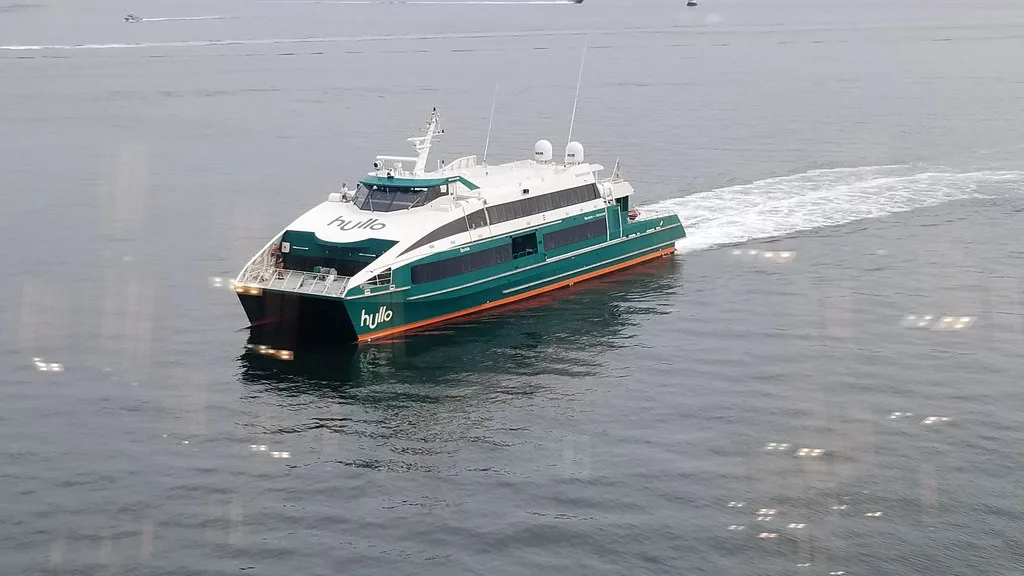
Photo: WikiMedia Commons
My Logbook: Vancouver — Mountains, Ocean & the Gateway North
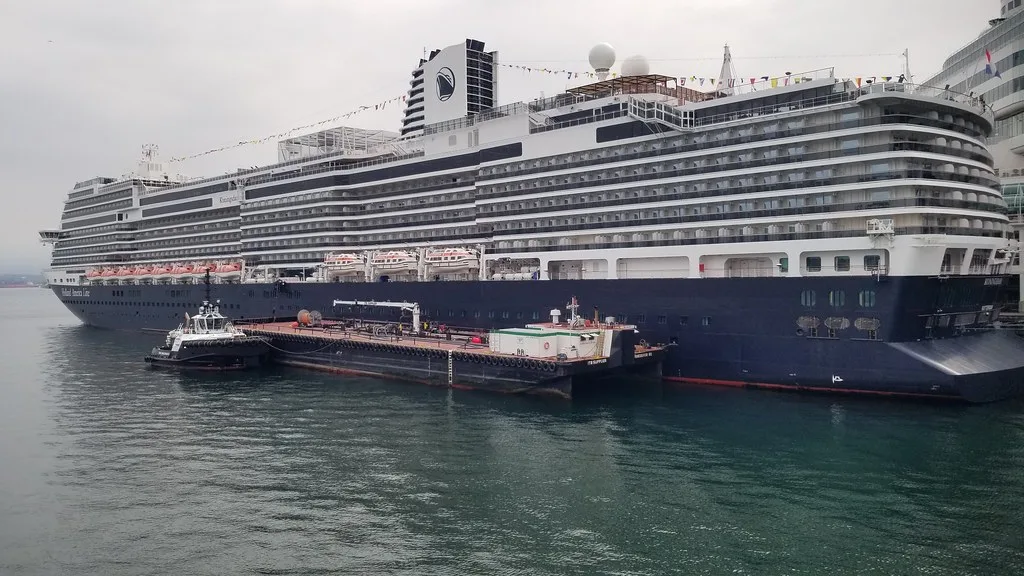
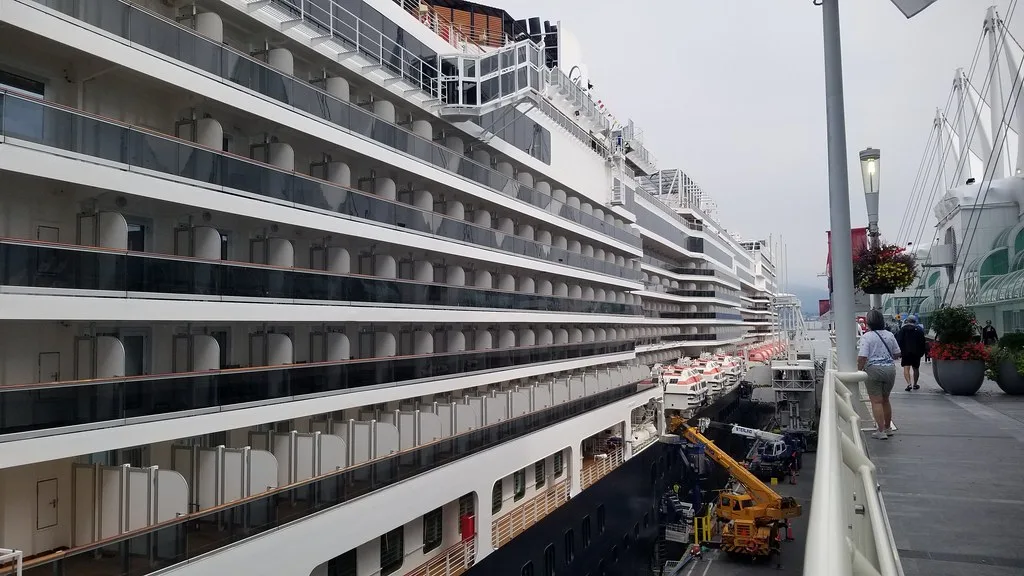
I stood on the deck of our cruise ship at Canada Place with a coffee in my hand, watching the sun hit the North Shore mountains, and I thought: this might be the most beautiful urban harbor I've ever seen. Vancouver's five white sails rise over the terminal like a ship of its own, and the city wraps around you — glass towers reflecting the water, snow-capped peaks behind everything, seaplanes buzzing low across the inlet. This is the northern gateway for Alaska cruises, and most people treat it as a box to check on embarkation day. That's a mistake I made once and never again.
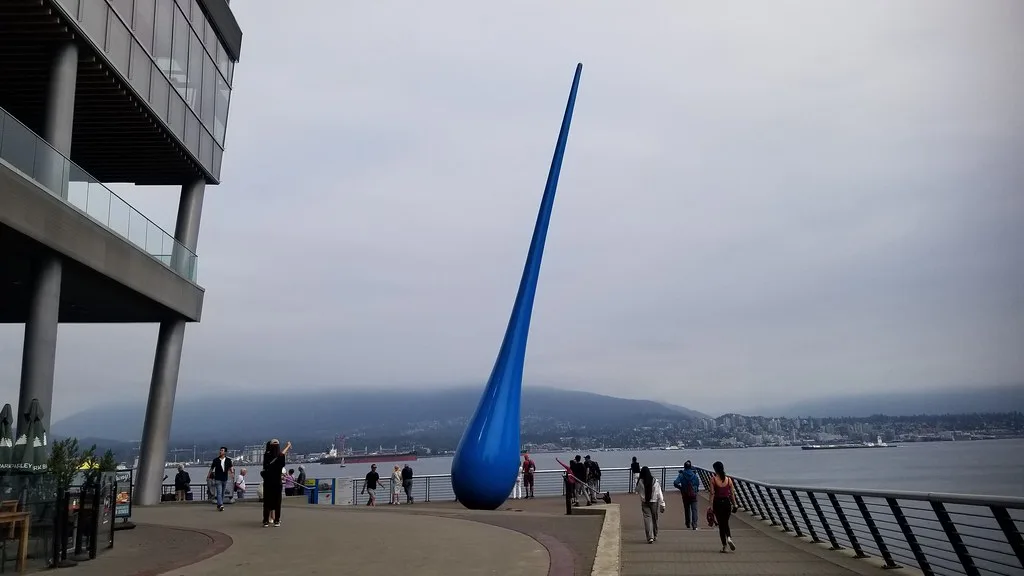
My perfect pre-cruise day starts with a bike rental and the Stanley Park seawall — 10 kilometers of flat, paved path hugging the shoreline past totem poles carved by Coast Salish nations, beaches where locals swim even in May, and views of Lions Gate Bridge spanning the inlet like a smaller, greener Golden Gate. I've ridden this loop three times now and I still stop to take photos. The smell of cedar and salt water hangs in the air. Somewhere a seaplane lifts off from Coal Harbour and banks toward the mountains, and I watch it until it's gone. Then I head to Granville Island, where the public market overflows with fresh salmon, local cheese, artisan bread, and buskers playing fiddle on the dock. I grab a chowder bowl and sit by the water, watching the little Aquabus ferries buzz back and forth across False Creek.
In the afternoon I take the SeaBus across Burrard Inlet to North Vancouver — twelve minutes on the water with the city skyline receding behind me — and catch a shuttle to Capilano Suspension Bridge. The bridge sways 70 meters above the canyon floor, 140 meters long, and the old-growth forest smells of wet bark and fern. But it's the cliff walk — a narrow glass-and-steel walkway cantilevered off the granite face — that gets my heart pounding. Gastown in the evening: cobblestone streets, the world-famous steam clock whistling every fifteen minutes, and dim sum in Chinatown that rivals anything I've had in Hong Kong.
Vancouver's Asian food scene alone justifies extra days. The sushi rivals Tokyo; the dim sum is legendary; Korean, Vietnamese, Japanese ramen — this city eats better than places ten times its size. I've had omakase at a tiny counter in Kitsilano that left me silent with gratitude. However, the prices reflect the quality — budget $20–30 CAD for a solid lunch, more for high-end spots.
On my last visit I took the Grouse Mountain Skyride on a clear afternoon — the gondola lifted me above the tree canopy and suddenly the whole city unfolded below: the harbor glittering, the cruise ships tiny at Canada Place, the islands of Howe Sound stretching north toward the Inside Passage. I could see where the cruise would take me. There were grizzly bears in the mountaintop sanctuary, their fur warm and glossy in the sun, padding along paths so close I could hear their breathing. I watched them for half an hour, feeling the cool mountain air on my face, grateful to be here before the ship pulled away.
If you're embarking on an Alaska cruise from Vancouver, I cannot stress this enough: arrive early. Two or three extra days here will be among the highlights of your entire trip. The cruise is incredible, but Vancouver is not just a departure point — it's a destination that earns your time.
Looking back, what Vancouver taught me was the value of arriving early — not just for the cruise, but for everything. I learned that the best moments happen when you stop rushing to the next thing and let a place unfold at its own pace. The seawall, the market, the mountains — none of it can be hurried. Sometimes you need to arrive a few days before the adventure starts, just to remember how to see clearly.
Weather & Best Time to Visit
The Cruise Port
Ships dock at Canada Place — the iconic sail-roofed terminal at 999 Canada Place, right in the heart of downtown Vancouver. This is the primary embarkation point for Alaska cruises, serving as both homeport and turnaround terminal for major lines including Royal Caribbean, Holland America, Princess, and Celebrity. The terminal is modern, well-organized, and directly connected to the city center — Gastown is a 5-minute walk, and Waterfront SkyTrain station is adjacent.
Getting to the terminal from Vancouver International Airport (YVR) takes 25–35 minutes via the Canada Line SkyTrain ($9.35 CAD adult fare, direct to Waterfront Station) or $35–45 CAD by taxi/Uber. From Seattle, it's a 3–4 hour drive via I-5 North — bring your passport for the border crossing. The terminal itself has level boarding, wheelchair-accessible gangways, and clear signage throughout. Street-level access is flat from the SkyTrain station. The Pan Pacific Hotel is built directly into Canada Place for the closest possible pre-cruise stay.
Getting Around Vancouver
Vancouver's public transit (TransLink) covers SkyTrain, buses, SeaBus, and the little Aquabus/False Creek ferries. A Compass Card day pass costs $11 CAD and covers SkyTrain, buses, and the SeaBus to North Vancouver. The Aquabus and False Creek Ferries to Granville Island are separate ($4–7 CAD per hop).
- SkyTrain: Three automated lines — Canada Line (airport), Expo Line (east), Millennium Line. Waterfront Station is steps from Canada Place.
- SeaBus: 12-minute ferry across Burrard Inlet to North Vancouver from Waterfront Station — scenic and practical.
- Aquabus & False Creek Ferries: Small ferries connecting Granville Island, Yaletown, Science World — $4–7 CAD per hop.
- On Foot: Downtown core is compact and walkable; Stanley Park seawall is 10 km of waterfront path roughly 91 football fields, 333 blue whales nose-to-tail, or 7,246 emperor penguins in an improbable queue.
- Bike Rentals: Mobi bike-share stations throughout downtown. Seawall is flat and fully paved — accessible for most mobility levels.
The downtown core is wheelchair-friendly with curb cuts and accessible crossings. SkyTrain stations have elevators, and most buses are low-floor. Stanley Park's seawall is flat and paved — suitable for wheelchairs and strollers. Capilano Suspension Bridge has some accessible areas but the bridge itself and cliff walk require steady footing.
Vancouver Port Map
Interactive map showing Canada Place, Stanley Park, Granville Island, and Gastown. Click any marker for details.
Top Excursions & Things to Do
Stanley Park Seawall by Bike (2–4 hours): Rent bikes near the park entrance ($8–12 CAD/hour) and ride the 10 km paved seawall loop — totem poles at Brockton Point, Third Beach, Prospect Point lookout, and Lions Gate Bridge views. The path is flat and fully paved, suitable for most fitness levels and wheelchair-accessible throughout. Free to enter the park; bike rental is the only cost. No booking needed — rentals available on a walk-up basis from several shops on Denman Street.
Granville Island Public Market (2–3 hours): Take the Aquabus ($4 CAD) or walk from downtown (25 min). The market overflows with local produce, fresh seafood, artisan bread, flowers, and craft shops. Lunch budget: $12–20 CAD. The market is largely flat and wheelchair accessible. Free to browse; open daily except major holidays. No advance booking needed.
Capilano Suspension Bridge (2–3 hours): The 140-meter bridge sways 70 meters above the canyon floor — plus the cliff walk (a cantilevered glass-and-steel walkway) and treetop adventure through old-growth forest. Admission: about $65 CAD adult; free shuttle from downtown. Pre-book online in summer to avoid queues. Moderate physical effort required — the bridge and cliff walk need steady footing. Ship excursion packages that include Capilano plus a city tour run $80–120 CAD per person with guaranteed return to the pier, or go independent for more flexibility.
Gastown Walking Tour (1–2 hours, self-guided, free): Vancouver's oldest neighborhood: cobblestone streets, the famous steam clock (whistles every 15 minutes), boutiques, and restaurants. Flat terrain, wheelchair accessible on main streets. Combine with Chinatown and Dr. Sun Yat-Sen Classical Chinese Garden ($16 CAD admission) for a half-day cultural loop.
Grouse Mountain Skyride (half day): Gondola to the "Peak of Vancouver" with panoramic views, grizzly bear sanctuary, and alpine hiking trails. Skyride ticket about $70 CAD adult; book online to guarantee your time slot in summer. The gondola cabin is wheelchair accessible. Summit trails vary from easy boardwalks to moderate alpine loops. The lumberjack show runs daily in summer and is included with admission — surprisingly entertaining. On clear days you can see Vancouver Island across the Strait of Georgia.
FlyOver Canada (1 hour): A flight simulation ride right at Canada Place — soar over Canadian landscapes from coast to coast in a suspended-seat theater. About $35 CAD adult. A practical embarkation-day activity since it's inside the cruise terminal complex. Pre-book online for timed entry. The ride is accessible for most visitors; transfer seats available for wheelchair users.
Depth Soundings
Vancouver sits on the traditional, ancestral, and unceded territories of the Musqueam, Squamish, and Tsleil-Waututh Nations, whose relationship with this land stretches back thousands of years. The totem poles at Stanley Park's Brockton Point — carved by artists from multiple Coast Salish and First Nations communities — are among the most visited Indigenous art installations in the world. The city's European chapter began in 1867 when "Gassy Jack" Deighton opened a saloon on the inlet shore, and the settlement that grew around it became Gastown.
The Canadian Pacific Railway reached Vancouver in 1887, transforming it from a lumber town to a Pacific gateway. The Komagata Maru incident of 1914 — when a ship carrying 376 passengers from India was turned away from the harbor — remains a painful chapter in the city's immigration history. Today Vancouver is one of the most ethnically diverse cities in North America, with one of the largest Chinatowns on the continent and Asian-Canadian communities that have shaped the city's identity, particularly its legendary food scene.
As a cruise homeport, Vancouver became the primary Alaska departure point for Canadian-flagged ships and remains the preferred gateway for one-way Inside Passage itineraries. The Jones Act requires foreign-flagged ships sailing from US ports to stop in a foreign port — which is why Vancouver matters so much to the Alaska cruise industry.
Photo Gallery
Frequently Asked Questions
Do I need a passport for Vancouver?
Yes — US citizens need a valid passport to enter Canada and for Alaska cruises. Make sure it's valid for the duration of your trip. NEXUS card holders can use expedited border crossing.
Vancouver or Seattle for Alaska cruises?
Both are great homeports. One-way cruises between the two see more of the Inside Passage without backtracking. Vancouver is worth extra time to explore — the food, parks, and waterfront are genuinely outstanding.
What's the best way from the airport to Canada Place?
The Canada Line SkyTrain is efficient and affordable ($9.35 CAD) — it drops you at Waterfront Station, a short walk from the terminal. Taxi/Uber runs $35–45 CAD. Both take 25–35 minutes depending on traffic.
How many days should I spend in Vancouver?
At minimum, arrive the day before your cruise. Two to three extra days let you explore Stanley Park, Granville Island, Gastown, and the dining scene properly. The city earns every extra day you give it.
Is Vancouver accessible for wheelchair users?
Vancouver is reasonably accessible. The SkyTrain has elevators at all stations. Stanley Park seawall is flat and paved. Downtown sidewalks have curb cuts. Capilano Suspension Bridge has some accessible areas but the bridge itself requires steady footing. Canada Place terminal has level boarding.
What is the best time to visit Vancouver?
The seasonal panel above lists Peak Season as "May, Jun, Jul, Aug, Sep," Transitional Season as "Apr, Oct," and Low Season as "Nov, Dec, Jan, Feb, Mar." Use the live weather widget in the seasonal panel for current short-term conditions.
What is Vancouver's storm season?
The Weather Hazards panel above labels Vancouver's heavy-weather window as "Pacific Northwest Storm Season" with "Season: Oct – Mar" and "Peak risk: Nov, Dec, Jan." The hazard-note explains: "Pacific Northwest winters bring heavy rain, atmospheric rivers, and Pacific storm systems with gales. Vancouver's cruise season largely runs May-Sep when weather is calmer; late-season Alaska repositions in Sep-Oct can encounter rougher fall conditions. Snow at sea level is occasional but not unusual in Dec-Feb." Vancouver sits at ~49°N on the BC coast — well north of tropical-cyclone tracks, with Pacific storms as the primary heavy-weather concern. The live weather widget in the seasonal panel above is the primary source for current conditions on a specific sailing date.
What should I pack for Vancouver's weather?
The Packing Tips section in the seasonal panel above lists: "Sunscreen and sunglasses — essential year-round"; "Light layers for variable temperatures"; "Comfortable walking shoes for exploring"; and "Rain jacket or compact umbrella." Specific Vancouver temperature ranges are not detailed on this page — the glance Temperature entry reads "Varies by season — check forecast."
Will rain ruin my Vancouver port day?
The seasonal panel does not give Vancouver-specific rainfall data — the Rain entry reads "Seasonal variation — check forecast." The Best Time block lists "May, Jun, Jul, Aug, Sep" as Peak Season. The live weather widget in the seasonal panel is the source for short-term forecasts on a specific sailing date.
Last reviewed: February 2026
Key Facts
- Country
- Canada
- Region
- Pacific Northwest / Alaska Gateway
- Currency
- Canadian dollars (CAD)
- Language
- English / French
Image Credits
- vancouver-hero.webp: WikiMedia Commons (CC BY-SA)
- vancouver-harbor.webp: WikiMedia Commons (CC BY-SA)
- vancouver-landmark.webp: WikiMedia Commons (CC BY-SA)
- vancouver-attraction-1.webp: WikiMedia Commons (CC BY-SA)
- vancouver-panorama.webp: WikiMedia Commons (CC BY-SA)
- vancouver-street.webp: WikiMedia Commons (CC BY-SA)
- vancouver-food.webp: WikiMedia Commons (CC BY-SA)
Images sourced from WikiMedia Commons under Creative Commons licenses.